


Hannah Huynh
Introduction
My name is Hannah Huynh, and I’m from Bossier City, Louisiana! I’m 23 years old, and I graduated from Louisiana Tech in 2024 with a B.S. in Kinesiology and Health Sciences. I just finished my first full year in the Doctor of Chiropractic program at Parker University.
When I walked into Parker for the first time, I thought I had a pretty good idea of what to expect: long hours, demanding classes, and a deeper dive into human anatomy and physiology. But nothing could have fully prepared me for just how much I would grow—not only academically, but mentally, emotionally, and personally.
This first year has been one of the most intense yet rewarding chapters of my life. I’ve experienced moments of doubt and burnout, but also breakthroughs that reminded me why I chose this path in the first place. From dissecting cadavers in anatomy lab to learning how the nervous system influences every function in the body, I’ve gained a whole new appreciation for the complexity of human health and the responsibility that comes with becoming a Doctor of Chiropractic.
In this reflection, I want to share the journey so far: the challenges I faced, the skills I developed, and how this first year has shaped the way I think about healthcare and my role in it. Whether you’re considering chiropractic school or are just curious about what the first year really feels like, I hope my experience offers some insight and maybe even a little encouragement.
Why Chiropractic?
When I first started undergrad, I was working toward a degree in Biology, hoping to go to medical school to become an anesthesiologist. After my first two years, I started to shift my focus from traditional medicine to an allied health profession. This change came with a lot of contemplation and hesitation. Once I realized my heart wasn’t in medicine, I changed my major to Kinesiology.
There are so many different professions within kinesiology, and when I made the switch, I had no idea I would fall into chiropractic. I researched different careers and their requirements, spent hours shadowing at various clinics, and consulted with my professors. I hadn’t fully made up my mind until I shadowed Dr. Gary Higginbotham at Higginbotham Chiropractic. Seeing his daily flow, his interaction with patients, and the improvements in their quality of life set my heart on becoming a chiropractor.
I didn’t realize how broad the scope of chiropractic could be until I started school at Parker! There are so many people with different backgrounds who have introduced me to the many ways chiropractic care can be practiced. Most people in my cohort are college athletes who want to go into rehab and sports medicine, but there are plenty of other specialties—like neuroscience, family practice, prenatal care, pediatric care, geriatric care, and so much more.
The Reality of First-Year Coursework, Personal Growth, and Mindset Shifts
My first trimester was a bit of a culture shock. Going from Tech’s 10-week quarters with 12 credit hours to Parker’s 15-week trimesters with 27 credit hours felt like I was drowning. After a few weeks, the transition became easier, and I eventually fell into a natural rhythm.
By the time Trimester 2 rolled around, I thought I had a good grasp of what I needed to do to stay on top of my workload, but I still struggled to keep my head above water. Classes like Microbiology and Gross Anatomy were tough, but I especially struggled with the lab portions. It forced me to reassess my study habits. Instead of just paying attention in class and grasping concepts like I was used to, I had to dedicate hours after class to deeply understand just one topic.
Although it was hard, I pushed through and finished my first year strong. Louisiana Tech’s Kinesiology program helped prepare me for a more rigorous academic environment. My background in anatomy, physiology, and exercise science gave me a bit of a boost, allowing me to build on those subjects in more depth. This also helped me manage the workload so I could focus more on classes that needed additional time and effort.
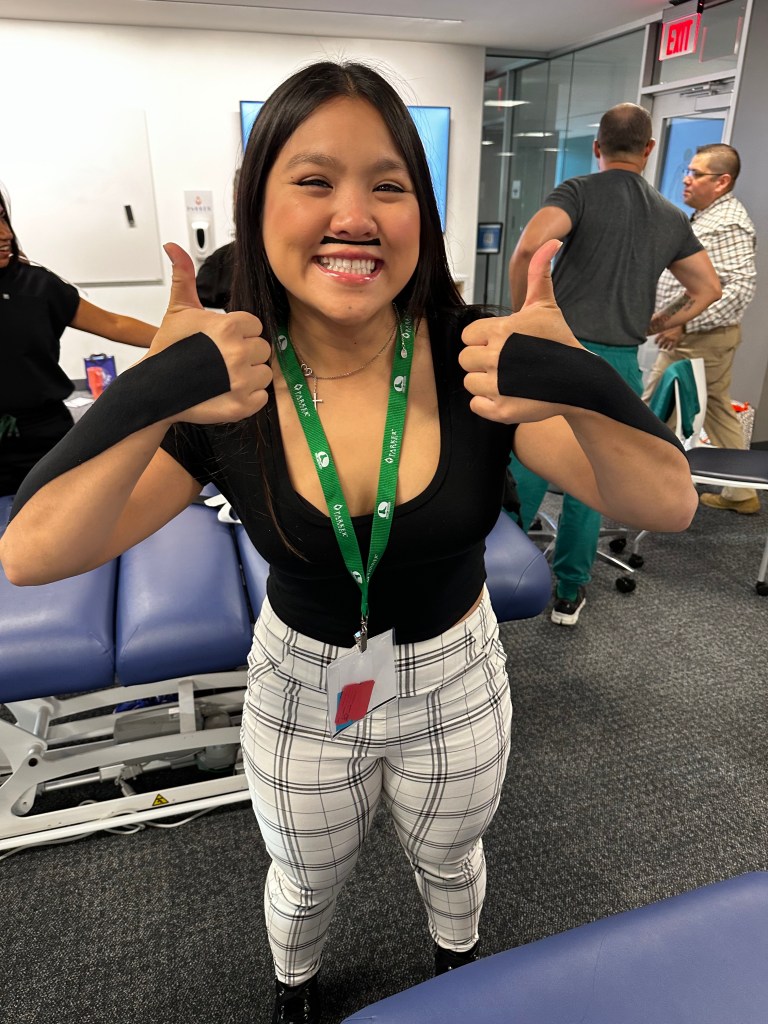
Hands-on classes that focused on setups and palpation were the most fun for me and kept me motivated. It’s easy to lose motivation when you’re stuck in lectures and study sessions for hours, so these labs were refreshing! Learning how to feel for the spine and understand the biomechanics of the body made the academic load more bearable and even exciting.
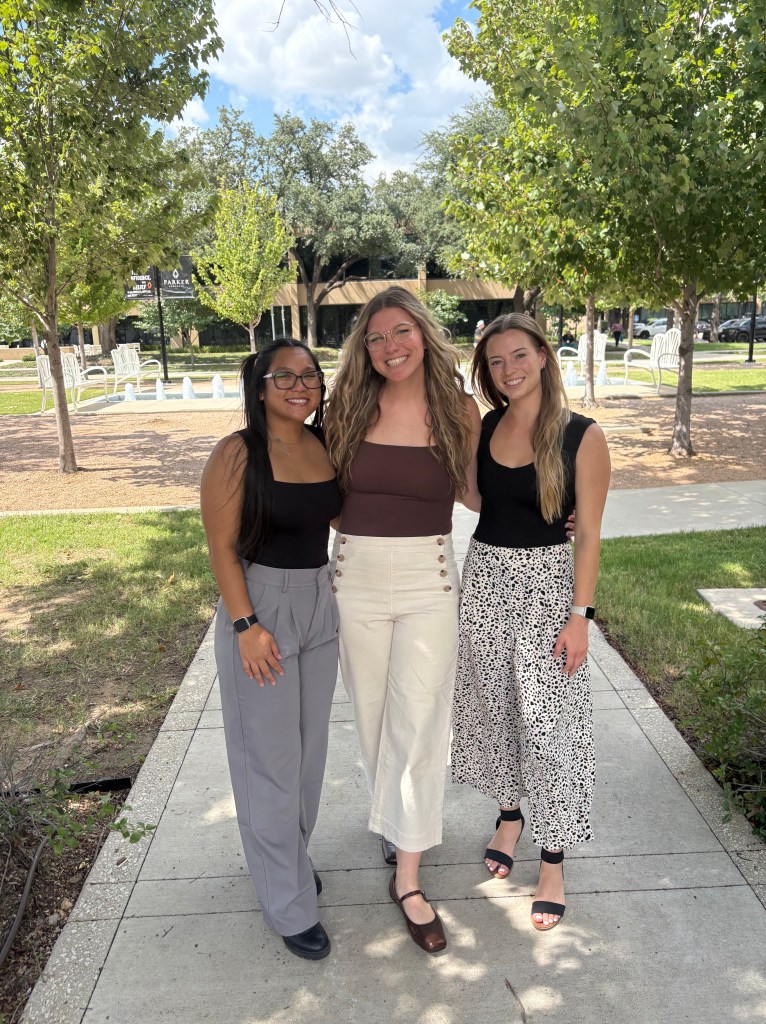
Even when things were going well academically, there were still plenty of emotional ups and downs. Moving to a different state and feeling alone was scary, but I was fortunate to find a solid group of reliable friends along the way. Feelings of burnout and mental exhaustion are bound to happen in a program this demanding, but having people who were going through the same thing helped me feel less isolated and more supported.
One of the biggest mindset shifts I’m still learning is transitioning from thinking like a student to thinking like a doctor. Memorizing material and doing well on lab practicals is important, but I constantly have to remind myself that passing a class isn’t the end goal. The goal is to become an excellent chiropractor and a strong advocate for my patients’ overall health. That perspective motivates me to work harder and continually strive to improve.
Looking Ahead
As I move into my second year, the focus will shift from basic sciences to more clinical courses. I’ll have more adjusting classes and more opportunities for hands-on experience! I plan to shadow more chiropractors and explore different areas within the field.
There are so many specialties to consider: neuroscience, sports medicine, family practice, and more. Right now, I’m most interested in family practice with a focus on prenatal care. With a little over two years left, there’s still plenty of time to explore and discover what truly resonates with me.
Closing Thoughts
As you prepare to begin your journey into chiropractic college, or consider whether it’s the right path for you, know this: it will challenge you in ways you can’t fully anticipate. The coursework is rigorous, the pace relentless, and the expectations high. But it’s within that pressure that transformation begins.
My advice to incoming students is simple: stay open. Open to learning, open to being wrong, open to changing your mind, and open to growth. Don’t let imposter syndrome steal your confidence, and don’t expect to feel ready for every step. Growth rarely happens when you’re comfortable. In fact, some of your most defining moments will come when you feel stretched thin or unsure of your place. Lean into those moments, because they are shaping you into the kind of chiropractor who makes a difference.
Looking back, I’m grateful for every challenge that pushed me beyond what I thought I could handle. If I could offer one reminder, it would be this: the version of you who walks across the graduation stage will be stronger, wiser, and more capable than the one who first walked in. Trust the process, and trust yourself

 The Exponential Factor