Jesse Wendt Louisiana Tech University- B.S. Kinesiology and Health Sciences – Class of 2021
Education and Background
While I was at Louisiana Tech, I attended a seminar presented by the UT Health EP Heart program in Houston, TX. I remember leaving this seminar thinking how cool the presentation was and the potential of working with medical devices. Shortly after this seminar I found out that my dad was going to be needing a pacemaker which prompted me to do even more research into what pacemakers are and how they work. At the time I was very nervous at the thought of my dad needing a pacemaker but now that I work in the industry, I know that pacemakers are very common. In fact, they are great devices that help to improve a patient’s quality of life.
In my last quarter at Tech, I did my internship at Northern Louisiana Medical Center in the cardiac rehab department. While I was there, I expressed my interest in this program in Houston and the idea of working with medical devices. As luck would have it the head of the cardiac rehab center was also an x-ray tech that worked in the cath lab at the hospital. He allowed me to come and see procedures every so often which gave me my first exposure to a cath lab and how it worked. I mostly saw left and right heart caths but I was able to see the beginning of a pacemaker generator change. By the end of my internship, I was hooked. I knew this is the career I wanted to pursue and after graduating I applied for the EP Heart program.
EP Heart Cardiovascular Electrophysiology Program
The UT Health EP Heart program is located in Houston, TX just minutes away from the Med Center in downtown Houston. It is a 6 month program that covers the Cardiac Rhythm Management (CRM) industry, Electrophysiology (EP), and structural heart industry. The program is offered twice a year, staring in January and July. The staff includes: John Boettcher, a former Medtronic sales rep with years of experience and CRM instructor. Dr. Anne H. Dougherty, a practicing physician (who if you’re lucky you will get to see do cases during your time at clinicals) and EP instructor. Courtney McAlister, RN, BSN the structural heart instructor. Wendy Boettcher, RN, BSN, the clinical instructor who has years of experience working with medical devices and Mary Jones the program manager. Though this is just a brief overview of their background, the entire staff is amazing and has become a great professional resource that extends beyond just the completion of the program. The program is split into three distinct curriculums; CRM, EP and structural heart. However, between CRM and EP there is a professional week where you will get to practice and hone your interview skills, resume building and other skills to help you succeed in a professional environment. This also includes numerous presentations and interviews with some of the top medical device companies in the world. The staff has done an amazing job building this program and continuing to attract top companies to come and interview its students. Some of the companies include; Biotronik, Abbott, Medtronic, Boston Scientific, Biosense Webster, and many more. A large part of that success comes from the education and hands on experience that you receive at the program.
The program focuses on three industries; CRM, EP and structural heart. The Cardiac Rhythm management (CRM) curriculum involves implantable medical devices like pacemakers, defibrillators and cardiac resynchronization (CRT) devices. You will learn about how pacemakers work, the indications for implanting them, the specific algorithms and technology that different companies have and much more. As you are learning about them you will also get the opportunity to use four different companies’ programmers to practice testing and programming demo devices. You will also get to use an advanced sim lab that allows you to see a simulated implant to help you get familiar with how implants flow and what supplies or issues you may need to be prepared for.
The Electrophysiology (EP) curriculum focuses on identifying arrythmias and learning how to map these arrythmias during an ablation. This portion is taught by a practicing physician, Dr. Dougherty, which is an experience that is unique to this program. Her knowledge and first-hand experience, possibly even from cases she did that week, sets your education apart from others. You will get to see the different kinds of technology each companies use and practice mapping on computer simulators. Using the sim lab you will get to see great examples of mapping and how different catheters work. You even get to try your hand at trying to place and manipulate a catheter while its in the “body”.
The Structural Heart curriculum covers some more complex procedures like a TAVR (transcatheter aortic valve replacement), mitral valve repair, left atrial appendage closure devices and some of the new devices that are coming to market soon. You also get to learn about echocardiogram imaging and how to identify different structures and locations within the heart. Once into this part of the class you will get the chance to go with Courtney to the Med center and watch some structural cases. This could be a TAVR procedure, a mitral clip placement or both.
Throughout the program you will complete roughly 200 hours of clinical observation. This could be spending a day in a clinic watching the reps from several companies interrogate, test and reprogram devices. Once you get some experience under your belt some will even let you do the testing and programming while they watch. Clinicals also include time at four different Memorial Hermann hospitals throughout Houston where you will get to watch anything from a pacemaker implant to an AFib ablation. You will get to stand inside the procedure room and watch the reps as they map a complex flutter ablation or you can watch as they test the leads that were just placed in the patient’s heart. During this time, you can network with local reps that could even land you an interview and possible job with their company. Upon completion of the program, you will have gained valuable experience and knowledge in many different aspects of medical devices and therapies available. You will also have a strong skill set that will help you progress through your career and professional life.
What I do Now I currently live in Lafayette, LA working for Biotronik as a field clinical specialist (FCS). Biotronik is a medical device company that specializes in a number of different areas ranging from pacemakers and defibrillators to coronary stents and spinal cord stimulators. My job as an FCS in the CRM division revolves around pacemakers, defibrillators and heart failure devices. I provide technical and clinical support for Biotronik within an assigned territory and professionally represent Biotronik and provide education, follow-up services, implant services, in service training, and other related services as necessary to sales force, physicians and other cardiac pacing-related professionals. I am present when the device is implanted to test and ensure the leads are in the best place possible to maximize the efficiency and battery life of the device. I routinely test and check the devices in office follow ups to ensure the device is working as it should. We are constantly involved in patient care from programming changes to maximize battery life to programming the device so the patient can safely get an MRI or undergo surgery. This is not a 9-5 job; implants can be early in the morning or late at night. You can have small clinics or huge clinics with 20+ patients. Plus a big part of this job is being on call, that could mean a 2 AM visit to the ER or a Saturday morning check. But this career is so rewarding, I get to see the benefits of these devices first hand. Whether that be a patient that has regained their energy and is able to walk and do the things they want too again. Or, during the ER checks when you see the patient’s defibrillator has delivered a lifesaving shock to get them out of a lethal arrhythmia. I’m still very early in my career but getting to work with such amazing and beneficial technology is a truly unique and special experience. I can’t wait to keep advancing and learning more and more every day.
I want to give a special thank you to John and Wendy Boettcher and the rest of the staff at the EP Heart program. Thank you for all the advice both during and after the program as well as teaching us and giving us such a special and unique education. Also, thank you to Dana, Judy, Katherine and Bill at Waco Cardiology for hiring me out of school and helping to teach me to care for patients the best I can. And a special thank you to Biotronik and Ramon Carrasquillo and Ryan Quinlan for giving me the opportunity to be a part of something special. And lastly thank you to Ms. Boyd and the Kinesiology department for an amazing college experience and education. As well as giving me the chance to talk a little about the unique and wonderful career that is Cardiac Rhythm Management.
On November 22nd, six young Kinesiology alumni were recognized at the Louisiana Tech football game vs. Liberty University. That morning Dr. David Szymanski (Kinesiology Department Chair) and several Kinesiology faculty members greeted the alumni and their families in the lobby of Scotty Robertson Memorial Gym. After introductions and remarks, all enjoyed a tour of the classrooms and labs to see updates to the facility since their graduation. Each alum was presented with a certificate of recognition and gift bag.
Dr. Henrietta Pichon (Dean of the College of Education and Human Sciences) joined in the festivities at the CEHS Tailgate Tent and then hosted the alumni and their families at the Davison Athletics Complex for the pre-game meal and the football game. The alums, along with Dr. Pichon and Dr. Szymanski, were recognized on field during the game. It was great inaugural event.
The alumni recognized were…
Physical Therapist – Dr. Lovely Wilkerson: Graduated LaTech with BS in Kinesiology and Health Sciences in 2019. Works at Melanie Massey Physical Therapy in Ruston, LA.
Prosthetics /Orthotist and Clinical Manager – Bradley Carver: Graduated LaTech with BS in Kinesiology and Health Science in 2013. Works at Methodist Orthotics & Prosthetics in Monroe, LA.
Field Clinical Specialist at Biotronik (Cardiac Rhythm Management Industry) – Jesse Wendt: Graduated with BS in Kinesiology and Health Sciences in 2021. Works at Biotronik in Lafayette, LA.
Lead Cognitive Performance Specialist – Daniel Johnson: Graduated LaTech with BA in Psychology in 2022 and MS in Kinesiology: Sport & Exercise Psychology concentration in 2024. Works at H2F Holistic Health and Fitness (Fort Polk) in Leesville, LA.
Associate Professor – Dr. Tyler Donahue: Graduated LaTech with MS in Kinesiology: Sports Performance concentration in 2013. Earned PhD from University of Mississippi in 2019. Works at the University of Southern Mississippi in Hattiesburg, MS.
US Marine Corps Special Operations Command Liaison Officer to Special Operations Command (Central) – Major Jeremy Carter: Graduate LaTech with BS in KINE with dual concentrations in clinical & health promotion in 2011 and MS in Kinesiology: Exercise Science concentration in 2012. Major Carter serves at MacDill Air Force Base in Tampa, FL.
Our next six blogs will feature each alum as they have each agreed to write an article sharing their professional adventures.
Jesse Boswell Cozine Louisiana Tech University – KIHS – Clinical Concentration 2014 LSUS School of Allied Health 2017
My name is Jessie Cozine, and I live in Shreveport, Louisiana, where my husband and I enjoy spending time with our family and friends. From 2010-2014, I attended Louisiana Tech and was on the health promotion concentration in my kinesiology major. Later I changed to the clinical concentration to pursue physical therapy.
By my sophomore year I was questioning if I even wanted to do PT and wasn’t sure what other options I had. During a seminar hosted by our Kinesiology department in the fall of 2011, I was given the opportunity to hear from three professionals from an allied health school. They discussed careers in physical therapy, occupational therapy, and as a physical assistant. Everything the OT spoke about I fell in love with. It was exactly what I needed to hear to put me on the right track to pursue a career as an occupational therapist. Thankfully my advisor and other professors helped guide me in how to accomplish this goal and make my dream a reality.
There are many wonderful things the Kinesiology department gave me both professionally and personally. They encouraged me to join several of the department’s organizations including ESPE (now KINE) and PEK. I am grateful for their guidance because I learned so much through these organizations. Getting out of my comfort zone challenged me to grow as a leader, and I enjoyed serving in several roles in these organizations: secretary, vice president and president. This gave me the opportunity to collaborate with other students as we learned how to network and organize fundraising events. Each of these valuable experiences shaped me into the person and professional I am today.
Another incredible asset the Kinesiology department provided me was the adult practicum class as well as setting up an internship with an OT at an LTAC (Long-Term Acute Care) facility. This gave me hands on experience with people in the community, and I shadowed both inpatient and outpatient occupational therapy settings. These opportunities were unique to our department and gave me valuable training. The occupational therapists I met during that internship wrote my recommendation letters which helped open the door for me into OT school.
Fast forward to my senior year. I had finished my internship that summer and was applying to OT schools before graduating in spring of 2014. During the winter quarter my father was in an accident and suffered a traumatic brain injury. Our family’s life was turned upside down. My dad did rehab in several places in Shreveport and then in New Orleans at Touro, a brain injury specialty hospital. My professors and close friends from the Kines department helped carry me through this difficult time in my life. When they say “Kines Family” they mean it. I could not have made it without them during those extremely stressful times. By God’s grace and mercy my dad returned home and was even able to attend my graduation in Spring of 2014.
Prior to graduation, I found out that I was placed on the waitlist for OT school in Shreveport. This was not the news I wanted but considering what my family was going through at the time, it was really for the best. While waiting to reapply to OT school for that following year, I was given the opportunity work for a nonprofit organization called ThinkFirst. This is an injury prevention organization that educates the community on how to prevent brain and spinal cord injuries as well as providing support and resources to survivors and their families. Initially I worked there as an intern and then became their program coordinator. ThinkFirst helped my family so much while in the thick of my dad’s injury and it continues to support us in our brain injury journey.
The experience I gained from the Kines organizations helped prepare me for my role as program coordinator in setting up fundraising events for this nonprofit and networking with other organizations. It also opened my eyes and heart to a community of survivors/caregivers of both brain and spinal cord injuries that I may have never met. I believe this has made me a better clinician and person. God works in amazing ways even if we don’t see it that way, or when things don’t happen in our timeframe. After OT school I decided to join the board of ThinkFirst to stay connected and give back to such a wonderful organization and community. This summer I became president of the board at ThinkFirst.
So where am I now? I graduated from LSU School of Allied Health in Shreveport in 2017 and have been practicing as an occupational therapist for almost eight years. I’ve had the opportunity to work in a several settings including acute and inpatient rehab, and outpatient ortho, neuro and pediatrics. I currently work full time at Christus Outpatient orthopedic hand clinic. In this setting I work with a variety of age groups and upper extremity diagnoses. I continue to learn and grow in this field in order to give my patients the best care and further my knowledge as an OT. My future goal is to obtain my CHT (certified hand therapist). I’m reminded never to underestimate God and how He works in the details. I’ve learned not to limit myself and embrace what can be possible in life—both professionally and personally.
Delaney Ferris Department of Kinesiology Senior majoring in Kinesiology and Health Sciences
Hey everyone! My name is Delaney Ferris, and I’m from Watson, Louisiana. I am a senior at Louisiana Tech University majoring in Kinesiology and Health Sciences with plans to become a physical therapist. This summer I had the opportunity to do my internship with Susan Kinney, PT, in Boston, Massachusetts, at the Boston Ballet Summer Dance Program!
I met Susan thanks to an assignment in Mrs. Deal’s Foundations of Kinesiology course. We were assigned to interview a role model or mentor in our desired future profession. I have always been interested in becoming a physical therapist for dancers, so I asked my friend Kaylie Wood, who attended Boston Conservatory, if she could put me in contact with their physical therapist, whom she raved about. She gave me Susan’s number, and I reached out to her. Susan was thrilled to do an interview, and it went even better than I could have imagined. We planned to Facetime for one hour, but we ended up talking for almost two hours! We stayed in touch after, and she even sent pictures home with Kaylie to show me.
Then, on a whim in January, I asked Susan if I could do an internship with her in the summer. She had previously mentioned that she would love to have me do a clinical rotation with her once I was in PT school, so I thought that there was no harm in asking if I could do my undergrad internship first. She immediately said yes, gave me the dates, asked about living arrangements, and asked what contract she needed to sign. I was in shock by her response. I hadn’t expected her to say yes so quickly, but I knew I was going to do it. We got everything prepared, and several months later, I was off to live in the city.
In Boston, I met with Susan and the other physical therapist, Libby Taylor, to set up the temporary clinic at Boston Ballet. Susan’s company is Artist Rehabilitation Therapy Services, LLC. She is currently contracted to provide on-site physical therapy clinics at the Boston Conservatory at Berklee, Boston Arts Academy, and the Boston Ballet School Summer Dance Program. Her permanent clinic resides at Boston Conservatory, and she sets up a temporary clinic for the summer at Boston Ballet. The first week of the internship consisted of giving lectures to the students at Boston Conservatory’s Musical Theater Dance Intensive and Boston Ballet Summer Dance Program. We taught them about different signs of injuries to look for and how to care for their bodies during these long, intense programs. I got to demonstrate all the exercises and stretches so I enjoyed assisting with the lectures.
For the rest of the internship, we treated the students at Boston Ballet. We were treating dancers from all over the US and the country, including the UK, Ireland, Denmark, Finland, Germany, Japan, etc., which was incredible. The clinic was very fast-paced. Each PT had one patient every 30 minutes, so they had to evaluate, diagnose, and treat within that time while working around their dance schedule. While the PTs worked hands-on with the patient, I kept the flow of the clinic, set patients up on heat, and plugged others into ice buckets. I also observed a majority of the time and acted as the scribe for Mrs. Sue during evaluations. This helped me learn all about the ways to treat different acute and overuse injuries that are specific to dancers and ways to document them.
In addition to regular appointments, we also handled walk-ins and emergencies. There were several times when a teacher carried a student in, or we had to run to a studio to respond to an injury. It was hectic at times, but so enjoyable. The work environment was always professional, but we always had fun, laughed, or chatted with patients and each other. I also got to work with and learn from athletic trainers Mikaela Shelby and Amanda Donahue. Mikaela filled in for Mrs. Sue or Libby on multiple occasions, and I traveled to the Newton studio a few times to learn from Amanda. It was amazing to learn how different people treated dancers.
Outside of the internship, I lived with Kaylie and explored the city. I watched many Red Sox games, strolled endless summer markets, and visited many historic sites. I may have gotten Mrs. Sue’s car towed and left with a permanent scar, but I made lifelong friends and memories. This summer was the best experience I could have had, and I hope that other students will get to experience this.
Alexandra Crovetto, B.S. Kinesiology and Health Science Louisiana Tech University- 2022
My name is Alexandra Crovetto, and I am a second-year medical student at Lincoln Memorial University Debusk College of Osteopathic Medicine (LMU-DCOM). I am originally from Ponchatoula, LA, and I graduated from Louisiana Tech in November of 2022. During my senior year at Tech, I applied to osteopathic and allopathic medical schools but was not offered a seat. So, I took a gap year after graduation to work on improving my MCAT score and to get more patient-care experience in a hospital setting to enhance my resume. I was accepted to DCOM in the fall of 2023 and started my first classes in July of 2024.
My Louisiana Tech journey began in the Kinesiology department with the interest of becoming a physical therapist. At the time, I had been in Mrs. Deal’s class, and she encouraged us to go into the community to shadow different clinics to see if we were interested in the field. Johnson Physical Therapy welcomed me, and the therapists educated me through assessment and technique demonstrations. While I enjoyed learning this information, I discovered PT was not something I wanted as a career. However, I still did have interest in some physical therapy techniques and wanted to dive deeper into the blending of physical therapy with the practice of medicine. I am grateful to have been in a department that provided information, resources and opportunities for career choices. I attended various seminars to seek topics that peaked my interest. I became interested in becoming a physician assistant, so I took additional courses in biology to obtain the prerequisites for PA applications.
However, I still was not certain about becoming a PA because I was still drawn to PT techniques and treatments. This led to my discovery of the benefits of osteopathic medicine. Osteopathic medical schools offered me the perfect blend of medicine with physical manipulation and therapy. As Kinesiology students, we are always taught that the body is a functional unit and many entities go into the overall health of our future patients, so when I discovered that osteopathic medical schools were founded on the idea that the body is a unit in mind, body, and spirit, I was thrilled to learn more. I had my doubts about getting into medical school, mainly because my family primarily consisted of educators not medical professionals. Also, I was a kinesiology major, and most pre-meds are biology majors. Fortunately, when doubts crept in, one of my best friends, Zadren Alexander, a kinesiology major now in his final year of PT school, along with my professors: Ms. Boyd, Mrs. Reeves, Mrs. Szymanski, and Mrs.Deal, really helped to keep me motivated. They offered constant encouragement and guidance that set me up to believe in myself and in the education that Louisiana Tech provided. The summer before I graduated, I completed extra course work to meet the prerequisites for medical school. From the course loads, research projects, and community involvement to the hands-on experiences and encouragement from the faculty, including University President Guice, I will forever be grateful for the preparation I was given.
I was excited to receive a number of offers, but I decided to attend DCOM for medical school because I have always loved the mountains of Tennessee, and I wanted to experience the beauty and fresh mountain air. I also thoroughly enjoyed the “interest days,” as I was able to speak with students, prospective students and faculty over Zoom, so I was more than ready to get started.
One of my favorite classes is Osteopathic Manipulative Medicine or OMM, which is a wonderful physical medicine. As a kinesiology graduate, I have a passion for hands-on manipulations that can provide relief and healing to patients almost instantly. Having the volume of knowledge from undergrad about the anatomy of the human body has helped me in learning these techniques. I also enjoy OMM because we are able to provide a resource and relief to those who may not be able to afford medications, treatments, and procedures, or for those patients who have tried every avenue and need a last resort. Aside from OMM, our curriculum also presents osteopathic values within our courses, and we are taught to view the body as a self-healing machine, as well as looking at our patients differently. We are not to chase the problems our patients bring to us; instead, we are to look at our patients as a whole: mind, body, and spirit, and truly evaluate each of those aspects when listening, diagnosing and treating.
Osteopathic Medical schools are set up the same as allopathic medical schools in that we have two years of didactics (classroom) and then two years of clinical rotations. Year one is similar to prerequisite courses in undergraduate. Classes include pharmacology, neuroanatomy, anatomy, biochemistry, microbiology, and from the beginning, we learn Osteopathic Principles and Practices with standardized patients. That is something that drew me to my school because I wanted exposure working with real people and getting comfortable with talking to patients and writing notes on those encounters. In the second year, we transition to system-based clinical courses where we spend a couple of weeks on three different body systems and dive into learning diseases, disorders, diagnostics and treatments. During this year, we are expected to start diagnosing and treating our standardized patients in order to prepare for clinical rotations. These treatments also include performing OMM. Toward the end of the second year, we rank our favorite rotation sites, get put into a lottery and placed. Third year rotations have required specialities that must be completed along with elective rotations. We can choose our preferred specialty to work with, or some choose to work with family members who are physicians. During fourth year there are required rotations; however, most of the rotations are open for students to decide. Much of this time is used for “audition” rotations. This is when we rotate at residency spots in which we are most interested. During these rotations, students get acclimated to the preceptors and other workers and are given an opportunity to show residencies their best. After these are complete, we apply to residencies of our choice, graduate, and are sent off to begin residency wherever placed.
During my first year of undergrad sitting in Ms. Boyd’s FYE class, I would have never believed that I would enroll in medical school. Medical school always seemed so far out of my reach because my family consists of four generations of educators. It was definitely extra work getting into medical school, but I am so grateful for the well-rounded and comprehensive education I received from the Louisiana Tech Kinesiology Department. I had no desire to leave the relationships and courses that the kinesiology department provided me. I wanted to enjoy undergrad, especially since I knew medical school could be daunting and stressful. I love functional physical medicine, and I enjoyed getting to learn more than just the biology of the body but an all-encompassing view. Classes like Mrs. Deal’s adapted physical activity course, Mrs. Reeves’ water aerobics classes, Ms. Boyd’s sex, drugs and rock-n-roll class otherwise known as Personal and Community Health, Mr. Singh’s functional anatomy, Mrs. Szymanski’s strength and conditioning work, and Doc’s exercise physiology all contributed to my being a well-rounded applicant for medical school.
A Doctor of Osteopathic Medicine (D.O) student completes the same coursework and clinical requirements that students at M.D. schools complete. The only difference is that osteopathic students take around two-hundred additional hours of OPP classes in addition to traditional medicine coursework. In regards to board exams, we take a test called COMLEX and M.D. students take USMLE. COMLEX has the same content as USMLE with the additional OPP questions added in. All D.O. students are required to take the COMLEX exam, and it is optional to also take the USMLE exam. Students interested in more competitive specialties opt to also take the USMLE exam to “level the playing field,” since the stigma surrounding osteopathic medical schools is still prevalent today. However, there are no differences in the abilities of an MD and DO, and they can apply to and work within the same specialties. There are also more D.O. specific specialties that incorporate a lot of OMM into their practice for those students with interest in using OMM more often. OMM can be used in any specialty-some more than others; however, every student is trained to efficiently complete OMM, and it is up to the student post-graduate to continue education and practice in the field in order to provide OMT to their future patients.
I truly love being in osteopathic medical school, and I am thankful to be able to provide information on my journey to help guide future “dogs”. The field of Kinesiology is expansive, and there are many different avenues to explore. Never hold yourself back and always believe you can achieve your biggest dreams and goals!
Brandon Jackson B.S. Kinesiology and Health Sciences, Louisiana Tech University, 2024
Greetings to all! My name is Brandon Jackson, a proud graduate of Louisiana Tech University. This university was my dream college since I was in elementary school, and it still holds its prestigious legacy. I graduated in the Fall of 2024 with a Bachelor’s in Kinesiology & Health Sciences with a Certificate in Health Coaching. I am now a Board-Certified Health & Wellness Coach with the National Board of Health & Wellness Coaching (NBHWC)!
During my junior year, I found myself at a crossroads. I knew that I wanted to go further with my degree, but I didn’t know in what direction, so I prayed and waited on God to reveal His next steps for me. Then, one day, as I was in class, the professor brought up that Dr. Reichter would be hosting a seminar about health coaching. At the time, I had no true knowledge about this profession, but I was intrigued, so I went to the seminar. While at the seminar, Dr. Reichter passionately poured so much out to us, and I felt in my spirit that I had found a profession for me.
What is health coaching? Health Coaching is a partnership between a coach and a client, and in some cases, multiple clients in a group setting. The purpose of this profession is to partner with a client as an ally, so that they can achieve a potential goal. Some examples of possible goals are as follows: dieting, stress management, self-improvement, and the list goes on. Our main goal as coaches is to work with clients so that they can use the tools they discovered in health coaching in other areas of their lives independently.
Leaving that seminar, I knew that this was something I wanted to do. Since health coaching was kinesiology-based, I only needed to add a few extra classes to my degree plan to obtain the certificate; the other required classes I had already taken or was on pace to take. Classes like Advanced Health Coaching and the Internship were immensely beneficial in preparing me for the next level in health coaching. After finishing up all the requirements to receive the certificate, I chose to go after the NBHWC board exam. I made this decision because I saw how impactful health coaching could be. I saw an advancement in how we normally treat clients/patients in the health field. Health coaching is not just about conquering goals, but it’s about improving lifestyles. Studying for the exam was somewhat daunting because I didn’t know what to expect. A few things that helped me better prepare for the exam were relying heavily on a mentor, mine was Dr. Reichter, studying materials learned in the classroom, utilizing tips and help from the NBHWC online page, and most importantly, prayer, in Jesus’ name!
My advice for anyone interested in health coaching with an associate’s degree or higher, regardless of their major, is to go after the certificate; it’s readily accessible, plus the program at Louisiana Tech was exceptional. Even if a student doesn’t want to be a health coach, the communication skills and overall knowledge learned from the courses were beneficial. This certificate would be extremely beneficial for any student seeking a kinesiology degree in both Health Sciences & Health Promotion. Louisiana Tech, alongside Dr. Reichter, allowed for a one-of-a-kind experience for me and others with this Health Coaching program. It allows students like me another route to take outside of the traditional ones that might seem like the only way.
Carly Pogson, OTR/L, CPAM Louisiana Tech University, Bachelor of Science, Kinesiology 2015 Augusta University, Masters of Health Science, Occupational Therapy, 2019
My name is Carly Pogson, and I am an Occupational Therapist specializing in burn rehabilitation and complex wound management, a field I have been dedicated to since the start of my career over five years ago.
My path to occupational therapy began unexpectedly—in a kinesiology class taught by Mrs. Rhonda Boyd, where I first started to consider how I wanted to shape my future in healthcare. I knew I wanted to work with the body holistically, going beyond traditional Western medicine alone. My own experiences and beliefs affirmed the value of Eastern practices, and I envisioned a career that would integrate both perspectives into meaningful patient care.
Occupational therapy stood out to me because of its breadth. It does not only address disabilities from a biomechanical perspective but also considers the neurological, cognitive-behavioral, emotional, social, developmental, and spiritual aspects of a person’s health. It is a profession rooted in the belief that true healing is individualistic and multifaceted.
To explore this vision, I completed an undergraduate student internship with practitioners of Traditional Chinese Medicine where I was introduced to acupuncture, medical Qigong, Chinese Herbal medicine, and other alternative medicine practices including Chakra balancing and detoxification. I studied the body’s Qi, “life force energy,” and its role in overall health. The two mentors I met during this time, remain guides in my professional and personal growth. My second student internship was with a nurse practitioner specializing in functional medicine, where I saw firsthand the profound impact of nutrition on physical recovery and resilience.
Following graduation, I took a gap year in Georgia, working as a personal trainer while preparing for graduate studies. I took it one step further, challenging my own physical and emotional resilience by competing in my first (and only) International Natural Bodybuilding Federation (INBF) physique competition, where I took first place in the Bikini (tall) event. These experiences solidified my love for individualized exercise programming and reinforced my passion for helping others optimize their health. In 2019, I earned my Master’s of Health Sciences in Occupational Therapy from Augusta University (AU) with the determination to merge all these skills into my practice. While completing my Master’s program, I enrolled in two introductory courses in Traditional Chinese Medicine from Shanghai University of Traditional Chinese Medicine, who partnered with AU to form the Confucius Institute. This deepened my appreciation for Eastern health philosophy and strengthened my belief in the value of diverse healing practices.
I never expected to work in burns. Yet when the opportunity came to work at a hospital that specialized in burn care, I embraced it—and quickly discovered how deeply rewarding this work is. Burn care is unlike any other specialty: the healing journey lasts years, and I have the privilege of supporting patients from their initial hospital admission through scar management, long-term recovery, and reconstruction. This continuity allows me to build relationships that extend far beyond a typical episode of care, often months extending to even years.
Over the last five and a half years, I have grown into a leadership role as the Burn and Reconstruction Charge Therapist, where I provide care across acute, outpatient, and perioperative settings. My work includes facilitating interdisciplinary collaboration with surgeons, nurses, and rehabilitation specialists, as well as helping to build the first-ever formal Burn Reconstruction therapy program under the guidance of Rajiv Sood, M.D., FACS and Deborah Knight, MOT, OTR/L, BT-C. Within this program, we address functional and cosmetic challenges related to scar contractures, hypertrophic scarring, and burn deformities through surgical and therapeutic interventions.
My contributions include co-developing our hospital’s laser therapy program, participating on the pediatric burn team, and serving on splint call for urgent cases. My passion for advancing burn care has also taken me abroad—I have joined two medical mission trips to Eldoret, Kenya with Dr. Sood, partnering with Moi Teaching Hospital providers to deliver specialized burn treatment and education for both their adult and pediatric units.
Beyond clinical practice, I am committed to advancing occupational therapy through scholarship and education. I have authored two unique OT interventions currently under review for publication in the Book of Innovations by the National Society of Burns. I have attended the American Burn Association (ABA) 2024, and presented at the Georgia Occupational Therapy Association Conference (GOTA) 2024 with colleagues on topics including “Burn scar management 101: An introduction to outpatient occupational therapy for the burn survivor” for the Outpatient Therapist” and “Developing collaborative relationships between the OTR and COTA on the interdisciplinary burn care team,” in addition to presenting guest lectures for industry groups (Avita, Smith & Nephew) and my alma mater’s OT program.
At the heart of my career is a belief in the resilience of the human spirit. Burns may devastate the body, but therapy rebuilds more than function—it restores confidence, identity, and quality of life. Every patient I work with reinforces my drive to keep pushing the field forward, to advocate for integrative, evidence-based care, and to mentor the next generation of therapists.
Outside of the clinic, I recharge by hiking, camping, backpacking, playing volleyball (+20 years), traveling, and pursuing my own physical wellness—because living the values I teach my patients matters just as much as delivering them.
Hello! My name is Lovely Wilkerson, and for the last two years, I have been practicing as a Physical Therapist in Northeast Louisiana. Every day, I get the opportunity to treat patients, which I’ll expand on later. To get to know each other a little better, here are some fun facts about me: I was born in Lansing, Michigan, but my mother immediately moved down south to be closer to family once I was born. I spent my first 10 years of life in a small town in Central Louisiana called Jonesville (bonus points if you know where it is), then I moved to Ruston when I was in the 5th grade, and Ruston has been home ever since. During my time in Jonesville, I lived with my grandmother. She was my best friend (and still is one of the most important people in my life)! We would do everything together. We went shopping, picked fresh vegetables at her friend’s garden, went fishing along the local pond, you name it. I can vividly remember riding in her gold Ford sedan with the windows down, singing at the top of our lungs when she picked me up from school. And if she wasn’t with me, she was working hard, charming her customers with her million dollar smile. Regardless of how busy she was, she never made me feel like I was a burden. I don’t remember exactly when, but I began to notice that she would have a little less pep in her step as the days went on. After some testing, she was diagnosed with Sarcoidosis. It is a chronic inflammatory disease of unknown cause that primarily affects the lungs. It is characterized by the formation of small, non-cancerous clumps of cells called granulomas in various organs, most commonly the lungs, lymph nodes, and skin. Watching her slowly regress from being an active, social butterfly, to begging to stay indoors due to pain and fatigue was devastating for me, especially as a child, because I felt powerless. The only thing I could do was use my little hands and hug her and rub her back to let her know how much I loved her. She began asking me if I would rub her joints and how it made all the difference. Of course, looking back, she was probably just telling me how good it felt to stroke my child-like ego. However, from that point, I knew that I wanted to join a career that would help people.
When I was in high school, I had reminded myself of my childhood passion, and decided that I was going to become a massage therapist. I was going to go to college to get a background in science, then get my certification to start seeing clients. I had it all planned out. Well, I hate to spoil the plot, but that did not last long. During my junior year, we had a career fair with colleges from all over the state, promoting themselves, as they should. One booth that caught my attention: Louisiana Tech Kinesiology. The faculty were so kind and welcoming. I remember getting asked about what I wanted to do for a career, and I replied that I wanted to make people feel better with my hands. I was asked if I had ever heard of physical therapy. I hadn’t. My introduction to the field is what you would call… unorthodox. I’ve never broken a bone, or torn a ligament, or even knew anyone who had. Ruston had plenty of PT clinics, but the nearest one in Jonesville was 30 minutes away. Little did I know that a PT could address way more than musculoskeletal issues. Physical therapists are trained to treat orthopedic, neurological, oncological, and cardiovascular conditions through education, exercises, aquatics, modalities for pain relief, and most importantly, encouragement. I had no idea what I was signing myself up for, but that day, I changed my mind and decided that I was going to study to become a physical therapist. I made the decision that if I ever had a patient who started off like my grandmother, I would work my hardest to adapt to a change in lifestyle that would overall improve his or her quality of life. During my time in college, I collected observation hours from clinics around town and worked at the Boys and Girls Club, fueling my passion towards pediatrics and improving their tiny quality of lives, too. The Kinesiology department sponsored graduate programs to speak at seminars to give students a closer look and solidified my choice. 4 years later, I graduated from Louisiana Tech University with my Bachelor’s in Kinesiology and Health Promotion in Winter 2019.
I decided to take a gap year to improve my GRE score and work as a physical therapy technician at an outpatient orthopedic clinic. With that extra time, I was able to learn more about the daily life of a PT, including understanding insurance, documentation, and progressing patients. I began physical therapy school at LSU Health Sciences Center in Shreveport in May 2020. Yep, during COVID year. Social distancing, virtual learning, spending way too much money on Doordash, and always worrying about the uncertain, on top of trying to keep up with our studies, definitely kept my classmates and I busy. Thankfully, our professors worked their hardest to still provide my class with lab simulations, group discussions, and clinical experiences with willing clinics at the time to enhance our education. In physical therapy school, your curriculum encompasses thorough courses of anatomy, physiology, the foundations of orthopedics, neurology, wound care, cardiovascular systems, pelvic floor, other systems (integumentary, nephrology, lymphatic), geriatrics, pediatrics, braces & adaptive equipment, relationships with other healthcare professionals, ethics, and research. In total, we spent about 2.5 years in the classroom with sprinkles of spending time in the clinic to observe the real deal. During our third and final year, we spent one more semester finishing up in the classroom, and our remaining time was spent on long-term clinical rotations, or internships, that allowed us to learn under licensed therapists and treat patients under their supervision. During these long-term rotations, my class was scattered across many cities (and even states) in different settings, such as outpatient (the most common that you might have heard of, like where an athlete would go), acute care (within the hospital), or inpatient rehab (still within the hospital, but admitted for a prolonged period of time to ensure safety before being discharged home). Also during our final year, we had group research projects where we collected real data from real patients, which we presented before graduation.
I graduated with my Doctorate of Physical Therapy in May 2023. I also got my first job at Melanie Massey Physical Therapy that same month, and I have been there since. As much as I love pediatrics, I wanted to also grow with treating adults since so much of my education was catered to treating them. At MMPT, I have been blessed with a caseload of varying complexity of babies, school-aged children, adolescents, and adults. I have also been blessed with mentorship, friendships, and leadership development that has molded me into the clinician I am today. I get to celebrate when a 15-month-old baby takes his first steps ever in life and when my 85-year-old woman takes her first steps with a cane for the first time in 3 months. Life can come at you fast and can knock you off your feet in a moment’s time. Being a physical therapist has allowed me to meet my patients and their caregivers when they are at their lowest and hope appears to be lost. I have the privilege to work with them to create a new sense of normal, with minimal fear, realistic expectations, and functional goal setting. And I believe forming that bond is the part that makes me love this field as much as I do.
With earning your degree and license, it is important to understand what is under your scope of practice as a PT, but also when it is appropriate to consult other disciplines and/or refer the patient back to their physician/physician’s assistant/nurse practitioner to determine the root of an issue. At the end of the day, the ultimate goal is for the patient to improve objectively and subjectively. As I mentioned earlier, not every physical therapist treats the same thing in the same setting every day for the rest of their lives. PTs can work in outpatient, acute care, long-term acute care, inpatient rehab, specialized hospitals (like Children’s), school-based, skilled nursing facilities or nursing homes, daycares, home health, the choices are endless! Even better, as a PT, you have the freedom to work in any setting of your choosing. Our field is an evidence-based practice. We are required to take continuing education courses and keep up with the newest research. If you love science, love learning, and love people, then PT might be the field for you! I hope this was a good read for you. If there is any way I can help, don’t be afraid to reach out! Good luck!
My name is Hannah Huynh, and I’m from Bossier City, Louisiana! I’m 23 years old, and I graduated from Louisiana Tech in 2024 with a B.S. in Kinesiology and Health Sciences. I just finished my first full year in the Doctor of Chiropractic program at Parker University.
When I walked into Parker for the first time, I thought I had a pretty good idea of what to expect: long hours, demanding classes, and a deeper dive into human anatomy and physiology. But nothing could have fully prepared me for just how much I would grow—not only academically, but mentally, emotionally, and personally.
This first year has been one of the most intense yet rewarding chapters of my life. I’ve experienced moments of doubt and burnout, but also breakthroughs that reminded me why I chose this path in the first place. From dissecting cadavers in anatomy lab to learning how the nervous system influences every function in the body, I’ve gained a whole new appreciation for the complexity of human health and the responsibility that comes with becoming a Doctor of Chiropractic.
In this reflection, I want to share the journey so far: the challenges I faced, the skills I developed, and how this first year has shaped the way I think about healthcare and my role in it. Whether you’re considering chiropractic school or are just curious about what the first year really feels like, I hope my experience offers some insight and maybe even a little encouragement.
Why Chiropractic?
When I first started undergrad, I was working toward a degree in Biology, hoping to go to medical school to become an anesthesiologist. After my first two years, I started to shift my focus from traditional medicine to an allied health profession. This change came with a lot of contemplation and hesitation. Once I realized my heart wasn’t in medicine, I changed my major to Kinesiology.
There are so many different professions within kinesiology, and when I made the switch, I had no idea I would fall into chiropractic. I researched different careers and their requirements, spent hours shadowing at various clinics, and consulted with my professors. I hadn’t fully made up my mind until I shadowed Dr. Gary Higginbotham at Higginbotham Chiropractic. Seeing his daily flow, his interaction with patients, and the improvements in their quality of life set my heart on becoming a chiropractor.
I didn’t realize how broad the scope of chiropractic could be until I started school at Parker! There are so many people with different backgrounds who have introduced me to the many ways chiropractic care can be practiced. Most people in my cohort are college athletes who want to go into rehab and sports medicine, but there are plenty of other specialties—like neuroscience, family practice, prenatal care, pediatric care, geriatric care, and so much more.
The Reality of First-Year Coursework, Personal Growth, and Mindset Shifts
My first trimester was a bit of a culture shock. Going from Tech’s 10-week quarters with 12 credit hours to Parker’s 15-week trimesters with 27 credit hours felt like I was drowning. After a few weeks, the transition became easier, and I eventually fell into a natural rhythm.
By the time Trimester 2 rolled around, I thought I had a good grasp of what I needed to do to stay on top of my workload, but I still struggled to keep my head above water. Classes like Microbiology and Gross Anatomy were tough, but I especially struggled with the lab portions. It forced me to reassess my study habits. Instead of just paying attention in class and grasping concepts like I was used to, I had to dedicate hours after class to deeply understand just one topic.
Although it was hard, I pushed through and finished my first year strong. Louisiana Tech’s Kinesiology program helped prepare me for a more rigorous academic environment. My background in anatomy, physiology, and exercise science gave me a bit of a boost, allowing me to build on those subjects in more depth. This also helped me manage the workload so I could focus more on classes that needed additional time and effort.
Hands-on classes that focused on setups and palpation were the most fun for me and kept me motivated. It’s easy to lose motivation when you’re stuck in lectures and study sessions for hours, so these labs were refreshing! Learning how to feel for the spine and understand the biomechanics of the body made the academic load more bearable and even exciting.
Even when things were going well academically, there were still plenty of emotional ups and downs. Moving to a different state and feeling alone was scary, but I was fortunate to find a solid group of reliable friends along the way. Feelings of burnout and mental exhaustion are bound to happen in a program this demanding, but having people who were going through the same thing helped me feel less isolated and more supported.
One of the biggest mindset shifts I’m still learning is transitioning from thinking like a student to thinking like a doctor. Memorizing material and doing well on lab practicals is important, but I constantly have to remind myself that passing a class isn’t the end goal. The goal is to become an excellent chiropractor and a strong advocate for my patients’ overall health. That perspective motivates me to work harder and continually strive to improve.
Looking Ahead
As I move into my second year, the focus will shift from basic sciences to more clinical courses. I’ll have more adjusting classes and more opportunities for hands-on experience! I plan to shadow more chiropractors and explore different areas within the field.
There are so many specialties to consider: neuroscience, sports medicine, family practice, and more. Right now, I’m most interested in family practice with a focus on prenatal care. With a little over two years left, there’s still plenty of time to explore and discover what truly resonates with me.
Closing Thoughts
As you prepare to begin your journey into chiropractic college, or consider whether it’s the right path for you, know this: it will challenge you in ways you can’t fully anticipate. The coursework is rigorous, the pace relentless, and the expectations high. But it’s within that pressure that transformation begins.
My advice to incoming students is simple: stay open. Open to learning, open to being wrong, open to changing your mind, and open to growth. Don’t let imposter syndrome steal your confidence, and don’t expect to feel ready for every step. Growth rarely happens when you’re comfortable. In fact, some of your most defining moments will come when you feel stretched thin or unsure of your place. Lean into those moments, because they are shaping you into the kind of chiropractor who makes a difference.
Looking back, I’m grateful for every challenge that pushed me beyond what I thought I could handle. If I could offer one reminder, it would be this: the version of you who walks across the graduation stage will be stronger, wiser, and more capable than the one who first walked in. Trust the process, and trust yourself
Where did you grow up and what activities were you involved in?
I grew up on a dairy farm in northwest Iowa. In high school, I was involved in cross country, track, FFA, 4-H, drama, band, marching band, jazz band, choir, show choir, jazz choir, and art. I play trombone, and I served as our marching band’s drum major for two years. I was a district officer in FFA. In high school drama, I played Nathan Detroit in Guys and Dolls, Cowardly Lion in Wizard of Oz, and Masked Desperado in Twin Desparados: Or When Bullets Kiss.
What did you want to be when you grew up?
In kindergarten, I wanted to be a police man or a clown. Later on, I thought I might be a physician. Now I’m glad to say I teach and research kinesiology and stage combat.
Where did you attend undergrad and what did you major in?
I attended Iowa State University for chemistry for a year, then Iowa Lakes Community College for EMT training. I returned to ISU and finished a degree in performing arts with emphasis in acting/directing.
Where did you attend graduate school and your activities during that time?
I attended Iowa State University for a Master of Science degree in kinesiology from 2019 to 2021. I provided fight direction for theatre shows at ISU, other colleges and universities, high schools, and professional companies.
I continued graduate studies at ISU for a PhD in kinesiology. I took a position as adjunct faculty at Des Moines Area Community College in Ankeny, Iowa, where I taught DRA 127: Stage Combat. At ISU, I served as a research assistant on the Study of Parkinson’s and Exercise phase 3 clinical trial (SPARX3), I served as a teaching assistant in KIN 372: Motor Control and Learning across the Lifespan, and I mentored undergraduate students in the Alternative Medicine and Music for Parkinson’s Disease (AMMPD) Lab.
What brought you to Louisiana Tech?
LaTech has a long history of excellent stage combat teaching in the theatre department, and exciting work is being done in the kinesiology department. I hope to contribute to the research and teaching in kinesiology by collaborating with the theatre department to study stage combat and its associated motor skills.
What classes will you teach at Tech?
KINE 333: Motor Learning
KINE 520: Motor Development and Learning
other courses to be determined
What are your research interests?
I am interested in the neuromotor and cognitive processes that support motor learning, particularly in the context of stage combat. I have worked on spatial processing, working memory, target interception, and social-emotional imagination, which includes theory of mind, empathy, and emotion regulation.
What organizations are you affiliated with?
Society of American Fight Directors Society for Neuroscience American Congress of Rehabilitation Medicine International Society of Motor Control American Psychological Association: Division 10 Psychology of Aesthetics, Creativity, and the Arts
Tell us about your family.
I met my wife, Samantha performing a play at Iowa State University. We have two children, Charlotte (age 9) and Oliver (age 7). My father went to school for agriculture education and is now the CEO/manager of the Clay County Fair in Spencer, Iowa. My mother went to school for art education and now teaches grade 9 art in Johnston, Iowa. I have three younger brothers who all have their own children and careers. Charlotte and Oliver are very happy to have lots of cousins!
What do you like to do in your spare time to unwind?
I like to read science fiction, philosophy, and epic poetry. I also enjoy playing video games (especially with my kids) and outdoor activities like hiking, swimming, and sitting around a campfire.
What is your favorite quote?
Our doubts are traitors And make us lose the good we oft might win By fearing to attempt. – William Shakespeare
Where did you grow up and what activities were you involved in?
I am from New Orleans, LA. As a student, my biggest pastime was figuring out a way to leave the city. I attended a Vocational High School, so I wanted to develop a skill that I believed would prepare me for a career. Unfortunately, I did not join any student organizations. However, I did have a part-time job at Zayre’s. Working the part-time job while in high school taught me invaluable lessons about work ethic, managing multiple organizational needs, and the joys of working.
What did you want to be when you grew up?
As a first-generation college student, planning for my future was a bit haphazard. To be honest, I cannot say that I had a single “career” in mind. I relied heavily on my high school teachers to help provide direction in that area. I believed that if they thought I could go to “college,” then, it was a possibility that they were right. I was told to consider majoring in something that I loved. At the time, I thought I would be the next Dr. Maya Angelou, so I majored in English.
Where did you attend UG and what did major in?
Louisiana Tech was a perfect selection for me for Bachelor’s degree in English (1992) and Master’s in Education (Secondary English; 1993).
Where did you attend graduate school and your activities during that time?
I know earlier I indicated that I wanted to leave New Orleans. After earning my master’s degree from Tech, I returned to New Orleans. I earned my PhD in Education Administration from the University of New Orleans (2005). During that time, I held multiple positions in Student Success (then known as the Office of Retention). Having earned my doctoral degree, I moved through varying faculty roles at three different institutions (Rowan University, Northwestern State University, New Mexico) before taking on administrative responsibilities (New Mexico State University and University of Colorado).
What brought you to Louisiana Tech?
Tech was far enough from New Orleans for me. The faculty and staff were so helpful in the recruitment, admissions, and enrollment process. The minute I arrived on campus for New Student Orientation, I knew I belonged. And that feeling precipitated my return.
What classes will you teach at Tech?
I am qualified to teach courses in Curriculum, Instruction, and Leadership. I enjoy courses, such as: College Student Development, History of Higher Education, Introduction to Leadership, Student Affairs Administration,
American Association for Blacks in Higher Education
American Educational Research Association
Association for the Study of Higher Education
National Association for Student Affairs Administrators
Tell us about your family.
I am the youngest of four girls. We enjoy an occasional girls trip to stay connected. We enjoy reminiscing about our childhood and early adult days. My husband and I live in Monroe. He has gotten used to us giggling until we go to sleep.
What do you like to do in your spare time to unwind?
I like refurbishing furniture. I learned a lot from my “Home Economics” class in the 9th grade and watching “This Old House.” This school year, I hope to create a nice, summer maxi. I wonder if I can participate int he Spring Fashion Show…hmmmmm.
What is your favorite quote?
“When people show you who they are the first time, believe them.” Dr. Maya Angelou. This quote reminds me to accept everyone as they are.
Louisiana Tech University, Bachelor of Science, Kinesiology, 2009
LSU Health Sciences Center, Doctor of Physical Therapy, 2012
University of Louisiana Monroe, Doctor of Education, expected 2026
Welcome to my career story. As an educator in physical therapy, I’ve traveled a path filled with challenges, insights, and unexpected turns. This blog is my chance to reflect on where I’ve been, how I got here, and where I’m headed next. Whether you’re a student, a professional, or just curious, I hope you’ll find inspiration, advice, and maybe even a bit of humor in the experiences I’ve gathered along the way.
I still remember the loud popping nose when my knee gave way during cheerleader tryouts. I had just turned 14 years old and was in the 8th grade. Within 2 weeks, an MRI confirmed a complete tear of my Anterior Cruciate Ligament (ACL). I was told I couldn’t play sports for at least 6 months, perhaps a year. Up until then, I was a multi-sport student athlete. I danced competitively, cheered (gymnastics/stunting), played catcher in softball, and played sweeper in soccer. Of course, as a young adolescent, this news was devastating. I had my ACL reconstructed and remember crying in the hospital when the physical therapist (PT) came to teach me how to use crutches. However, as I began outpatient physical therapy and noticed my own progress, my outlook changed. My PT was so passionate about his job, had such confidence in my ability to recover, and offered so much fun during the process, that I started enjoying my PT visits 3 times a week early in the morning before the school day started. I realize now, in hindsight, that moment was when the seed was planted. I wanted to make others feel like he made me feel – that I could succeed; that I would overcome this bump in the road; and I would not let my injury define me.
I graduated from West Monroe High School in 2005 with offers from many Louisiana and out of state schools. I really did not know where I wanted to go, but I had two friends going to Louisiana Tech. I decided to give it a go, and we attended Honors Day orientation together. After being on campus, I could tell this was a closeknit community, and I wanted to be a part of it. Still uncertain of my exact career choice other than helping people, I majored in Biology, knowing that I could attend medical school or physical therapy school with those respective degrees. I spent 2 semesters majoring in biology before switching solely to kinesiology. I knew that I wanted to be a physical therapist. What a great choice that was! I spent the rest of my undergraduate experience in kinesiology. I was very involved on campus, holding various positions in my sorority, Kappa Delta, including President. I was also a member of the Student Advancement Team. I became an officer in the Exercise Science and Physical Education (ESPE) association. I am really dating myself here… when I first enrolled in the College of Education on the pre-physical therapy track, the courses were named ESPE (pronounced ess-pee) and only later changed in my junior year to Kinesiology (KINE). I still credit Dr. David Szymanski for my ability to “breeze through” my exercise physiology course in PT school. I also attended the American Alliance for Health, Physical Education, Recreation and Dance (AAHPERD) conference with Mrs. Rhonda Boyd and Mrs. Smiley Reeves my senior year, which was an enlightening experience and prepared me for national conferences that I would attend in the future.
I graduated from Louisiana Tech in May 2009 with a Bachelor of Science in Kinesiology. Earlier that same week, I had already begun coursework at LSU Health Sciences Shreveport. I had a wonderful 3-year experience there. As a third-year student we were able to return to the gross cadaver lab as Teaching Assistants (TA). We were assigned to a row of tanks (3) and were responsible for providing supplemental instruction to the medical school professors. As I would help students assigned to my row, I began to notice other students flocking to our area in the lab. I did not think anything of it as I was just trying to help first year students learn their anatomy. I quickly realized I enjoyed teaching very much. As course evaluations were completed at the end of the semester, I had multiple comments from students that included “natural born teacher” and “should consider a career in academia one day”. I knew I was returning to my hometown of West Monroe with my betrothed (also from the area), and I just never thought there would be an opportunity for me to teach here. I decided to just squash that spark. I knew that being a PT meant I would constantly be educating my patients and family members, and that was enough for me.
I began my career as a PT at St. Francis Medical Center in Monroe, LA. I was assigned to part of the Physical Rehabilitation Team in acute care. Acute care in physical therapy refers to the specialized delivery of physical therapy services in a hospital or inpatient setting where patients are receiving treatment for acute medical conditions. These conditions typically require short-term, intensive care due to sudden or severe health issues, such as surgery, trauma, illness, or exacerbation of chronic diseases. I never thought there is where I would work, but it was an excellent first job as a PT. I was able to gain insight for patient’s progress, where they began, and how far they had come when they were ready to be discharged home or to another rehabilitation facility.
I loved my 3 years at SFMC, but I began to desire more. I wanted to pay off my student loans; I wanted patients to remember the help I had provided to them; and I wanted to build longer lasting relationships with my patients. I began seeing patients with St. Francis Home Health on the weekends or after work as a PRN (as needed) job. It was a great experience seeing this different side of physical therapy. I also began a PRN job at the Orthopaedic Clinic of North Louisiana. After 2 months of working PRN for them, they offered me a job. I accepted in 2015 and worked there for over 7 years, learning and cultivating my skills in assessment and manual therapy. In 2017, I became certified in Functional Dry Needling. Other certifications I gained during that time include a Kinesiotape practitioner, Instrument Assisted Soft Tissue Mobilization, and Blood Flow Restriction Therapy.
At some point around 2019, I had heard a rumor that the University of Louisiana Monroe was going to start a physical therapy program. I was a bit skeptical, because, well… how ‘bout them dawgs?! But I began to wonder… could my “dream job” actually exist here, in the area where I live? I knew if I wanted to be considered as a faculty member, I needed to step up my game.
In 2021, I studied and sat for the American Board of Physical Therapy Specialties exam in Orthopaedics and passed!
I expressed interest to the ULM Program Director in assisting with curriculum building through an email survey. I was offered to become “Community Faculty”. As a member, I helped build out courses within the curriculum to assist in applying for accreditation. Even though this was an unpaid position, I was exposed to the academic world. The experience confirmed I wanted to be there. I was hired at ULM as Assistant Professor in July 2022. We received provisional accreditation status in November 2022, and I officially began working on campus in January 2023. I became Assistant Director of Clinical Education in July 2023. The inaugural cohort began coursework in August 2023.
My teaching responsibilities include Assessment & Management of Musculoskeletal Systems; Integrated Clinical Experiences, where students are exposed to clinical environments and simulation experiences that assist integrating knowledge from didactic learning across all courses each semester; Professional Education, where students embark on long-term clinical rotations; and Assessment & Management of Patients across the Lifespan, encompassing treating adults and the aging population, as well as orthotics and prosthetics.
This is a collaborative simulation lab with the nursing program. Students were exposed to managing ICU lines while assisting patients out of bed, maintaining precautions.
In the Clinical Skills Development course, I created an “Olympic ceremony” where first place was given the gold glove award, second place received the silver wheelchair, and third place was awarded the bronze crutches.
As a professor, I also help with recruitment and interest in pursuing a career in physical therapy. I frequently visit middle schools, high schools, and college campuses to inform potential students about the opportunity to become a physical therapist at ULM.
Area Health Education Center (AHEC) visits provide the same opportunities for me to inform others about health care careers in physical therapy and providing a PT activity for them, such as performing deep tendon reflex testing.
I am also involved in professional organizations including the American Physical Therapy Association and the Louisiana Physical Therapy Board.
Our inaugural cohort’s class president accompanied me to an American Physical Therapy Association – Louisiana meeting.
I am involved in research that pertains to physical therapy on a state and national level. I am on the Research Committee for the American Physical Therapy Association of Louisiana, representing the Monroe district. I help to provide peer review to research intended to be presented at state conferences.
A colleague presents a poster presentation of his dissertation at the American Physical Therapy Association of Louisiana.
I pursued a voluntary position with the American of Physical Therapy Geriatrics section on implementing an annual mobility screen for geriatric patients and was selected to join the Task Force.
My contributions with the task force are featured in the April 2024 issue of GeriNotes (Vol. 31, No. 2), a publication of APTA Geriatrics. GeriNotes_April_2024_page_19
I also have my own research agendas underway. My interests include clinical readiness of student physical therapists, interprofessional education, and prevention in the geriatric population.
My colleagues at ULM conducted a project for interprofessional education between OT and PT students while conducting an awareness event for disabilities. We were voted “Outstanding Poster Presentation” at Spring Symposium 2024. We are currently pursuing publications following including OTA and SLP disciplines this Fall 2024, while interpreting participants’ feedback of the experience.
I continue research for balance in the geriatric population using the Bertec Balance Advantage System at ULM.
Being a part of a brand new DPT program has been so amazing! Our first white coating ceremony just occurred in Fall of 2024. Students could choose their mentor-coaches, instructors, family, or friends to don their white coats for the very first time.
I was given the privilege to don 4 white coats (3 of which were La Tech graduates) before they embarked on their very first clinical education experience.
I never thought this is where I would be – teaching physical therapy – and… at ULM! But we are truly doing something amazing here. Our program has a focus on rural health and the medically underserved. There are populations who deserve treatment, no matter where they live or their other circumstances. If you are interested in our program, do not hesitate to reach out to me at hamby@ulm.edu. I am happy to answer any questions and direct you to the appropriate person.
Don’t worry… I still bleed blue. 💙 I will ever loyal be to thee, my Alma Mater.
My name is Emmy Norris and I am a practicing physician assistant specializing in Family Medicine. I am originally from Ruston, Louisiana and I received my undergraduate degree in Kinesiology from Louisiana Tech University in March of 2020. Soon after graduating, I started the physician assistant program at LSU-Shreveport in May of 2020 and graduated from the program in August of 2022. Ever since, I have worked in family medicine, where I get to enjoy the many different and complex cases daily.
Ifirst discovered the physician assistant profession as a freshman at Louisiana Tech. I was majoring in Kinesiology and originally thought I would like to be a physical therapist. Sophomore year, I was lucky enough to meet Chip Furr, a local physician assistant in Ruston. I found out that he worked at Dr. Grigsby’s Family Medicine clinic (Northwood Medical Center), where I had historically been a lifelong patient. Chip of course let me shadow him, and I soon fell in love with both the PA profession and family medicine.
I started PA school in May of 2020, which was during the height of the COVID-19 pandemic. Didactic year was filled with many unknowns, challenges, and adjustments that had to be made due to COVID. Luckily, things had almost returned to normal by the time clinical rotations rolled around. Throughout didactic, I was unsure what area of medicine that I wanted to work in. Then, my very first clinical rotation ended up being in family medicine and reminded me of my love for primary care. From then on, I truly enjoyed each rotation, but I always knew primary care was where I wanted to end up.
After graduating, I was fortunate enough to land my dream job at Dr. Grigsby’s office (now Willis Knighton Family Medicine Ruston), the same place that I first shadowed Chip in college. Becoming co-workers / colleagues was a full circle moment for Chip and I. He always served as a wonderful mentor to me while shadowing, and he also helped me throughout PA school anytime that I asked. Now working together, I am lucky that I get to continue to learn from his many years of experience, as well as have him as a great friend. I feel the same way about Megan Walpole PA-C and Dr. Ben Grigsby. It is an immeasurable blessing and opportunity to be able to soak up as much of their knowledge as possible each day.
A huge reason why I fell in love with family medicine is because of the relationships that this specialty allows you to form with patients. Also, because there is never a boring day. The wide array of cases that we see in a day keeps you constantly learning and growing as a provider. We of course see our fair share of sick visits and annual wellness exams, but we also tackle many different procedures in our office such as joint injections, pelvic exams, suturing lacerations, skin biopsies, lesion removals, cryotherapy, and wound care. We really do it all, and constantly expanding on your skill set and knowledge base is so rewarding.
Family medicine is such an important field of medicine because it is often the patient’s first and sometimes only stop. It is vital to be fully on the patient’s team, and to be tenacious for your patients. Some days are challenging, and most days are long, but being able to take care of patients is a blessing. My advice to anyone who wishes to become a PA is to always remember to do whatever is best for the patient. I have discovered that medicine today often makes taking shortcuts the easier option, but it is usually never the best option for patients. Being a PA is a fulfilling and a wonderful career no matter what specialty, and I truly would not do anything differently if given the option.
Ifanyone has any questions about applying to school or the profession, I am happy to help! Mrs. Boyd has my number and email address if you would like to reach out.
Megan James 2010 BS Clinical Kinesiology and Health Promotion, Louisiana Tech University 2015 MAT with Mathematics and Biology Concentrations, Louisiana Tech University
My name is Megan James and I am a 2010 graduate of Louisiana Tech with a BS in Clinical Kinesiology and Health Promotion and an MAT with a Mathematics and Biology Concentration in 2015. If you told me in 2006 as a freshman at Louisiana Tech that I would be working in a high school teaching math and coaching softball, I would have told you that you need to get your head evaluated. Never in a million years would I have envisioned myself where I am now. I started college in the Political Science department because I had always wanted to be a lobbyist and work in D.C. In the Spring of my freshman year, I took a KINE class as an elective and it completely changed the trajectory of my life. Once I changed my major in the fall of 2007, I had such a peace about what my future plans were and how I would get there. I finished college in 2010 with a Bachelor of Science in Clinical Kinesiology and Health Promotion with a plan to go to Physical Therapy School in Alabama. I started school and quickly realized that I was just not happy or ¨at home¨ so I decided to come back and apply to LSUHSC in Shreveport. Before I even had my interview at LSU, I was contacted by a local school who needed a high school math teacher. I unconfidently agreed and started teaching and have been at it ever since. Ie taught in two different parishes and a few different schools, but am currently at Doyline HIgh School in Doyline, LA.
Along the way, I had two precious baby boys who are now 10 and 6 and between work and everything they are involved in, I stay super busy. Sometimes it can be really hard balancing my work life and home life, but we make it work! My 10 year old plays basketball and golf and the younger one plays baseball. Needless to say, there is not much down time, but I would not change a thing.
Three years ago, I was approached by administration about coaching softball. I had no reservations about taking on the challenge and have developed a strong, growing program. I can honestly say that taking on the softball team is one of the best decisions I could have made. Being able to be a leader and build relationships with these teenagers outside of the classroom gives me so much pride and joy. Kids today need outlets and I love that I am able to provide that for so many of them 7th hour every day. Going from teaching Algebra 1, Geometry, Algebra 2, and Advanced Math (yes, I have those preps) in the morning to coaching in the afternoon is quite the change and can be really tough sometimes, but is more rewarding than you could ever imagine. I see these kids at their best and worst and am able to help them through each day whether they are on the field or not.
I look back at my college years and am so thankful for every professor who invested time, love, and energy into making me become the best me that I could be. I would not be where I am without the 07-10 KINE department. Some are still there and some have moved on to other places, but they will each hold a special place in my heart.
I guess the moral of the story is that even most laid out plans can change and while we may be unsure about how our life will be after those changes, sometimes you just have to roll with it and let life take you where it takes you. For me, it led me to a small school of 435 kids where I get to teach them about math, teach them life lessons, and hit softballs at them at the end of the day. I could not think of a more perfect way to spend each day!
Taylor Dawson, Louisiana Tech Kinesiology and Health Sciences 2015 PAC Mississippi College 2020
My name is Taylor Dawson and I am originally from West Monroe, Louisiana. I started my college career in Baton Rouge at LSU. After two quick years and (too much fun), I transferred to Louisiana Tech University, where I graduated with my bachelors in Kinesiology in spring 2015. I have been a practicing Physician Assistant in the field of orthopedic surgery for five years now, and I am loving every second of it.
The medical field had always intrigued me growing up. As a high school athlete, I thought I would find a career as an athletic trainer for a D1 college or a professional team. While at LSU, I pursued a degree that would take me down that path of athletic training. However, transferring back to Louisiana Tech was a true blessing in disguise, as it introduced me to all of the wonderful careers that kinesiology could provide. As a kinesiology student, I set my degree path toward Physical Therapy, where I could learn about biomechanics and exercise physiology (shout out to Dr. Szymanski).
For one of my classes, I was given the opportunity to shadow a Physical Therapist at the Green Clinic. During this time, I was introduced to a Physician Assistant, a profession in medicine I had never heard of before. I immediately became interested in the profession and started doing research on the Physician Assistant career; I quickly found my new career path. Physician Assistants are a vital member to the healthcare team and operate as a midlevel provider, much like a Nurse Practitioner. Physician Assistants also have a great deal of “lateral mobility” where we can change specialties rather quickly if desired. Typically, you can apply straight to PA school after graduating with a Bachelors degree in kinesiology. However, I decided to take a less traditional approach to becoming a Physician Assistant.
Unfortunately, after graduating from Louisiana Tech, I did not get into any of the PA schools where I applied, so I decided to pursue a Master’s degree in the field of medical sciences at Mississippi College in Clinton, MS. The program lasts about a year and half and includes courses that physician assistant students, as well as medical students, take the first year of coursework such as cell biology, biochemistry, histology, medical physiology, pharmacology, and gross anatomy. These courses gave me a robust foundation for the field of medicine.
During my time at Mississippi College, I met some absolutely amazing individuals, many of which had a background much like mine and hopes of getting into PA school or medical school. Upon completion of the medical science program in winter 2016, I started applying to PA schools again. Unfortunately, once again, I was deniedand had to take a dreaded gap year to figure out my next step. During this gap, I went back home to Louisiana.
Gross anatomy group in grad school
Once back in Louisiana, I was able to find a job at the North East Louisiana Orthopedic Clinic as a PT technician. In this role, I was able to get many patient contact hours and apply the education gained with my kinesiology degree and masters degree. In the latter half of 2017, I was offered a position back at Mississippi College as a teaching assistant for both medial physiology and gross anatomy. So I went back to Mississippi.
PA school graduation and white coat ceremony.
This opportunity was a blessing from God. While working for the school, I decided to apply to the Mississippi College PA program. I was accepted into the program and started classes in the summer of 2018. My time as a PA student at Mississippi College was truly the best. I made lifelong friends, who are now colleagues of mine. My last year of PA school was unique, as it was the infamous year of 2020. When COVID started, I was in my general surgery clinical rotation. The school made the decision to halt all clinical rotations, so I decided to go back home for the duration of the pandemic. Fortunately, things began reopening in the latter half of 2020, and I was able to finish my clinical rotations with a three month clerkship at an orthopedic clinic in Frisco, TX, where I was offered my first job as a Physician Assistant, PA-C.
Currently, I work at a practice in McKinney, TX with a focus on joint replacement and repair. Our practice serves the greater north Dallas population and parts of southern Oklahoma. The past five years have been amazing working as a PA in orthopedic surgery. I see my own patients, interpret imaging, and do my own procedures, such as joint injections/aspirations, reduction of fractures, and application of casts/splints. I also help manage patients non-operatively by working closely with Physical Therapists and creating rehab protocols for patients who choose the non-surgical route. In the surgical setting, I function as a first assist to my supervising physician, help coordinate pre-operative and intra-operative workflows, and managing post- operative complications. I genuinely love interacting with all of my patients and helping themget back to their full daily activity, pain free. In my opinion, a Physician Assistant is the best career within the healthcare field.
Closing a total knee replacement
Special gown used in joint surgery
My advice to anyone who aspires to join the medical field as a Physician Assistant is to never give up on your dreams. Don’t let a small detour in your path discourage you. Enjoy the journey. I found out the hard way that placing too much stress on having the perfect path for myself didn’t get me anywhere. Once I decided to slow down and enjoy the path life was taking me, everything fell into place. School became fun, and I realized I was working toward my ultimate goal of becoming a PA.
If anyone has any questions on my path to becoming a PA or has any questions about the PA field in general, please feel free to reach out to Mrs. Boyd for my email. I would love to hear from you guys and help however I can!
Landry Burback, Louisiana Tech University B.S. Kinesiology- Exercise and Health Promotion
My name is Landry Burback and I am from Stonewall, Louisiana! I am currently the Marketing & Health/Wellness Coordinator at Ruston Sports Complex and Ruston Parks and Recreation. I am a 2024 graduate of Louisiana Tech with a B.S. in Kinesiology, Exercise and Health Promotion. I am currently also a graduate student pursuing my MBA from Louisiana Tech!
When I entered my college career, during the unprecedented time of 2020, I had just experienced having my senior year of high school cut short, and had an interesting transition into college life. Most of our classes were online or hybrid, meaning that I spent a lot of my days finding different spots on campus with my friends to get our schoolwork done and to “zoom” into our classes. It feels like just yesterday I was in a zoom waiting room waiting for Ms. Boyd’s FYE class to start! Looking back, it was a pivotal season and one that was difficult to navigate, but everyone really did their best to help it be as “normal” as possible. Transitioning to college is already hard enough, leaving your hometown, most of your friends, family, and the way of life that you have known for so long, and try adding in a pandemic!
Entering college, I really wasn’t completely sure on what kind of career I wanted to pursue. I ran track and cross country all throughout high school along with a half marathon, so I knew I loved exercise and what it did for the body, so I decided to give kinesiology a shot! I thought that physical therapy sounded interesting to me so I kind of took that and ran with it. I observed some physical and occupational therapists and continued my kinesiology studies throughout my whole freshman year, but still felt that I was unsure if this is what I really wanted to do.
After many talks and advice from my friends and family along with a lot of prayer and faith, I decided to see what other majors and careers had in store. This took me through my sophomore year of switching majors 3 times! Yes 3! Just to really realize how much I missed the content of Kinesiology and going right back to where I started. This time however, I changed my concentration to exercise and health promotion because I knew I still didn’t want to do PT or OT.
Still not sure of what path God wanted me to take, this was right around the time where talk was getting around of a brand new state-of-the-art indoor sports facility opening up in Ruston. I thought to myself that this would be a neat place to work and who knows, maybe sports management and recreation could be exciting! So I landed an interview and got hired to mainly develop both the sports complex and parks and recreation’s social media, along with helping tournaments and events run smoothly and all the planning and marketing that took place within that as well.
Outdoor and indoor photos of the 185 acre site of Ruston Sports Complex
Long story short, I have continued my job here all throughout the rest of my college years learning all of the ins and outs of the sports business and recreational industries, with my roles and responsibilities at the facility growing more and more as time went on. I have had the opportunity to do some pretty neat things throughout the years!
Started a youth running program in the summers
I have created and led in this role for the past 2 summers and have loved it! Our parks and recreation organization provides so many different sports and activities for kids and adults, so I decided to add in a new program as well, RPAR on the Run! This month-long program takes place in the summer and allows youth to learn how to run long distances. I really enjoy getting to create the workout program for the kids, plan fun games, and just see them improve all throughout the program. Running, especially long distance, is a great way for all ages to set goals and show yourself what you’re made of! The kids improve all month long and have a great time making new friends, all while learning how to run!
Started the first annual Ruston Rudolph Run 5k
My dad has always been my biggest supporter and coach throughout my whole life! I would not be where I was today without him!
I have always had a love for running (and Christmas of course) and was given the chance to combine those two while planning the Ruston Rudolph Run 5k! I had the privilege of getting to plan and execute all areas of the race. Our second annual RRR 5K is coming up on December 19th, so make sure you come take part in the fun!
Started a Senior Adult Fitness Program
This has been my most recent endeavor that has been so much fun! Starting this past summer, I noticed that there was a gap between what activities we offered for our youth and adults, and then what was available for older adults. So, the Senior Adult Fitness Program idea was born! I was able to start, plan, and lead weekly group exercise classes and other activities for those that are 60+ in the community of Ruston. It is so important for senior adults to continue to move their bodies as they grow older and face things such as sarcopenia, osteoporosis, and other areas of mental/physical decline. Our program works to improve all areas of the body through strength, cardiorespiratory endurance, balance, flexibility, coordination, and so much more. We also explore other activities such as pickleball, walks in the park, zumba, exercise bingo, and more!
I got an inside look at what it was like to work with senior adults in my practicum senior year with Mrs. Szymanksi in water aerobics! She is awesome and so are all the participants!
When I graduated college in May, I was offered a full time position as the Marketing & Health/Wellness Coordinator at the complex. Throughout the rest of my Kinesiology studies and working through college at the complex, I really fell in love with sports marketing and the business side of sports. This role has been the perfect combination of my love for exercise and recreation along with my interest in marketing and business. My job roles now consist of all the areas listed above along with working with our sponsors here at the complex. I work to get new sponsorships and our current ones to maximize their visibility and grow their commitment to the community at our facility. I also get to run all of our social media platforms along with the senior adult fitness program I started here in June! This job really is a perfect blend for my kinesiology background and what I am learning now in my MBA studies. I am able to continue learning so much while also applying my knowledge to something greater!
Everyone’s journey and story is different, but I am here to say that it is okay to not know what you want to do when you start out! I am so thankful with how Louisiana Tech poured into me for 4 years through the Kinesiology department, my professors truly enabled me with the education and foundation to go out and be great! I am also so thankful to my director and co-workers here at the complex who have given me so much freedom to really make each endeavor what I have wanted it to be, along with teaching and still continuing to teach me along the way. I can also attest to the community, opportunities, and friendships that were made possible through my sorority in my time at tech as well, Sigma Kappa, along with all of the other organizations I was involved in on campus as well. I am a strong believer in my faith and trusting that God always has a plan that is much bigger than our own. He truly loves to work in mysterious ways!
My family, friends, and boyfriend have always been my biggest support system!
My boyfriend, Aaron, and I actually met our freshman year on zoom in our FYE class! We graduated together, both in Kinesiology, and will have been dating for 4 years at the end of November.
If you’re considering Kinesiology but aren’t sure about traditional paths like PT or OT, know that this field offers so many diverse career options. Stay curious, set goals for yourself, and be open to unique opportunities—you’ll find your path.
Feel free to reach out if you’d like to hear more about my journey or the latest at Ruston Sports Complex!
MichaelCatalanello Louisiana Tech Kinesiology and Health Promotion -2019
My name is Michael Catalanello, and my career journey took a few unexpected turns before I found my true calling: working with student-athletes. It has been a rewarding path, filled with lessons, growth, and moments of clarity. I want to share my story in hopes that it might inspire others who are seeking purpose in their work.
I’ve always had a passion for health, the human body, and helping others become better athletes. That’s why I pursued a degree in Kinesiology at Louisiana Tech. At the time, I wasn’t sure exactly where it would lead me, but I knew that helping others would be at the core of whatever I did.
After graduating, my first job was at Origin Bank as a Personal Banker. While the work was steady, and I gained valuable professional experience, I couldn’t shake the feeling that I wasn’t fulfilling my true purpose. I wanted to make a more direct impact on people’s lives, and banking wasn’t giving me that opportunity. The desire to teach and coach had always been there, but I wasn’t sure how to make the leap.
One day, I received a call from a close friend. There was an opening for a science teaching job at Loyola College Prep (LCP), and they thought I’d be perfect for it. It felt like the universe was aligning, giving me the push I needed to make the change I had been waiting for. I jumped at the opportunity, and from that moment, I knew I was on the right path.
After I accepted the science teaching position, I quickly realized that my passion extended beyond the classroom. Teaching gave me the chance to inspire young minds, but I knew I had more to offer. With my background in Kinesiology and being an athlete all of my life, I began exploring how I could contribute in other ways.
Before long, I found my niche in sports. I became the strength and conditioning coach for all sports at LCP, which allowed me to combine my love for teaching with my knowledge of physical fitness. This role allowed me to have a direct impact not just on students’ academic growth, but on their physical well-being and athletic performance. Helping students push their limits and achieve their goals both on and off the field felt incredibly fulfilling.
Coaching has given me a sense of purpose I hadn’t experienced before. Working with young athletes to help them grow stronger, both mentally and physically, has been one of the most rewarding aspects of my career. I’m able to see the direct impact of my work, not only in their sports performance but also in their confidence and resilience.
Looking back, I realize how much I’ve grown, not just as a teacher and coach, but as a person. I wouldn’t be where I am today without the guidance and mentorship of the incredible teachers and professors at Louisiana Tech. They not only gave me the foundational knowledge I needed, but they also believed in my potential to make a difference. Their support inspired me to continually strive for more and pushed me to become a better educator and coach.
My time at Louisiana Tech University was more than just about earning a degree. It was where I truly began to develop the skills and experiences that would shape my career. I was fortunate to be involved in a variety of activities that expanded my knowledge and practical skills. I worked at the Lambright Sports and Wellness Center, participated in cheerleading, and even contributed to Rock Steady Boxing; a program designed to help people with Parkinson’s disease improve their quality of life through physical exercise. These experiences showed me the profound impact physical health can have on people’s lives, which only deepened my commitment to helping others. Additionally, my internship at Johnson Physical Therapy allowed me to apply what I’d learned in the classroom to real-world scenarios, helping athletes recover and improve their sports performance.
Even after leaving Louisiana Tech, I’ve remained in close contact with many of my teachers and professors. Their guidance didn’t stop at graduation, in fact, I still lean on them for advice and perspective whenever I need it. These relationships have been invaluable, providing a network of support and insight as I continue to grow in my career. It’s a reminder that mentorship doesn’t have an expiration date, and having people to turn to for advice can make all the difference.
As I look to the future, I’m excited about the continued journey of teaching and coaching. I hope to inspire more students and help them discover their own paths. If there’s one thing I’ve learned, it’s that following your passion and staying connected with those who uplift you can lead to a truly fulfilling career.
Sydney Rice BS Kinesiology and Health Sciences – Louisiana Tech University 2020 3rd year Occupational Therapy Doctoral Candidate – University of Arkansas/University of Arkansas for Medical Sciences
My name is Sydney Rice, and I’m a third-year occupational therapy doctoral candidate at the University of Arkansas/ University of Arkansas for Medical Sciences (UAMS). I’ve always wanted to pursue a career in the medical field and work closely with individuals to facilitate healing. I graduated from Louisiana Tech with a Bachelor of Science in Kinesiology and Health Sciences in 2020. My years in the Kinesiology department at Louisiana Tech were some of my best memories from Tech! I felt adequately prepared to start my OT program because of the investment of time and support the Kinesiology department provided to their students. During my time at Tech, I attended Rock Steady Boxing classes through one of my courses and later became an assistant coach. This experience made me realize the importance of addressing caregiver health and well being. Until this point, I intended to pursue a career in physical therapy. However, after exploring other careers, I realized that my interests in caregiver health and holistic treatment aligned better with occupational therapy.
At this point, I connected with an occupational therapist, Dr. Danielle Acurio, and observed her occupational therapy sessions in early intervention home health. This experience stuck with me because Dr. Acurio had a naturally fun and interactive approach when working with children. I was shocked that you could use toys and music to treat individuals experiencing developmental challenges! On top of this, therapy felt like play. I admired her enthusiasm and her impact on children’s and families’ lives. Most importantly, her dedication to her patients inspired me the most. When explaining her love for the profession, she said, “I view occupational therapy as my art outlet.” This idea resonated with me as she explained the integration of art and science that is occupational therapy. She described each patient or situation as a “blank page” that permits new approaches and expressiveness and challenges you to persist until you see the desired result. Her dedication to meeting the needs of her clients and her perspective on the holistic and artistic nature of occupational therapy helped me confirm occupational therapy as a career encompassing my personality, values, and innate skills. She confidently encouraged me to pursue occupational therapy at the University of Arkansas and expressed her confidence in the staff and leadership, providing an enriching and non-traditional learning experience!
My last semester at Tech was a transformative period, particularly due to the challenges brought about by COVID-19. During this time, I discovered the therapeutic power of gardening, which helped me manage stress and maintain a sense of normalcy. The pandemic, with its shift to online learning and the need to manage personal health and social connections, further deepened my understanding of the importance of holistic care. These experiences, coupled with my previous experiences in caregiver health, complex healthcare needs, and a growing interest in nature, became the foundation of my future endeavors.
My desire to positively impact the lives of others has been constant but how I wanted to achieve my goals changed. The holistic and innovative approach occupational therapy used felt different from my earlier career pursuits. Fast forward to today; the occupational therapy program at the University of Arkansas/UAMS has prepared me to feel confident in addressing a wide variety of challenges, including how individuals’ cognition functions, how they regulate their emotions, process information through their senses, and move about in the community. Occupational therapists also know how to rehabilitate upper extremity conditions, help children with developmental delays, advocate for clients, understand health policy, conduct research, develop programs to serve specific needs, and promote health in groups and populations. Going into this program, I knew that their values of self-directed learning and non-traditional practice aligned with my interest in the intersection of nature and health and caregiver health and well being.
The faculty and leadership of my program have been instrumental in providing practical opportunities through coursework to interact with clients and engage in research with community organizations. Currently, I am completing my capstone research at the Hux Occupation Lab at the University of Arkansas under the mentorship of Dr. Glenda Hux, OTD, OTR/L, IHC. Dr. Hux’s passion for research and interprofessional collaboration in population health and the health and wellbeing of parents and caregivers of children with specialized healthcare needs is contagious. Her mentorship has further fueled my enthusiasm for this specialty and my commitment to making a meaningful impact. She developed a framework called Integrating Neural Networks (INN) which focuses on a mind, body, spirit connection to healing through occupational engagement.
Through my capstone research, I will be applying Dr. Hux’s INN framework to explore the impacts of occupational gardening interventions on the interoceptive awareness of adolescents with a history of stress or adversity. Interoception is the process of sensing internal bodily processes such as hunger, thirst, pain, and even emotions. Additionally, interoception influences how individuals interact in different contexts and daily activities. During capstone I’ve spent most of my time reviewing literature, writing, analyzing data, and attending journal clubs and presentations related to my research interests. When I’m not working on my capstone research, I assist with Dr. Hux’s research projects in the Hux Occupation Lab.
Dr. Glenda Hux and Sydney Rice at the Cardiofaciocutaneous Syndrome (CFC) Conference in Orlando, FL July, 2024.
Dr. Amy Wagenfeld, an occupational therapist, therapeutic and universal design consultant, and a professor of landscape architecture at the University of Washington is also my mentor. Dr. Wagenfeld and I share a common interest and value in the connection between nature and health. She has guided me through the processes of clinical reasoning, design, research and publishing, and networking in the nature and health sectors.
The most important advice for students considering careers in kinesiology is to keep an open mind about career options, do your research, and make sure that your choice aligns with your purpose. While OT school hasn’t been easy, having my “why” was crucial for persisting through some of the hardest days! I would be happy to connect with any students interested in pursuing a career in occupational therapy! Please reach out if I can be of assistance in any way!
Contact Information: Ricesydney5@gmail.com
CarFit training day as a part of the Occupational Adaptation and Innovation Neuro course
Orthotic fabrication during the upper extremity rehabilitation lab course
Jason Beam, Ph.D. B.S. Mathematics- Louisiana Tech University 2006 M.S. Health and Exercise Science- Louisiana Tech University 2007 Ph.D. Exercise Science- The University of New Mexico 2013
My name is Jason Beam, andI currently live in Los Alamos, NM. I have a full-time job at the Los Alamos National Laboratory (LANL) as an Occupational Safety and Health Professional. My main responsibility is to oversee the surveillance of the medical fitness programs. In other words, I am the strength and conditioning coach for the Los Alamos Fire Department (LAFD), LANL Hazmat, and LANL emergency response employees. Employees in these three groups are required to complete an annual physical fitness assessment and medical physical. If an individual does not meet a standard for physical fitness, I get to create an exercise program for them to follow and/or personal train him or her to improve their fitness. One of my major responsibilities every year is to design and implement a 24-week strength and conditioning program for the LAFD training academy. In addition to this, I also open our wellness center every day, teach a group exercise class, and give regular presentations to the LANL employees. I have given many presentations, but a few of my favorites are on how to improve body composition, back health, and metabolism.
Before I started my position at LANL in 2022, I was a full-time assistant professor at Santa Fe Community College (SFCC) in the School of Fitness Education. I started my position there in the spring of 2014 as an adjunct faculty member. I taught a kinesiology course. A full-time position opened in the fall of 2014, and I applied and received the position! At this time in my life, I was still single with no wife and no children. I had just finished my doctoral studies at the University of New Mexico(UNM) in the summer of 2013. I applied for many assistant professor positions across the United States. I was offered three in-person interviews at three universities, but I was not their chosen candidate. My wonderful mentor at UNM, Christine Mermier, told me about the adjunct faculty position at SFCC, and the rest is history.
Photo of my SFCC exercise physiology class in 2015 outside the hypo/hyperbaric chamber at UNM. My doctoral mentor, Christine Mermier, is the third person from the right. My colleague in the School of Fitness Education, Enita Pendleton,is the second from the left.
While I was an assistant professor at SFCC, I taught many classes such as sports nutrition, exercise physiology, anatomy & physiology, kinesiology, and a beginner’s resistance training class. I enjoyed creating and teaching these courses, and I still teach my anatomy & physiology course as an adjunct faculty member. In the spring of 2016, I bought my first house in Santa Fe, NM. In the summer of that same year, I met my wife. We were engaged in October of 2016 and married in March of 2017. We have been married seven years and have three boys, Joshua (about to turn six), Caleb (will turn three at the end of this year), and Simeon (10 weeks old). In 2018, we sold our house in Santa Fe and bought a house in Rio Rancho, NM. During the COVID pandemic, the exercise science program at SFCC was not doing well. As a result, the program was cut and so was my position. I lost my job there after the spring semester of 2021, and I was unemployed for about six months.
Photo of my wife (Tara), and me.
Photo of my wife (Tara), sons (Caleb and Joshua), and me.
Photos of my three sons (Joshua, Caleb, and Simeon).
In the spring of 2020, Dr. David Szymanski contacted me and told me about an opportunity to design and teach a graduate-level strength and conditioning course for the Tulane University Kinesiology Department. The department chair while I was a graduate student at Louisiana Tech University was Dr. Lanie Dornier. After I graduated with my Master’s degree, Dr. Dornier assumed a the position of Department Chair in the Kinesiology Department at Tulane University. Dr. Szymanski was one of my mentors and professors while I was a graduate student in Health and Exercise Science (now called Kinesiology) at LA Tech. So, there is the connection. I designed the course in the summer of 2020 and taught it for the first time in the fall semester of 2020. I am currently teaching this course.
Soon before I lost my job at SFCC, I met one of my best friends and research partner, Zachary Mang. He was finishing his doctoral studies at UNM, and he taught a class in our department at SFCC. He and I talked about an idea for a research study, and I told him that one of my strengths is statistics and that I would be happy to help you and your fellow graduate students with the statistical analyses for their research so that it can get published. I ended up helping three doctoral students publish three research studies in 2022. After Zachary graduated from UNM, he stared a post-doc position at the LANL wellness Center (where I currently work). He told me about a position that was opening, and I applied. I received and started my position as an Occupational Safety and Health Professional in January 2022.While Dr. Mang was a post-doc at the wellness center, we designed and completed five research studies. We published three research articles regarding firefighter training academy fitness programming, one article on slow and fast tempo squatting, and one article on pyramid resistance training. We also published four research review articles. The link to my Google Scholar and Research Gate accounts are below if you are interested in learning about my research.
My friend and research colleague (Dr. Zachary Mang) and I hanging out at a baseball game in Albuquerque, NM.
I moved to Albuquerque, NM in 2008 to start my doctoral studies at UNM. I grew up most of my life in Bossier City, LA. My dad was in the Air Force and stationed at Barksdale AFB. I graduated from Parkway High School in 2001 and started college in the fall of 2001 at Northwestern State University(NSU) in Natchitoches, LA. I wanted to go there so that I could be in the marching band and on their drumline. I played the snare drum at NSU for two years. My original major in college was physics, but I changed my major to mathematics in 2002.After my second year of college, I decided that I wanted to become an officer in the Air Force. I particularly wanted to be a pilot in the Air Force.
OLYMPUS DIGITAL CAMERA
My dad and I at Six Flags in St. Louis, MO in 2002.
I transferred to Louisiana Tech University in 2003 to join Air Force ROTC. I was also in the marching band at LA Tech and played the snare drum for three years from 2003-2005. My major was still mathematics. During the spring of 2004, I learned that I was chosen for a pilot slot in the Air Force, and I was so excited to achieve my lifetime dream. However, I still had one more year to complete in ROTC before I graduated and started pilot school. During the summer of 2004, I went to basic training for ROTC cadets. It is called field training. It was at Lackland AFB in San Antonio, TX. It was supposed to last two months, but I only stayed for a few weeks. I had bad anxiety from the high-pressured environment and decided to leave. As a result, I had to pay back my ROTC scholarship, and my dream of becoming a pilot in the Air Force was crushed. After I got back home during the summer of 2004, I started having very bad thoughts of hopelessness. I even had thoughts of suicide run through my head. However, I was not going to let the devil steal, kill, and destroy my life! I am so glad that I was filled with the Holy Spirit of Jesus Christ when I was 12 years old. I would not be here today if it was not for the life of my precious savior, Jesus Christ, living in me.
AppleMark
Photo of the LA Tech drumline in 2004. I am the fourth snare drummer from the left.
OLYMPUS DIGITAL CAMERA
Photo of my ROTC class in at the 2004 Dining Out Ceremony.
Photo of me and four other AFROTC cadets with our commander at the 2004 Dining Out Ceremony.
As a result of the above, I went to see a psychiatrist and he prescribed depression medication. I took this medication for about six months until I started having weird side effects. I decided to wean myself of the medicine at the end of 2004. Since I was no longer going to be in the Air Force, I needed to decide what I wanted to do with my life. My college major was still mathematics, and I was over halfway complete with my coursework. My degree plan for mathematics required me to take several technical writing courses, so I just decided to declare a minor in technical writing. During the winter quarter of 2005, I took an advanced technical writing course. One of the projects we had to complete in this course was to create a technical manual. I did not know what to create, so I sat down with my professor to discuss some options. She asked me what some of my interests were. I told her that I enjoy playing sports, percussion instruments, and flying airplanes. She told me that there was a sports department on campus that taught classes in health and exercise. She said that there may be a professor in that department that has a project you can help with. So, she made some calls to the Health and Exercise Science department to see if this was the case. Sure enough, there was a professor in the department that was working on a project, and she needed help. The professor’s name was Dr. Wendy Miletello (now Thomas). Her and I sat down to chat about the project, and we connected so well on many aspects of health and fitness. She told me that I should consider starting a dual-enrollment program where I start my Master’s degree while currently working on my Bachelor’s degree. I took her suggestion and was accepted into the Master of Science degree program in the Department of Health and Exercise Science in the Spring of 2005. I completed my degree requirements for mathematics in the winter semester of 2006 and graduated with a B.S. in Mathematics. One year later, I completed my degree requirements for the M.S. in Health and Exercise Science and graduated in the Winter semester of 2007.
OLYMPUS DIGITAL CAMERA
Photo at the 2007 LA Tech College of Education Banquet. I received the outstanding graduate student award for 2006-2007. From left to right are Dr. David Szymanski, Janine Dreckman (my mom), me, and Dr. Wendy Thomas (then Miletello).
OLYMPUS DIGITAL CAMERA
My mom and I after graduating with my M.S. in Health and Exercise Science in the winter of 2007.
Between the time I graduated in February 2007 and when I moved to New Mexico in August 2008, I was employed by Dr. Wendy Miletello to help her with two grants. One grant was to provide a summer camp for high school students that taught them kinesiology but also tutored them in subjects they needed help. I was the math tutor. I was also Dr. Miletello’s grant coordinator. At the same time, we were working on another grant for an NIH research study on obesity hosted at the Pennigton Biomedical Institute in Baton Rouge, LA. Dr. Miletello and I were responsible for teaching elementary and middle school teachers how to teach their students about nutrition and fitness.
I am blessed to be where I am in life and to have a wonderful family and career. I have learned during my life that God has a purpose for life, but that it is not always straightforward. I thought I wanted to be a pilot in the Air Force, but His thoughts were different. I probably would not have met my wife and have the three handsome boys I do if I followed through with my dream. I am so glad that I listened to God and followed his path for my life. I will end quoting a Bible verse that my friend and Christian mentor, Linda Douglas, brought to me when I was going through my difficult time in 2004. Linda Douglas (my mother’s co-worker) was also the lady who invited me to watch an evangelistic drama called “Heaven’s Gates & Hell’s Flames”at her church in Shreveport, LA in 1995. This is where and when I gave my life to Jesus Christ! “Trust in the Lord with all your heart and lean not on your own understanding; in all your ways acknowledge Him, and He shall direct your paths (Proverbs 3:5-6).”
Kevin Winn, Louisiana Tech University Kinesiology and Health Promotion (2009)
In March of 2010 I was sitting on a picnic table in Arizona crying because my life changed in an instant and everything that I had been working for my entire life up to that point was taken. I had just been released from the San Diego Padres as a minor league baseball player and didn’t know what I was going to do next. If you would have asked me at this time, being a Christian, I would have told you that my identity was in Jesus Christ. However, once my career as a baseball player was taken, I realized that my “true” identity was tied to baseball.
I was fortunate enough to have a great family, a supportive family and a great network of friends that helped me through this difficult life transition. Looking back, I can also see my time as a student athlete at Louisiana Tech as one of the greatest building blocks to my current career. You see, I always thought that once I finished playing baseball, I would then transition into coaching baseball. I did this for a period of time, but eventually realized that I couldn’t be the man, husband and father I wanted to be by pursuing a career in professional sports.
Upon starting my freshman year in the fall of 2005 at Tech, I naturally majored in Kinesiology and Health Promotion because I thought it worked well with playing sports. I wanted to use the information I gained in classes to be able to apply to my athletic career in order to maximize performance. After graduating, I thought I could then use the skills I learned to one day coach other athletes once I transitioned into baseball coaching. I never in my life thought that I would one day use this information to build a corporate wellness company and lead thousands of non-athletes to become the best version of themselves.
I believe it was no coincidence that another individual stepped foot for the first time on the Tech campus that same fall as an assistant professor in the Kinesiology department. Dr. David Szymanski had just arrived on campus after finishing his Doctorate at Auburn University and spending a brief stint in Oklahoma as the director of a sports performance facility. At his previous post at Auburn, Dr. Szymanski was the assistant coach and director of sport performance for the baseball team where he helped lead the Tigers to a berth in the college world series. His passion and intensity for growth and knowledge was contagious. In addition to working in the classroom, he VOLUNTEERED his time 3-4 days per week to train our baseball team at 5:30 AM. He also applied his research to our team and I was able to participate in many studies over the years. Dr. Szymanski’s passion and enthusiasm changed my life. I began to fall in love with Kinesiology and wellness and loved his exercise physiology classes and strength and conditioning. For the first time, I began to enjoy academics and started to develop passion for something other than sports. Although it took me until 2015 to start applying this knowledge outside of the sport realm, I am grateful for the experiences I had at Tech- it was a pivotal building block for me.
Kevin and wife Amanda 2009
After being released from the Padres in 2010, I took what I THOUGHT would be a “temporary” job as a technician at a physical therapy clinic in Bowling Green, KY (my home town). My wife Amanda (Tech alumni 2009!) were married that October and she began her career as a teacher in the local school system. In addition to my job in the physical therapy clinic, I started coaching baseball at local high schools. Although my dream was to coach collegiately, I tried unsuccessfully to land a job in college coaching for 5 years. I remained a physical therapy technician during this 5 year period and was making a very limited income. I was not growing with that company because I was putting all my focus STILL into a career in baseball. In 2015, we were blessed with the birth of our first daughter, Ava (we have 4 children now!), and my wife Amanda felt called to quit her job as teacher to stay home with Ava. This more than cut our household income in half and I realized that I needed to focus less on baseball and focus more on supporting my family. It was the best thing that ever happened to me!
I decided I wanted to begin “applying” myself in something outside of baseball. I was looking for opportunities in my company outside of becoming a physical therapist. At this point in my life I didn’t feel like PT school was something that I wanted to pursue and I knew financially it would be too difficult for our family. However, I did notice that there was one area for growth: corporate wellness. My company was starting to do some work with various employers throughout Kentucky and the need for wellness services within industry was apparent. I realized that the majority of our community were performing physically demanding jobs and sustaining musculoskeletal injuries with limited to no support to help them through it. I realized that oftentimes the reason they didn’t seek the care needed was because it was too expensive. I started thinking back on my experiences as an athlete.
When I played baseball at Tech and in the minor leagues, I had an entire team of people that helped me feel and perform my best while avoiding and recovering from injuries. This included athletic trainers, physical therapists, strength and conditioning specialists and registered dietitians. I realized these individuals were essentially “industrial athletes” and that they should receive the same care as athletes on the playing field. I began working very hard to develop programs for these companies. This included ergonomics to improve work stations, job testing to ensure proper job placement, early intervention programs to catch injuries before they become worse, and pre-work stretching routines. Additionally, we developed ongoing coaching programs as well to make sure we were alongside to help people in their wellness journeys by providing training and dietetic coaching. This was a pivotal time of development for me and I began to fall in love with corporate wellness. I realized that the thing I loved the most about baseball coaching was helping people reach their goals. Corporate wellness programs allowed me to do this same thing on a much larger scale.
In addition to growth in my career, I began to focus on my faith. As my relationship with Christ grew, I began to have more clarity in all areas of my life. I started clearly seeing that I was called to business ownership and to create a product that was Christ centered and relationship driven. At the time, I didn’t know anything about business, but I set a goal in 2017 to be self-employed within the next three years. Not by chance, and through a series of events, I was connected to the right people and the right opportunities presented themselves.
In 2020, I was able to leave the physical therapy clinic that I worked for to start/own my current company, MuuvWell. Business ownership had been a long-term goal and making the leap into entrepreneurship has been scary but also rewarding. MuuvWell now employs 11 people and we are headquartered in Bowling Green, KY. We work with many different types of clients all over the southeast such as barge transportation companies, manufacturing, banking, city governments and municipalities. We have developed our own mobile app, MuuvWell, and deliver most of our services virtually through our platform. With MuuvWell, every client has access to free one-on-one coaching on an unlimited basis with physical therapists, registered dietitians and personal trainers. We also offer various on-demand programs through our app as well as quarterly challenges and onsite services.
MuuvWell HQ Ribbon Cutting 2023
The last few years, I have been able to replace my passion for baseball with a new passion, ultra running. I have competed in many ultra marathons and will be toeing the line at my second 100 mile race this November. Four years ago, I also found the “Hot Rod Ultra Marathon” in Bowling Green, KY. This is a 24-hour race that takes place in the concourse of a minor league baseball stadium around a .31 mile loop. We just had our fourth race this past weekend and had 149 runners from all of the country and the world attend! All of the money raised from this event supports a local ministry, Curbside Ministries. This year, we were able to raise close to seventy thousand dollars for this amazing non-profit! You can learn more about the race by visiting http://www.hotrodultra.com.
I feel incredibly fortunate to do what I do. I can honestly say that without my time at Tech, I would not be doing what I am doing today. Dr. David Szymanski and all of the professors I came in contact with at Tech were a HUGE inspiration in my career. They taught me love and passion for Kinesiology and also instilled a work ethic in me by leading with their example. I am so thankful for my time in Ruston and excited to see where MuuvWell continues to go.
Kevin, Amanda and their 4 children: Ava (9), Everly (4), Asher (3), and Ella (1)
The Health Coaching Undergraduate Certificate in the Department of Kinesiology at Louisiana Tech University was recently granted NBHWC Approved Training Program status in August 2024. This means that students who complete the Health Coaching Certificate at LA Tech are eligible to sit for the National Board of Health & Wellness Coaching Board Exam and earn the credential NBC-HWC (National Board Certified Health and Wellness Coach). To be eligible to sit for the NBHWC Board Exam, individuals must complete an NBHWC Approved Training Program, complete 50 health and wellness coaching sessions, and have an associate degree or higher or 60 college credits.
Health coaches help support their clients to make sustainable and healthy lifestyle behavior changes. Health coaches are trained in behavior change theories, motivational concepts, health education and health promotion, as well as the link between health behaviors and health outcomes. This skillset that combines evidence-based behavior change strategies, communication tactics, motivation tools, and health knowledge puts health coaches as a prime player to help individuals live healthier lives. Health and wellness coaching is a growing field, and coaches can work in many different settings. The most popular employers for health coaches are: worksite or insurance programs, fitness settings, healthcare settings, digital health, community-based programs, or self-employed.
During the 2024 summer quarter, three undergraduate students – Connor Hill, Brandon Jackson, and Jada Turner – completed their Internship in Health Coaching and became the first students to complete the Health Coaching Certificate at Louisiana Tech University. As a part of the certificate program, within the internship, these students conducted over 50 coaching sessions and are now eligible to sit for the NBHWC board exam. The students gained a lot of real-world experience through managing their own caseload of clients through a 9 week program. Brandon Jackson’s favorite part of the internship was “observing in real time how different each client’s life is. It helped me understand that everyone has their own life going on outside of what we might only see on a surface level.”
While the Health Coaching Certificate is a new program in the Department of Kinesiology at Louisiana Tech, it has already provided new career path options for students. Jada Turner indicated that “completing the health coaching certificate has motivated me more than ever to have a set plan for when I graduate. Once I take the board exam to become an NBHWC after graduation, I plan to pursue my RN degree in hopes of working with both my health coaching and nursing degree simultaneously.” Connor Hill saw that the coursework and skills developed in the Health Coaching Certificate allowed him “to be able to assist those looking to make or improve healthy lifestyle choices. My passion is serving others, particularly in a healthcare setting, and this certificate allows me to live that out and use my knowledge to promote health and wellness for everyone.”
For more information, please contact the Director of Health Coaching Certificate, Dr. Alison Reichter, NBC-HWC at reichter@latech.edu
Rhonda Boyd, M.Ed., Instructor and Social Media Coordinator
Last fall we embarked on a new series to educate potential students, counselors, parents, the general public on ALL the many different things you can do with a degree in Kinesiology. I never thought when this series started that it would be become so huge and be so popular!
Over the past ten months we have featured 30 blogs contributed by faculty and our wonderful alumni. The blog series has had almost 5200 views with over 3800 visitors. The blog itself has had over 13,000 views with over 9,600 direct visitors since it began in 2017. Thank you to everyone who has contributed, read, followed and shared these stories. It is our hope that it has shed light on just a fraction of the careers a student can pursue once they complete their undergraduate work in Kinesiology.
In case you missed one of the blogs or if you are a new reader here is the list in the series: Kinesiology? What Is It and What Can I Do With It? Smiley Reeves: Clinical Exercise Physiologist Katie Alexander: Ph.D/College Professor Christopher Watson: Sports Performance Junhai Xu: Follow Your Heart and Keep Running! Stephanie Smart: Athletic Training Alison Richter: Health Coaching Tamara Childers Canales: Health Coaching Lacey Deal: Be Who You Needed When You Were Young Vishesh Singh: Human Performance Laboratories Managing Director (all the cool stuff) Andrew Parks: Sport and Exercise Psychology Jordan Blazo: From Insight to Impact: MiML’s Trailblazing Research Adventure Thaddeus Light: Tech Consultant Daniel Johnson: Military Cognitive Training Dee Flemming: Business Development/Therapy Awareness Manager – Boston Scientific Deep Brain Stimulation Tyler Griggers: Medical Device Sales – Stryker Trauma and Extremities Division Jesse Wendt: Cardiac Rhythm Management Dylan Snowden: Global Trainer with PROCEPT BioRobotics Annie Crain Johnson: Ceritified Prosthetist/Orthotist Kaila Manshack: Chiropractic Aaron Gootzeit: Rugby to Rehabilitation and Performance Chiropractic Bobby Gragston: NFL Assistant Athletic Trainer/Physical Therapist Taylor Stahly Reed: Women’s Basketball Coaching Stine Emrick: Strength and Conditioning Coach Nick Fulco: Business Owner and Sports Physical Therapist Alex Paille: Track and Field Coach Matt Thorne: Collegiate Athletics Administration Joshua Sparks: Contract Senior Research Physiologist at Leidos William Sanders: Physician Jeremy Sutton: Concierge Physical Therapy and Wellness
We will be taking a break over the summer and will start this series back in the fall. Stay tuned for many more exciting, unique and rewarding careers that can be achieved with a degree in Kinesiology. If you are interested in a specific career that we have covered and would like more information please email me at rboyd@latech.edu and I can give you the contact information for the individual that wrote the blog so that you can communicate with them directly. We have so many amazing alumni that are making a difference in people’s lives on a daily basis. If any alum is reading this and would like to write a blog for the next series please do not hesitate to contact me by text at 318-243-0985 or by email rboyd@latech.edu. I would love to share your story to inspire up and coming students to become passionate about their career choice!
Jeremy Sutton, B.S. Kinesiology and Health Promotion (Clinical Track), 2004 Doctorate of Physical Therapy (DPT) – University of St. Augustine for Health Sciences (St. Augustine Campus 2009)
My name is Jeremy Sutton and I am from Arcadia, LA. My love for physical therapy began when I injured my leg playing football at the age of 15. I was fortunate enough to meet one of my PT heroes then, Danni Jones. She made such an impression on me that I knew from then on that I wanted to be a physical therapist. I enrolled at Louisiana Tech in 2000 and by 2001 I was working as a physical therapy technician at Green Clinic in Ruston. I was very fortunate to learn how to actually be a physical therapist before I learned the why behind the treatments we use every day to help people reach their potential.
During my sophomore year at Louisiana Tech, I worked a ton of hours and my grades started to suffer. By the end of that year, I realized I was not going to make it in my education experience if I kept working the hours I was during the week. Thankfully, I had some not-so-gentle mentoring from a veteran PT who told me to make better grades or else. I decreased my hours working and started focusing more on my education.
I graduated with a 3.1 GPA, so I struggled to get into physical therapy school in-state. By the end of my senior year at Tech I decided to move to Texas to get a Master’s degree for strength and conditioning. I moved to Wichita Falls, Texas for that degree. After about 1 month there I knew I wanted to go back to my original plan of becoming a physical therapist. I moved back to Ruston and began applying to physical therapy schools again and was accepted into St. Augustine.
I moved to St. Augustine, Florida in April of 2006. This was the 2nd time in a year I had moved out of state for my education. To be honest, I really struggled being away from home and went through monthly phases of doubting whether or not I should be a PT or not. I also struggled in PT school with my grades. I actually had to retake 2 classes and graduated about 6 months later than I should have. This caused me great stress and I struggled with depression and had a really difficult time during my last year of PT school.
I’m including my struggles in this as well as my successes, because I want people to know that you can go through difficult times and still be successful. In fact, I don’t know too many people who have not failed in life that are successful now. If you’re not failing, you may not be trying.
Initially, I wanted to be a pediatric physical therapist, but after treating my first 10 year old with an orthopedic injury I knew I wasn’t cut out for that work. Instead, most of my career has been focused on adults and even more so on the geriatric population. My career started out back in Ruston at what was then, HealthSouth. After being back in Ruston for a few months I started dating my wife, Monica, and moved to Bossier City, where we lived for 14 years before moving to Benton, La.
I worked full time at a few outpatient orthopedic clinics, while also working PRN at home health agencies, nursing homes, and hospitals. In 2016, my wife and I purchased a physical therapy clinic in Vivian, La. After a couple of years, we closed that business.
While working as a physical therapist over the years, I have become interested in many different areas. My biggest regret about my time at Louisiana Tech is that I didn’t love learning or have the work ethic that I do now. Being a physical therapist has opened many doors for me over the years. I have been able to become a podcaster, an author, and a speaker thanks to my educational background.
Not only have I become an author, but I have been able to help over 100 other healthcare professionals write and self-publish books that have helped them reach thousands and grow their businesses. Through my interests in self-publishing, business, and marketing I have been able to speak at multiple PT events, and even one hosted in Ireland. The only problem is that the event in Ireland was during COVID, so I missed an opportunity to travel.
I hope that I have shown that an education from Louisiana Tech University can open many doors as long as you keep moving forward and stay resilient. Something I once heard from someone during my time in Ruston was that I would never be taken seriously or make a difference in this world due to my southern accent and because I am from a small town. My encouragement to you is that I have been able to self-publish and help others self-publish multiple books. I have podcasts that have been downloaded on every continent. My degree has enabled me to be with people during their most difficult moments and see them reach their highest goals. I have been able to laugh, cry, and pray with people in crucial moments of their lives.
I am currently in the process of building a new business, Healthy SBC in Bossier City and getting a charity up and running, Senior Day. Healthy SBC is a concierge physical therapy and wellness business serving Shreveport and Bossier City. Senior Day is a charity geared towards taking senior citizens on adventures to enjoy the things in life they feel they cannot do anymore. I have been able to combine my skills as a PT and my desire for ministry to serve people thanks to my personal experiences and educational background.
No matter who you are or where you’re from, you can make a difference in this world if you stay committed to what you have been put on this earth to accomplish.
William Sanders, DO Kinesiology and Health Promotion (2011)
My name is Will Sanders. I am from Monroe, LA. I just turned 35 (unbelievable), and I am a physician practicing internal medicine- more specifically, as hospitalist- in Greenville, SC. I have fond memories of LA Tech, both because i genuinely liked a lot of my coursework, and because being 18-early 20s is just a great time to be alive. I started out majoring in Biology and ended up switching to Kinesiology sometime halfway through. My original freshman plans and dreams were broad, but I landed on the possible thought of “how can I go to medical school and be some sort of muscle doctor?” I had eventually changed plans to work my way into going to physical therapy school when I made the switch to Kinesiology. The reason this seemed a perfect fit was because I always enjoyed sports and working out, and this eventually piqued my interest in the human body itself. I wanted to learn more about what was actually happening on the inside. Fortunately, I had wonderful professors at LA Tech and wouldn’t change that at all. I was able to marry my interest of health and fitness with the science of anatomy, physiology, and biomechanics. After graduating in 2011, I had a bit more free time to think about what I wanted to do with my life. I actually was accepted into a PT school in San Diego, CA in 2012, with plans to attend the following year, as is customary. I was excited, as I had never been out of our south/east region very much (with the exception of meeting my future wife, Mari, at Tech; she is from Brazil.)
I deliberated on maybe trying to get a school closer to family versus just going ahead to San Diego as planned. As time went on, I kept getting second guesses and doubts about what i was doing. I wondered if I just didn’t want to go to San Diego and be far from family, or if i knew what I was really doing at all. Sometimes it’s hard to reconcile what seems best on paper with one’s gut feeling. In a blurred series of events, I eventually tried to get closer to Louisiana, so I tried to switch to the same school (University of St. Augustine, which I’m sure has had plenty of Tech grads). I was told it may be possible but that I would have to go on a waitlist to see. During that time I thought long and hard about my initial thoughts about medical school and the opportunities it could provide. I eventually called the school and withdrew my acceptance, only to start attending post bachelor studies, again, at LA Tech. I had to retake a lot of classes in which I had done poorly. The only classes that I had to add to my existing Kinesiology curriculum were Biochemistry and Organic Chemistry. I made all A’s for the next 2 school years and brought my GPA up significantly. Roll the clock forward to 2013 summer and I studied long and intensely for several months for the MCAT. There was a different scoring system at that time, so I won’t bother giving the score out. It was decently average. I went on interviews to any medicalschool that would offer me in the US (nothing against Carribean schools; that route just wasn’t feasible for me). I eventually was accepted into PCOM in Atlanta. It turns out that a few years later, a medical school started in my hometown. I was glad that I missed out on it though, because I’m not sure I would have found Greenville had I not gone to Atlanta. However, there is always a special place in my heart for Ruston, LA.
With that long-winded premise, I aimed to make a point that most anyone can get into medical school with the right amount of effort and discipline. I will be more brief going forward. Medical school (there are two types in the US: the curricula are mostly the same, with the exception of an added class for DO students, which is Osteopathic Manipulative Medicine). It is usually 4 years. I initially thought- similar to my previous thoughts about becoming a “muscle doctor”- that I would go into something orthopedic-related. The muscle doctor field is actually a real thing, by the way. It is a niche specialty called Physiatry (not Psychiatry) and I thought it would be great for me. I also thought orthopedics would be great, but I ruled out surgery as an option in 3rd year.
Usually, in medical school, you do the first two years as course work. The bulk of 1styear is usually crude fundamental courses like anatomy cadaver labs and other sciences like biochemistry, embryology, and other basics like pharmacology and pathology/histology littered throughout. I will say ,without a doubt, that Kinesiology allowed me to have a leg up with a lot of the terminology in anatomy with respect to naming certain structures like muscles, bones, and biomechanical movements like supination/pronation. I specifically remember learning about heart physiology in a clinical kinesiology course taught at Tech. I remember being fascinated by it, so the material stuck, and it helped me even during medical school. During 2nd year, the gears change. Most people hate the second year because it usually leads into the hardest exam of an American doctor’s life: everyone will remember “STEP 1”, probably forever. More on that later. As second year progresses, one learns a lot about the different systems of the body and their functions.
As I said before, I started to understand that I would like a field where I could apply the things I liked in medical school, which was pathophysiology in the various organs of the body. As such, I did end up pursuing a career in internal medicine. In the summer between second and third year, one studies intensely for the STEP 1 exam. It is the hardest test in medicine, but if I can do well on it, anyone can. Generally it requires 1-3 months of regular studying, but everyone is different. However, when that is over, you generally don’t have to worry about the next two STEP exams, because they are much easier.
In third year of medical school, one branches out and finally gets a taste of the real world. This is a time where the student steps out of the lecture hall, lab, or small actor patient simulation experience and into the real hospital or clinic. I enjoyed some parts of third year and disliked others, naturally. One goes through all the specialties, from pediatrics to geriatrics, from surgery to family medicine and OBGYN. A good approach to steer you in the right direction early on would be to determine if you can live without working with your hands in an operating room. You will probably read other people saying this on other media or fora, such as “The Student Doctor Network.” I utilized this network a ton in my preparation to becoming a doctor. The knowledge gained in that forum is invaluable. So, back to third year. Once you finish deciding whether or not you want to operate, you can basically divide your interests in half. Personally i liked some things about surgery, but I disliked most of them. I don’t enjoy standing in one spot for hours on end. I like to move and walk around. Everyone is different. Then, if you can decide whether you want to care for kids and/or adolescents, that’s another tick to check. I love kids, but I always knew working with them was not for me. I was also never interested in OBGYN other than the physiology aspect of it, which I did find truly fascinating in the former medical school years. After this process of elimination, there are a few choices left (provided you found that you didn’t want to be in the OR on the other side of the curtain, i.e. being an Anesthesiologist). Do you like neurology? That may be for you. Do you like the emergency room? Or do you like a bit more time to think through the pathophysiology and come up with a diagnosis? This was me. Therefore, I chose Internal Medicine.
Moving on to fourth year, one cannot understate the elation of finishing boards and moving on to the last year. I took my second STEP exam just before starting fourth year, to get it out of the way. The last year consists of doing mainly elective rotations in things you like or may never get to do. Let’s be honest, you have done most of the hard work already. You are ready to get geared up for residency interviews. So, I scheduled easier rotations for that year. I even did an elective rotation in the field that I mentioned earlier in this discussion, in physiatry. It is a great field, but there was too much neurology for me and I didn’t like the idea of doing the outpatient musculoskeletal and pain work. I was glad to see how it was like though.
Moving into fall of the fourth year, you will have already sent out your centralized residency application. Don’t stress out about this process. You are happy to be doing that instead of grinding in the hospital as you did in third year. After those get sent out in late summer of third and into fourth year, you start fourth year and do a few rotations. As fall approaches, you start to get residency interviews. They are fun. You get to take a break from whatever rotation you are on and travel to wherever you were invited. It’s similar to applying to medical school, but it’s easier. There is nobody to convince that you do, in fact, want to become a doctor. It is more straightforward. They just want to make sure you can be relatively “normal,” whatever that means. (and it is okay if these situations are uncomfortable or even seemingly impossible. I am aware that we do have a sizable number of doctors on the autism spectrum or who have other general medical problems that make interviews difficult. However, I always enjoyed interviews. I’m not Mr. social Butterfly, but once you get that one interview down, it’s like muscle memory and practice. They ask the same questions. Just be honest and it will go well.
I interviewed at several places. My favorite program was actually just a few hours away from Atlanta, where I was doing medical school. It was in Greenville, South Carolina. I had never been there, but I am glad I interviewed there because I am still here, and I do not plan on moving again!
Internal medicine residency consists of 3 years. The intern year is getting used to the flow of having more responsibility as a doctor in a hospital, but also not knowing ANYTHING and being let known that fact, in a variety of ways that will build character. The hours are hard, but not impossible. Good programs are reasonable with hours, and mine was. You want it to be hard at first, so that for the rest of your career, “hard” is not really hard. I can tell you that intern year is the hardest, physically, intellectually, emotionally. I was in awe of some of my co residents who had their first kid as an intern. I don’t know how they did it. During intern year, you do basic general medicine, inpatient (in the hospital) and outpatient (in a clinic). I enjoyed the clinic to a degree, but I liked the hospital more. You also do some specialty rotations in cardiology, gastroenterology, neurology (for exposure, not for the possibility of becoming a neurologist.), rheumatology, hematology/oncology, nephrology. I went into residency with the idea that I would become a gastroenterologist. I enjoyed gastrophysiology in college and in medical school. It turns out that theory and practice can be different. I learned that the GI doctors at my residency were extremely overworked and did colonoscopies almost every day. To me, it led me back to my rationale for not wanting to become a surgeon. I didn’t want to stand in one spot and operate for a long time. Then I realized I could do a lot of non-operative GI diagnosing and treating by being a general internist. The same concept applied to all other specialties! I could diagnose and treat heart failure-something which I love to do-without having to do heart catheterizations or other procedures. I could diagnose the large variety of kidney pathologies without having to focus so much on running dialysis programs. I started to gravitate towards a career in hospital medicine.
In your second year of Internal medicine (IM) residency, you start to develop more leadership skills. You are able to run a team with interns working under you. You help them do their daily tasks and talk to problems, diagnoses, and treatment plans. The highest doctor in the group, the attending, will lead the whole group, but the second year resident is essentially the team leader. Third year is not really different. You are more skilled and efficient. You are likely presenting talks for lunch and learn activities and possibly even presenting posters for regional or national organizations as part of your residency requirements, or in preparation for fellowship applications. Fellowship is the last point in medical graduate education. It is where you specialize in the aforementioned specialties like cardiology, GI, hematology/oncology, etc. You typically apply at the end of second year of residency and you get your acceptances in December of third year. I did not apply for a fellowship because I decided to become a hospitalist.
A hospitalist remains in the hospital and does not typically work in a clinic. Long ago, a more traditional practice included going to the hospital in the morning and rounding on one’s patients, then heading to the clinic in the late morning and afternoon. This type of practice is referred to as an internist and is not as common these days. As a hospitalist, there are many different programs and types of schedules. I have the most common one where the hospitalist works one week on and one week off, typically 7 days and 12 hour shifts. There are caveats that allow one to leave earlier in the day so that it is much more palatable.
I arrive at the hospital at 7AM on Tuesday (there’s a nuanced reason why we start the week on Tuesday. I pick up the pager (yes the little black thing from the 1980s and 90s) and go sit down at my special little secret spot where I can’t be bothered for a while. I open the computer and the electronic medical record of my patient list. I typically will have anywhere from 14-20 patients on any given start. Littered throughout the day, I typically have 2-3 admissions, which is admitting new patients from the Emergency room to the hospital. I do all my chart reviewing from about 7:15 to 8:30 or 9. Tuesdays take the longest because you are typically learning a whole new list of patients. As the week goes on, you are more efficient. At 7PM I leave. Then I rinse and repeat, and Monday is my last day of the week. I work in shifts, and therefore, you can consider me never “on call.” I work half the year and fortunately hospitalists in the southeast typically get paid reasonably well. If I want to make a little more money, I can work extra shifts as well during my off week. The types of conditions I diagnose and treat range greatly and are very broad. I treat heart attacks, heart failure, bloodstream infections, gastrointestinal bleeding, liver and kidney failure, pneumonia, meningitis, strokes, and a vast plethora of other non-surgical conditions. I enjoy the variety, but of course I have my favorites. I enjoy heart failure and other arrhythmias like atrial fibrillation because there are multifaceted approaches to their treatments.
Most importantly in this journey is never forgetting where you started. That may sound cliche, but I’m serious. I can remember specifically times earlier in my college years where I thought I was extremely busy because I had a paper to write. How funny now to think of that as being busy. You may think the same, but as you grow, you realize you are far more capable than you think. You may even fantasize about taking your 30 year old brain and mind and transplanting it to your 19 year old self. The things which you could accomplish are unending.
Joking aside though, I can remember these times, thinking ‘my gosh, this is hard, but I am going to put my head down and enjoy the journey, wherever it takes me. I’m going to work hard and trust the process, and I will be able to move to wherever I want and do whatever I want in life.” This is true. I have a great job, a wonderful family, a wife and two young kids. I am busier than I will ever be in life, but I am happy to do it. The journey is as important as the destination. The strengths you pick up along the way allow you to fine tune and expand your horizons to other outlets you may have never thought of before (think hobbies, investments, etc). I hope you enjoy your journey as well.
Remember, as a stressed student, you will always look back at previous years and laugh, thinking you weren’t really “that busy,” or that material wasn’t really “that hard.” Or maybe you didn’t have to spend that much time on it. It’s all about balance. It can become a psychological tendency to feel as if you just imprison yourself at a desk- even if you aren’t actively studying- then the universe will reward your sacrifice with a better grade. Please don’t let yourself do this. Anytime you recognize that you aren’t engaged in your studying, you may as well stop and take a break, because added time will not improve the efficiency or quality. The best time to practice this is during college. If you can perfect this, you will have a much easier time in medical school and beyond. I am telling you this because I have fallen into that trap. Thinking if I was the last to leave the study hall or exam hall, somehow that would help. It may, but only if for the right reasons. Study smart and as hard as you can, but don’t waste time. You need to find a way to have balance and enjoy the present as well, because training is hard. No amount of reading material (and yes I read a ton of pre med memoir books…we all do. It’s basically a rite of passage and it gets you in “that mode”) can fully prepare you for the road, which is a long one, but a fulfilling one. Good luck. I will include a “tl;dr” version below, with my specific timeline, and generalized timelines as well.
Tl;dr:
4 years of college (usually, though some can be done in 3)
Apply to medical school after taking the MCAT in your junior year. Major in anything you like, as most of college is not especially helpful for the rigors of medical school.
Enjoy your senior year and summer after college.
4 years of medical school (DO, MD, or Caribbean MD). Some schools have a family medicine fast track for 3 years.
Anywhere from 3 years (emergency, IM, or FM) residency training. (up to 7 years if neurosurgery.
Fellowship training for any number of years. (you can subspecialize in cardiology after finishing an Internal medicine residency, and then you can even further subspecialize into things like imaging, interventional procedures, electrophysiology, etc).
Start your career. Enjoy life.
Please feel free to email me at wsanders@srhs.com for any questions or advice. Thank you. William Sanders, DO, ABIM.
What can I say? I never imagined that this is the point my life would lead up to. From the outside looking in, you would get the sense that this is what I always wanted to be. A contract Senior Research Physiologist working within industry at Leidos, one of the largest biotechnology and national security companies in the world. It’s a dream come true, but not a dream I knew I had. A recent special called The Dreamer by Dave Chappelle, yes, the comedian, reminded me of a very powerful quote, If one advances confidently in the direction of his dreams, and endeavors to live the life which he has imagined, he will meet with a success unexpected in common hours.This is the story of how my dream, up to this point, has unfolded. Don’t fret, I am still dreaming.
For starters, I am not supposed to be in the position I am today, at least not given my background and upbringing. I am from a small farm community outside of Shreveport, LA. My father was a 3rd shift janitor at General Motors and my mom was an elementary school teacher. They divorced whenever I was young and, with my mom and two sisters, moved in with our grandparents. This instilled the concept of hard work to achieve your goals, but also the untold skill of resilience and perseverance in the presence of obstacles and obscurity. The drive to strive to improve myself and to earn my seat at the table was, needless to say, developed at a young age. However, this time also taught me compassion and understanding, while also guiding me to want to help others who may face similar or worse circumstances.
Throughout my childhood into adolescence and my young adulthood, I did decent in school, never excelling, but also never failing. Sitting at the upper echelon on mediocre, despite the amount of time and effort placed into academics. So, comes with the territory of having ADHD and dyslexia, but it never impeded on my ability to effectively learn. Where I always excelled, however, was when it came to athletics and, importantly, work. It would have been amazing if the two coalesced together to allow for athletics to be my primary occupation. Yet, this did not happen, or not in the traditional sense at least.
Following high school, I attended Louisiana Tech University for Mechanical Engineering. It was my dream, at the time, to work with numbers and equations, and help build structures that would stand the test of time. If I had completed that degree, I would have been a mechanical engineer for over 15 years now. Rather than complete my degree, following a few contentious months in my undergraduate career, I dropped out of school. I did what I knew best, I worked, obtaining employment as a construction worker utilizing established skills and learning new tricks and trades aligning with my previous passion of mechanical engineering. Understanding the importance of the work I was performing, but also recognizing that my dream was not being fulfilled, I went back to school, transferring to the University of Louisiana at Monroe. This is where I found my passion for kinesiology and exercise science. A new dream began to unfold.
At the University of Louisiana at Monroe I was introduced to several clinical instructors with a passion for exercise science, specifically cardiac rehabilitation, which was my indoctrination to exercise prescription in a variety of populations, particularly those with chronic disease. I was afforded the opportunity to serve as an undergraduate teaching assistant for entry-level exercise science and anatomy and physiology courses, train in the human performance laboratory to hone my skills, and assist graduate students and faculty with their ongoing research projects. I began to develop my own interests, which led me to presenting a research poster at the regional Southeast Amercian College of Sports Medicine (ACSM) Conference, earn credentialing as an ACSM certified exercise physiologist, and be honored with an undergraduate research award. This ultimately culminated in a clinical internship at a local Cardiac Rehabilitation clinic and graduation with my degree in 2010. Another dream comes true.
Following my undergraduate graduation and completion of my clinical exercise science internship, I was offered to continue my position part-time in the cardiac rehabilitation clinic, which was located in Ruston. I was at a colloquial fork in the road as I desired to continue my education rather than immediately jump into the job market. My dream, at this time, was to head a cardiac rehabilitation clinic, and the lead exercise physiologist of my internship, as well as my undergraduate instructors insisted that a graduate education was necessary. Although I had applied, and was accepted to multiple graduate programs, including Auburn, Tennessee, and Texas, as examples, I returned to Louisiana Tech University, to work with the faculty and staff in the Department of Kinesiology, as well as maintain my position as a part-time exercise physiologist. This career path is a bit adjacent from the common path sought from those who attend Louisian Tech University for their graduate degree, but I had unfinished business, desired my degree from Louisiana Tech University, and knew I would gain quality experience and receive a top-notch education along the way. Unexpectedly, due to downsizing, I was relieved of my duties as a part-time exercise physiologist prior to beginning my graduate education. I had to switch gears and pursue a graduate assistantship within the Department of Kinesiology to support my education, while still allowing for appreciable experience towards my goal. I instructed the immensely fun and exciting activity courses, such as aerobic running and fitness, and met many wonderful students along the way that made my educational experience that much more fulfilled. I was also able to serve as a teaching assistant for several upper-level kinesiology courses, which taught me the value of being in front of a classroom and speaking with others about their career goals and ambitions. My most lasting friendships came from this time.
As I neared completion of my graduate degree, I needed to make another decision. Would I continue to pursue a career path as a clinical exercise physiologist and, if so, how do I attain that goal? I never lived outside of the 1.5-hour stretch along the I-20 corridor in North Louisiana. However, it became clear that I would need to be willing to at least travel outside of the region to obtain a desired position. To put things into perspective, I was slated to graduate in August 2012 and had no prospects in my initial job search other than odd jobs I had already established with fitness and recreational facilities. August turned to September, September to October, and October to November, I am sure you all get the idea. Nothing other than a few phone call interviews due to regional limitations and inability to travel to most interviews without some sort of financial assistance (graduate students don’t make much money 😊). However, I persisted. A position posting came live for an Exercise Physiologist at Duke University Medical Center in their cardiology clinic. I was grossly underqualified for the position, but they had a contact name and number listed with the position posting. I engaged with the appropriate point-of-contact, discussed my background and training, as well as my short- and long-term goals, and the work I would be willing to put in if afforded the opportunity to work in such a position. This discussion resonated well with them. I was invited to complete an in-person interview in early December 2012. I didn’t dare tell them I couldn’t afford it or turn it down. We set the date and I drove up the night before to save on hotel, food, etc… performed the interview, and drove back to Louisiana right after. It was an exhausting trip, but worth it. Turned out this was a bit of a test from them. To see if I was willing to make things work for a quick turnaround interview process. Every other candidate was internal, I was the sole external candidate interviewed. Never let anyone tell you that cold calling or being persistent for job postings will lead to nothing in the digital age. I still engage more with colleagues in real-time via phone call and video chat than I do through email. I digress, although I had impressed and passed their “test”, I was still underqualified for the position. However, the hiring manager made me a proposition. Prove to them that I could perform the essential duties of the position, be prepared to move to North Carolina and begin the position in January (<1 month from interview), and, if certain conditions were met, they would promote me into the position once I was proficient. I started as a Cardiology Technician, within 3 months was promoted to an Exercise Physiologist, and within the first year as Lead Exercise Physiologist. The dream was finally becoming a reality!
Durham, NC and Duke University Medical Center was a dream in and of itself. Living in the foothills of the Appalachian Mountains, <2 hours from world class hiking and beaches, all while working with world-renowned cardiology experts, and gaining new experience in pulmonary and environmental physiology. The hands-on experiences within Duke University Medical Center were second to none and allowed for credentialing and licensing that would allow for me to eventually lead my own cardiac rehabilitation. After I had been at Duke University Medical Center for ~8-9 months, I was approached about a part-time position as an exercise physiologist at the Duke Center for Living, leading their weekend cardiac rehabilitation exercise classes. I pinched myself, this couldn’t be real, could it? I interviewed for the position, and it went extremely well. During my interview process, I was introduced to a Principal Investigator centrally located at the Duke Molecular Physiology Institute, but peripherally located at the Duke Center for Living. He expressed he was in need of an exercise physiologist on the main and satellite campuses I was already affiliated with. The position was still part-time, meaning I could continue to perform my current position unimpeded, located at clinics I was already attending, the pay was more competitive, I didn’t have to work weekends, and the growth trajectory was much higher. After attending a few lab meetings about the ongoing research projects, I would be affiliated it, it became a no brainer that this position offered so much more. Little did I know it would once again, alter my dream and career path.
Over the next 3 months, I found myself enjoying the research side of exercise physiology more so than the clinical side. Not to say that I was losing passion for the clinic, but the research side allowed for more creativity, further questions to be asked, the implications of what I was performing in the clinic on a larger scale, the list could go on and on. In speaking with a few of the research staff, specifically the PhD-level research staff, they found my questions compelling and potentially worthy of academically answering. I was informed that if I wanted to perform my own independent research projects to answer these questions, I would need to seek additional training and education. Essentially, I needed to leave Duke University Medical Center, something I did not imagine I would do, to chase my new dream, to become an independent research scientist focused on the physiological benefits of exercise on the cardiovascular system.
This may surprise some of you, but Duke University does not offer a graduate degree in exercise science, at least not in 2013/2014. Although NC State University (Raleigh) offered a MS degree (one I already possessed) and UNC-Chapel Hill had an outstanding PhD program, I wanted to specifically work within cardiovascular exercise physiology to maximize my PhD. I began to hunt and search for mentors who would help oversee and guide my training, that would provide me the opportunity to immediately leverage my existing knowledge, skills, and abilities, while also being located at a world class institute known for its academics. I literally spent countless hours and days researching university after university. I was already late to the application party, so I needed to act quick. Geographic location was not a limitation. I finally decided on the three I would principally apply to, UNC-Greensboro, Baylor University, and the University of South Carolina. Each met my desired qualifications, and I was happy they were regionally familiar. I, once again, reached out to appropriate point-of-contacts, cold called professors I was interested in working with, told them I didn’t want to wait to begin my academic journey any later than August 2014, if possible, and rattled off why I was an investment and not a gamble. This approach worked again; I had three scheduled interviews within 2 weeks of each other with professors I desired to work with. If I am being completely honest, Baylor University was my first choice, and I was offered acceptance into their PhD program. This decision was nearly a foregone conclusion as I already knew 1 student in the PhD program who would only be a year ahead of me. If Baylor would have gone third in my interview process, I may have graduated a Bear. However, something unexpected happened.
When I was scheduling my interview for the University of South Carolina, the professor I wanted to work with confessed that he did not perform in-lab research any longer and was, more or less, a guiding light for students who want to gain experience in teaching from a researcher’s perspective. The honesty was refreshing, but I nearly cancelled my interview. I enjoyed teaching, yet I wasn’t pursuing a PhD to primarily teach. However, he told me there was a newly hired professor, someone he hand-picked to be offered a position in the department, and someone he felt would equally benefit from me as I would from her. He asked for a day to speak with her and would get back to me. Rather than hearing from him, I received a phone call from my future mentor. She had a funded exercise trial and needed someone with training and expertise in clinical exercise science. Check mark 1. She had plans for other research studies that I could lead and be a part of that would advance my education past exercise science. Check mark 2. She promised she would help fulfill my goals to the best of her ability, and, if she could not, guaranteed she would ensure availability to someone else who could provide that training. Check mark 3. I was also told that I would receive extensive training in teaching working with the original professor I hoped to perform research with. In Louisiana, we call that lagniappe. Rather than accept the position at Baylor University, or UNC-Greensboro, I was offered and accepted the PhD position at the University of South Carolina. Now garnet and black runs through my veins and I will forever be a Gamecock, in addition to a Warhawk and a Bulldog.
A PhD came across as simple when the idea was originally proposed to me at Duke University Medical Center. Afterall, I already had 2 degrees in exercise science, experience as a clinical exercise physiologist, and came with ideas that required addressing, at least in my own mind. Lessons on this, some you may know (if you have read this far): PhDs are hard, and the first 2 years are traditionally spent integrating yourself into the lab and working on research projects, instructing undergraduate and graduate courses, and taking additional coursework to build your cognate, or intellectual focus, you wish your PhD to progress in to. As my mentor was a relatively new hire, I had to split my research time between her and other Principal Investigator projects to gain the desired research experience. To pay for my PhD, I had to teach courses with over 250 undergraduate students (the University of South Carolina has over 35000 students). To define my cognate, which I established as Applied Physiology and Human Metabolism, I enrolled in medical courses, as well as public health and epidemiology/biostatistics courses, to make the lab work being performed translatable from bedside to population. This was a heavy lift for me, and it became apparent why a stark percentage of individuals who begin a PhD never finish. The ability to earn a PhD is only moderately based on intelligence, it’s predominantly based on resilience and perseverance. To complete my PhD, it took me almost 6 years. I enrolled and began in August 2014, and I defended my dissertation in April 2020 and graduated in May 2020. However, during my 6 years, I obtained independent funding and served as Principal Investigator on 2 multi-year research projects, worked on 8 multi-year research projects as a research assistant, taught 1000s of undergraduate and graduate students, built external collaborations I still foster today, and, importantly, established a long-standing relationship with my mentor that is unbreakable. She invested in me, and I invested back. I have watched her family grow from day 1 and she has been there for me as mine has grown as well.
I won’t glance over 2020, as much as I would like, since we all experienced 2020, but there are lessons to be learned. As you all know, 2020 was the beginning of the era of the COVID-19 pandemic. I was among the fortunate that had already scheduled their dissertation defense and was able to continue with a planned graduation in May 2020. Yet, I was never equipped to work from home. This may come as a shock, but I didn’t have internet at home, or a computer meant to perform anything but give basic presentations on. I was in office from sunrise to sunset Monday-Friday and for half a day on Saturday. The rest of the day and weekends I spent outside, with my dog, my friends, eventually my now wife, and when I wasn’t at work, I shut down. Like a literal light switch I turned off when I left the lab, I too turned off. COVID-19 changed this. I won’t regale you with how this changed and how I spent most of my early days during the COVID-19 pandemic, but I did successfully complete my degree in May 2020. Many others pushed theirs back and for good reason. Most places were understandably under hiring freezes. I had a PhD and couldn’t get a job. Another lesson is that most universities or institutions do not hire their PhD graduates for tenure-track positions, due to the ideology that your training and education came from the institute. Meaning, I couldn’t stay at the University of South Carolina. Fortunately, I had established relationships with potential postdoctoral research fellowship landing spots, such as the University of Kansas Medical Center and Pennington Biomedical Research Center. Unexcitingly, both centers were also under hiring freezes and stated they may not be able to potentially hire me until January 2021. I did what I do best, I worked to continue to progress towards a hiring goal. I contacted and communicated with everyone I possibly could, and my eventual boss was able to ensure an August 2020 start date. With that, I picked my now wife and I up, and left South Carolina to head back to Louisiana. Something I never imagined.
I’ll be quick about my time at Pennington Biomedical Research Center as it is still in my recent peripheral view. I was extremely successful at Pennington Biomedical Research Center, obtaining intramural and extramural grant funding, working on numerous trials, gaining new hands-on experience, and knowledge, skills, and abilities I didn’t know possible, as well as was able to finally get over the proverbial hump, and publish several first author publications, something that eluded me during my PhD. However, the biggest lesson that I learned is that your career is only as meaningful as the personal life it supports. Several individuals I worked with lived under the moniker of continual sacrifice leads to a bountiful payoff that will reflect mightily on your career. The day-in day-out personal life sacrifice I saw was no longer a desire of mine. My wife was pregnant when I had this epiphany. I saw people in office on weekends, like I was, responding to emails at all hours of the day and night, like I was, and missing out on life events, like I was not prepared to do. When I brought this up to the people I worked with, they continued to state that this is what it takes to be successful in academia. That didn’t hold true for me, because I observed that, in my time at the University of South Carolina, this was not the standard expectation. I worked the way I did because it was conducive to me at the time but needed to be able to adapt. There was no adaptation at Pennington Biomedical Research Center, the reward for hard work was more hard work. You may remember, work is something I excel at, but I found my true joy did not come from the career I was building, but the life that was unfolding in front of me. It became clear that my number 1 job, that would require the most work, was taking care of my family, being a husband, and a father. Now, with baby #2 on the way, the dream of being a family man could not be clearer, and I needed to find a career path that would help make that dream a reality.
I applied to several academic positions, but unlike previous experiences, we were now regionally limited. We bought a house in Baton Rouge and our closest family is over 4 hours away. We knew if we moved, we would not only have to sell our house, but also continue to face several of the same challenges if we moved somewhere new. I had interviews with the College of Charleston, UNC-Charlotte, the UNC Nutrition Research Institue, and LSU, but the position never felt right. They either didn’t care to negotiate or had expectations that didn’t meet my goals. Several of my friends had applied to and obtained positions in industry-based careers, and I spoke with them about this type of opportunity. Several of them worked remote, giving them the flexibility to work wherever they wanted, had a flexible work arrangement, meaning they could work the hours they wished within reason, still had opportunities to travel and meet their team in-person, and, importantly, could continue to pursue the research they desired, while being able to provide for their families in ways previously unimaginable. Similar to my approach for career, PhD, and postdoctoral research fellowship positions, I did extensive research into the positions I would find fulfilling for companies I desired to work for. I won’t mention the number of applications, interviews, etc…but I found my current role as a Senior Research Physiologist at Leidos Inc. Interestingly, I do not work directly with Leidos Inc. I am a Navy contractor working on DoD funded research projects with primary function of supporting ongoing projects within the Warfighter Performance Department at the Naval Health Research Center. In doing so, I provide in-depth input for ongoing projects to integrate and validate measures of stress physiology in operationally relevant environments. A dream I didn’t know I had, but I am 2 months into the position and wouldn’t dare look back. I am assisting in driving meaningful change and inform policy on how we train current military personnel, not only for operational performance, but also for health and longevity of military personnel and their families.
This is where I currently stand in my life. If you would like to know more, I am an open book and welcome discussion. I am a work-from-home husband and father who gets to continue to perform the impactful research and career goals I initially set out on. I am not a mechanical engineer, I do not lead a cardiac rehabilitation clinic, I am not a traditional PhD-level academic. Each of these dreams led to another dream. That is the exciting part about dreams, they can change at a moment’s notice. It’s up to us to take those dreams and make them a reality. You may notice I did not use names or highlight specific individuals. This was purposeful. We all have individuals in our life who provide guidance such as that I received, and I didn’t want the shift in focus to be on those individuals, their lives or their stories, but rather pinpoint that we should appreciate all of our encounters with professors, clinicians, students, friends and family, as well as peripheral members of our lives with equality and enjoy the little moments. Excitingly, I still have relationships with many of these people today, and, sadly, some of these individuals are no longer with us. Such is life. However, I find myself fortunate for my career path and the path forward for me in my budding career. The dream, as it were, remains to be told.
Practicing spirometry and ECG/EKG placement and observation in the Human Performance Laboratory at the University of Louisiana at Monroe
My undergraduate research project examined the relationship between heart rate response during various validated exercise tests with Wii Boxing heart rate response. Research can be fun!
As part of KINE 534 during my MS at Louisiana Tech, we were required to analyze complex movements during a standard performance test. Completed a box jump.
My dad and I at my Louisiana Tech University graduation.
Several pictures from my PhD! I had the opportunity to travel and present at several conferences and interact with scholar both nationally and internationally.
My current position as a Senior Research Physiologist with the Naval Health Research Center. Afforded the opportunity to train at the Scut Sniper Instructor School at Quantico, VA and observe over 200 USMC personnel complete their Marksmanship Performance Assessment.
My greatest achievement and most prized occupation…husband and father!
Louisiana Tech University: Bachelor’s of General Studies – 2015
Louisiana Tech University: Master’s of Science in Kinesiology – 2017
(Administration of Sport & Physical Activity)
Louisiana Tech University: Master’s of Business Administration – 2021
University of Louisville: Ph.D. in Educational Leadership & Organizational Development – In Progress (Sports Administration)
Relevant Experience
Louisiana Tech University: Game Management Associate (2015-2017)
Lamar University: Marketing Assistant (2018-2019); Coordinator of Athletic Development (2019-2021) University of Louisville: Assistant Director of Development (2021-Present)
As I look back on my journey thus far, I can’t help but be appreciative to anyone and everyone that has helped mold me into the person that I am today. I have been blessed more than I deserve, and for that, I am forever thankful. One of the main catalysts of my success thus far has been Louisiana Tech University and the people that I met during my time in Ruston. Without a doubt, I would not be where I am today without my experience as a Bulldog.
Preface
Growing up I lived in Pineville, LA, just under a two-hour drive south of Ruston. As a young kid I was familiar with Louisiana Tech as my dad, uncle and aunt were all graduates. I even remember attending my aunt’s college graduation in the Thomas Assembly Center in 1999 and afterwards trying to find everyone’s brick on the alumni walkway. Starting in junior high, I would attend week-long summer basketball camps at Louisiana Tech where we would stay in the old dorms and play in the TAC. This is where my love for Louisiana Tech began.
Nearing the end of my high school career I applied to several school in the state of Louisiana but ultimately made the decision to follow my dad’s footsteps and moved to Ruston to attend Louisiana Tech University. It was always a dream of mine to play collegiate basketball at my dad’s alma mater. I knew that I was not good enough to garner a basketball scholarship, so the next best option was to attempt to walk onto the team. So, for both my freshman and sophomore years I attended walk-on try outs but failed to make the team each time. Although heartbreaking for me, I knew that it was in my best interest to find something new to strive for but had no idea what. I knew that I loved being around sports but that was about it.
Mid way through my second year in Ruston, starved for an opportunity to be on a sports team again, I was asked to try out for the Louisiana Tech cheerleading squad. This was something that I had no prior experience in and considered it a challenge to take on athletically. A couple of months later, after
attending several training sessions, I tried out and I made the team. Never would I have thought that I would have been a college cheerleader, but it ultimately let me to my current career. It was while I was on the sidelines, cheering on the Dogs & Lady Techsters that I started to notice the individuals working behind the scenes to put on the event. Each game that I attended I began more and more curious as to what a career in sports might look like. And as they say, the rest is history.
Chapter 1
In the summer of 2013, in-between my third and fourth years at Louisiana Tech, I received a group message from our cheerleading coach asking if a few couples could show up in uniform to a press conference to help welcome guests. That press conference was to announce the new Director of Athletics at Louisiana Tech University, Tommy McClelland. Being a passionate Louisiana Tech sports fan and curious about a career in sports, I eagerly volunteered and attended the event. At that point in my college career, I had already switched majors three times and had no idea what I wanted to do with my life. But after attending the press conference and listening to Tommy’s speech, my eyes were opened to a career path that I had never thought of, that of a college athletic director.
A couple of months go by after the introductory press conference, and I decided to reach out to Tommy via email asking him for his advice and requested a meeting with him. Tommy (now the AD at Rice University) graciously responded and agreed to take the meeting. During our conversation he encouraged me to volunteer within the LA Tech athletic department and to get plugged in anywhere that I could to gain experience. Later that spring, I started my college athletics career in the athletic marketing office and for the next 14 months, I served as a volunteer student worker. From working football games, basketball games and baseball games, I was eager to gain as much knowledge as I could about the industry and to learn from as many experiences as possible. I was hooked.
Chapter 2
In February of 2015, after working the past year with the sports marketing department, I graduated with my bachelor’s degree in general studies with minors in kinesiology and sports marketing. Months prior to graduation I began to research other’s paths in the college athletic industry, and I came to the realization that to stand apart, I would need to obtain an advanced degree. Hence, starting the spring quarter of 2015, I began taking classes towards a Master’s of Science and a Master’s of Business Administration, a dual master’s program. At that time, I was still volunteering with sports marketing but was soon offered a Graduate Assistant position in the LA Tech athletic department in July of that year, just a few months into my graduate coursework.
For the next two years as a GA, I served as the Game Management Associate and operated as the main game day operations contact for volleyball, women’s soccer and softball while assisting with all other sports. Aside for game operations, I worked with the Associate Athletic Director for Internal Operations, Adam McGuirt and assisted him with the maintenance and upkeep of all athletic facilities. Additionally, I had the opportunity to have a small hand in several facility projects, such as the Davison Athletic Complex on the south side of Joe Aillet Stadium and several locker room renovations.
During my last year as a GA, as I was planning for my next step in my career, I began to research the career paths of current division 1 athletic directors. I found that most athletic directors had a background in some type of revenue generation (fundraising, marketing, ticket sales, etc….) on their resume. I knew that if I were to become an Athletic Director one day, I would need to apply for those types of positions moving forward.
Chapter 3
In the summer of 2018, after a one-year hiatus from college athletics from following my wife’s career to Lexington, KY, I received a call from the Director of Athletics at Lamar University, Marco Born. Marco and I had both worked together in the athletic department at Louisiana Tech, and he proposed that I come work with him in Beaumont, TX. So, in August of 2018, I accepted the position of Marketing Assistant within the Lamar University athletic department. After only five months into my new role, I was asked to transition to the Coordinator of Athletic Development to help oversee the department’s fundraising efforts.
As the Coordinator of Athletic Development, I managed a portfolio of approximately 150 athletic donors to actively cultivate, solicit and steward as well as oversee the athletic annual fund. Additionally, I had the opportunity to develop a new Lettermen’s Club where we saw former student-athlete donations increased by 108%. In 2020, I helped spearhead the first ever “Giving Day” for Lamar University where we saw a 360% increase in donors from year 1 to year 2. Lastly, I served two different stints as the interim Ticket Office Director (May 2019 – June 2019 & November 2020 – August 2021) on top of my normal fundraising duties.
Chapter 4
After almost three years at Lamar University, I felt that I had outgrown my current position, and I began to look for openings within athletic departments around the country. After several months of phone calls and interviews, I was offered my current role as the Assistant Director of Development for the Cardinal Athletic Fund at the University of Louisville.
For the past 2.5 years at UofL, I have managed a portfolio of approximately 200 donors comprised of both individuals and local companies. A big part of my current role is to renew premium football and men’s basketball season tickets as well as seek out new business. Aside some season ticket renewals and premium sales, I am also charged with overseeing the internal operations for the Cardinal Athletic Fund, coordinating communication to donors, securing major gifts ($10,000+) and acting as a liaison to university advancement and the KFC Yum! Center. In 2022, I had the opportunity to develop and implement The Cardinal Trust initiative to help raise funds to support our Red & Black Scholar rewards, summer school and degree completion program. To this day the Cardinal Trust has raised over $430,000 in cash and another $637,000 in pledges over the next 5 years for a total of $1,067,000.
My time in Louisville has also provided me with opportunities to help host NCAA championships. Since arriving in Louisville, I have helped host the following events:
2021 Sweet 16 & Elite 8 of the NCAA Volleyball Tournament
2021-22 First & Second Round of the NCAA Women’s Basketball Tournament 2022 Sweet 16 & Elite 8 of the NCAA Volleyball Tournament
2022 NCAA Cross Country Regional
2022 NCAA Baseball Regional
2022-23 Sweet 16 & Elite 8 of NCAA Men’s Basketball Tournament 2023 First & Second Round of the NCAA Volleyball Tournament
Furthermore, I am currently enrolled in the Ph.D. program here at the University of Louisville where I am studying Educational Leadership and Organizational Development with a concentration in sports administration.
Epilogue
In my 8+ years in the college athletics industry, I have been influenced by countless individuals that have helped me grow in my career, many of whom I can trace back to my time at Louisiana Tech. Ruston is where I met my wife and found my career, consequently it holds a special place in my heart. I would not be the person that I am today without the people that I met in Ruston, including the wonderful faculty within the Kinesiology Department. As a three-time graduate of Louisiana Tech University, I bleed red & blue, and I will Ever Loyal Be!
If I can ever be of assistance to you, please don’t hesitate to reach out. How Bout’ Them Dogs!!
Education
Louisiana Tech University: Bachelor’s of General Studies – 2015
Louisiana Tech University: Master’s of Science in Kinesiology – 2017
(Administration of Sport & Physical Activity)
Louisiana Tech University: Master’s of Business Administration – 2021
University of Louisville: Ph.D. in Educational Leadership & Organizational Development – In Progress (Sports Administration)
Relevant Experience
Louisiana Tech University: Game Management Associate (2015-2017)
Lamar University: Marketing Assistant (2018-2019); Coordinator of Athletic Development (2019-2021) University of Louisville: Assistant Director of Development (2021-Present)
As I look back on my journey thus far, I can’t help but be appreciative to anyone and everyone that has helped mold me into the person that I am today. I have been blessed more than I deserve, and for that, I am forever thankful. One of the main catalysts of my success thus far has been Louisiana Tech University and the people that I met during my time in Ruston. Without a doubt, I would not be where I am today without my experience as a Bulldog.
Preface
Growing up I lived in Pineville, LA, just under a two-hour drive south of Ruston. As a young kid I was familiar with Louisiana Tech as my dad, uncle and aunt were all graduates. I even remember attending my aunt’s college graduation in the Thomas Assembly Center in 1999 and afterwards trying to find everyone’s brick on the alumni walkway. Starting in junior high, I would attend week-long summer basketball camps at Louisiana Tech where we would stay in the old dorms and play in the TAC. This is where my love for Louisiana Tech began.
Nearing the end of my high school career I applied to several school in the state of Louisiana but ultimately made the decision to follow my dad’s footsteps and moved to Ruston to attend Louisiana Tech University. It was always a dream of mine to play collegiate basketball at my dad’s alma mater. I knew that I was not good enough to garner a basketball scholarship, so the next best option was to attempt to walk onto the team. So, for both my freshman and sophomore years I attended walk-on try outs but failed to make the team each time. Although heartbreaking for me, I knew that it was in my best interest to find something new to strive for but had no idea what. I knew that I loved being around sports but that was about it.
Mid way through my second year in Ruston, starved for an opportunity to be on a sports team again, I was asked to try out for the Louisiana Tech cheerleading squad. This was something that I had no prior experience in and considered it a challenge to take on athletically. A couple of months later, after
attending several training sessions, I tried out and I made the team. Never would I have thought that I would have been a college cheerleader, but it ultimately let me to my current career. It was while I was on the sidelines, cheering on the Dogs & Lady Techsters that I started to notice the individuals working behind the scenes to put on the event. Each game that I attended I began more and more curious as to what a career in sports might look like. And as they say, the rest is history.
Chapter 1
In the summer of 2013, in-between my third and fourth years at Louisiana Tech, I received a group message from our cheerleading coach asking if a few couples could show up in uniform to a press conference to help welcome guests. That press conference was to announce the new Director of Athletics at Louisiana Tech University, Tommy McClelland. Being a passionate Louisiana Tech sports fan and curious about a career in sports, I eagerly volunteered and attended the event. At that point in my college career, I had already switched majors three times and had no idea what I wanted to do with my life. But after attending the press conference and listening to Tommy’s speech, my eyes were opened to a career path that I had never thought of, that of a college athletic director.
A couple of months go by after the introductory press conference, and I decided to reach out to Tommy via email asking him for his advice and requested a meeting with him. Tommy (now the AD at Rice University) graciously responded and agreed to take the meeting. During our conversation he encouraged me to volunteer within the LA Tech athletic department and to get plugged in anywhere that I could to gain experience. Later that spring, I started my college athletics career in the athletic marketing office and for the next 14 months, I served as a volunteer student worker. From working football games, basketball games and baseball games, I was eager to gain as much knowledge as I could about the industry and to learn from as many experiences as possible. I was hooked.
Chapter 2
In February of 2015, after working the past year with the sports marketing department, I graduated with my bachelor’s degree in general studies with minors in kinesiology and sports marketing. Months prior to graduation I began to research other’s paths in the college athletic industry, and I came to the realization that to stand apart, I would need to obtain an advanced degree. Hence, starting the spring quarter of 2015, I began taking classes towards a Master’s of Science and a Master’s of Business Administration, a dual master’s program. At that time, I was still volunteering with sports marketing but was soon offered a Graduate Assistant position in the LA Tech athletic department in July of that year, just a few months into my graduate coursework.
For the next two years as a GA, I served as the Game Management Associate and operated as the main game day operations contact for volleyball, women’s soccer and softball while assisting with all other sports. Aside for game operations, I worked with the Associate Athletic Director for Internal Operations, Adam McGuirt and assisted him with the maintenance and upkeep of all athletic facilities. Additionally, I had the opportunity to have a small hand in several facility projects, such as the Davison Athletic Complex on the south side of Joe Aillet Stadium and several locker room renovations.
During my last year as a GA, as I was planning for my next step in my career, I began to research the career paths of current division 1 athletic directors. I found that most athletic directors had a background in some type of revenue generation (fundraising, marketing, ticket sales, etc….) on their resume. I knew that if I were to become an Athletic Director one day, I would need to apply for those types of positions moving forward.
Chapter 3
In the summer of 2018, after a one-year hiatus from college athletics from following my wife’s career to Lexington, KY, I received a call from the Director of Athletics at Lamar University, Marco Born. Marco and I had both worked together in the athletic department at Louisiana Tech, and he proposed that I come work with him in Beaumont, TX. So, in August of 2018, I accepted the position of Marketing Assistant within the Lamar University athletic department. After only five months into my new role, I was asked to transition to the Coordinator of Athletic Development to help oversee the department’s fundraising efforts.
As the Coordinator of Athletic Development, I managed a portfolio of approximately 150 athletic donors to actively cultivate, solicit and steward as well as oversee the athletic annual fund. Additionally, I had the opportunity to develop a new Lettermen’s Club where we saw former student-athlete donations increased by 108%. In 2020, I helped spearhead the first ever “Giving Day” for Lamar University where we saw a 360% increase in donors from year 1 to year 2. Lastly, I served two different stints as the interim Ticket Office Director (May 2019 – June 2019 & November 2020 – August 2021) on top of my normal fundraising duties.
Chapter 4
After almost three years at Lamar University, I felt that I had outgrown my current position, and I began to look for openings within athletic departments around the country. After several months of phone calls and interviews, I was offered my current role as the Assistant Director of Development for the Cardinal Athletic Fund at the University of Louisville.
For the past 2.5 years at UofL, I have managed a portfolio of approximately 200 donors comprised of both individuals and local companies. A big part of my current role is to renew premium football and men’s basketball season tickets as well as seek out new business. Aside some season ticket renewals and premium sales, I am also charged with overseeing the internal operations for the Cardinal Athletic Fund, coordinating communication to donors, securing major gifts ($10,000+) and acting as a liaison to university advancement and the KFC Yum! Center. In 2022, I had the opportunity to develop and implement The Cardinal Trust initiative to help raise funds to support our Red & Black Scholar rewards, summer school and degree completion program. To this day the Cardinal Trust has raised over $430,000 in cash and another $637,000 in pledges over the next 5 years for a total of $1,067,000.
My time in Louisville has also provided me with opportunities to help host NCAA championships. Since arriving in Louisville, I have helped host the following events:
2021 Sweet 16 & Elite 8 of the NCAA Volleyball Tournament
2021-22 First & Second Round of the NCAA Women’s Basketball Tournament 2022 Sweet 16 & Elite 8 of the NCAA Volleyball Tournament
2022 NCAA Cross Country Regional
2022 NCAA Baseball Regional
2022-23 Sweet 16 & Elite 8 of NCAA Men’s Basketball Tournament 2023 First & Second Round of the NCAA Volleyball Tournament
Furthermore, I am currently enrolled in the Ph.D. program here at the University of Louisville where I am studying Educational Leadership and Organizational Development with a concentration in sports administration.
Epilogue
In my 8+ years in the college athletics industry, I have been influenced by countless individuals that have helped me grow in my career, many of whom I can trace back to my time at Louisiana Tech. Ruston is where I met my wife and found my career, consequently it holds a special place in my heart. I would not be the person that I am today without the people that I met in Ruston, including the wonderful faculty within the Kinesiology Department. As a three-time graduate of Louisiana Tech University, I bleed red & blue, and I will Ever Loyal Be!
If I can ever be of assistance to you, please don’t hesitate to reach out. How Bout’ Them Dogs!!
Alex Paille, BS Kinesiology and Health Sciences – Louisiana Tech (2021). Currently Pursuing Master of Science- Kinesiology and Exercise Science – Southeastern Louisiana University
My name is Alex Paille, and I am currently the Distance Coach for Southeastern Louisiana University Track & Field and Cross Country. I am also currently a graduate assistant in the Department of Kinesiology and Health Sciences while enrolled in the Master of Science in Kinesiology program, concentrating in Exercise Science. I entered the world of distance running as an 8th-grader, and over four years of high school, my love for the sport only grew stronger. While I knew that I did not have the athletic ability to be a competitive collegiate runner, I knew that I wanted to be involved with the sport in some capacity as an adult. This, along with a multitude of eye-opening experiences during my high school career, led me to study Kinesiology at Louisiana Tech.
My first introduction to distance running started back in 4th grade during PE class, when the whole class ran a 1 mile fitness test. Even though the idea of running fascinated me at the time, that side of me lay dormant for several years. My primary school did not have a track team, and cross country season was during football season, which held my undivided attention at the time. Things remained that way until 8th grade, when I joined the track & field team at St. Paul’s School in Covington, LA. I had come off of a disappointing experience with football that season, and considering that I weighed under 100 lbs. as a 13-year old, it was only a matter of time before my genetics got in the way of my NFL career. Once I came to that realization, cross country seemed a lot more appealing. My father had been an All-District distance runner in high school, and I quite liked the idea of following in his footsteps. So, as a rising freshman, I decided to hang up my cleats and lace up my running shoes by joining the cross country team.
From day one, cross country felt like home. My teammates were incredibly welcoming, and our head coach, Terryl Chatham, is still one of my favorite people in the whole world. His love and passion for the sport and his athletes played a massive role in my life, including introducing me to ultra-endurance races. He has completed two Ironman® triathlons, and while I have never completed one myself, I chose to compete in ultramarathons after high school. Besides being an incredibly knowledgeable coach, what really stuck with me was his devotion to all of his runners, not just the fastest ones. One day, after a relay race at practice, which my team won, Coach Terryl pulled me aside and told me, “I saw how well you were managing your runners. You’ll make a great coach one day.” For years, that brief conversation lived on in my head, hoping that one day I could make it a reality.
My quest of fulfilling Coach Terryl’s prophecy inadvertently continued once I decided to study Kinesiology and Health Sciences at Louisiana Tech. Once again, I was following in my father’s footsteps, as he is an alumnus of Louisiana Tech, class of 1993. While at Tech, I had trouble pinning down my exact career choice, which can be distressing for underclassmen. However, I still had running, and that was all I needed to keep me content. First, I toyed with the idea of physical therapy, since around this time, I had learned about the legendary ultrarunner Scott Jurek, and I learned that he was a physical therapist during his day job. It made sense to me that PT would be a good profession for a dedicated runner, so that’s what I thought I wanted to do. Unfortunately, for most high schoolers, that is the only job associated with kinesiology. Thankfully, the Department of Kinesiology at Tech provided numerous perspectives on what career options exist in our field.
After learning more about the profession, I realized that PT was not the right path for me, and my focus then shifted to athletic training. Even though I had developed a strong foundation for athletic training, including completing my undergraduate internship with Mandy Miller (now at LSU) and Louisiana Tech Sports Medicine, I still felt like my best fit was elsewhere. Somewhere around this time, I completed my first 100 mile endurance run. As I stated earlier, I had taken up ultra-running during my college years. This was my way of testing what my body was truly capable of, and searching for the limits of human potential. As I kept competing in race after race, something inside me was starting to take shape. More and more I began to discover that I did not want to work with injuries and rehab, but I instead wanted to work in human performance.
This then shifted my focus to performance-based career paths, zeroing in specifically on personal training and strength & conditioning. In accordance with this, I became a NSCA-Certified Personal Trainer (CPT) before graduating from Louisiana Tech with a BS in Kinesiology and Health Sciences in 2021. From there, I entered the workforce as a personal trainer at the West St. Tammany YMCA in Covington, LA, where I still work today. While I was enjoying working with my clients, I could tell that there was still something missing from my life: the competitive drive of athletics. So, in 2023, after a two-year hiatus from education, I decided to return to academia and pursue a Master of Science degree in Kinesiology and Health Studies, with a concentration in Exercise Science, at Southeastern Louisiana University.
Once accepted into the program, I was accepted for a graduate assistantship in the Department of Kinesiology and Health Sciences. I now work primarily as a research assistant for Dr. Brandi Decoux (Biomechanics) and Dr. Dan Hollander (Strength & Conditioning and Sports Psychology). I have been involved with several research studies so far, and the experience I have gained is invaluable. I am now able to use these tools to further develop my understanding of running, both inside and out. Most importantly, I have further developed my critical thinking skills. Because of this, I can confidently make my own decisions on how to interpret information, and that is more powerful than anything I could find in a textbook.
Before the start of my first semester, I reached out to the Head Cross Country/Track & Field Coach at SLU, Michael Rheams, Jr., asking if I could be involved as a volunteer assistant coach with the team. He said yes, and I began working with the team’s Distance Coach at the time, Clayton O’Callaghan (University of New Orleans). Early into my first season, when Coach Clayton accepted a position at UNO, I assumed the role of Distance Coach. While I was not sure I was ready for that role yet, I put my fear aside and rose to the occasion. After our first few days of practice, I knew I had found my path. “Work” did not feel like work at all, and before I knew it, all of my doubts and fears washed away. Coach Terryl’s prophecy had been fulfilled. I was home.
Now, as I continue to progress through my curriculum, I look to continue to advance my career as a cross country/track & field coach. Through one full year of competition, I have learned numerous lessons, especially lessons of what not to do in certain situations. However, I have viewed everything that has happened this season as a learning experience, and that is what I believe will make me a better coach. I aim to use the skills I have learned throughout my life to become the best coach that I can possibly be, hoping that I can help some young men and women become the best versions of themselves, as Coach Terryl had done for me.
Nick Fulco, BS Kinesiology and Health Promotion (Clinical Track) Louisiana Tech (2016) Doctorate of Physical Therapy (DPT) – University of St. Augustine for Health Sciences (St. Augustine Campus 2019)
My name is Nick Fulco. I am from Shreveport, LA. I always knew I wanted to combine my enthusiasm for sports and medicine and find a way to combine the two, but I needed to figure out how and lacked any accurate guidance at the time. I started Louisiana Tech orientation as a business major and after five minutes of lecture, decided that it was not my passion. I completed my first quarter as an undecided major, and with the help of Stacy Gilbert, I decided to choose a pre-med route using the Clinical Kinesiology track. After shadowing family/sports medicine docs and ortho surgeons, I realized the current medical system didn’t allow enough time with patients to provide the care and impact I wanted and that being an ortho surgeon was too much school for me.
Once I reached my KINE classes, I loved the small class size and that every professor knew and genuinely cared about your well-being and goals as a student, which ultimately sold me. I still have a personal soft spot with Ms. Rhonda, as she liked to play momma duck even back then. I gathered the knowledge and practical skills needed to succeed and realized that being a sports & orthopedic-based physical therapist was my career path. I was lucky to have Jereme Johnson as a mentor during my internship while working at Lambright as a fitness staff member, so I was very fortunate to be surroundedby practical scenarios where I could apply what I learned in class.
I then went to the University of St. Augustine for Health Sciences (USAHS) in St. Augustine, FL. I quickly found that I was among the most prepared students regarding therapeutic exercise, biomechanics, and anatomy and physiology content. I fell in love with manual therapy and having a hands-on approach with patients while applying evidence-informed interventions with patients depending on their diagnoses. During my time in PT school, I was again fortunate enough to work with NFL, NHL, and other professional sports players and student-athletes at the University of Georgia.
After graduation, my professional experience as a physical therapist consisted of working at privately owned or hospital-based outpatient care dealing with Level I trauma, orthopedic post-operative, or sport-related injury patients. Through life-long learning, demonstrating competency, determination, and advocating for physical therapy, I am proud to say I have provided care from Olympic athletes to helping someone who was wheelchair-bound walk again and return to recreational soccer at her church. I am grateful for the experience along the way. I have also served in non-traditional roles as the Business Operations Manager for 1 Healthpoint Inc. (1HP), a company that provides care to professional and recreational esports athletes.
Currently, I am the co-owner and CEO of Fulco & Hall Performance & Therapy (FHPT) and the Louisiana Golf Institute (LGI) located in Bossier City and Broussard, LA. At FHPT, I can take my passion for providing one-on-one care to my patients/clients using physical therapy, strength & conditioning, and holistic wellness approaches to help them prehab, rehab, and recover from competition. Our purpose is simple: we want to help anyone who walks through our door reach their personal goals while fostering a sense of lifelong independence and health. I am also the physical therapist for the Shreveport Mudbugs and many local college and high school athletes.
Simultaneously at LGI, we utilize 3D biomechanical systems, physical therapy, mobility and strength objective testing, and data analytics to determine the critical specific factors needing improvement to increase a golfer’s effectiveness on the golf course. This can consist of creating a power-based program to increase club head speed based on their current angle of attack and swing pattern, creating a mobility program for a deficit in myofascial length or thoracic rotation limiting someone’s backswing, and many other problems we see daily. We also work with professional club fitters and swing coaches within our alliance network to facilitate a multi-professional approach that exponentially increases performance.
I would like to personally thank my mentors and dear friends along the way Ms. Rhonda Boyd, Dr. David Hall, Dr. Tom Phan, Dr. Andy Smith, Dr. Henry Pursner, Dr. Geoff McLeod, Ms. Amy Baker, and many others for their contributions to my journey.
In closing remarks, remember to always bet on you. Discover your true motivation, your “why,” and never let monetary considerations dictate your career choices. Far too often, people abandon their dreams of pursuing something unique and meaningful because they’re swayed by financial gain, doubts, fears, or other external pressures. Life can be and will be challenging. Yet, it’s up to you to determine the level of fulfillment you derive from your career. Follow your passions, and cultivate a sense of gratitude that stems from pursuing what truly matters to you.
Sincerely, Dr. Nick Fulco, PT, DPT, Cert. DN Titleist Performance Institute Certified
Stine Emrick, BS Kinesiology and Health Promotion – Louisiana Tech (2020) Master of Educational Leadership- Community College/Higher Education- Northern Arizona University
My name is Stine Emrick, I am currently the Associate Head Strength and Conditioning Coach at Northern Arizona University. I began my journey in strength and conditioning while I was still in college, competing as a student athlete on La Tech’s women’s soccer team. I knew that I wanted to pursue a career in strength and conditioning while I was still in high school and training with a strength and conditioning coach, recognizing that I could develop my physical qualities that made me successful at playing soccer. Due to that, I chose to pursue a degree in Kinesiology while at Louisiana Tech. Through my education and career as a collegiate athlete, I was able to be exposed to collegiate strength and conditioning and recognized it as something that I wanted to pursue specifically.
My first internship was during the summer of 2018 at Next Level Sports Performance in Golden, CO. Although the private sector was not ultimately where I wanted to end up in a full time position, it gave me the foundation for interactions with athletes. I then completed other internships, the first being at Colorado State University during the summer of 2019 under the leadership of Joey Guarascio (currently the head strength and conditioning coach at Florida Atlantic University), Carl Miller (athletic performance coach at Indiana), Zach Higginbotham (Director of Sports Science at Michigan), Shelton Gaffney (director of football strength and conditioning coach at Bethune-Cookman), and Elijah Blackman (assistant strength and conditioning coach for football at Kansas State). Following my summer at CSU I joined Coach Kurt Hester (current director of football sports performance) as an intern for the entire 2019-2020 year at La Tech. Here I continued to be poured into by Coach Hester and the rest of his staff (Aaron Schultz (assistant strength and conditioning coach at Kansas State), Cody Bascom, Troy Johnson (assistant strength and conditioning coach at Florida International University), and Brian Walker (assistant head of strength and conditioning at IMG Academy)). During my time as an intern at Tech, I studied and earned my Certified Strength and Conditioning Specialist (CSCS). My experiences in my internships lead me to pursue a graduate assistantship to be able to earn my master’s degree as well as get full time experience coaching various teams.
I applied and was hired as a GA at Northern Arizona University in the spring of 2020 and began coaching during the summer of 2020. I spent 9 months as a GA before being hired full time and eventually being promoted to Associate Head Strength and Conditioning Coach. While here I have been personally responsible for women’s golf, women’s dive, women’s soccer, and women’s basketball. In addition to these teams, I have had the opportunity to work with men’s basketball, women’s swim, sprints and jumps, and throws. I have heavily assisted with the football team and all aspects of their training. While at NAU, I have had the privilege of working with several fantastic strength and conditioning coaches who have shaped, grown, and challenged me. Those coaches include Michael Gragg (head strength and conditioning coach at Harding University), Jake Buehler (strength and conditioning coach at Grand Haven High School), Victoria Saucedo (director of sports performance for women’s basketball at Virginia Commonwealth University), Sam Lackey (director of strength and conditioning coach at Lamar High School), Jaylon “Beef” Watson (director of sports performance at Jackson State University), Tyler Shumate (assistant director of athletic performance), Lauren Sale (assistant sports performance coach), Taylor Bissel (director of sports performance at Southeastern Oklahoma State University), and others.
My role consists of the full development of the women’s soccer and women’s basketball teams here at NAU. That includes all resistance training that they participate in, any energy system development, and speed development. With both of these teams, data is collected and analyzed for various metrics including but not limited to peak power, jump height, hydration levels, yardage/load during practice and more. My involvement with these teams includes travel and attendance of practices and games where I also play roles. Not only am I heavily involved with my own teams, but I also play a role in implementation of resistance training, energy system development, speed development, and travel with the football team. Beyond the coaching that I do, I am responsible for all intern education and curriculum development. We have had over a dozen interns earn GA positions or otherwise after their internship at NAU. Those interns include Shawn Field (former assistant strength and conditioning coach at UNLV), Johnny Goldstein (head strength and conditioning coach at Ventura College), Jordan Elias (head strength and conditioning coach at Desert Edge High School), Sean Riden (assistant strength and conditioning coach at Frostburg State University), Will Fazende (assistant sports performance coach at the University of Evansville, also a graduate of Louisiana Tech), Logan Bayus (head strength coach at O’Connor High School), Nick Brown (graduate assistant at Mercer University), Johnny Atnip (graduate assistant at Fairfield University), Lex Mohler (graduate assistant at Central Missouri University), Tommie Dorsey (graduate assistant at St. John’s University), and Marlise Karson (sports performance coach at Mankind Physical Therapy).
While I have been a strength and conditioning coach I have obtained my CSCS, and my Functional Movement Systems (FMS) Level 1 certification. Although I have not yet pursued certifications in these areas, I have been exposed to Functional Range Conditioning (FRC) and Reflexive Performance Reset (RPR) and have been educated in those areas by individuals who hold certifications in those systems. Beyond education on these systems, I have had the opportunity to continue my education by attending national conferences as well as continuing education on my own through various organizations.
TaylorStahly Reed, B.S. Exercise and Health Promotion 2019
Growing up, sports were a huge part of my life. Basketball was my main sport, but I played everything from flag football, to softball, to track and field. I always knew that I wanted to be a coach to stay close to sports and everything that they teach you in life. I came to Louisiana Tech in the fall of 2017 and graduated two years later with a Bachelor’s degree in Kinesiology with an emphasis in Exercise and Health Promotion. During my time at Tech, I was a member of the women’s basketball team, which only enhanced my desire to become a collegiate basketball coach. Getting my degree in Kinesiology was the best choice I could have made to help me take my first steps into the coaching field.
Upon graduating in 2019, I moved to Houston where I became a Graduate Assistant for the women’s basketball team at Houston Christian University, a small Division 1 school competing in the Southland Conference. I have been with the program for 5 years now, where I have held titles as an Assistant Coach, Recruiting Coordinator, and now Associate Head Coach. In 2021-2022, our team won the Southland Conference, the first women’s basketball team to do so in school history. Throughout my time in coaching, there are many moments that I look back on my time at Tech and am thankful for the degree path that I chose. Kinesiology is a broad field with so many directions that you can go in it. I have found that a lot of people choose Kinesiology to get into coaching because it normally involves conversations about sport and its movement at some point in your curriculum. However, I have found that my degree is applied almost every day that I come to work.
Basketball is a game of almost constant movement and change of direction. Understanding physiology and energy systems within the body is crucial in getting the most out of your players during the different phases of a season. Players will typically play anywhere from 25-30 games in a 4-month time span, so being on the same page with your other staff members is critical. Athletic trainers are one of the most important positions in college athletics. Inevitably, players will get hurt or sick throughout a season. I have found that because of my degree in Kinesiology, I am able to have knowledgeable conversations with our athletic training staff about player injuries and recovery times, which allows me to have an overall idea of how our team is recovering to their various training sessions throughout the season and how the wear and tear of the season effects their overall performance.
All images are property of Juan DeLeon Creative.
Another area of importance to college athletics is Strength and Conditioning. In 2020, I became a Certified Strength and Conditioning Specialist (CSCS). Although I am not the S&C coach for our team, I work closely with him during the pre-season to strategize how many days a week our team will lift, for how long, and how we will test their progress and performance along the way. We also come up with various conditioning tests for our players and implement them during the preseason. There are also times that I will step in and supervise our players during their training sessions if our S&C coach is out sick or tied up with another team. Without a degree in Kinesiology, I never would have had a knowledge base to pass the CSCS exam and would most likely not be able to have training and programming conversations with our teams S&C coach.
To me, coaching was an obvious profession from the start. Unlike other professions, coaching doesn’t require a certain degree for you to get into the field. In my opinion, however, Kinesiology is the best option for anyone considering getting into the field of coaching. Although sports are typically viewed as strategy and skill based on the particular game you play, coaching becomes much more holistic when you look at it from a science-based standpoint in the areas of physiology, anatomy, and strength and conditioning. The knowledge I gained from my professors at Louisiana Tech was second to none and I cannot speak highly enough of the department and all that it did for me during my 2 years there. For anyone who is considering a career in coaching, understand that the game you choose to coach and the players you influence every day are the most important thing. I encourage you to arm yourselves with as much knowledge as you can to prepare and motivate the next generation of athletes!
All images are Copyright to Athletic Edge MediaAll Images are Copyright to Juan DeLeon CreativeAll Images are Copyright to Juan DeLeon Creative
A special thank you to all the professors who helped me get where I am today: Jessica Szymanski, David Szymanski, Rhonda Boyd, Lacey Deal, Jordan Blazo, Ben Gleason, and Smiley Reeves. You all changed my life and encouraged me to be my best every day. I can’t thank you enough for the impact you made on my life.
Note: Taylor was a member of the Lady Techster’s Basketball team and graduated Summa Cum Laude with a 4.0 GPA.
Bobby Gragston, Louisiana Tech Kinesiology Class of 2011
My name is Bobby Gragston, and I am a 2011 graduate of Louisiana Tech University. I grew up in Benton, LA and I am a proud graduate of the College of Education and Human Sciences and Department of Kinesiology. I am so lucky to be able to share with you today a little about myself and my journey. It would be very remiss of me to fail to mention the wonderful educators you all have the pleasure to learn from, as I know from personal experience! Mrs. Rhonda Boyd, who reached out to me to contribute, was nothing less than phenomenal during my time at Louisiana Tech. The confidence gained in her courses with working with others most definitely helped to catapult me to where I am today. Dr. Szymanski played an integral role in providing me with my first experience of assisting in research. Additionally, he expected (I presume this is still the case) nothing but the best from his students and everyone that he worked with, which is something I have taken with me throughout my career. Mrs. Szymanski was just as special! I have not had the pleasure of working with any of the other members of staff, but taking a quick look at the bios of each makes me wish that I did!
My current position affords me the opportunity to work with some of the most gifted athletes in the world as I am an Assistant Athletic Trainer & Physical Therapist with the Los Angeles Chargers where I just finished up my first season. The journey to this point has been long and has not been void of obstacles, but I am better for it. People are resilient and we must adapt to the imposed demands (see what I did there?) to thrive.
I have so much love and respect for my university as we have always been known for “doing more with less”. To be successful early on in my career field as an Athletic Trainer, this was my life’s mantra. Getting my start in the high school setting and moving to a Junior College in Arizona, I did not have all the resources at my disposal that I have today. This forced me to “keep things simple stupid” to get the job done, which I did.
Following my time spent in Ruston, I had applied for entrance into Physical Therapy school as I wanted to be a “Sports Physical Therapist”. I was lucky enough to get accepted into my school of choice, University of Central Arkansas. Had a great experience and was an absolute compliment to my foundational education at Louisiana Tech. After graduation, I accepted a position at an outpatient orthopedic clinic in Little Rock, AR where I ultimately grew into a clinical director. I cherish that time as it provided ample opportunity for growth, personally and professionally, but I knew I wanted more. During that time, I was introduced to a gentleman looking to grow soccer in the area and was preparing to start a semi-professional team in the area. He asked if I’d be interested in looking to oversee growing the Sports Medicine department and with ignorance, I said yes without hesitation as I was eager to work in sport.
I was able to leverage my employer to become a partner which allowed me the ability to utilize those resources to help take care of the athletes, but needed to find help for match days as I had no idea what to do when it came to taping and emergency care on the pitch. I brainstormed and thought about the organization’s emphasis on growing youth soccer in the area so it felt natural to reach out to Arkansas Children’s Hospital to see if they would be interested. Lucky me, they were! Had the opportunity to meet and work with some great Athletic Trainers for a few years that helped facilitate further growth and ideas!
Two years later, I resigned from my position as the clinical director and took out my 401k to go back to school across the country to become an Athletic Trainer. After much research and discussion with people I respected, I thought this was in my best interest to accomplish my goal of working with elite-level athletes at the highest level. In the summer of 2017, I started at Northern Arizona University in the Master of Science in Athletic training Program. I had the pleasure of learning from some of the best in the high school and JCO settings while there! The summer between the academic years, I applied for a summer internship in the NFL with the Denver Broncos and to my surprise was selected. I enjoyed the long hours and hard work of a training camp in the NFL and was invited back following graduation for a season long job opportunity as an AT/PT intern. I cherished my time spent there and became a sponge as I worked around some of the best to ever do it.
Following this experience, I had been reached out to about an opening in professional soccer as a Head Athletic Trainer. I decided to interview and was extended an offer and accepted in February of 2019. Began preseason with so much excitement in this new position and began implementing some new positive changes and then the world shut down, including the seemingly impermeable world of sport. During this time, I survived by working clinically with a lot of tele-health which was tough for me at the time but was obviously nothing relative to what others had to sacrifice during the pandemic. Made it out on the other side to become an expert in communicable disease and in the development and implementation of health protocols which is something I had never expected. Talk about drinking out of a fire hydrant! Got to complete a shortened season in which we were successful, and another opportunity was on the horizon.
As the season was concluding, I had been pointed in the direction of a job opening as a PT/AT with the United States Olympic & Paralympic Committee (USOPC) at the training site in the San Diego area. I applied, went through the process, and was extended an offer which I accepted. I grew so much in that position as a clinician where I had the opportunity to work with some of the best athletes in the world in their respective sports. When the Olympics rolled around in 2021, I spent a month in Tokyo, Japan working at the High-Performance Center in support of Team USA. What an experience! This time and experience ultimately set me up for the next adventure, with USA Rugby.
During my time spent with the USOPC, one of the National Governing Body’s (NGB) I worked in support of was USA Rugby (Sevens’ Program). Through relationships built through the Olympics, I was offered the Head Athletic Trainer & Physical Therapist position. I started in late 2021 with USA Rugby following the Olympic and immediately hit the ground running. I developed lifelong relationships personally and professionally here and grew so much as I was responsible for a team in contact sport traveling internationally weeks at a time. I got to visit all corners of the world from South Africa to Hong Kong to Dubai and the list goes on. I am so thankful for my time spent with those athletes and support staff.
I always wanted to work in the NFL, and while the road was not direct, the journey was totally worth it. Never be satisfied and be a life-long learner. Do the little things well that require zero talent and things will take care of themselves. Treat people with respect and be empathetic. Be useful. Know that the journey of a thousand miles begins with one step. Go Dawgs!
Aaron Gootzeit, DC, MS, CSCS Louisiana Tech University – Kinesiology, Exercise and Health Promotion (2012) Louisiana Tech University – M.S., Kinesiology, Sports Performance (2014) Palmer University- Doctor of Chiropractic (2021)
There have been many twists and turns throughout my education and professional career that have somehow brought me to an amazing point in my life. Currently I am a Chiropractor that specializes in rehabilitation and performance. My patients range from Little League Baseball players with overuse shoulder injuries to high performing athletes preparing for their upcoming season or to come back from an injury to 81 year olds who do not want to stop exercising and being active. I love my career choice not only for the people I get to work with but also because it is in line with a journey I set out on many years ago and allows me to use almost all of the skills I have acquired along the way.
I grew up in New York City, and like most people in that area I had no idea where Louisiana Tech was or that it even existed. In 2008 I transferred to Tech and had absolutely no idea where I was going or how I was going to get there. I was already a kinesiology student at my past school and decided I should stick to the major. That’s when I took my first Dr. Szymanski class and got absolutely shaken up, motivated, and intrigued. The wake up call that was “Exercise Physiology”, propelled me down a path of growth and self development. During this time of growth and development, I picked up 2 passions: personal training/helping others achieve goals and Rugby (shout out to Tech Rugby).
Fast forward to one of my last quarters as an undergrad student, I was making my schedule and realized I only had “one more Doc class” left and it was “Strength and Conditioning ”. It sounded interesting and I was pretty excited to learn. This class changed my life and inspired me to continue my education in the graduate program in the Kinesiology Department pursuing a Masters in Kinesiology and Sport Performance. This would be my first step to becoming a strength and conditioning coach in professional rugby.
During grad school I continued to play rugby and was able to help rebuild the Tech Rugby program and even win a league championship! Outside of that I was the Graduate Assistant for Health and Wellness at the Lambright Center.I took on responsibilities as a personal trainer, staff supervisor, program coordinator, and group fitness instructor just to name a few of the hats I wore in that role. I was also afforded the opportunity to work with Doc as a strength and conditioning assistant with the Louisiana Tech Baseball team for a season. This gave me my first experience in the role of a strength and conditioning coach.
During my graduate studies I was fortunate enough to earn a summer internship at the Tiger Rugby Academy which was a USA Rugby Olympic Development Academy for the 2016 olympic cycle. That summer was amazing! I made some lifelong friends, learned a ton from a couple of amazing mentors, and got my first taste of what constantly being on the road and full time training looked like! I was hooked!At the end of the summer following graduation I was offered the opportunity for full time employment. The money offered was not great at all, but I was in the game and that was really all I wanted, so I took it!
While working at Tiger I was given the opportunity to travel all over the country and work with some amazing athletes, a couple who competed in the olympics and went on to unbelievable international careers or domestic professional careers. The thing about training for rugby full time is that there is never really any off season; especially for the players that are on the rise or trying to get noticed through the club system. The average competitive rugby player in the US will play from February or March (depending on region) to November, not to mention you travel all over the country for the top competitions. This grueling schedule made programming very difficult at times due partly to time but also due to the constant threat of injury and player fatigue.
Dr. Szymanski has what he calls the “strength coach elevator speech”, it is “A strength coach’s job is to keep the athletes healthy, strong, powerful, and on the field”.Words to live by. They circulate in my head and help guide my programming to this day whether it’s for an 81 year old or for a 23 year old trying out for a professional contract.
When I was working with these athletes we would generally only get 2 – 3 weeks max 3 – 4 times a year to actually hit the gym hard with the athletes, the rest of the time we were working to prevent injuries and recover from competition while not losing strength and power. As time went on I learned that it did not take as much to maintain the strength and power of this caliber of athlete as it did to keep them healthy and on the field. I dove down a rabbit hole of rehab, prehab, and recovery techniques to use with the athletes at the academy.
As time went on like all things, my time in Columbus, OH came to a close. As part of Tiger Rugby Academy I signed a contract with the Clemson University Rugby Club to be their full time strength and conditioning coach as well as an assistant rugby coach. This was another great year of coaching great athletes, traveling, and great rugby! As the year came to a close my contract with Clemson was ending and the coach who brought me on was resigning. Time to figure out the next step! I had a three options: continue with Tiger Rugby and hope for the best, take a job at a chain strength and conditioning facility, or go back to school.
The last trip I took with the Clemson Rugby Club was to the Collegiate Rugby Championship in Philadelphia, PA which is the biggest college rugby tournament in the country and is televised nationally. At the tournament Palmer College of Chiropractic was recruiting postgraduate rugby players to play for their rugby club and pursue a Doctor of Chiropractic degree. After some internal debates and phone calls I applied for Palmer, got in, and started classes all within about a 6 week period.
When I went to Palmer I was on a mission to learn as much as I could about rehab and get back to sports. When I became eligible about halfway through my schooling I applied to be an intern in the rehab department. I loved it! I was learning all the cool things and getting the opportunity to incorporate what I learned up to that point. I ended up spending almost all of my free time during the day there. At that point I was confident that I was going to use exercise and chiropractic modalities to keep people healthy, strong, powerful, and on the field.
When I started filling out applications I realized the world had a different plan. Of the “dream jobs” I found- some I never heard from after sending my resume, some I needed more experience as a chiropractor, and others I did not feel comfortable accepting once I had insight. This led me to taking a job at a family practice that did 5 to 10 minute appointments, with no time or space for exercise.After a while at this practice and instances of patients not getting the results I thought they deserved due to the restraints of the practices model, I left. I started my own practice in a facility that specializes in training young athletes.
Currently I am able to offer 1 hour appointments that include chiropractic care including adjustments and soft tissue work as well as time in the gym 1 on 1 doing exercises geared at recovering from injury, preventing injury, and improving performance. I truly enjoy waking up everyday and going to my office. I am truly excited to see where the rest of my career takes me.
I want to finish by saying that although I happened to come across Tech by chance, I truly believe being there was one of the most important parts of my life. I started as a child without direction and finished with all the tools to chase my most wild dreams. The teachers challenged me to become the best version of myself, they held me to a high standard, they showed me unwavering support, built up my confidence, and they instilled values and lessons that I still carry with me today. There is no way I would be able to have taken the chances and leaps of faith I have taken without the lessons I was taught during my time as a student in the Louisiana Tech Kinesiology Department.
Postscript:
I love that I am back to working with athletes and active people in a gym setting. I am planning to once again get involved with high level rugby in the future. I was told that this was not possible. I would have never tried to make it possible if it weren’t for the lessons I learned at Tech including a statement I heard on my first day of the grad program, “get comfortable with being uncomfortable”.
Kaila Manshack, D.C. Louisiana Tech University- Clinical Kinesiology 2015 Parker University – Doctor of Chiropractic 2019
Introduction: Choosing a major in college is a crucial decision that can shape our future careers. I am passionate about exercise science, body mechanics, and a holistic approach to healthcare, so pursuing a degree in Kinesiology was an excellent choice. Clinical Kinesiology was a great undergraduate degree for me because of its relevance to exercise science and the human body. By studying Kinesiology, I was able to gain a deep understanding of anatomy, physiology, and biomechanics.
When I was a student at Louisiana Tech I knew Kinesiology would be a great option for me to be able to go into the healthcare field. I’m so thankful for the professors in the Kinesiology department help me become who I am today. After graduating from Louisiana Tech in 2015 I went on to receive my doctorate in chiropractic at Parker University in 2019 and am currently working in Shreveport, Louisiana at ND Wellness. Chiropractic is an incredibly beneficial health profession that many people do not understand. We believe that everyone has the right to good health. Through chiropractic, we can help patients get back to health by approaching spinal health from a holistic perspective. At its core, chiropractic seeks to free up the nervous system by ensuring that each vertebra in the spine is upright and properly aligned with the next. This helps avoid any possible encroachment on nerves whereby information flow between your brain and body might be skewed or restricted. An optimal functioning spinal cord is essential for health. Some benefits of chiropractic is improving your overall health, pain relief, improved posture, coordination, flexibility, circulation, and immune system.I am also able to provide nutritional counseling to patients to assess nutritional needs and create personalized nutritional plans.
Choosing Clinical Kinesiology was a great foundation in learning exercise science as well as body mechanics and makes an excellent for pursuing a career in chiropractic. By studying Kinesiology I was well prepared when starting chiropractic school. I’m so thankful for the time I spent at Louisiana Tech.
Annie Crain Johnson, CPO, MPO Louisiana Tech University – B.S. Kinesiology and Health Sciences – Class of 2020
Education/Background:
The Kinesiology Department taught me to be diligent, resourceful, detail-oriented and empathetic towards others; qualities I attribute to my present-day success. I chose LA Tech and its Kinesiology program to prepare me for my future career in prosthetics and orthotics. I carefully selected my curriculum to ensure qualification when applying for graduate school.
I am very grateful for all opportunities presented by the Kinesiology Department, especially the fourth-quarter internship. This internship allows students real workforce experience in perspective careers. My internship at Adaptive Prosthetics and Orthotics clinic in Houma, LA, allowed me to actively pursue a profession I found intriguing and gain firsthand experience in the day-to-day operations of the P&O field. This experience deepened my understanding of the responsibilities of a Prosthetist/Orthotist and solidified my passion for the field.
In December 2022, I received my Masters of Prosthetics and Orthotics from the University of Texas Southwestern Medical Center. This 18-month program centered on a specialized curriculum, encompassing hands-on experience in device fabrication, patient models, clinical rotations, and a clinical internship. Despite the program being out of state, I qualified for in-state tuition through the Academic Common Market (ACM) created by The Southern Regional Education Board. Participating states and universities within the ACM allow students to pursue out-of-state education if their desired degree is not offered locally.After obtaining my master’s degree, I had to complete an additional two-year prosthetic/orthotic residency and pass five exams to achieve board certification.
In January 2024, I concluded my residency at Atlantic Prosthetics and Orthotics in Chapel Hill, NC. This experience equipped me with the skills for clinical decision making, product fabrication, and effective patient communication. I also had the privilege of learning from a multi-disciplinary team of seasoned clinicians.
Currently:
I work full-time at Atlantic P&O and have two more board exams to complete before achieving full certification. I absolutely love my job and couldn’t envision another career path for myself. My daily schedule is ever-changing, which adds excitement to my work. Additionally, new technology is continually being introduced into everyday prosthetic and orthotic practices.
One notable advancement in prosthetic socket fabrication is the Direct Socket method. Direct Socket serves as a socket solution for amputees of all activity levels. By utilizing fiberglass or basalt weave and injectable acrylic resin, the prosthetic socket can be directly fabricated on the patient’s residual limb. A key tool for achieving a well-fitting Direct Socket is the bladder and pump: a single-chamber pressure-casting system designed to optimally distribute pressure and shape soft tissue during casting. This method enables a patient to receive their prosthetic socket that accurately reflects their current limb shape and volume in just one appointment.
We cater to a diverse patient population, attending to individuals from various backgrounds and walks of life. My experience encompasses the application of helmet therapy for infants with deformational plagiocephaly to providing support for senior amputees who engage in activities such as knitting in our waiting room. I have discovered a particular affinity for working with children. Their boundless energy and optimistic outlook on the future make each interaction fulfilling. Witnessing the resilience of children, I have implemented numerous adaptations in their prostheses to facilitate a wide range of activities.
I recently collaborated with a young girl who underwent rotationplasty surgery due to Proximal Femoral Focal Deficiency (PFFD). In response to the intricacies of her surgery, a prosthesis featuring a thigh cuff, lateral knee hinges, and a foot-shaped socket was meticulously developed. Our ongoing commitment involves continuous adaptation of fabrication and design to accommodate advancements in surgery/amputation techniques and cater to the evolving activities and needs of our patients.
A profession in prosthetics and orthotics not only fulfills my innate need to create but also aligns with my aspiration to enhance the lives of others. While I enjoy my time in the workshop, witnessing a patient rise and take their first steps after accompanying them through their entire clinical journey is a deeply gratifying and emotionally resonant experience — undeniably the most rewarding aspect of my job.
Thank you:
To this day, I often think of the invaluable experiences I had in Memorial Gym with my Kinesiology professors. They not only imparted professional skills but also instilled essential life skills, fostering qualities such as passion, goal-driven determination, and kindness towards others. The Department’s conducive environment has the potential to guide any individual toward success. I will always consider myself fortunate to be a member of the Louisiana Tech Kinesiology Family.
I extend my gratitude to my Kinesiology professors, the distinguished faculty at UTSW in prosthetics and orthotics, and the dedicated team at Atlantic Prosthetics and Orthotics. It is through your unwavering support and guidance that I find myself living the dream!
Dylan Snowden, B.S. Kinesiology and Health Sciences Louisiana Tech University Class of 2020
“Start With Why”, by Simon Sinek, is a book that I read my junior year at Louisiana Tech, and it changed the trajectory of my life. In this book, Sinek dives deep into asking the question, “What’s your why?” At the time of reading this, I was your classic college student trying to figure out what in the world I was going to do with my life. Asking questions like, “Do I really want to go to physical therapy school?” or “Am I only pursuing this degree and path in life because it’s what I’ve always known?” Questions like this is what kept me up at night because I knew at some point I “had to have it all figured out.” I knew that I wanted to be in the medical field but didn’t know exactly what I should do. This question, “What’s your why?”, Simon Sinek poses to his readers is something I really put a lot of thought into. What is it that drives me, and what do I find the most satisfaction in doing? After some time of self-evaluation, it was very clear that I needed to pursue a career field in which I could: serve the people around me (whether that be patients or colleagues), provide for my future family one day, and make a positive difference in patient lives.
When I finally set the foundation and answered Sinek’s question for myself, I began to explore every avenue in the medical field. Following many conversations with physicians, occupational and physical therapists, nurses, athletic trainers, etc., my dad, who is a CRNA in West Monroe, Louisiana, mentioned medical device sales. That wasn’t the first time that heard that term. In fact, I knew a few people in the industry, but didn’t know exactly what their job entailed. My father put me in touch with a few people in the industry, and they shed some light on exactly what their job was. Now, at first, I thought these individuals just went the doctors offices, took the staffs out to nice dinners, and then they get paid because the doctors started to use their product. But what I came to find out, is that is just a glimpse of the job truly is.
Before we get into the actual role of some one in medical device representative, we need to understand what a “medical device” is. A class III medical device is defined as “a product used to support or sustain human life.” All over the world there are thousands of different companies that sell medical devices. Those companies then hire representatives to go into surgery and be an asset to the physician using their product. Representatives can be a HUGE help to physicians and provide valuable knowledge about their specific product. With technology always advancing in this industry, this means instruments, surgical techniques, and overall procedures are changing. This is where medical device representatives really come into play. For instance, if an Orthopedic Surgeon finished his fellowship 30 years ago, do you think he/she initially learned how to a robotic total knee replacement? The answer is no. Robotic technology is new, therefore the physician must be educated on how to use the technology.
Now let’s talk about my path into medical device sales and how I got where I am today. Upon graduating from Louisiana Tech in 2020, I attended a program called “Medical Sales College” in Phoenix, AZ. It was a 3-month program where I learned the “ins and outs” of the industry. This program was geared all towards Orthopedics and Orthobiologics.
Once finishing the program, I landed a job as a Sales Representative at Arthrex in Little Rock, AR. In my role at Arthrex, I supported Orthopedic surgeons in the operating room in all different types of surgeries: ankle fractures, rotator cuff repairs, wrist fractures, ACL reconstruction, and many more. In this role, I truly fell in love with the medical device industry, and the value a medical device rep can bring to the operating room.
After some time spent at Arthrex, I was offered a job by the company I work for now, PROCEPT BioRobotics. PROCEPT is the fastest growing robotic surgery company in history, which specializes in treating Benign Prostatic Hyperplasia(BPH) in men. Now, you might be reading this thinking, okay, that’s a tad weird… why would someone want to work in the men’s urology space??? Well, the answer is simple, and it all goes back to my “why.” BPH is the #1 reason men visit the urologist. In fact, 1 in 2 men ages 51-60 have BPH and their prevalence increases over time. At its core, BPH is a disease that truly effects men’s quality of life. PROCEPT had a study come out which went “head-to-head” against the Gold Standard TURP (Transurethral Resection of the Prostate) and had superior results. The superior outcome is what drew me in. It aligned directly with my why of making a positive impact on patients’ lives.
I joined the company as a clinical representative. In this role, my job was to educate surgeons on how to operate the robot in the OR, teach them how to read ultrasound, and instill confidence in them through supporting them in cases. Because I joined the company very early in its growth, as soon as I got trained up, I was put in a position where I had to train our new clinical reps. In this season, I found a huge passion for training. There’s just something about taking something super complex, like robotic surgery, and breaking it down so simple for others to understand and learn.
After about a year and a half with PROCEPT as a clinical rep, I had the opportunity to join the Global Learning and Development team as a Global Trainer. The Global Learning and Development team is responsible for the training of all new sales reps, continuing education of field support, building education content with cross functional counterparts, development of surgeon training curriculums, etc. As a Global Trainer, my role is heavily focused on ensuring our new clinical and sales reps get brought up to speed and become clinically sound. Once a quarter, I fly out to Santa Clara, California for our new hire training. During these two weeks, half of our time is spent in a “lecture” type setting where myself and the other trainers will teach the procedure technique. The other half of the time is spent in the lab where we are instructing “hands on lab sessions” with the robots. When our reps leave this training, the goal is for them to become independent and support physicians in surgery on their own.
Within the medical device industry, there are so many different avenues you can take. Whether it’s sales, clinical, marketing, or education like myself, there could be a future career path for you. My advice is that before you chose your field of work, medical device or not, ensure that you understand your own personal “why,” and ask yourself can I fulfill it in this field. For me, I was seeking after a role I could serve the people around me, provide for my future family, and make a difference in patient’s lives. Thankfully, I can truly say that have found a career that fulfills my why.
Tyler Griggers, Louisiana Tech Kinesiology– B.S. Kinesiology & Health Sciences – Class of 2019
I’m a former Track and Field athlete who competed in the men’s javelin throw. I originally started out in Engineering for a year before switching majors. During my first year with the engineering department, I didn’t feel like I fit in with the crowd, never got to know any of the professors, and honestly just didn’t enjoy that field of study. I made the switch my sophomore year into a field that I naturally was curious about. Kinesiology, to sum it up, is the study of how the body moves. Being an athlete, I wanted to be the best I could be. As I got further into my studies and my relationships with the faculty grew, I was able to perform independent tests on applied forces that would correlate directly into my javelin throw. I also learned about nutrition, and nutrient timing which fueled my body to preform instead of cramp as I recall one quarter having terrible body cramps. After taking everything I was learning and applying it to my training, I eventually qualified for the Division 1 NCAA’s regionals and competed against the best in the country. Now that you know about my past, let’s talk about the present.
At the time I’m writing this, it’s the end of year 2023 and I reside in Jacksonville, Florida with my beautiful fiancé and two dogs. I work full time for a medical device company called Stryker and have been with them for four years now. More specifically, I am a part of the Trauma and Extremities division. Basically, my job is to provide orthopedic surgeons with the hardware they need to correct broken bones. My job includes standing in on surgeries daily and assisting on fracture reduction, while being an expert on the product that is being used to provide any useful tips or answer questions. I’m able to use my degree daily due to my knowledge of anatomy and how these different forces (muscles) will pull on the bone at their attachment points thus misaligning the fracture. I’ve done it all, from the broken finger, to the 2 am poly trauma who got in a car wreck and broke everything they could. There is a wide variety of the day-to-day surgeries, so no day is ever the same redundant process.
Stryker is also such a large company that they have 18 divisions, across over 75 countries, employing over 51 thousand employees. Something we started doing in the recent years are summer internships. If you are a junior going into your final year, you are eligible to apply for this 3 month long paid internship with us, and you might end up in a cool place like Florida with me.
Dee Fleming, B.S. Louisiana Tech University Kinesiology and Health Sciences
Throughout my time at Louisiana Tech and the Kinesiology Department, I was always supported by my instructors and felt at home. The courses provided in Kinesiology prepared me for so much more than I could ever imagine. During my time in college, I had the opportunity to volunteer and participate in the Rock Steady Boxing classes provided for patients with Parkinson’s Disease. Fast forward to today, and partnering with Rock Steady Boxing and Parkinson’ssupport groups is one of my favorite roles of my current career.
I am currently a Business Development/Therapy Awareness Manager for Boston Scientific Deep Brain Stimulation. Deep Brain Stimulation (DBS) is an amazing therapy provided to improve the motor symptoms caused by Parkinson’s Disease and Essential Tremor. This is achieved by performing a minimally invasive surgical procedure in the brain, where the patient is awake, so we can monitor symptoms and brain activity during the operation. During this procedure, the patient will be implanted with leads and a battery to power the electrical stimulation that will be providing the therapy. The ultimate goal is to help those diagnosed with Parkinson’s Disease and Essential Tremor, receive their quality of life back.
There are a few components involved in the process of DBS. The first step of DBS is the Stage 1 procedure, which involves the neurosurgeon placing leads into the specific structures in the brain that can provide the best therapy and decrease of symptoms for the patient. With these structures being so small and there being several other structures in the brain we want to avoid, the procedure is done in millimeter increments. As mentioned before, this step involves testing during the procedure, by one of us connecting our clinical programmer (Microsoft tablet), to the microelectrodes or leads and increasing amplitude of electrical stimulation. During this process, the patient is awake while we monitor tremor, rigidity (stiffness), and bradykinesia (slow movements). Every testing method may be different as we ask them to perform several movements or actions, such as drawing spirals on a piece of paper before and after we turn on stimulation. There are several videos available on the internet that show musicians being given an instrument to play during the procedure, such as a violin, which was very difficult to do after being diagnosed with Parkinson’s or Essential Tremor. While decreasing motor symptoms are our goal, we also focus on not applying stimulation to structures that may cause unwanted side effects; this is where our Image Guided Programming software is very helpful and accurate. Once the leads are where they need to be and therapy has great results, the incisions are closed, and the patient is given time to recover in the facility before returning home. This gives the patient and brain an opportunity to rest and heal before the next procedure.
In the next step, this is a procedure that consists of surgically placing the battery into a small pocket inside of the chest and connecting it to the leads and its extensions. While there are several differences, the placement is similar to a pacemaker. One difference I always like to point out, are our batteries are MRI conditional, which means the patient still has the ability to get MRI scans and imaging. Once everything is connected, we test the battery and leads to make sure that there are no connectivity issues or impendences before we conclude the procedure. The patient is normally sent home the same day to rest and heal. The next time we see them, will be at their neurologist’s clinic for the initial programming, where we turn the system and stimulation on.
My very first initial programming humbled me. There are a lot of things that we take for granted, whether it’s being able to pick up a fork and eat, pour and drink our coffee, scroll through our phones, play with loved ones, and etc. Working in this field has made me so much more appreciative, but also so happy for those who decided to follow through with DBS. The initial programming can be very emotional sometimes as patients are able to do things, they weren’t able to do for some time. During my first initial programming I saw, the patient was given a cup and asked to imagine water was in it, and to raise to her mouth for a drink. It was honestly heartbreaking to see that she couldn’t raise the cup to her mouth or drink without a significant amount of tremor. She also stated that often, most of the drink ends up on her clothes. We turned on stimulation, monitoring her as we increased amplitude. We gave her the cup again and asked her to imagine she was taking a drink. At this exact moment, I remember getting chill bumps and seeing her husband beside her in disbelief, as she was able to drink with no tremor or issues at all. Seeing the tears flow, seeing the rejoice, makes me love my job and what I do. Coming from an emergency medicine and law enforcement background prior to medical device, purpose was always something I wanted to seek in my next career. I’ve found just that. I get to work with a phenomenal company and team. I get to partner with motivated neurologists and neurosurgeons who are looking to improve the care available for patients. I get to serve some amazing people.
So thank you Louisiana Tech Kinesiology for preparing me for these moments and giving me the knowledge and experience needed. Thank you for always motivating and believing in me.
I am Daniel Johnson, a second-year graduate student in the Sports and Exercise Psychology master’s concentration. I am from El Dorado, Arkansas and came to Louisiana Tech in 2018 where I started my bachelor’s degree in psychology. I completed my undergraduate degree in Spring 2022, where I immediately started my master’s degree in Sports and Exercise Psychology. I plan to graduate this winter quarter, then pursue a career in cognitive training in a military setting.
CRAFT (Comprehensive Readiness for Aircrew Flying Training)
My internship at Barksdale Air Force Base in Bossier City, LA is under a program called CRAFT, a human performance initiative that is put in place by Air Force Global Strike Command that emphasizes an investment in the Air Force’s most important asset – the airmen. CRAFT is a holistic human performance curriculum designed to target physical and mental training objectives to improve student learning, performance, problem solving, and stress management. CRAFT is a nationwide program at an undergraduate level, where the students spend a couple of days a month doing a variety of introductory training that the air force hopes the students find valuable enough to implement into their career with minimal instruction. At Barksdale CRAFT; however, the students aren’t in undergraduate training, they are in the Initial Qualification Training (IQT) stage of their careers, where they already know what airplane they will spend their careers on.
Barksdale Air Force Base is the only base in the nation that is doing this training at a graduate-level, and for this reason it is considered a pilot program. The program luckily has a real-world control group, meaning that they had an IQT class come through that was trained the “old way”, but was still assessed to quantify their improvement within the former parameters of training. A big part of what they are currently doing at CRAFT Barksdale is attempting to prove that there is a statistically significant difference between relative improvement in the experimental groups as opposed to the control group that was surveyed. If the program is determined to be significantly more effective than what was previously in place, then CRAFT will expand to operational squadrons, different aircraft, and far down the line, commercial pilot training. In short, I have been afforded the opportunity to be on the ground floor of what I think is going to have massive ramifications for a population I never intended to work with.
CRAFT performs extensive pre, midline, and post assessments to not only help track the improvement of the students on different skills, but also to have a profile on the students clear enough to see where the relative deficiencies are. I have now helped with 4 different groups of assessments, where I help administer everything from iPad attention span assessments, to simple eye exams. The results of these assessments are electronically cataloged and immediately analyzed by CRAFT Barksdale’s lead scientist, Dr. Johannes Rabbe. He performs an assortment of statistical tests to determine how much a student is improving between assessments. This is very valuable, especially during midline assessment, because we can determine which approach during the first half of IQT was effective or not for that particular student.
CRAFT is divided into two sections: the academic phase and the flightline phase. During the academic phase, Dr. Tucker Readdy, a cognitive performance specialist within CRAFT, teaches classes once a week on a variety of skills and ideas ranging from a class on personality types, to a class labeled “the psychology of killing”. This is far from the only class that the IQT students participate in, as they are required to learn not only the ins and outs of their own jet, but also the why’s and how’s associated with protocol on the jet and what makes it fly. During this time, the students don’t have any individual cognitive performance trainings, but do participate in blended physical and cognitive trainings (coined STRIKER trainings) twice a week, where they expend a lot of energy doing some sort of physical activity, and then are instructed on some sort of cognitive training while under “stress conditions”.
During the Flightline Phase, the students spend a lot of time with the CRAFT team. At this stage’s, all students have passed their academics and are now getting hands-on experience with the jet. Whereas before, we saw the students twice a week, the students now participate in 2 individual CPS trainings in addition to the 2 striker trainings they were already performing in the academic phase. While I assist in the striker training, they aren’t catered to the individual. They are all about overarching skills that CRAFT attempts to improve and every student does the same amount of training for each skill, provided they do not miss some for unforeseen circumstances. The CPS sessions; however, are catered to what the individual may or may not need depending on what his or her assessment scores show.
What Do I Do For CRAFT?
I have a lot of traditional “intern” tasks, such as manually inputting data, cleaning equipment, and setting up the training space for a variety of trainings. However, that is far from all that I do. I work closely with Ms. Bailey Thompson, a cognitive performance specialist, administering the cognitive components of the striker training. We administer different exercises emphasizing the 4 main focuses of CRAFT training: eye/hand coordination, logical reasoning/decision making, working memory, and perception training. Sometimes, that training looks very simple, like throwing different colored bean bags at a student where each color bag has a different mandated response (red=catch with right hand, blue=catch with left hand). Other times, the students are hooked up to low grade EEGs on their head and are told to try and keep their brain waves at a “relaxed” level all while doing a target acquisition task.
In the CPS sessions, my involvement varies. Occasionally, I am asked to help perform a training session that may need more than one set of hands to administer properly, or if Dr. Readdy thinks that a student values 1-on-1 instruction within their learning environment. Depending on the task, it may be much more conducive for the students to only hear from one instructor, and in that case, I still get beneficial experience by discussing the hows and whys of a specific training with Dr. Readdy before and after the session, learning what training correlates with what skill deficit. Regardless of the way the training is administered, I get valuable experience in terms of watching the theories discussed in my classes at Louisiana Tech applied in the field. I get to talk about the theory that a training is based on before we administer it, and I am always allowed to give feedback and be as involved as I feel comfortable in regards to providing feedback and making suggestions on improvement.
My Professional Interests
Originally, when joining the Sports and Exercise Psychology master’s program, I only wanted a career exclusively in professional or collegiate sports. Part of that is because I am passionate about sport, but also because I was ignorant of how broad sports and exercise psychology reached in terms of career paths. When attempting to find an internship, I did not get far into my search when the opportunity arose for a Louisiana Tech graduate student to go to Barksdale Air Force Base for an internship with their cognitive performance staff. While I had no prior interest in a military population, I was approached by Dr. Parks, Dr. Blazo, and Dr. Reichter to carry out the internship because I was one the only graduate student in the master’s program looking for an internship at the time. I am a person that holds Christian beliefs and I think there were too many signs pointing toward this internship to ignore. For one thing, I had a hard time finding any worthwhile internships within sport, and there were no opportunities that would allow me to commute, therefore, I would have to move to a different state for a quarter to complete an internship. Even more of a cool coincidence is that the CRAFT program was centered around student airmen training to operate the B52 bomber, and while that is not only the oldest plane still used by the military, but also the same one my grandfather helped operate while serving in the Vietnam War. I never had plans to serve in the military, but this internship allowed me to get valuable experience while helping train the next generation of airmen on a plane with a storied history. Throughout my internship, I discovered a new passion for training a population with way more importance than I ever thought my career could carry, and I am only an intern! I cannot wait to pursue an influential career in military training.
Training spaceA briefing given to the 2023 #1 MLB overall draft pick, Paul Skenes
Louisiana Tech University – M.S., Kinesiology, Sports Performance (2015)
East Tennessee State University – Ph.D., Sport Physiology & Performance (2019)
Relevant Experience:
Research Scientist – Florida Institute for Human & Machine Cognition (2019-2021)
Athletic Performance Assistant/Head G League Strength & Conditioning Coach – San Antonio Spurs/Austin Spurs (2021-2022)
Head of Strength & Conditioning and Sport Science – Indiana Fever (2022)
Head of Weightlifting and Strength & Conditioning – LiftLab Co. (2022-2023)
Senior Consultant – Teamworks (2023-Present)
The path that I’ve traveled, both in my education as well as my professional life, has been atypical. I’m currently working as a Senior Consultant with Teamworks, where I assist tactical (military, police, fire) groups with their handling of complex performance datasets. I could not have foreseen myself in this role – I hardly even knew this kind of position existed – but it’s an excellent fit for my skills and experience, and has been great for myself and my family.
The Journey (so far):
I came to Tech for my Masters in Kinesiology – Sport Performance in 2013. My goal was to become a professional-level Strength and Conditioning Coach, and the first step in the plan that I had formulated was to attend graduate school. My undergraduate education was in History, and I was heading toward law school when I realized that I needed to make a change. I needed to get back into sport. I began coaching High School sports, then earned my Certified Strength and Conditioning Specialist and started training athletes on a very small scale. I needed to deepen my knowledge base, get as much experience as possible, and meet as many high-level coaches as I could. Tech fit the bill. Dr. David Szymanski agreed to take a chance on me, allowing me to work with him coaching the baseball team, assisting with research, and serving as a Graduate Teaching Assistant in the Dept. of Kinesiology.
In addition to helping Doc and performing my departmental duties, I did things that would come to greatly influence my education and career path. I interned at National Strength & Conditioning Association headquarters as a coach in their performance center, kick starting my relationship with the NSCA. I also began traveling over to LSU Shreveport to train for weightlifting with Dr. Kyle Pierce, recent inductee to the International Weightlifting Federation Hall of Fame. These steps put me in contact with excellent coaches and gave me irreplaceable experience.
Some pictures – the lab before it was the lab featuring me squatting for research, and a crew of us KINES grad students lining up for graduation.
After graduating from Tech, I decided to pursue a Ph.D. at East Tennessee State University. My research experience at Tech and my desire to better understand the underlying physiology involved in training made the decision easy for me. A Ph.D. isn’t necessarily a requirement for coaching at the professional level, but it provides options, which is what I wanted. While there, I coached weightlifting at the Olympic Training Site and was head Sport Scientist for the weightlifting team. Being in the program at ETSU allowed me to gain immense amounts of practical experience in both coaching and sport science data collection. It was during this time that I interned for the Indiana Pacers, which would later influence my career.
After I completed my Ph.D., I moved to Florida to work as a Research Scientist with the Florida Institute for Human and Machine Cognition. I had never envisioned myself working specifically in research, but it was a great opportunity and I knew I would be working with brilliant people. There I helped to design and implement research protocols focused on human performance in extreme environments (microgravity, hypoxic conditions, cold water exposure, etc.), mainly in military populations. I was privileged to work there for 2.5 years.
Another opportunity came, and I left my position as Research Scientist to go work with the San Antonio Spurs. I worked in the Spurs organization as the Head Strength and Conditioning Coach for their G League team, the Austin Spurs, as well as an assistant for the San Antonio Spurs. This experience was a huge leap for me. I learned so much – not only about coaching and sport science, but about how quality organizations are run. I also learned about life in the NBA G League. If you love basketball, you will love the G League. Please support the G League, the athletes deserve it.
After a single season with the Spurs, I was given the opportunity to become the Head Strength and Conditioning Coach for the Indiana Fever in the WNBA. A major factor in my recruitment for the position was the relationships I made during my time as an intern with the Pacers. I took the opportunity and ran with it. Working in the WNBA with the Fever was a joy for me and my family. Professionally, had an excellent year as a Performance and Medical Department, seeing a 70% reduction in the numbers of games missed due to injury. However, the organization was in the midst of a rebuild and my contract was not renewed or extended. That’s the business of sport, and it was an outcome we always knew was possible.
To any Tech students are reading this who want to work in high-level collegiate or professional sport: you need to know the hard truths about that path and what happens when you actually achieve that goal. You will have to move wherever the job is, and then you will have to eventually move again. You likely will get paid much less than you deserve for the time you put in. Your actual job performance may have nothing to do with your ability to stay employed in your position. Your performance may even be judged by people with no training knowledge and no concept of what you actually do on a day-to-day basis. You must commit to the job 7 days a week, nearly 365 days a year, and if it’s in-season you may be living your life an hour at a time, unable to plan anything outside your required duties to the athletes you serve. If you have a family, you will need to be okay with sometimes being away for extended periods if the job demands it. You have to get comfortable with the idea that you’ll be in a job until you get fired (or not renewed) and then have to find something somewhere else or make it work in whatever location you’re in.
Not all of those things listened above may be true at once, but it’s highly likely that a few will be. This is the reality of being a strength coach at the highest level, and one that you will come to know as you speak to coaches in that world or you live in it yourself. You have to navigate the chaos of it, and deeply love the process of the sport that you’re working in. Even with all of that, I can’t imagine a job that’s more fun on a daily basis.
If you want to work at the top of any profession, you need to be honest with yourself about the steps it will take to get you there. At the very least, that will often mean that you have to move, in addition to the huge amounts of time and effort that will go into meeting that goal in other ways. My wife and I met when we were grad students together at Tech, and I’ve been dragging her (and now our kids) across the country ever since. This is the real story, the one that gets no awards or recognition – intense discussions, hardships both expected and unforeseen, and disappointments that can destabilize your family. And you go through it all anyway, keeping faith that it will eventually work out, because it has to work out.
After my time with the Fever, I was able to get a job in a private training facility coaching weightlifting as well as individualized strength coaching and personal training (athletes vs. general population). This was my first time working in “the fitness industry” and I really enjoyed helping the folks I worked with to meet their goals. Though I still prefer the atmosphere of working within a sports organization, there’s a big difference between training someone who is paying to be there as opposed to someone who is being paid to be there. It’s much easier to get compliance in a private facility.
I failed this 50kg chin-up attempt, but 45 kg was good. The Tech pinny helped.
However, the experience of working in a private training facility, or maybe just this specific facility, wasn’t right for me. I was working long hours with relatively little pay and those hours were not conducive to me having quality time for myself and my family. I worked there for almost a year, and during that time I pursued other employment options. I had numerous interviews with NBA and WNBA organizations but no luck on securing a job. I cast a larger net and began applying for jobs in research and at colleges and private high schools as well. I had many more interviews but no luck there either. At one point I was told I didn’t have enough high school coaching experience and that it would be too much of a learning curve for me.
Still, I kept on trying to find a steady position. Eventually, as luck would have it, a friend of mine reached out asking if I would be interested in a position that he knew would be coming available. Again, to Tech students reading this (if you’re out there): you must network effectively and maintain those connections – they will be essential to your professional success. The open position that was brought to my attention is the one that I now hold. Of course, I still had to earn that position on the merits of my education, experience, and fit within the organization, but it helped to have a friend let me know the opportunity was there.
As I stated at the beginning, I now work as a Senior Consultant with Teamworks, dealing in sports technology and data management. It’s a great fit for me; I understand the physiology and testing methods for the data I’m working with, I have the research background that allows me to arrange the data in the most efficient ways, and I can speak the same language as the coaches and departments that I help. I mainly work with tactical groups – military, government agencies, police, and fire departments. It feels good to know that I’m giving back to those groups in a way that is direct and helpful. I work remotely now, so it also feels good that I’m able to be present in the day-to-day lives of my wife and children and know that I’m putting us in a more stable position from which we can build our future. I’m excited to see where the journey takes us next.
Post Script:
When I made the decision to go to Tech, I knew that it was going to alter the course of my life, but never could I have imagined the magnitude of that decision’s impact. I met my wife and some of my closest friends in Memorial Gym, and was given the chance to develop my skills as a coach, teacher, and researcher. Last but not least, I very much want to use this opportunity to thank the Szymanski family for their help at Tech and beyond. They’ve been a great resource for me, personally and professionally, for years.
The Minds in Motion Lab (MiML) is a dynamic research hub dedicated to understanding how sport and physical activity can enhance experiences through innovative research, high-quality teaching, and engaging community outreach. Founded in 2020, the MiML has rapidly become a beacon of sport and exercise psychology in the region. With a team of diverse experts spanning cognitive kinesiology, youth sport and exercise psychology, and community focused health and wellness coaching, the lab thrives in collaboration and interdisciplinary pursuits. Under the direction of Drs. Jordan Blazo, Drew Parks, and Alison Reichter, students are given opportunities to engage in a wide range of research projects, professional development, and community outreach.
One arm of the research efforts in the MiML has looked to better understand the current landscape of youth sport in North America. Partnering with The Aspen Institute and Utah State University, this work has been used as a launchpad to guide policymakers’ and community organizations’ efforts to best inform positive youth development through sport. Additionally, work completed by students in the MiML has recently cataloged the overarching body of sport and exercise psychology research literature. This expansive work required the hard work of numerous students to complete and has provided significant insight to the scope of work in the field.
Delving into the mind-body connection, recently graduate students have completed impactful thesis projects, further preparing them for advanced degrees. One thesis project partnered with Rock Steady Boxing to better understand the physical activity, quality of life, and cognition in adults with Parkinson’s Disease. Another project has explored the influence of guided meditation on attentional components of college students. These projects provided students with in-depth mentoring experiences to hone their research skills.
Lastly, the MiML is preparing exciting new research programming centered on student-led interventions dealing with health-coaching programming. Instrumental to this work has been crafting programmatic opportunities in the Department of Kinesiology that will enable students to pursue Health Coaching Certification. This certification not only provides students with an advantageous credential but also an opportunity it lead impactful research programs with our university students and community members.
These projects are just a small snapshot of the work the MiML has been engaged in, with each project relying on innovative techniques, immersive student experiences, and community engagement. With new endeavors on the horizon and students developing their own projects, the MiML has become a thriving collaborative space to best understand how movement and the mind blend together.
In 2021-2022, the Department of Kinesiology at Louisiana Tech launched two new academic programs focused on Sport & Exercise Psychology. For the undergraduate students at Louisiana Tech, a new minor in Sport & Exercise Psychology was added to the curriculum as an opportunity for students to further explore human behavior as it relates to sport, health, wellness, and physical activity programs. Designed to be tailored to each students academic & professional journey, this minor can provide the ability to better understand child development for those wanting to pursue pediatric fields, an introduction into counseling services and practices for those wanting to work with clients to build strategies to manage personal health & wellness challenges, or development of interpersonal skills necessary for aiding athletes & teams in their pursuits of optimal athletic performance. With human behavior serving as the lynchpin for understanding those we serve throughout many of the kinesiology disciplines, this pathway aims to make students at Louisiana Tech more versatile and competitive in a rapidly growing discipline.
Our second program is a Master’s concentration in Sport & Exercise Psychology for student’s seeking advanced educational opportunities in the field. In recent years, we have seen a growing number of athletes at all competition levels seeking support for their mental health and/or guidance to address the social and psychological aspects of their sports. Outside of sport, we have also seen a flood of new health & wellness programs developed for communities and individuals with chronic illnesses, yet understanding what drives these individuals to begin and maintain a new health journey is integral to the success of these programs. We have even seen the application of sport & exercise psychology strategies within the U.S. Armed Forces, as a tool to improve unit cohesion and resilience during periods of extreme stress. Students interested in this advanced degree program have the opportunity to: 1) Study these issues in the classroom setting with experts in the field, 2) Experience real world initiatives developed to address these issues, 3) Participate in one-of-a-kind internships with elite military personnel, collegiate athletes, corporate and community wellness programs, and individuals with special needs, and 4)Explore in the research setting new approaches to improve the quality of life for all those engaged in sport & exercise.
If you would like to know more about these programs you can do so on our website, or please feel free to contact Dr. Drew Parks at parksac@latech.edu or (318)257-2736.
Here is the link to the seminar Drs. Parks, Blazo and Reichter presented April 2023:
Vishesh Singh, B.P.T (India) MS (Sport Performance)
Instructor, Department of Kinesiology Managing Director of Human Performance Laboratories
I am a full-time instructor and Managing Director for the Human Performance Labs (since 2016) in the Department of Kinesiology. I have two Bachelor’s Degrees. One is a Bachelor of Physical Therapy (India), and the other is a Bachelor of Science (Botany, and Chemistry). I did my Masters in Kinesiology with a concentration in Sport Performance. As a part of my Master’s degree, I served as a strength and conditioning intern with the Louisiana Tech football team.
What do I do?
As an Instructor, I have two primary duties:
Teaching undergraduate-level classes. I teach KINE 292- Preventive Health and Wellness (a freshman/sophomore level class) and KINE 326- Functional Anatomy (a junior level class).
Work as an Advisor: I work as one of the advisors in the Department of Kinesiology for Undergraduate students. As an Advisor, I provide guidance to students to make informed decisions about their academic and career goals. This mainly includes helping students in selecting their classes for each quarter; if a student is facing challenges related to academics, personal matters, or other aspects of university life, provide guidance and connect them with appropriate resources or support services; tracking their progress; informing them about the opportunities related extracurricular activities, research, and internships.
My role as Managing Director of Human Performance Laboratories (HPL):
The Applied Physiology Laboratory (APL), the Minds in Motion laboratory (MiML), the Strength Lab & Weight Room, and the Sport & Movement Science Laboratory (SMSL) are four research and teaching laboratory spaces within the Department of Kinesiology at Louisiana Tech University. These four laboratories are collectively known as Human Performance Laboratories (HPL).
Main duties as Managing Director:
Coordinate with individual lab directors regarding lab space use or equipment use to avoid any scheduling conflict.
Work as a common source of information for HPL related queries
Building relationships with athletics and other groups to promote lab activities, which helps in the growth of the lab, department, and our students.
Maintenance and upgrading the lab equipment.
Procuring the new lab equipment. This mainly includes: comparing the equipment from different manufacturers, gathering quotes, writing grant, purchasing process, installment, and coordinate the training.
Updating the HPL Webpage and YouTube channel.
Help faculty and students with the data collection for their research projects.
Training students and faculty for equipment use.
Main lab equipment the students learn how to use:
Biodex: Isokinetic Dynamometer which tells the amount force/torque produced during a movement. This equipment helps to find out strength discrepancies between the opposite muscle groups which is one of the main reasons for many sports injuries. For examples, one of the contributing factors for ACL injury is a markedly weaker hamstring compared to quadriceps. This equipment also helps to determine rehabilitation progress status which is important information to determine if the athlete is ready for “return to play” or not.
COSMED CPET: This device helps to determine an individual’s oxygen utilization capacity in the lab setting. Testing someone for oxygen utilization or maximum oxygen consumptions (VO2max) provides lot of important information. It indicates the ability of their heart and lungs to transport oxygen. It can also help to determine/understand suitable training intensities, preferred fuel (Carbs, Fat, Protein) for the activity, and recovery ability of an athlete.
COSMED K5: This device tests the same parameter as COSMED CPET but this is a portable form with more advanced technology. With this device you don’t have to be in a lab setting. You can take the device to the subject and test them in their preferred environment like track, field, trails, or while playing tennis. It can even be used if the individual is in a wheelchair.
InBody: This piece of equipment is one the finest BIA devices available on the market. This device tells a person’s percent body fat which is no doubt a very important factor for health as well as sport performance perspectives. In addition to fat percentage this device also provides segmental analysis (upper limb, lower limb, trunk) for lean body mass, skeletal muscle mass and hydration level.
There are many other pieces of equipment in the HPL and students can find all lab related information on the HPL webpage (https://www.latechsportscience.org/)
Why do students need to learn how to use all of this equipment?
Learning to use this equipment and the latest technologies can be crucial to a student’s professional journey. Students often believe they might not need to know how to use the equipment or technologies and that they are only for research. This is not true anymore, especially as the technology is becoming more advanced and affordable. Because of this, many non-research facilities/professionals (PT clinics, fitness centers, strength and conditioning coaches, sports coaches, and athletic trainers) are not only using them but also looking for candidates to hire who already have experience with these technologies. Learning the latest technologies and getting involved with research gives students confidence and separates them from the rest of the crowd. It also opens the doors for different non-traditional career options in sports and fitness. But the most important benefit is that it helps students understand the importance of information you get from equipment and how to use it to help others. The ability to use such information allows you to prevent injuries, boost performance, enhance the rehabilitation program, and improve the quality of life.
Change is never easy but is usually a normal part of life that comes from an ever-changing society. Back in 2002 I finished my undergraduate degree with a Bachelor of Health and Physical Education – Fitness/Wellness. Upon graduation I joined a legacy of three generations of Tech students. I grew up hearing stories from my mother and grandmother about taking Health and Physical Education courses during their time as students. They shared stories about the teachers and the classes.
My grandmother’s experience as a student was quite different than mine. She started her college education in 1940 and later left school to become a lab technician during World War II. While raising three kids she returned to school and later joined what is now the Adult Fitness Program in 1987. I now run that program some 36 years later.
My grandmother’s Physical Education department required women to have physicals prior to attending classes. Women were still expected to wear skirts to school, and their physical activity courses were separated between men and women. By 1966 when my mother enrolled in classes to pursue her degree, classes were still separated but we had now added health to Health and Physical Education. Not until 1976 did the university see classes with no gender separation and three options of degree programs. Options that would help you pursue a degree in Health and Physical Education with a teaching certificate, one without a teaching certificate and an HPE degree focusing on recreation.
By the time I enrolled at Louisiana Tech in 1998 our program had seen the push to increase awareness of community fitness and wellness. Preparing young professionals for careers out of the school systems. We saw only two degrees offered at that time, HPE teaching and HPE Fitness/Wellness and just a few years after my graduation we had a completely new name, Health and Exercise Sciences. Not until 2009 did we officially become the Department of Kinesiology.
A lot has changed at Louisiana Tech since 1940 when a bachelor’s degree in physical education was first offered. The demands of our world have and are still changing. During our early years health care workers came directly from degrees in biology and nursing. HPE students were expected to be coaches, PE teachers, lead community recreation programs and become personal trainers. Now the demands of our health care system see students graduating with a degree in Kinesiology pursuing further education to become doctors, physical therapists, occupational therapists, physicians assistance, athletic trainers, chiropractors, medical sales representatives, professorsand many other professions directly related to providing the highest level of health care to our communities.
But these careers are not the only ones we see our students pursing. We currently offer two concentrations within our department, Kinesiology and Health Sciences and Exercise and Health Promotion. Had these two degrees been offered in 1998 when I enrolled as a student, I would have been working toward a degree in Health Promotion. I learned a lot during my time at Tech. Information I still share today with my students, but again, the world has changed a lot since my time as a student. Upon graduation I moved to Texas and worked as an aquatics professional running recreational and competitive aquatics facilities in Houston and Austin, TX. Most of what I applied to my job I learned on the job and from other people working within my profession. This is no different today, but there were many times that I felt like there was information I could have learned in college. But my degree was heavily blended with our teacher preparation program.
Since I got the chance to return to Louisiana Tech as an Instructor in 2015 my main purpose as a teacher has been to help my students prepare for their future careers. I teach several classes today that I took as a student. When planning I think about the demands of my jobs outside of academia and what I needed to know to be successful in my work. Things that would have prepared me to stress less, be more organized and serve my customers better.
This spring the Department of Kinesiology will graduate our last two remaining students with degrees in Health and Physical Education. A legacy of 85 years will be over. Becoming a PE teacher today is not an easy task. School systems are limiting physical education to the bare minimum. Making jobs in this field extremely hard to find. We as a department really had to think about what this would mean for our students. With most of our students pursuing degrees in our Health Sciences curriculum we had an opportunity to really think about what would best serve our remaining students in our Exercise & Health Promotion curriculum.
With Health and Physical Education no longer existing we had the chance to develop courses that were previously geared toward educator development to really thinking about our community recreation settings and providing a more diverse background within our Health Promotion concentration. Building out core curriculum classes that really served their specific needs and utilizing their elective courses to prepare them for the career of their choosing, whether it be a coach, teacher, personal trainer, strength and conditioning coach, medical sales representative, athletic trainer, community recreation leader or a certified health coach.
We also wanted to make it easier for students to gain additional knowledge within one or more of our minor concentrations in exercise and sport psychology, health coaching or sport performance. Adding one of these minors would provide our students with an even more diverse background, with even more knowledge to help them pursue their future career.
We know that change is always around the corner and in the Department of Kinesiology we value building strong community relationships outside of academics that can help us anticipate changes and see new trends. Serving our students is always our first priority, as it was in 1940 when my grandmother took HPE 514 – Volleyball and Mass Badminton. I always tell my KINE 202 – Foundations of Kinesiology the same thing. “My goal is to be the person that I needed when I was young.”
Lacey Deal is starting her 8th year as an instructor within the Department of Kinesiology. She teachers KINE 202: Foundations of Kinesiology, KINE 414: Introduction to Adaptive Physical Activity, KINE 254: Youth Fitness Programming, KINE 425: Practicum (Adult Fitness) and is the coordinator of the Adult Fitness Program. Fun fact…she learned to jump of the diving board at the old La Tech Natatorium while her grandmother was participating in an Adult Fitness class in 1987. She later was a practicum student under Mrs. Smiley Reeves and a graduate teaching assistant for Ms. Rhonda Boyd, both of whom she now teaches with in the program. She even convinced her mother to join the program a few years back. She is married to Brad who teaches in the School of Design’s Architecture Program. They have two boys Oli (14 years) and Finn (10 years). With two teachers in the house they spend most of their summers taking adventures to National Parks.
In 2014, I graduated from Louisiana Tech University, earning a Bachelor of Science in Kinesiology and Health Promotion. Building on this foundation, I pursued a Master of Science in Health Education and Promotion from Northwestern State University in 2017. My career began as an exercise physiologist in various hospital settings. Subsequently, I transitioned to a pivotal role within a major health insurance company where I specialized in consulting cardiac patients. In 2019, I underwent internal health coach training at the same esteemed insurance company, facilitating my transition to a role in case management as a dedicated health coach.
Career Potential as a Health Coach
Although the importance of preventive health measures was recognized as far back as the mid-1950s, there has been a recent surge in corporate focus on this specialty. This heightened attention is driven by the excessive costs associated with chronic disease management. Research has demonstrated that the involvement of qualified health coaches results in improved health outcomes and a substantial reduction in medical expenses.
Since the establishment of the National Board for Health and Wellness Coaching (NBHWC) examination in 2016, there has been a consistent and significant increase in the demand for certified health coaches. This trend is projected to continue its upward trajectory in the coming years. I strongly advised that students take advantage of coursework available for health coach certification, as it has increasingly become an industry prerequisite. This not only enhances their post-graduation employability, but also their career prospects.
Health Coaching during the COVID-19 Pandemic
My transition to the role as a health coach was, in part, catalyzed by the global COVID-19 pandemic. During this period, my employer saw the immediate need to expand their health coach teams, given the sudden shift toward remote work and the heightened concern for overall health. As the pandemic unfolded, my caseload swelled substantially in the early months of 2020. Many people struggled to envision strategies for maintaining their health and preventing chronic diseases. In response, my team and I stepped in to offer guidance on effective lifestyle and behavior change.
The COVID-19 pandemic not only showcased the vital role health coaches play in helping individuals navigate their health and well-being, but also highlighted the significance of health coaches in a world increasingly focused on preventive health measures. Certified health coaches are well-positioned to make a lasting impact on individuals and communities.
The Department of Kinesiology will begin offering courses in Health Coaching in the Winter Quarter (2023-2024) and we are awaiting final approval of a new undergraduate certificate in health coaching by the Board of Regents. With these new opportunities, I wanted to take the opportunity to share more about health coaching as a career path and my background in the field.
What is health coaching?
According to the National Board of Health and Wellness Coaching, “Health & wellness coaches partner with clients looking to enhance their well-being through self-directed lasting changes, aligned with their values. In the course of their work, health & wellness coaches display unconditional positive regard for their clients and a belief in their ability to change, honoring the fact that each client is an expert on their own life while ensuring that all interactions are respectful and non-judgmental.” What this means is that health coaches help support their clients to make sustainable and healthy lifestyle behavior changes.
Health coaches are trained in behavior change theories, motivational concepts, health education and health promotion, as well as the link between health behaviors and health outcomes. This skill set that combines evidence-based behavior change strategies, communication tactics, motivation tools, and health knowledge puts health coaches as a prime player to help individuals live healthier lives.
Health coaches work with clients as an equal partner to help them make desired healthy lifestyle behavior changes. Health coaches do not tell their clients what to do; instead, health coaches understand that their client is the expert of their own life. Coaches help clients develop their own realistic goals with manageable strategies to achieve their desired health outcomes. Change is difficult, and a health coach works with their client to help them through the process of developing and keeping new health-related habits.
A number of different research studies have demonstrated the effectiveness of health coaching to help individuals modify their health behaviors, improve health outcomes, and improve holistic well-being outcomes – such as improved quality of life and psychological well-being (e.g., Sforzo et al., 2019). Health coaching has been especially beneficial for individuals living with chronic diseases such as cancer, diabetes, and cardiovascular disease, as well as risk factors for chronic disease including obesity, high cholesterol, and high blood pressure(Sforzo et al., 2019).
Health coaching is a relatively new field and career path. The first program dedicated to health and wellness coach training was developed in 2000 (wellcoachesschool.com). The National Board for Health and Wellness Coaching was formed in 2012 and established the current standards of education, training, credentialing, and research for the profession. In 2016, the NBHWC worked with the National Board of Medical Examiners to establish a board certification exam to standardize and advance the profession of health and wellness coaching. Since 2016, over 9,000 individuals have become National Board Certified Health and Wellness Coaches.
What does a career in health coaching look like?
To pursue a career in health coaching, it’s recommended that students become a National Board Certified Health and Wellness Coach by passing the NBHWC Board Exam. To be eligible to sit for the board exam, students must pass an NBHWC Approved Training Program, complete 50 health coaching sessions, and have an associate’s degree or higher (or 4000 hours of work experience). For more information on the National Board of Health and Wellness Coaching, please visit nbhwc.org.
Health coaching is a growing profession, with annual growth rates expected at 6.7% per year, which is faster than many fields. Health coaches can work in a number of different settings – from healthcare settings, worksite or insurance programs, digital health, community-based programs, to self-employed. The day-to-day work of a health coach is dependent on what setting they work in, but it often involves meetings with multiple clients or groups of clients over the course of a day.
What are the offerings related to health coaching at Louisiana Tech?
The Department of Kinesiology at Louisiana Tech University now offers two classes on health coaching. KINE 221, Health Coaching, is an introduction to the field of health coaching and students will learn the fundamental skills and theories of health coaching. KINE 321, Advanced Health Coaching, includes training in advanced skills and methods in health coaching, and provides students with a primer in ethics and professionalism as related to the field. As health coaching involves the development of many behavior change and communication skills, both classes include many demonstrations, activities, and other hands-on opportunities to learn and practice the material.
Additionally, the Department of Kinesiology is awaiting final approval for an undergraduate certificate in health coaching. This certificate will include 24 credits of coursework, with 18 credits of required coursework, and 6 credits of elective coursework – to allow students to tailor the certificate to suit how they plan to utilize health coaching in their future career. Students will be able to add the undergraduate certificate in health coaching beginning in Spring 2024. In the coming months, we intend to apply for our undergraduate certificate program to become an NBHWC Approved Training Program, and I will be excited to share more when that happens!
What is my background in health coaching?
My academic background is in Kinesiology, and I have a Ph.D. in Kinesiology with an emphasis in sport and exercise psychology. One of my main areas of research has been motivation and social influence in physical activity, which lends itself well to health coaching.
I completed a training program in health and wellness coaching in 2017 when I began teaching undergraduate courses in health coaching at the University of Iowa. In 2018, along with my colleagues at the University of Iowa, we developed an experiential learning program for our trained students to offer health coaching services to community members. In 2020, I became a National Board Certified Health and Wellness Coach after passing the NBHWC Board Exam. My goal in becoming a board certified health and wellness coach has always been to stay up to date with the latest knowledge and practices in the field in order to better serve the students I work with.
As our health coaching coursework becomes integrated into our curriculum in the Department of Kinesiology and undergraduate certificate program launches, I look forward to sharing more opportunities for our students at Louisiana Tech in health coaching!
Stephanie Smart, BS Kinesiology and Health Promotion (2016), MS Athletic Training (2018)
Being back at Tech is the dream I never knew I had. Louisiana born but raised in North Carolina – my family continued to loyally support Tech. My dad graduated with his bachelors and masters from Tech. He was a manager for the Louisiana Tech Bulldogs basketball team under Coach Scotty Robertson. Coach Robertson is the reason my dad switched from engineering to teaching and coaching high school basketball. With the impact from many Louisiana Tech legendary greats such as Coach Leon Barmore, Coach Tommy Joe Eagles, Coach Robertson, and more, my dad succeeded during his times at Cedar Creek, Dubach, Quitman, East Ascension, and lastly in Highlands. Fun fact: Mrs. Boyd attended one of my dad’s summer basketball camps as a camper herself!
I always knew I would end up at Tech for college. I also always knew I would continue the family business of working in basketball. But I had no idea in what capacity it would be. Initially, I declared an undecided major because I struggled to pronounce and spell “kinesiology”. But I took a couple of KINES courses and absolutely fell in love with the faculty, the other KINES students, and the course content. I knew that it was the major I needed to be in. I became vice president of PEK (Phi Epsilon Kappa- the Kinesiology honor fraternity), active with ESPE (now KINES- professional student organization for Kinesiology), and developed relationships that would grow into great professional working relationships as well as lifelong friendships.
After I graduated from Tech, I earned my Masters in Athletic Training from Marshall University in West Virginia. I was part of the inaugural class of 5 students. I was the only one with a bachelors degree – the others were part of Marshall’s 3+2 program as most AT programs are now. Having the Kinesiology degree gave me a little bit of an upper hand especially in the rehab and exercise prescription areas.
I graduated in 2018, passed my athletic trainers board of certification (BOC) exam, got my AT licensure in the state of Louisiana and did a 10 month internship at Louisiana College (now Louisiana Christian University). An internship route isn’t a popular direction to take due to the full-time responsibilities and hours and extremely low pay but it was right for me. After that I was hired at Piedmont University in Georgia where I covered volleyball, women’s basketball, men and women’s golf, and men and women’s tennis. Piedmont is where I grew the most under the guidance of some phenomenal athletic trainers. I obtained certifications in blood flow restriction, grastons technique (scraping), and became an NASM corrective exercise specialist. I also taught a couple of undergraduate exercise science courses.
In my opinion, I believe athletic training is one of the greatest medical professions there is because of the fact that we are one of the few medical professionals to see an injury all the way through – from the moment it occurs on the court with the initial eval and diagnosis, to the acute care, treatments, and referrals necessary, to the possible lengthy rehabilitation, to the return-to-play, and last but not least the maintenance and preventative measures taken to ensure no further injury occurs. Athletic trainers aren’t just in professional, college, and secondary setting athletics. There are AT’s in performing arts, military, industrial settings, operating rooms, hospitals and clinics, PT clinics, and fitness gyms. Obviously, my passion for sports kept me in the college setting but it’s nice knowing there are so many options to choose from.
With the help from my mentor, former KINES adjunct faculty member and Lady Techsters basketball athletic trainer, Mandy Miller, I got the job here at Tech with the Lady Techsters and am temporarily covering the volleyball team. In the spring, I will be teaching KINES 405- Sports Med & First Aid. I look forward to all that is to come!
My world has truly come full circle and a lot of credit go to the amazing faculty of the kinesiology department.
Mrs. Boyd, Mrs. Smiley Reeves, Dr. Szymanski, Mrs. Szymanski, and Dr. Blazo – thank you all for being incredible educators and influencers.
Being a professor of Kinesiology is a dream come true. I enjoy teaching and doing research, through which I can impart my knowledge and experience to students, explore the unknown in exercise sciences, and help improve human performance, wellness and health. When I think back, the following assisted me in fulfilling my dreams.
Find Your Interest
My background was physical education. I was a professor teaching physical activity classes, including basketball, volleyball, track & field, and Tai-chi at Central University of Finance & Economics (CUFE) in Beijing, China. I had developed an interest in factors affecting exercise performance after completing graduate school. However, there were no classes taught about it at that time. However, a great opportunity presented itself to me when I got a job as an interpreter for the strength and conditioning coaches for Chinese national men’s basketball team. It was my first time to see strength and conditioning training applied in professional sports. I realized that was what I wanted to do in my career! It led me all the way to the United States for a Master’s in fitness and human performance, an internship with the Houston Rockets, becoming a strength and conditioning coach for the Chinese youth national basketball teams, a strength and conditioning coach for Chinese women’s Olympic team, completing my doctoral studies at LSU and a volunteer strength and conditioning coach of LSU football.
Sharpen Your Tools
English, especially spoken English, led me to the path of strength and conditioning. I did not realize it was necessary to improve my spoken English until I turned down a job recommendation as an interpreter for a Chinese Basketball Association (CBA) team. From then on, I developed a habit of practicing my spoken English early every morning through listening to the radio of Voice of America (VOA). I even bought a portable CD player when I got my first month’s salary, to listen to audio English articles whenever I could. My four-year practice helped me secure a job as an interpreter for Chinese men’s national basketball team, and eventually helped me get the job of strength and conditioning coach for Chinese national youth basketball teams.
As a strength and conditioning professional, a knowledge of the exercise techniques is very important. Starting from scratch, I learned every weight lifting technique from squat, bench press to Olympic weightlifting and plyometrics. I practiced the techniques learned from class and organized a training club with my classmates to practice Olympic weightlifting every weekend. Practice is vital to the learning process as well, because it corrects the false, even wrong, techniques and creates opportunities to learn why a certain exercise works and others don’t. Most importantly, it provides the ingredients for your future training program.
Be Committed and Work Hard
To love what you are doing, you should be committed and contribute time to it. In order to improve my spoken English, I have developed a 5-year habit, to practice for 2 hours starting from 5:30 in the morning every day. When I was doing my internship, I would normally go to the Toyota Center fifteen minutes early. Once my internship supervisor arrived, we would finish a 40-minute workout together before NBA player Yaoming came for practice. As the strength and conditioning coach of the Chinese national basketball teams, I was always the first one to get to the training room to set up all the equipment, to make sure the training session would go well. Before calling it a day I would complete a one hour training session myself. While I was a volunteer strength and conditioning coach for LSU football, I started the day by arranging training equipment and finished with cleaning and replacing the weights. All of this contributed to my success as a strength and conditioning coach for Chinese national basketball teams.
Be Grateful and Thankful
Without help from others, a person can hardly succeed. I always appreciated the people who have supported and helped me by maintaining great friendships with them. Mr. Xue, my internship supervisor in Chinese Basketball Association (CBA), offered me a job as an interpreter for Chinese men’s national basketball team, which gave me an opportunity to work with professional basketball teams. Anthony Falsone, the athletic performance coordinator of San Antonio Spurs, led me to the field of strength and conditioning and taught me many weight training techniques. Dr. William Amonette, my Master’s advisor at University of Houston Clear Lake, played a huge role in my academic success, and is a role model for my career. Dr. Arnold Nelson, my PhD advisor, opened another window of opportunity in exercise for health. I have a deep appreciation for these people and others, as they have been role models for helping people. I plan to carry on their virtues by helping others. My time here in the Louisiana Tech Department of Kinesiology has been wonderful! My family and I enjoy life in Ruston and the Louisiana Tech community.
Raised in Toronto, Canada I have always had a passion for baseball and hockey. While earning my BSc in Biology and playing baseball at St. Lawrence University, I also worked with the men’s and women’s hockey teams on the strength and conditioning staff. Shortly after finishing my undergrad I became a Certified Strength and Conditioning Specialist (CSCS). Working with many great strength coaches has allowed me to gain ample knowledge and led to getting to work with very talented athletes, some being in the NHL, NBA and the Olympics. When speaking with a mentor of mine, Dr. Ryan Crotin, I learned about the Kinesiology Department at Louisiana Tech and the baseball research that Dr. David Szymanski completes. The program piqued my interest and made it an easy decision to come to Tech.
At Tech, I have kept busy pursuing my graduate degree in Kinesiology Sports Performance Concentration and as a graduate teaching assistant. I work directly with the baseball team as the director of video and analytics and am also a strength and conditioning coach intern. I have created a student group in baseball analytics to further assist the team and teach analytics.
For my thesis I will combine my interests of baseball, strength and conditioning and biomechanics. I will conduct research to determine if forearm strength and mobility impacts pitchers’ performance in their pitch movement as well as their risk of injury. After graduating in the spring of 2024, my goal is to use my knowledge from my studies and experiences to start a career in baseball in the areas of player development and strength and conditioning.
My passion for baseball while having a growth mindset has made for an easy transition and sense of fulfillment in coaching. I feel extremely fortunate to have chosen Louisiana Tech for countless unique opportunities, the breadth of knowledge I have acquired, new experiences and the great people I have encountered.
Mrs. Jessica Szymanski, Graduate students Elise Bordlee, Chris Watson, Austin Reedy and Dr. David Szymanski
information about our Graduate Programs: Master of Science in Kinesiology Sport and Exercise Psychology Concentration and Sports Performance Concentration
Katherine “Katie” Alexander Location: Logan, Utah Louisiana Tech Degree and Graduation Date: BS in Kinesiology & Health Sciences and BA in Psychology, November 2020 Other Degrees: PhD in Human Development & Family Studies, in progress at Utah State University since 2021-2022 academic year with current estimated graduation of Spring 2026
I’m currently a PhD student and am planning to become a college professor. I decided to become a college professor because I love learning, researching, teaching, and mentoring students. I have always been interested in sport psychology but wasn’t sure how I wanted to get there. Sport psychologists are a diverse group, and most pathways are either more applied or more research based. More applied sport psychologists often work on performance consulting and/or become a licensed counselor, social worker, psychologist, or psychiatrist. More research-based sport psychologists predominantly work as professors but may also take jobs as data scientists at sports-based companies. During my undergrad at Tech, I participated in research with Dr. Jordan Blazo, Dr. Andrew Parks, and others to gain research experience and also worked at the Children’s Methodist Home in order to gain clinical experiences. I did not enjoy my clinical experience and loved participating in research, so this led me to ultimately decide to become a professor.
What was I looking for in a graduate program? I applied to graduate programs that would help me gain the necessary knowledge around sport psychology, teaching, and researching. In general, each graduate program is unique, and students that are applying should look into applicant requirements (often including GRE scores, GPA requirements, prior experiences, required course prerequisites, and whether/not a master’s is required for a PhD program), along with broad philosophies, objectives, and outcomes associated with the department/program and any funding and/or scholarship opportunities. Most PhD programs that are geared towards research also require a dissertation, and it is VITAL that you connect with a good academic advisor that can positively mentor you throughout the program. Academic advisors help mentor and guide you through graduation requirements, general research, teaching, and just life. Students should email potential academic advisors to inquire about their research and how you might fit with this research trajectory, to determine whether or not spots are available to work with them, to better understand their advising/mentoring philosophies, and to find out about funding and scholarship opportunities.
When I was looking at various graduate programs, I wanted to ensure that there was a good and positive culture in the department, that I was able to occasionally do my own research projects (instead of simply following what my advisor said to do), that I had supports in Utah, and that there was funding available to me. I was willing to explore broader programs, including kinesiology, psychology, and human development programs, because I wanted a wider breadth of knowledge around social science (rather than focusing on just kinesiology or psychology). I was especially interested in the Human Development & Family Studies program at Utah State University because it could allow for exploration of biological, psychological, and social factors as they relate to development and relationships over time. My potential advisor at this university also seemed very supportive and kind. I chose to attend Utah State University because the program most closely matched my criteria, and attending the program also allowed me to skip my master’s degree, which saved me money and allowed me to start on my own independent research earlier than if I would have attended a master’s program.
What is needed to become a college professor? Requirements depend on position and university/college type. Instructors, those that serve in more applied departments (such as business or nutrition & dietetics), and those that teach at community colleges might only need a master’s degree and relevant teaching and/or applied experience. A master’s degree is not really needed in order to become a professor at 4-year colleges and universities, but a PhD is needed. Students that are interested in becoming a professor should progress through school and should look to gain experience in teaching, research, and service to the community throughout their graduate school experiences in order to be a competitive job candidate. The job market for going into academia is highly competitive, and some people choose to also participate in a post-doc after graduating with their PhD in order to gain even more relevant research experiences. The process of becoming a professor looks differently, too, depending on whether or not the position is tenured (full-time position with full job security) or non-tenured (including all other positions). Those professors that are on a tenured track complete regular reviews of progress towards aspects of teaching, research, and community/other service and must often move from assistant to associate to full professors over the span of years.
As a PhD student- What is a typical day like for you? My typical day varies a lot across the week because I have less set hours and more freedom in how I choose to set up my schedule. I am responsible for coordinating and completing various research projects, serving as an instructor for one course in my department, and managing my course load of about 3 to 4 courses a semester. My research lab is called the Families in Sport Lab, so most of my research relates to sport involvement. I am currently working on projects related to youth sport participation in Western states; athlete trauma, abuse, and mental health symptoms; peer bullying and hazing in sport; and examining biological, psychological, and social factors that relate to youth substance abuse. In my role as an instructor, I teach one undergrad introductory course on couple and family relationships and am responsible for creating course materials, lecturing, communicating with students, upholding university policies, and grading. I also serve as an academic mentor for student-athletes at the university and enjoy powerlifting, so I stay very busy! Additional information: I went to a research conference for NASPSPA (North American Society for the Psychology of Sport and Physical Activity) in 2022 in Hawaii with other members of my lab. While there, I was able to give a verbal presentation about experiences of emotional abuse in intercollegiate sport and was also able to present a poster on a research project that was initiated at Tech with Dr. Blazo and Dr. Parks. I am grateful for this wonderful experience and the fact that the conference was in Hawaii!
Kinesiology is the study of human movement through the understanding of mechanics, anatomy and physiology. Exercise Physiology is concerned with analysis, improvement, and maintenance of the physiological mechanisms underlying health and fitness.
The American College of Sports Medicine provides the following description of a certified Clinical Exercise Physiologist. Clinical Exercise Physiologists (CEP’s) use prescribed exercise and basic health behavior interventions, as well as promote physical activity for individuals with chronic diseases or conditions; examples include, but are not limited to, individuals with cardiovascular, pulmonary, metabolic, orthopedic, musculoskeletal, neuromuscular, neoplastic, immunologic and hematologic diseases. CEPs provide primary and secondary prevention strategies designed to improve, maintain or attenuate declines in fitness and health in populations ranging from children to older adults. Chronic disease includes, but are not limited to, cardiovascular, pulmonary, metabolic, orthopedic/musculoskeletal, neuromuscular, neoplastic, immunologic and hematologic disorders.
How is Exercise Physiology and Physical Therapy different? Exercise Physiologists work with individuals who have chronic diseases, with a focus on improving cardiovascular health and body composition. Physical Therapists focus on rehabilitation from injury and preventive care in addition to those with chronic illness. So, in addition to testing and exercise prescription, clinical exercise physiologists focus on the improvement of physical capabilities for the purpose of Chronic disease management, reduction of health risks for early development of recurring chronic diseases, promote lifestyle and behavior changes that enhance health. CEP’s work in a variety of settings such as hospitals, outpatient clinics, wellness centers, physician offices, cardiac and pulmonary rehabilitation, occupational health and safety, stress testing departments or health education settings.
Some states require licensure with the State Board of Medical Examiners. Louisiana passed that law in 1994 and if a professional works in a clinical setting, they are required to be licensed by the Louisiana State Board of Medical Examiners (LaSBME). The best way to stay connected with the requirements in Clinical Exercise Physiology is through ACSM’s Clinical Exercise Physiology Association (CEPA). This organization provides continuing education, research insights, and certification opportunities. It is a national association dedicated to the professional integrity and growth of Clinical Exercise Physiology.
In my career I have worked in the fitness industry, hospital based wellness and cardiopulmonary rehabilitation in both inpatient and outpatient settings. Corporate wellness has been popular because Employers want to help their employees maintain health and fitness due to the cost of rising health care costs. Some employers have used risk rating for employee health insurance. In other words, the healthier the employee is, their health insurance premiums are lower than the employee who has high health risks and utilization of healthcare services. Higher education has been a rewarding part of my career path in the last 20 years. It has allowed me to use the experiences in different fields I’ve worked in and bring it to the classroom for future professional development. I feel blessed to be able to work with young professionals at Louisiana Tech. They have many options available to them in today’s career markets. Not only the allied health career options such as physical and occupational therapy, but in medical equipment sales representatives, corporate and community based wellness programs, athletic training, health and wellness coaching, athletic coaching, personal trainers, and so many more. Students should use the internship experience to get more specialized hands on training they wish to work in the future. These experiences only make the student a more marketable candidate for jobs. It is an exciting time to enter the workforce in this field. Many opportunities await young professional as they enter the job market after graduation. Be open, flexible, and work hard. You will find the path meant for you in your career and life.
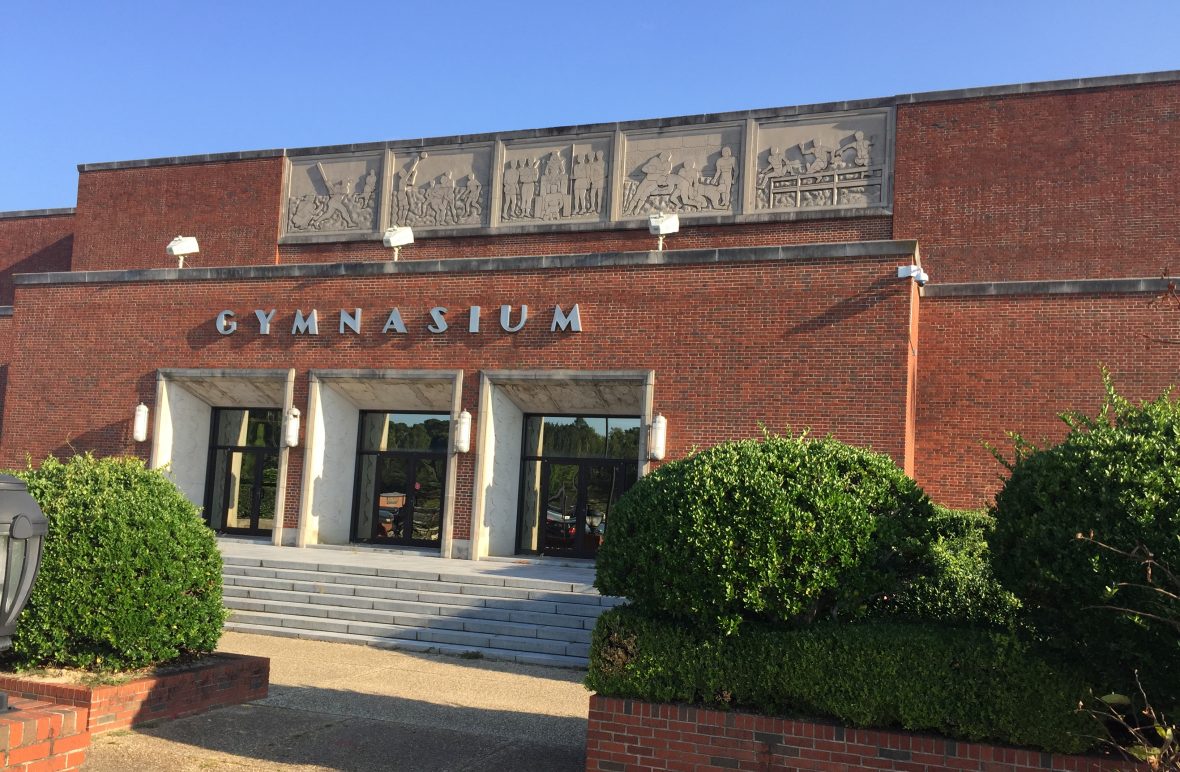

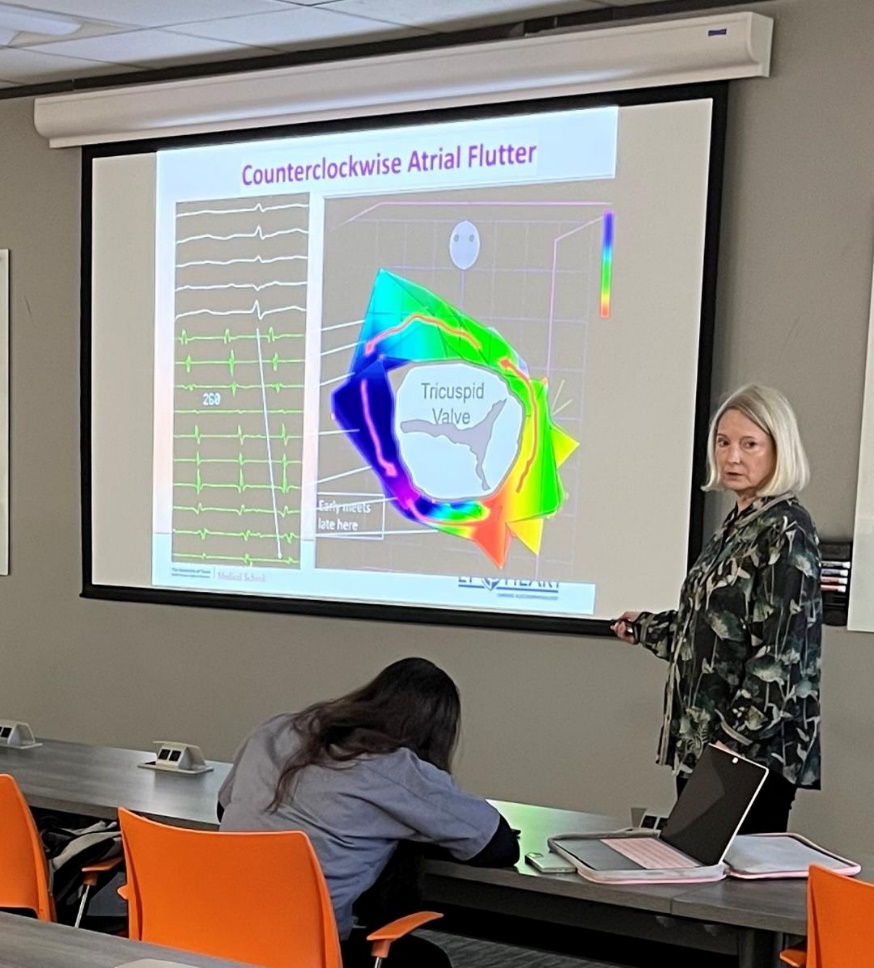


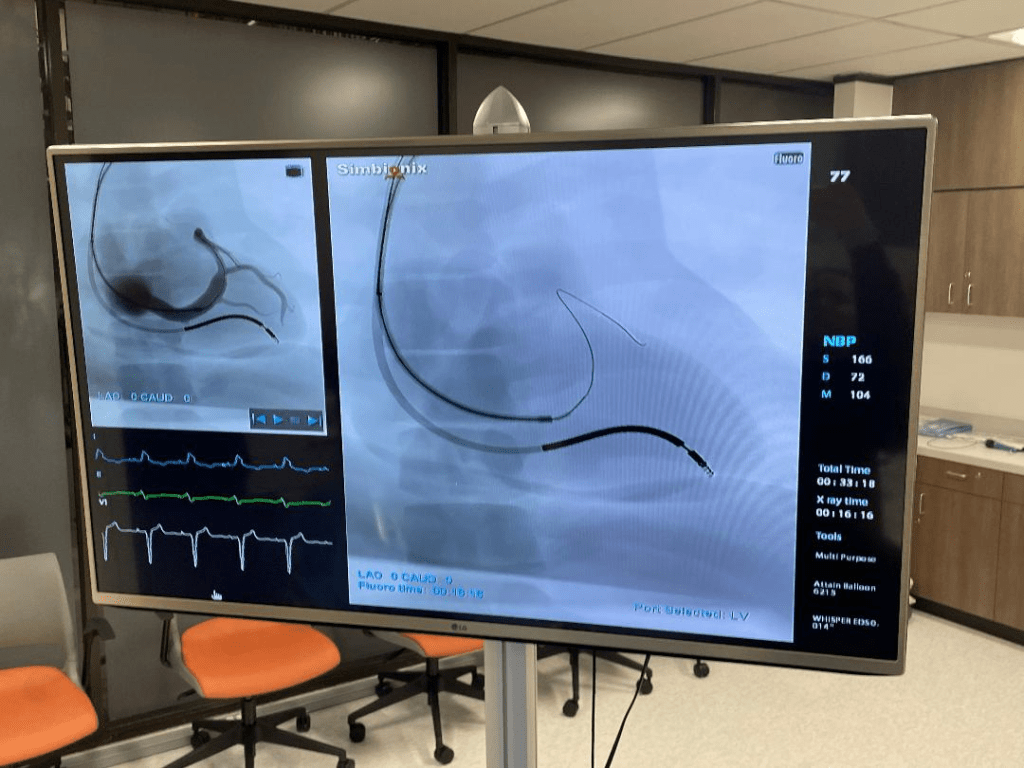
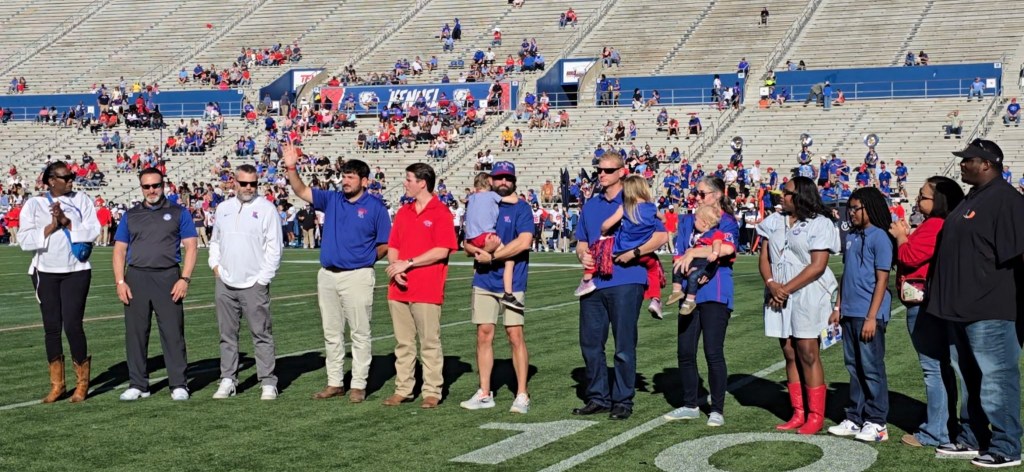
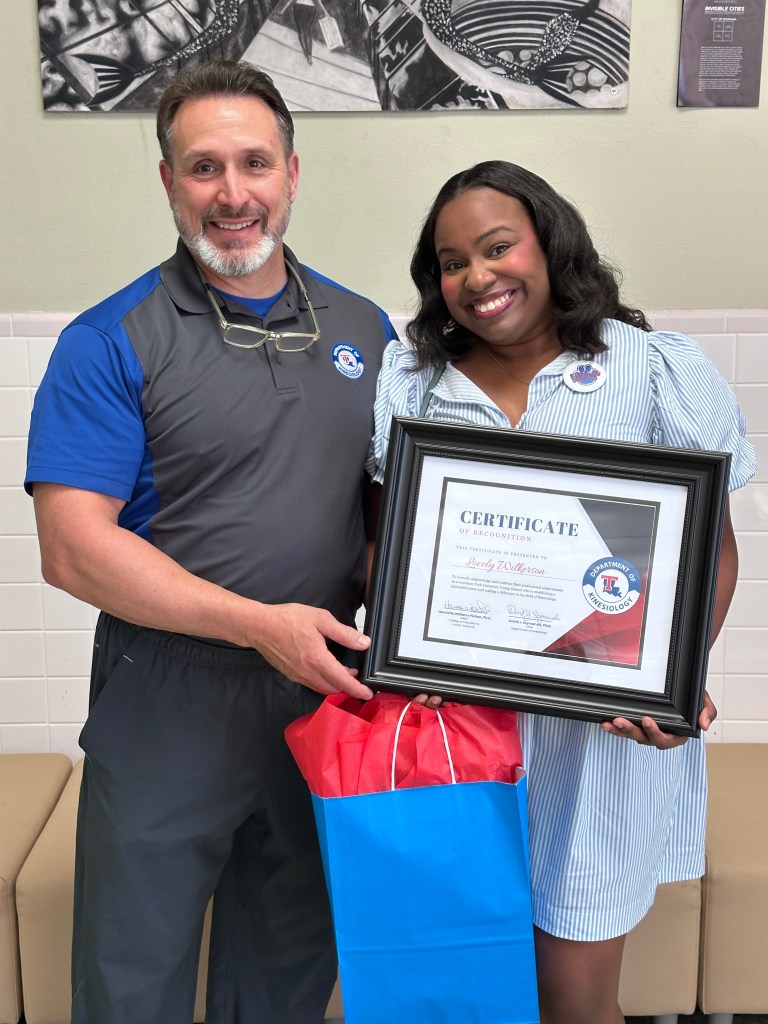
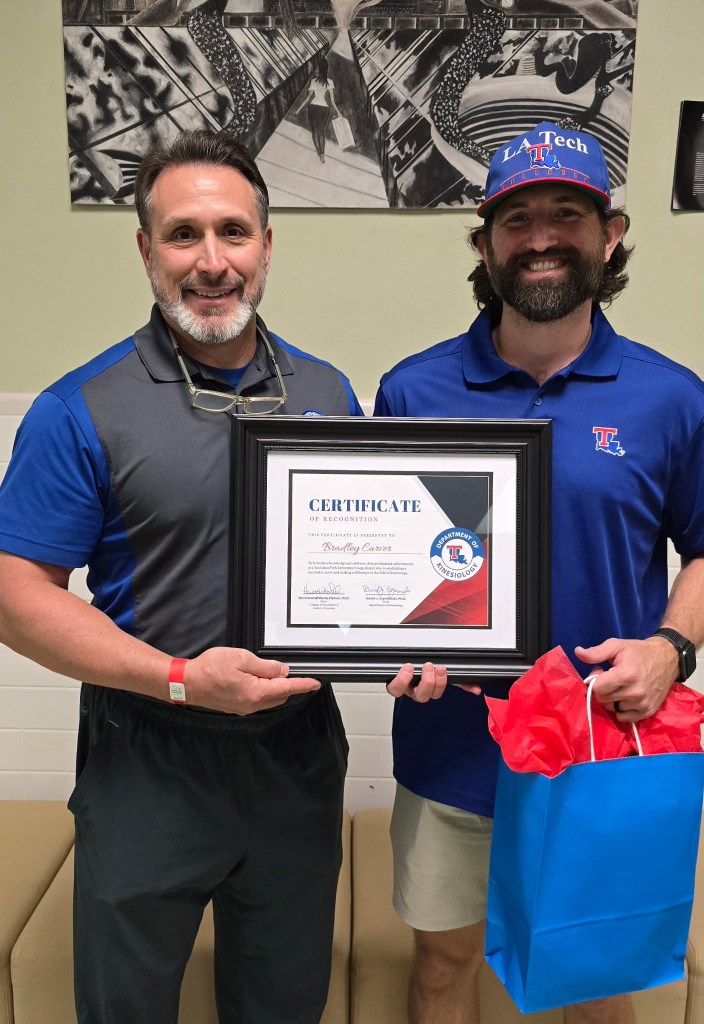
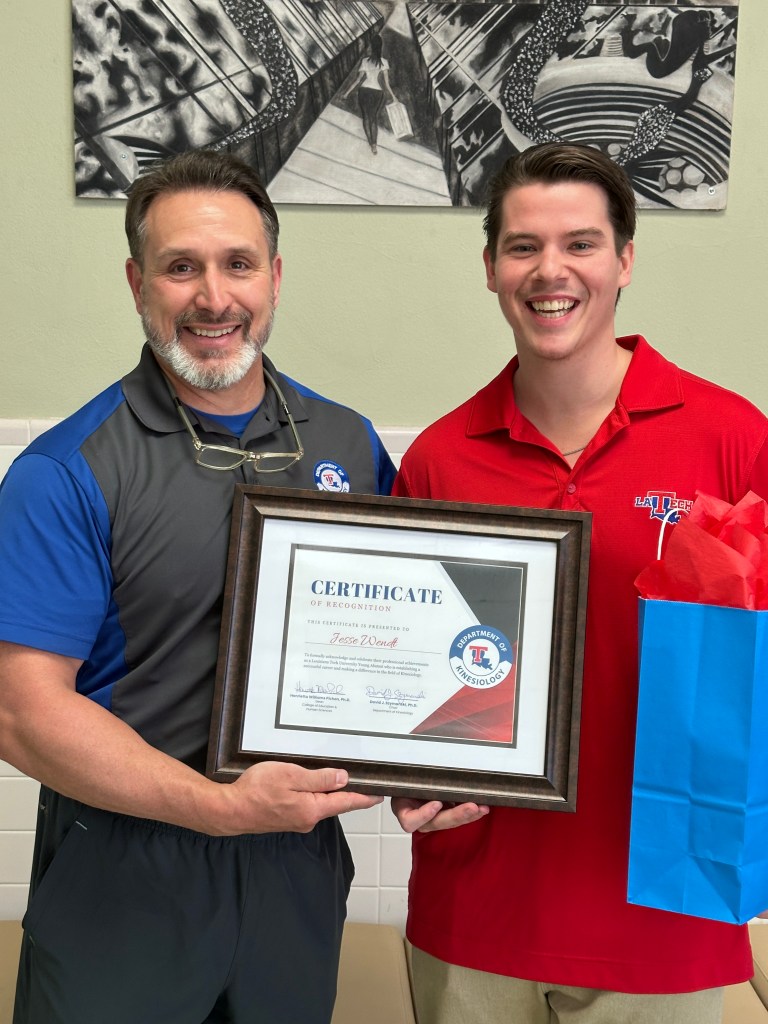
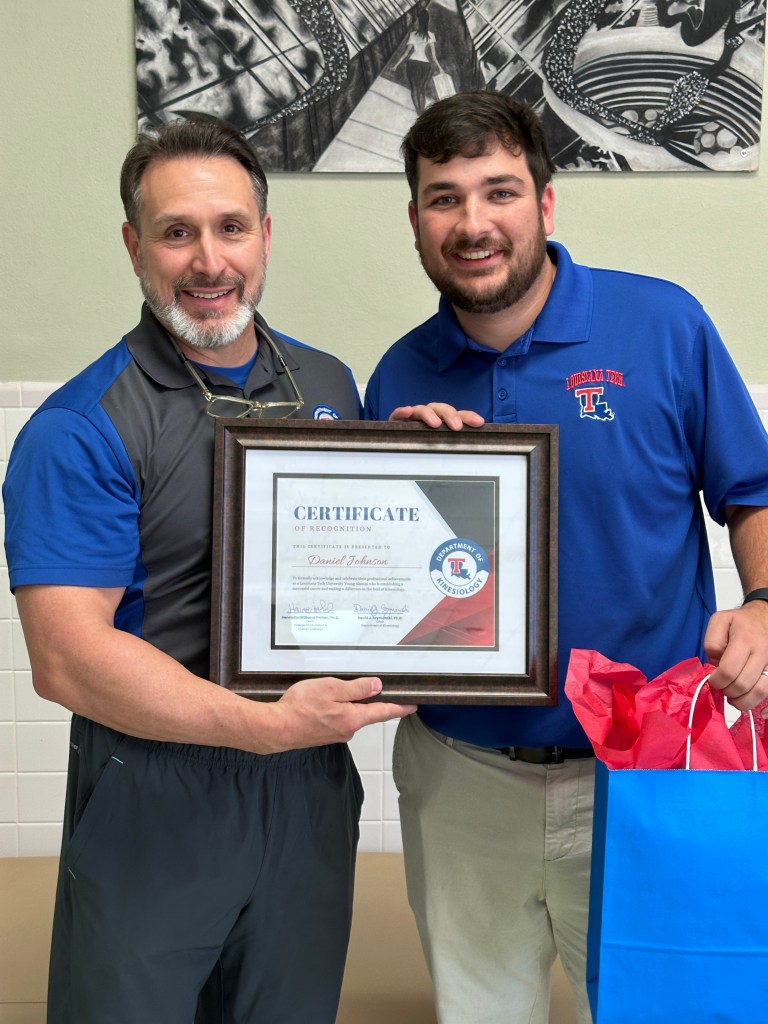

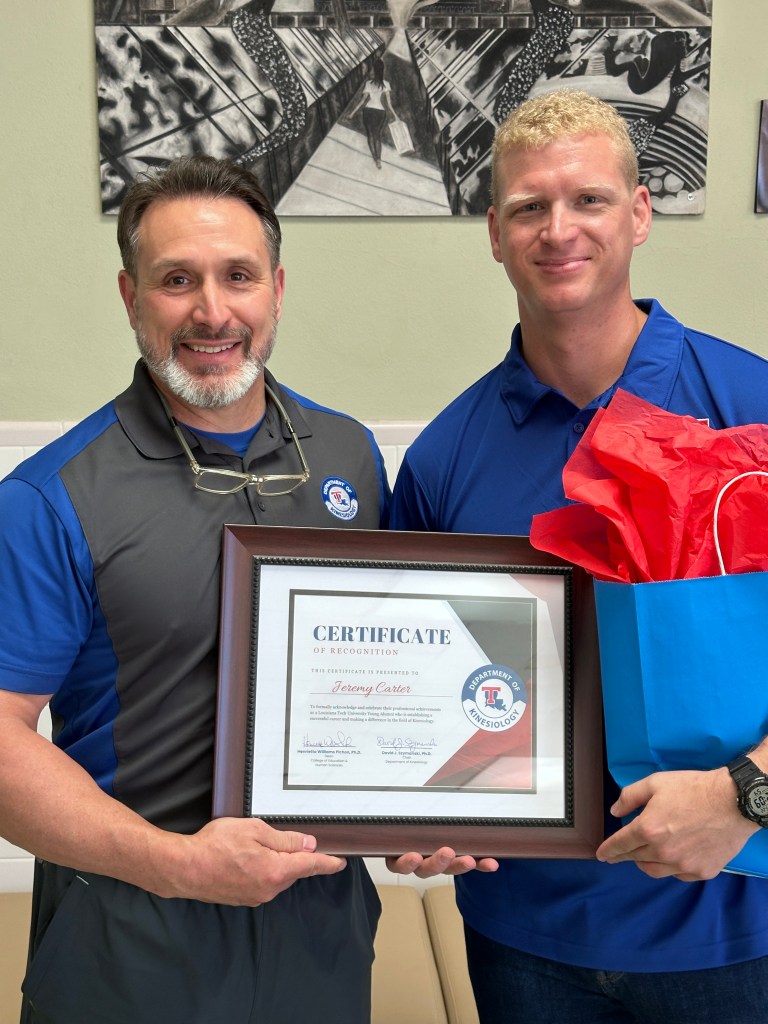


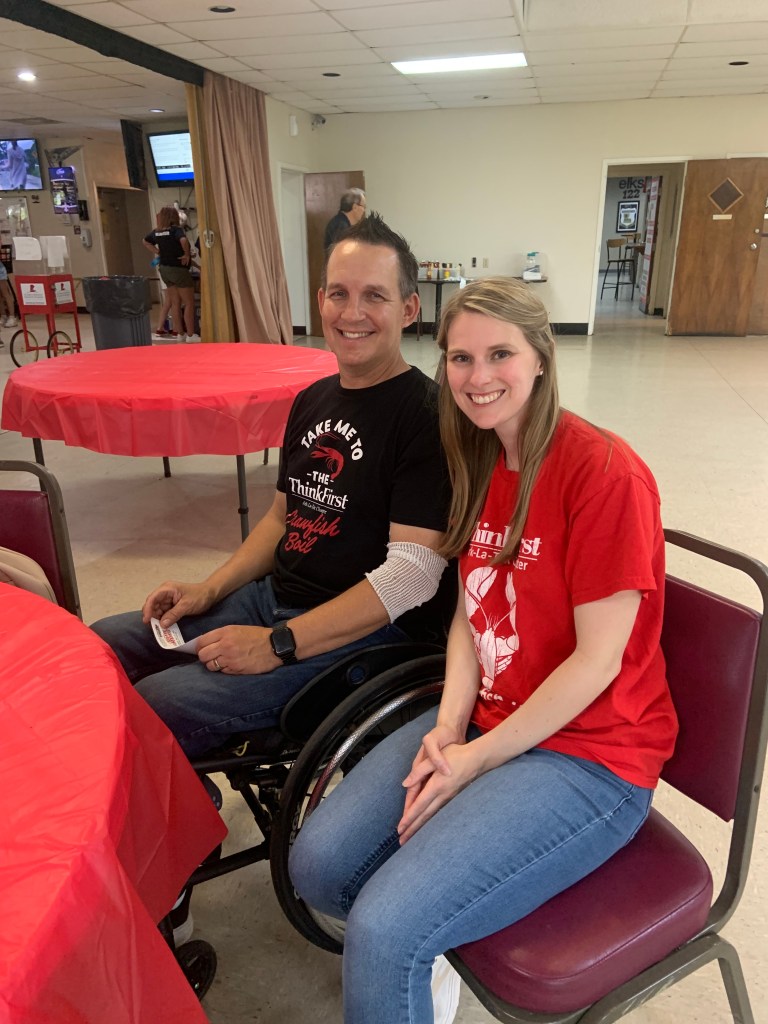

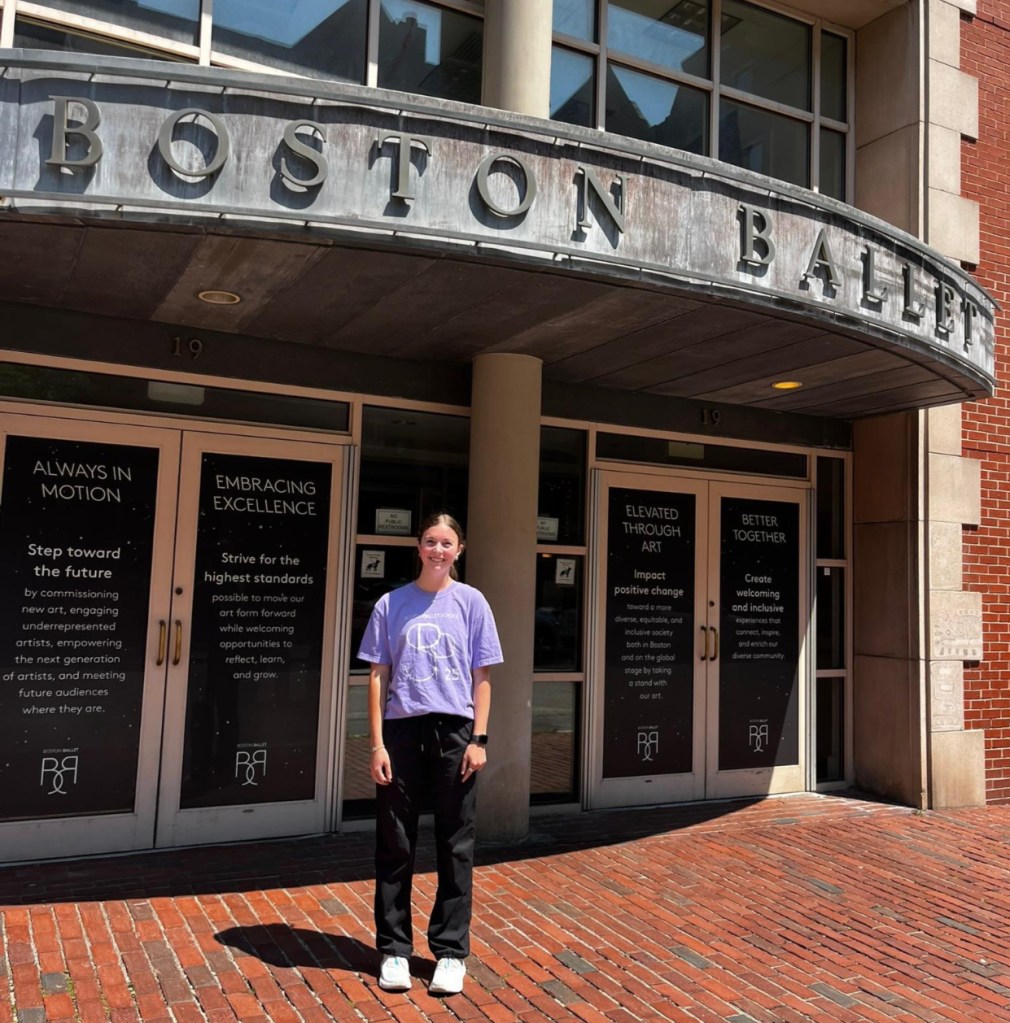
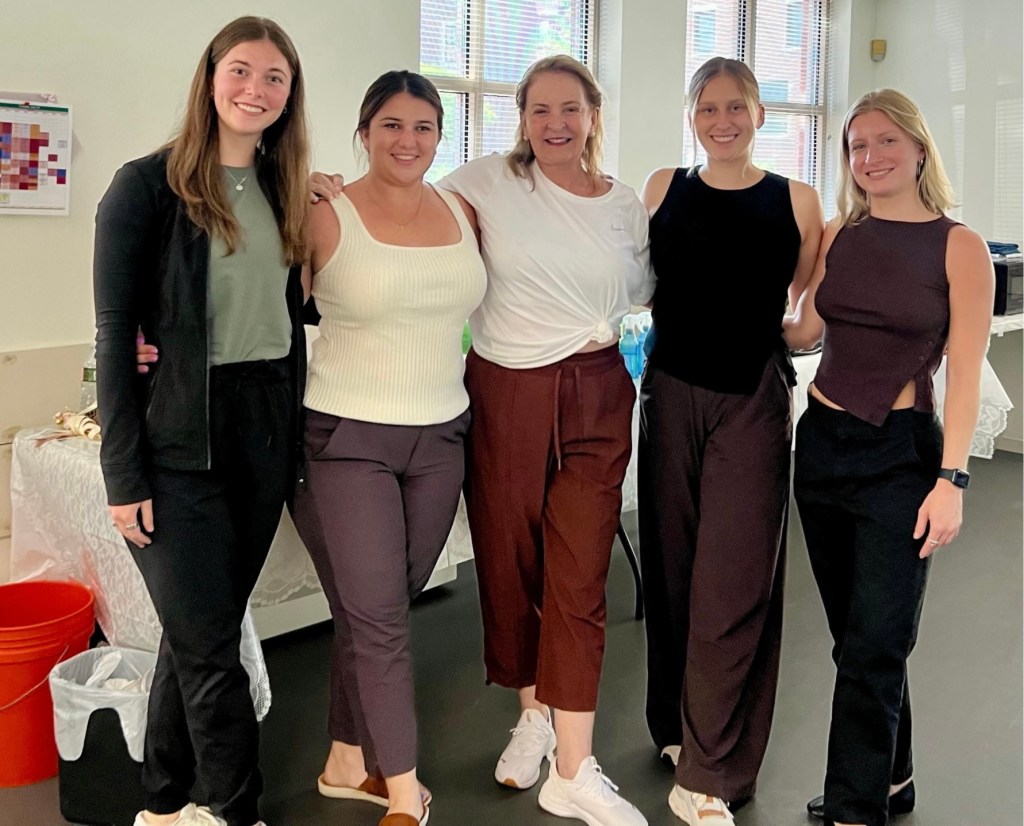
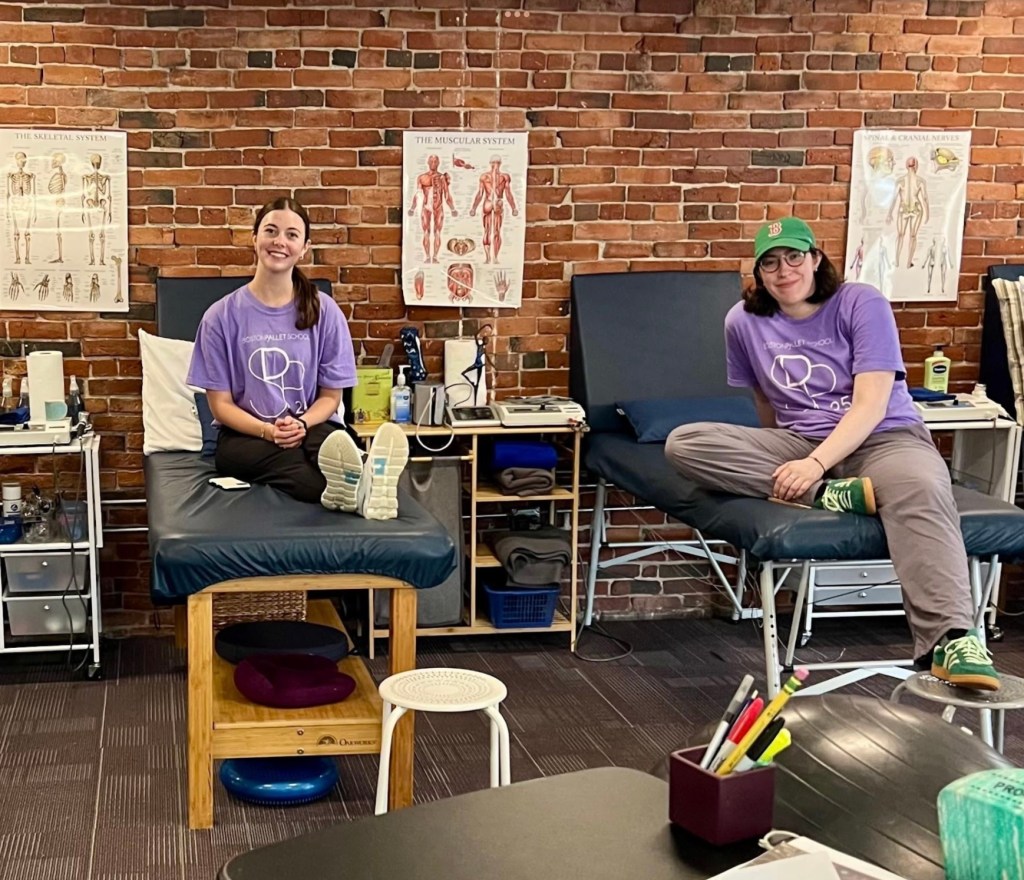
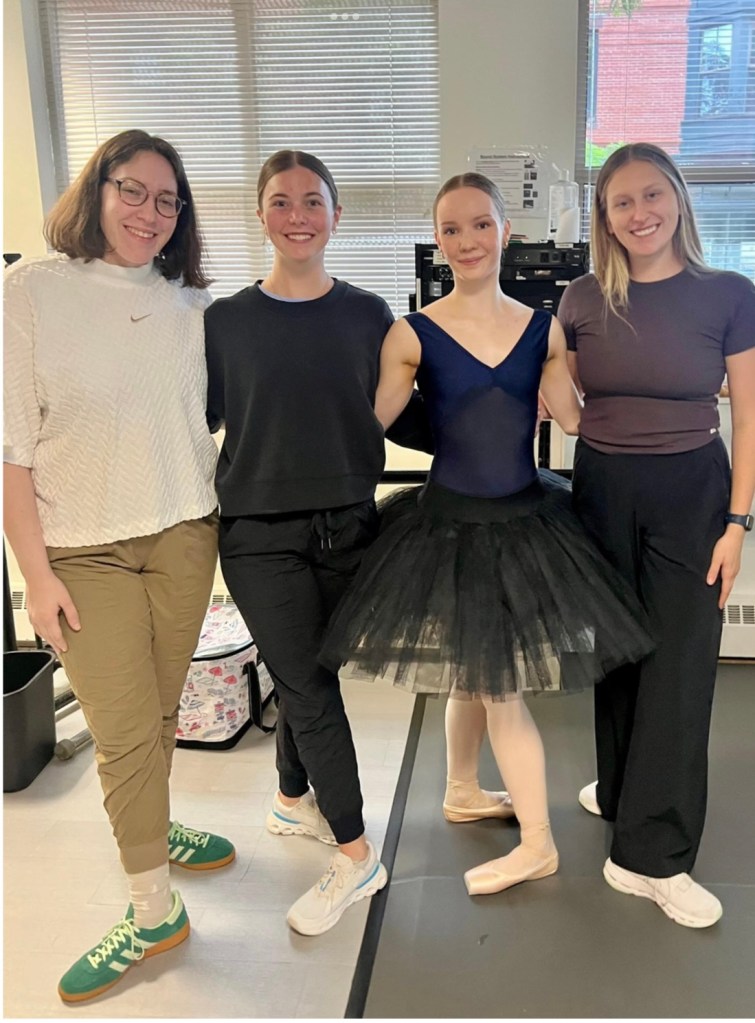
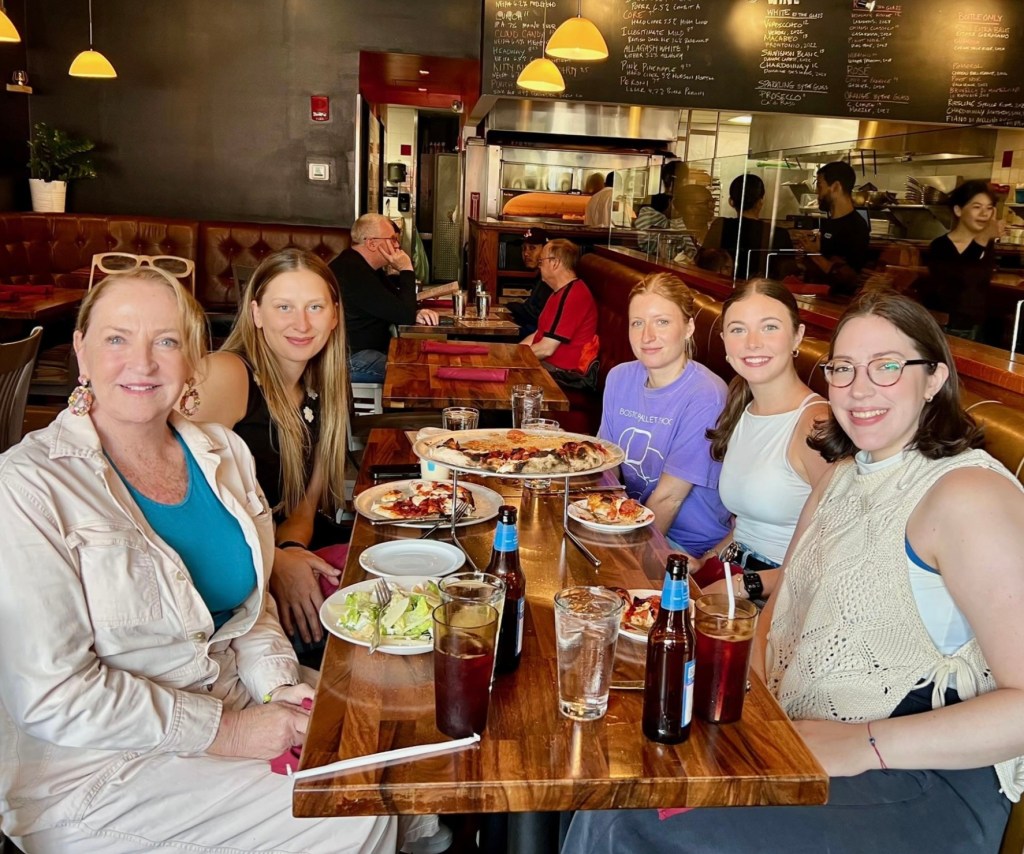
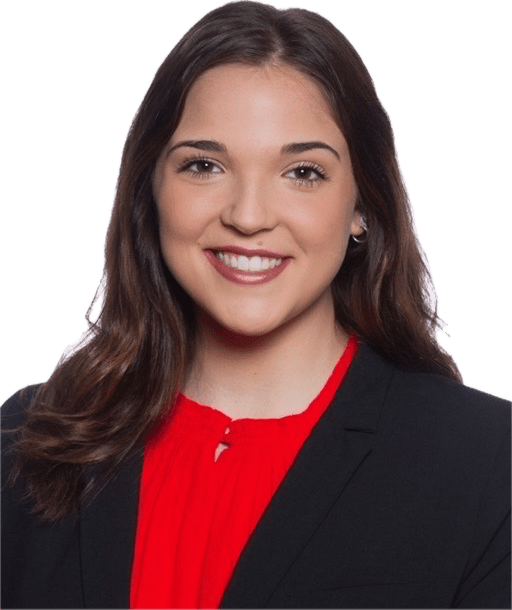
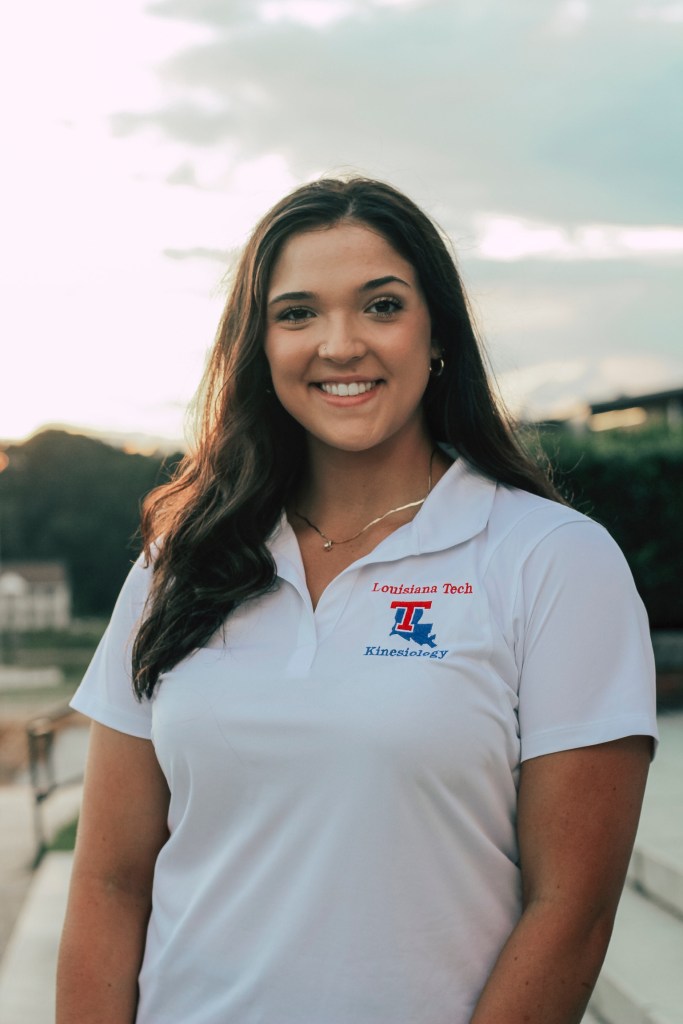

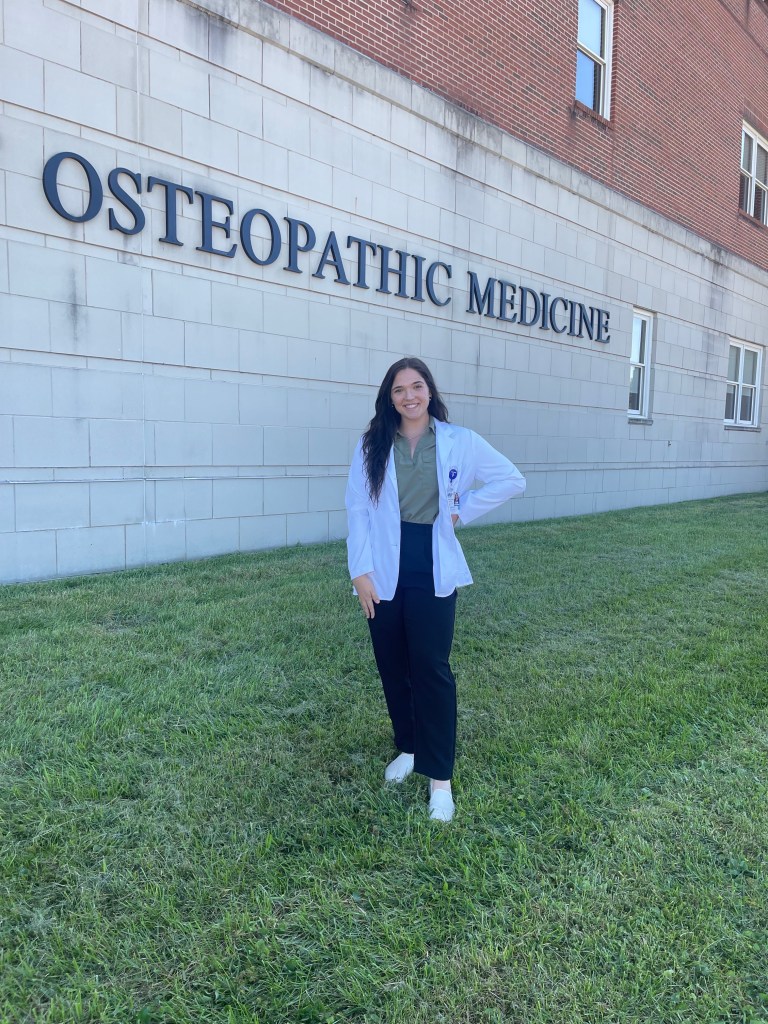

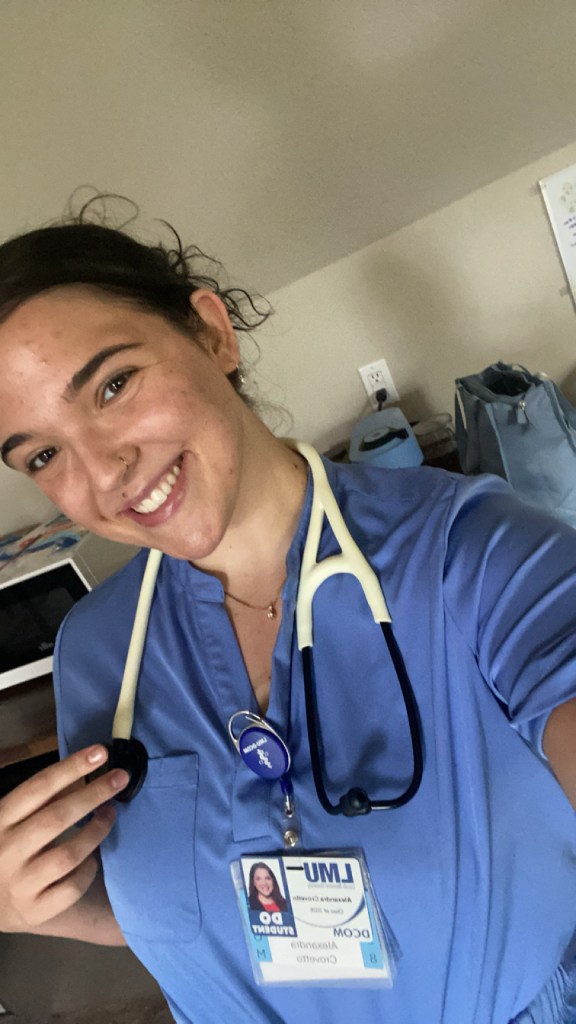
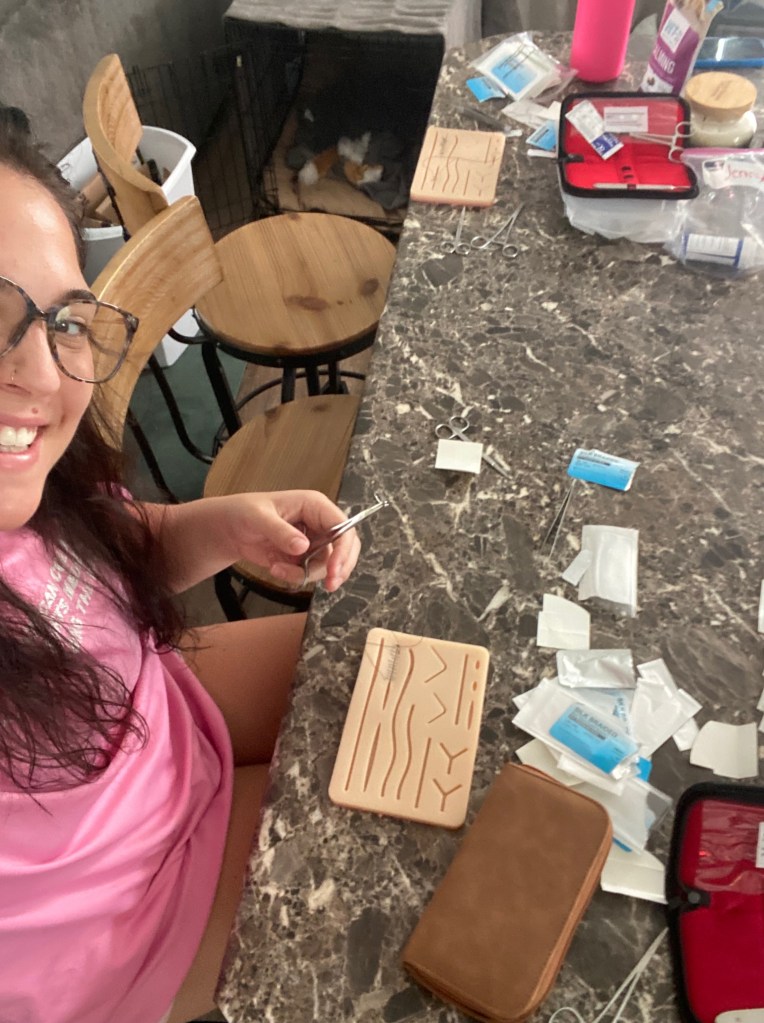
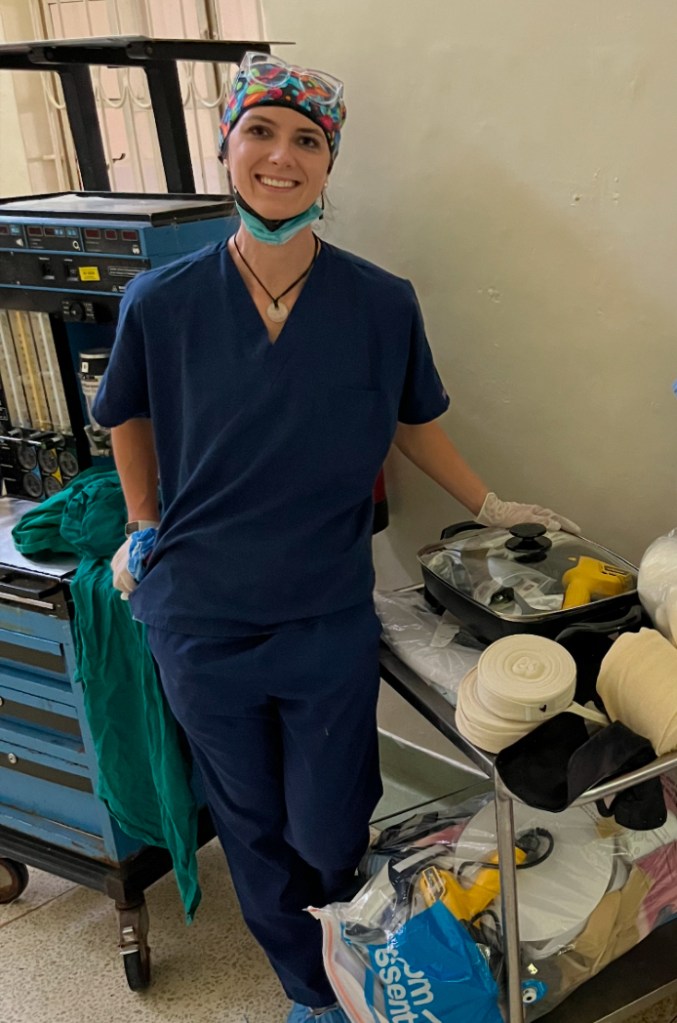
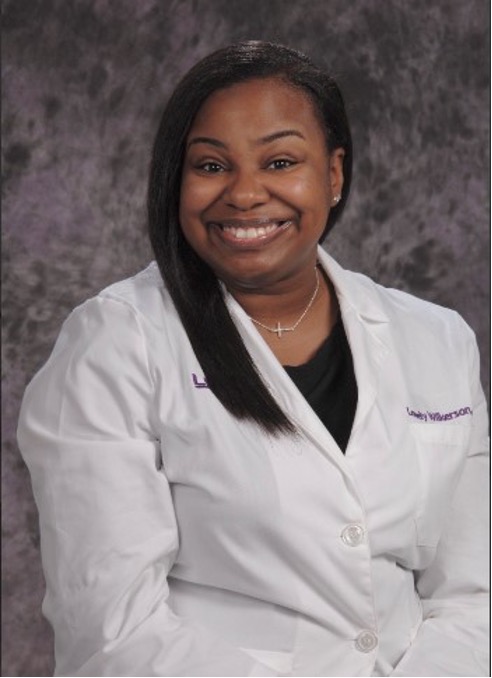
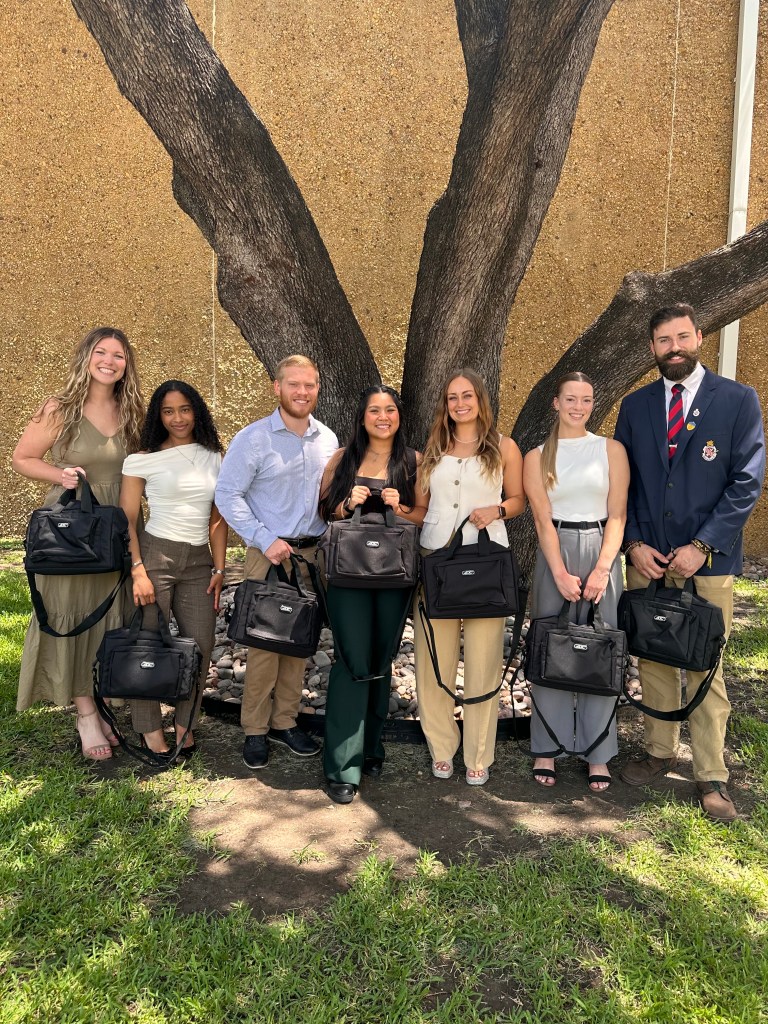
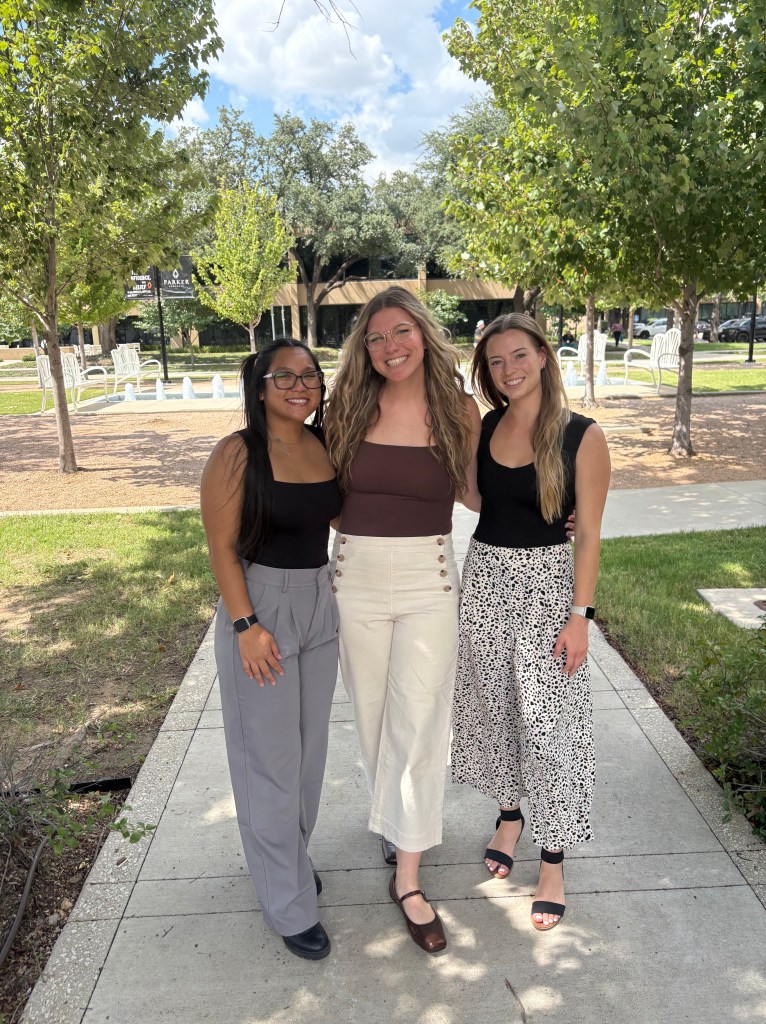

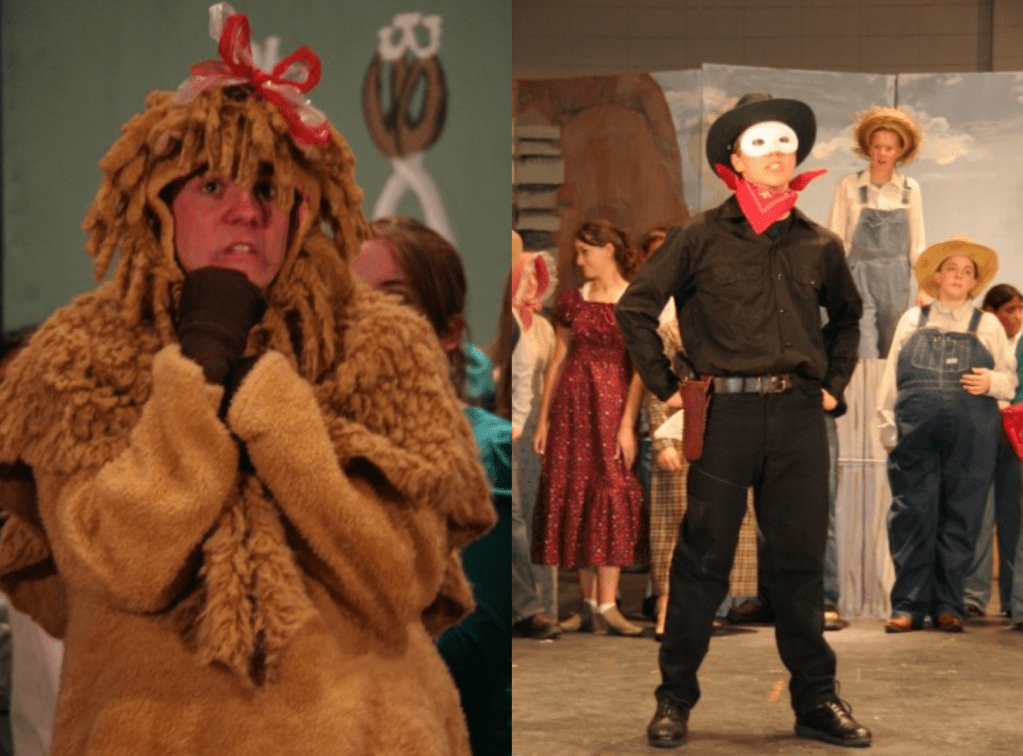
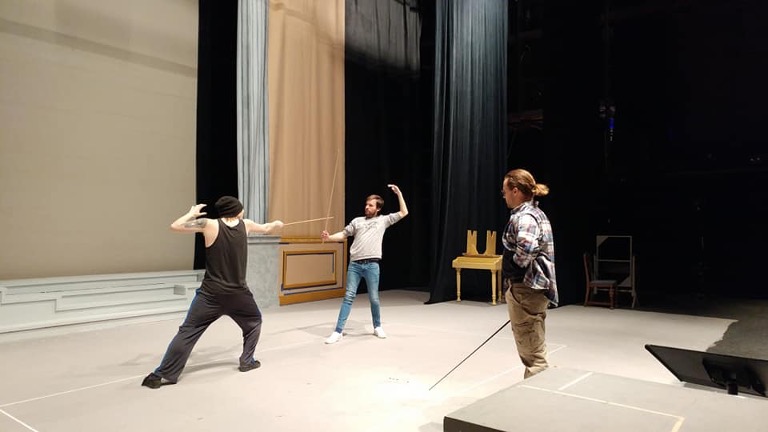
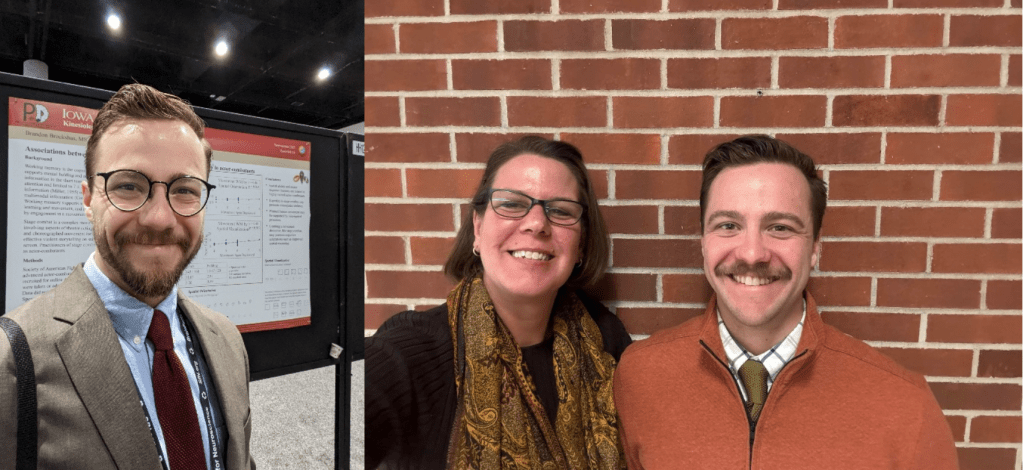
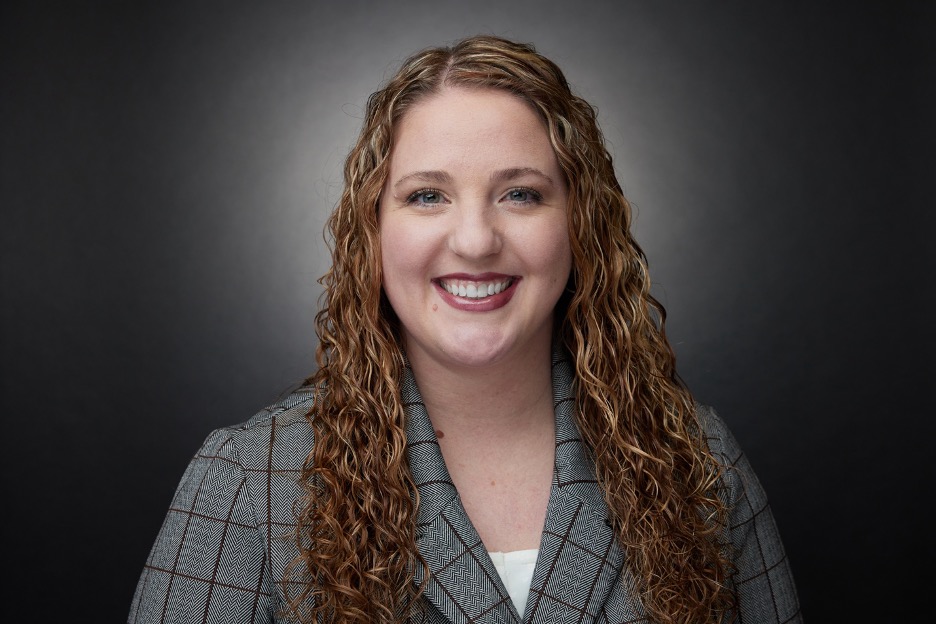
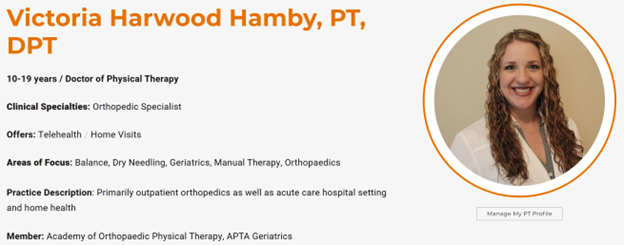
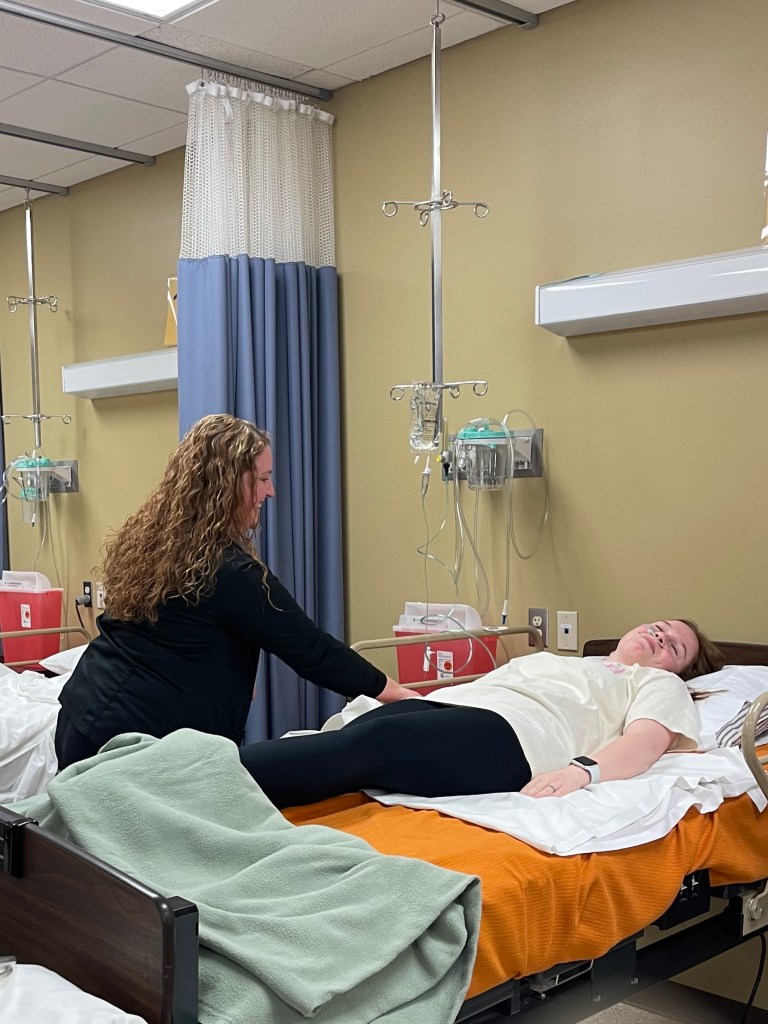
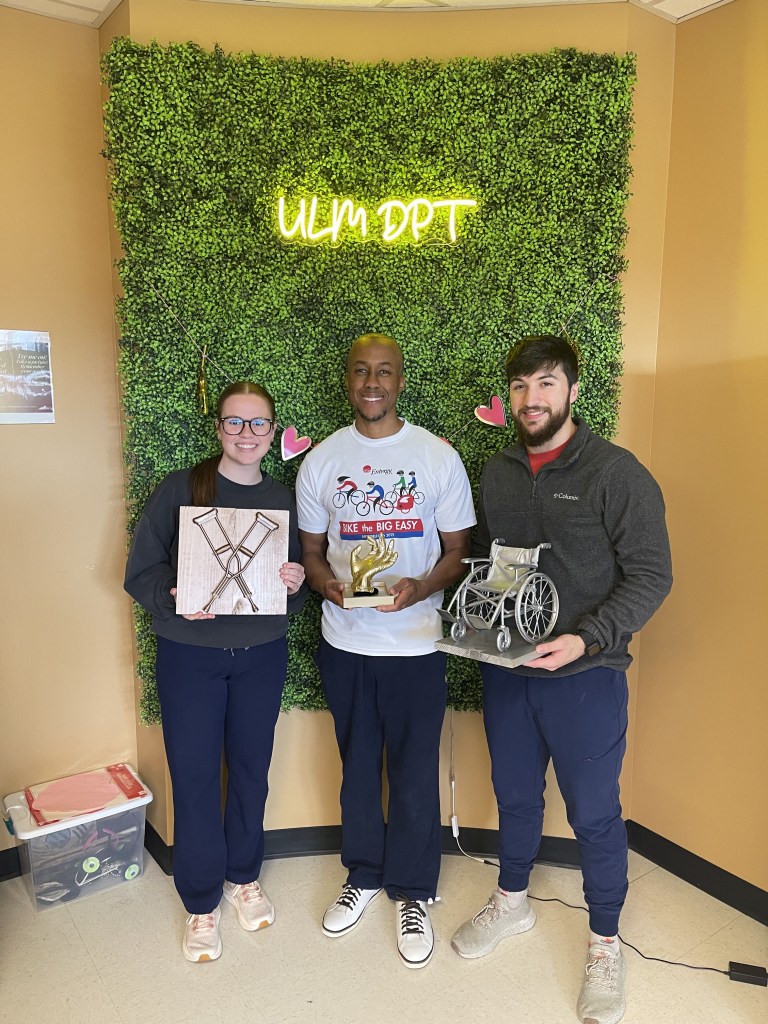
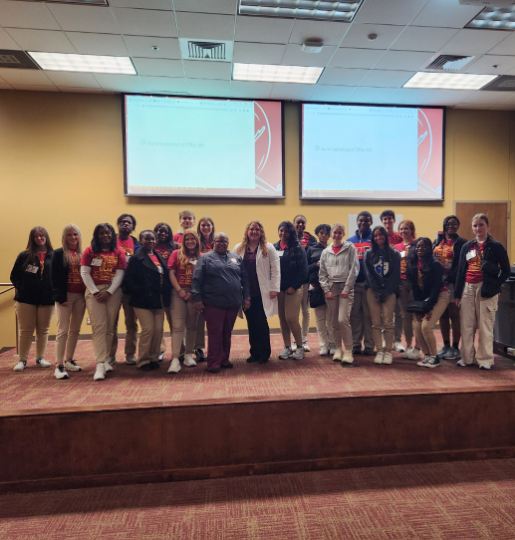
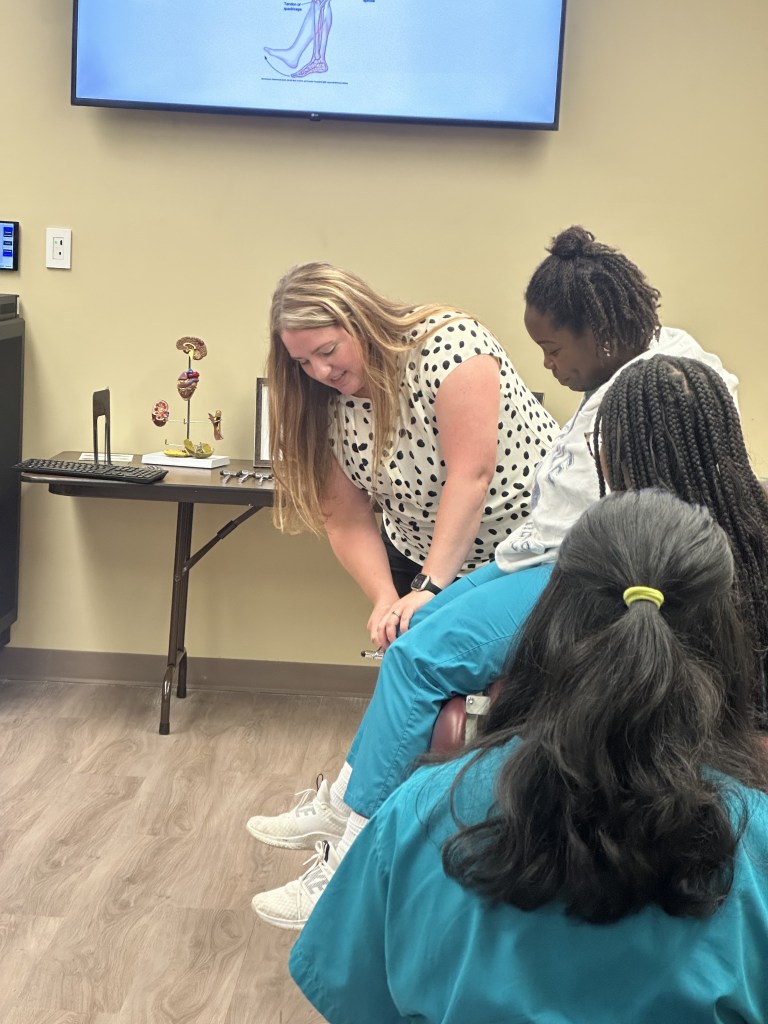
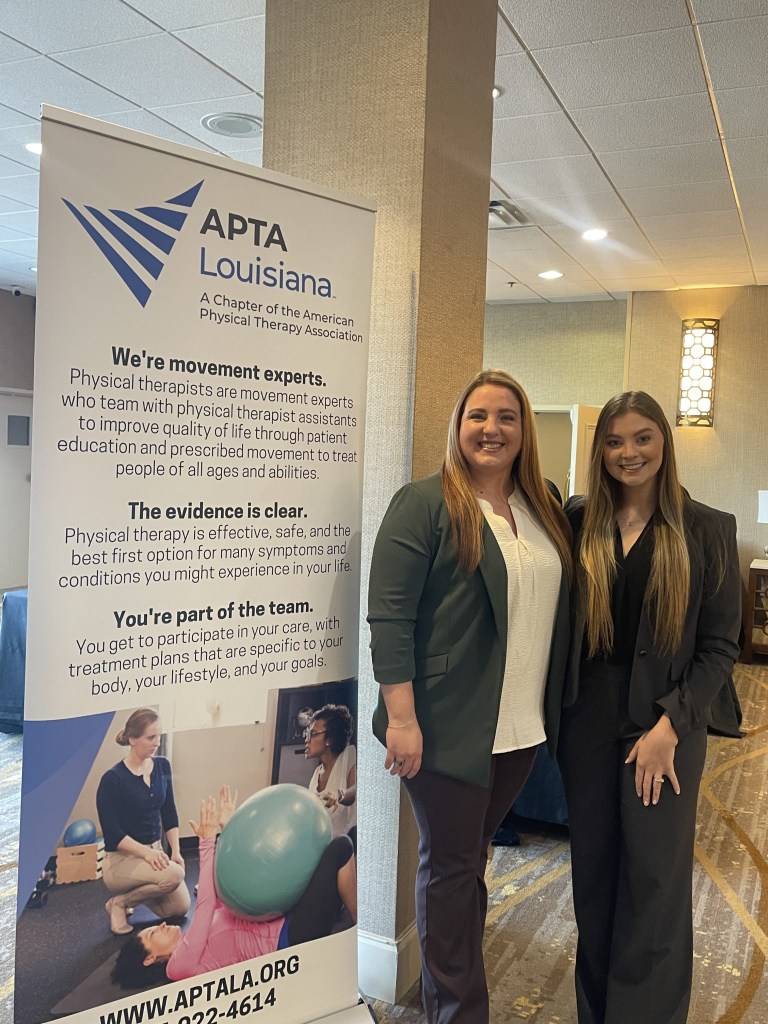
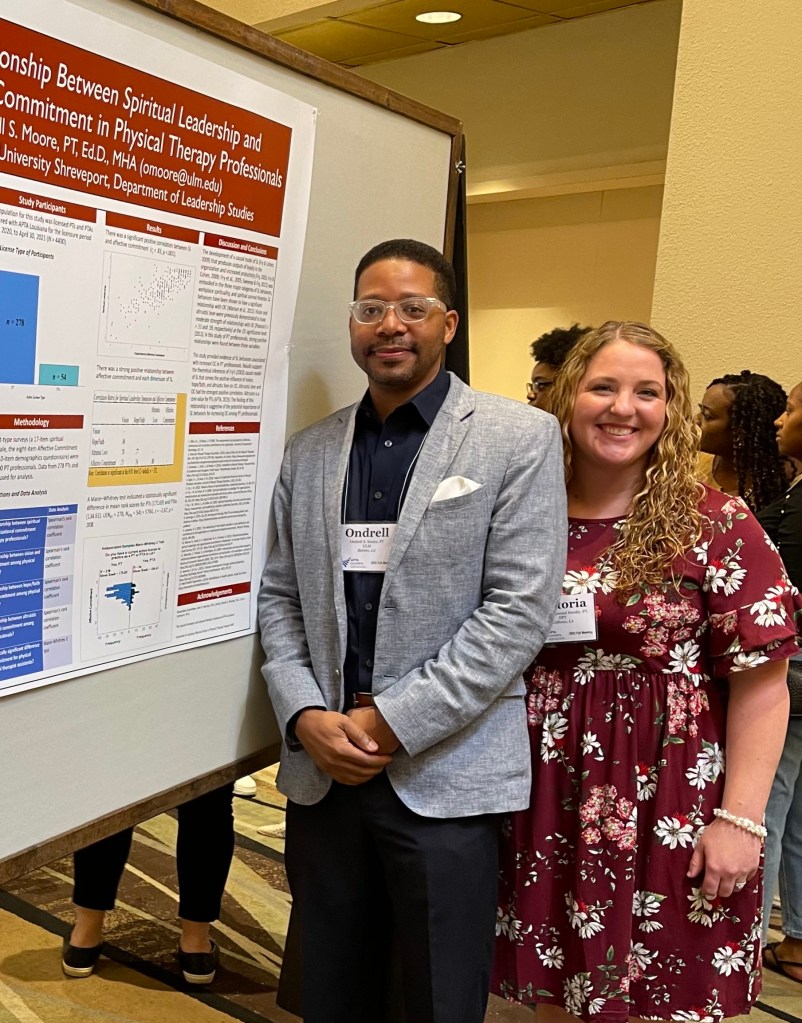
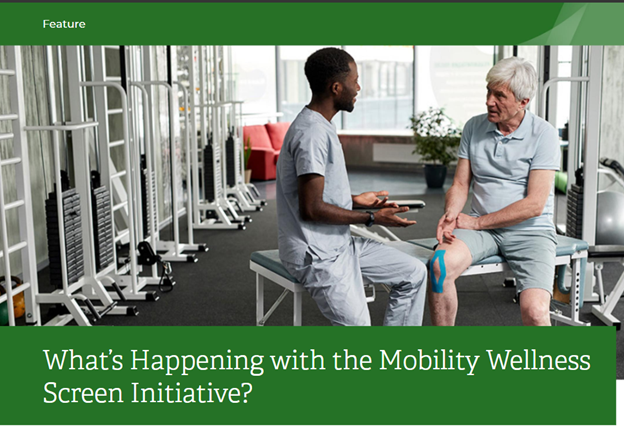

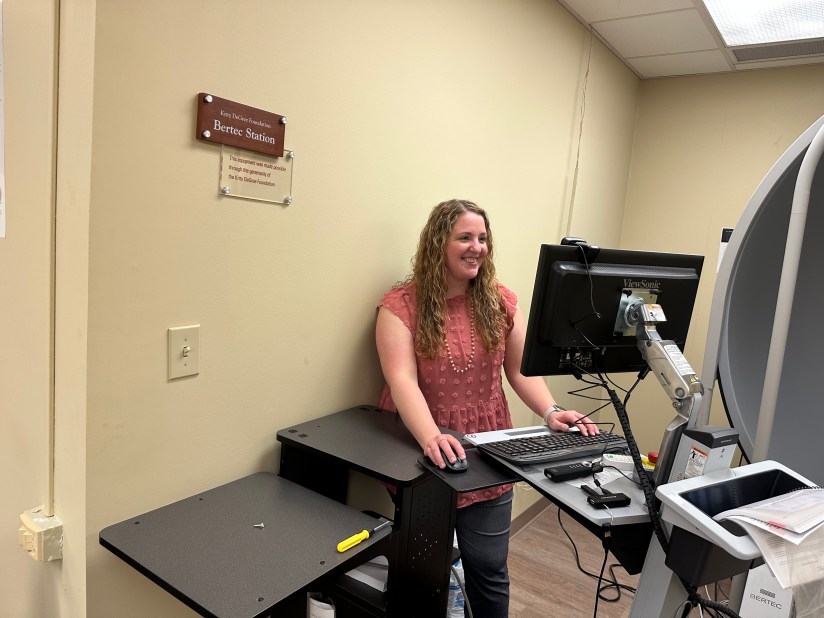
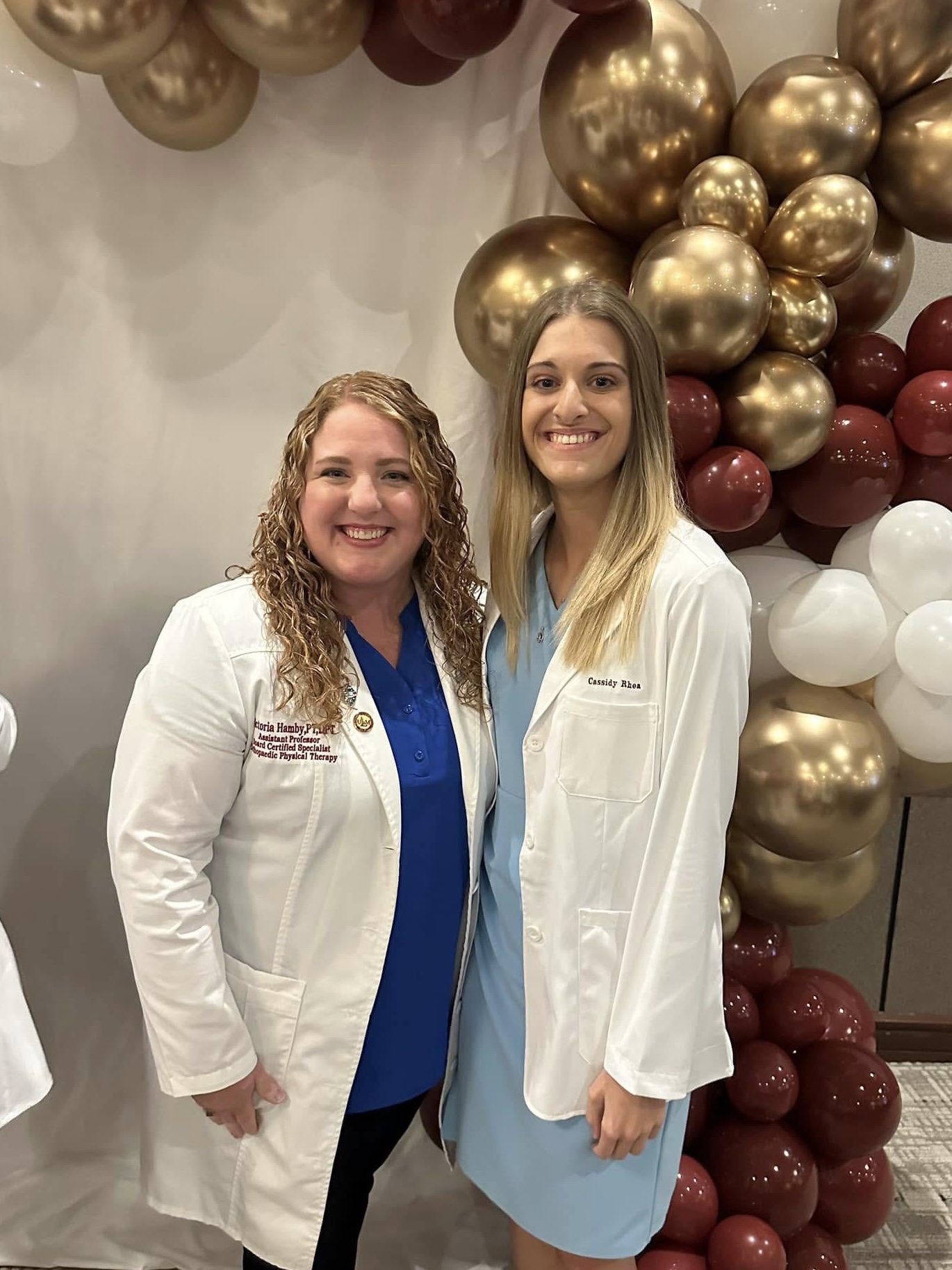
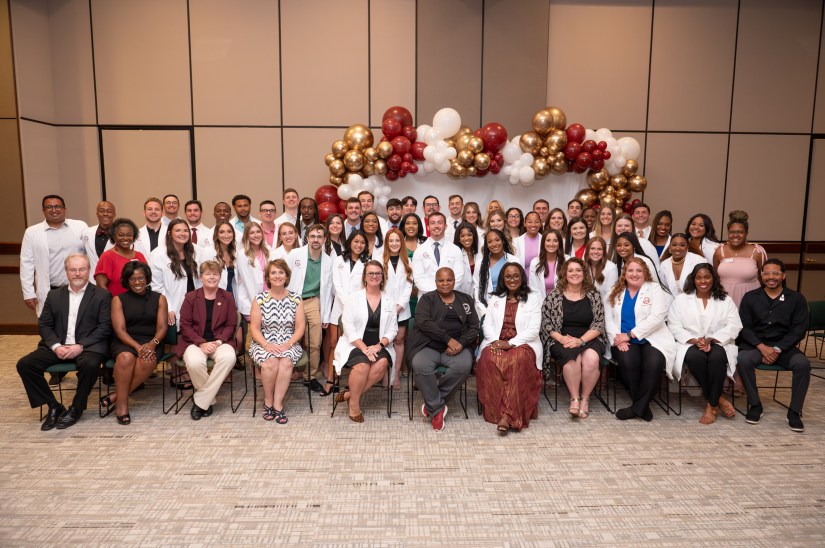
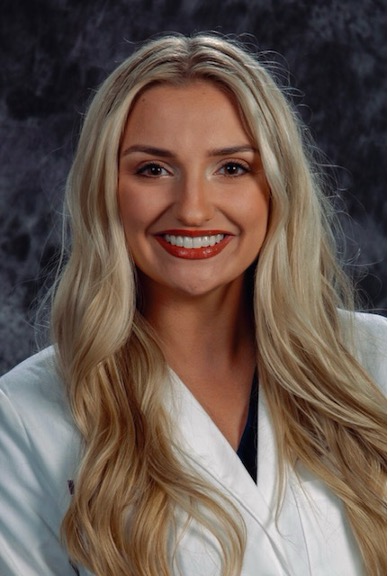
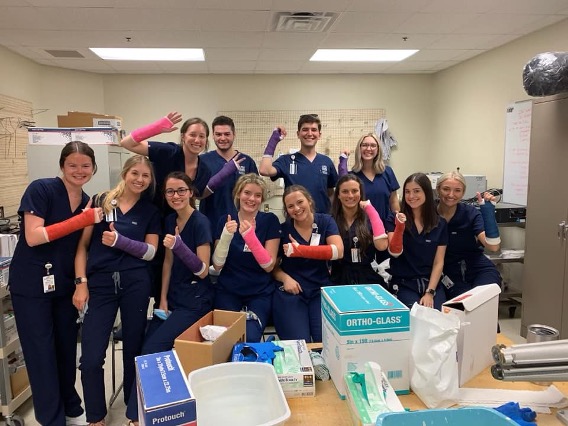

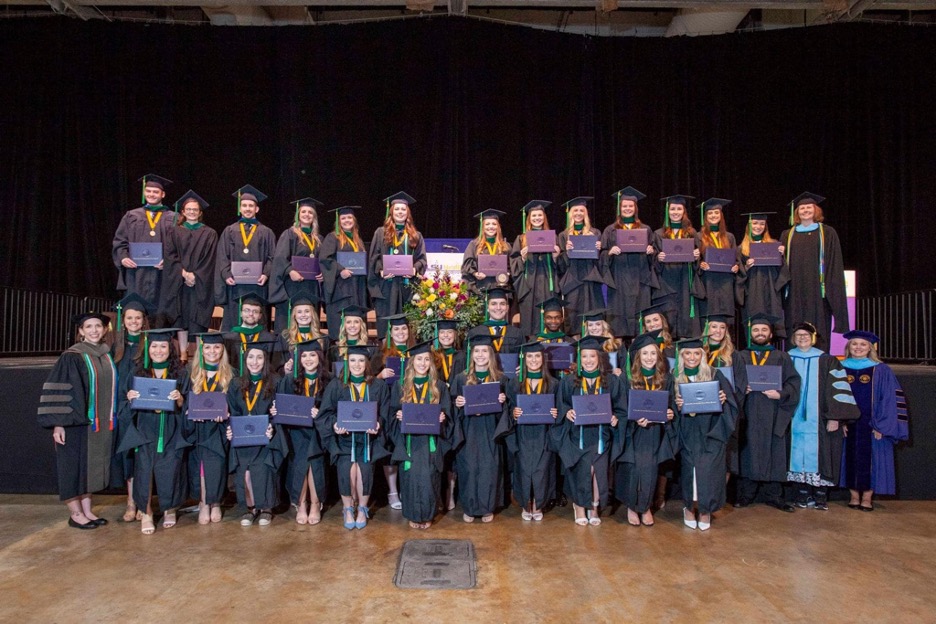



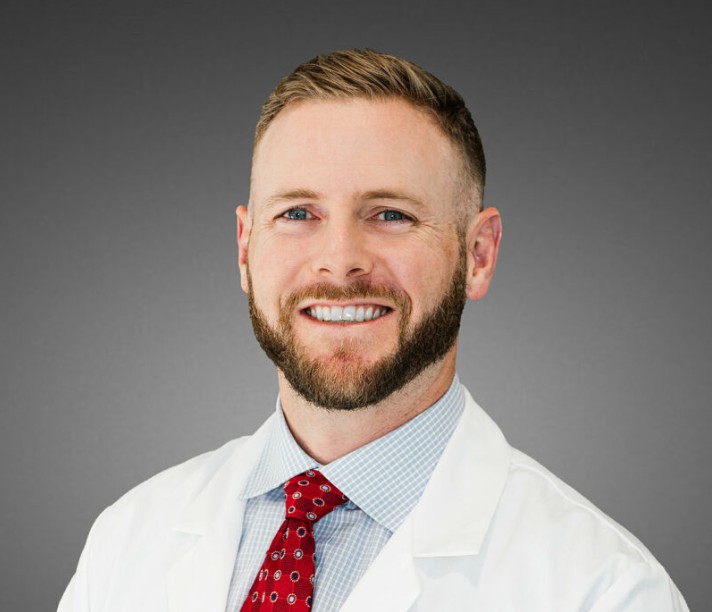
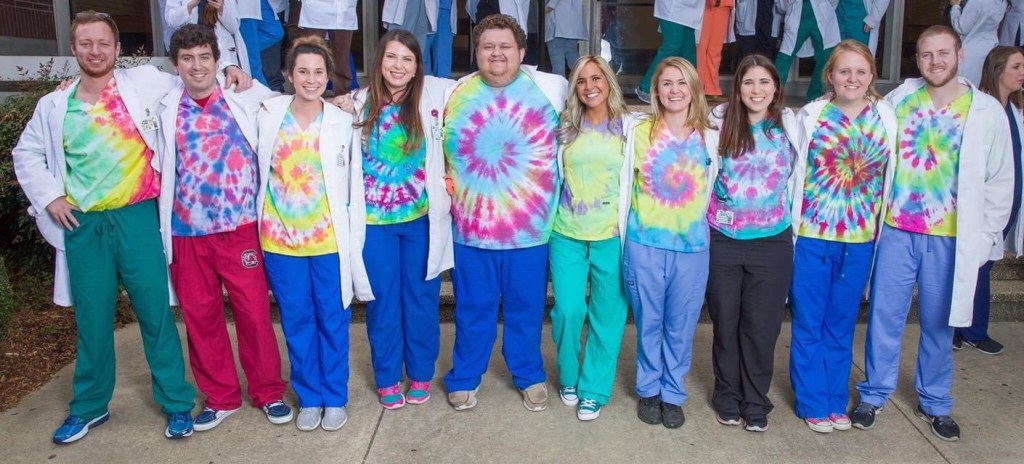

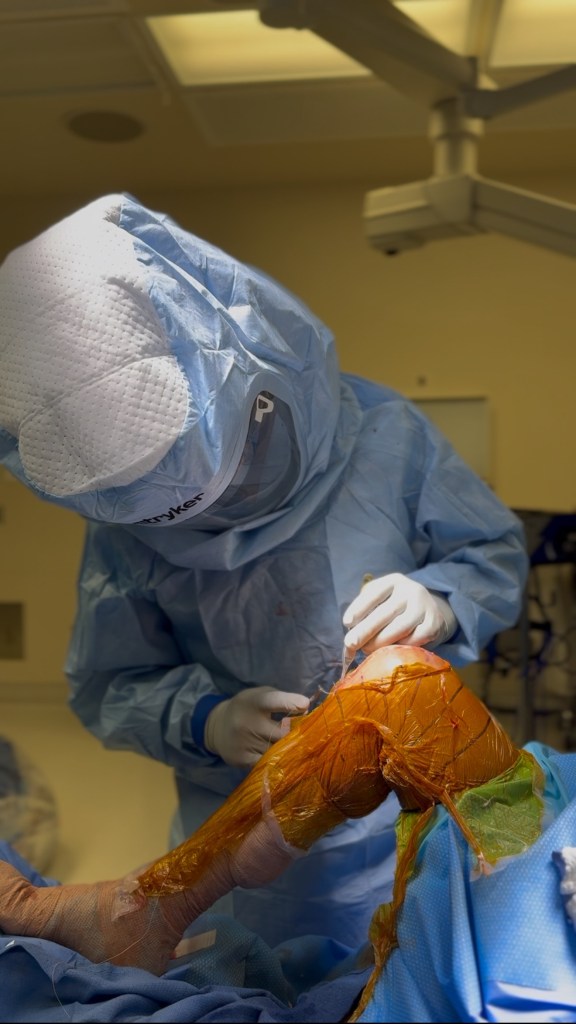
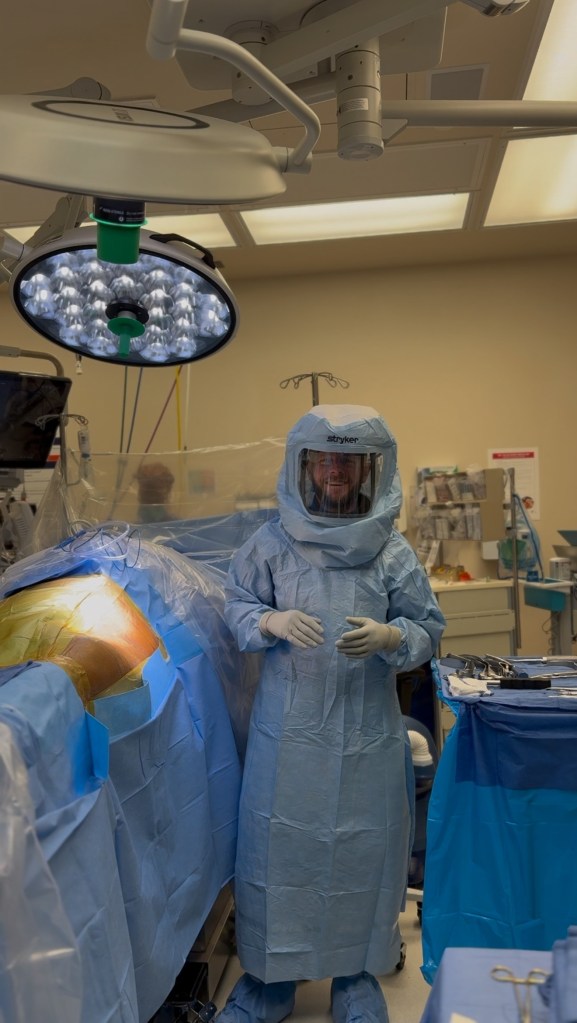

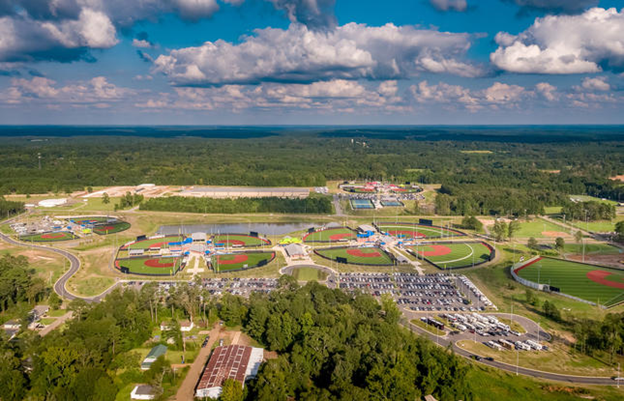
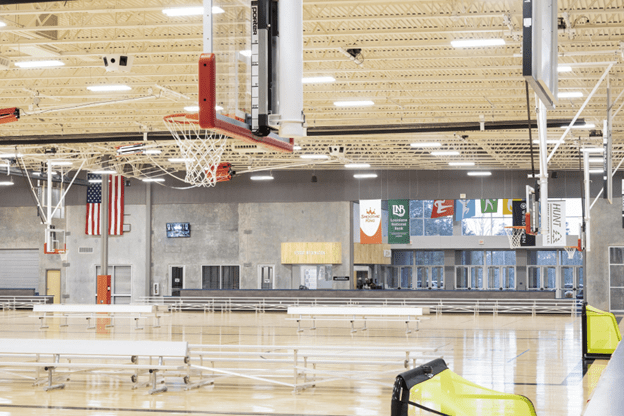
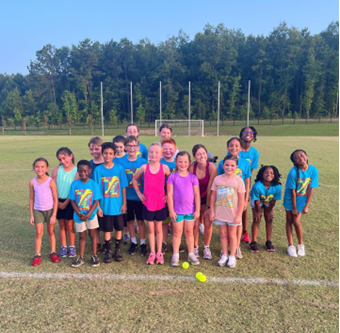

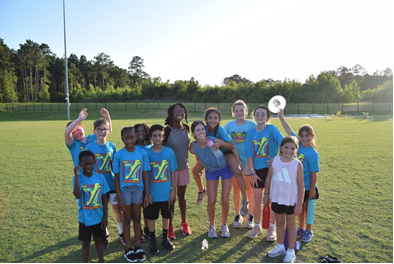



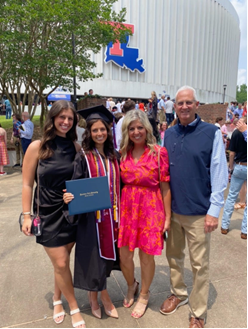



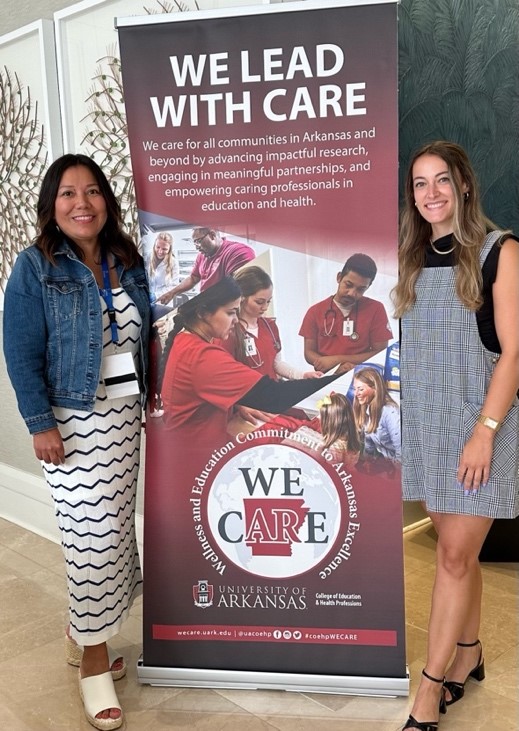


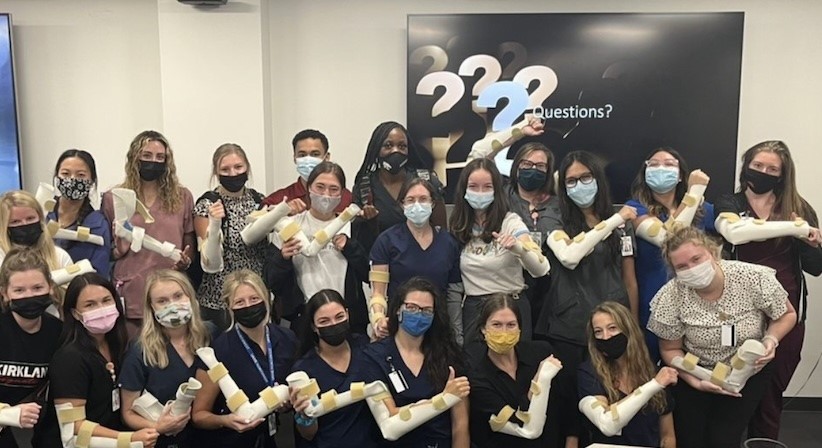
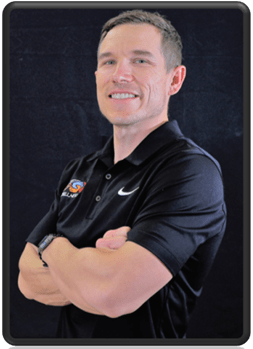




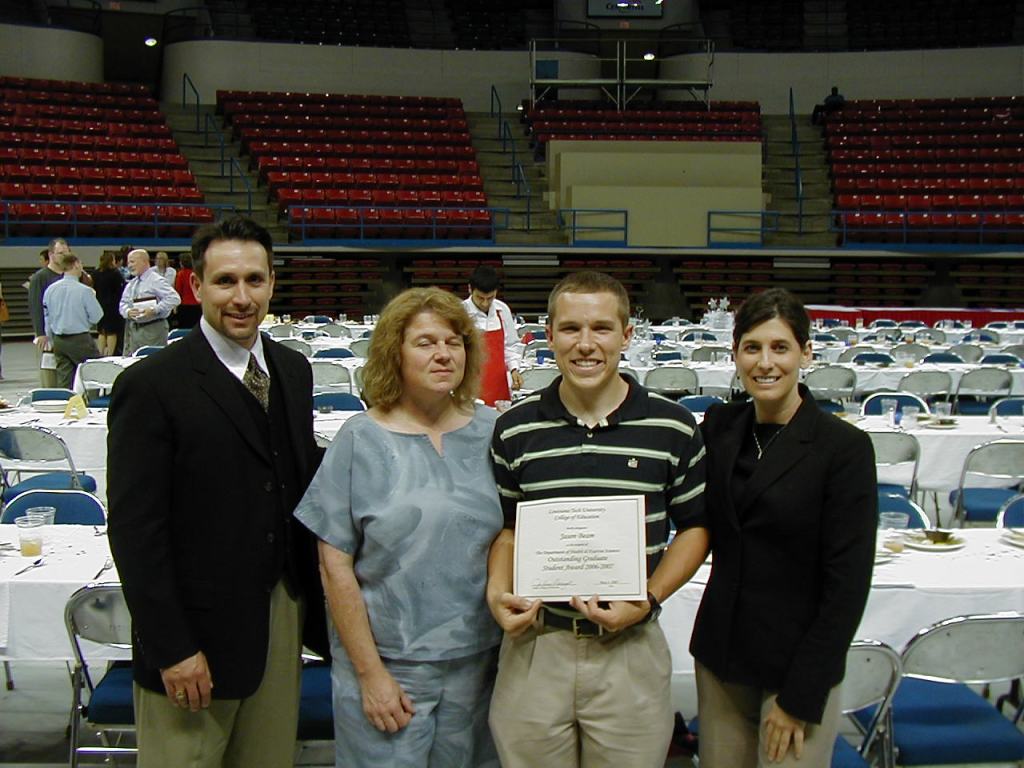
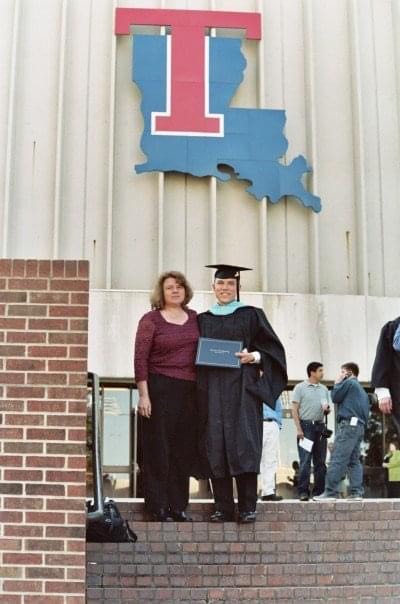

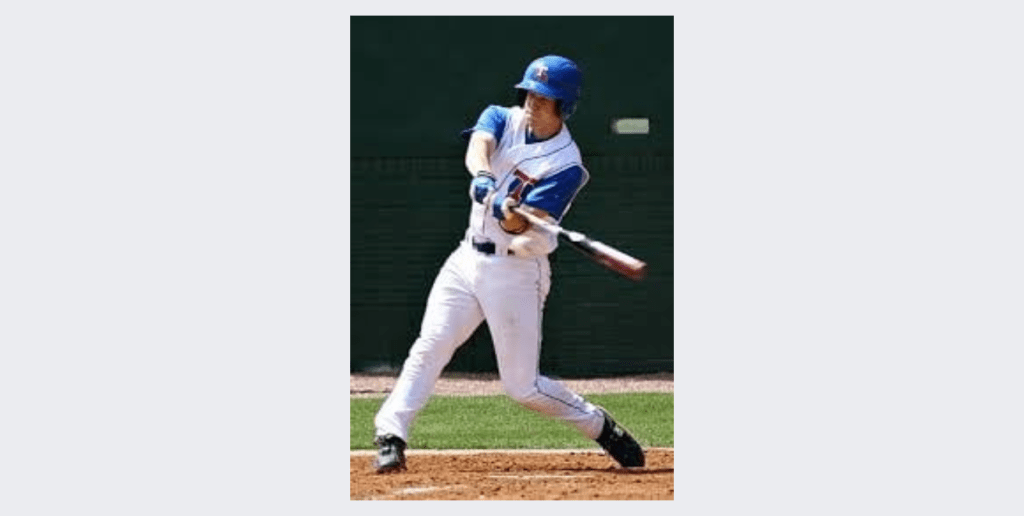




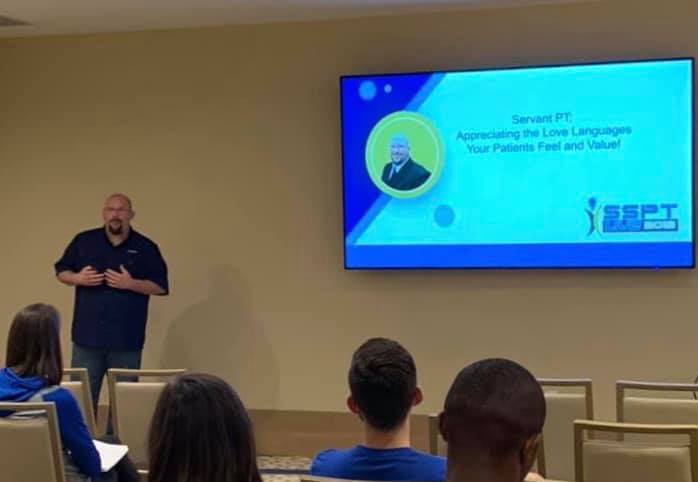
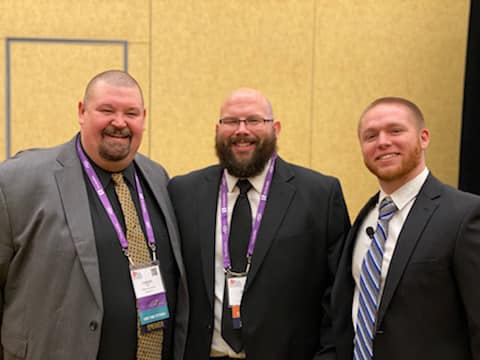




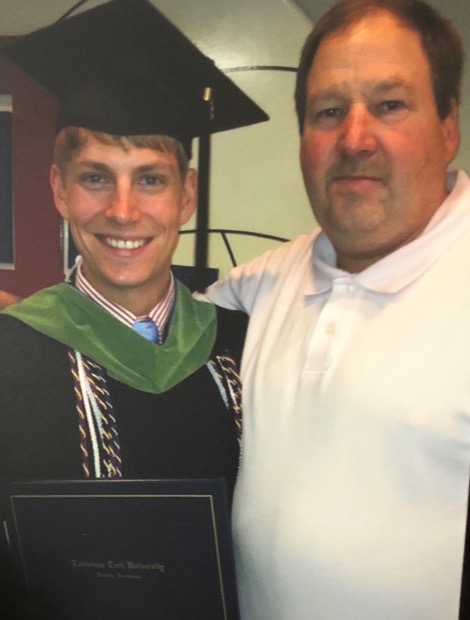


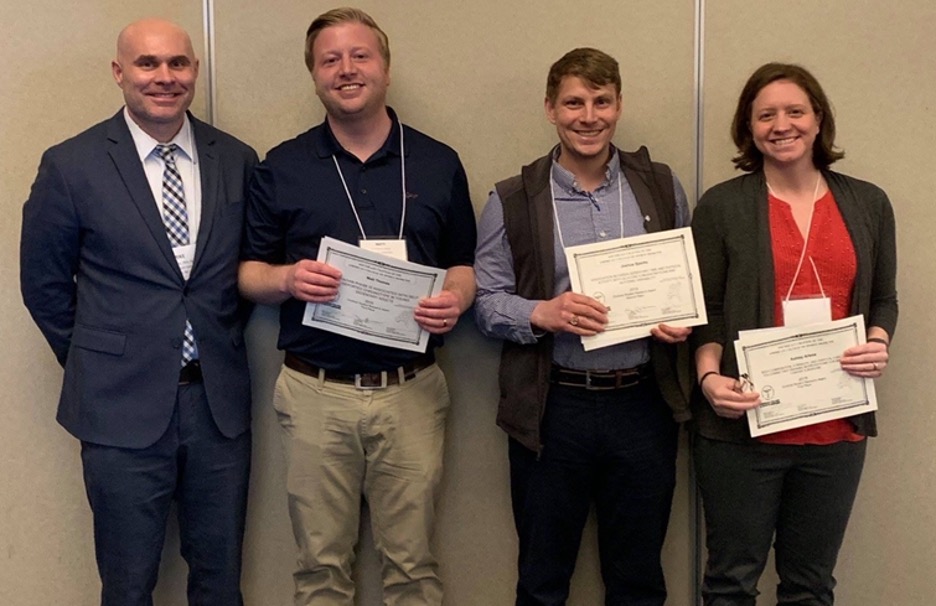




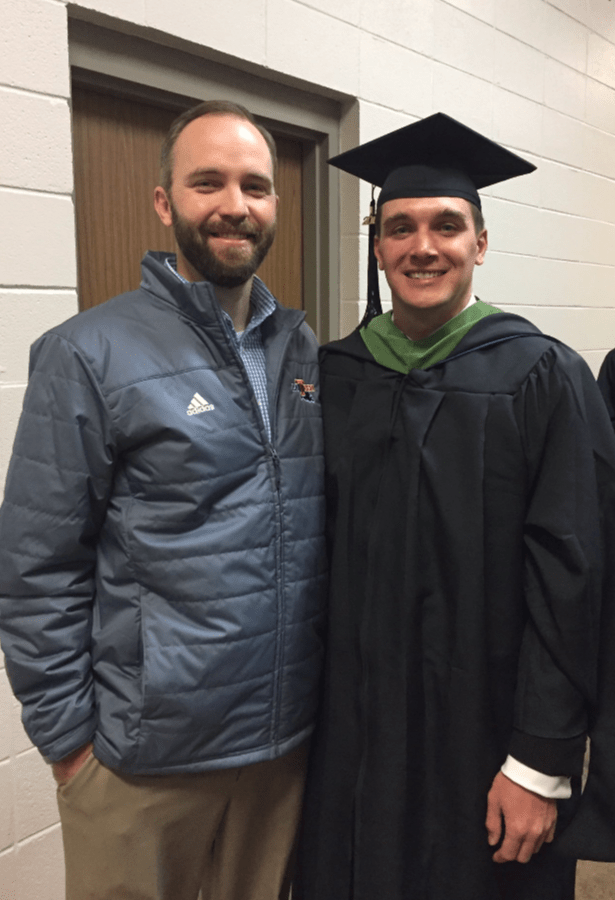

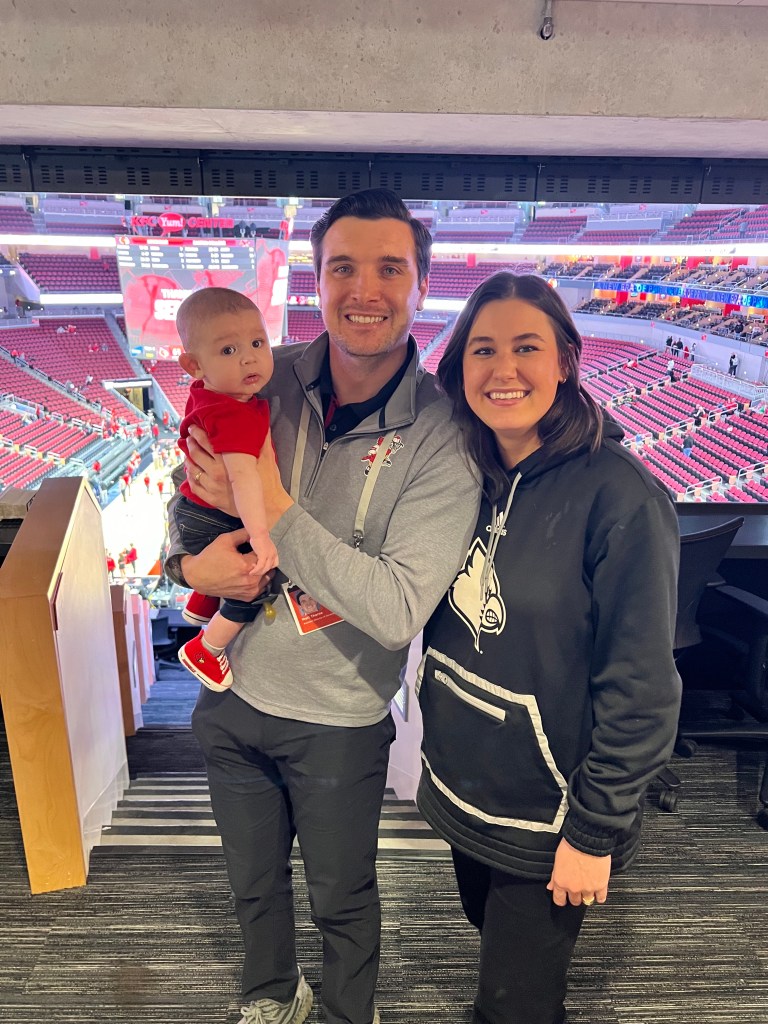
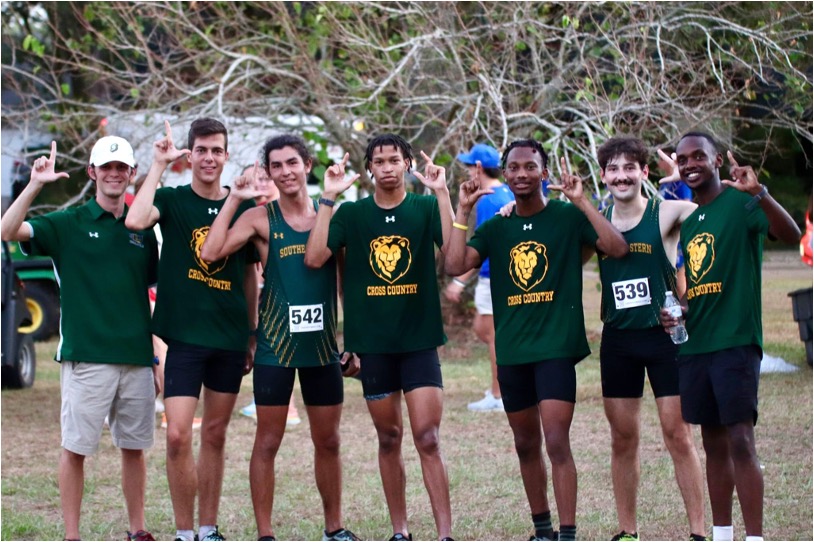




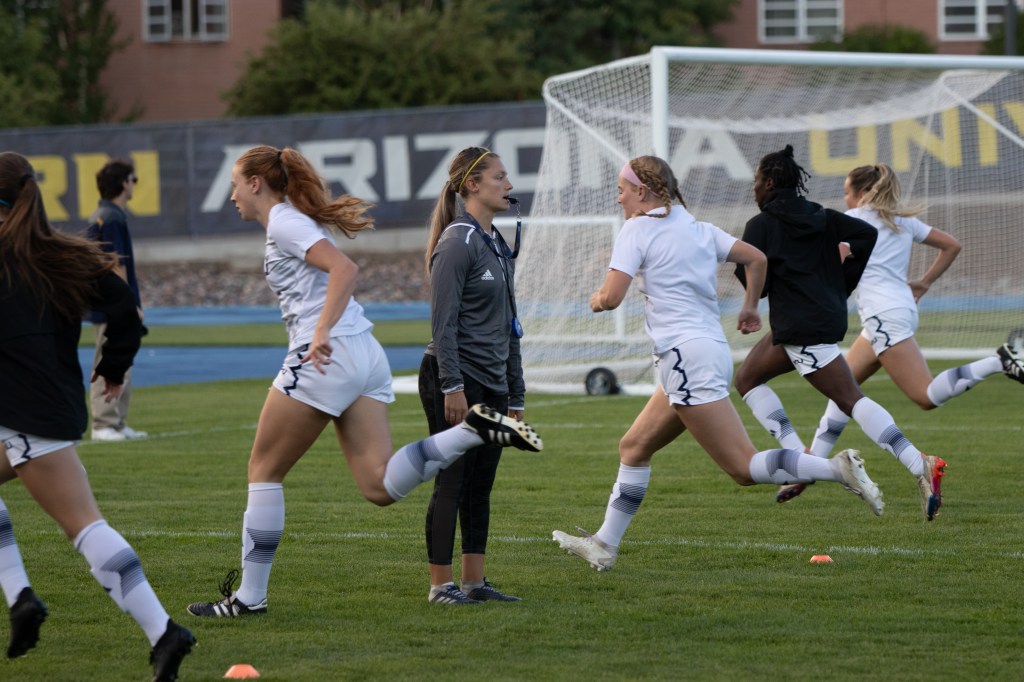








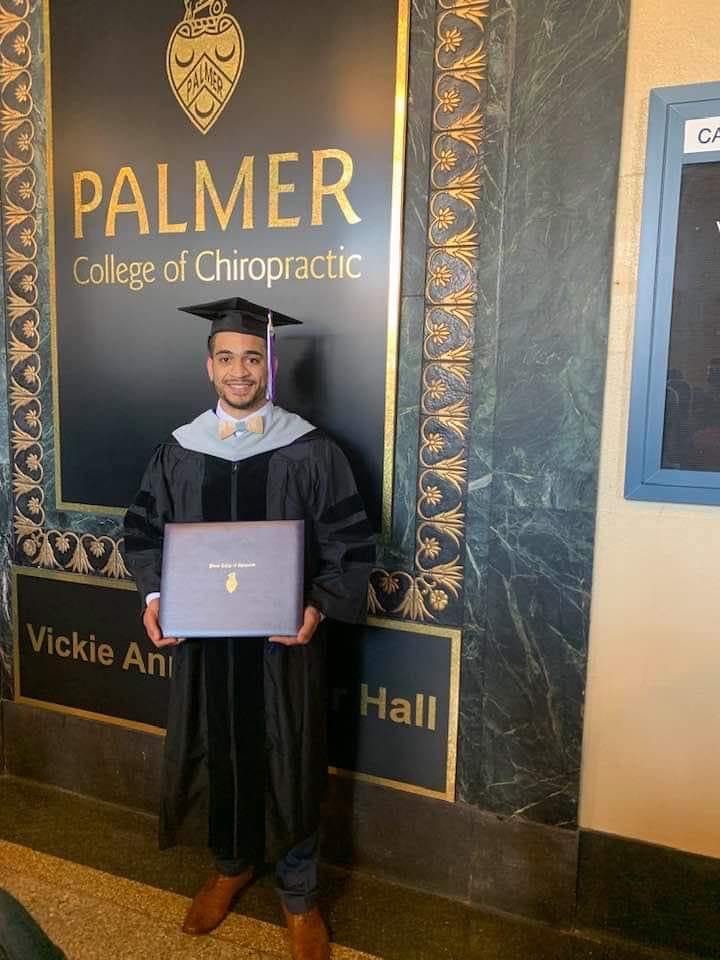


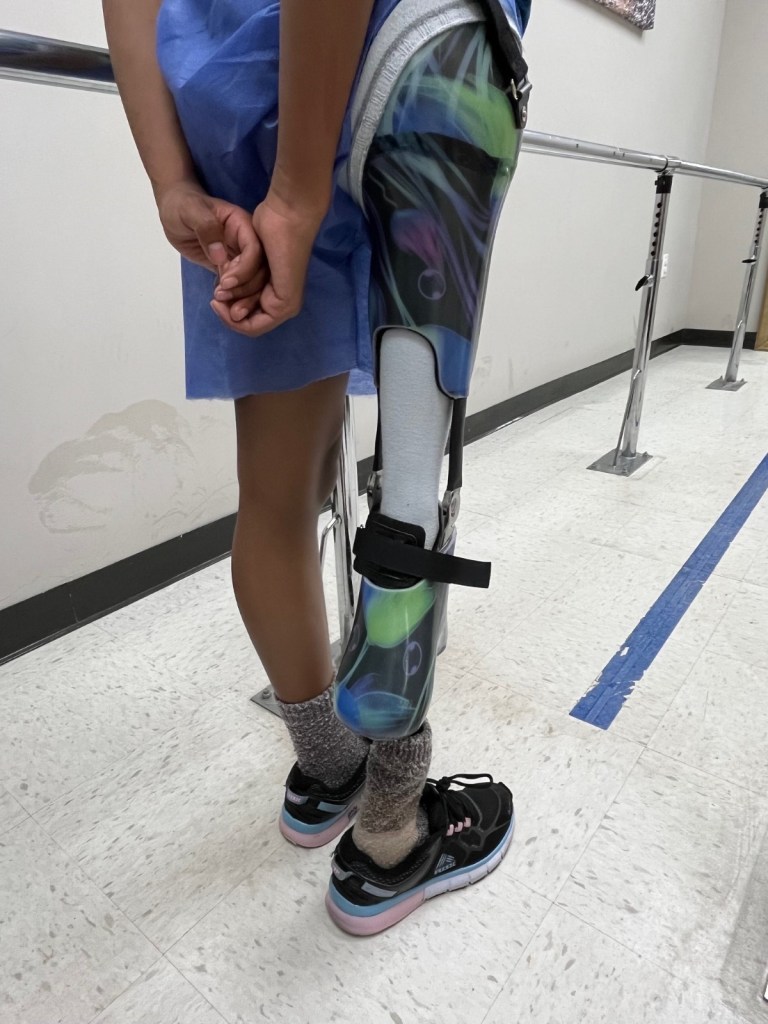
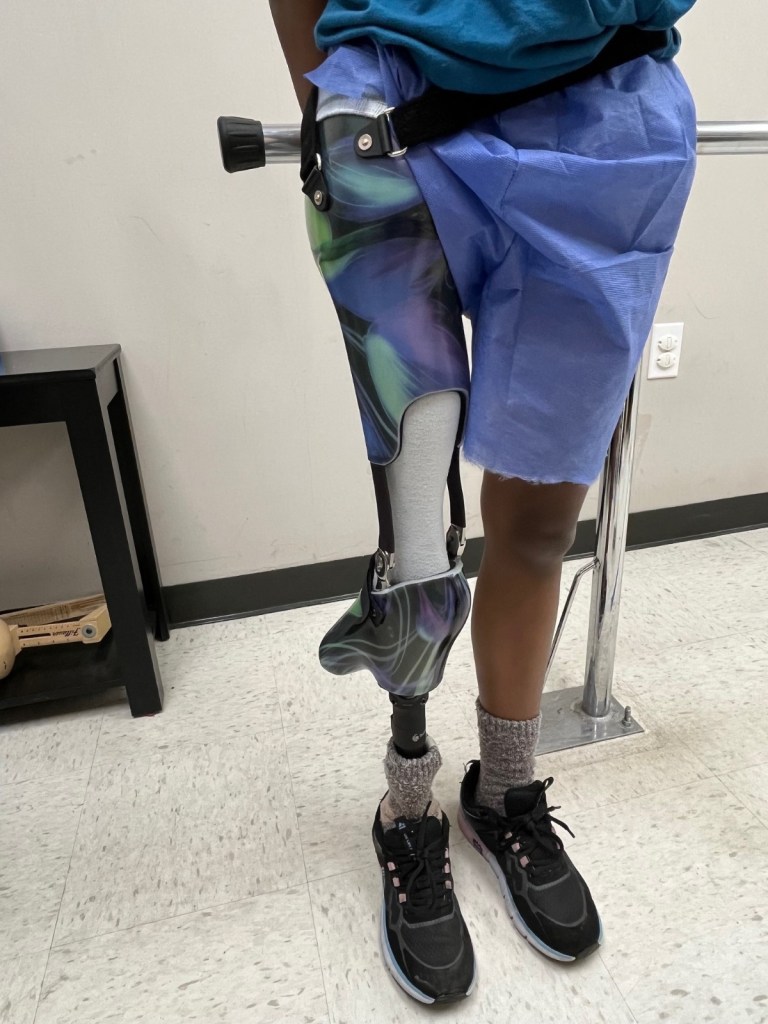


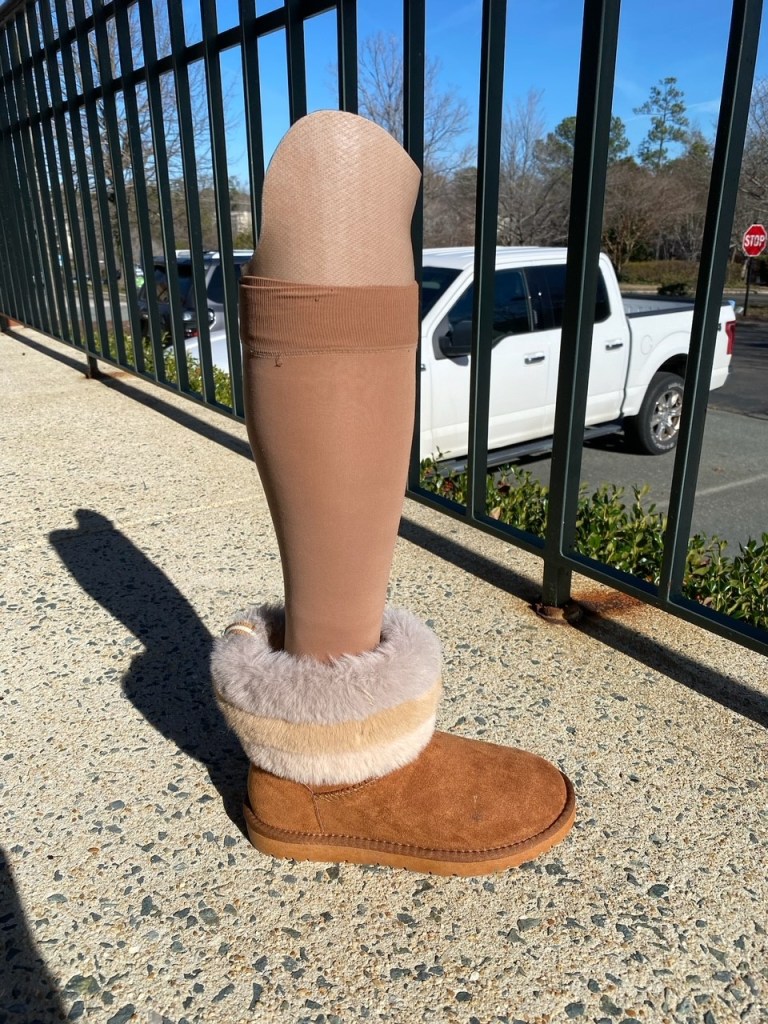
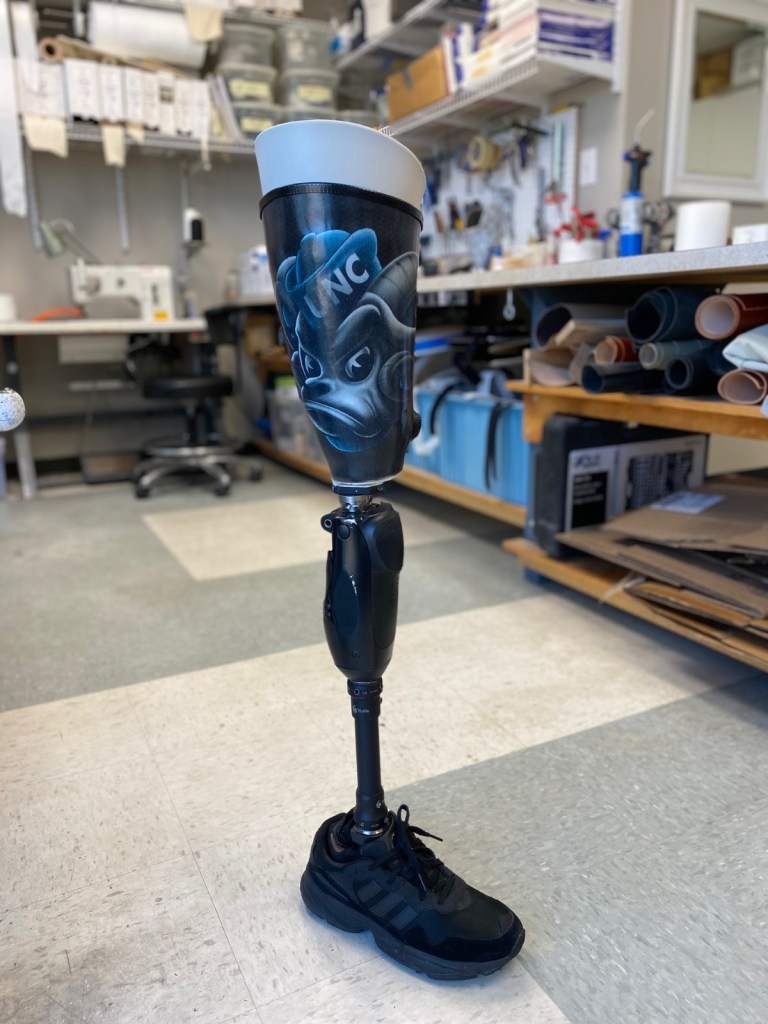


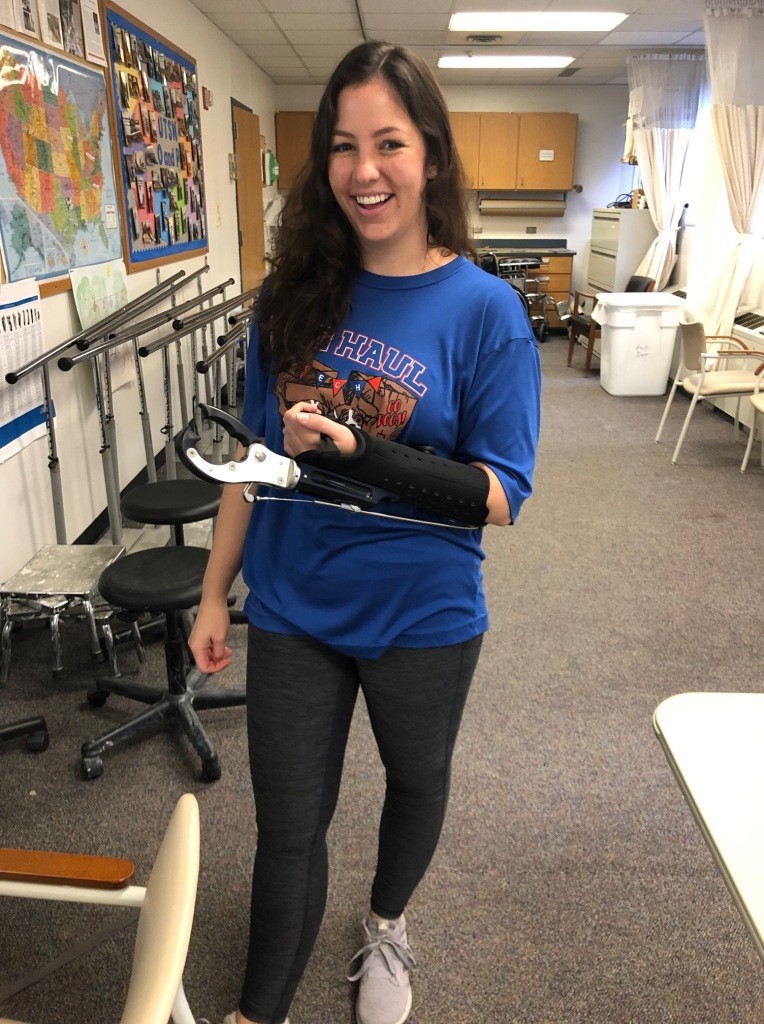

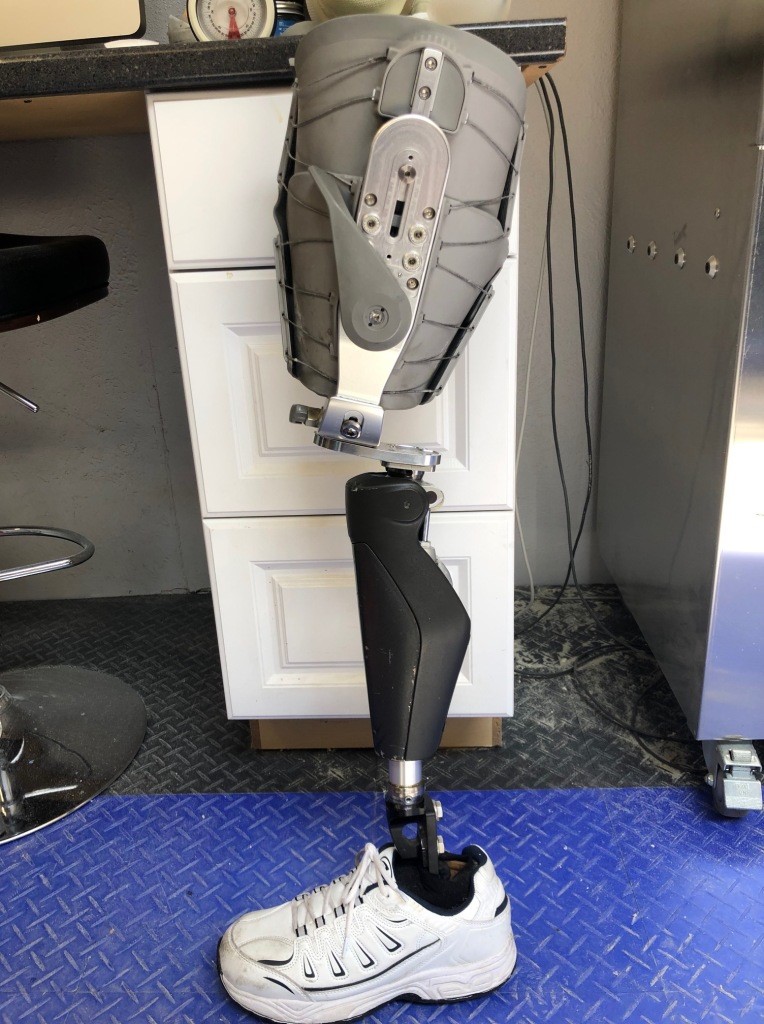
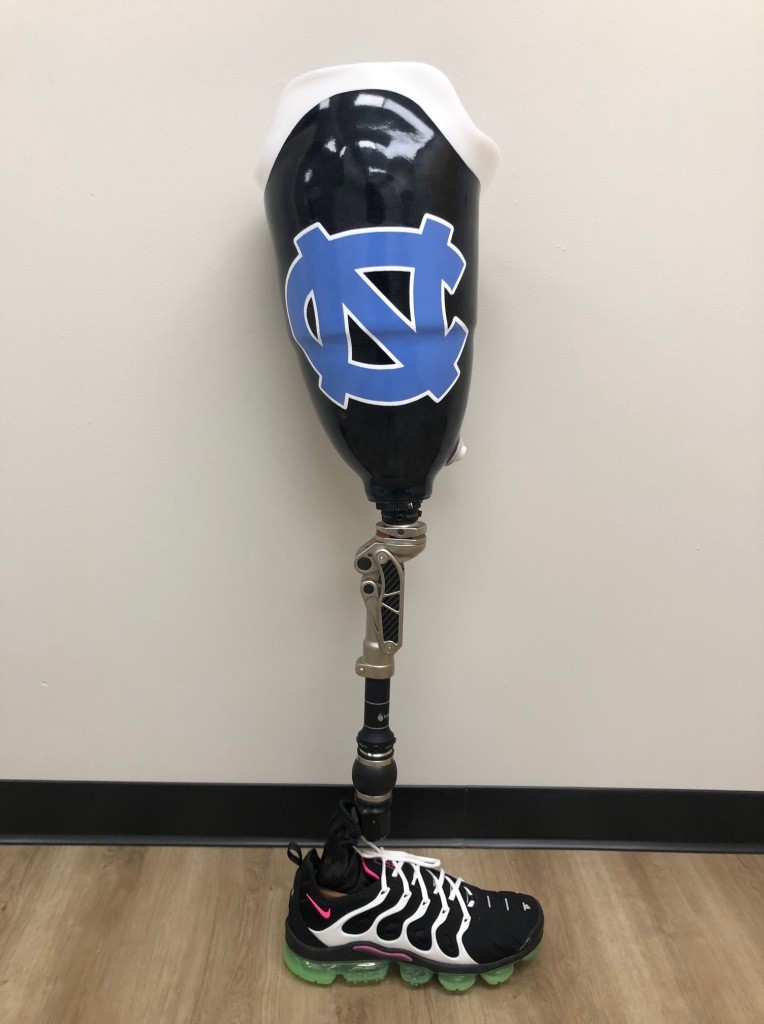

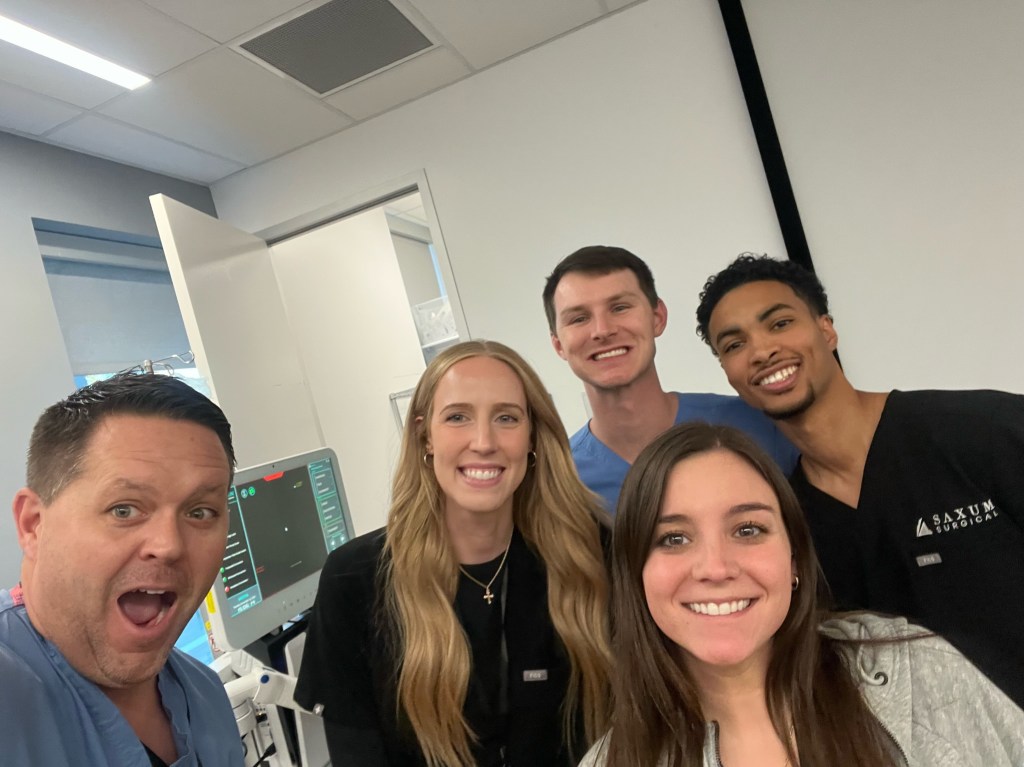


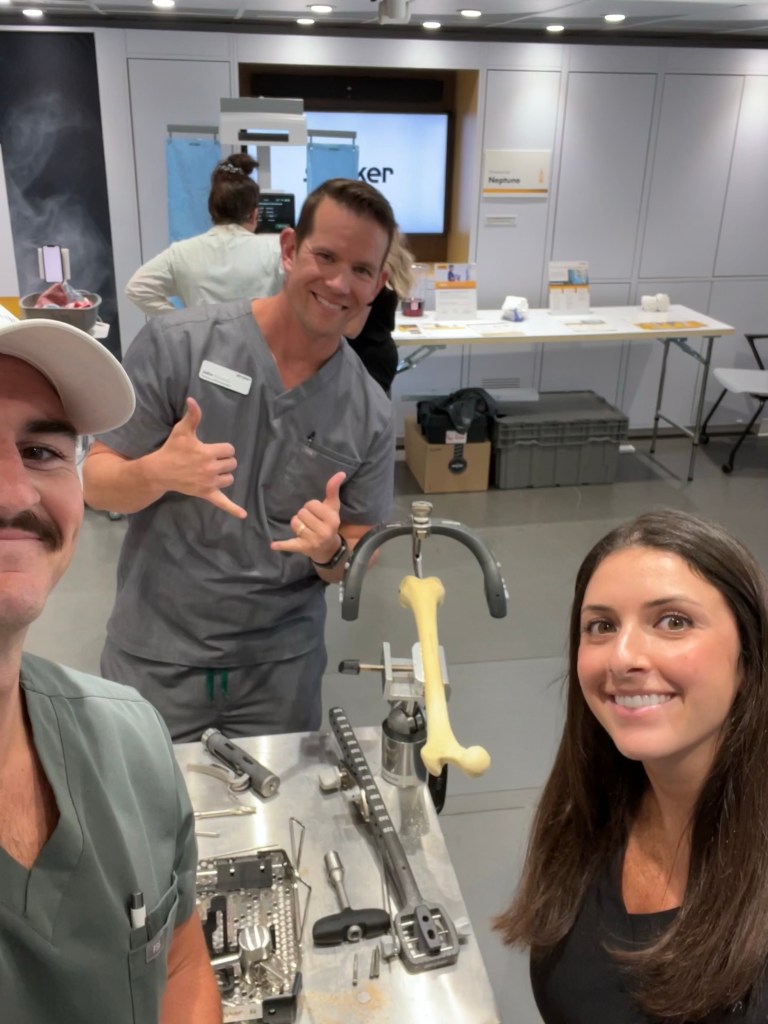


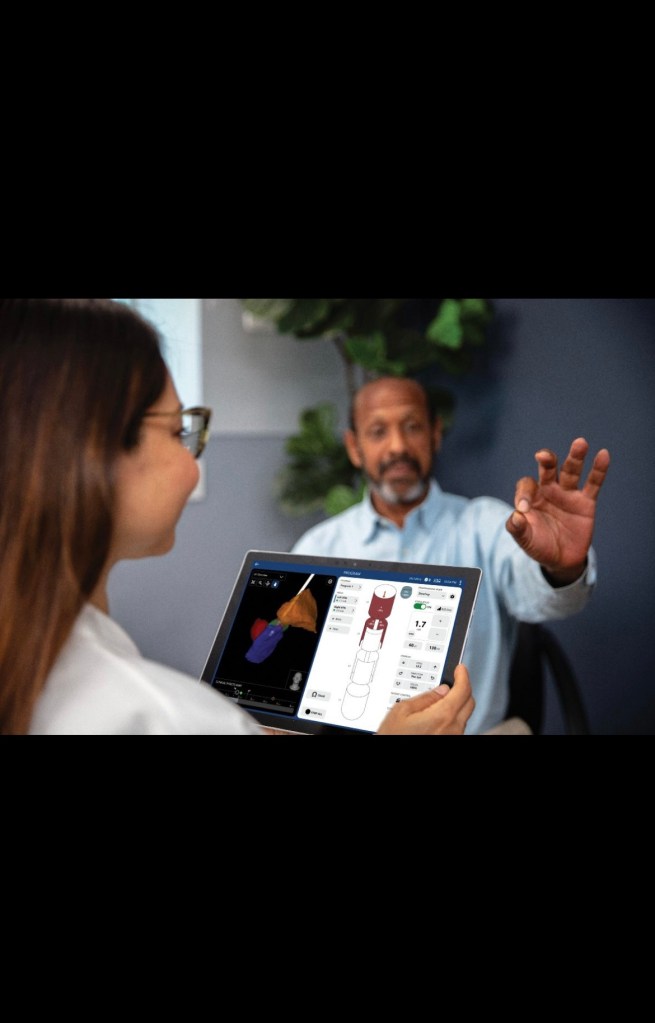
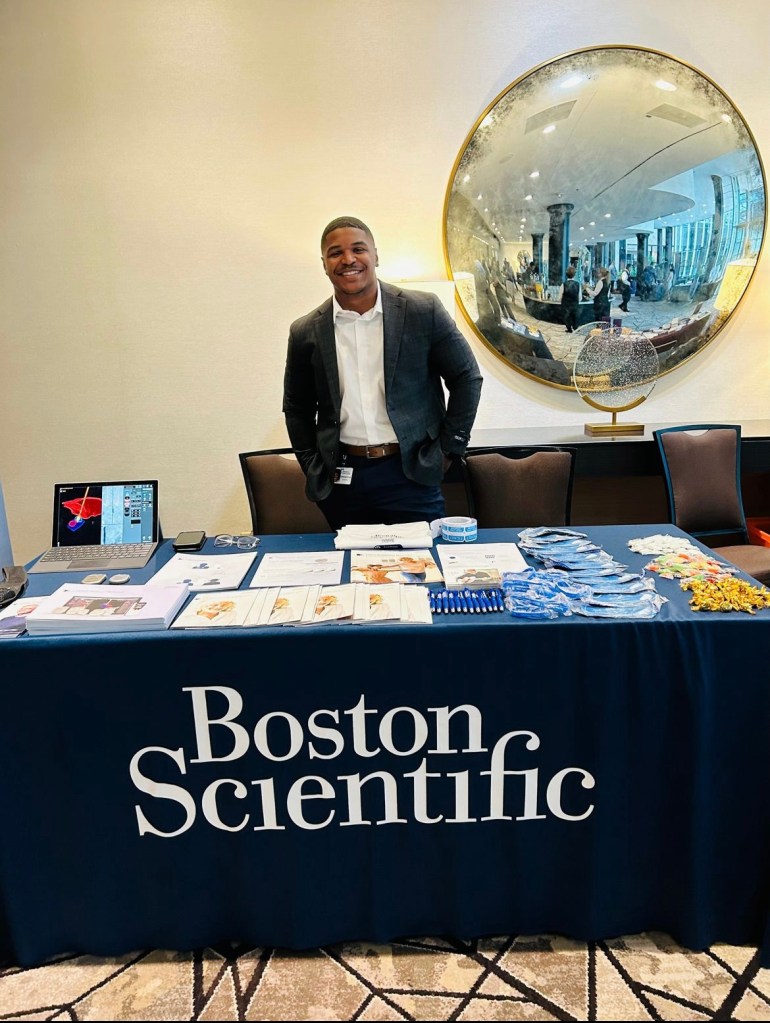
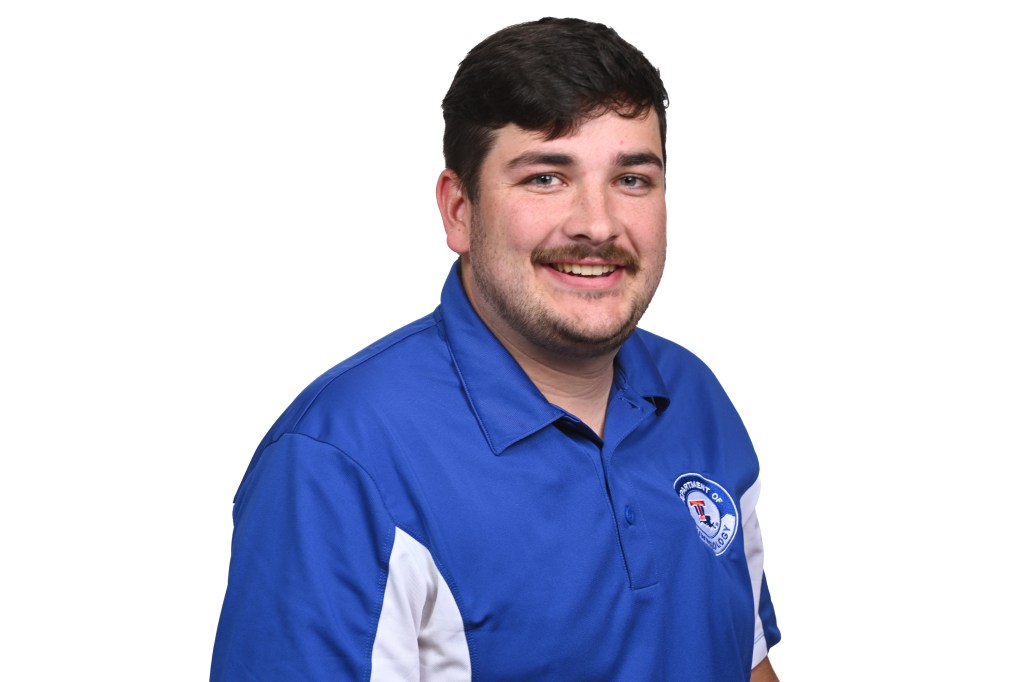
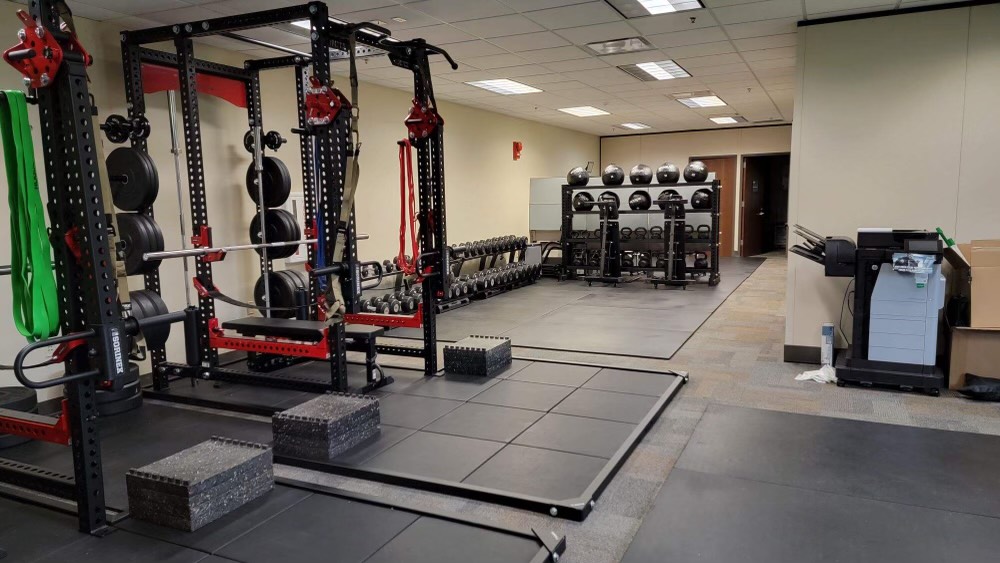
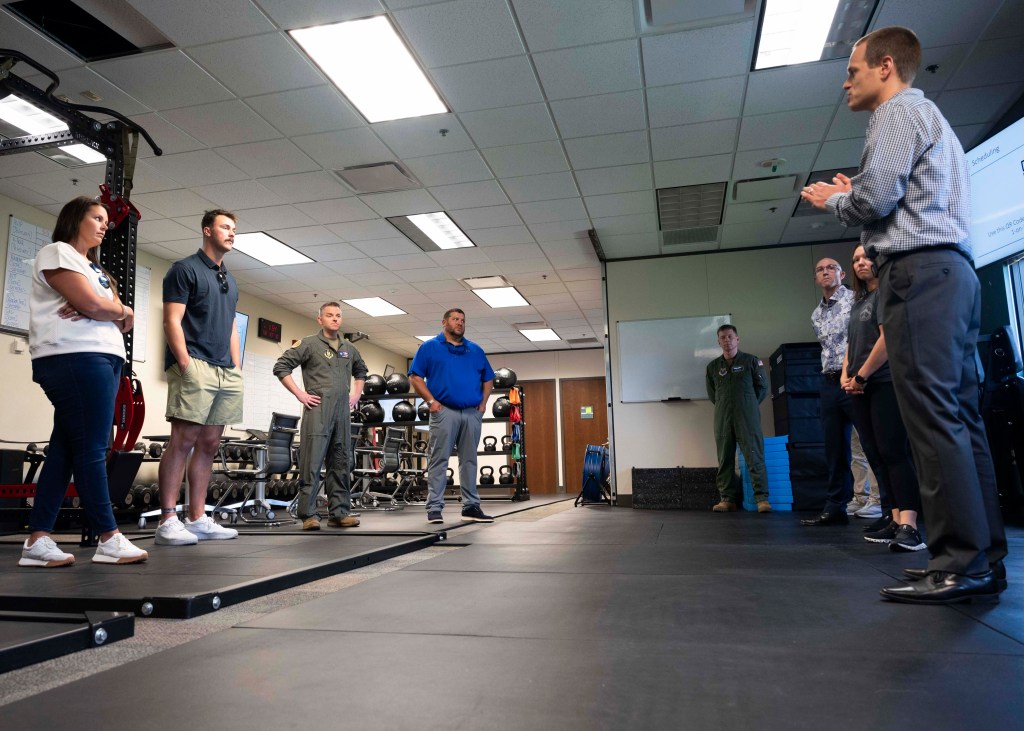





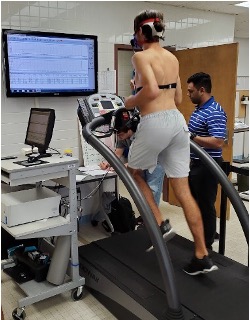
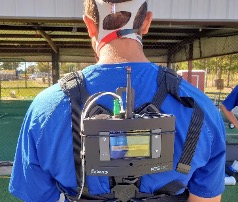
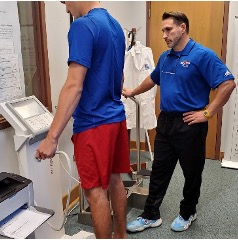


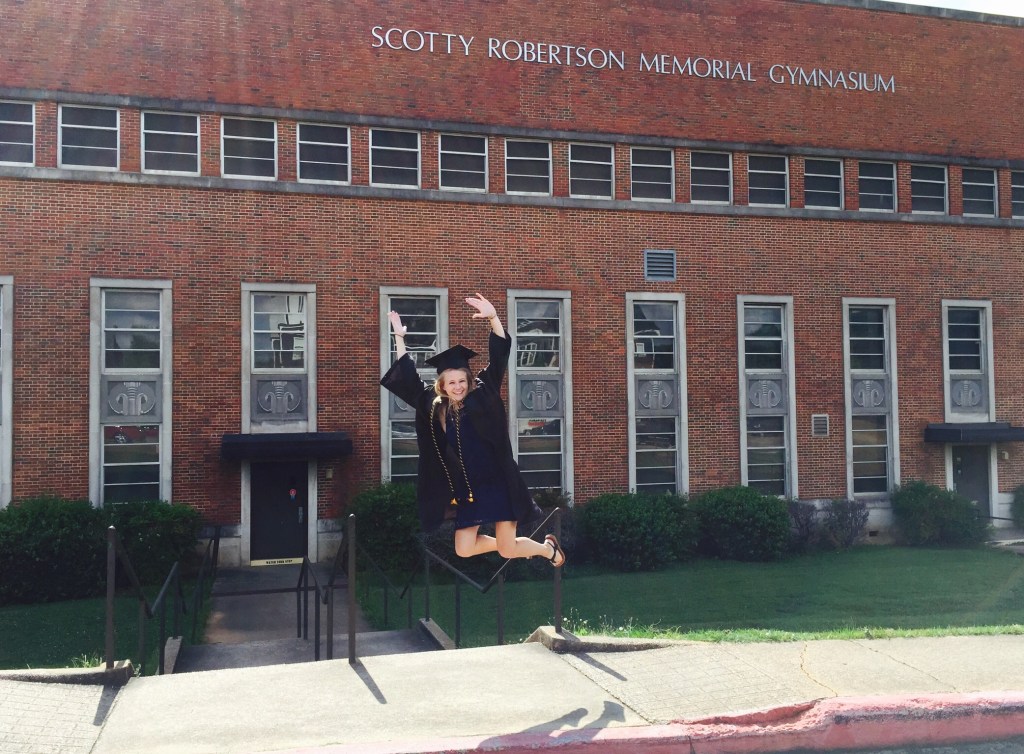

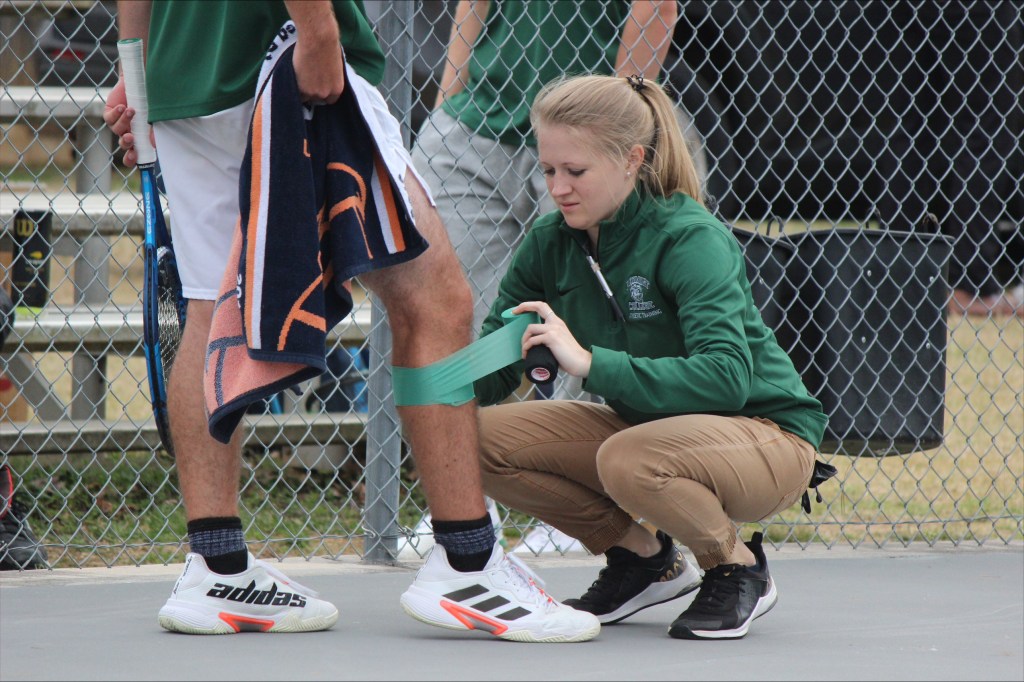
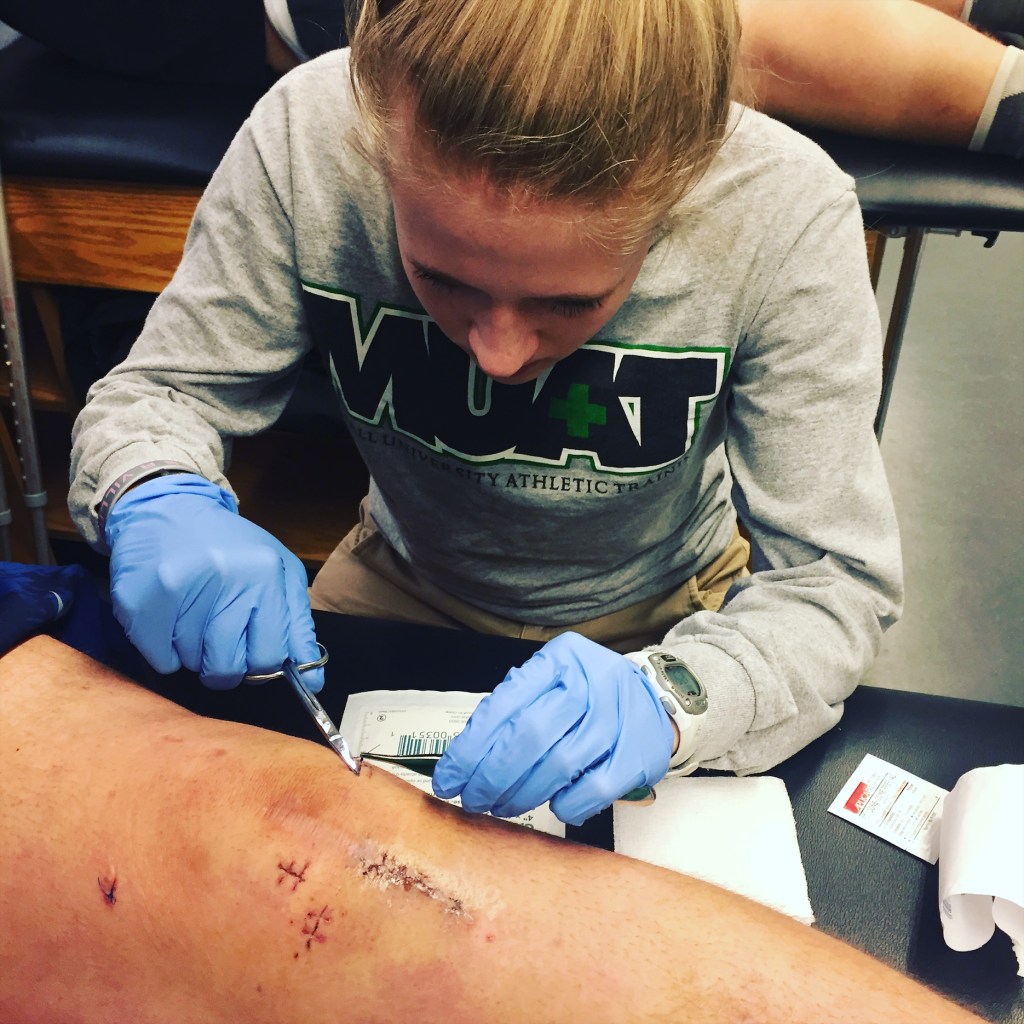
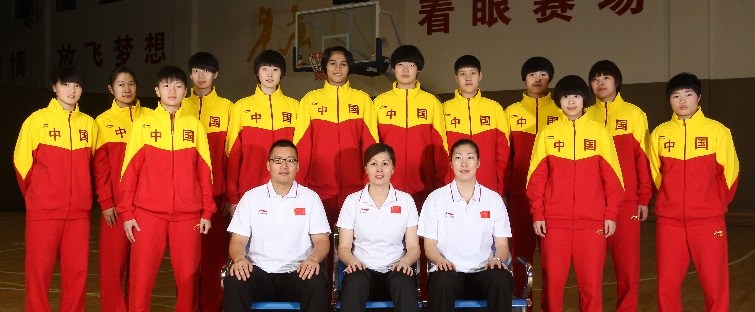
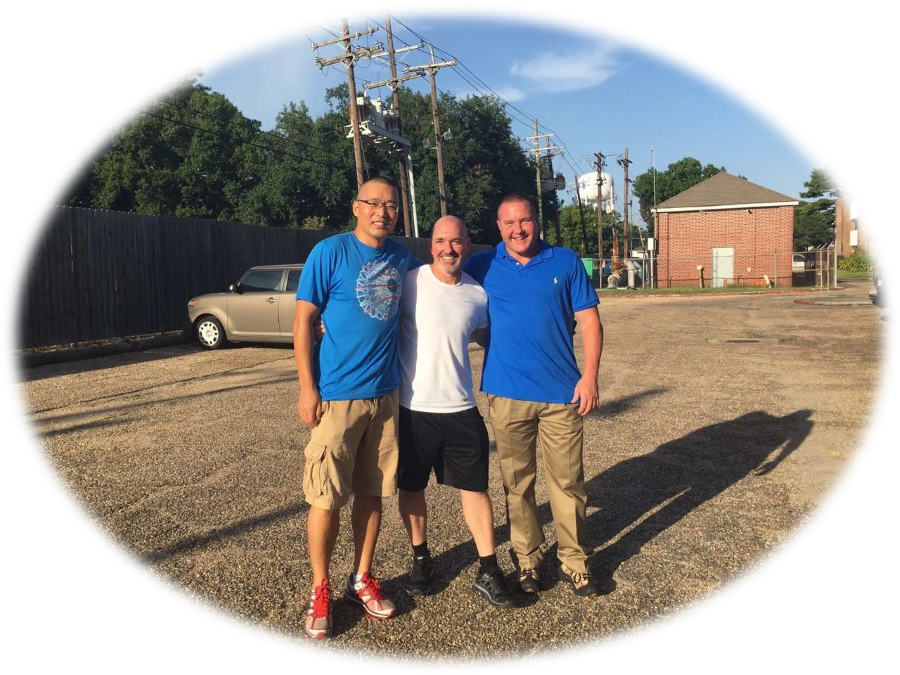




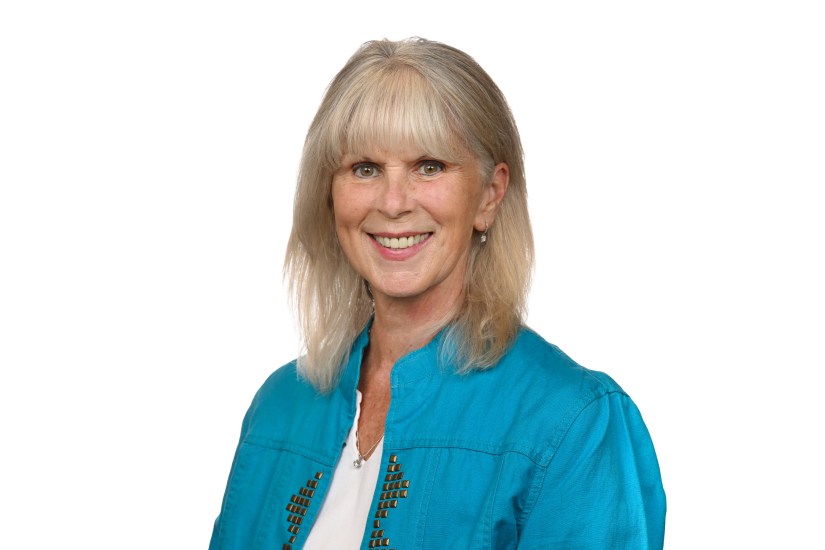
 The Exponential Factor