Alexandra Crovetto, B.S. Kinesiology and Health Science
Louisiana Tech University- 2022
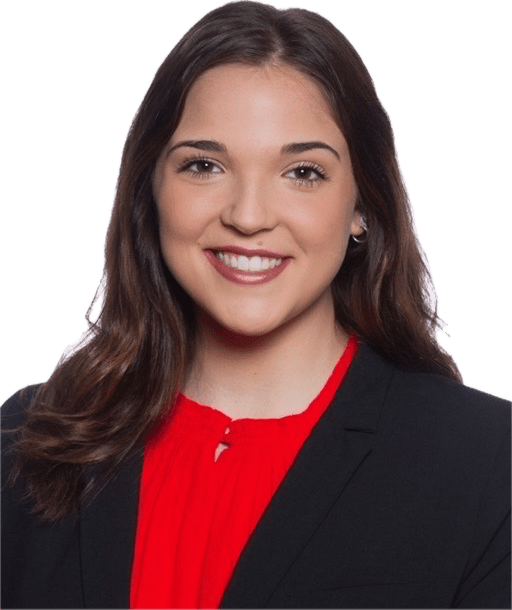
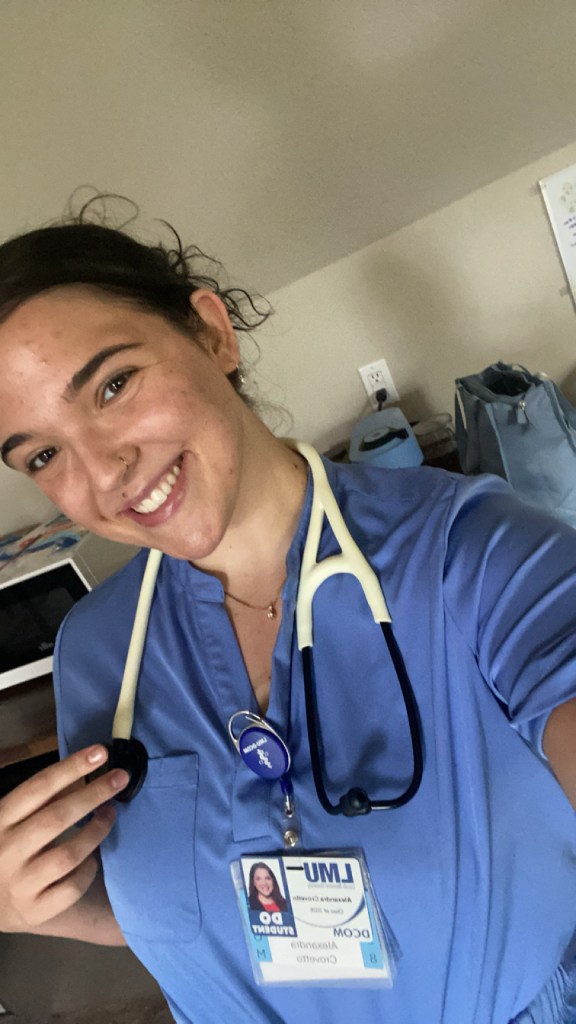
My name is Alexandra Crovetto, and I am a second-year medical student at Lincoln Memorial University Debusk College of Osteopathic Medicine (LMU-DCOM). I am originally from Ponchatoula, LA, and I graduated from Louisiana Tech in November of 2022. During my senior year at Tech, I applied to osteopathic and allopathic medical schools but was not offered a seat. So, I took a gap year after graduation to work on improving my MCAT score and to get more patient-care experience in a hospital setting to enhance my resume. I was accepted to DCOM in the fall of 2023 and started my first classes in July of 2024.
My Louisiana Tech journey began in the Kinesiology department with the interest of becoming a physical therapist. At the time, I had been in Mrs. Deal’s class, and she encouraged us to go into the community to shadow different clinics to see if we were interested in the field. Johnson Physical Therapy welcomed me, and the therapists educated me through assessment and technique demonstrations. While I enjoyed learning this information, I discovered PT was not something I wanted as a career. However, I still did have interest in some physical therapy techniques and wanted to dive deeper into the blending of physical therapy with the practice of medicine. I am grateful to have been in a department that provided information, resources and opportunities for career choices. I attended various seminars to seek topics that peaked my interest. I became interested in becoming a physician assistant, so I took additional courses in biology to obtain the prerequisites for PA applications.
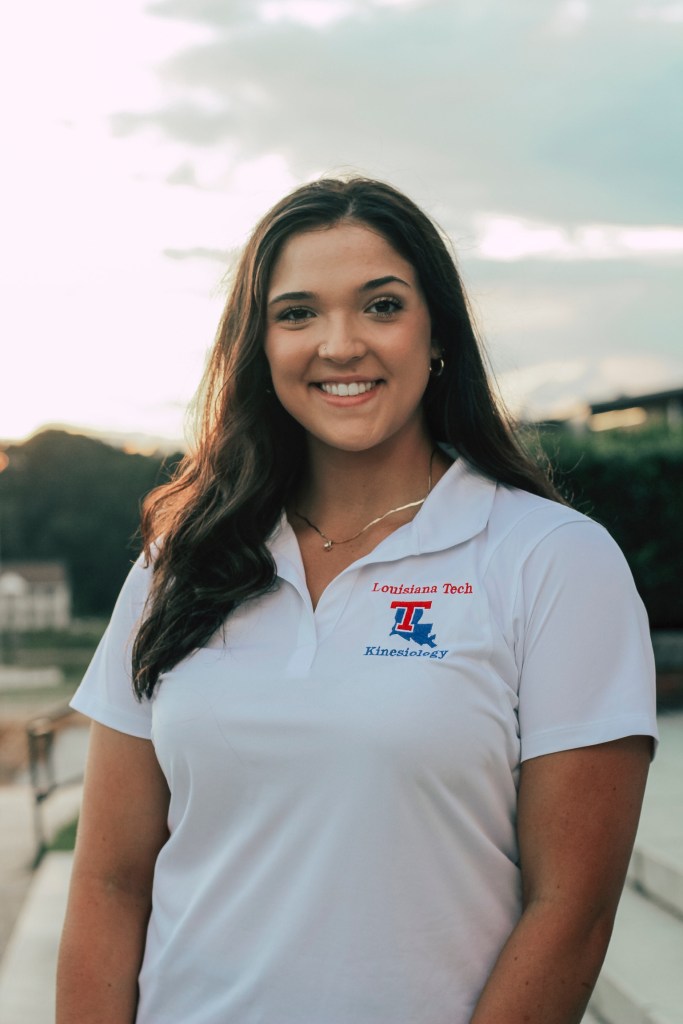
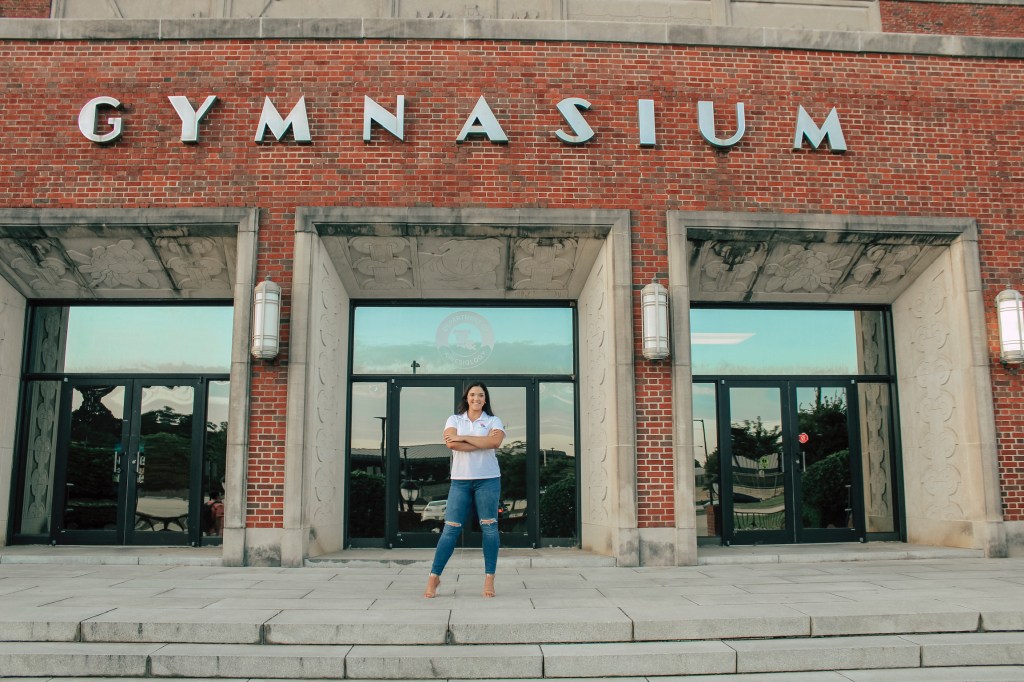
However, I still was not certain about becoming a PA because I was still drawn to PT techniques and treatments. This led to my discovery of the benefits of osteopathic medicine. Osteopathic medical schools offered me the perfect blend of medicine with physical manipulation and therapy. As Kinesiology students, we are always taught that the body is a functional unit and many entities go into the overall health of our future patients, so when I discovered that osteopathic medical schools were founded on the idea that the body is a unit in mind, body, and spirit, I was thrilled to learn more. I had my doubts about getting into medical school, mainly because my family primarily consisted of educators not medical professionals. Also, I was a kinesiology major, and most pre-meds are biology majors. Fortunately, when doubts crept in, one of my best friends, Zadren Alexander, a kinesiology major now in his final year of PT school, along with my professors: Ms. Boyd, Mrs. Reeves, Mrs. Szymanski, and Mrs.Deal, really helped to keep me motivated. They offered constant encouragement and guidance that set me up to believe in myself and in the education that Louisiana Tech provided. The summer before I graduated, I completed extra course work to meet the prerequisites for medical school. From the course loads, research projects, and community involvement to the hands-on experiences and encouragement from the faculty, including University President Guice, I will forever be grateful for the preparation I was given.
I was excited to receive a number of offers, but I decided to attend DCOM for medical school because I have always loved the mountains of Tennessee, and I wanted to experience the beauty and fresh mountain air. I also thoroughly enjoyed the “interest days,” as I was able to speak with students, prospective students and faculty over Zoom, so I was more than ready to get started.

One of my favorite classes is Osteopathic Manipulative Medicine or OMM, which is a wonderful physical medicine. As a kinesiology graduate, I have a passion for hands-on manipulations that can provide relief and healing to patients almost instantly. Having the volume of knowledge from undergrad about the anatomy of the human body has helped me in learning these techniques. I also enjoy OMM because we are able to provide a resource and relief to those who may not be able to afford medications, treatments, and procedures, or for those patients who have tried every avenue and need a last resort. Aside from OMM, our curriculum also presents osteopathic values within our courses, and we are taught to view the body as a self-healing machine, as well as looking at our patients differently. We are not to chase the problems our patients bring to us; instead, we are to look at our patients as a whole: mind, body, and spirit, and truly evaluate each of those aspects when listening, diagnosing and treating.
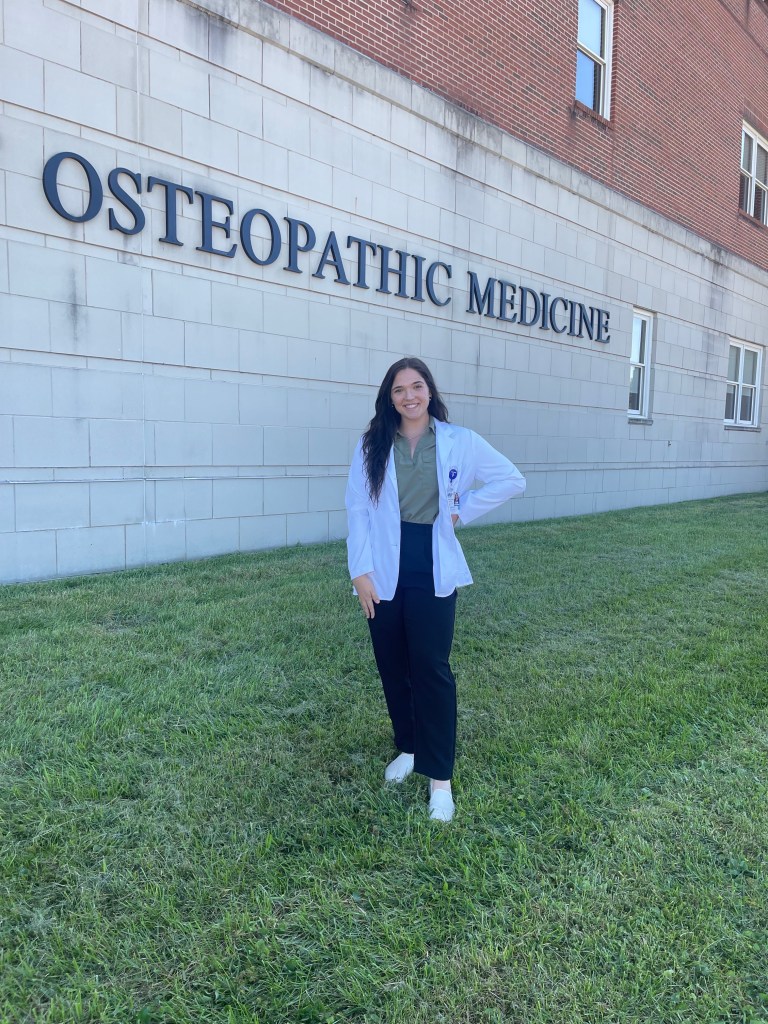
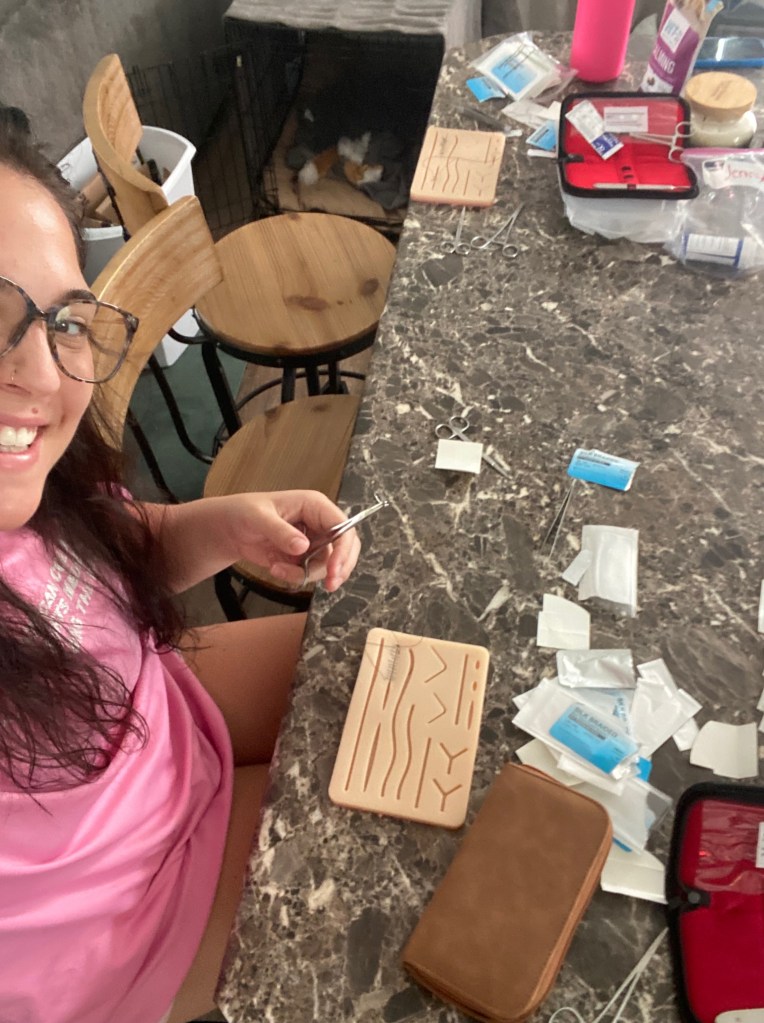
Osteopathic Medical schools are set up the same as allopathic medical schools in that we have two years of didactics (classroom) and then two years of clinical rotations. Year one is similar to prerequisite courses in undergraduate. Classes include pharmacology, neuroanatomy, anatomy, biochemistry, microbiology, and from the beginning, we learn Osteopathic Principles and Practices with standardized patients. That is something that drew me to my school because I wanted exposure working with real people and getting comfortable with talking to patients and writing notes on those encounters. In the second year, we transition to system-based clinical courses where we spend a couple of weeks on three different body systems and dive into learning diseases, disorders, diagnostics and treatments. During this year, we are expected to start diagnosing and treating our standardized patients in order to prepare for clinical rotations. These treatments also include performing OMM. Toward the end of the second year, we rank our favorite rotation sites, get put into a lottery and placed. Third year rotations have required specialities that must be completed along with elective rotations. We can choose our preferred specialty to work with, or some choose to work with family members who are physicians. During fourth year there are required rotations; however, most of the rotations are open for students to decide. Much of this time is used for “audition” rotations. This is when we rotate at residency spots in which we are most interested. During these rotations, students get acclimated to the preceptors and other workers and are given an opportunity to show residencies their best. After these are complete, we apply to residencies of our choice, graduate, and are sent off to begin residency wherever placed.
During my first year of undergrad sitting in Ms. Boyd’s FYE class, I would have never believed that I would enroll in medical school. Medical school always seemed so far out of my reach because my family consists of four generations of educators. It was definitely extra work getting into medical school, but I am so grateful for the well-rounded and comprehensive education I received from the Louisiana Tech Kinesiology Department. I had no desire to leave the relationships and courses that the kinesiology department provided me. I wanted to enjoy undergrad, especially since I knew medical school could be daunting and stressful. I love functional physical medicine, and I enjoyed getting to learn more than just the biology of the body but an all-encompassing view. Classes like Mrs. Deal’s adapted physical activity course, Mrs. Reeves’ water aerobics classes, Ms. Boyd’s sex, drugs and rock-n-roll class otherwise known as Personal and Community Health, Mr. Singh’s functional anatomy, Mrs. Szymanski’s strength and conditioning work, and Doc’s exercise physiology all contributed to my being a well-rounded applicant for medical school.
A Doctor of Osteopathic Medicine (D.O) student completes the same coursework and clinical requirements that students at M.D. schools complete. The only difference is that osteopathic students take around two-hundred additional hours of OPP classes in addition to traditional medicine coursework. In regards to board exams, we take a test called COMLEX and M.D. students take USMLE. COMLEX has the same content as USMLE with the additional OPP questions added in. All D.O. students are required to take the COMLEX exam, and it is optional to also take the USMLE exam. Students interested in more competitive specialties opt to also take the USMLE exam to “level the playing field,” since the stigma surrounding osteopathic medical schools is still prevalent today. However, there are no differences in the abilities of an MD and DO, and they can apply to and work within the same specialties. There are also more D.O. specific specialties that incorporate a lot of OMM into their practice for those students with interest in using OMM more often. OMM can be used in any specialty-some more than others; however, every student is trained to efficiently complete OMM, and it is up to the student post-graduate to continue education and practice in the field in order to provide OMT to their future patients.
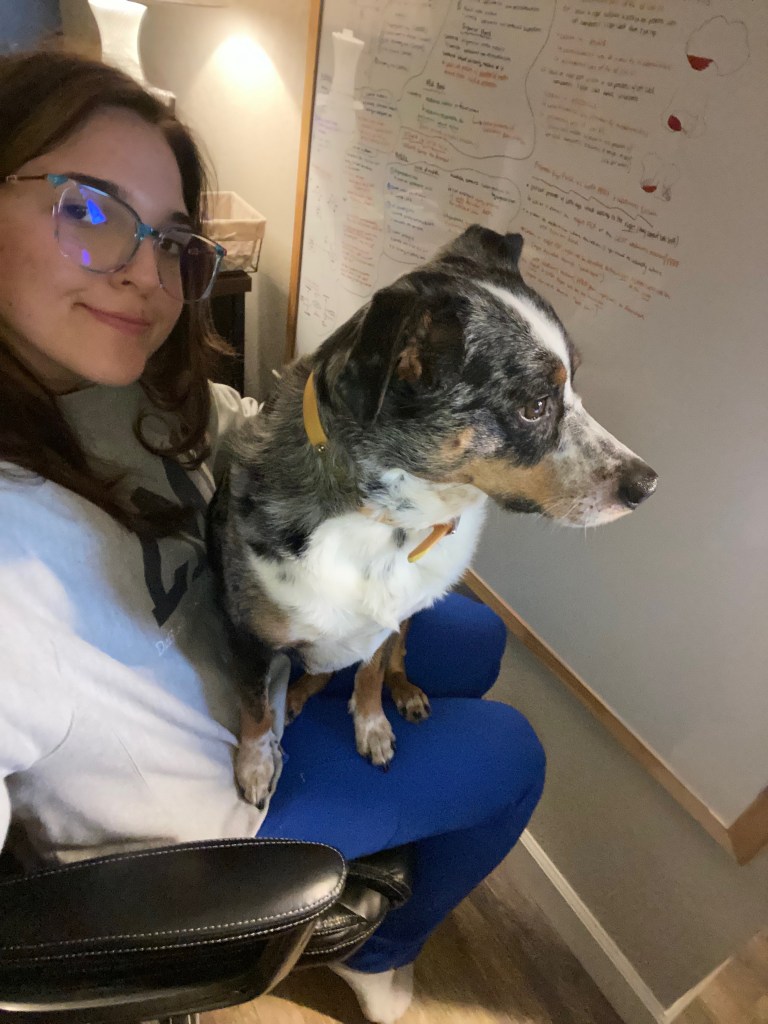
I truly love being in osteopathic medical school, and I am thankful to be able to provide information on my journey to help guide future “dogs”. The field of Kinesiology is expansive, and there are many different avenues to explore. Never hold yourself back and always believe you can achieve your biggest dreams and goals!


 The Exponential Factor