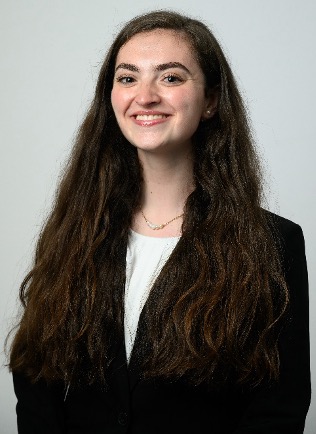
McKinsey Denney, Louisiana Tech University – B.S. Kinesiology and Health Sciences
My name is McKinsey Denney. I am originally from Spring, TX outside of Houston, but I am currently in Searcy, AR enrolled in a unique masters degree program at Harding University. I graduated from Louisiana Tech in May of 2025 with a degree in Kinesiology and started my masters degree program in August of 2025.
The graduate program is the Master’s of Science degree program in Cardiac Function and Interventional Technology, or CFIT. It is a unique, first-of-its-kind master’s degree program that focuses on developing skills and knowledge for careers in cardiac device technologies with an emphasis on cardiac rhythm management (CRM) and electrophysiology (EP).
CRM involves evaluating abnormal heart rhythms and conditions that require treatment in the form of an implantable electronic device. Devices used in this field include permanent pacemakers (typically for slow or absent rhythms) and implantable defibrillators (for inappropriately fast and abnormal rhythms). They have capabilities of diagnosing/recording rhythm events, pacing when the patient’s heart is unable to, and reverting an abnormal rhythm back to a normal rhythm (defibrillation).
EP involves treating abnormal and inappropriately fast rhythms within the heart’s conduction system. Using a mapping system and catheters, the heart’s electrical activity is mapped to pinpoint where the abnormality is located. Then the site of arrhythmia is ablated by delivering energy through an ablation catheter to damage the tissue responsible for the inappropriate electrical activity. This is a curative approach for patients’ arrhythmias.
Both of these industries work with many other healthcare professionals in hospitals. So not only does this program prepare you for a career in CRM or EP, but it also includes many interprofessional educational experiences that immerse students from all departments in the college of health sciences into experiences where students work together. Some of the departments included are nursing, PT, OT, PA, speech pathology, pharmacology, counseling, psychology, and CFIT. We collaborate on projects like cadaver dissections, poverty simulations, case studies, acute care simulations, and other social learning events.
I first heard about CFIT in the spring of my senior year of high school. I was still unsure of where I wanted to go for undergraduate, so I was at a recruiting event for Harding University. During high school, I had been taking architecture classes as part of our career path exploration and was determined to pursue it through college. Harding University was starting their architecture program in the fall, so I went to this event to learn more about it. The first person I spoke to was Dr. Ken Turley, the founder of CFIT. This interaction would alter the trajectory of my story and lead me to where I am today.
I was born with congenital heart defects and had heart surgery at six days old. During my senior year of high school, I started to have rhythm issues that had never been medically recorded. I became a case study at Texas Children’s Hospital and had everything about me documented. Fortunately, they were able to determine what was going on and how to fix it. I underwent an ablation procedure where they used energy to damage inappropriate electrical activity in my heart. I had just been discharged from the hospital when I attended this event, so I was telling Dr. Turley about it. He told me that he was initially confused as to why he was needed at an undergraduate recruiting event when he was starting a graduate program, but when he heard about my heart history, it was clear our paths were meant to cross.
Dr. Turley proceeded to tell me about the graduate program he was starting, and it left me conflicted as to what I would major in. I eventually chose to attend Louisiana Tech. Because I had been doing architecture for the past four years and had already been accepted into the School of Design, I came up with a compromise. I would major in architecture and take one Kinesiology class to see what I liked better. I took Mrs. Boyd’s KINE 290: Personal and Community Health class and I enjoyed her class so much more than any of my architecture classes. At the end of the fall quarter, I switched my major to Kinesiology and continued along the path that would lead me to CFIT. Since I was on a path that did not involve PT/OT/coaching, Mrs. Boyd and Mrs. Smiley were instrumental in organizing and accommodating my internship to be at Green Clinic Cardiology. The opportunities with a Kinesiology degree are vast and varied. I am sure that the professors will be willing to do whatever they can to help guide anyone interested in any of those areas, including the non-traditional roles within Kinesiology.
There are other options to pursue an education prior to entering the EP/CRM field, but unlike an internship or certification program, this master’s degree ensures that you get to complete your education before getting a job, allowing for more preparation and training before entering the field. Within three months, we have already covered more EP material than any of the other certificate programs out there, and we are just getting started. It provides the best resources and education to start your career in order to make the greatest impact possible. Starting one’s career out of the gate with a masters degree and leadership training provides the resources to advance quickly in the field and to excel in advanced roles as well. The Master’s in CFIT path is not for the faint of heart. It is for those who are called to a field with constant innovation and significant impact where your day-to-day work is filled with patients likely experiencing one of the most significant healthcare moments of need in their life. With my personal experience as a patient, I know that I would want the healthcare professionals operating equipment on me or my family to be professionals with the greatest amount of education, training, and experience possible and not ones who intentionally opted for quicker, easier paths with less training.
I am so glad that I get to study what I love. I am currently three months in, so I can only speak on my pre-clinical experience, but I have already learned so much. The professors are all so informative and genuinely want every student to do well. I like that the program is only 30 students, and they do it in a cohort style. I have grown so close with my classmates in such a short time, simply from the great amount of time we all spend together. It really feels like a family and the program is just so amazing. The heart is a complex, but beautiful organ and I am grateful for the opportunity to learn more about it.
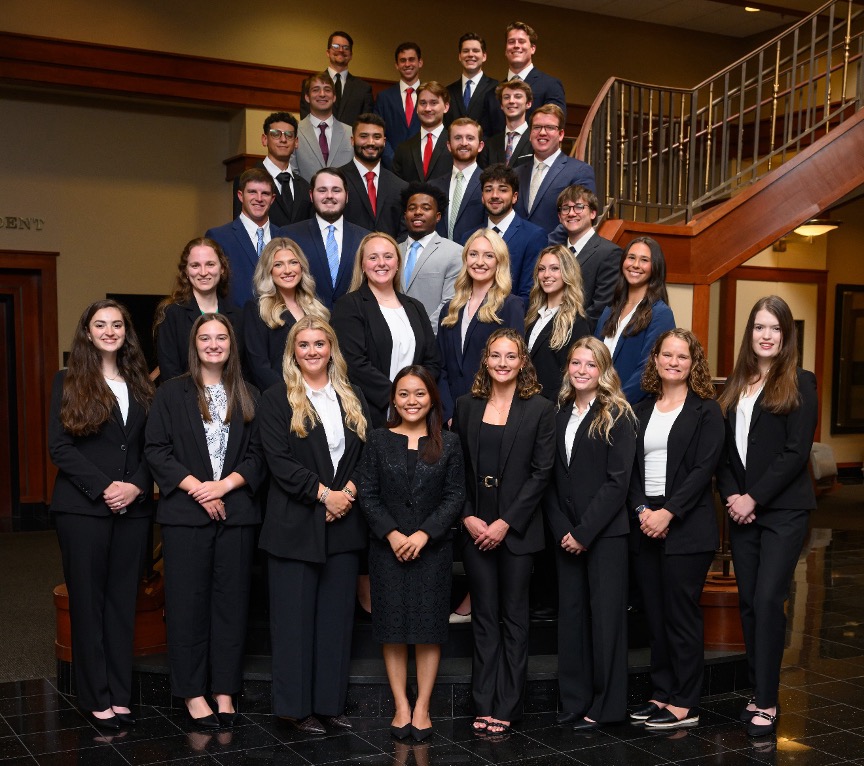
CFIT Cohort of 2026!
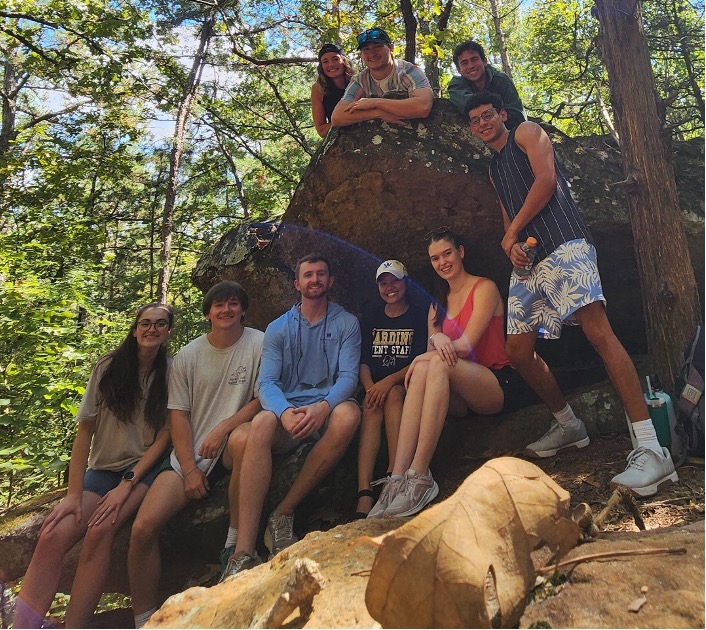
A group of us from the cohort hiked in Heber Springs, AR
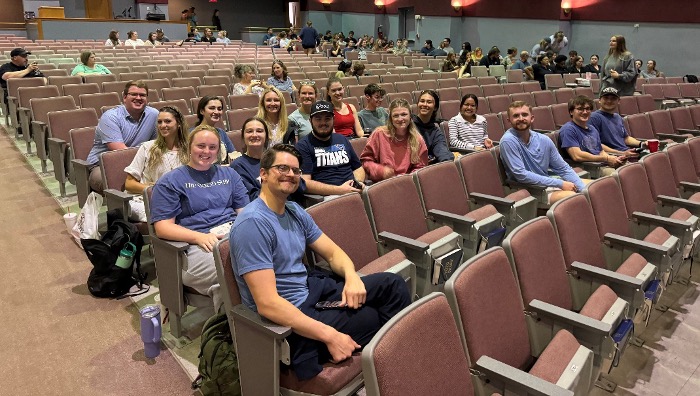
Some of the cohort attending the interprofessional education program movie night.
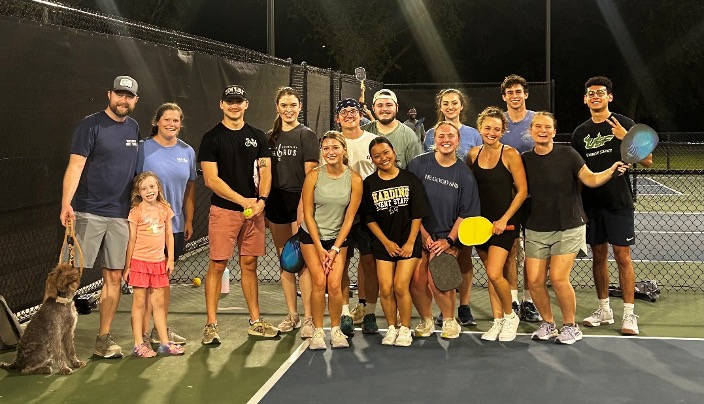
A group of the cohort plus one of the professors and his wife and daughter playing our weekly Friday night pickleball.
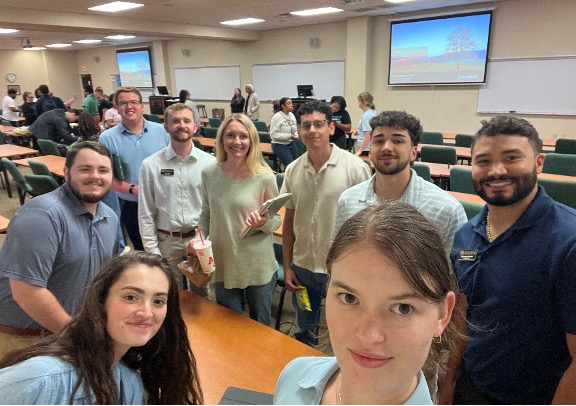
A group of the cohort attending one of the interprofessional education guest lectures on AI in the medical industry.
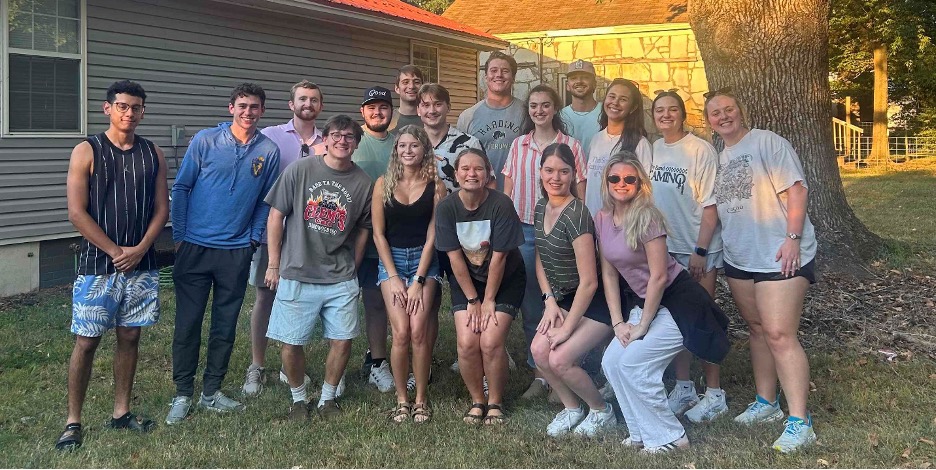
The cohort’s first get-together; a barbeque cookout and potluck!
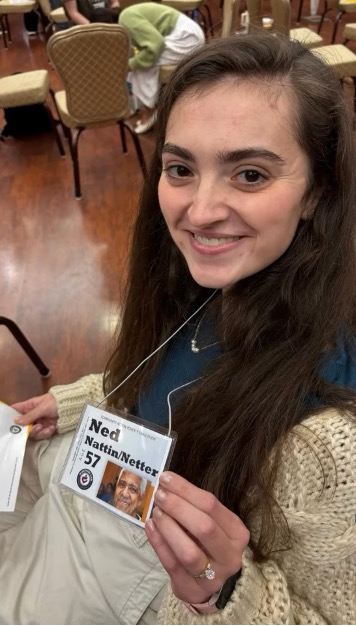
Me with my character name tag during our poverty simulation for the interprofessional education program.
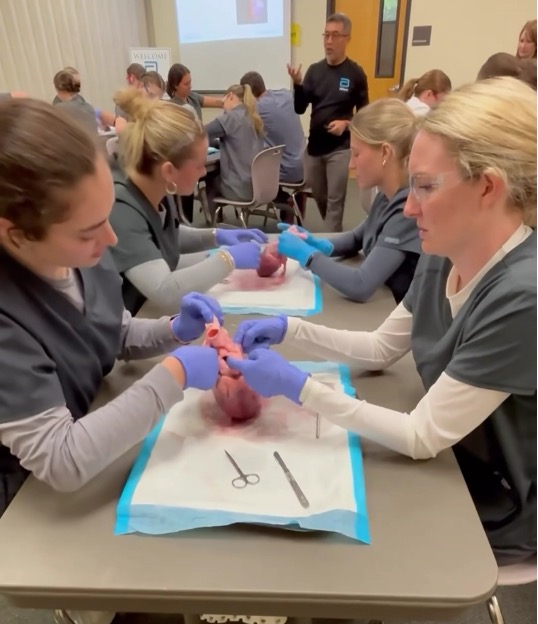
Pig heart dissection!
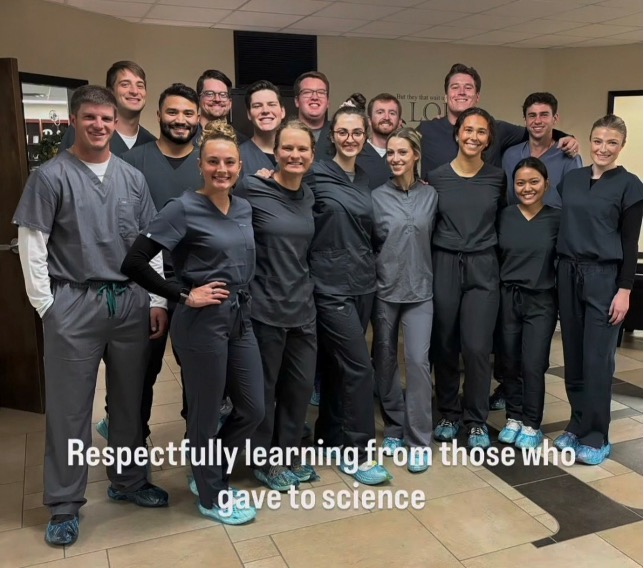
Half of the cohort getting ready for a cadaver dissection.
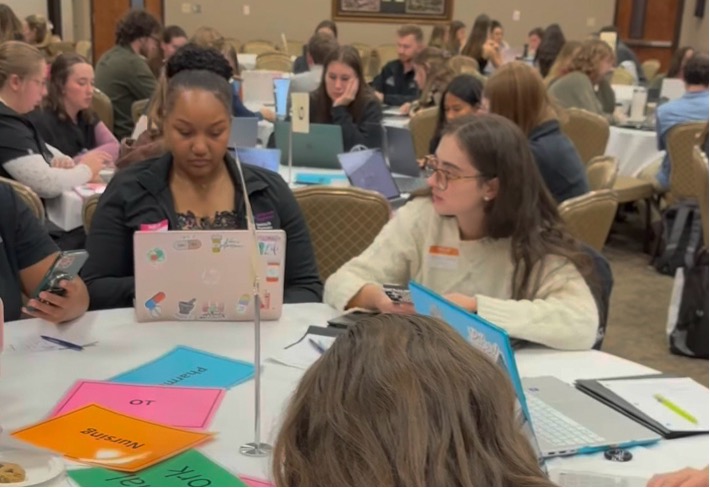
An interprofessional education program event called Night at the Round Table where different professions come together to work on a case study!

 The Exponential Factor