Kinesiology Paths: Business Development/Therapy Awareness Manager- Boston Scientific Deep Brain Stimulation

Dee Fleming, B.S. Louisiana Tech University Kinesiology and Health Sciences

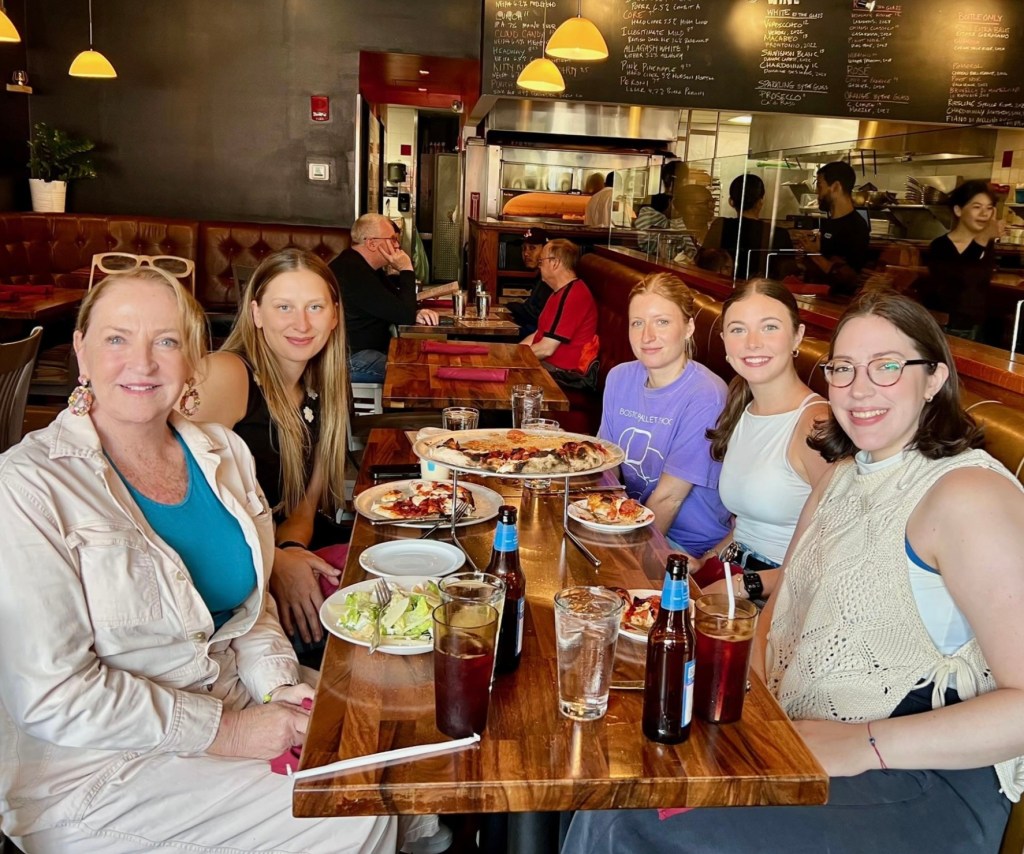
Throughout my time at Louisiana Tech and the Kinesiology Department, I was always supported by my instructors and felt at home. The courses provided in Kinesiology prepared me for so much more than I could ever imagine. During my time in college, I had the opportunity to volunteer and participate in the Rock Steady Boxing classes provided for patients with Parkinson’s Disease. Fast forward to today, and partnering with Rock Steady Boxing and Parkinson’ssupport groups is one of my favorite roles of my current career.

I am currently a Business Development/Therapy Awareness Manager for Boston Scientific Deep Brain Stimulation. Deep Brain Stimulation (DBS) is an amazing therapy provided to improve the motor symptoms caused by Parkinson’s Disease and Essential Tremor. This is achieved by performing a minimally invasive surgical procedure in the brain, where the patient is awake, so we can monitor symptoms and brain activity during the operation. During this procedure, the patient will be implanted with leads and a battery to power the electrical stimulation that will be providing the therapy. The ultimate goal is to help those diagnosed with Parkinson’s Disease and Essential Tremor, receive their quality of life back.

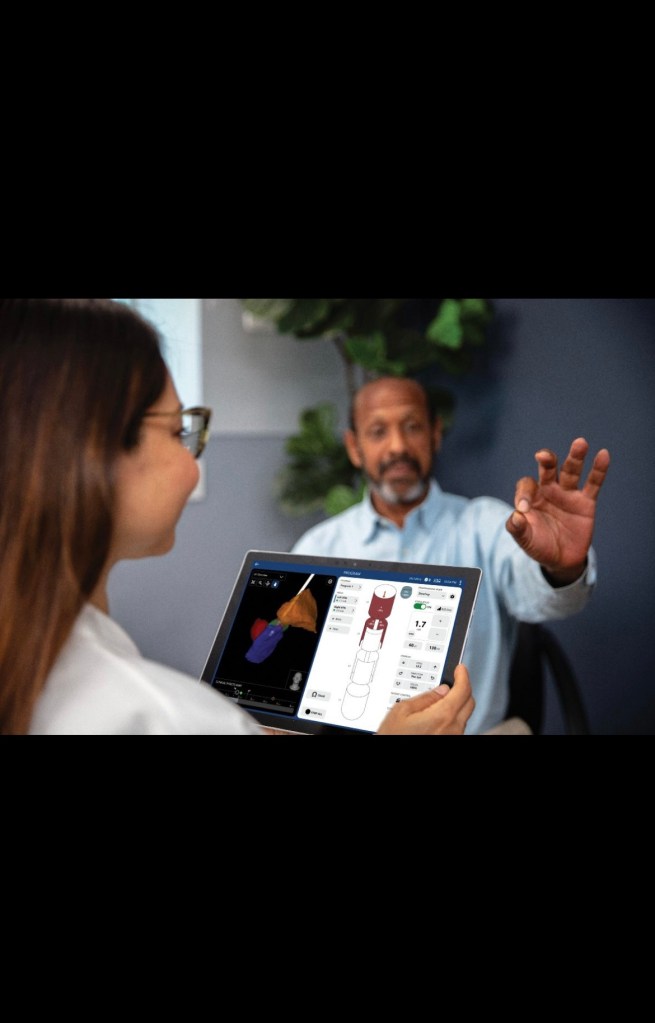
There are a few components involved in the process of DBS. The first step of DBS is the Stage 1 procedure, which involves the neurosurgeon placing leads into the specific structures in the brain that can provide the best therapy and decrease of symptoms for the patient. With these structures being so small and there being several other structures in the brain we want to avoid, the procedure is done in millimeter increments. As mentioned before, this step involves testing during the procedure, by one of us connecting our clinical programmer (Microsoft tablet), to the microelectrodes or leads and increasing amplitude of electrical stimulation. During this process, the patient is awake while we monitor tremor, rigidity (stiffness), and bradykinesia (slow movements). Every testing method may be different as we ask them to perform several movements or actions, such as drawing spirals on a piece of paper before and after we turn on stimulation. There are several videos available on the internet that show musicians being given an instrument to play during the procedure, such as a violin, which was very difficult to do after being diagnosed with Parkinson’s or Essential Tremor. While decreasing motor symptoms are our goal, we also focus on not applying stimulation to structures that may cause unwanted side effects; this is where our Image Guided Programming software is very helpful and accurate. Once the leads are where they need to be and therapy has great results, the incisions are closed, and the patient is given time to recover in the facility before returning home. This gives the patient and brain an opportunity to rest and heal before the next procedure.
In the next step, this is a procedure that consists of surgically placing the battery into a small pocket inside of the chest and connecting it to the leads and its extensions. While there are several differences, the placement is similar to a pacemaker. One difference I always like to point out, are our batteries are MRI conditional, which means the patient still has the ability to get MRI scans and imaging. Once everything is connected, we test the battery and leads to make sure that there are no connectivity issues or impendences before we conclude the procedure. The patient is normally sent home the same day to rest and heal. The next time we see them, will be at their neurologist’s clinic for the initial programming, where we turn the system and stimulation on.

My very first initial programming humbled me. There are a lot of things that we take for granted, whether it’s being able to pick up a fork and eat, pour and drink our coffee, scroll through our phones, play with loved ones, and etc. Working in this field has made me so much more appreciative, but also so happy for those who decided to follow through with DBS. The initial programming can be very emotional sometimes as patients are able to do things, they weren’t able to do for some time. During my first initial programming I saw, the patient was given a cup and asked to imagine water was in it, and to raise to her mouth for a drink. It was honestly heartbreaking to see that she couldn’t raise the cup to her mouth or drink without a significant amount of tremor. She also stated that often, most of the drink ends up on her clothes. We turned on stimulation, monitoring her as we increased amplitude. We gave her the cup again and asked her to imagine she was taking a drink. At this exact moment, I remember getting chill bumps and seeing her husband beside her in disbelief, as she was able to drink with no tremor or issues at all. Seeing the tears flow, seeing the rejoice, makes me love my job and what I do. Coming from an emergency medicine and law enforcement background prior to medical device, purpose was always something I wanted to seek in my next career. I’ve found just that. I get to work with a phenomenal company and team. I get to partner with motivated neurologists and neurosurgeons who are looking to improve the care available for patients. I get to serve some amazing people.
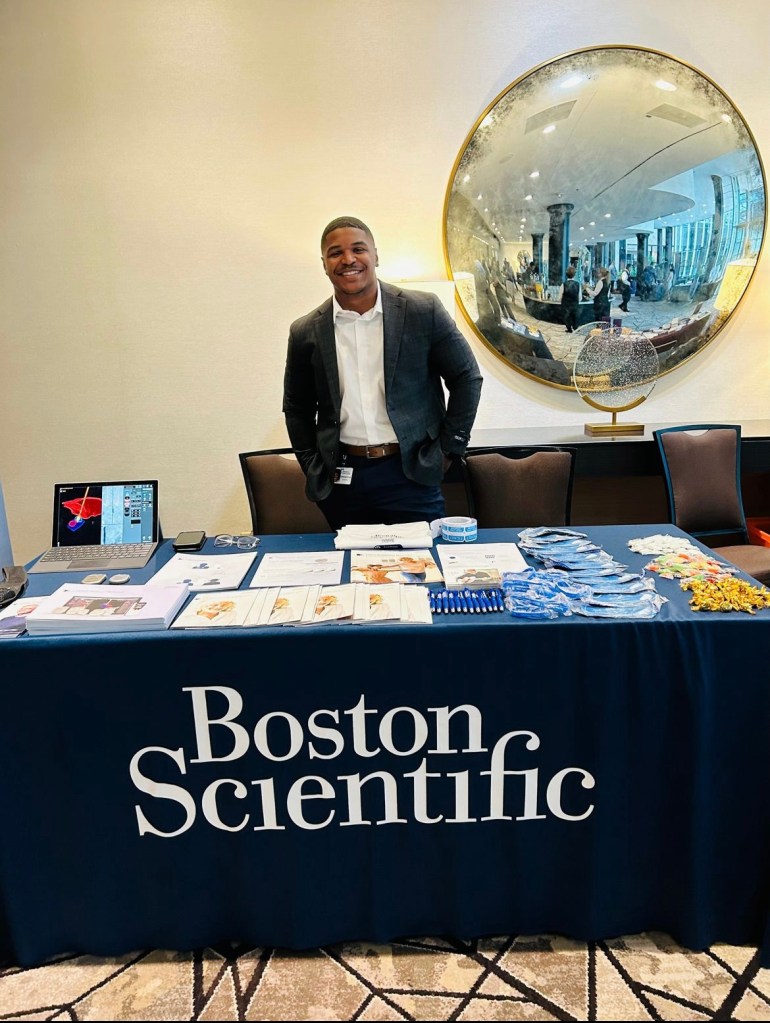
So thank you Louisiana Tech Kinesiology for preparing me for these moments and giving me the knowledge and experience needed. Thank you for always motivating and believing in me.
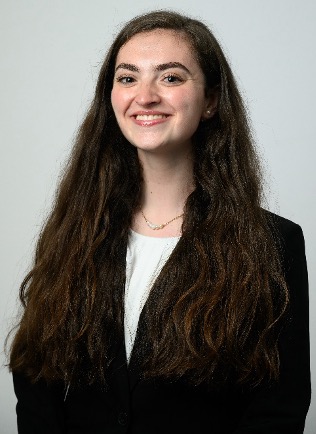
Kinesiology Paths: Cardiac Function and Interventional Technology

McKinsey Denney, Louisiana Tech University – B.S. Kinesiology and Health Sciences

My name is McKinsey Denney. I am originally from Spring, TX outside of Houston, but I am currently in Searcy, AR enrolled in a unique masters degree program at Harding University. I graduated from Louisiana Tech in May of 2025 with a degree in Kinesiology and started my masters degree program in August of 2025.

The graduate program is the Master’s of Science degree program in Cardiac Function and Interventional Technology, or CFIT. It is a unique, first-of-its-kind master’s degree program that focuses on developing skills and knowledge for careers in cardiac device technologies with an emphasis on cardiac rhythm management (CRM) and electrophysiology (EP). 

CRM involves evaluating abnormal heart rhythms and conditions that require treatment in the form of an implantable electronic device. Devices used in this field include permanent pacemakers (typically for slow or absent rhythms) and implantable defibrillators (for inappropriately fast and abnormal rhythms). They have capabilities of diagnosing/recording rhythm events, pacing when the patient’s heart is unable to, and reverting an abnormal rhythm back to a normal rhythm (defibrillation). 

EP involves treating abnormal and inappropriately fast rhythms within the heart’s conduction system. Using a mapping system and catheters, the heart’s electrical activity is mapped to pinpoint where the abnormality is located. Then the site of arrhythmia is ablated by delivering energy through an ablation catheter to damage the tissue responsible for the inappropriate electrical activity. This is a curative approach for patients’ arrhythmias. 

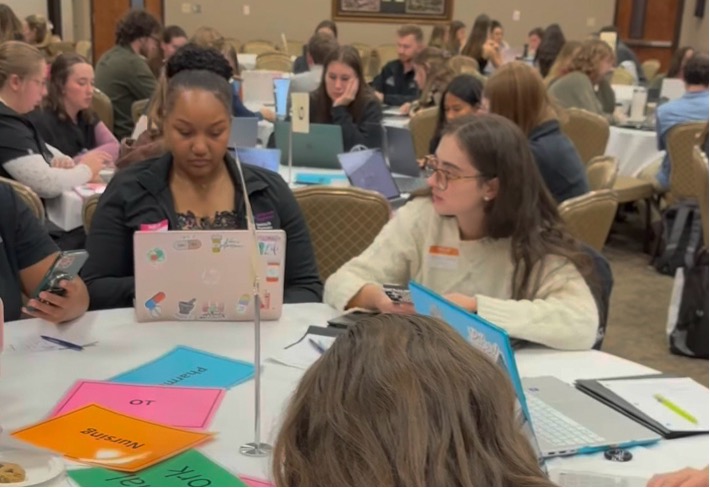
Both of these industries work with many other healthcare professionals in hospitals. So not only does this program prepare you for a career in CRM or EP, but it also includes many interprofessional educational experiences that immerse students from all departments in the college of health sciences into experiences where students work together. Some of the departments included are nursing, PT, OT, PA, speech pathology, pharmacology, counseling, psychology, and CFIT. We collaborate on projects like cadaver dissections, poverty simulations, case studies, acute care simulations, and other social learning events. 

I first heard about CFIT in the spring of my senior year of high school. I was still unsure of where I wanted to go for undergraduate, so I was at a recruiting event for Harding University. During high school, I had been taking architecture classes as part of our career path exploration and was determined to pursue it through college. Harding University was starting their architecture program in the fall, so I went to this event to learn more about it. The first person I spoke to was Dr. Ken Turley, the founder of CFIT. This interaction would alter the trajectory of my story and lead me to where I am today.

I was born with congenital heart defects and had heart surgery at six days old. During my senior year of high school, I started to have rhythm issues that had never been medically recorded. I became a case study at Texas Children’s Hospital and had everything about me documented. Fortunately, they were able to determine what was going on and how to fix it. I underwent an ablation procedure where they used energy to damage inappropriate electrical activity in my heart. I had just been discharged from the hospital when I attended this event, so I was telling Dr. Turley about it. He told me that he was initially confused as to why he was needed at an undergraduate recruiting event when he was starting a graduate program, but when he heard about my heart history, it was clear our paths were meant to cross.

Dr. Turley proceeded to tell me about the graduate program he was starting, and it left me conflicted as to what I would major in. I eventually chose to attend Louisiana Tech. Because I had been doing architecture for the past four years and had already been accepted into the School of Design, I came up with a compromise. I would major in architecture and take one Kinesiology class to see what I liked better. I took Mrs. Boyd’s KINE 290: Personal and Community Health class and I enjoyed her class so much more than any of my architecture classes. At the end of the fall quarter, I switched my major to Kinesiology and continued along the path that would lead me to CFIT. Since I was on a path that did not involve PT/OT/coaching, Mrs. Boyd and Mrs. Smiley were instrumental in organizing and accommodating my internship to be at Green Clinic Cardiology. The opportunities with a Kinesiology degree are vast and varied. I am sure that the professors will be willing to do whatever they can to help guide anyone interested in any of those areas, including the non-traditional roles within Kinesiology.

There are other options to pursue an education prior to entering the EP/CRM field, but unlike an internship or certification program, this master’s degree ensures that you get to complete your education before getting a job, allowing for more preparation and training before entering the field. Within three months, we have already covered more EP material than any of the other certificate programs out there, and we are just getting started. It provides the best resources and education to start your career in order to make the greatest impact possible. Starting one’s career out of the gate with a masters degree and leadership training provides the resources to advance quickly in the field and to excel in advanced roles as well. The Master’s in CFIT path is not for the faint of heart. It is for those who are called to a field with constant innovation and significant impact where your day-to-day work is filled with patients likely experiencing one of the most significant healthcare moments of need in their life. With my personal experience as a patient, I know that I would want the healthcare professionals operating equipment on me or my family to be professionals with the greatest amount of education, training, and experience possible and not ones who intentionally opted for quicker, easier paths with less training. 

I am so glad that I get to study what I love. I am currently three months in, so I can only speak on my pre-clinical experience, but I have already learned so much. The professors are all so informative and genuinely want every student to do well. I like that the program is only 30 students, and they do it in a cohort style. I have grown so close with my classmates in such a short time, simply from the great amount of time we all spend together. It really feels like a family and the program is just so amazing. The heart is a complex, but beautiful organ and I am grateful for the opportunity to learn more about it.

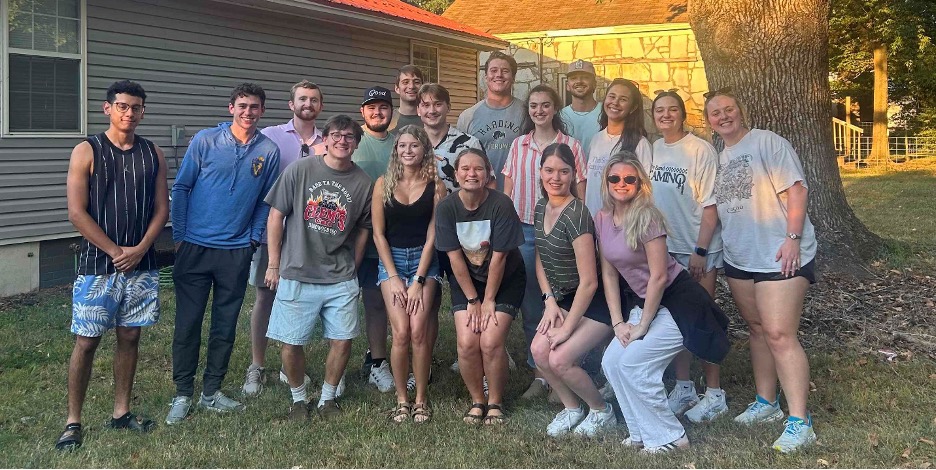
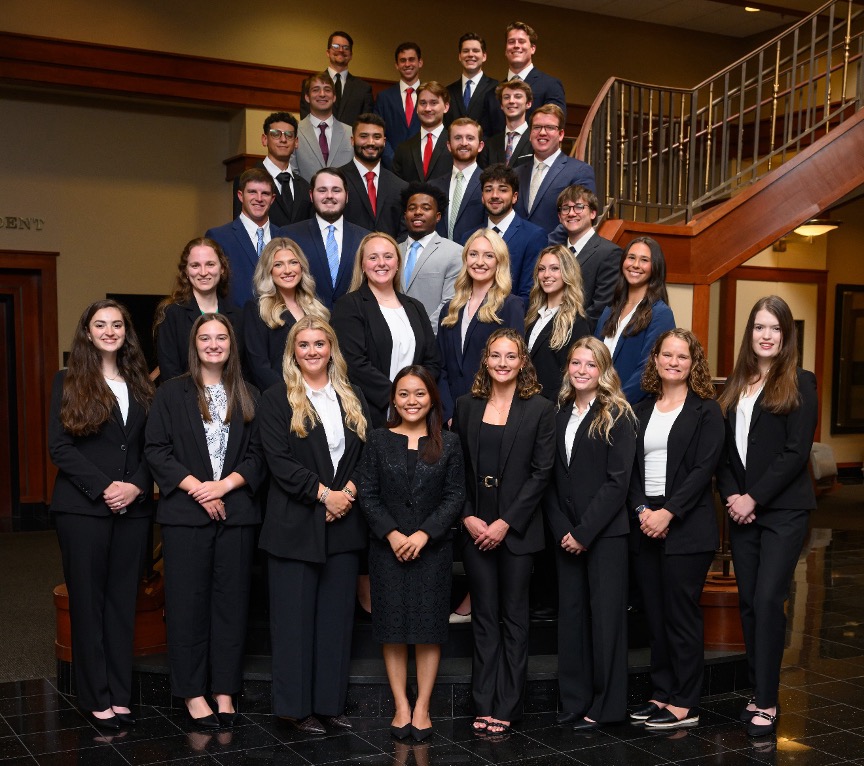
CFIT Cohort of 2026!

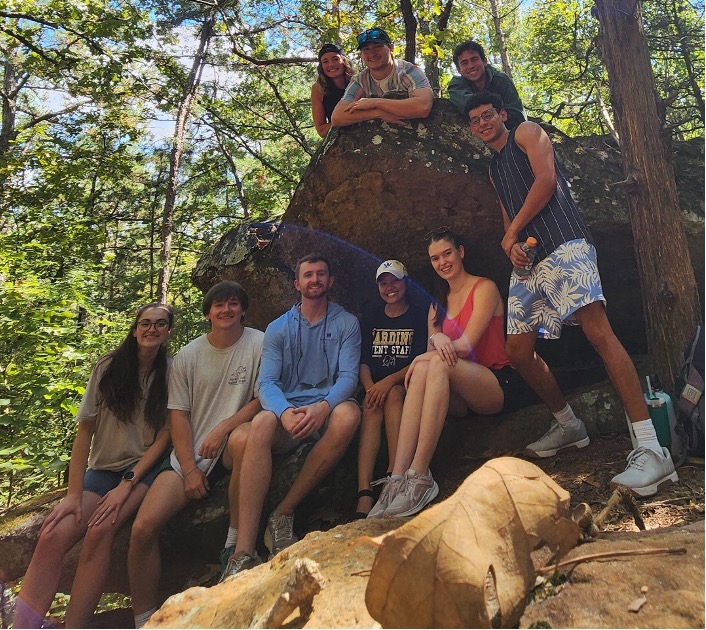
A group of us from the cohort hiked in Heber Springs, AR

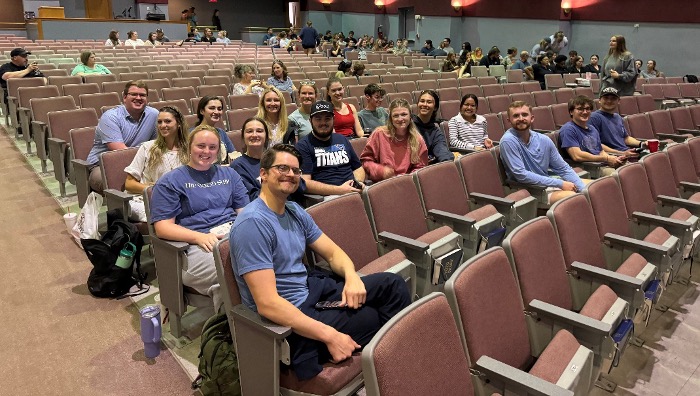
Some of the cohort attending the interprofessional education program movie night.

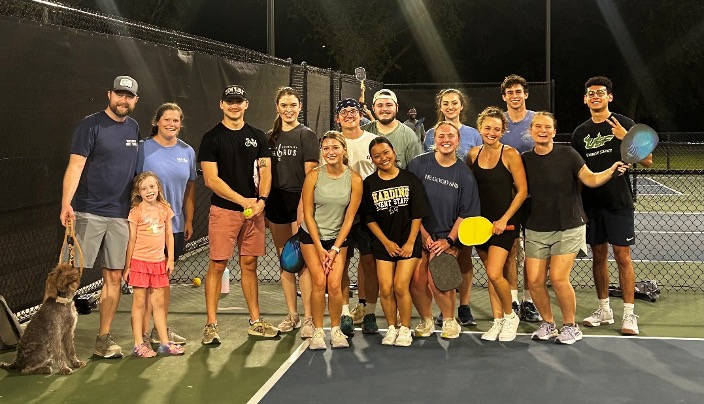
A group of the cohort plus one of the professors and his wife and daughter playing our weekly Friday night pickleball.

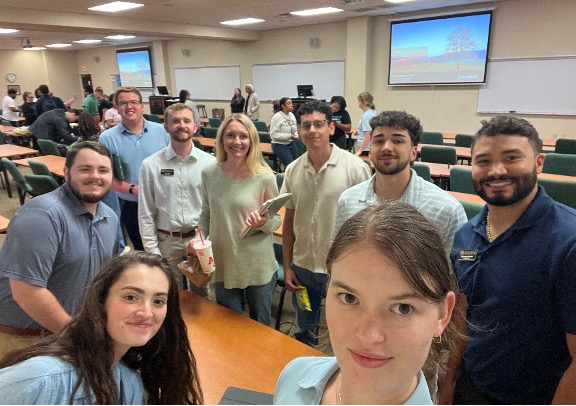
A group of the cohort attending one of the interprofessional education guest lectures on AI in the medical industry.

The cohort’s first get-together; a barbeque cookout and potluck!

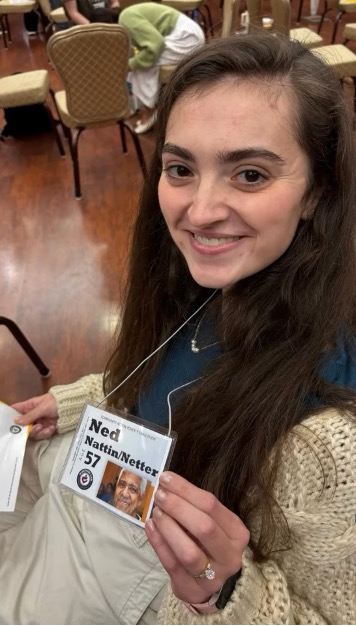
Me with my character name tag during our poverty simulation for the interprofessional education program.

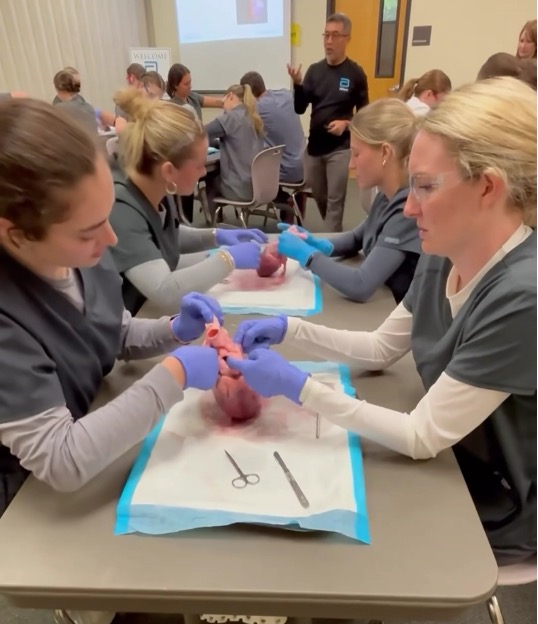
Pig heart dissection!

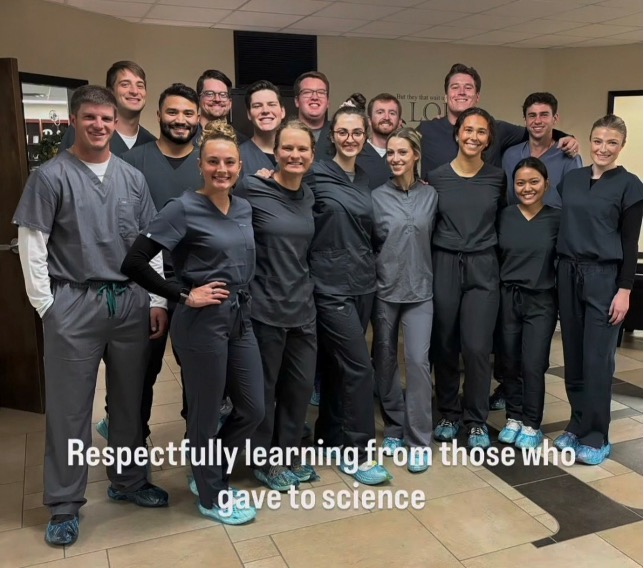
Half of the cohort getting ready for a cadaver dissection.

An interprofessional education program event called Night at the Round Table where different professions come together to work on a case study!

Kinesiology Paths: Prosthetics and Orthotics

Bradley Carver- Louisiana Tech BS Kinesiology 2013 Northwestern UniversityChicago Masters of Prosthetics and Orthotics 2018

My name is Bradley Carver and I am a Certified Prosthetist/Orthotist. I graduated from LA Tech in 2013 where I majored in Clinical Kinesiology. I, like many others, had always wanted to be a Physical Therapist. I attended LA Tech with this goal in mind. I always knew I wanted to help people so Physical Therapy seemed to be the logical career path. The first year I applied to schools I was rejected from everywhere I applied to. I wasn’t completely surprised by this but was still somewhat caught off guard. At this time, I decided it was best to get a job as a PT technician so that I could get some experience in the field while trying to improve my resume. I re-applied the next year for PT school and was rejected again. At this point I started to get nervous because the plan I had for myself for so many years started to fall apart. When trying again a third time, I finally prayed about the decision for PT. For the third straight year I was rejected from all PT schools and had no idea what was next.

At this point I began looking into alternative careers in sales, fitness, coaching or anything else I could wrap my mind around. I wasn’t completely sure what else to do with my degree since my initial plan was all I had ever considered. I spent several weeks interviewing for jobs and researching career paths with no success. So again, I took it to God. At this point I was watching a show where I saw someone doing Prosthetics and I thought “well that would be pretty cool”. So, I began to research what all this entailed. At this point I discovered that I had all of the pre-requisite courses required due to the curriculum required during undergrad and that all I needed was shadowing experience. I continued to do research on this field as it quickly felt like this was a door that God had opened for me. The next day, I was having dinner at a restaurant with my girlfriend, now wife Jordan, where I was telling her about praying about what to do and coming across Prosthetics. At which point, a man with a prosthetic leg got up from across the restaurant and walked right past us and left. Jordan then looked at me and said “well I think that was your sign”.
The next day I updated my resume and dropped it off at all 4 clinics in the Monroe/West Monroe area explaining that I was interested in the field and was just looking to volunteer so that I could decide if this was something I wanted to do. Only one of the clinics allowed me to stay and do some shadowing. He allowed me to volunteer for several weeks before we decided that this was a career path I was seriously considering. Upon making this decision, I began handling many tasks for this company. I did some marketing, purchasing and inventory, minor patient care and technical work which included fabricating the prosthetic limbs. I instantly fell in love with this field and decided that I wanted to apply to schools. I knew this was the career path God had for me as my first year applying, I was accepted to several of the schools that I applied to. I chose to attend Northwestern University in Chicago, IL. I was in their Masters of Prosthetics and Orthotics program from 2016-2018. We then moved to Memphis, TN to complete my two-year residency.

While in Memphis, I worked at a company that specialized in Pediatrics and Orthopedics. Prior to this residency, I had almost no interest in Orthotics (custom bracing) but decided I would complete a residency in this as it was part of my Masters degree. I quickly fell in love with Orthotics and we saw a significant amount of Pediatrics from the Memphis area. Many of the children we were treating were unable to walk without custom braces for their feet and ankles (AFOs) due to a myriad of issues. While there, I was exposed to so many different diagnoses and presentations that I had never heard of. I was also able to go into surgeries with many of the different orthopedic surgeons. I was able to gain valuable exposure to a very broad patient population. This exposure included trauma, orthopedic and neurological injuries, athletics and many more. One of the more unique opportunities afforded was being able to work with some of the Memphis Grizzlies athletes which required custom shoe orthotics to protect their feet and ankles when playing basketball.

We had been there for approximately 3 years when we had our first child, Maverick. Up until this point, Jordan and I had no intention to return to Louisiana and Memphis began to feel like home. We had always talked that if we ever moved back to Louisiana that we would only move to Ruston. Ruston has always been one of our favorite places because we met as Louisiana Tech students through the college ministry at Temple Baptist Church. Ruston is also the midway point between our families as I am from West Monroe and Jordan is from Shreveport. Not to mention that all of our best friends were still living in Ruston.
I began searching for jobs near the Ruston area for a few months while we discussed a potential move but wasn’t able to find anything close enough to justify moving back. When ultimately, I decided to pray about the move to see if it was something more than just us desiring to move back. The next day I found a job in Monroe that had been posted for a very long time for a Clinical Manager position with a great company. In addition to this company, the job description matched my resume almost exactly. I joked with Jordan that I was scared to apply thinking that they’d throw out my application because it almost looked like I created a resume specifically for this job.

We prayed for a week or so before I decided to apply. I finally started the application process one night and it took me until almost midnight to submit my resume and fill out the online portion of the application. The next morning, I received a call from the Clinical Director of Orthotics and Prosthetics at Methodist Rehab Center in Flowood, MS. We talked for about an hour and we both felt as though I would be a great fit at the company. A few days later I went down to interview in person and spent most of the day there. I ultimately accepted the position to run their Monroe, LA office.
Since being in this role, I have been able to positively impact the community in ways I never imagined before. We will soon be opening an office in Ruston as well due to the various connections in the community that I formed because of Louisiana Tech. We have been able to begin volunteering in the college department at our church and also be able to spend more time with our family. Not long after moving back to Louisiana we found out that Jordan was pregnant with our second son, Marshall. I will always be grateful for the opportunities that attending Louisiana Tech University have afforded me. I cannot recommend Louisiana Tech enough and owe so much to the university and staff that helped me get to the point where I am today!

Kinesiology Paths: College Professor

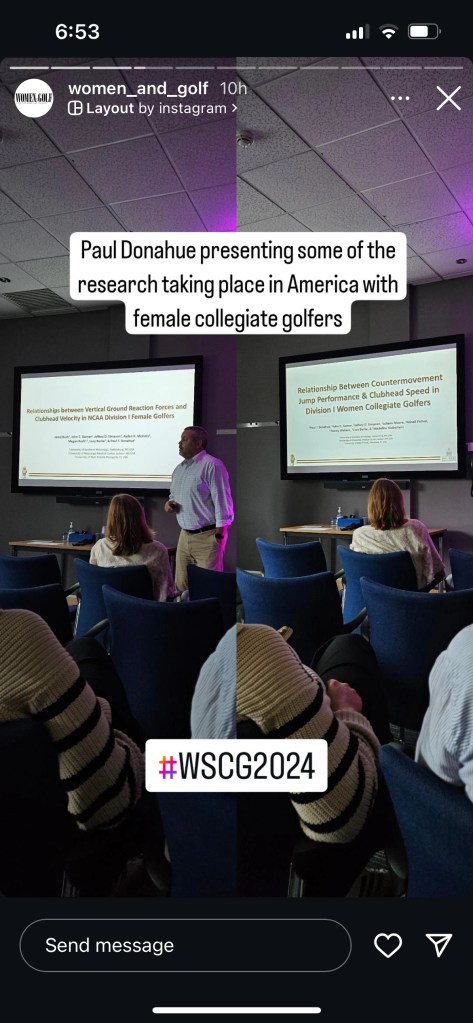
Paul Tyler Donahue, PhD, CSCS, RSCC
Associate Professor, School of Kinesiology and Nutrition
University of Southern Mississippi

My professional journey in kinesiology and sport science has been shaped by opportunity, mentorship, and a persistent commitment to bridging the gap between research and practice. While my path began before my time at Louisiana Tech University, it was at Tech where my identity as an applied sport scientist truly took shape and where the foundation for my career as a researcher, educator, and mentor was established.

I earned my Bachelor of Science in Exercise Science from the University of Mississippi in 2009. During my undergraduate training, I interned with Ole Miss Athletics from Spring 2009 through Spring 2010 as a strength and conditioning coach. My responsibilities included program design and implementation for the spirit squads and women’s golf, while assisting with baseball and football. These experiences provided my first exposure to the demands of high-performance sport and sparked my interest in applying scientific principles to improve athlete health and performance.

In Spring 2010, I accepted a seasonal position with the St. Louis Cardinals organization. During that season, I met Erik Beiser, a fellow strength and conditioning coach and Louisiana Tech alumnus, who spoke passionately about the kinesiology program and the innovative work being done in baseball performance. Those conversations introduced me to Louisiana Tech and planted the seed for what would become a pivotal chapter in my professional development.

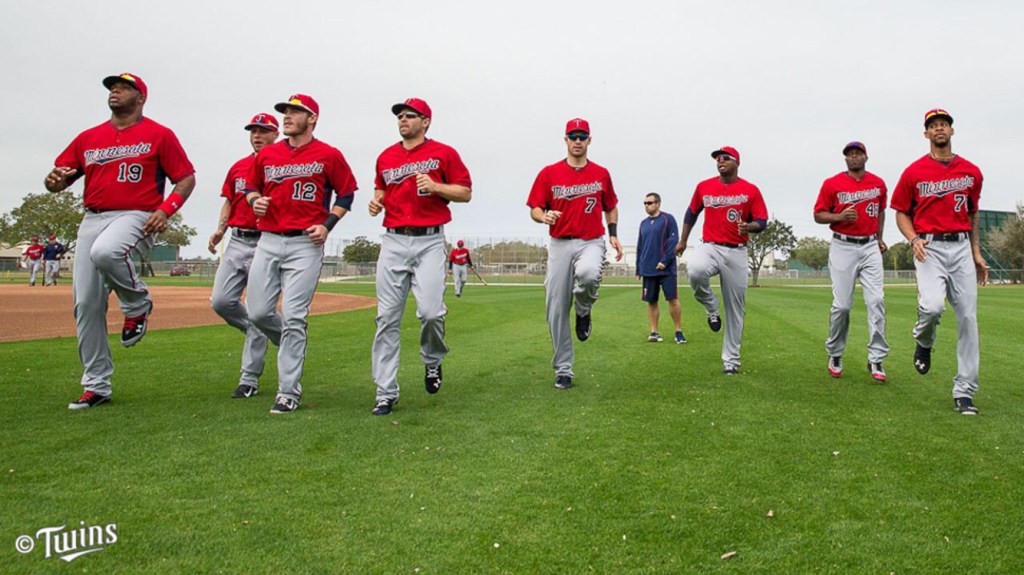
Prior to the 2011 season, I joined the Minnesota Twins organization, working at both the Major League and Triple-A levels. After that season concluded, I enrolled in the Master’s program in Kinesiology at Louisiana Tech University. From the moment I arrived in Ruston, I was immersed in an environment that encouraged learning through doing. I was given opportunities to assist with ongoing research initiatives while also contributing to baseball strength and conditioning programming. This dual exposure to applied research and real-world performance settings proved transformative.

As a research assistant at Louisiana Tech, I participated in a variety of projects that addressed questions practitioners encounter daily. This hands-on involvement fostered a passion for applied research, work that does not exist in isolation, but instead informs and enhances coaching, rehabilitation, and performance decision-making. Equally impactful was the mentorship I received from faculty at Tech, whose commitment to providing opportunities to learn, explore, and think creatively shaped my approach to inquiry, critical thinking, and professional growth. The environment at Louisiana Tech allowed me to flourish, develop confidence, and begin to see how I could make a meaningful impact in the field.

After completing my Master’s degree in Winter 2013, I returned to the Minnesota Twins organization in a full-time role under Erik. While I continued to grow as a practitioner, my experiences at Louisiana Tech had instilled a desire to pursue research that could directly inform practice. That motivation ultimately led me back to academia following the 2015 baseball season to begin my PhD at the University of Mississippi under the mentorship of Dr. Jay Garner in the Applied Biomechanics Laboratory.

During my doctoral training, I continued coaching while expanding my work as an applied sport scientist with Ole Miss Football. I earned my PhD in Kinesiology and Health with an emphasis in neuromechanics, focusing on research integrating biomechanics, neuromuscular function, and sport performance. This period allowed me to refine and expand upon the research skills first developed at Louisiana Tech, applying them with greater rigor while maintaining a practitioner-centered perspective.

Upon completing my doctorate, I accepted a faculty position at The University of Southern Mississippi, where I established the Golden Eagle Athletic Research (GEAR) Lab. The lab serves as a hub for applied sport science research, student mentorship, and collaboration with athletic programs. Many of the guiding principles behind my work today, asking practitioner-driven questions, collecting meaningful data, and translating findings into actionable outcomes, can be traced directly back to my formative experiences at Louisiana Tech.

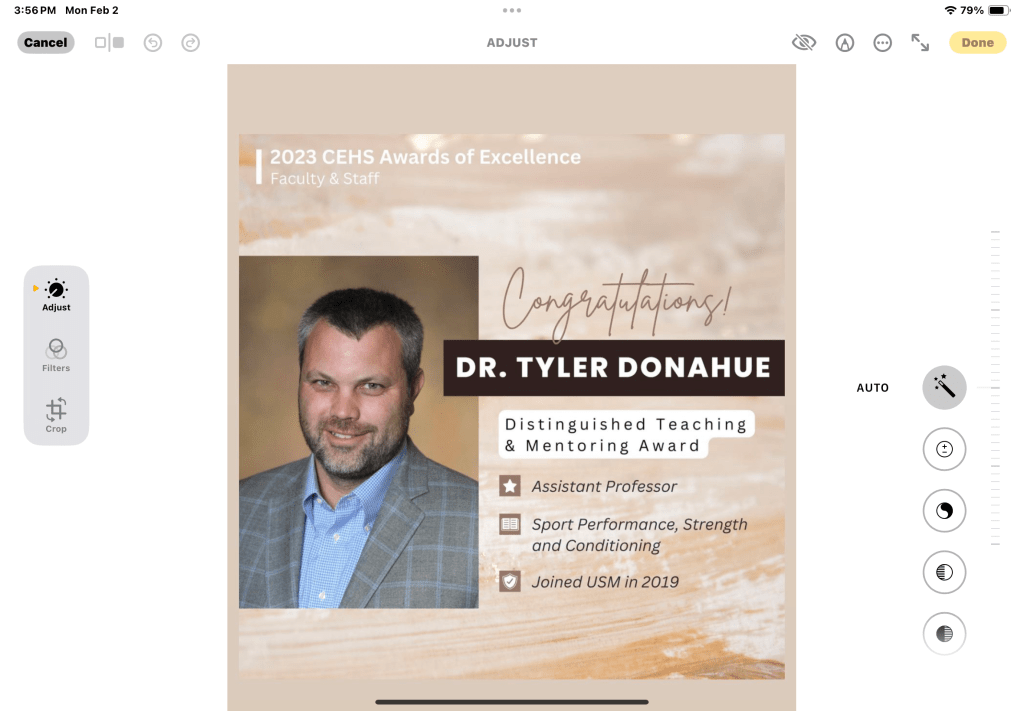
The mentorship model I experienced at Tech continues to shape how I teach and mentor students. In 2023, I was honored with the College of Education and Human Sciences Teacher and Mentoring of the Year Award, and I have since been nominated for Graduate Mentor of the Year and University Junior Faculty of the Year. My passion for student development and mentorship was first cultivated at Louisiana Tech, and I strive to create the same environment of opportunity, curiosity, and support for my own students.

Now, nearly 13 years removed from my time in Ruston, I still reflect on the hours spent collecting data in Memorial Gym and the early morning training sessions with Louisiana Tech Baseball. Those experiences were foundational, not only in developing my technical skill set, but in shaping my professional values and commitment to applied scholarship.

I would not be the professor, researcher, or mentor I am today without the dedication, guidance, and investment of the faculty at Louisiana Tech University. Their commitment to student development and applied research has left a lasting impression that I carry forward in my work every day. It is an honor to be considered for recognition as a Distinguished Alumnus of an institution that played such a pivotal role in my professional journey.

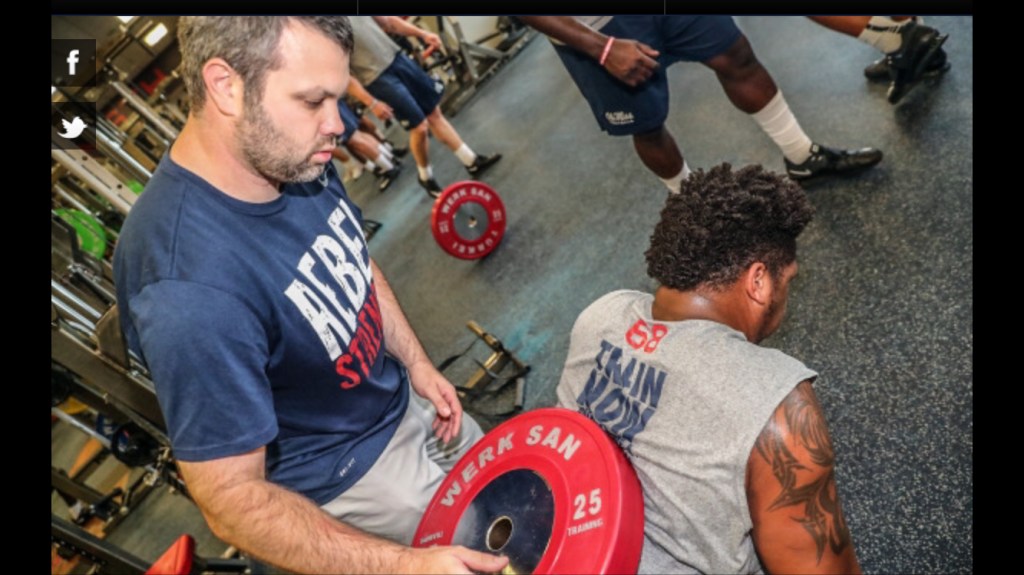
Screenshot
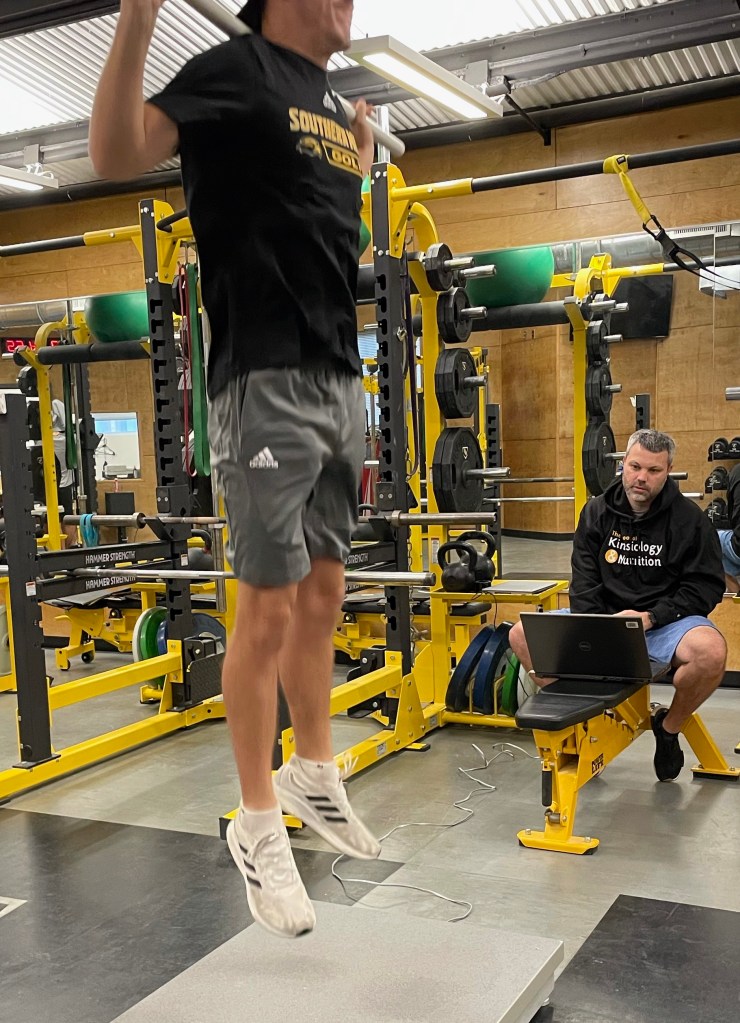
Screenshot

Kinesiology Paths: Physical Therapy

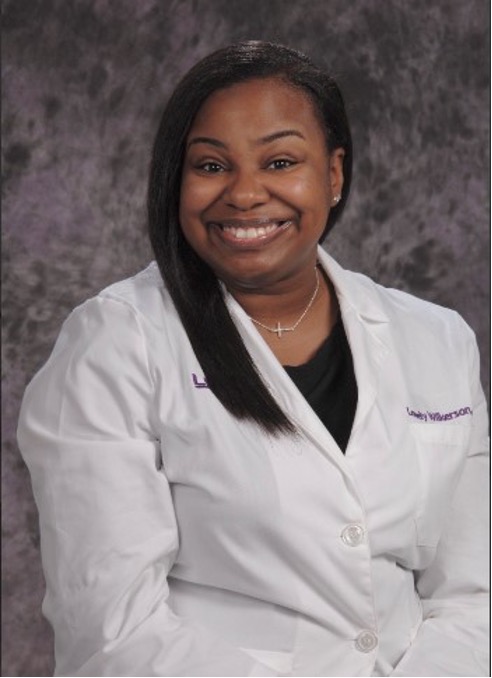
Lovely Kanyia Wilkerson, PT, DPT 

Hello! My name is Lovely Wilkerson, and for the last two years, I have been practicing as a Physical Therapist in Northeast Louisiana. Every day, I get the opportunity to treat patients, which I’ll expand on later. To get to know each other a little better, here are some fun facts about me: I was born in Lansing, Michigan, but my mother immediately moved down south to be closer to family once I was born. I spent my first 10 years of life in a small town in Central Louisiana called Jonesville (bonus points if you know where it is), then I moved to Ruston when I was in the 5th grade, and Ruston has been home ever since. During my time in Jonesville, I lived with my grandmother. She was my best friend (and still is one of the most important people in my life)! We would do everything together. We went shopping, picked fresh vegetables at her friend’s garden, went fishing along the local pond, you name it. I can vividly remember riding in her gold Ford sedan with the windows down, singing at the top of our lungs when she picked me up from school. And if she wasn’t with me, she was working hard, charming her customers with her million dollar smile. Regardless of how busy she was, she never made me feel like I was a burden. I don’t remember exactly when, but I began to notice that she would have a little less pep in her step as the days went on. After some testing, she was diagnosed with Sarcoidosis. It is a chronic inflammatory disease of unknown cause that primarily affects the lungs. It is characterized by the formation of small, non-cancerous clumps of cells called granulomas in various organs, most commonly the lungs, lymph nodes, and skin. Watching her slowly regress from being an active, social butterfly, to begging to stay indoors due to pain and fatigue was devastating for me, especially as a child, because I felt powerless. The only thing I could do was use my little hands and hug her and rub her back to let her know how much I loved her. She began asking me if I would rub her joints and how it made all the difference. Of course, looking back, she was probably just telling me how good it felt to stroke my child-like ego. However, from that point, I knew that I wanted to join a career that would help people.

 When I was in high school, I had reminded myself of my childhood passion, and decided that I was going to become a massage therapist. I was going to go to college to get a background in science, then get my certification to start seeing clients. I had it all planned out. Well, I hate to spoil the plot, but that did not last long. During my junior year, we had a career fair with colleges from all over the state, promoting themselves, as they should. One booth that caught my attention: Louisiana Tech Kinesiology. The faculty were so kind and welcoming. I remember getting asked about what I wanted to do for a career, and I replied that I wanted to make people feel better with my hands. I was asked if I had ever heard of physical therapy. I hadn’t. My introduction to the field is what you would call… unorthodox. I’ve never broken a bone, or torn a ligament, or even knew anyone who had. Ruston had plenty of PT clinics, but the nearest one in Jonesville was 30 minutes away. Little did I know that a PT could address way more than musculoskeletal issues. Physical therapists are trained to treat orthopedic, neurological, oncological, and cardiovascular conditions through education, exercises, aquatics, modalities for pain relief, and most importantly, encouragement. I had no idea what I was signing myself up for, but that day, I changed my mind and decided that I was going to study to become a physical therapist. I made the decision that if I ever had a patient who started off like my grandmother, I would work my hardest to adapt to a change in lifestyle that would overall improve his or her quality of life. During my time in college, I collected observation hours from clinics around town and worked at the Boys and Girls Club, fueling my passion towards pediatrics and improving their tiny quality of lives, too. The Kinesiology department sponsored graduate programs to speak at seminars to give students a closer look and solidified my choice. 4 years later, I graduated from Louisiana Tech University with my Bachelor’s in Kinesiology and Health Promotion in Winter 2019. 

I decided to take a gap year to improve my GRE score and work as a physical therapy technician at an outpatient orthopedic clinic. With that extra time, I was able to learn more about the daily life of a PT, including understanding insurance, documentation, and progressing patients. I began physical therapy school at LSU Health Sciences Center in Shreveport in May 2020. Yep, during COVID year. Social distancing, virtual learning, spending way too much money on Doordash, and always worrying about the uncertain, on top of trying to keep up with our studies, definitely kept my classmates and I busy. Thankfully, our professors worked their hardest to still provide my class with lab simulations, group discussions, and clinical experiences with willing clinics at the time to enhance our education. In physical therapy school, your curriculum encompasses thorough courses of anatomy, physiology, the foundations of orthopedics, neurology, wound care, cardiovascular systems, pelvic floor, other systems (integumentary, nephrology, lymphatic), geriatrics, pediatrics, braces & adaptive equipment, relationships with other healthcare professionals, ethics, and research. In total, we spent about 2.5 years in the classroom with sprinkles of spending time in the clinic to observe the real deal. During our third and final year, we spent one more semester finishing up in the classroom, and our remaining time was spent on long-term clinical rotations, or internships, that allowed us to learn under licensed therapists and treat patients under their supervision. During these long-term rotations, my class was scattered across many cities (and even states) in different settings, such as outpatient (the most common that you might have heard of, like where an athlete would go), acute care (within the hospital), or inpatient rehab (still within the hospital, but admitted for a prolonged period of time to ensure safety before being discharged home). Also during our final year, we had group research projects where we collected real data from real patients, which we presented before graduation. 

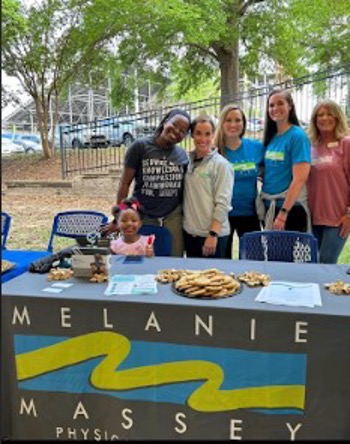
I graduated with my Doctorate of Physical Therapy in May 2023. I also got my first job at Melanie Massey Physical Therapy that same month, and I have been there since. As much as I love pediatrics, I wanted to also grow with treating adults since so much of my education was catered to treating them. At MMPT, I have been blessed with a caseload of varying complexity of babies, school-aged children, adolescents, and adults. I have also been blessed with mentorship, friendships, and leadership development that has molded me into the clinician I am today. I get to celebrate when a 15-month-old baby takes his first steps ever in life and when my 85-year-old woman takes her first steps with a cane for the first time in 3 months. Life can come at you fast and can knock you off your feet in a moment’s time. Being a physical therapist has allowed me to meet my patients and their caregivers when they are at their lowest and hope appears to be lost. I have the privilege to work with them to create a new sense of normal, with minimal fear, realistic expectations, and functional goal setting. And I believe forming that bond is the part that makes me love this field as much as I do. 

With earning your degree and license, it is important to understand what is under your scope of practice as a PT, but also when it is appropriate to consult other disciplines and/or refer the patient back to their physician/physician’s assistant/nurse practitioner to determine the root of an issue. At the end of the day, the ultimate goal is for the patient to improve objectively and subjectively. As I mentioned earlier, not every physical therapist treats the same thing in the same setting every day for the rest of their lives. PTs can work in outpatient, acute care, long-term acute care, inpatient rehab, specialized hospitals (like Children’s), school-based, skilled nursing facilities or nursing homes, daycares, home health, the choices are endless! Even better, as a PT, you have the freedom to work in any setting of your choosing. Our field is an evidence-based practice. We are required to take continuing education courses and keep up with the newest research. If you love science, love learning, and love people, then PT might be the field for you! I hope this was a good read for you. If there is any way I can help, don’t be afraid to reach out! Good luck!

Kinesiology Paths: Cardiac Rhythm Management Industry

Jesse Wendt
Louisiana Tech University- B.S. Kinesiology and Health Sciences – Class of 2021

Education and Background

While I was at Louisiana Tech, I attended a seminar presented by the UT Health EP Heart program in Houston, TX. I remember leaving this seminar thinking how cool the presentation was and the potential of working with medical devices. Shortly after this seminar I found out that my dad was going to be needing a pacemaker which prompted me to do even more research into what pacemakers are and how they work. At the time I was very nervous at the thought of my dad needing a pacemaker but now that I work in the industry, I know that pacemakers are very common. In fact, they are great devices that help to improve a patient’s quality of life.

In my last quarter at Tech, I did my internship at Northern Louisiana Medical Center in the cardiac rehab department. While I was there, I expressed my interest in this program in Houston and the idea of working with medical devices. As luck would have it the head of the cardiac rehab center was also an x-ray tech that worked in the cath lab at the hospital. He allowed me to come and see procedures every so often which gave me my first exposure to a cath lab and how it worked. I mostly saw left and right heart caths but I was able to see the beginning of a pacemaker generator change. By the end of my internship, I was hooked. I knew this is the career I wanted to pursue and after graduating I applied for the EP Heart program.

EP Heart Cardiovascular Electrophysiology Program

The UT Health EP Heart program is located in Houston, TX just minutes away from the Med Center in downtown Houston. It is a 6 month program that covers the Cardiac Rhythm Management (CRM) industry, Electrophysiology (EP), and structural heart industry. The program is offered twice a year, staring in January and July. The staff includes: John Boettcher, a former Medtronic sales rep with years of experience and CRM instructor. Dr. Anne H. Dougherty, a practicing physician (who if you’re lucky you will get to see do cases during your time at clinicals) and EP instructor. Courtney McAlister, RN, BSN the structural heart instructor. Wendy Boettcher, RN, BSN, the clinical instructor who has years of experience working with medical devices and Mary Jones the program manager. Though this is just a brief overview of their background, the entire staff is amazing and has become a great professional resource that extends beyond just the completion of the program. The program is split into three distinct curriculums; CRM, EP and structural heart. However, between CRM and EP there is a professional week where you will get to practice and hone your interview skills, resume building and other skills to help you succeed in a professional environment. This also includes numerous presentations and interviews with some of the top medical device companies in the world. The staff has done an amazing job building this program and continuing to attract top companies to come and interview its students. Some of the companies include; Biotronik, Abbott, Medtronic, Boston Scientific, Biosense Webster, and many more. A large part of that success comes from the education and hands on experience that you receive at the program.

The program focuses on three industries; CRM, EP and structural heart. The Cardiac Rhythm management (CRM) curriculum involves implantable medical devices like pacemakers, defibrillators and cardiac resynchronization (CRT) devices. You will learn about how pacemakers work, the indications for implanting them, the specific algorithms and technology that different companies have and much more. As you are learning about them you will also get the opportunity to use four different companies’ programmers to practice testing and programming demo devices. You will also get to use an advanced sim lab that allows you to see a simulated implant to help you get familiar with how implants flow and what supplies or issues you may need to be prepared for.

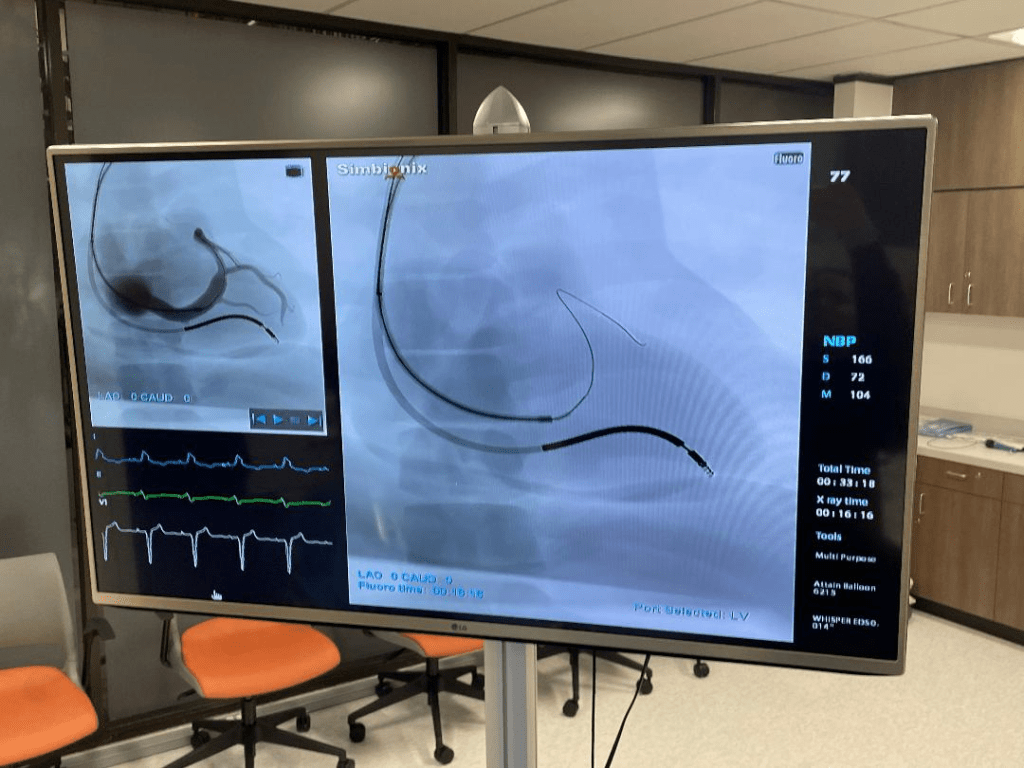
The Electrophysiology (EP) curriculum focuses on identifying arrythmias and learning how to map these arrythmias during an ablation. This portion is taught by a practicing physician, Dr. Dougherty, which is an experience that is unique to this program. Her knowledge and first-hand experience, possibly even from cases she did that week, sets your education apart from others. You will get to see the different kinds of technology each companies use and practice mapping on computer simulators. Using the sim lab you will get to see great examples of mapping and how different catheters work. You even get to try your hand at trying to place and manipulate a catheter while its in the “body”.

The Structural Heart curriculum covers some more complex procedures like a TAVR (transcatheter aortic valve replacement), mitral valve repair, left atrial appendage closure devices and some of the new devices that are coming to market soon. You also get to learn about echocardiogram imaging and how to identify different structures and locations within the heart. Once into this part of the class you will get the chance to go with Courtney to the Med center and watch some structural cases. This could be a TAVR procedure, a mitral clip placement or both.

Throughout the program you will complete roughly 200 hours of clinical observation. This could be spending a day in a clinic watching the reps from several companies interrogate, test and reprogram devices. Once you get some experience under your belt some will even let you do the testing and programming while they watch. Clinicals also include time at four different Memorial Hermann hospitals throughout Houston where you will get to watch anything from a pacemaker implant to an AFib ablation. You will get to stand inside the procedure room and watch the reps as they map a complex flutter ablation or you can watch as they test the leads that were just placed in the patient’s heart. During this time, you can network with local reps that could even land you an interview and possible job with their company. Upon completion of the program, you will have gained valuable experience and knowledge in many different aspects of medical devices and therapies available. You will also have a strong skill set that will help you progress through your career and professional life.

What I do Now  
  
I currently live in Lafayette, LA working for Biotronik as a field clinical specialist (FCS). Biotronik is a medical device company that specializes in a number of different areas ranging from pacemakers and defibrillators to coronary stents and spinal cord stimulators. My job as an FCS in the CRM division revolves around pacemakers, defibrillators and heart failure devices. I provide technical and clinical support for Biotronik within an assigned territory and professionally represent Biotronik and provide education, follow-up services, implant services, in service training, and other related services as necessary to sales force, physicians and other cardiac pacing-related professionals. I am present when the device is implanted to test and ensure the leads are in the best place possible to maximize the efficiency and battery life of the device. I routinely test and check the devices in office follow ups to ensure the device is working as it should. We are constantly involved in patient care from programming changes to maximize battery life to programming the device so the patient can safely get an MRI or undergo surgery. This is not a 9-5 job; implants can be early in the morning or late at night. You can have small clinics or huge clinics with 20+ patients. Plus a big part of this job is being on call, that could mean a 2 AM visit to the ER or a Saturday morning check. But this career is so rewarding, I get to see the benefits of these devices first hand. Whether that be a patient that has regained their energy and is able to walk and do the things they want too again. Or, during the ER checks when you see the patient’s defibrillator has delivered a lifesaving shock to get them out of a lethal arrhythmia. I’m still very early in my career but getting to work with such amazing and beneficial technology is a truly unique and special experience. I can’t wait to keep advancing and learning more and more every day.

I want to give a special thank you to John and Wendy Boettcher and the rest of the staff at the EP Heart program. Thank you for all the advice both during and after the program as well as teaching us and giving us such a special and unique education. Also, thank you to Dana, Judy, Katherine and Bill at Waco Cardiology for hiring me out of school and helping to teach me to care for patients the best I can. And a special thank you to Biotronik and Ramon Carrasquillo and Ryan Quinlan for giving me the opportunity to be a part of something special. And lastly thank you to Ms. Boyd and the Kinesiology department for an amazing college experience and education. As well as giving me the chance to talk a little about the unique and wonderful career that is Cardiac Rhythm Management.

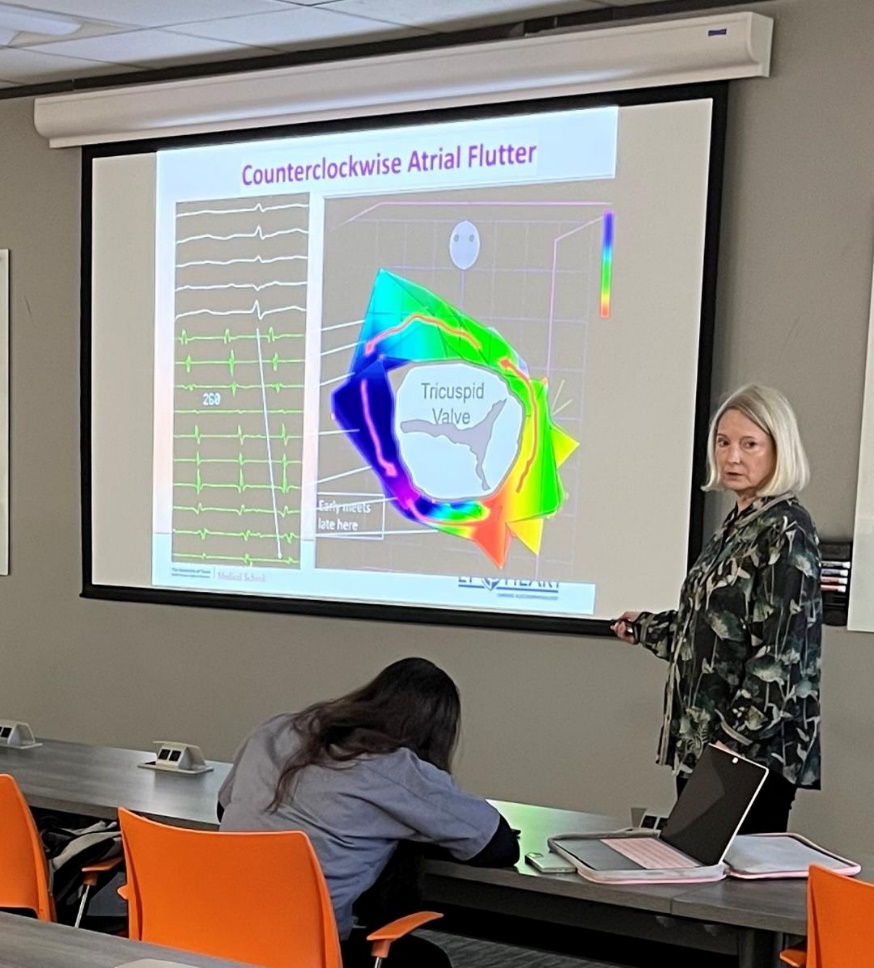
Presentation by Dr. Doughtery

Clinical experience during a procedure

In the sim lab

Presentation by Baylis Medical

Simulated implant

CEHS & KINE Young Alumni Recognition

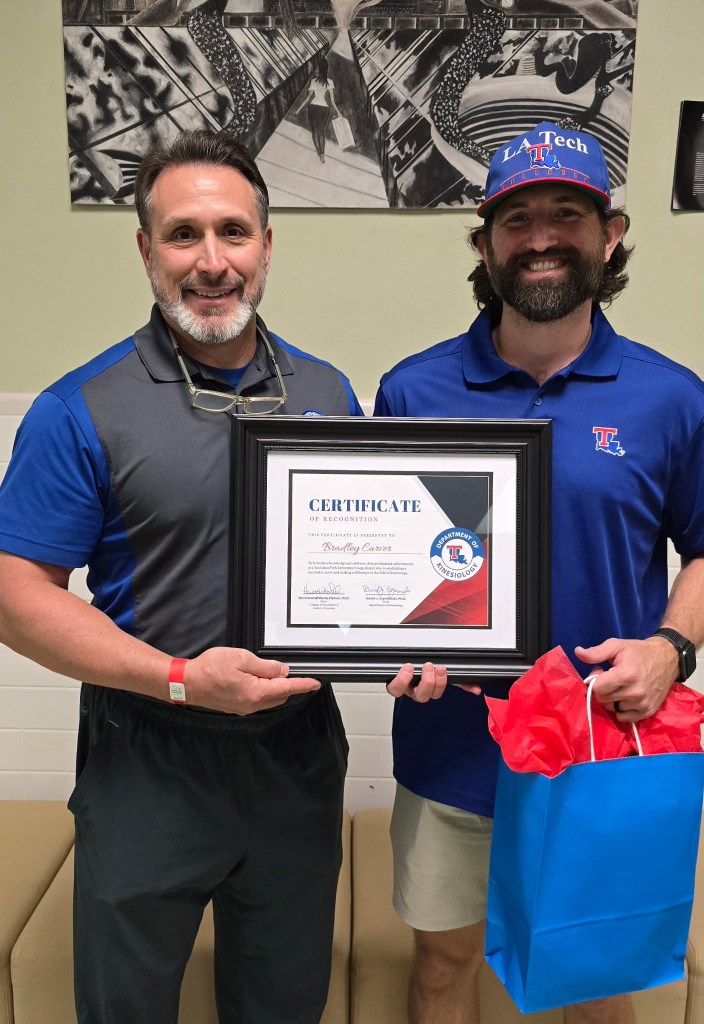
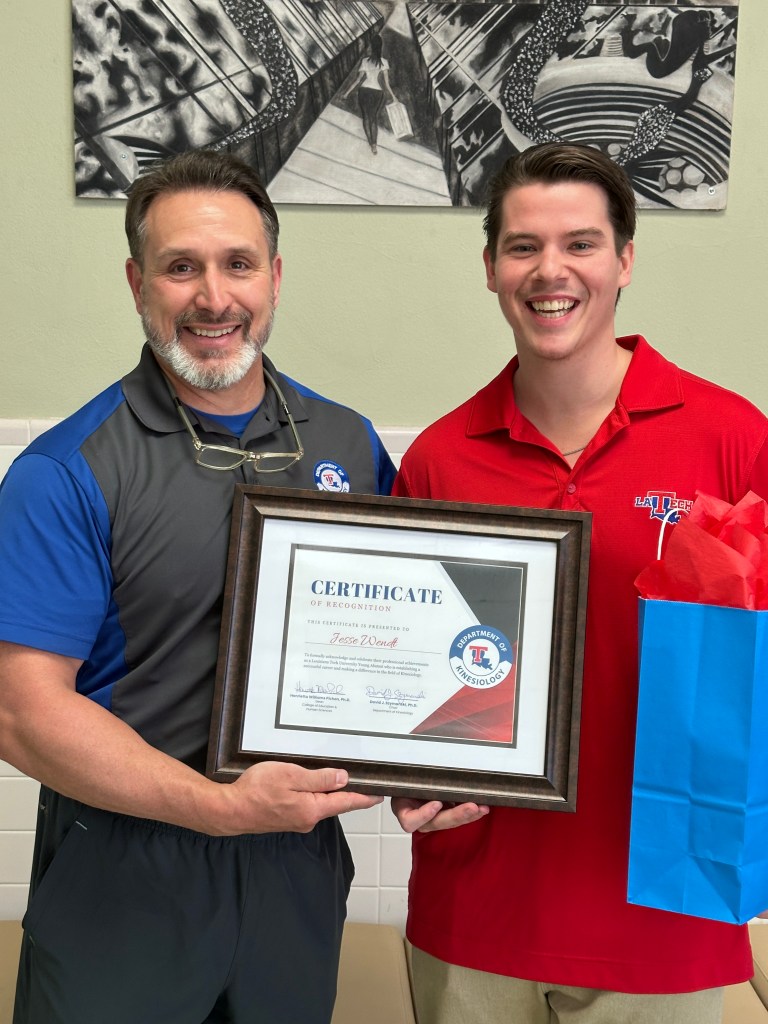
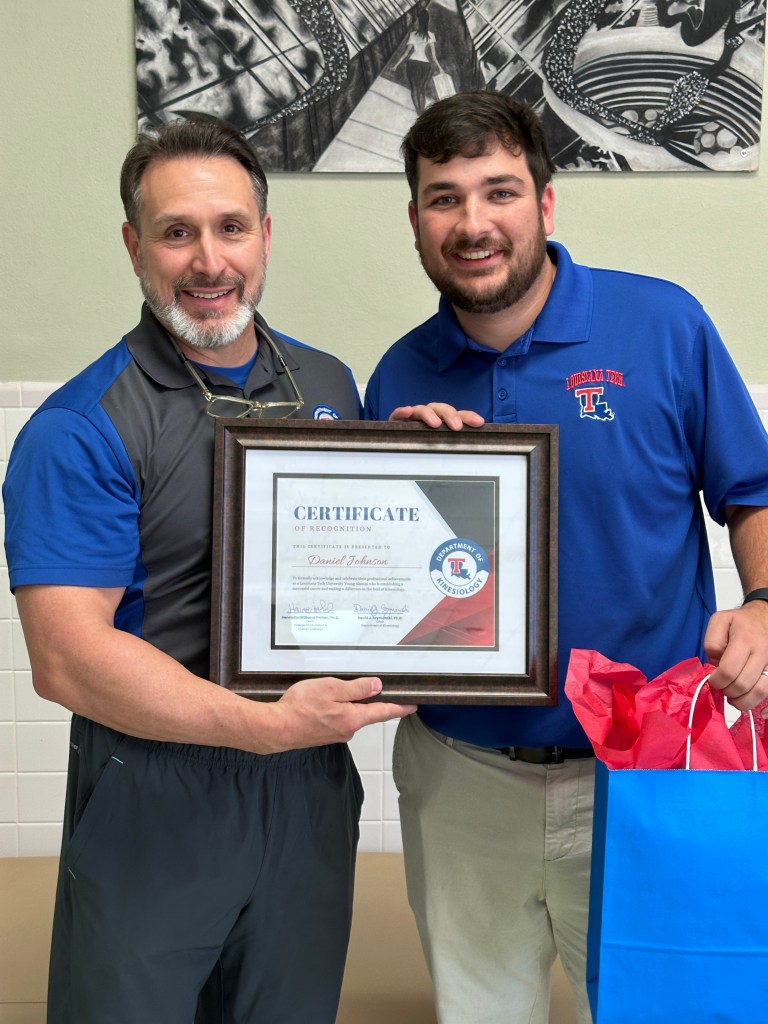
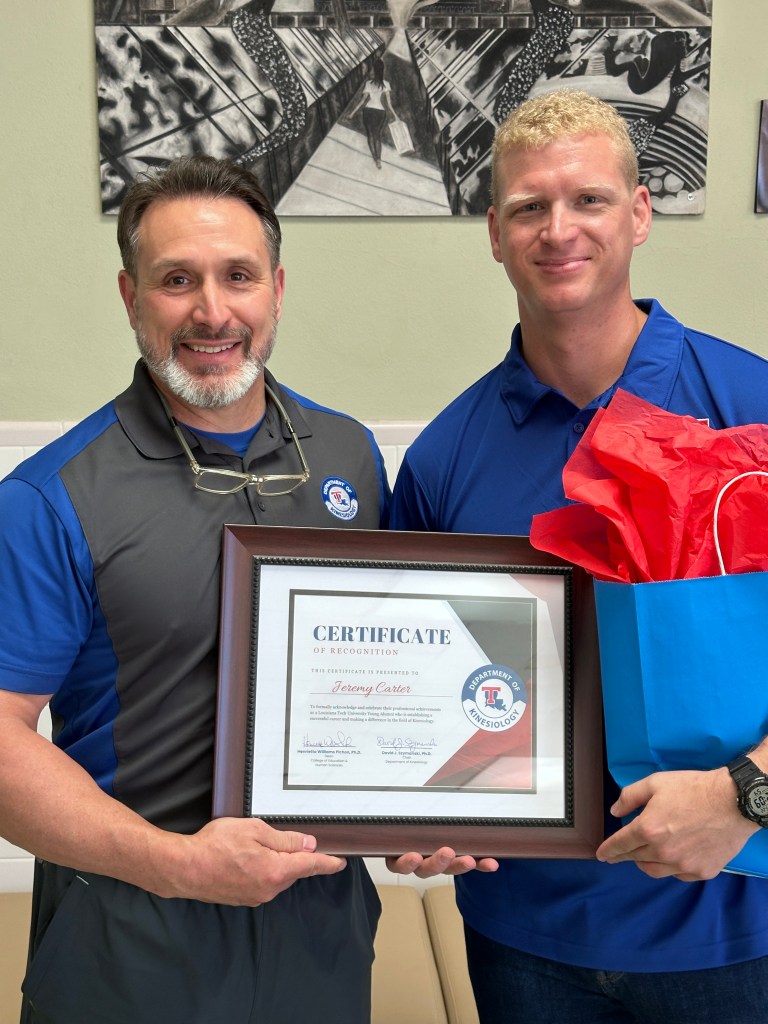
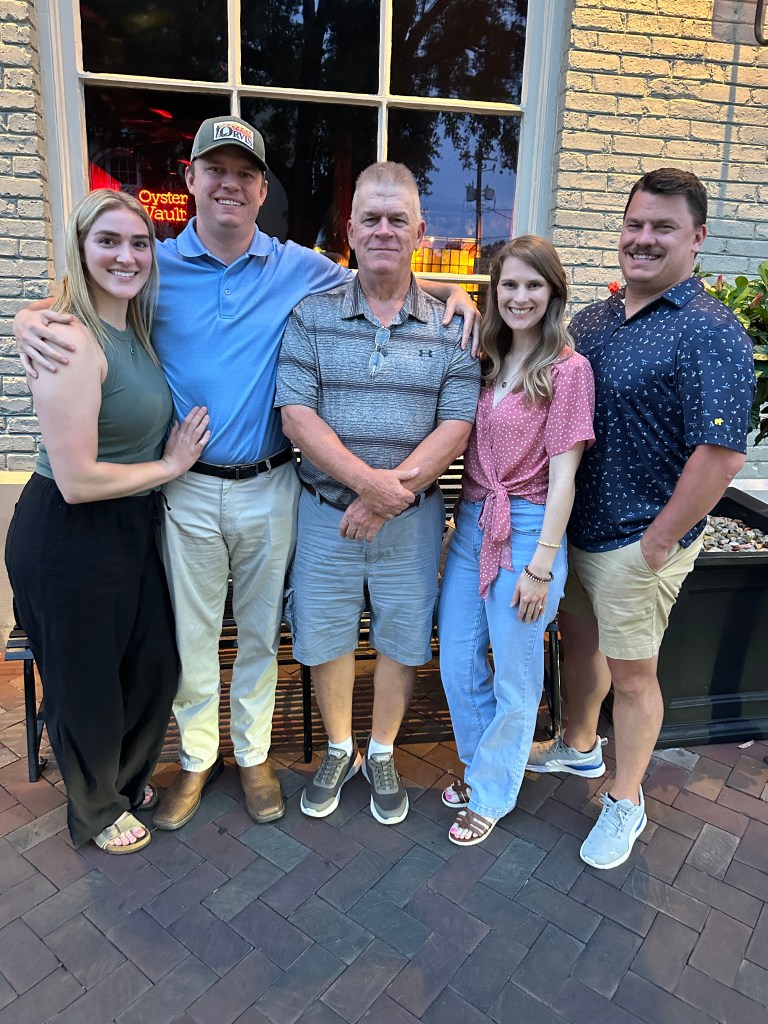
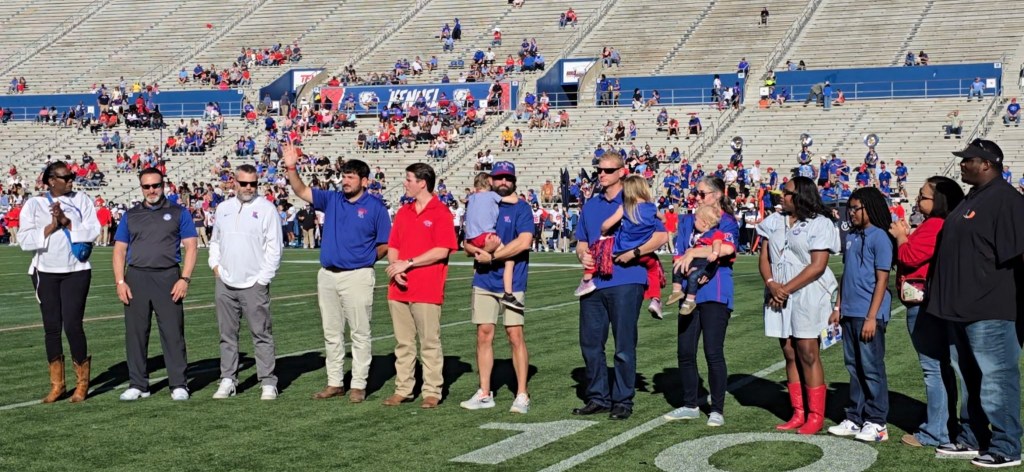
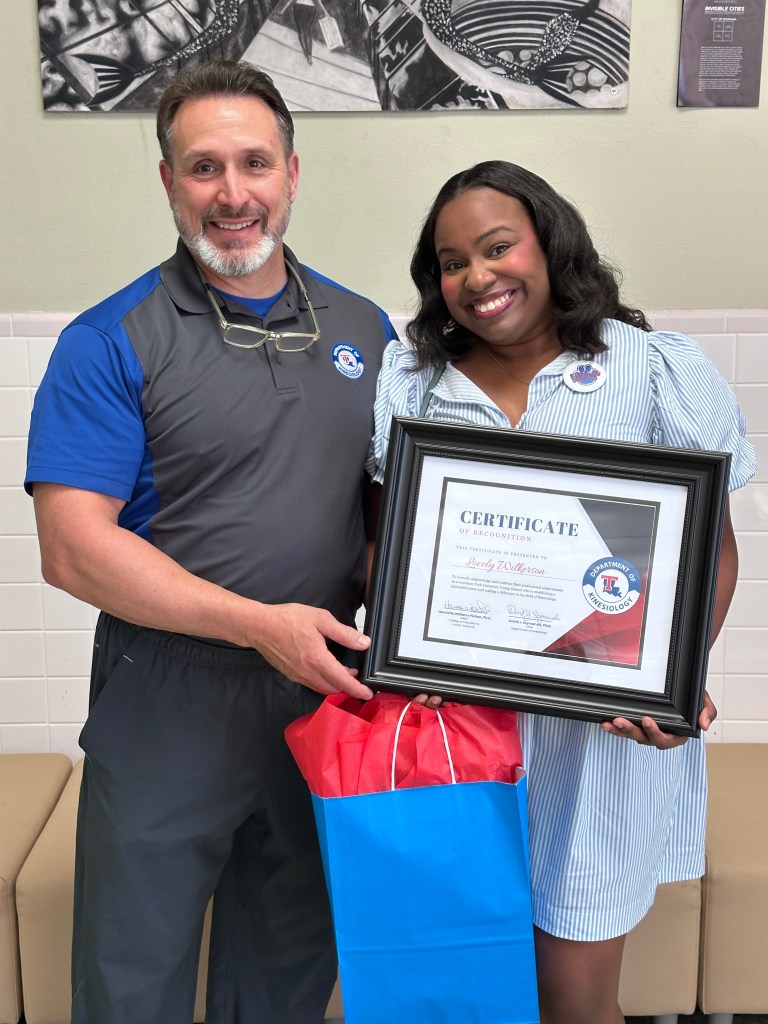
On November 22nd, six young Kinesiology alumni were recognized at the Louisiana Tech football game vs. Liberty University. That morning Dr. David Szymanski (Kinesiology Department Chair) and several Kinesiology faculty members greeted the alumni and their families in the lobby of Scotty Robertson Memorial Gym. After introductions and remarks, all enjoyed a tour of the classrooms and labs to see updates to the facility since their graduation. Each alum was presented with a certificate of recognition and gift bag.

Dr. Henrietta Pichon (Dean of the College of Education and Human Sciences) joined in the festivities at the CEHS Tailgate Tent and then hosted the alumni and their families at the Davison Athletics Complex for the pre-game meal and the football game. The alums, along with Dr. Pichon and Dr. Szymanski, were recognized on field during the game. It was great inaugural event.

The alumni recognized were…

Physical Therapist – Dr. Lovely Wilkerson: Graduated LaTech with BS in Kinesiology and Health Sciences in 2019. Works at Melanie Massey Physical Therapy in Ruston, LA. 


Prosthetics /Orthotist and Clinical Manager – Bradley Carver: Graduated LaTech with BS in Kinesiology and Health Science in 2013. Works at Methodist Orthotics & Prosthetics in Monroe, LA.  

Field Clinical Specialist at Biotronik (Cardiac Rhythm Management Industry) – Jesse Wendt: Graduated with BS in Kinesiology and Health Sciences in 2021. Works at Biotronik in Lafayette, LA. 

Lead Cognitive Performance Specialist – Daniel Johnson: Graduated LaTech with BA in Psychology in 2022 and MS in Kinesiology: Sport & Exercise Psychology concentration in 2024. Works at H2F Holistic Health and Fitness (Fort Polk) in Leesville, LA. 

Associate Professor – Dr. Tyler Donahue: Graduated LaTech with MS in Kinesiology: Sports Performance concentration in 2013. Earned PhD from University of Mississippi in 2019. Works at the University of Southern Mississippi in Hattiesburg, MS. 

US Marine Corps Special Operations Command Liaison Officer to Special Operations Command (Central) – Major Jeremy Carter: Graduate LaTech with BS in KINE with dual concentrations in clinical & health promotion in 2011 and MS in Kinesiology: Exercise Science concentration in 2012. Major Carter serves at MacDill Air Force Base in Tampa, FL. 

Our next six blogs will feature each alum as they have each agreed to write an article sharing their professional adventures.

Kinesiology Paths: Occupational Therapy

Jesse Boswell Cozine
Louisiana Tech University – KIHS – Clinical Concentration 2014
LSUS School of Allied Health 2017

My name is Jessie Cozine, and I live in Shreveport, Louisiana, where my husband and I enjoy spending time with our family and friends. From 2010-2014, I attended Louisiana Tech and was on the health promotion concentration in my kinesiology major. Later I changed to the clinical concentration to pursue physical therapy.

By my sophomore year I was questioning if I even wanted to do PT and wasn’t sure what other options I had. During a seminar hosted by our Kinesiology department in the fall of 2011, I was given the opportunity to hear from three professionals from an allied health school. They discussed careers in physical therapy, occupational therapy, and as a physical assistant.  Everything the OT spoke about I fell in love with. It was exactly what I needed to hear to put me on the right track to pursue a career as an occupational therapist. Thankfully my advisor and other professors helped guide me in how to accomplish this goal and make my dream a reality. 

There are many wonderful things the Kinesiology department gave me both professionally and personally. They encouraged me to join several of the department’s organizations including ESPE (now KINE) and PEK. I am grateful for their guidance because I learned so much through these organizations. Getting out of my comfort zone challenged me to grow as a leader, and I enjoyed serving in several roles in these organizations: secretary, vice president and president. This gave me the opportunity to collaborate with other students as we learned how to network and organize fundraising events. Each of these valuable experiences shaped me into the person and professional I am today. 

Another incredible asset the Kinesiology department provided me was the adult practicum class as well as setting up an internship with an OT at an LTAC (Long-Term Acute Care) facility. This gave me hands on experience with people in the community, and I shadowed both inpatient and outpatient occupational therapy settings. These opportunities were unique to our department and gave me valuable training. The occupational therapists I met during that internship wrote my recommendation letters which helped open the door for me into OT school. 

Fast forward to my senior year. I had finished my internship that summer and was applying to OT schools before graduating in spring of 2014. During the winter quarter my father was in an accident and suffered a traumatic brain injury. Our family’s life was turned upside down.  My dad did rehab in several places in Shreveport and then in New Orleans at Touro, a brain injury specialty hospital. My professors and close friends from the Kines department helped carry me through this difficult time in my life. When they say “Kines Family” they mean it. I could not have made it without them during those extremely stressful times. By God’s grace and mercy my dad returned home and was even able to attend my graduation in Spring of 2014. 

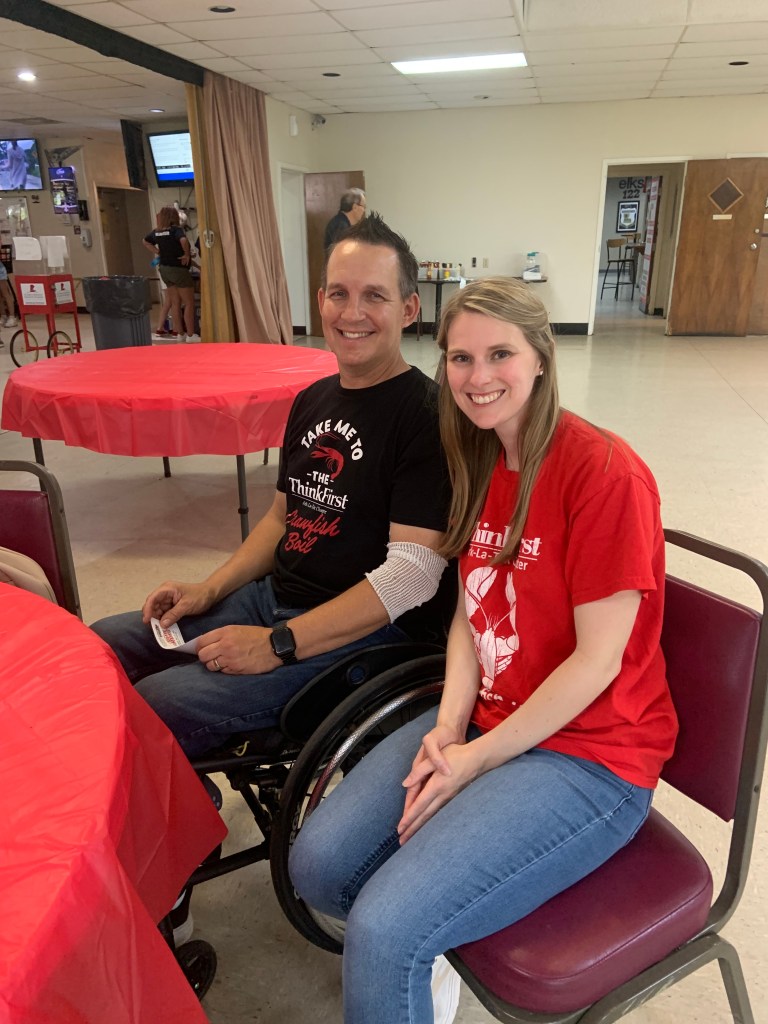
Prior to graduation, I found out that I was placed on the waitlist for OT school in Shreveport. This was not the news I wanted but considering what my family was going through at the time, it was really for the best. While waiting to reapply to OT school for that following year, I was given the opportunity work for a nonprofit organization called ThinkFirst. This is an injury prevention organization that educates the community on how to prevent brain and spinal cord injuries as well as providing support and resources to survivors and their families. Initially I worked there as an intern and then became their program coordinator. ThinkFirst helped my family so much while in the thick of my dad’s injury and it continues to support us in our brain injury journey.

The experience I gained from the Kines organizations helped prepare me for my role as program coordinator in setting up fundraising events for this nonprofit and networking with other organizations. It also opened my eyes and heart to a community of survivors/caregivers of both brain and spinal cord injuries that I may have never met.  I believe this has made me a better clinician and person. God works in amazing ways even if we don’t see it that way, or when things don’t happen in our timeframe. After OT school I decided to join the board of ThinkFirst to stay connected and give back to such a wonderful organization and community. This summer I became president of the board at ThinkFirst.

So where am I now? I graduated from LSU School of Allied Health in Shreveport in 2017 and have been practicing as an occupational therapist for almost eight years. I’ve had the opportunity to work in a several settings including acute and inpatient rehab, and outpatient ortho, neuro and pediatrics. I currently work full time at Christus Outpatient orthopedic hand clinic. In this setting I work with a variety of age groups and upper extremity diagnoses. I continue to learn and grow in this field in order to give my patients the best care and further my knowledge as an OT. My future goal is to obtain my CHT (certified hand therapist). I’m reminded never to underestimate God and how He works in the details. I’ve learned not to limit myself and embrace what can be possible in life—both professionally and personally

Kinesiology Paths: An Unforgettable Internship

Delaney Ferris
Department of Kinesiology Senior majoring in Kinesiology and Health Sciences

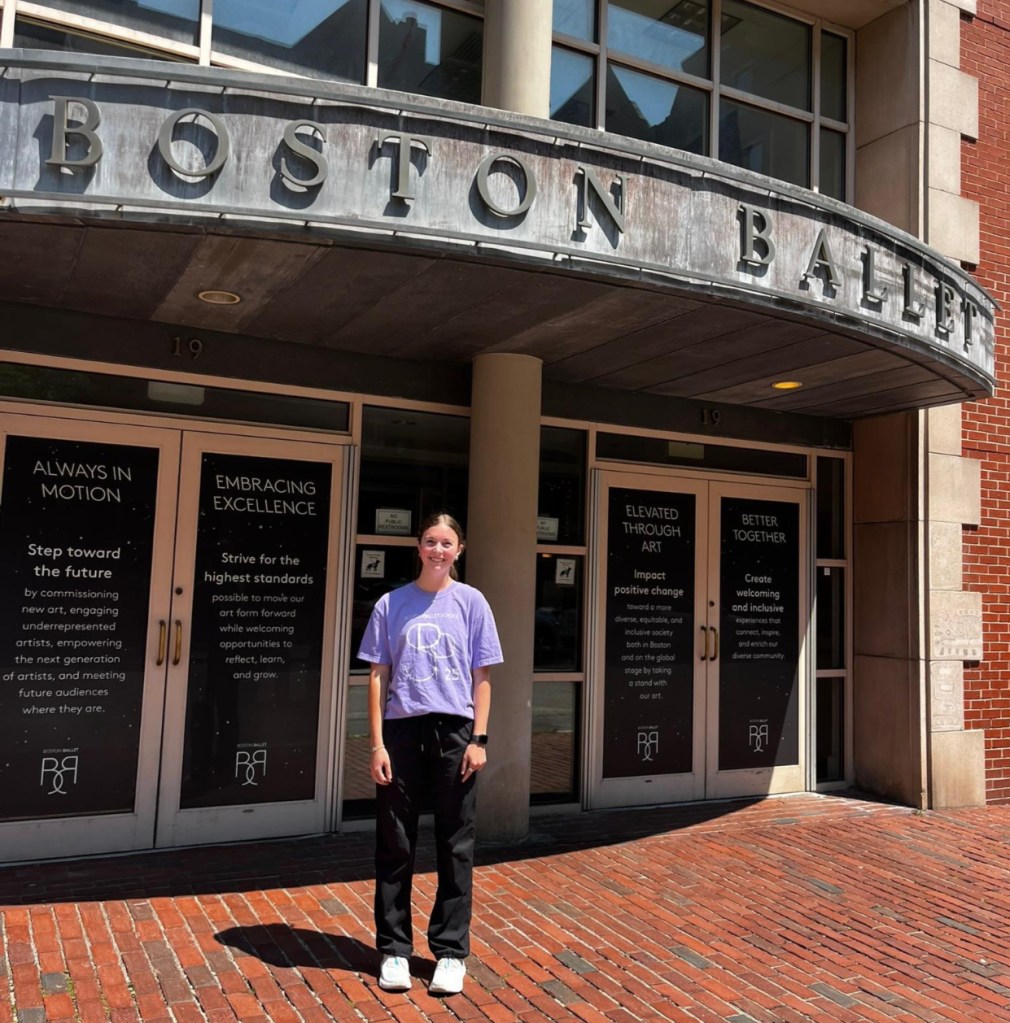
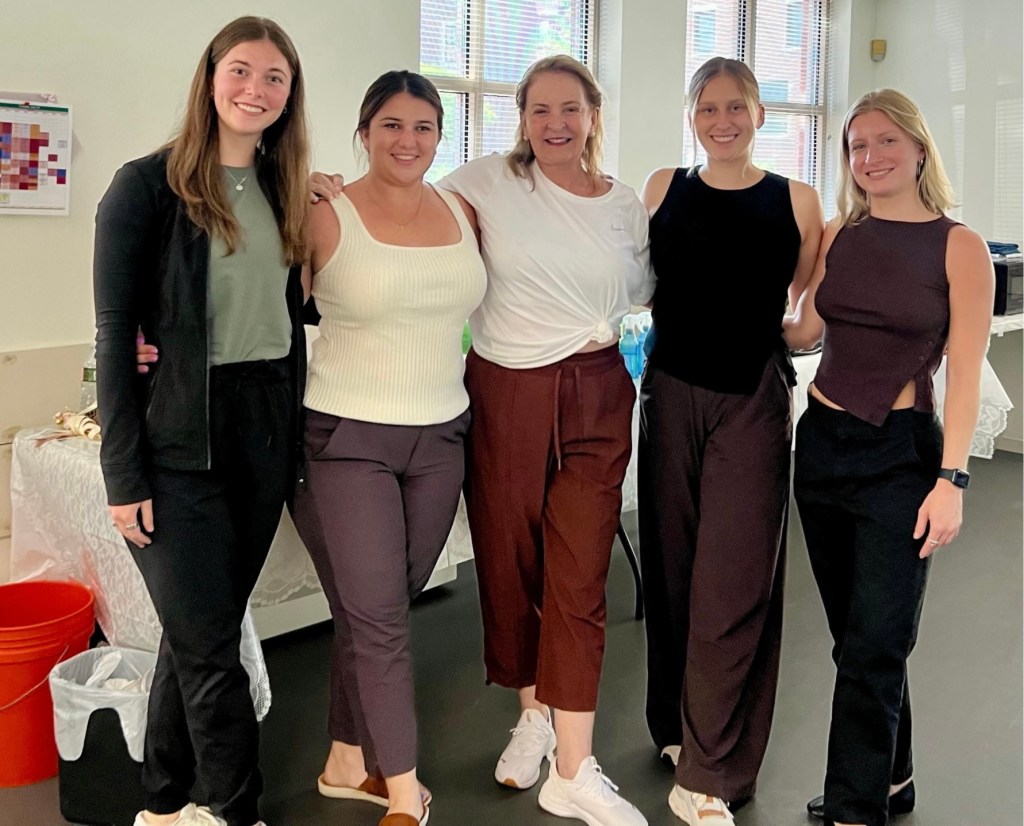
Hey everyone! My name is Delaney Ferris, and I’m from Watson, Louisiana. I am a senior at Louisiana Tech University majoring in Kinesiology and Health Sciences with plans to become a physical therapist. This summer I had the opportunity to do my internship with Susan Kinney, PT, in Boston, Massachusetts, at the Boston Ballet Summer Dance Program!

I met Susan thanks to an assignment in Mrs. Deal’s Foundations of Kinesiology course. We were assigned to interview a role model or mentor in our desired future profession. I have always been interested in becoming a physical therapist for dancers, so I asked my friend Kaylie Wood, who attended Boston Conservatory, if she could put me in contact with their physical therapist, whom she raved about. She gave me Susan’s number, and I reached out to her. Susan was thrilled to do an interview, and it went even better than I could have imagined. We planned to Facetime for one hour, but we ended up talking for almost two hours! We stayed in touch after, and she even sent pictures home with Kaylie to show me.

Then, on a whim in January, I asked Susan if I could do an internship with her in the summer. She had previously mentioned that she would love to have me do a clinical rotation with her once I was in PT school, so I thought that there was no harm in asking if I could do my undergrad internship first. She immediately said yes, gave me the dates, asked about living arrangements, and asked what contract she needed to sign. I was in shock by her response. I hadn’t expected her to say yes so quickly, but I knew I was going to do it. We got everything prepared, and several months later, I was off to live in the city.

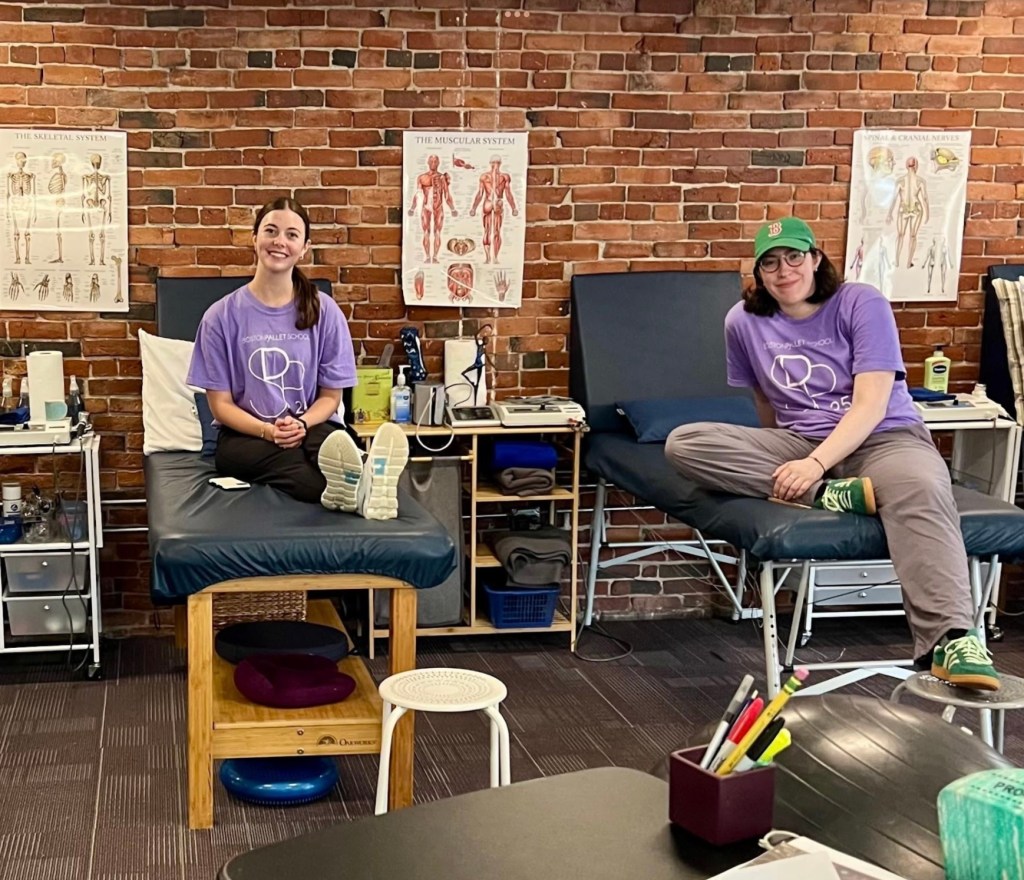
In Boston, I met with Susan and the other physical therapist, Libby Taylor, to set up the temporary clinic at Boston Ballet. Susan’s company is Artist Rehabilitation Therapy Services, LLC. She is currently contracted to provide on-site physical therapy clinics at the Boston Conservatory at Berklee, Boston Arts Academy, and the Boston Ballet School Summer Dance Program. Her permanent clinic resides at Boston Conservatory, and she sets up a temporary clinic for the summer at Boston Ballet. The first week of the internship consisted of giving lectures to the students at Boston Conservatory’s Musical Theater Dance Intensive and Boston Ballet Summer Dance Program. We taught them about different signs of injuries to look for and how to care for their bodies during these long, intense programs. I got to demonstrate all the exercises and stretches so I enjoyed assisting with the lectures.

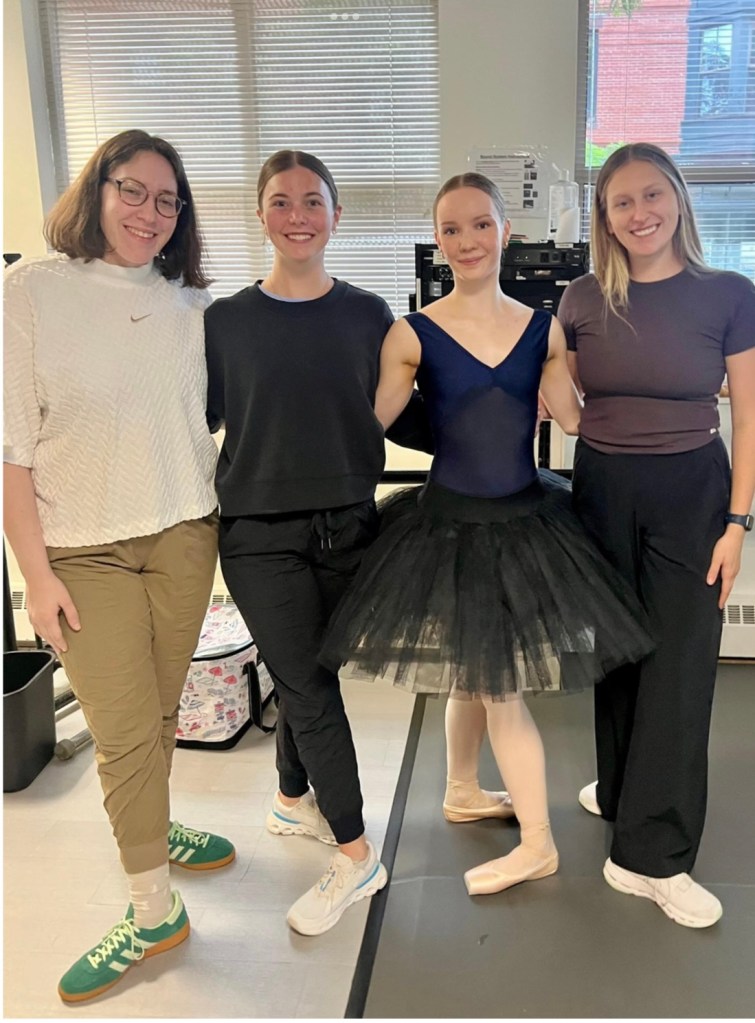
For the rest of the internship, we treated the students at Boston Ballet. We were treating dancers from all over the US and the country, including the UK, Ireland, Denmark, Finland, Germany, Japan, etc., which was incredible. The clinic was very fast-paced. Each PT had one patient every 30 minutes, so they had to evaluate, diagnose, and treat within that time while working around their dance schedule. While the PTs worked hands-on with the patient, I kept the flow of the clinic, set patients up on heat, and plugged others into ice buckets. I also observed a majority of the time and acted as the scribe for Mrs. Sue during evaluations. This helped me learn all about the ways to treat different acute and overuse injuries that are specific to dancers and ways to document them.

In addition to regular appointments, we also handled walk-ins and emergencies. There were several times when a teacher carried a student in, or we had to run to a studio to respond to an injury. It was hectic at times, but so enjoyable. The work environment was always professional, but we always had fun, laughed, or chatted with patients and each other. I also got to work with and learn from athletic trainers Mikaela Shelby and Amanda Donahue. Mikaela filled in for Mrs. Sue or Libby on multiple occasions, and I traveled to the Newton studio a few times to learn from Amanda. It was amazing to learn how different people treated dancers.

Outside of the internship, I lived with Kaylie and explored the city. I watched many Red Sox games, strolled endless summer markets, and visited many historic sites. I may have gotten Mrs. Sue’s car towed and left with a permanent scar, but I made lifelong friends and memories. This summer was the best experience I could have had, and I hope that other students will get to experience this.

Kinesiology Paths: Osteopathic Medicine

Alexandra Crovetto, B.S. Kinesiology and Health Science
Louisiana Tech University- 2022

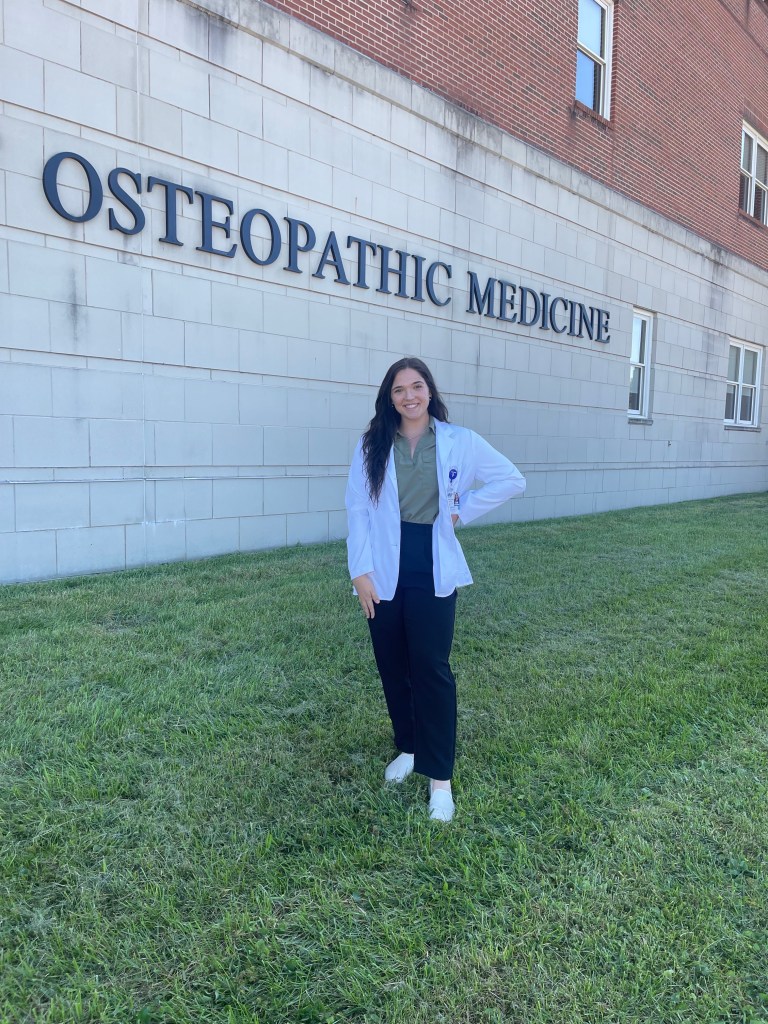
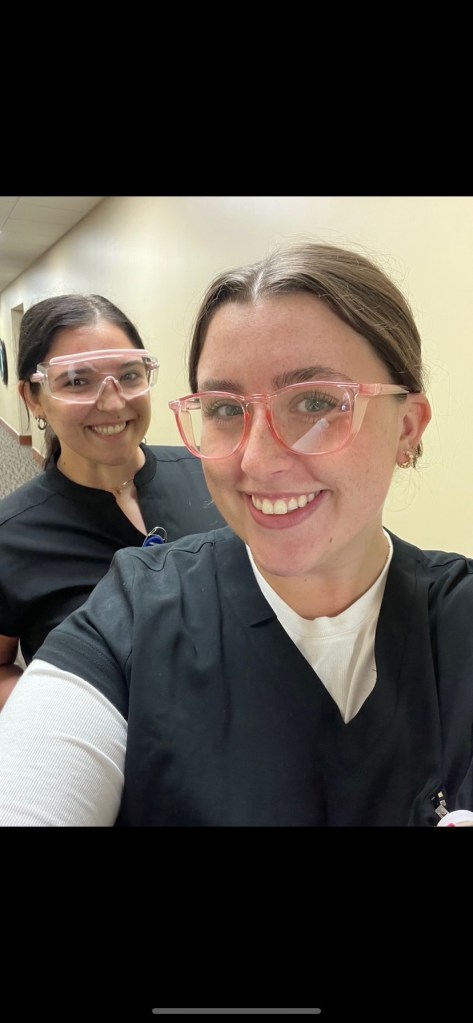
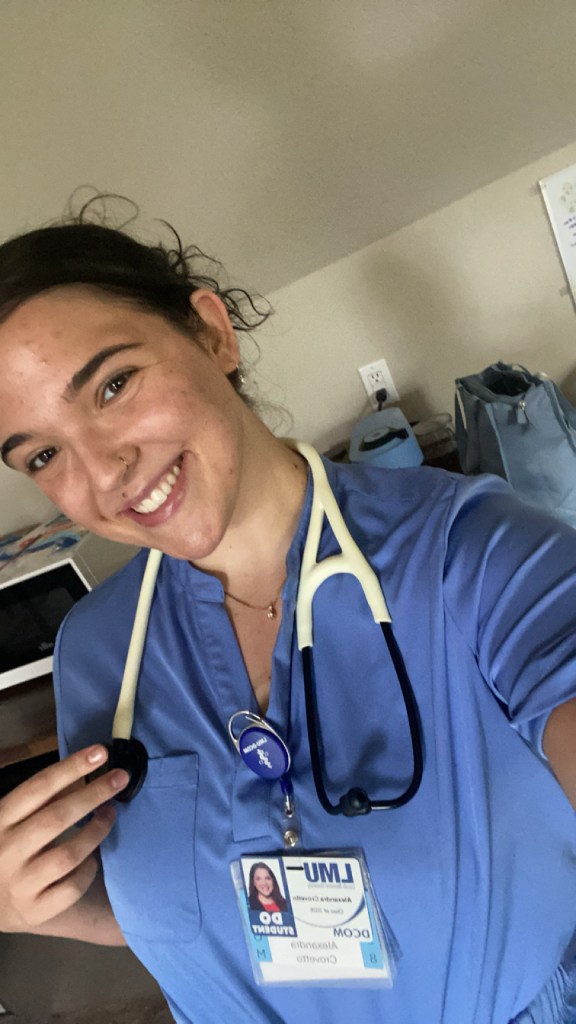
My name is Alexandra Crovetto, and I am a second-year medical student at Lincoln Memorial University Debusk College of Osteopathic Medicine (LMU-DCOM). I am originally from Ponchatoula, LA, and I graduated from Louisiana Tech in November of 2022. During my senior year at Tech, I applied to osteopathic and allopathic medical schools but was not offered a seat. So, I took a gap year after graduation to work on improving my MCAT score and to get more patient-care experience in a hospital setting to enhance my resume. I was accepted to DCOM in the fall of 2023 and started my first classes in July of 2024.

My Louisiana Tech journey began in the Kinesiology department with the interest of becoming a physical therapist. At the time, I had been in Mrs. Deal’s class, and she encouraged us to go into the community to shadow different clinics to see if we were interested in the field. Johnson Physical Therapy welcomed me, and the therapists educated me through assessment and technique demonstrations. While I enjoyed learning this information, I discovered PT was not something I wanted as a career. However, I still did have interest in some physical therapy techniques and wanted to dive deeper into the blending of physical therapy with the practice of medicine. I am  grateful to have been in a department that provided information, resources and opportunities for career choices. I attended various seminars to seek topics that peaked my interest. I became interested in becoming a physician assistant, so I took additional courses in biology to obtain the prerequisites for PA applications.

However, I still was not certain about becoming a PA because I was still drawn to PT techniques and treatments.  This led to my discovery of the benefits of  osteopathic medicine. Osteopathic medical schools offered me the perfect blend of medicine with physical manipulation and therapy. As Kinesiology students, we are always taught that the body is a functional unit and many entities go into the overall health of our future patients, so when I discovered that osteopathic medical schools were founded on the idea that the body is a unit in mind, body, and spirit, I was thrilled to learn more. I had my doubts about getting into medical school, mainly because my family primarily consisted of educators not medical professionals. Also, I was a kinesiology major, and most pre-meds are biology majors. Fortunately, when doubts crept in, one of my best friends, Zadren Alexander, a kinesiology major now in his final year of PT school, along with my professors: Ms. Boyd, Mrs. Reeves, Mrs. Szymanski, and Mrs.Deal, really helped to keep me motivated. They offered constant encouragement and guidance that set me up to believe in myself and in the education that Louisiana Tech provided. The summer before I graduated, I completed extra course work to meet the prerequisites for medical school. From the course loads, research projects, and community involvement to the hands-on experiences and encouragement from the faculty, including University President Guice, I will forever be grateful for the preparation I was given.

I was excited to receive a number of offers, but I decided to attend DCOM for medical school because I have always loved the mountains of Tennessee, and I wanted to experience the beauty and fresh mountain air. I also thoroughly enjoyed the “interest days,” as I was able to speak with students, prospective students and faculty over Zoom, so I was more than ready to get started.

One of my favorite classes is Osteopathic Manipulative Medicine or OMM, which is a wonderful physical medicine. As a kinesiology graduate, I have a passion for hands-on manipulations that can provide relief and healing to patients almost instantly. Having the volume of knowledge from undergrad about the anatomy of the human body has helped me in learning these techniques. I also enjoy OMM because we are able to provide a resource and relief to those who may not be able to afford medications, treatments, and procedures, or for those patients who have tried every avenue and need a last resort. Aside from OMM, our curriculum also presents osteopathic values within our courses, and we are taught to view the body as a self-healing machine, as well as looking at our patients differently. We are not to chase the problems our patients bring to us; instead, we are to look at our patients as a whole: mind, body, and spirit, and truly evaluate each of those aspects when listening, diagnosing and treating.

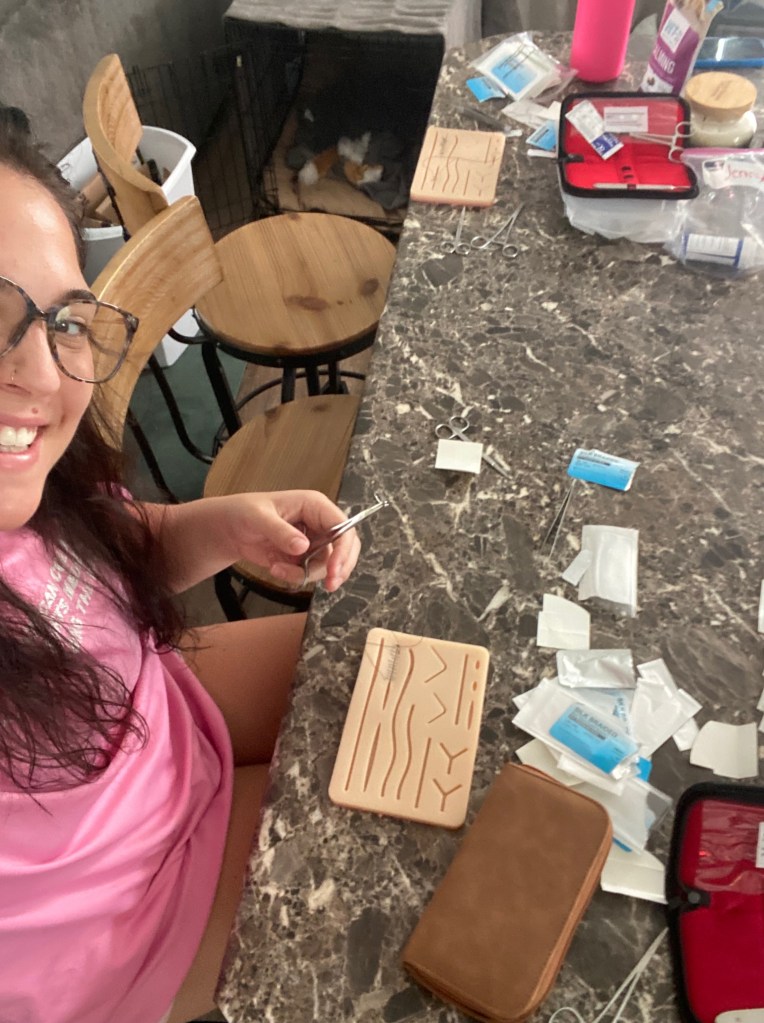
Osteopathic Medical schools are set up the same as allopathic medical schools in that we have two years of didactics (classroom) and then two years of clinical rotations. Year one is similar to prerequisite courses in undergraduate. Classes include pharmacology, neuroanatomy, anatomy, biochemistry, microbiology, and from the beginning, we learn Osteopathic Principles and Practices with standardized patients. That is something that drew me to my school because I wanted exposure working with real people and getting comfortable with talking to patients and writing notes on those encounters. In the second year, we transition to system-based clinical courses where we spend a couple of weeks on three different body systems and dive into learning diseases, disorders, diagnostics and treatments. During this year, we are expected to start diagnosing and treating our standardized patients in order to prepare for clinical rotations. These treatments also include performing OMM. Toward the end of the second year, we rank our favorite rotation sites, get put into a lottery and placed. Third year rotations have required specialities that must be completed along with elective rotations. We can choose our preferred specialty to work with, or some choose to work with family members who are physicians. During fourth year there are required rotations; however, most of the rotations are open for students to decide. Much of this time is used for “audition” rotations. This is when we rotate at residency spots in which we are most interested. During these rotations, students get acclimated to the preceptors and other workers and are given an opportunity to show residencies their best. After these are complete, we apply to residencies of our choice, graduate, and are sent off to begin residency wherever placed.

During my first year of undergrad sitting in Ms. Boyd’s FYE class, I would have never believed that I would enroll in medical school. Medical school always seemed so far out of my reach because my family consists of four generations of educators. It was definitely extra work getting into medical school, but I am so grateful for the well-rounded and comprehensive education I received from the Louisiana Tech Kinesiology Department.  I had no desire to leave the relationships and courses that the kinesiology department provided me. I wanted to enjoy undergrad, especially since I knew medical school could be daunting and stressful. I love functional physical medicine, and I enjoyed getting to learn more than just the biology of the body but an all-encompassing view.  Classes like Mrs. Deal’s adapted physical activity course, Mrs. Reeves’ water aerobics classes, Ms. Boyd’s sex, drugs and rock-n-roll class otherwise known as Personal and Community Health, Mr. Singh’s functional anatomy, Mrs. Szymanski’s strength and conditioning work, and Doc’s exercise physiology all contributed to my being a well-rounded applicant for medical school.

A Doctor of Osteopathic Medicine (D.O) student completes the same coursework and clinical requirements that students at M.D. schools complete. The only difference is that osteopathic students take around two-hundred additional hours of OPP classes in addition to traditional medicine coursework. In regards to board exams, we take a test called COMLEX and M.D. students take USMLE. COMLEX has the same content as USMLE with the additional OPP questions added in. All D.O. students are required to take the COMLEX exam, and it is optional to also take the USMLE exam. Students interested in more competitive specialties opt to also take the USMLE exam to “level the playing field,” since the stigma surrounding osteopathic medical schools is still prevalent today. However, there are no differences in the abilities of an MD and DO, and they can apply to and work within the same specialties. There are also more D.O. specific specialties that incorporate a lot of OMM into their practice for those students with interest in using OMM more often. OMM can be used in any specialty-some more than others; however, every student is trained to efficiently complete OMM, and it is up to the student post-graduate to continue education and practice in the field in order to provide OMT to their future patients.

I truly love being in osteopathic medical school, and I am thankful to be able to provide  information on my journey to help guide future “dogs”. The field of Kinesiology is expansive, and there are many different avenues to explore. Never hold yourself back and always believe you can achieve your biggest dreams and goals!