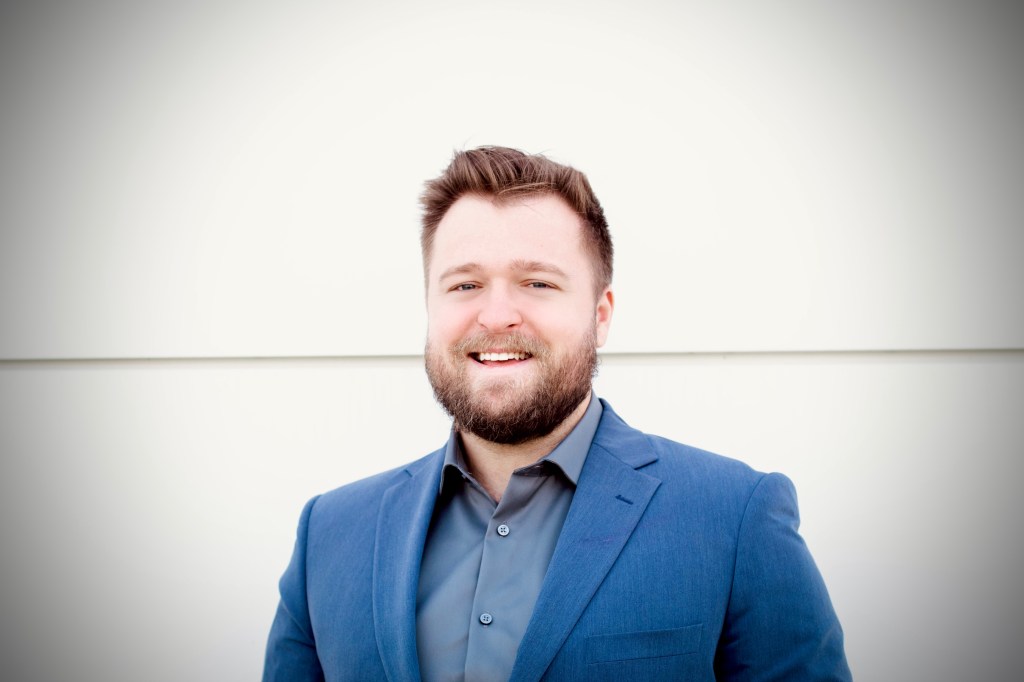
Kinesiology Paths: Strength and Conditioning Coach

Stine Emrick, BS Kinesiology and Health Promotion – Louisiana Tech (2020)
Master of Educational Leadership- Community College/Higher Education- Northern Arizona University

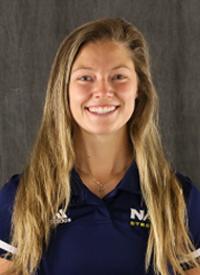
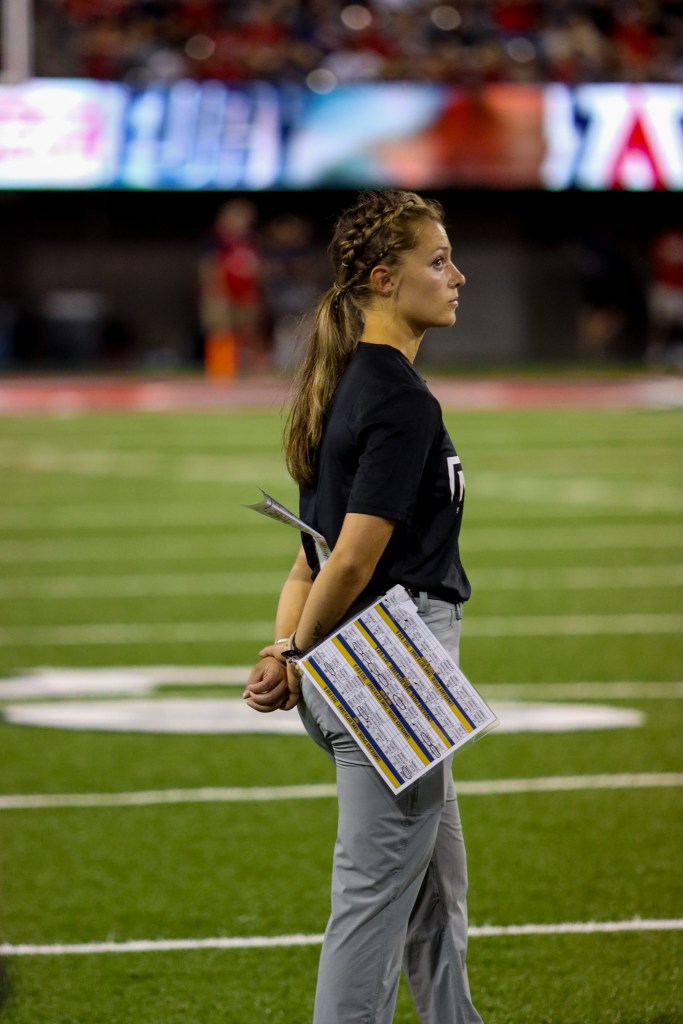
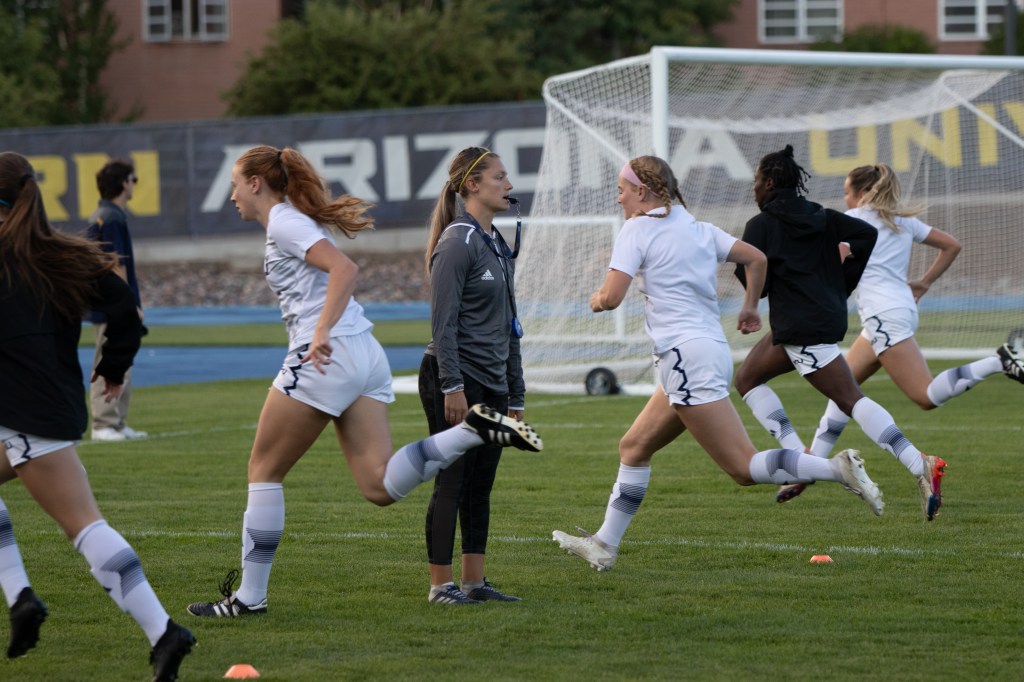
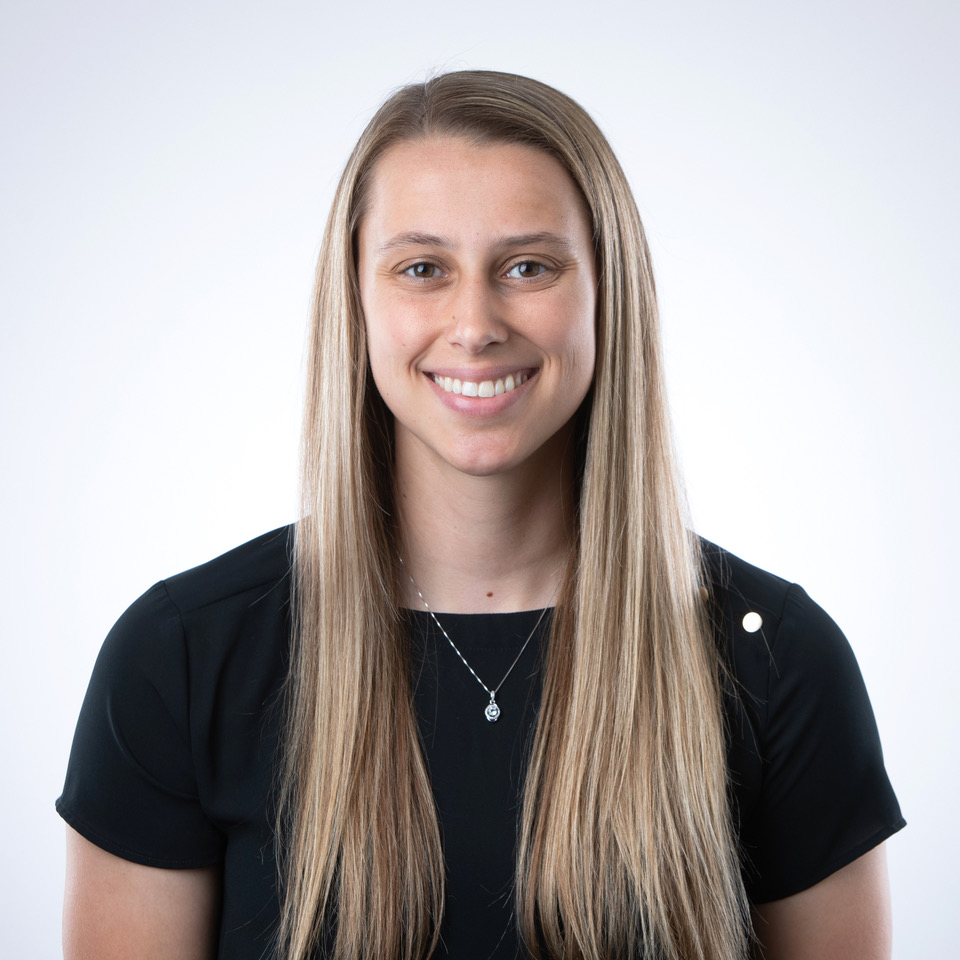
My name is Stine Emrick, I am currently the Associate Head Strength and Conditioning Coach at Northern Arizona University. I began my journey in strength and conditioning while I was still in college, competing as a student athlete on La Tech’s women’s soccer team. I knew that I wanted to pursue a career in strength and conditioning while I was still in high school and training with a strength and conditioning coach, recognizing that I could develop my physical qualities that made me successful at playing soccer. Due to that, I chose to pursue a degree in Kinesiology while at Louisiana Tech. Through my education and career as a collegiate athlete, I was able to be exposed to collegiate strength and conditioning and recognized it as something that I wanted to pursue specifically. 

My first internship was during the summer of 2018 at Next Level Sports Performance in Golden, CO. Although the private sector was not ultimately where I wanted to end up in a full time position, it gave me the foundation for interactions with athletes. I then completed other internships, the first being at Colorado State University during the summer of 2019 under the leadership of Joey Guarascio (currently the head strength and conditioning coach at Florida Atlantic University), Carl Miller (athletic performance coach at Indiana), Zach Higginbotham (Director of Sports Science at Michigan), Shelton Gaffney (director of football strength and conditioning coach at Bethune-Cookman), and Elijah Blackman (assistant strength and conditioning coach for football at Kansas State). Following my summer at CSU I joined Coach Kurt Hester (current director of football sports performance) as an intern for the entire 2019-2020 year at La Tech. Here I continued to be poured into by Coach Hester and the rest of his staff (Aaron Schultz (assistant strength and conditioning coach at Kansas State), Cody Bascom, Troy Johnson (assistant strength and conditioning coach at Florida International University), and Brian Walker (assistant head of strength and conditioning at IMG Academy)). During my time as an intern at Tech, I studied and earned my Certified Strength and Conditioning Specialist (CSCS). My experiences in my internships lead me to pursue a graduate assistantship to be able to earn my master’s degree as well as get full time experience coaching various teams.          
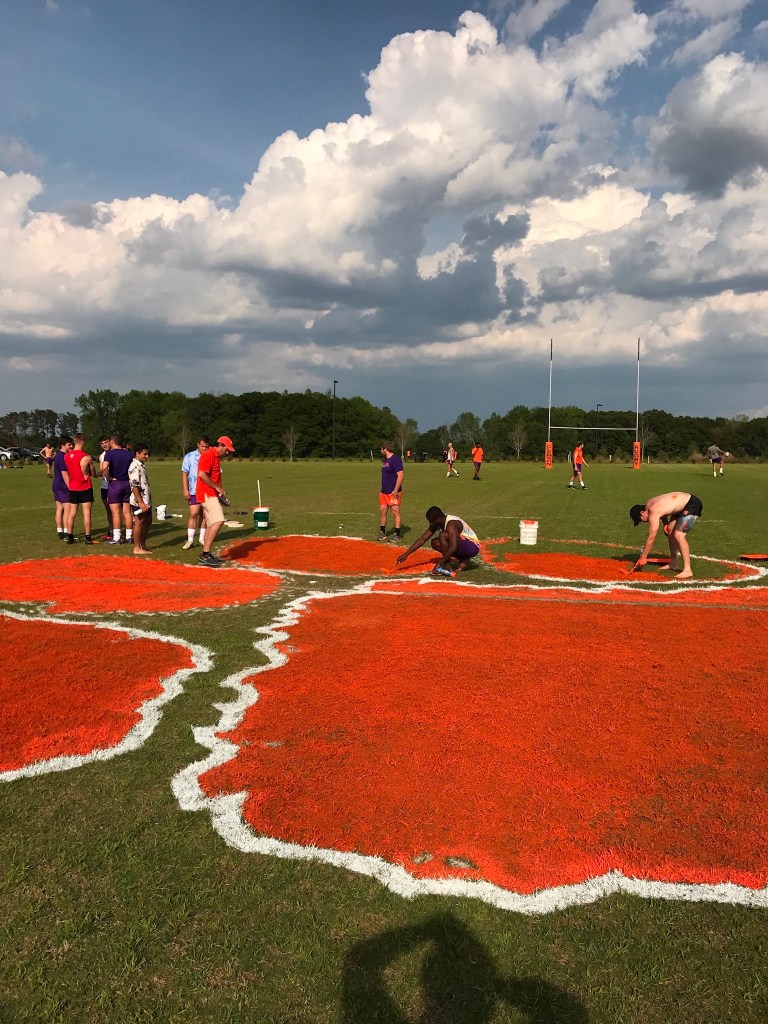
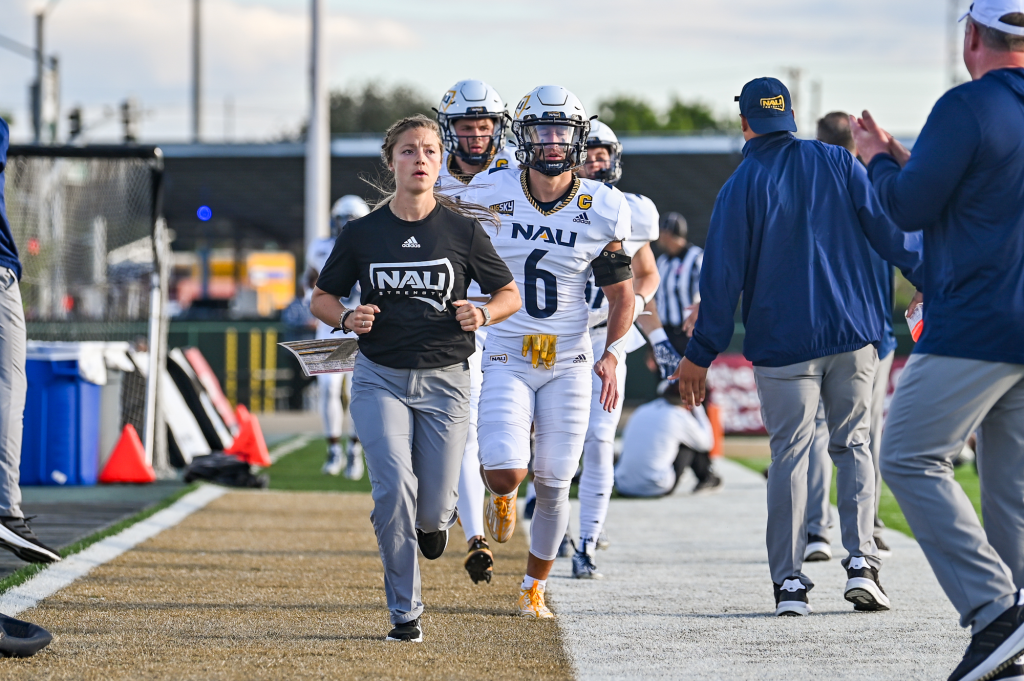
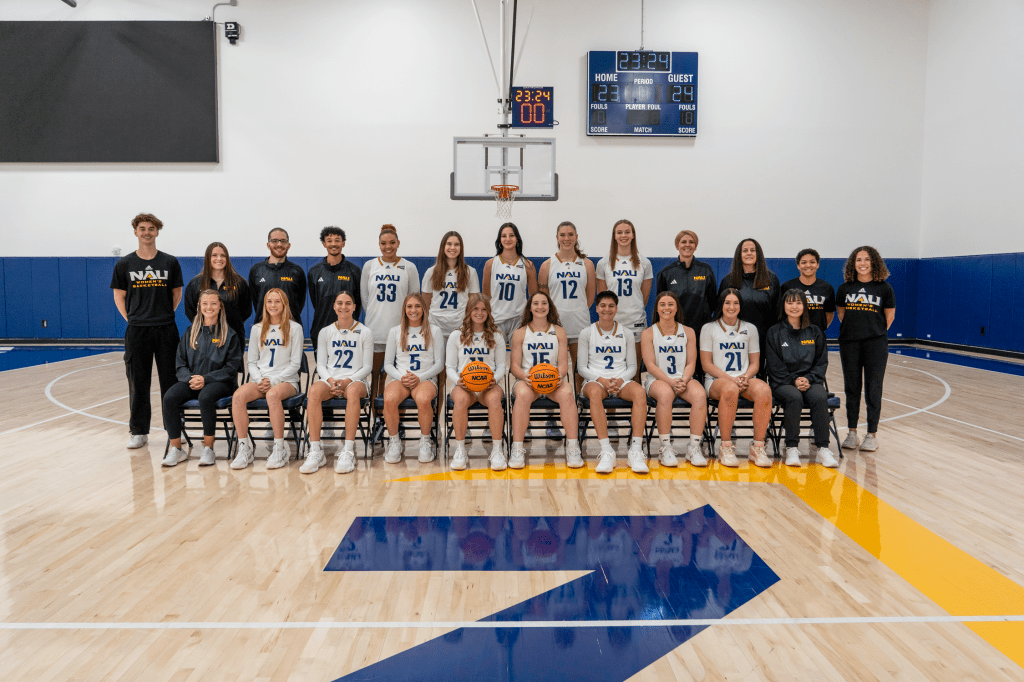
I applied and was hired as a GA at Northern Arizona University in the spring of 2020 and began coaching during the summer of 2020. I spent 9 months as a GA before being hired full time and eventually being promoted to Associate Head Strength and Conditioning Coach. While here I have been personally responsible for women’s golf, women’s dive, women’s soccer, and women’s basketball. In addition to these teams, I have had the opportunity to work with men’s basketball, women’s swim, sprints and jumps, and throws. I have heavily assisted with the football team and all aspects of their training. While at NAU, I have had the privilege of working with several fantastic strength and conditioning coaches who have shaped, grown, and challenged me. Those coaches include Michael Gragg (head strength and conditioning coach at Harding University), Jake Buehler (strength and conditioning coach at Grand Haven High School), Victoria Saucedo (director of sports performance for women’s basketball at Virginia Commonwealth University), Sam Lackey (director of strength and conditioning coach at Lamar High School), Jaylon “Beef” Watson (director of sports performance at Jackson State University), Tyler Shumate (assistant director of athletic performance), Lauren Sale (assistant sports performance coach), Taylor Bissel (director of sports performance at Southeastern Oklahoma State University), and others. 

My role consists of the full development of the women’s soccer and women’s basketball teams here at NAU. That includes all resistance training that they participate in, any energy system development, and speed development. With both of these teams, data is collected and analyzed for various metrics including but not limited to peak power, jump height, hydration levels, yardage/load during practice and more. My involvement with these teams includes travel and attendance of practices and games where I also play roles. Not only am I heavily involved with my own teams, but I also play a role in implementation of resistance training, energy system development, speed development, and travel with the football team. Beyond the coaching that I do, I am responsible for all intern education and curriculum development. We have had over a dozen interns earn GA positions or otherwise after their internship at NAU. Those interns include Shawn Field (former assistant strength and conditioning coach at UNLV), Johnny Goldstein (head strength and conditioning coach at Ventura College), Jordan Elias (head strength and conditioning coach at Desert Edge High School), Sean Riden (assistant strength and conditioning coach at Frostburg State University), Will Fazende (assistant sports performance coach at the University of Evansville, also a graduate of Louisiana Tech), Logan Bayus (head strength coach at O’Connor High School), Nick Brown (graduate assistant at Mercer University), Johnny Atnip (graduate assistant at Fairfield University), Lex Mohler (graduate assistant at Central Missouri University), Tommie Dorsey (graduate assistant at St. John’s University), and Marlise Karson (sports performance coach at Mankind Physical Therapy).

While I have been a strength and conditioning coach I have obtained my CSCS, and my Functional Movement Systems (FMS) Level 1 certification. Although I have not yet pursued certifications in these areas, I have been exposed to Functional Range Conditioning (FRC) and Reflexive Performance Reset (RPR) and have been educated in those areas by individuals who hold certifications in those systems. Beyond education on these systems, I have had the opportunity to continue my education by attending national conferences as well as continuing education on my own through various organizations. 

Kinesiology Paths: Women’s Basketball Coaching

Taylor Stahly Reed, B.S. Exercise and Health Promotion 2019

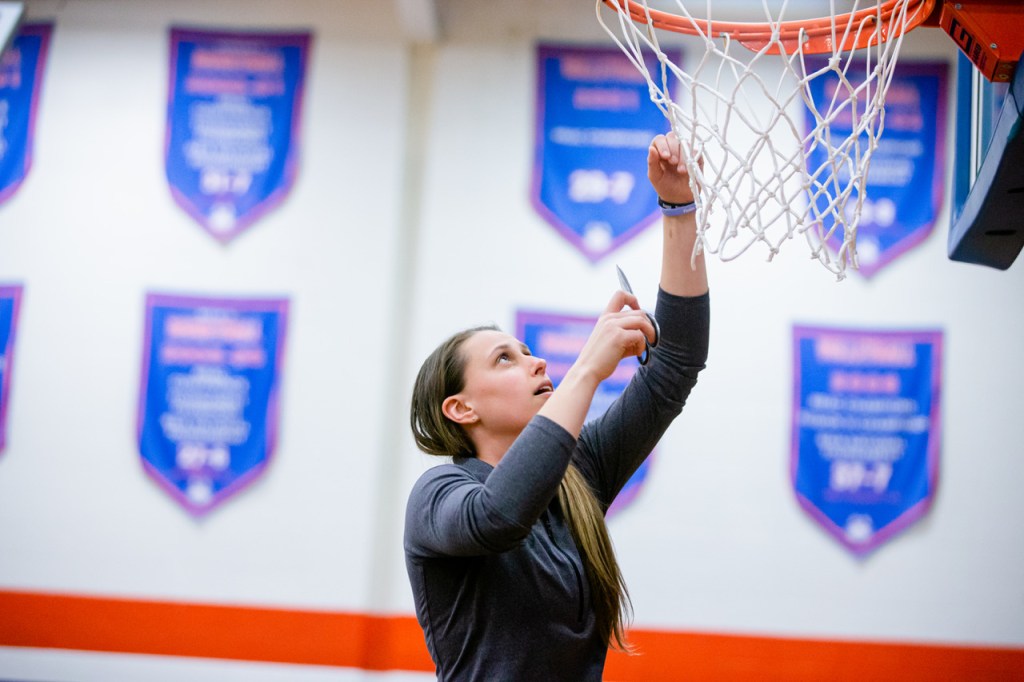
Growing up, sports were a huge part of my life. Basketball was my main sport, but I played everything from flag football, to softball, to track and field. I always knew that I wanted to be a coach to stay close to sports and everything that they teach you in life. I came to Louisiana Tech in the fall of 2017 and graduated two years later with a Bachelor’s degree in Kinesiology with an emphasis in Exercise and Health Promotion. During my time at Tech, I was a member of the women’s basketball team, which only enhanced my desire to become a collegiate basketball coach. Getting my degree in Kinesiology was the best choice I could have made to help me take my first steps into the coaching field.

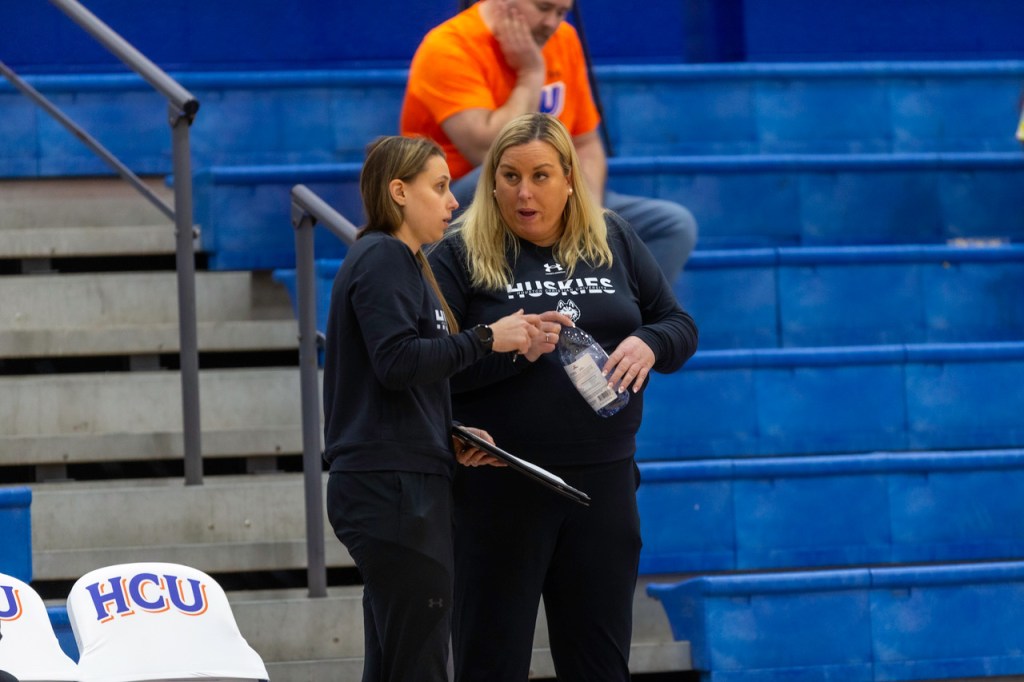
Upon graduating in 2019, I moved to Houston where I became a Graduate Assistant for the women’s basketball team at Houston Christian University, a small Division 1 school competing in the Southland Conference. I have been with the program for 5 years now, where I have held titles as an Assistant Coach, Recruiting Coordinator, and now Associate Head Coach. In 2021-2022, our team won the Southland Conference, the first women’s basketball team to do so in school history. Throughout my time in coaching, there are many moments that I look back on my time at Tech and am thankful for the degree path that I chose. Kinesiology is a broad field with so many directions that you can go in it. I have found that a lot of people choose Kinesiology to get into coaching because it normally involves conversations about sport and its movement at some point in your curriculum. However, I have found that my degree is applied almost every day that I come to work.

Basketball is a game of almost constant movement and change of direction. Understanding physiology and energy systems within the body is crucial in getting the most out of your players during the different phases of a season. Players will typically play anywhere from 25-30 games in a 4-month time span, so being on the same page with your other staff members is critical. Athletic trainers are one of the most important positions in college athletics. Inevitably, players will get hurt or sick throughout a season. I have found that because of my degree in Kinesiology, I am able to have knowledgeable conversations with our athletic training staff about player injuries and recovery times, which allows me to have an overall idea of how our team is recovering to their various training sessions throughout the season and how the wear and tear of the season effects their overall performance.

All images are property of Juan DeLeon Creative.

Another area of importance to college athletics is Strength and Conditioning. In 2020, I became a Certified Strength and Conditioning Specialist (CSCS). Although I am not the S&C coach for our team, I work closely with him during the pre-season to strategize how many days a week our team will lift, for how long, and how we will test their progress and performance along the way. We also come up with various conditioning tests for our players and implement them during the preseason. There are also times that I will step in and supervise our players during their training sessions if our S&C coach is out sick or tied up with another team. Without a degree in Kinesiology, I never would have had a knowledge base to pass the CSCS exam and would most likely not be able to have training and programming conversations with our teams S&C coach.
To me, coaching was an obvious profession from the start. Unlike other professions, coaching doesn’t require a certain degree for you to get into the field. In my opinion, however, Kinesiology is the best option for anyone considering getting into the field of coaching. Although sports are typically viewed as strategy and skill based on the particular game you play, coaching becomes much more holistic when you look at it from a science-based standpoint in the areas of physiology, anatomy, and strength and conditioning. The knowledge I gained from my professors at Louisiana Tech was second to none and I cannot speak highly enough of the department and all that it did for me during my 2 years there. For anyone who is considering a career in coaching, understand that the game you choose to coach and the players you influence every day are the most important thing. I encourage you to arm yourselves with as much knowledge as you can to prepare and motivate the next generation of athletes!

All images are Copyright to Athletic Edge Media
All Images are Copyright to Juan DeLeon Creative

A special thank you to all the professors who helped me get where I am today: Jessica Szymanski, David Szymanski, Rhonda Boyd, Lacey Deal, Jordan Blazo, Ben Gleason, and Smiley Reeves. You all changed my life and encouraged me to be my best every day. I can’t thank you enough for the impact you made on my life.

Note: Taylor was a member of the Lady Techster’s Basketball team and graduated Summa Cum Laude with a 4.0 GPA.

Kinesiology Paths: NFL Assistant Athletic Trainer/Physical Therapist

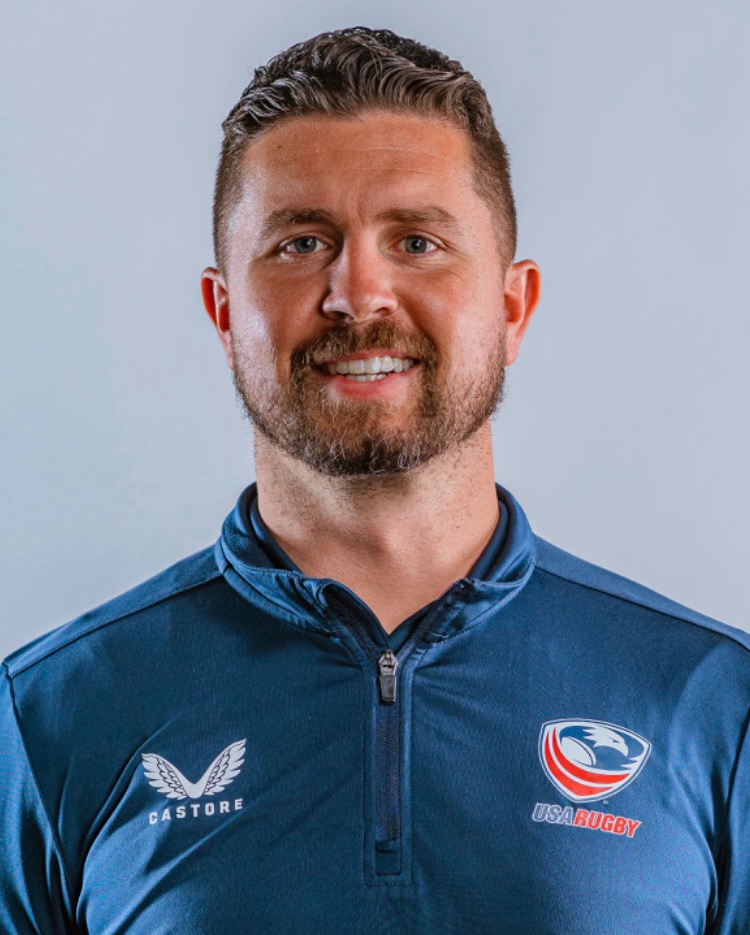
Bobby Gragston, Louisiana Tech Kinesiology Class of 2011

My name is Bobby Gragston, and I am a 2011 graduate of Louisiana Tech University. I grew up in Benton, LA and I am a proud graduate of the College of Education and Human Sciences and Department of Kinesiology. I am so lucky to be able to share with you today a little about myself and my journey. It would be very remiss of me to fail to mention the wonderful educators you all have the pleasure to learn from, as I know from personal experience! Mrs. Rhonda Boyd, who reached out to me to contribute, was nothing less than phenomenal during my time at Louisiana Tech. The confidence gained in her courses with working with others most definitely helped to catapult me to where I am today. Dr. Szymanski played an integral role in providing me with my first experience of assisting in research. Additionally, he expected (I presume this is still the case) nothing but the best from his students and everyone that he worked with, which is something I have taken with me throughout my career. Mrs. Szymanski was just as special! I have not had the pleasure of working with any of the other members of staff, but taking a quick look at the bios of each makes me wish that I did!

My current position affords me the opportunity to work with some of the most gifted athletes in the world as I am an Assistant Athletic Trainer & Physical Therapist with the Los Angeles Chargers where I just finished up my first season. The journey to this point has been long and has not been void of obstacles, but I am better for it. People are resilient and we must adapt to the imposed demands (see what I did there?) to thrive. 

I have so much love and respect for my university as we have always been known for “doing more with less”. To be successful early on in my career field as an Athletic Trainer, this was my life’s mantra. Getting my start in the high school setting and moving to a Junior College in Arizona, I did not have all the resources at my disposal that I have today. This forced me to “keep things simple stupid” to get the job done, which I did. 

Following my time spent in Ruston, I had applied for entrance into Physical Therapy school as I wanted to be a “Sports Physical Therapist”. I was lucky enough to get accepted into my school of choice, University of Central Arkansas. Had a great experience and was an absolute compliment to my foundational education at Louisiana Tech. After graduation, I accepted a position at an outpatient orthopedic clinic in Little Rock, AR where I ultimately grew into a clinical director. I cherish that time as it provided ample opportunity for growth, personally and professionally, but I knew I wanted more. During that time, I was introduced to a gentleman looking to grow soccer in the area and was preparing to start a semi-professional team in the area. He asked if I’d be interested in looking to oversee growing the Sports Medicine department and with ignorance, I said yes without hesitation as I was eager to work in sport. 

I was able to leverage my employer to become a partner which allowed me the ability to utilize those resources to help take care of the athletes, but needed to find help for match days as I had no idea what to do when it came to taping and emergency care on the pitch. I brainstormed and thought about the organization’s emphasis on growing youth soccer in the area so it felt natural to reach out to Arkansas Children’s Hospital to see if they would be interested. Lucky me, they were! Had the opportunity to meet and work with some great Athletic Trainers for a few years that helped facilitate further growth and ideas!

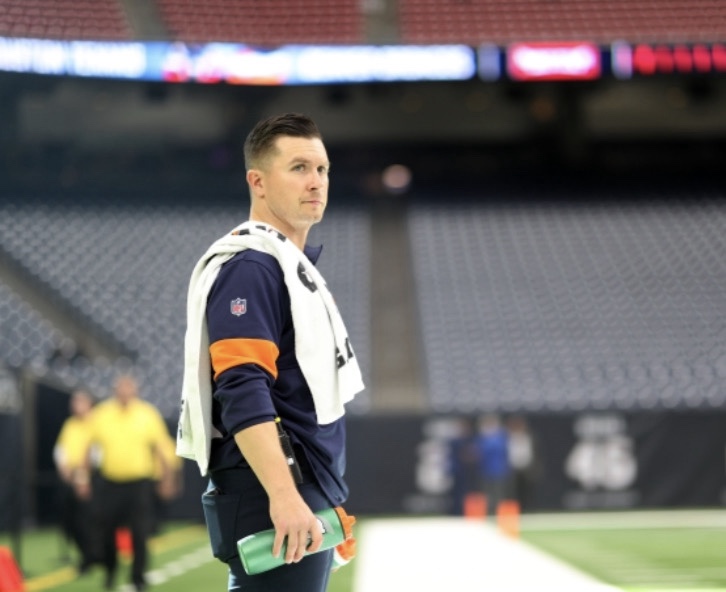
Two years later, I resigned from my position as the clinical director and took out my 401k to go back to school across the country to become an Athletic Trainer. After much research and discussion with people I respected, I thought this was in my best interest to accomplish my goal of working with elite-level athletes at the highest level. In the summer of 2017, I started at Northern Arizona University in the Master of Science in Athletic training Program. I had the pleasure of learning from some of the best in the high school and JCO settings while there! The summer between the academic years, I applied for a summer internship in the NFL with the Denver Broncos and to my surprise was selected. I enjoyed the long hours and hard work of a training camp in the NFL and was invited back following graduation for a season long job opportunity as an AT/PT intern. I cherished my time spent there and became a sponge as I worked around some of the best to ever do it. 

Following this experience, I had been reached out to about an opening in professional soccer as a Head Athletic Trainer. I decided to interview and was extended an offer and accepted in February of 2019. Began preseason with so much excitement in this new position and began implementing some new positive changes and then the world shut down, including the seemingly impermeable world of sport. During this time, I survived by working clinically with a lot of tele-health which was tough for me at the time but was obviously nothing relative to what others had to sacrifice during the pandemic. Made it out on the other side to become an expert in communicable disease and in the development and implementation of health protocols which is something I had never expected. Talk about drinking out of a fire hydrant! Got to complete a shortened season in which we were successful, and another opportunity was on the horizon. 

As the season was concluding, I had been pointed in the direction of a job opening as a PT/AT with the United States Olympic & Paralympic Committee (USOPC) at the training site in the San Diego area. I applied, went through the process, and was extended an offer which I accepted. I grew so much in that position as a clinician where I had the opportunity to work with some of the best athletes in the world in their respective sports. When the Olympics rolled around in 2021, I spent a month in Tokyo, Japan working at the High-Performance Center in support of Team USA. What an experience! This time and experience ultimately set me up for the next adventure, with USA Rugby. 

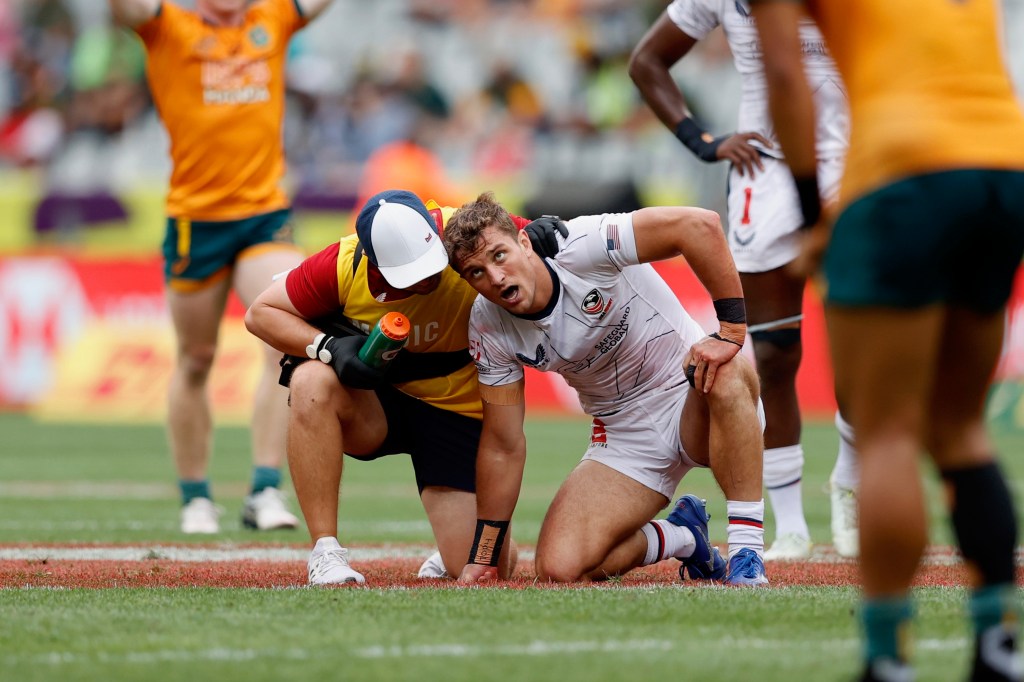
During my time spent with the USOPC, one of the National Governing Body’s (NGB) I worked in support of was USA Rugby (Sevens’ Program). Through relationships built through the Olympics, I was offered the Head Athletic Trainer & Physical Therapist position. I started in late 2021 with USA Rugby following the Olympic and immediately hit the ground running. I developed lifelong relationships personally and professionally here and grew so much as I was responsible for a team in contact sport traveling internationally weeks at a time. I got to visit all corners of the world from South Africa to Hong Kong to Dubai and the list goes on. I am so thankful for my time spent with those athletes and support staff. 

I always wanted to work in the NFL, and while the road was not direct, the journey was totally worth it. Never be satisfied and be a life-long learner. Do the little things well that require zero talent and things will take care of themselves. Treat people with respect and be empathetic. Be useful. Know that the journey of a thousand miles begins with one step. Go Dawgs!

Kinesiology Paths: Rugby to Rehabilitation and Performance Chiropractic

Aaron Gootzeit, DC, MS, CSCS 
Louisiana Tech University – Kinesiology, Exercise and Health Promotion (2012)
Louisiana Tech University – M.S., Kinesiology, Sports Performance (2014)
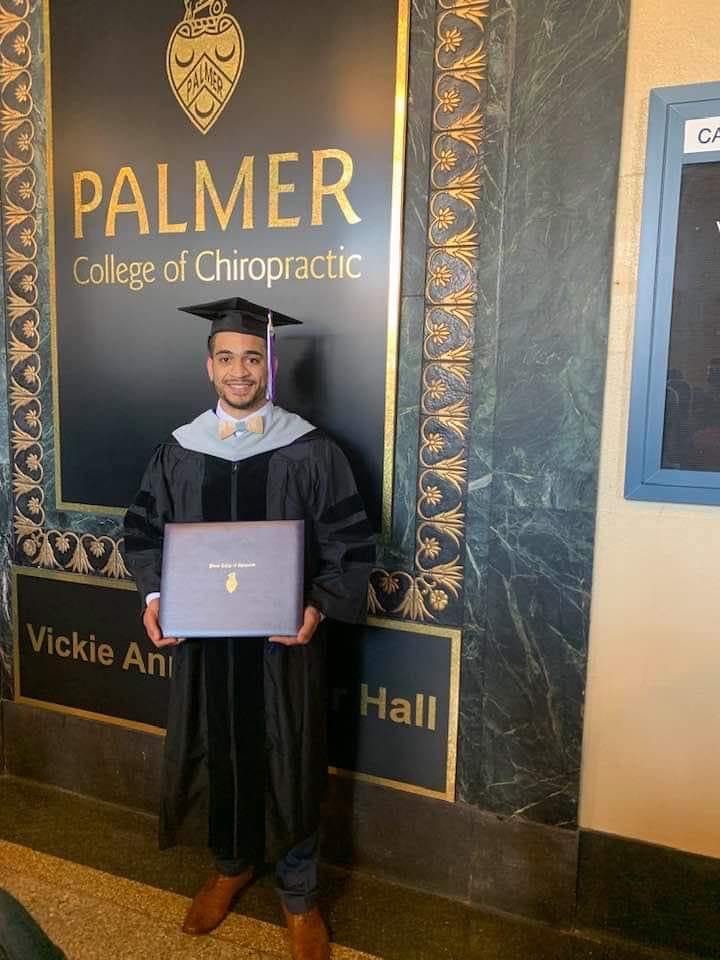
Palmer University- Doctor of Chiropractic (2021)

There have been many twists and turns throughout my education and professional career that have somehow brought me to an amazing point in my life. Currently I am a Chiropractor that specializes in rehabilitation and performance. My patients range from Little League Baseball players with overuse shoulder injuries to high performing athletes preparing for their upcoming season or to come back from an injury to 81 year olds who do not want to stop exercising and being active. I love my career choice not only for the people I get to work with but also because it is in line with a journey I set out on many years ago and allows me to use almost all of the skills I have acquired along the way. 

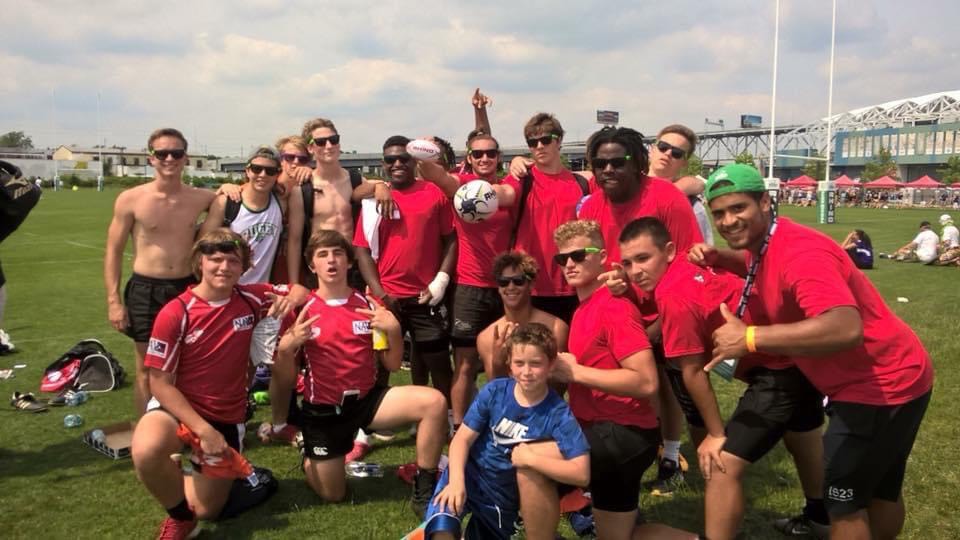
I grew up in New York City, and like most people in that area I had no idea where Louisiana Tech was or that it even existed. In 2008 I transferred to Tech and had absolutely no idea where I was going or how I was going to get there. I was already a kinesiology student at my past school and decided I should stick to the major. That’s when I took my first Dr. Szymanski class and got absolutely shaken up, motivated, and intrigued. The wake up call that was “Exercise Physiology”, propelled me down a path of growth and self development. During this time of growth and development, I picked up 2 passions: personal training/helping others achieve goals and Rugby (shout out to Tech Rugby).

Fast forward to one of my last quarters as an undergrad student, I was making my schedule and realized I only had “one more Doc class” left and it was “Strength and Conditioning ”.  It sounded interesting and I was pretty excited to learn. This class changed my life and inspired me to continue my education in the graduate program in the Kinesiology Department pursuing a Masters in Kinesiology and Sport Performance. This would be my first step to becoming a strength and conditioning coach in professional rugby. 

During grad school I continued to play rugby and was able to help rebuild the Tech Rugby program and even win a league championship! Outside of that I was the Graduate Assistant for Health and Wellness at the Lambright Center.I took on responsibilities as a personal trainer, staff supervisor, program coordinator, and group fitness instructor just to name a few of the hats I wore in that role. I was also afforded the opportunity to work with Doc as a strength and conditioning assistant with the Louisiana Tech Baseball team for a season.  This gave me my first experience in the role of a strength and conditioning coach. 

During my graduate studies I was fortunate enough to earn a summer internship at the Tiger Rugby Academy which was a USA Rugby Olympic Development Academy for the 2016 olympic cycle. That summer was amazing! I made some lifelong friends, learned a ton from a couple of amazing mentors, and got my first taste of what constantly being on the road and full time training looked like!  I was hooked!At the end of the summer following graduation I was offered the opportunity for full time employment. The money offered was not great at all, but I was in the game and that was really all I wanted, so I took it! 

While working at Tiger I was given the opportunity to travel all over the country and work with some amazing athletes, a couple who competed in the olympics and went on to unbelievable international careers or domestic professional careers. The thing about training for rugby full time is that there is never really any off season; especially for the players that are on the rise or trying to get noticed through the club system. The average competitive rugby player in the US will play from February or March (depending on region) to November, not to mention you travel all over the country for the top competitions. This grueling schedule made programming very difficult at times due partly to time but also due to the constant threat of injury and player fatigue. 

Dr. Szymanski has what he calls the “strength coach elevator speech”, it is “A strength coach’s job is to keep the athletes healthy, strong, powerful, and on the field”.Words to live by. They circulate in my head and help guide my programming to this day whether it’s for an 81 year old or for a 23 year old trying out for a professional contract. 

When I was working with these athletes we would generally only get 2 – 3 weeks max 3 – 4 times a year to actually hit the gym hard with the athletes, the rest of the time we were working to prevent injuries and recover from competition while not losing strength and power. As time went on I learned that it did not take as much to maintain the strength and power of this caliber of athlete as it did to keep them healthy and on the field. I dove down a rabbit hole of rehab, prehab, and recovery techniques to use with the athletes at the academy. 

As time went on like all things, my time in Columbus, OH came to a close. As part of Tiger Rugby Academy I signed a contract with the Clemson University Rugby Club to be their full time strength and conditioning coach as well as an assistant rugby coach. This was another great year of coaching great athletes, traveling, and great rugby! As the year came to a close my contract with Clemson was ending and the coach who brought me on was resigning. Time to figure out the next step! I had a three options: continue with Tiger Rugby and hope for the best, take a job at a chain strength and conditioning facility, or go back to school. 

The last trip I took with the Clemson Rugby Club was to the Collegiate Rugby Championship in Philadelphia, PA which is the biggest college rugby tournament in the country and is televised nationally. At the tournament Palmer College of Chiropractic was recruiting postgraduate rugby players to play for their rugby club and pursue a Doctor of Chiropractic degree. After some internal debates and phone calls I applied for Palmer, got in, and started classes all within about a 6 week period. 

When I went to Palmer I was on a mission to learn as much as I could about rehab and get back to sports. When I became eligible about halfway through my schooling I applied to be an intern in the rehab department. I loved it! I was learning all the cool things and getting the opportunity to incorporate what I learned up to that point. I ended up spending almost all of my free time during the day there. At that point I was confident that I was going to use exercise and chiropractic modalities to keep people healthy, strong, powerful, and on the field. 

When I started filling out applications I realized the world had a different plan. Of the “dream jobs” I found- some I never heard from after sending my resume, some I needed more experience as a chiropractor, and others I did not feel comfortable accepting once I had insight. This led me to taking a job at a family practice that did 5 to 10 minute appointments, with no time or space for exercise.After a while at this practice and instances of patients not getting the results I thought they deserved due to the restraints of the practices model, I left.  I started my own practice in a facility that specializes in training young athletes. 

Currently I am able to offer 1 hour appointments that include chiropractic care including adjustments and soft tissue work as well as time in the gym 1 on 1 doing exercises geared at recovering from injury, preventing injury, and improving performance. I truly enjoy waking up everyday and going to my office. I am truly excited to see where the rest of my career takes me. 

I want to finish by saying that although I happened to come across Tech by chance, I truly believe being there was one of the most important parts of my life. I started as a child without direction and finished with all the tools to chase my most wild dreams. The teachers challenged me to become the best version of myself, they held me to a high standard, they showed me unwavering support, built up my confidence, and they instilled values and lessons that I still carry with me today. There is no way I would be able to have taken the chances and leaps of faith I have taken without the lessons I was taught during my time as a student in the Louisiana Tech Kinesiology Department. 

  • Postscript: 

I love that I am back to working with athletes and active people in a gym setting.  I am planning to once again get involved with high level rugby in the future. I was told that this was not possible. I would have never tried to make it possible if it weren’t for the lessons I learned at Tech including a statement I heard on my first day of the grad program, “get comfortable with being uncomfortable”. 

Kinesiology Paths: Chiropratic

Kaila Manshack, D.C.
Louisiana Tech University- Clinical Kinesiology 2015
Parker University – Doctor of Chiropractic 2019

Introduction:
Choosing a major in college is a crucial decision that can shape our future careers. I am passionate about exercise science, body mechanics, and a holistic approach to healthcare, so pursuing a degree in Kinesiology was an excellent choice. Clinical Kinesiology was a great undergraduate degree for me because of its relevance to exercise science and the human body. By studying Kinesiology, I was able to gain a deep understanding of anatomy, physiology, and biomechanics.

When I was a student at Louisiana Tech I knew Kinesiology would be a great option for me to be able to go into the healthcare field. I’m so thankful for the professors in the Kinesiology department help me become who I am today.

After graduating from Louisiana Tech in 2015 I went on to receive my doctorate in chiropractic at Parker University in 2019 and am currently
working in Shreveport, Louisiana at ND Wellness. Chiropractic is an incredibly beneficial health profession that many people do not understand. We believe that everyone has the right to good health. Through chiropractic, we can help patients get back to health by approaching spinal health from a holistic perspective. At its core, chiropractic seeks to free up the nervous system by ensuring that each vertebra in the spine is upright and properly aligned with the next. This helps avoid any possible encroachment on nerves whereby information flow between your brain and body
might be skewed or restricted. An optimal functioning spinal cord is essential for health. Some benefits of chiropractic is improving your
overall health, pain relief, improved posture, coordination, flexibility, circulation, and immune system.
I am also able to provide nutritional counseling to patients to assess nutritional needs and create personalized nutritional plans.

Choosing Clinical Kinesiology was a great foundation in learning exercise science as well as body mechanics and makes an excellent for pursuing a career in chiropractic. By studying Kinesiology I was well prepared when starting chiropractic school. I’m so thankful for the time I spent at Louisiana Tech.

Kinesiology Paths: Certified Prosthetist/Orthotist
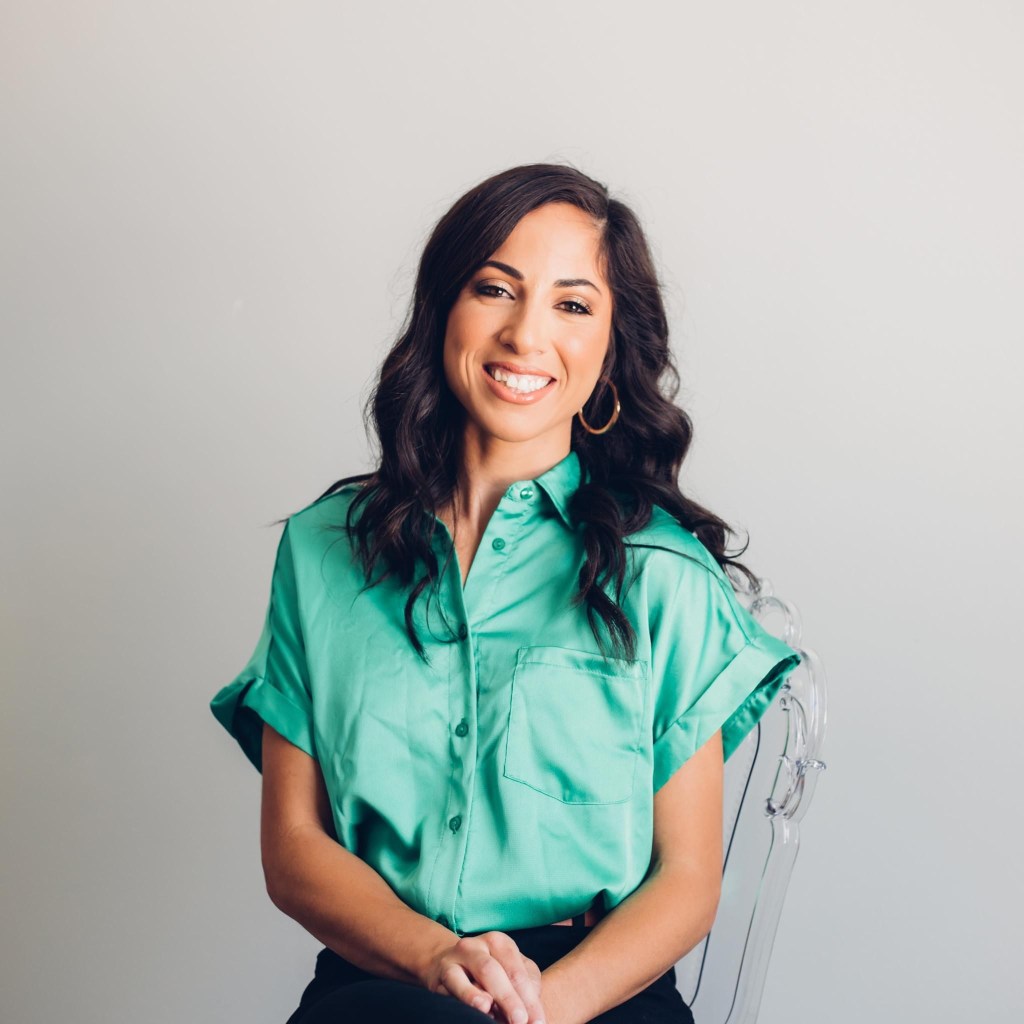
Annie Crain Johnson, CPO, MPO
Louisiana Tech University – B.S. Kinesiology and Health Sciences – Class of 2020

Education/Background: 

The Kinesiology Department taught me to be diligent, resourceful, detail-oriented and empathetic towards others; qualities I attribute to my present-day success.  I chose LA Tech and its Kinesiology program to prepare me for my future career in prosthetics and orthotics. I carefully selected my curriculum to ensure qualification when applying for graduate school. 

I am very grateful for all opportunities presented by the Kinesiology Department, especially the fourth-quarter internship. This internship allows students real workforce experience in perspective careers. My internship at Adaptive Prosthetics and Orthotics clinic in Houma, LA, allowed me to actively pursue a profession I found intriguing and gain firsthand experience in the day-to-day operations of the P&O field. This experience deepened my understanding of the responsibilities of a Prosthetist/Orthotist and solidified my passion for the field.  

In December 2022, I received my Masters of Prosthetics and Orthotics from the University of Texas Southwestern Medical Center. This 18-month program centered on a specialized curriculum, encompassing hands-on experience in device fabrication, patient models, clinical rotations, and a clinical internship. Despite the program being out of state, I qualified for in-state tuition through the Academic Common Market (ACM) created by The Southern Regional Education Board. Participating states and universities within the ACM allow students to pursue out-of-state education if their desired degree is not offered locally. After obtaining my master’s degree, I had to complete an additional two-year prosthetic/orthotic residency and pass five exams to achieve board certification. 
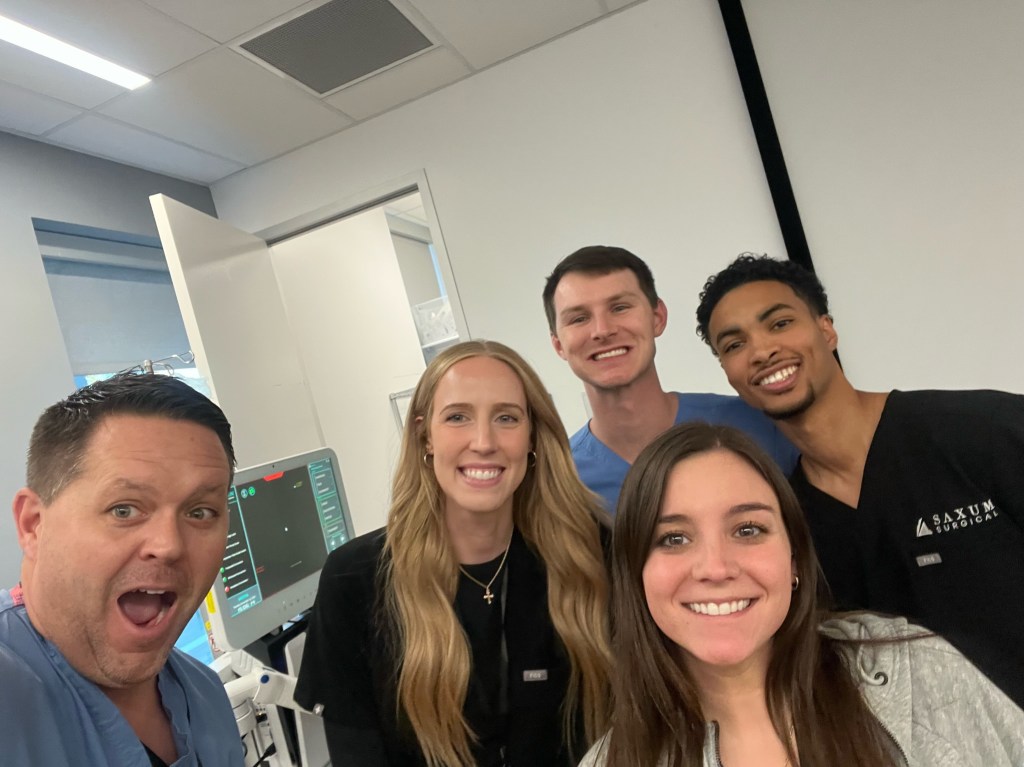
In January 2024, I concluded my residency at Atlantic Prosthetics and Orthotics in Chapel Hill, NC. This experience equipped me with the skills for clinical decision making, product fabrication, and effective patient communication. I also had the privilege of learning from a multi-disciplinary team of seasoned clinicians. 

Currently: 

I work full-time at Atlantic P&O and have two more board exams to complete before achieving full certification. I absolutely love my job and couldn’t envision another career path for myself. My daily schedule is ever-changing, which adds excitement to my work. Additionally, new technology is continually being introduced into everyday prosthetic and orthotic practices. 

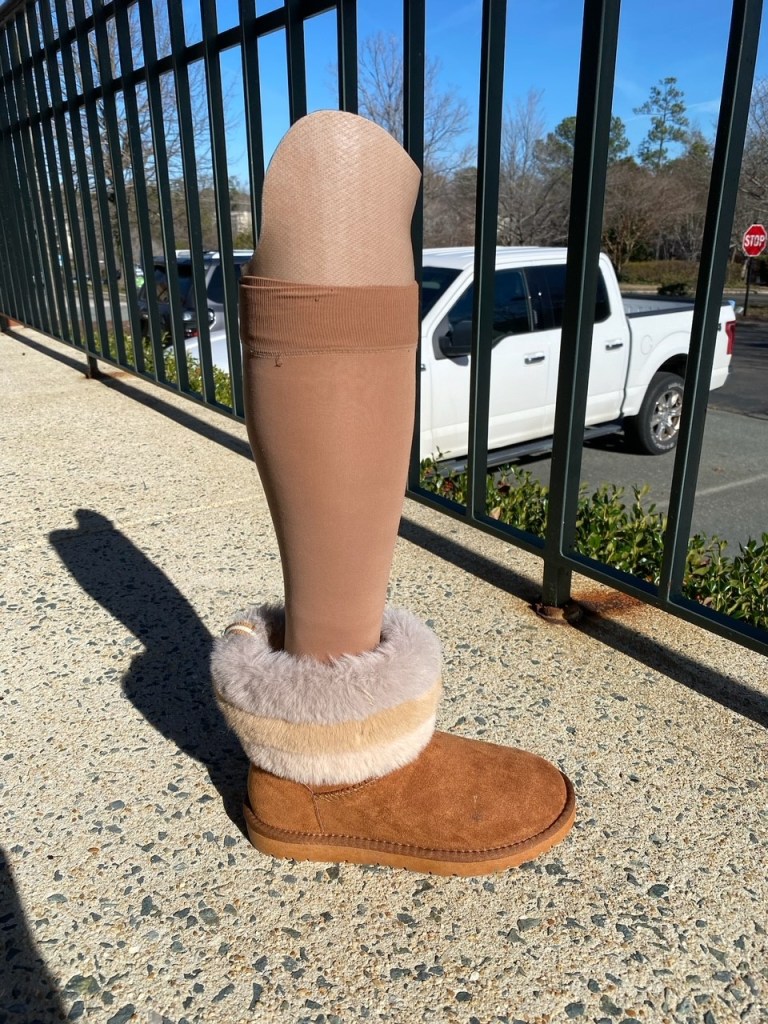
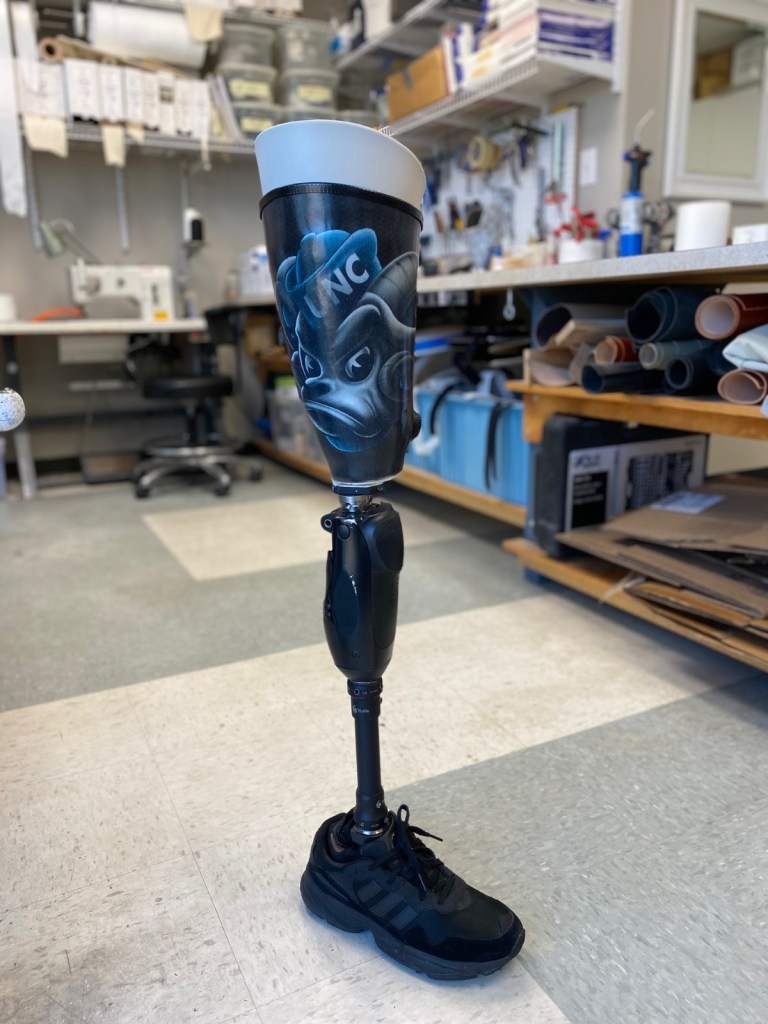
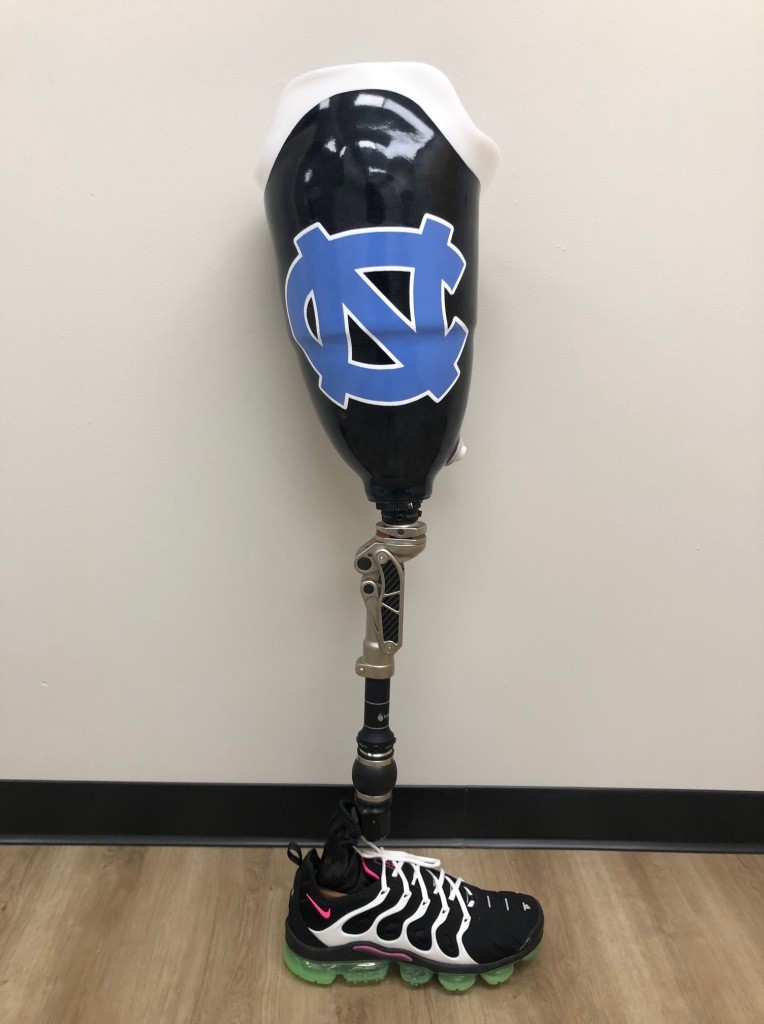
One notable advancement in prosthetic socket fabrication is the Direct Socket method. Direct Socket serves as a socket solution for amputees of all activity levels. By utilizing fiberglass or basalt weave and injectable acrylic resin, the prosthetic socket can be directly fabricated on the patient’s residual limb. A key tool for achieving a well-fitting Direct Socket is the bladder and pump: a single-chamber pressure-casting system designed to optimally distribute pressure and shape soft tissue during casting. This method enables a patient to receive their prosthetic socket that accurately reflects their current limb shape and volume in just one appointment. 

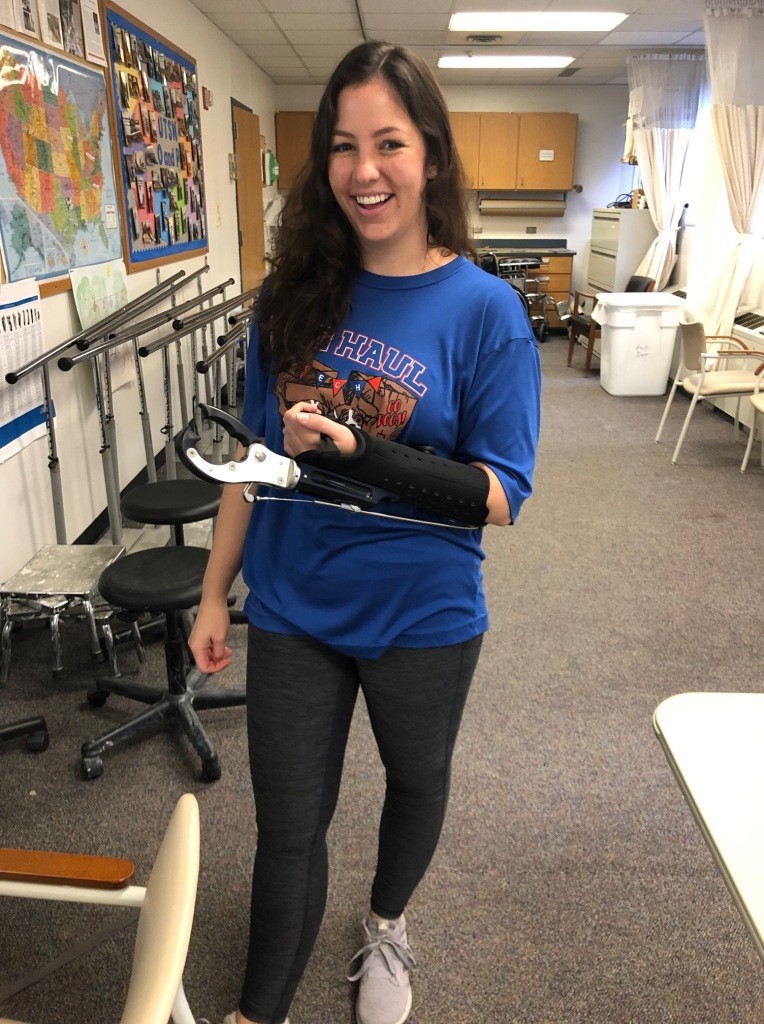
We cater to a diverse patient population, attending to individuals from various backgrounds and walks of life. My experience encompasses the application of helmet therapy for infants with deformational plagiocephaly to providing support for senior amputees who engage in activities such as knitting in our waiting room. I have discovered a particular affinity for working with children. Their boundless energy and optimistic outlook on the future make each interaction fulfilling. Witnessing the resilience of children, I have implemented numerous adaptations in their prostheses to facilitate a wide range of activities.  

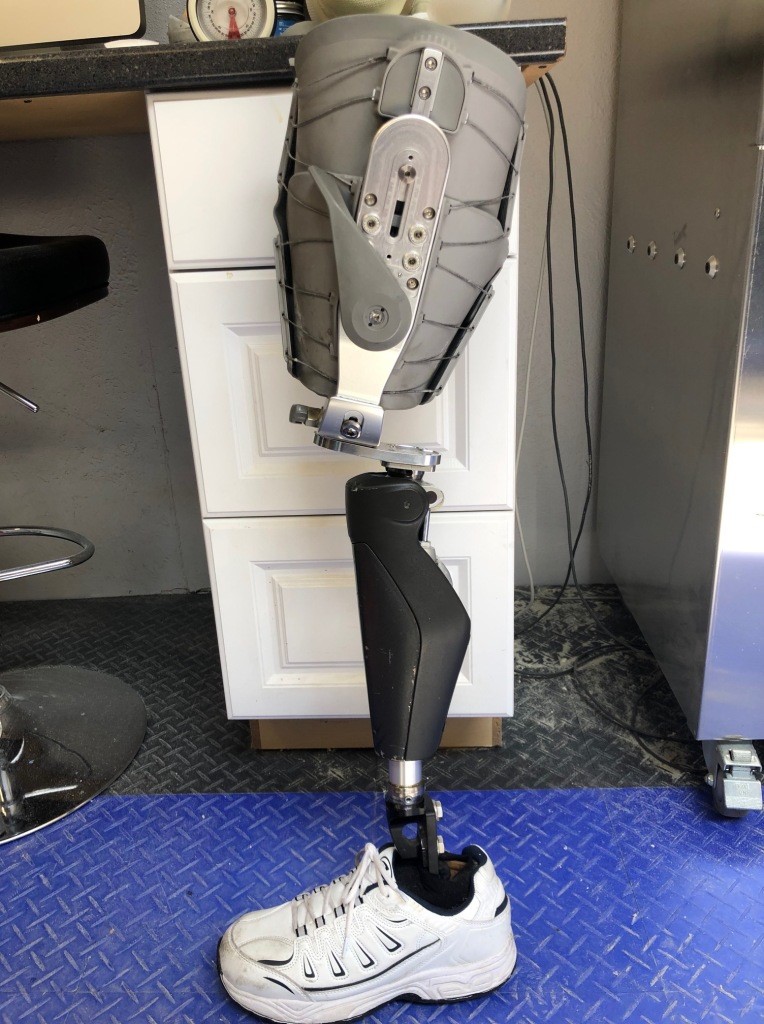
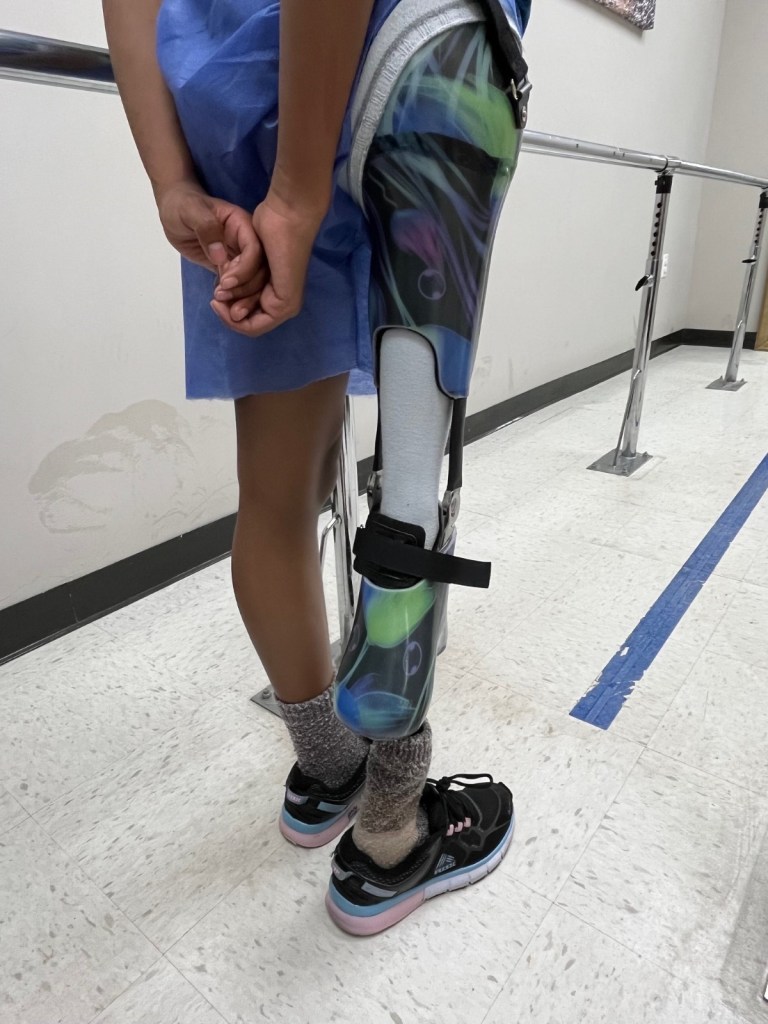
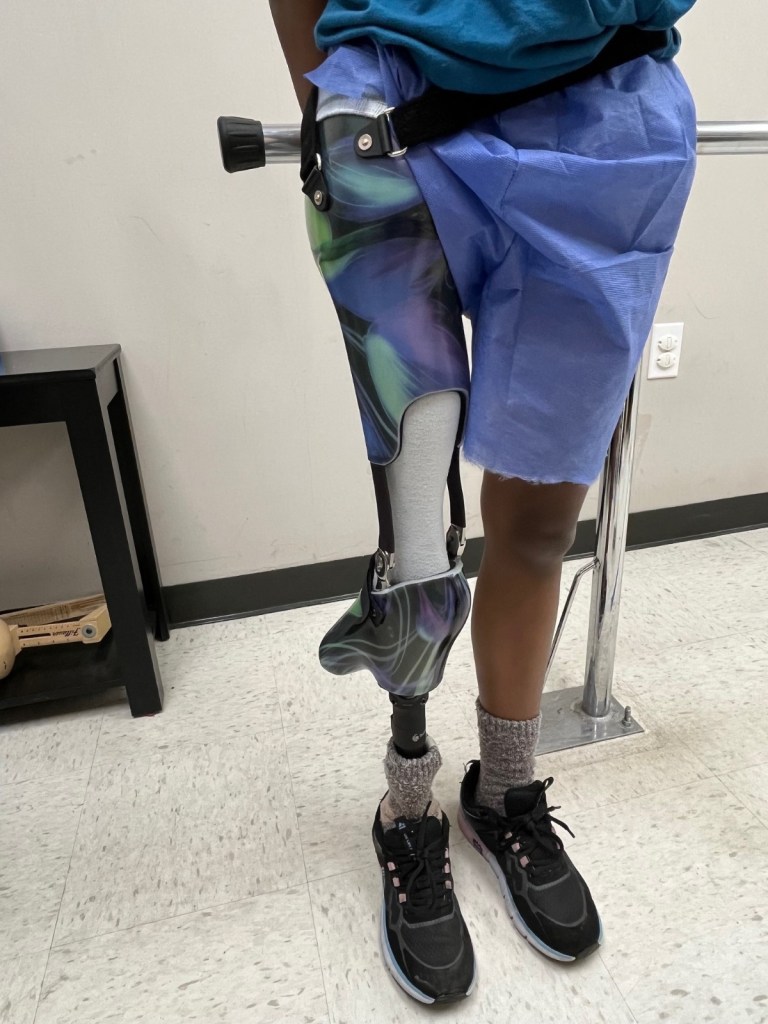
I recently collaborated with a young girl who underwent rotationplasty surgery due to Proximal Femoral Focal Deficiency (PFFD). In response to the intricacies of her surgery, a prosthesis featuring a thigh cuff, lateral knee hinges, and a foot-shaped socket was meticulously developed. Our ongoing commitment involves continuous adaptation of fabrication and design to accommodate advancements in surgery/amputation techniques and cater to the evolving activities and needs of our patients. 

A profession in prosthetics and orthotics not only fulfills my innate need to create but also aligns with my aspiration to enhance the lives of others. While I enjoy my time in the workshop, witnessing a patient rise and take their first steps after accompanying them through their entire clinical journey is a deeply gratifying and emotionally resonant experience — undeniably the most rewarding aspect of my job. 

Thank you: 

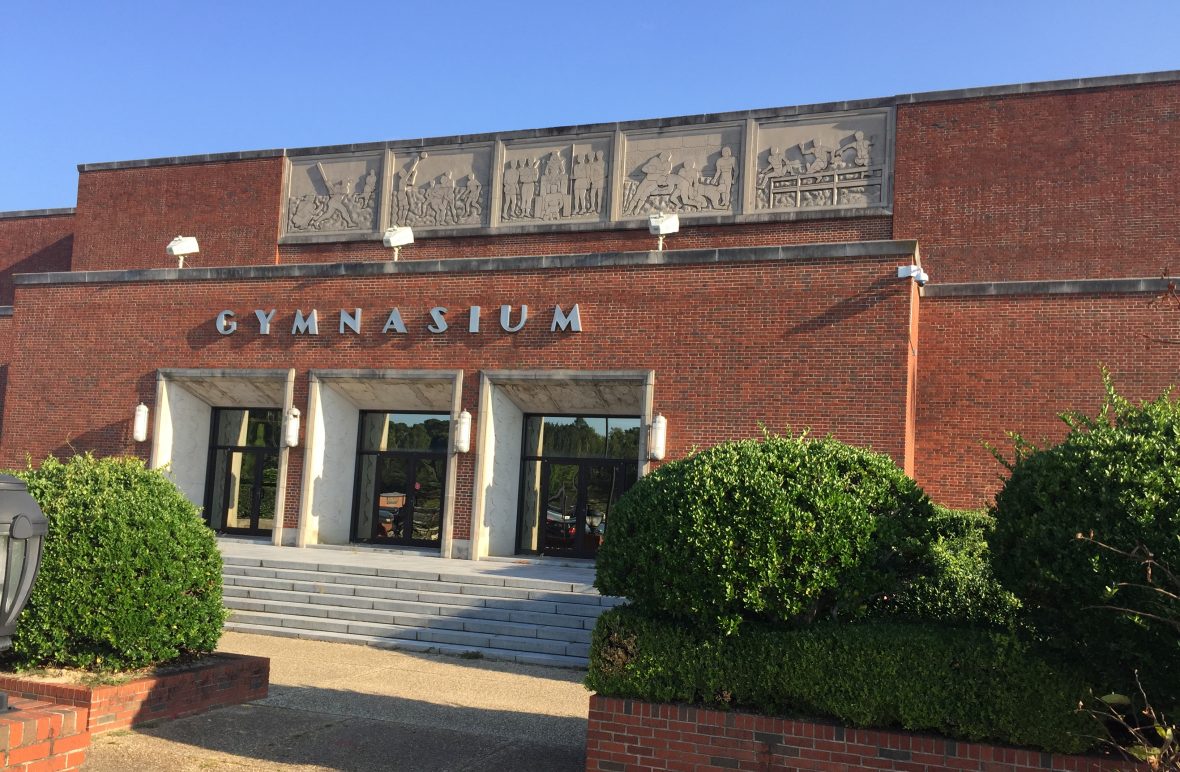
To this day, I often think of the invaluable experiences I had in Memorial Gym with my Kinesiology professors. They not only imparted professional skills but also instilled essential life skills, fostering qualities such as passion, goal-driven determination, and kindness towards others. The Department’s conducive environment has the potential to guide any individual toward success. I will always consider myself fortunate to be a member of the Louisiana Tech Kinesiology Family. 

I extend my gratitude to my Kinesiology professors, the distinguished faculty at UTSW in prosthetics and orthotics, and the dedicated team at Atlantic Prosthetics and Orthotics. It is through your unwavering support and guidance that I find myself living the dream! 

Kinesiology Paths: Global Trainer with PROCEPT BioRobotics

Dylan Snowden, B.S. Kinesiology and Health Sciences
Louisiana Tech University Class of 2020

“Start With Why”, by Simon Sinek, is a book that I read my junior year at Louisiana Tech, and it changed the trajectory of my life. In this book, Sinek dives deep into asking the question, “What’s your why?” At the time of reading this, I was your classic college student trying to figure out what in the world I was going to do with my life. Asking questions like, “Do I really want to go to physical therapy school?” or “Am I only pursuing this degree and path in life because it’s what I’ve always known?” Questions like this is what kept me up at night because I knew at some point I “had to have it all figured out.” I knew that I wanted to be in the medical field but didn’t know exactly what I should do. This question, “What’s your why?”, Simon Sinek poses to his readers is something I really put a lot of thought into. What is it that drives me, and what do I find the most satisfaction in doing? After some time of self-evaluation, it was very clear that I needed to pursue a career field in which I could: serve the people around me (whether that be patients or colleagues), provide for my future family one day, and make a positive difference in patient lives.

When I finally set the foundation and answered Sinek’s question for myself, I began to explore every avenue in the medical field. Following many conversations with physicians, occupational and physical therapists, nurses, athletic trainers, etc., my dad, who is a CRNA in West Monroe, Louisiana, mentioned medical device sales. That wasn’t the first time that heard that term. In fact, I knew a few people in the industry, but didn’t know exactly what their job entailed. My father put me in touch with a few people in the industry, and they shed some light on exactly what their job was. Now, at first, I thought these individuals just went the doctors offices, took the staffs out to nice dinners, and then they get paid because the doctors started to use their product. But what I came to find out, is that is just a glimpse of the job truly is.

Before we get into the actual role of some one in medical device representative, we need to understand what a “medical device” is. A class III medical device is defined as “a product used to support or sustain human life.” All over the world there are thousands of different companies that sell medical devices. Those companies then hire representatives to go into surgery and be an asset to the physician using their product. Representatives can be a HUGE help to physicians and provide valuable knowledge about their specific product. With technology always advancing in this industry, this means instruments, surgical techniques, and overall procedures are changing. This is where medical device representatives really come into play. For instance, if an Orthopedic Surgeon finished his fellowship 30 years ago, do you think he/she initially learned how to a robotic total knee replacement? The answer is no. Robotic technology is new, therefore the physician must be educated on how to use the technology.

Now let’s talk about my path into medical device sales and how I got where I am today. Upon graduating from Louisiana Tech in 2020, I attended a program called “Medical Sales College” in Phoenix, AZ. It was a 3-month program where I learned the “ins and outs” of the industry. This program was geared all towards Orthopedics and Orthobiologics.

Once finishing the program, I landed a job as a Sales Representative at Arthrex in Little Rock, AR. In my role at Arthrex, I supported Orthopedic surgeons in the operating room in all different types of surgeries: ankle fractures, rotator cuff repairs, wrist fractures, ACL reconstruction, and many more. In this role, I truly fell in love with the medical device industry, and the value a medical device rep can bring to the operating room.

After some time spent at Arthrex, I was offered a job by the company I work for now, PROCEPT BioRobotics. PROCEPT is the fastest growing robotic surgery company in history, which specializes in treating Benign Prostatic Hyperplasia(BPH) in men. Now, you might be reading this thinking, okay, that’s a tad weird… why would someone want to work in the men’s urology space??? Well, the answer is simple, and it all goes back to my “why.” BPH is the #1 reason men visit the urologist. In fact, 1 in 2 men ages 51-60 have BPH and their prevalence increases over time. At its core, BPH is a disease that truly effects men’s quality of life. PROCEPT had a study come out which went “head-to-head” against the Gold Standard TURP (Transurethral Resection of the Prostate) and had superior results. The superior outcome is what drew me in. It aligned directly with my why of making a positive impact on patients’ lives.

I joined the company as a clinical representative. In this role, my job was to educate surgeons on how to operate the robot in the OR, teach them how to read ultrasound, and instill confidence in them through supporting them in cases. Because I joined the company very early in its growth, as soon as I got trained up, I was put in a position where I had to train our new clinical reps. In this season, I found a huge passion for training. There’s just something about taking something super complex, like robotic surgery, and breaking it down so simple for others to understand and learn.

After about a year and a half with PROCEPT as a clinical rep, I had the opportunity to join the Global Learning and Development team as a Global Trainer. The Global Learning and Development team is responsible for the training of all new sales reps, continuing education of field support, building education content with cross functional counterparts, development of surgeon training curriculums, etc. As a Global Trainer, my role is heavily focused on ensuring our new clinical and sales reps get brought up to speed and become clinically sound. Once a quarter, I fly out to Santa Clara, California for our new hire training. During these two weeks, half of our time is spent in a “lecture” type setting where myself and the other trainers will teach the procedure technique. The other half of the time is spent in the lab where we are instructing “hands on lab sessions” with the robots. When our reps leave this training, the goal is for them to become independent and support physicians in surgery on their own.

Within the medical device industry, there are so many different avenues you can take. Whether it’s sales, clinical, marketing, or education like myself, there could be a future career path for you. My advice is that before you chose your field of work, medical device or not, ensure that you understand your own personal “why,” and ask yourself can I fulfill it in this field. For me, I was seeking after a role I could serve the people around me, provide for my future family, and make a difference in patient’s lives. Thankfully, I can truly say that have found a career that fulfills my why.

Kinesiology Paths: Medical Device Sales- Stryker Trauma and Extremities Division

Tyler Griggers, Louisiana Tech Kinesiology – B.S. Kinesiology & Health SciencesClass of 2019

I’m a former Track and Field athlete who competed in the men’s javelin throw. I originally started out in Engineering for a year before switching majors. During my first year with the engineering department, I didn’t feel like I fit in with the crowd, never got to know any of the professors, and honestly just didn’t enjoy that field of study. I made the switch my sophomore year into a field that I naturally was curious about. Kinesiology, to sum it up, is the study of how the body moves. Being an athlete, I wanted to be the best I could be. As I got further into my studies and my relationships with the faculty grew, I was able to perform independent tests on applied forces that would correlate directly into my javelin throw. I also learned about nutrition, and nutrient timing which fueled my body to preform instead of cramp as I recall one quarter having terrible body cramps. After taking everything I was learning and applying it to my training, I eventually qualified for the Division 1 NCAA’s regionals and competed against the best in the country. Now that you know about my past, let’s talk about the present.
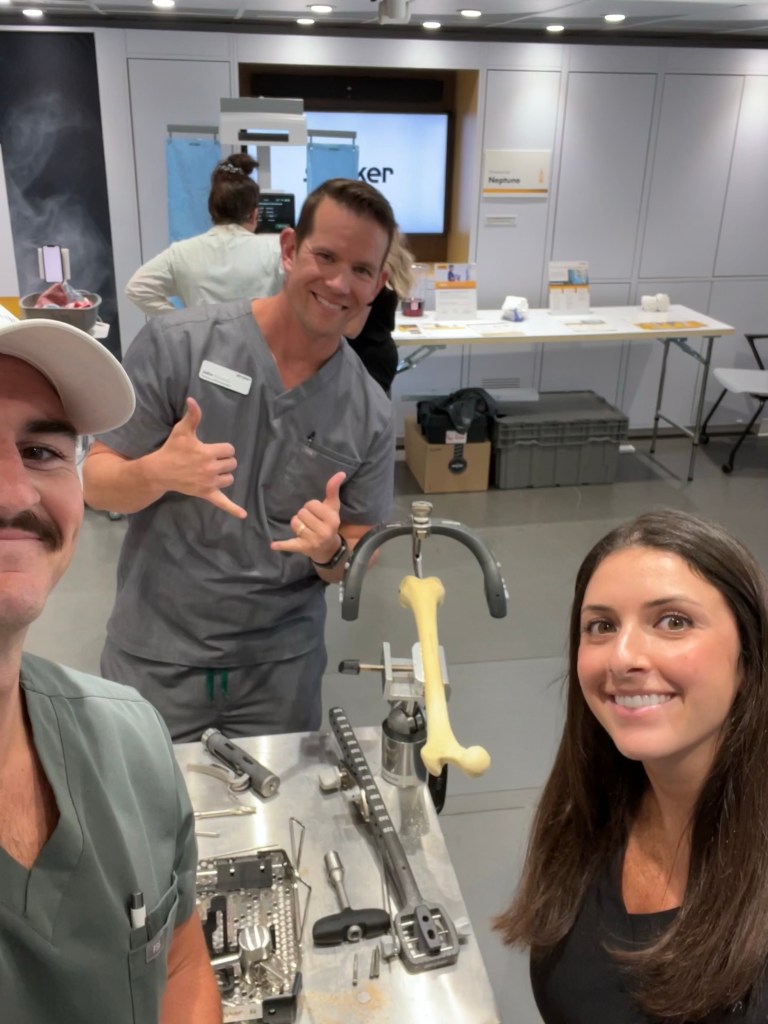
At the time I’m writing this, it’s the end of year 2023 and I reside in Jacksonville, Florida with my beautiful fiancé and two dogs. I work full time for a medical device company called Stryker and have been with them for four years now. More specifically, I am a part of the Trauma and Extremities division. Basically, my job is to provide orthopedic surgeons with the hardware they need to correct broken bones. My job includes standing in on surgeries daily and assisting on fracture reduction, while being an expert on the product that is being used to provide any useful tips or answer questions. I’m able to use my degree daily due to my knowledge of anatomy and how these different forces (muscles) will pull on the bone at their attachment points thus misaligning the fracture. I’ve done it all, from the broken finger, to the 2 am poly trauma who got in a car wreck and broke everything they could. There is a wide variety of the day-to-day surgeries, so no day is ever the same redundant process.

Stryker is also such a large company that they have 18 divisions, across over 75 countries, employing over 51 thousand employees. Something we started doing in the recent years are summer internships. If you are a junior going into your final year, you are eligible to apply for this 3 month long paid internship with us, and you might end up in a cool place like Florida with me.

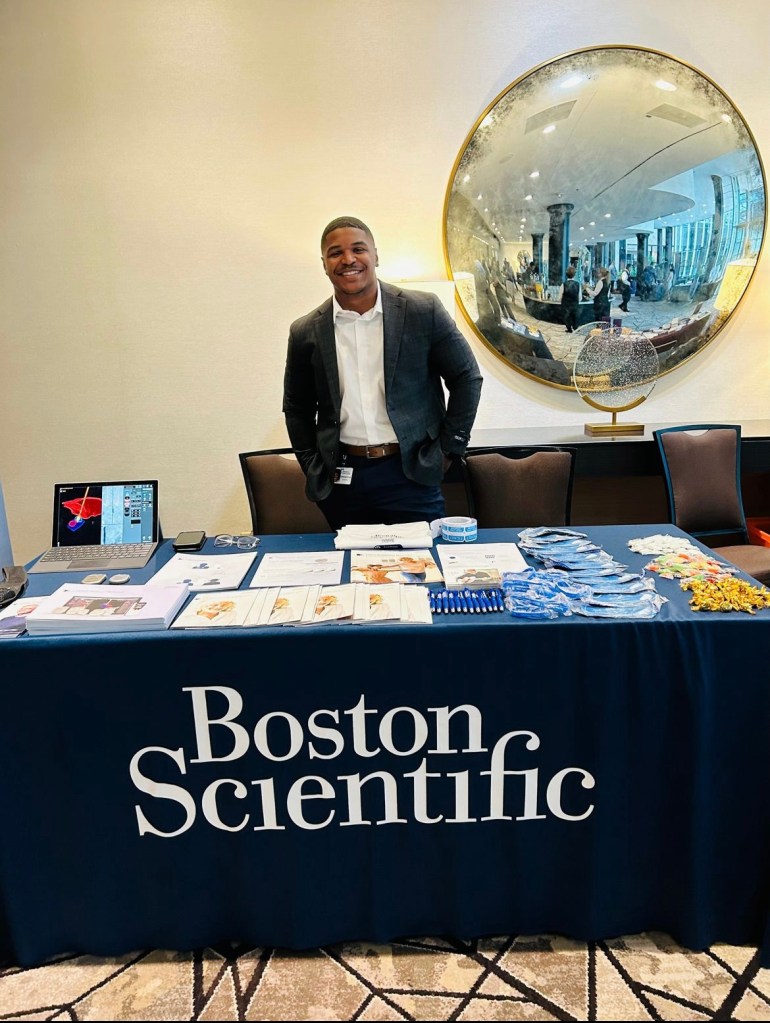
Kinesiology Paths: Business Development/Therapy Awareness Manager- Boston Scientific Deep Brain Stimulation

Dee Fleming, B.S. Louisiana Tech University Kinesiology and Health Sciences

Throughout my time at Louisiana Tech and the Kinesiology Department, I was always supported by my instructors and felt at home. The courses provided in Kinesiology prepared me for so much more than I could ever imagine. During my time in college, I had the opportunity to volunteer and participate in the Rock Steady Boxing classes provided for patients with Parkinson’s Disease. Fast forward to today, and partnering with Rock Steady Boxing and Parkinson’ssupport groups is one of my favorite roles of my current career.

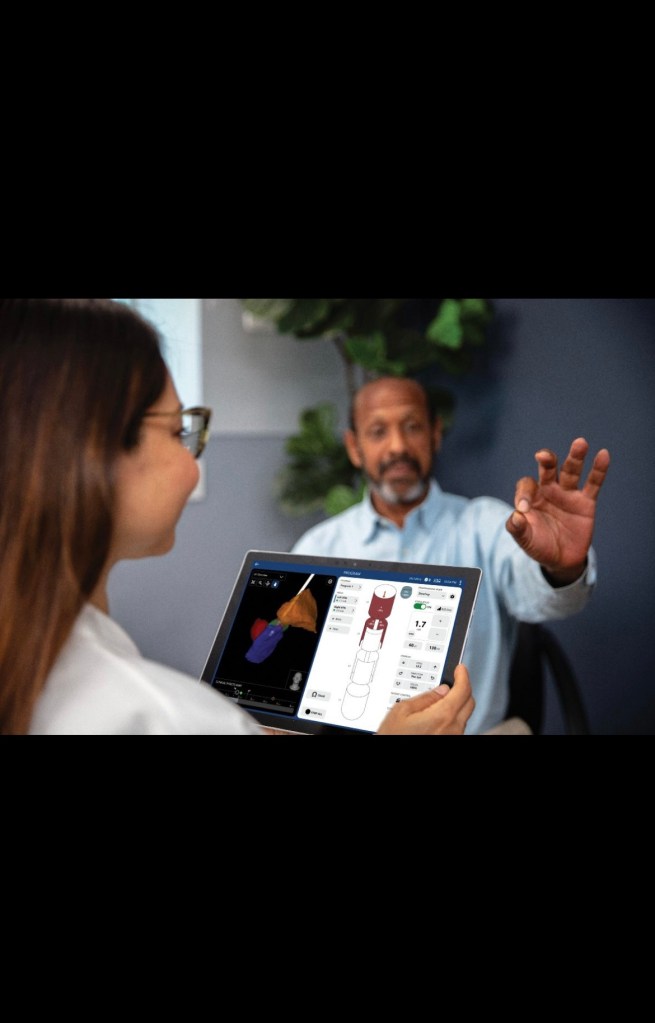
I am currently a Business Development/Therapy Awareness Manager for Boston Scientific Deep Brain Stimulation. Deep Brain Stimulation (DBS) is an amazing therapy provided to improve the motor symptoms caused by Parkinson’s Disease and Essential Tremor. This is achieved by performing a minimally invasive surgical procedure in the brain, where the patient is awake, so we can monitor symptoms and brain activity during the operation. During this procedure, the patient will be implanted with leads and a battery to power the electrical stimulation that will be providing the therapy. The ultimate goal is to help those diagnosed with Parkinson’s Disease and Essential Tremor, receive their quality of life back.

There are a few components involved in the process of DBS. The first step of DBS is the Stage 1 procedure, which involves the neurosurgeon placing leads into the specific structures in the brain that can provide the best therapy and decrease of symptoms for the patient. With these structures being so small and there being several other structures in the brain we want to avoid, the procedure is done in millimeter increments. As mentioned before, this step involves testing during the procedure, by one of us connecting our clinical programmer (Microsoft tablet), to the microelectrodes or leads and increasing amplitude of electrical stimulation. During this process, the patient is awake while we monitor tremor, rigidity (stiffness), and bradykinesia (slow movements). Every testing method may be different as we ask them to perform several movements or actions, such as drawing spirals on a piece of paper before and after we turn on stimulation. There are several videos available on the internet that show musicians being given an instrument to play during the procedure, such as a violin, which was very difficult to do after being diagnosed with Parkinson’s or Essential Tremor. While decreasing motor symptoms are our goal, we also focus on not applying stimulation to structures that may cause unwanted side effects; this is where our Image Guided Programming software is very helpful and accurate. Once the leads are where they need to be and therapy has great results, the incisions are closed, and the patient is given time to recover in the facility before returning home. This gives the patient and brain an opportunity to rest and heal before the next procedure.

In the next step, this is a procedure that consists of surgically placing the battery into a small pocket inside of the chest and connecting it to the leads and its extensions. While there are several differences, the placement is similar to a pacemaker. One difference I always like to point out, are our batteries are MRI conditional, which means the patient still has the ability to get MRI scans and imaging. Once everything is connected, we test the battery and leads to make sure that there are no connectivity issues or impendences before we conclude the procedure. The patient is normally sent home the same day to rest and heal. The next time we see them, will be at their neurologist’s clinic for the initial programming, where we turn the system and stimulation on.

My very first initial programming humbled me. There are a lot of things that we take for granted, whether it’s being able to pick up a fork and eat, pour and drink our coffee, scroll through our phones, play with loved ones, and etc. Working in this field has made me so much more appreciative, but also so happy for those who decided to follow through with DBS. The initial programming can be very emotional sometimes as patients are able to do things, they weren’t able to do for some time. During my first initial programming I saw, the patient was given a cup and asked to imagine water was in it, and to raise to her mouth for a drink. It was honestly heartbreaking to see that she couldn’t raise the cup to her mouth or drink without a significant amount of tremor. She also stated that often, most of the drink ends up on her clothes. We turned on stimulation, monitoring her as we increased amplitude. We gave her the cup again and asked her to imagine she was taking a drink. At this exact moment, I remember getting chill bumps and seeing her husband beside her in disbelief, as she was able to drink with no tremor or issues at all. Seeing the tears flow, seeing the rejoice, makes me love my job and what I do. Coming from an emergency medicine and law enforcement background prior to medical device, purpose was always something I wanted to seek in my next career. I’ve found just that. I get to work with a phenomenal company and team. I get to partner with motivated neurologists and neurosurgeons who are looking to improve the care available for patients. I get to serve some amazing people.

So thank you Louisiana Tech Kinesiology for preparing me for these moments and giving me the knowledge and experience needed. Thank you for always motivating and believing in me.

Kinesiology Paths: Military Cognitive Training

Daniel Johnson

Who am I?

I am Daniel Johnson, a second-year graduate student in the Sports and Exercise Psychology master’s concentration. I am from El Dorado, Arkansas and came to Louisiana Tech in 2018 where I started my bachelor’s degree in psychology. I completed my undergraduate degree in Spring 2022, where I immediately started my master’s degree in Sports and Exercise Psychology. I plan to graduate this winter quarter, then pursue a career in cognitive training in a military setting.

CRAFT (Comprehensive Readiness for Aircrew Flying Training)

My internship at Barksdale Air Force Base in Bossier City, LA is under a program called CRAFT, a human performance initiative that is put in place by Air Force Global Strike Command that emphasizes an investment in the Air Force’s most important asset – the airmen. CRAFT is a holistic human performance curriculum designed to target physical and mental training objectives to improve student learning, performance, problem solving, and stress management. CRAFT is a nationwide program at an undergraduate level, where the students spend a couple of days a month doing a variety of introductory training that the air force hopes the students find valuable enough to implement into their career with minimal instruction. At Barksdale CRAFT; however, the students aren’t in undergraduate training, they are in the Initial Qualification Training (IQT) stage of their careers, where they already know what airplane they will spend their careers on.

Barksdale Air Force Base is the only base in the nation that is doing this training at a graduate-level, and for this reason it is considered a pilot program. The program luckily has a real-world control group, meaning that they had an IQT class come through that was trained the “old way”, but was still assessed to quantify their improvement within the former parameters of training. A big part of what they are currently doing at CRAFT Barksdale is attempting to prove that there is a statistically significant difference between relative improvement in the experimental groups as opposed to the control group that was surveyed. If the program is determined to be significantly more effective than what was previously in place, then CRAFT will expand to operational squadrons, different aircraft, and far down the line, commercial pilot training. In short, I have been afforded the opportunity to be on the ground floor of what I think is going to have massive ramifications for a population I never intended to work with.

CRAFT performs extensive pre, midline, and post assessments to not only help track the improvement of the students on different skills, but also to have a profile on the students clear enough to see where the relative deficiencies are. I have now helped with 4 different groups of assessments, where I help administer everything from iPad attention span assessments, to simple eye exams. The results of these assessments are electronically cataloged and immediately analyzed by CRAFT Barksdale’s lead scientist, Dr. Johannes Rabbe. He performs an assortment of statistical tests to determine how much a student is improving between assessments. This is very valuable, especially during midline assessment, because we can determine which approach during the first half of IQT was effective or not for that particular student.

CRAFT is divided into two sections: the academic phase and the flightline phase. During the academic phase, Dr. Tucker Readdy, a cognitive performance specialist within CRAFT, teaches classes once a week on a variety of skills and ideas ranging from a class on personality types, to a class labeled “the psychology of killing”. This is far from the only class that the IQT students participate in, as they are required to learn not only the ins and outs of their own jet, but also the why’s and how’s associated with protocol on the jet and what makes it fly. During this time, the students don’t have any individual cognitive performance trainings, but do participate in blended physical and cognitive trainings (coined STRIKER trainings) twice a week, where they expend a lot of energy doing some sort of physical activity, and then are instructed on some sort of cognitive training while under “stress conditions”.

During the Flightline Phase, the students spend a lot of time with the CRAFT team. At this stage’s, all students have passed their academics and are now getting hands-on experience with the jet. Whereas before, we saw the students twice a week, the students now participate in 2 individual CPS trainings in addition to the 2 striker trainings they were already performing in the academic phase. While I assist in the striker training, they aren’t catered to the individual. They are all about overarching skills that CRAFT attempts to improve and every student does the same amount of training for each skill, provided they do not miss some for unforeseen circumstances. The CPS sessions; however, are catered to what the individual may or may not need depending on what his or her assessment scores show.

What Do I Do For CRAFT?

I have a lot of traditional “intern” tasks, such as manually inputting data, cleaning equipment, and setting up the training space for a variety of trainings. However, that is far from all that I do. I work closely with Ms. Bailey Thompson, a cognitive performance specialist, administering the cognitive components of the striker training. We administer different exercises emphasizing the 4 main focuses of CRAFT training: eye/hand coordination, logical reasoning/decision making, working memory, and perception training. Sometimes, that training looks very simple, like throwing different colored bean bags at a student where each color bag has a different mandated response (red=catch with right hand, blue=catch with left hand). Other times, the students are hooked up to low grade EEGs on their head and are told to try and keep their brain waves at a “relaxed” level all while doing a target acquisition task.

In the CPS sessions, my involvement varies. Occasionally, I am asked to help perform a training session that may need more than one set of hands to administer properly, or if Dr. Readdy thinks that a student values 1-on-1 instruction within their learning environment. Depending on the task, it may be much more conducive for the students to only hear from one instructor, and in that case, I still get beneficial experience by discussing the hows and whys of a specific training with Dr. Readdy before and after the session, learning what training correlates with what skill deficit. Regardless of the way the training is administered, I get valuable experience in terms of watching the theories discussed in my classes at Louisiana Tech applied in the field. I get to talk about the theory that a training is based on before we administer it, and I am always allowed to give feedback and be as involved as I feel comfortable in regards to providing feedback and making suggestions on improvement.

My Professional Interests

Originally, when joining the Sports and Exercise Psychology master’s program, I only wanted a career exclusively in professional or collegiate sports. Part of that is because I am passionate about sport, but also because I was ignorant of how broad sports and exercise psychology reached in terms of career paths. When attempting to find an internship, I did not get far into my search when the opportunity arose for a Louisiana Tech graduate student to go to Barksdale Air Force Base for an internship with their cognitive performance staff. While I had no prior interest in a military population, I was approached by Dr. Parks, Dr. Blazo, and Dr. Reichter to carry out the internship because I was one the only graduate student in the master’s program looking for an internship at the time. I am a person that holds Christian beliefs and I think there were too many signs pointing toward this internship to ignore. For one thing, I had a hard time finding any worthwhile internships within sport, and there were no opportunities that would allow me to commute, therefore, I would have to move to a different state for a quarter to complete an internship. Even more of a cool coincidence is that the CRAFT program was centered around student airmen training to operate the B52 bomber, and while that is not only the oldest plane still used by the military, but also the same one my grandfather helped operate while serving in the Vietnam War. I never had plans to serve in the military, but this internship allowed me to get valuable experience while helping train the next generation of airmen on a plane with a storied history. Throughout my internship, I discovered a new passion for training a population with way more importance than I ever thought my career could carry, and I am only an intern! I cannot wait to pursue an influential career in military training.

Training space
A briefing given to the 2023 number 1 MLB overall draft pick, Paul Skenes
A briefing given to the 2023 #1 MLB overall draft pick, Paul Skenes