Getting to Know Your Dean – College of Education and Human Sciences

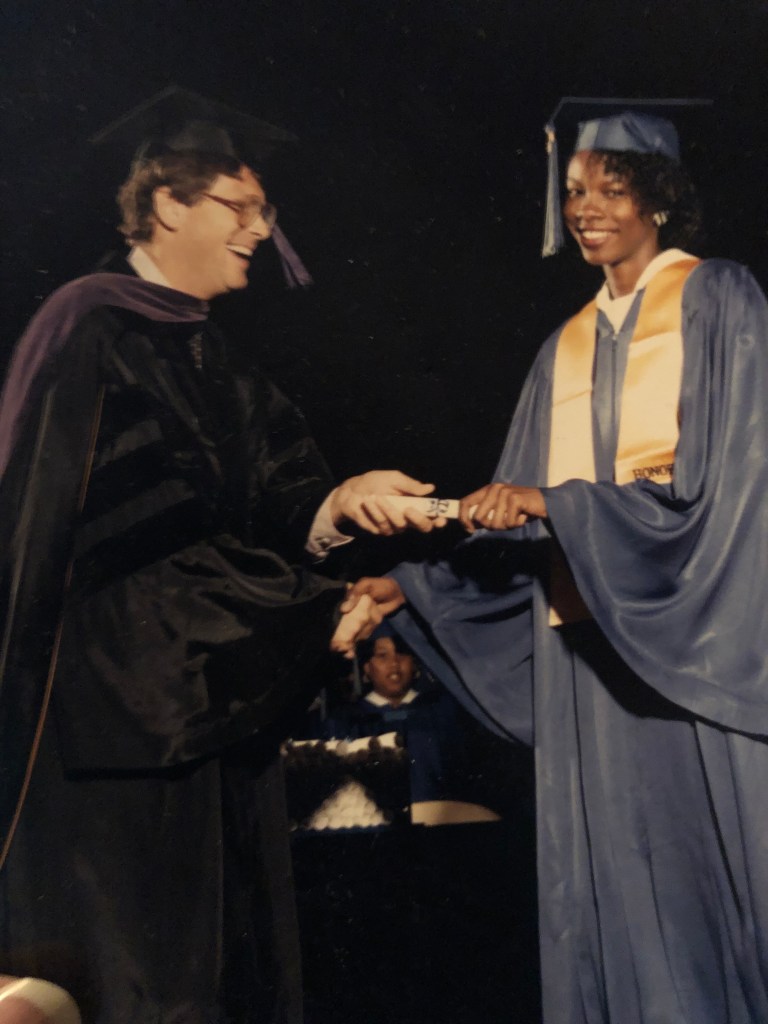
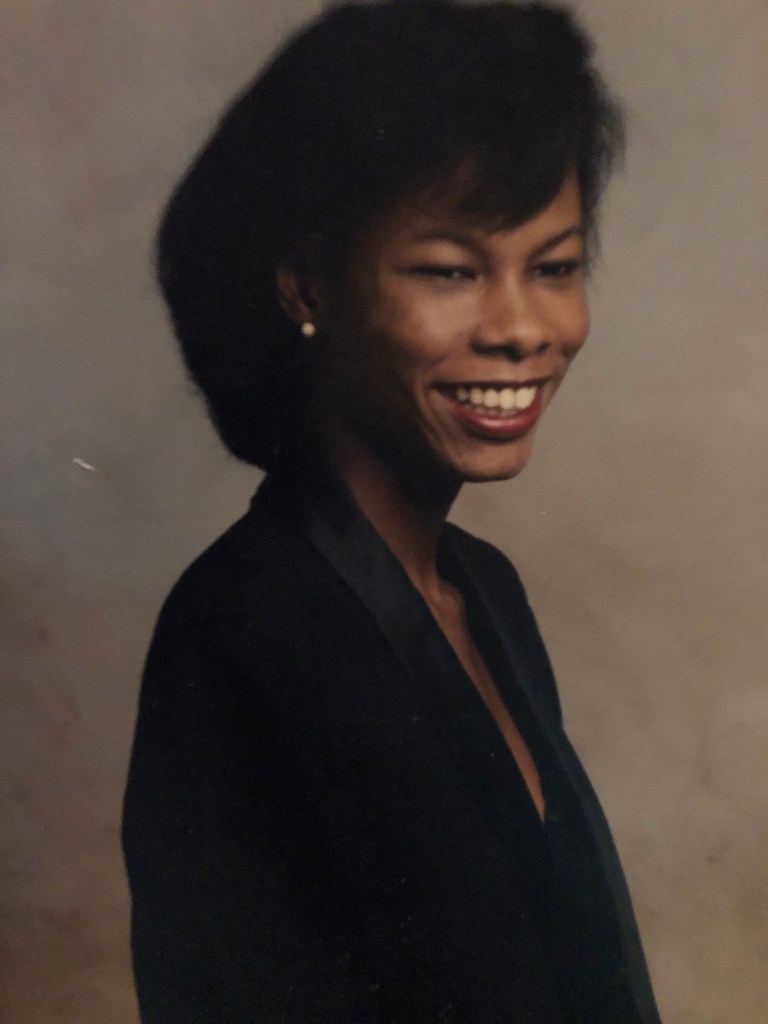
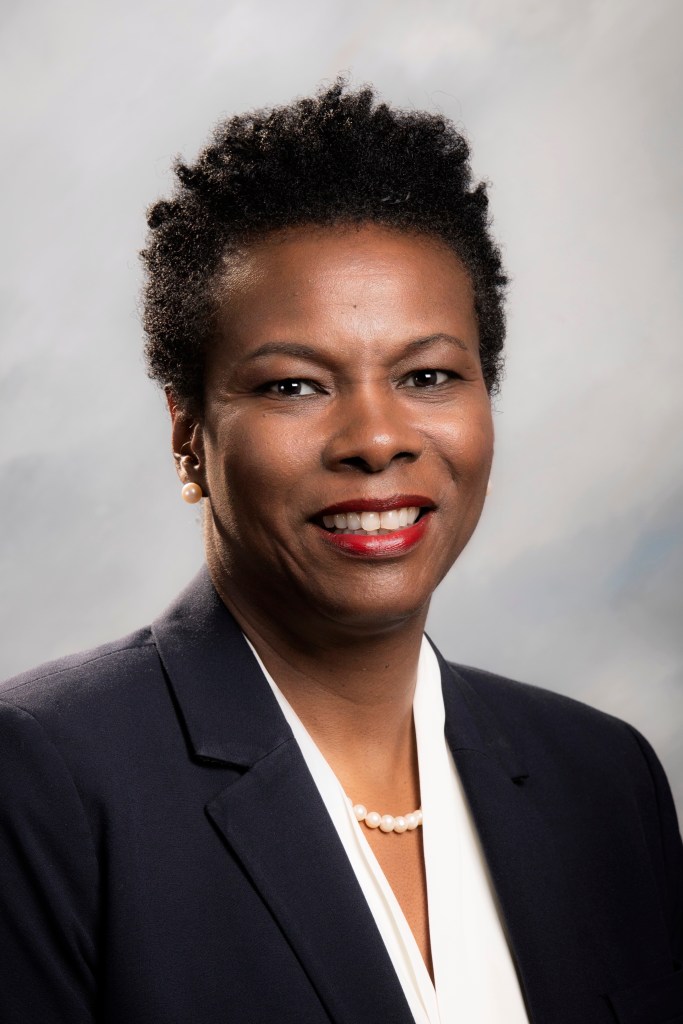
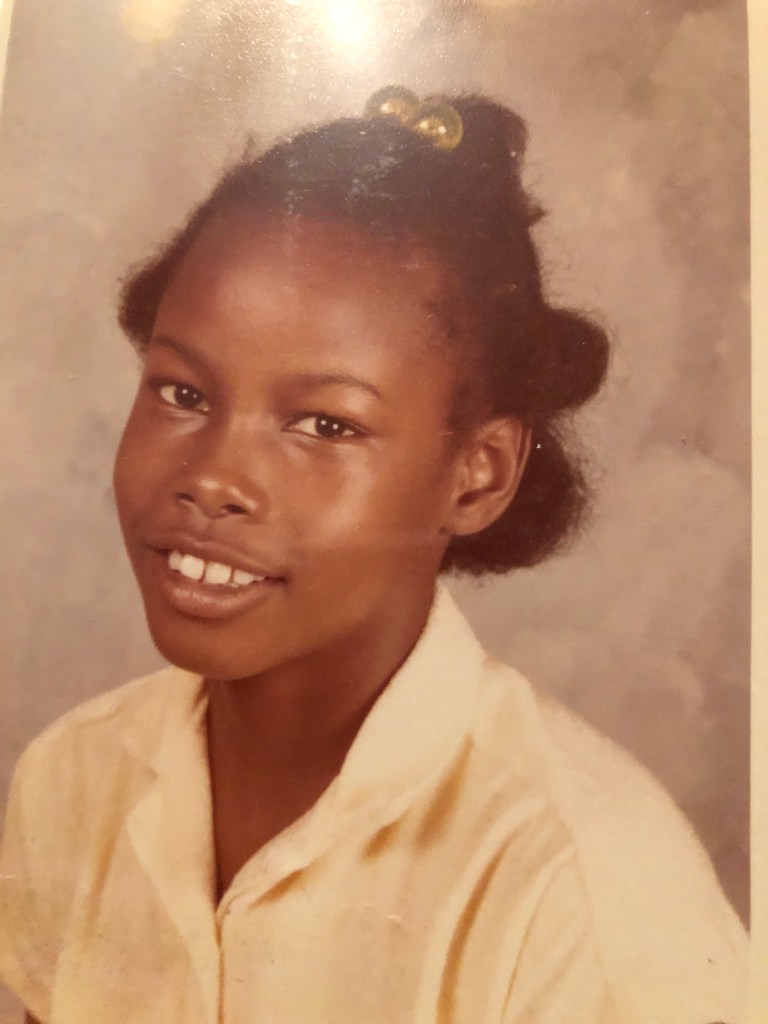
Dr. Henrietta Williams Pichon, Dean

Where did you grow up and what activities were you involved in?

I am from New Orleans, LA. As a student, my biggest pastime was figuring out a way to leave the city. I attended a Vocational High School, so I wanted to develop a skill that I believed would prepare me for a career. Unfortunately, I did not join any student organizations. However, I did have a part-time job at Zayre’s. Working the part-time job while in high school taught me invaluable lessons about work ethic, managing multiple organizational needs,  and the joys of working. 

What did you want to be when you grew up?

As a first-generation college student, planning for my future was a bit haphazard. To be honest, I cannot say that I had a single “career” in mind. I relied heavily on my high school teachers to help provide direction in that area. I believed that if they thought I could go to “college,” then, it was a possibility that they were right. I was told to consider majoring in something that I loved. At the time, I thought I would be the next Dr. Maya Angelou, so I majored in English. 

Where did you attend UG and what did major in?

Louisiana Tech was a perfect selection for me for Bachelor’s degree in English (1992) and Master’s in Education (Secondary English; 1993). 

Where did you attend graduate school and your activities during that time?

I know earlier I indicated that I wanted to leave New Orleans. After earning my master’s degree from Tech, I returned to New Orleans. I earned my PhD in Education Administration from the University of New Orleans (2005). During that time, I held multiple positions in Student Success (then known as the Office of Retention).  Having earned my doctoral degree, I moved through varying faculty roles at three different institutions (Rowan University, Northwestern State University, New Mexico) before taking on administrative responsibilities (New Mexico State University and University of Colorado). 

What brought you to Louisiana Tech?

Tech was far enough from New Orleans for me. The faculty and staff were so helpful in the recruitment, admissions, and enrollment process. The minute I arrived on campus for New Student Orientation, I knew I belonged. And that feeling precipitated my return. 

What classes will you teach at Tech?

I am qualified to teach courses in Curriculum, Instruction, and Leadership. I enjoy courses, such as: College Student Development, History of Higher Education, Introduction to Leadership, Student Affairs Administration, 

What are your research interests?

My primary research and teaching interests continue to focus on student success (factors that impact college student experiences). My purpose for engagement in research is not only to understand the student experience but also to make recommendations for institutional change. My most recent article focused on STEM faculty mentorship and teaching strategies. You can download a copy at Understanding the “Why” of STEM Faculty Mentors and How They Engage in High Context Teaching and Mentoring Strategies – Henrietta Williams Pichon, Sandra M. Way, Stephanie M. Arnett, 2025 (open access). 

What organizations are you affiliated with?

American Association for Blacks in Higher Education

American Educational Research Association

Association for the Study of Higher Education

National Association for Student Affairs Administrators

Tell us about your family.

I am the youngest of four girls. We enjoy an occasional girls trip to stay connected. We enjoy reminiscing about our childhood and early adult days. My husband and I live in Monroe. He has gotten used to us giggling until we go to sleep. 

What do you like to do in your spare time to unwind?

I like refurbishing furniture. I learned a lot from my “Home Economics” class in the 9th grade and watching “This Old House.” This school year, I hope to create a nice, summer maxi. I wonder if I can participate int he Spring Fashion Show…hmmmmm. 

What is your favorite quote?

“When people show you who they are the first time, believe them.” Dr. Maya Angelou. This quote reminds me to accept everyone as they are.
Kinesiology Paths: Physician’s Assistant

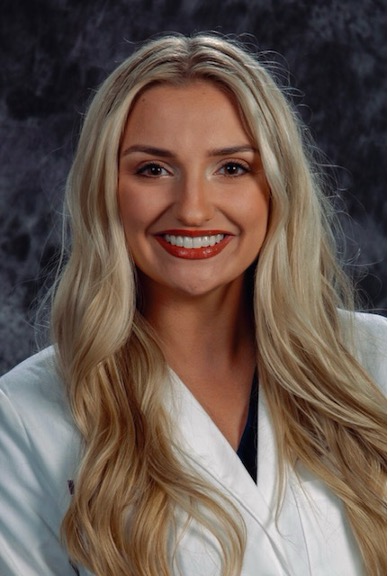
Emmy Aaron Norris, P.A.

My name is Emmy Norris and I am a practicing physician assistant specializing in Family Medicine. I am originally from Ruston, Louisiana and I received my undergraduate degree in Kinesiology from Louisiana Tech University in March of 2020. Soon after graduating, I started the physician assistant program at LSU-Shreveport in May of 2020 and graduated from the program in August of 2022. Ever since, I have worked in family medicine, where I get to enjoy the many different and complex cases daily.

I first discovered the physician assistant profession as a freshman at Louisiana Tech. I was majoring in Kinesiology and originally thought I would like to be a physical therapist. Sophomore year, I was lucky enough to meet Chip Furr, a local physician assistant in Ruston. I found out that he worked at Dr. Grigsby’s Family Medicine clinic (Northwood Medical Center), where I had historically been a lifelong patient. Chip of course let me shadow him, and I soon fell in love with both the PA profession and family medicine.

I started PA school in May of 2020, which was during the height of the COVID-19 pandemic. Didactic year was filled with many unknowns, challenges, and adjustments that had to be made due to COVID. Luckily, things had almost returned to normal by the time clinical rotations rolled around. Throughout didactic, I was unsure what area of medicine that I wanted to work in. Then, my very first clinical rotation ended up being in family medicine and reminded me of my love for primary care. From then on, I truly enjoyed each rotation, but I always knew primary care was where I wanted to end up.

After graduating, I was fortunate enough to land my dream job at Dr. Grigsby’s office (now Willis Knighton Family Medicine Ruston), the same place that I first shadowed Chip in college. Becoming co-workers / colleagues was a full circle moment for Chip and I. He always served as a wonderful mentor to me while shadowing, and he also helped me throughout PA school anytime that I asked. Now working together, I am lucky that I get to continue to learn from his many years of experience, as well as have him as a great friend. I feel the same way about Megan Walpole PA-C and Dr. Ben Grigsby. It is an immeasurable blessing and opportunity to be able to soak up as much of their knowledge as possible each day.

A huge reason why I fell in love with family medicine is because of the relationships that this specialty allows you to form with patients. Also, because there is never a boring day. The wide array of cases that we see in a day keeps you constantly learning and growing as a provider. We of course see our fair share of sick visits and annual wellness exams, but we also tackle many different procedures in our office such as joint injections, pelvic exams, suturing lacerations, skin biopsies, lesion removals, cryotherapy, and wound care. We really do it all, and constantly expanding on your skill set and knowledge base is so rewarding.

Family medicine is such an important field of medicine because it is often the patient’s first and sometimes only stop. It is vital to be fully on the patient’s team, and to be tenacious for your patients. Some days are challenging, and most days are long, but being able to take care of patients is a blessing. My advice to anyone who wishes to become a PA is to always remember to do whatever is best for the patient. I have discovered that medicine today often makes taking shortcuts the easier option, but it is usually never the best option for patients. Being a PA is a fulfilling and a wonderful career no matter what specialty, and I truly would not do anything differently if given the option.

If anyone has any questions about applying to school or the profession, I am happy to help! Mrs. Boyd has my number and email address if you would like to reach out.

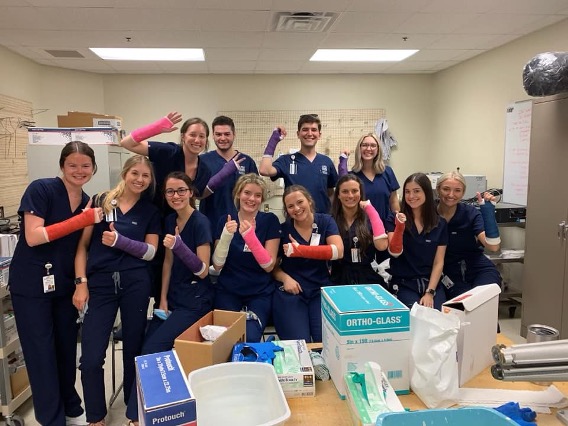
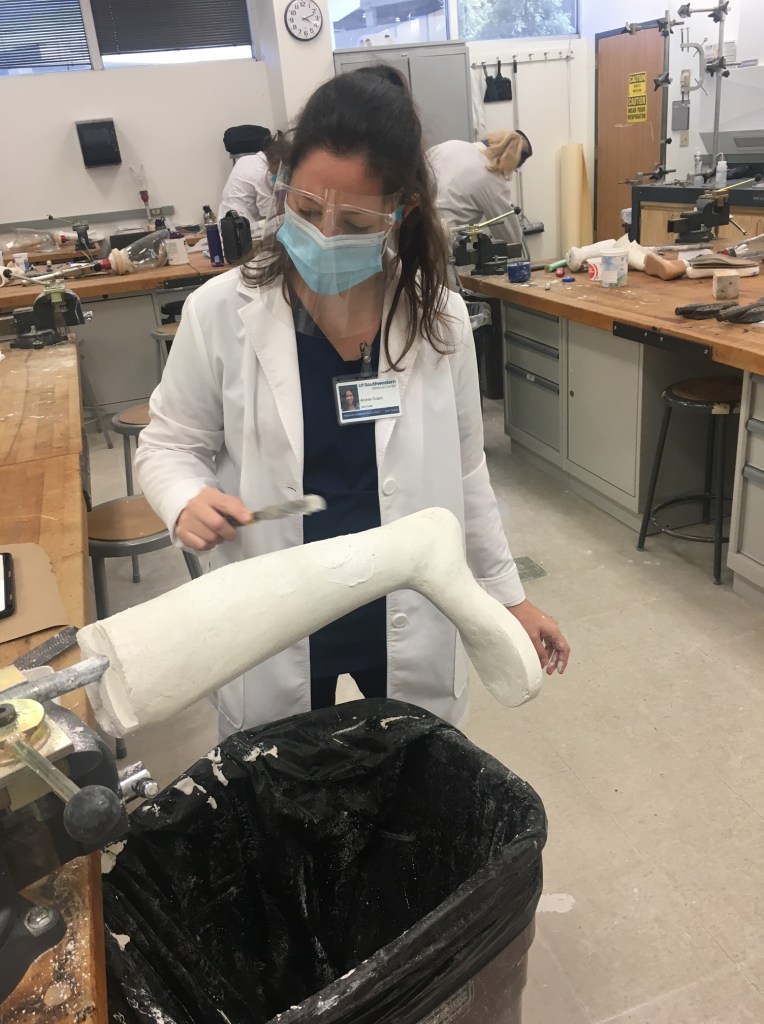
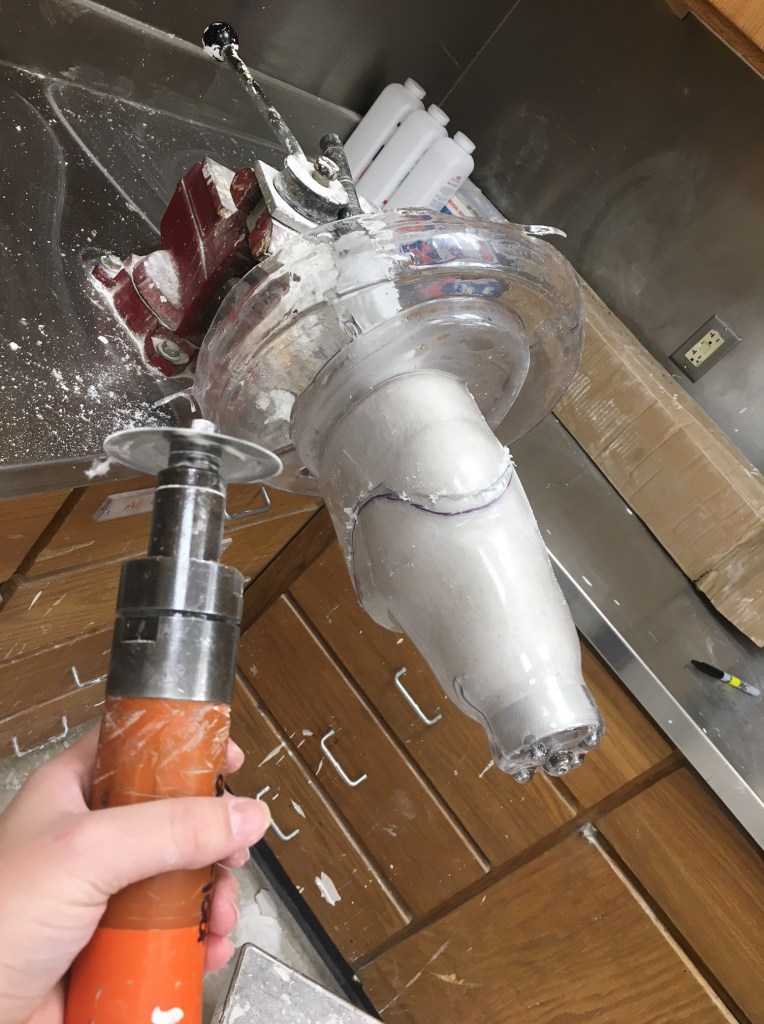
Cast Work Shop in PA School

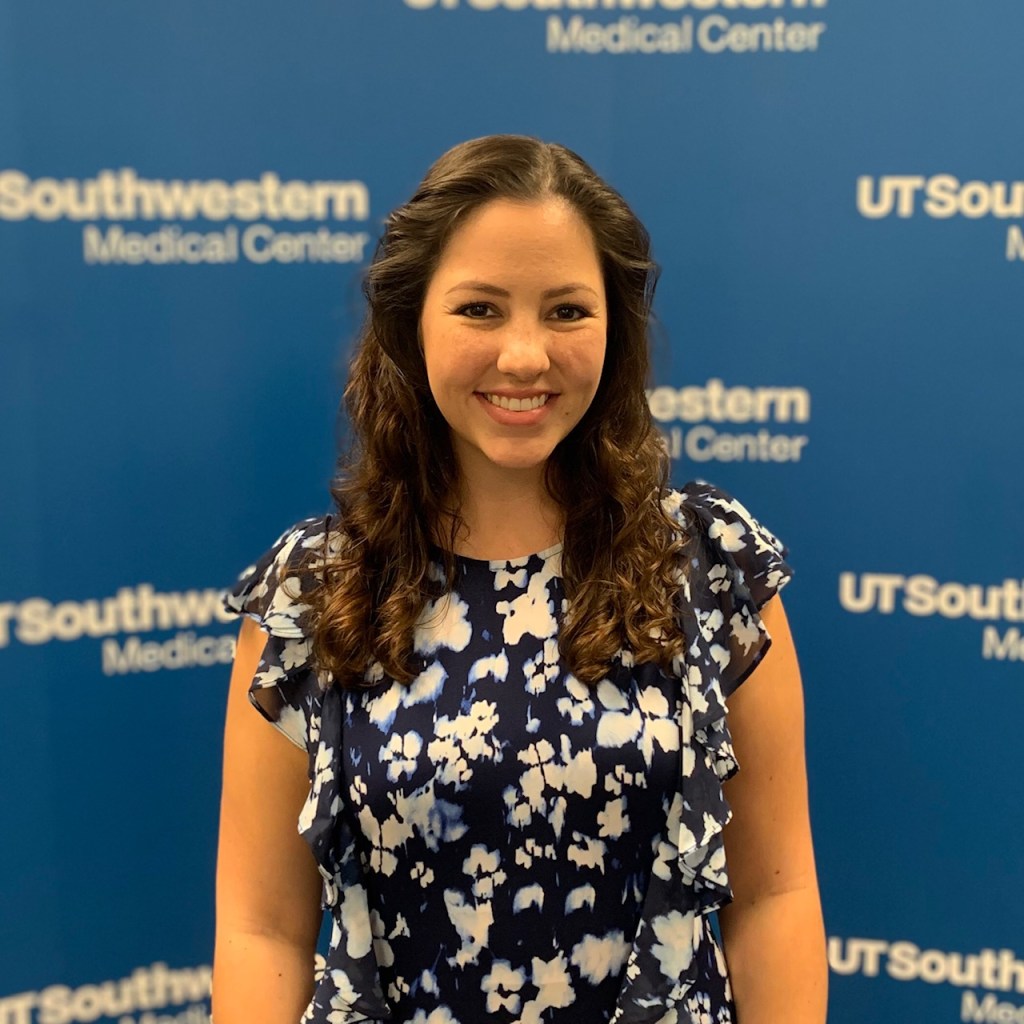
White Coat Ceremony before Graduation

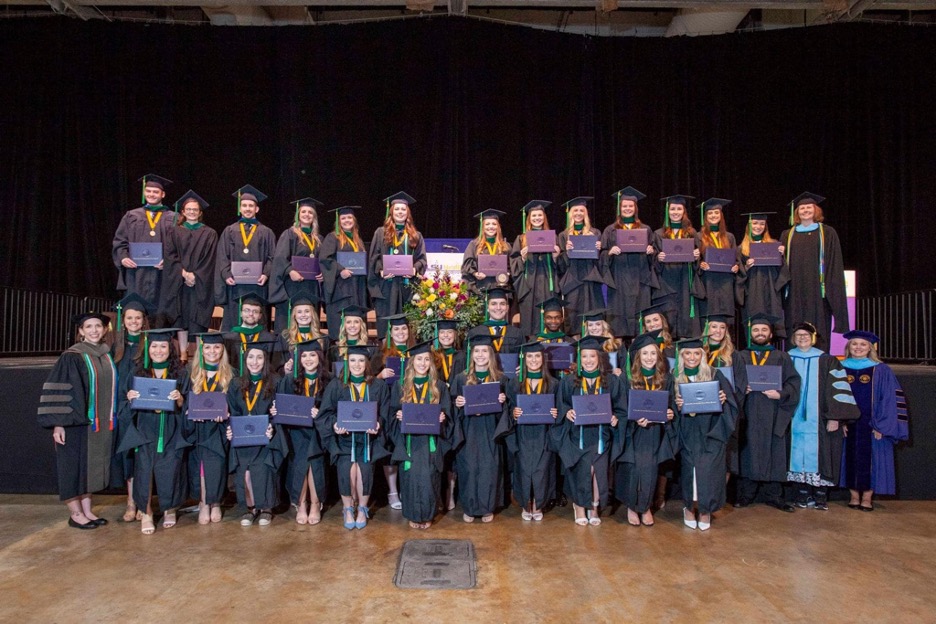
Group Graduation Photo – August 2022

Kinesiology Paths: Ph.D/College Professor

Katherine “Katie” Alexander
Location: Logan, Utah
Louisiana Tech Degree and Graduation Date: BS in Kinesiology & Health Sciences and BA in Psychology, November 2020
Other Degrees: PhD in Human Development & Family Studies, in progress at Utah State University since 2021-2022 academic year with current estimated graduation of Spring 2026

I’m currently a PhD student and am planning to become a college professor. I decided to become a college professor because I love learning, researching, teaching, and mentoring students. I have always been interested in sport psychology but wasn’t sure how I wanted to get there. Sport psychologists are a diverse group, and most pathways are either more applied or more research based. More applied sport psychologists often work on performance consulting and/or become a licensed counselor, social worker, psychologist, or psychiatrist. More research-based sport psychologists predominantly work as professors but may also take jobs as data scientists at sports-based companies. During my undergrad at Tech, I participated in research with Dr. Jordan Blazo, Dr. Andrew Parks, and others to gain research experience and also worked at the Children’s Methodist Home in order to gain clinical experiences. I did not enjoy my clinical experience and loved participating in research, so this led me to ultimately decide to become a professor.

What was I looking for in a graduate program?
I applied to graduate programs that would help me gain the necessary knowledge around sport psychology, teaching, and researching. In general, each graduate program is unique, and students that are applying should look into applicant requirements (often including GRE scores, GPA requirements, prior experiences, required course prerequisites, and whether/not a master’s is required for a PhD program), along with broad philosophies, objectives, and outcomes associated with the department/program and any funding and/or scholarship opportunities. Most PhD programs that are geared towards research also require a dissertation, and it is VITAL that you connect with a good academic advisor that can positively mentor you throughout the program. Academic advisors help mentor and guide you through graduation requirements, general research, teaching, and just life. Students should email potential academic advisors to inquire about their research and how you might fit with this research trajectory, to determine whether or not spots are available to work with them, to better understand their advising/mentoring philosophies, and to find out about funding and scholarship opportunities.

When I was looking at various graduate programs, I wanted to ensure that there was a good and positive culture in the department, that I was able to occasionally do my own research projects (instead of simply following what my advisor said to do), that I had supports in Utah, and that there was funding available to me. I was willing to explore broader programs, including kinesiology, psychology, and human development programs, because I wanted a wider breadth of knowledge around social science (rather than focusing on just kinesiology or psychology). I was especially interested in the Human Development & Family Studies program at Utah State University because it could allow for exploration of biological, psychological, and social factors as they relate to development and relationships over time. My potential advisor at this university also seemed very supportive and kind. I chose to attend Utah State University because the program most closely matched my criteria, and attending the program also allowed me to skip my master’s degree, which saved me money and allowed me to start on my own independent research earlier than if I would have attended a master’s program.

What is needed to become a college professor?
Requirements depend on position and university/college type. Instructors, those that serve in more applied departments (such as business or nutrition & dietetics), and those that teach at community colleges might only need a master’s degree and relevant teaching and/or applied experience. A master’s degree is not really needed in order to become a professor at 4-year colleges and universities, but a PhD is needed. Students that are interested in becoming a professor should progress through school and should look to gain experience in teaching, research, and service to the community throughout their graduate school experiences in order to be a competitive job candidate. The job market for going into academia is highly competitive, and some people choose to also participate in a post-doc after graduating with their PhD in order to gain even more relevant research experiences. The process of becoming a professor looks differently, too, depending on whether or not the position is tenured (full-time position with full job security) or non-tenured (including all other positions). Those professors that are on a tenured track complete regular reviews of progress towards aspects of teaching, research, and community/other service and must often move from assistant to associate to full professors over the span of years.

As a PhD student-
What is a typical day like for you? My typical day varies a lot across the week because I have less set hours and more freedom in how I choose to set up my schedule. I am responsible for coordinating and completing various research projects, serving as an instructor for one course in my department, and managing my course load of about 3 to 4 courses a semester. My research lab is called the Families in Sport Lab, so most of my research relates to sport involvement. I am currently working on projects related to youth sport participation in Western states; athlete trauma, abuse, and mental health symptoms; peer bullying and hazing in sport; and examining biological, psychological, and social factors that relate to youth substance abuse. In my role as an instructor, I teach one undergrad introductory course on couple and family relationships and am responsible for creating course materials, lecturing, communicating with students, upholding university policies, and grading. I also serve as an academic mentor for student-athletes at the university and enjoy powerlifting, so I stay very busy!
Additional information: I went to a research conference for NASPSPA (North American Society for the Psychology of Sport and Physical Activity) in 2022 in Hawaii with other members of my lab. While there, I was able to give a verbal presentation about experiences of emotional abuse in intercollegiate sport and was also able to present a poster on a research project that was initiated at Tech with Dr. Blazo and Dr. Parks. I am grateful for this wonderful experience and the fact that the conference was in Hawaii!

Kinesiology? What Is It and What Can I Do With It?

A Health and Physical Education, Health and Human Performance, Health and Exercise Science – terms you are probably familiar with.  But Kinesiology? When giving an explanation of what it is, the usual response is, “Oh, PE?”  Yes, physical education is part of Kinesiology, but there are many more areas that are included in this academic discipline. Over the last 15 years many universities have changed their program name to Kinesiology, which is an all-encompassing umbrella term for the many disciplines within this field.

The American Kinesiology Association defines it as, “is an academic discipline which involves the study of physical activity and its impact on health, society, and quality of life. It includes, but is not limited to, such areas of study as exercise science, sports management, athletic training and sports medicine, socio-cultural analyses of sports, sport and exercise psychology, fitness leadership, physical education-teacher education, and pre-professional training for physical therapy, occupational therapy, medicine and other health related fields.”

Still many people don’t understand the depth and breadth of the discipline and all the many career possibilities a Kinesiology graduate can pursue.  It’s true, the majority of majors in Kinesiology programs, or at least here at Louisiana Tech, are hoping to become physical therapists, occupational therapists, and physician assistants.  But not everyone who applies to these allied health field programs will be accepted for various reasons. Many students do not wish to pursue a career in allied health but are unaware of what other careers are available. Hopefully this blog will enlighten the reader as to the many careers and paths a Kinesiology graduate can take.

The following is a list of possible career avenues compiled from the American Kinesiology Association and the recent seminar (you can click on many of them to find out more information about each):

Adapted Physical Activity

Aquatics Director

Athletic Administration in School or College
National High School Coaches Association
NCAA

Athletic Trainer

Biomechanist
American Society of Biomechanics
International Society of Biomechanics

Cardiovascular and Pulmonary Rehabilitation Specialist

Chiropractic Physician

Coaching at School or College
National High School Coaches Association
NCAA

Corporate Wellness Programs

Director of Youth Camps/Sports Programs
Boys and Girls Club of America
YMCA
YWCA

Electrophysiology

Epidemiologist – Physical Activity
CDC

Physical Activity and Nutrition
Behavioral Risk Factor Surveillance System
Youth Risk Behavior Surveillance System

Exercise Physiologist
American College of Sports Medicine
American Society of Exercise Physiologists

Continue reading “Kinesiology? What Is It and What Can I Do With It?”

A Day in the Life of

Annie Crain
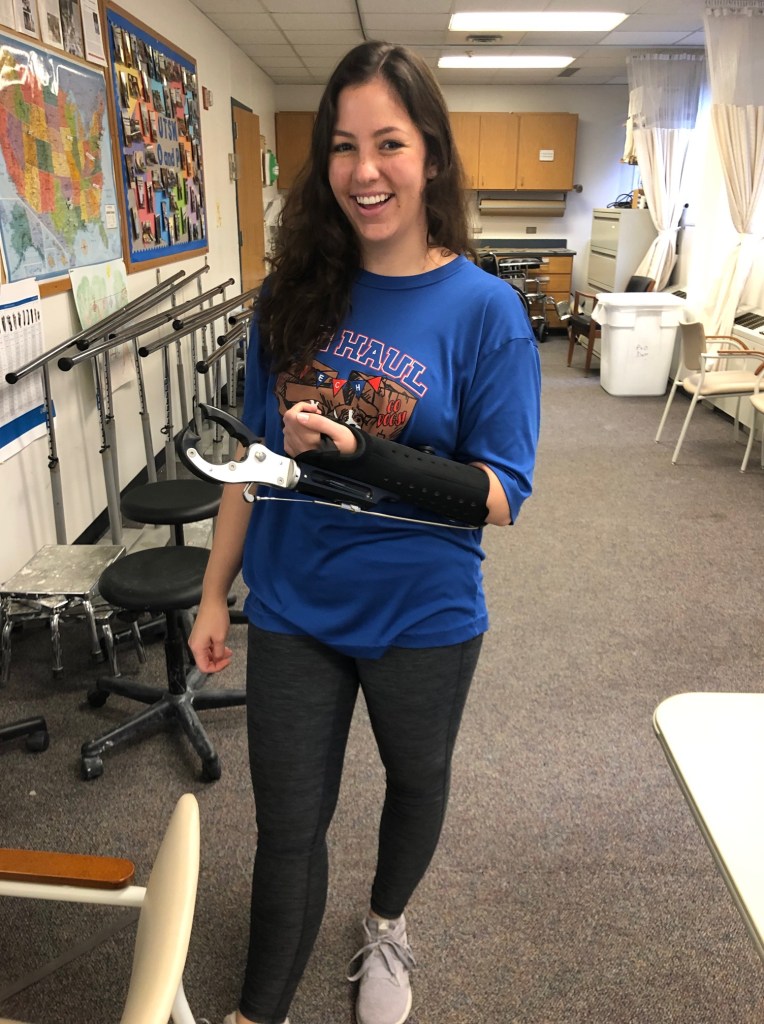
Resident Prothetist/Orthotist


“Choose a job you love, and you’ll never have to work a day in your life.” -Confucius

It has always been a goal of mine to never work a day in my life, so it was crucial to choose a career I loved. The Louisiana Tech Kinesiology Department was the initial spark that fueled me to become the Resident Prosthetist/Orthotist I am today. 

After driving from my hometown of Houma, LA to tour every single university in the state, I arrived at LA Tech University. I chose LA Tech and its Kinesiology program to prepare me for my future career in prosthetics and orthotics. I carefully selected my curriculum so I would be qualified when applying for graduate school. The Kinesiology Department taught me to be diligent, resourceful, detail-oriented and empathetic towards others; qualities I attribute to my present day success.

I received my Master’s of Prosthetics and Orthotics from the University of Texas Southwestern Medical Center in December of 2022. This 18-month program is centered on a specialized curriculum including hands-on experience with device fabrication, patient models, clinical rotations, and a clinical internship. After receiving my master’s degree, I was required to complete an additional 2-year prosthetic/orthotic residency to become board certified in order to see patients on my own.

Currently, I am a completing my first year of residency in orthotics followed by a year of prosthetics at Atlantic Prosthetics and Orthotics in Chapel Hill, NC. My residency at Atlantic P&O has provided me with the ability to become skilled in device selection, fabrication, and patient communication. I have the opportunity to learn from a multi-disciplinary team of experienced clinicians. I absolutely love my job, and couldn’t imagine another career path for myself.

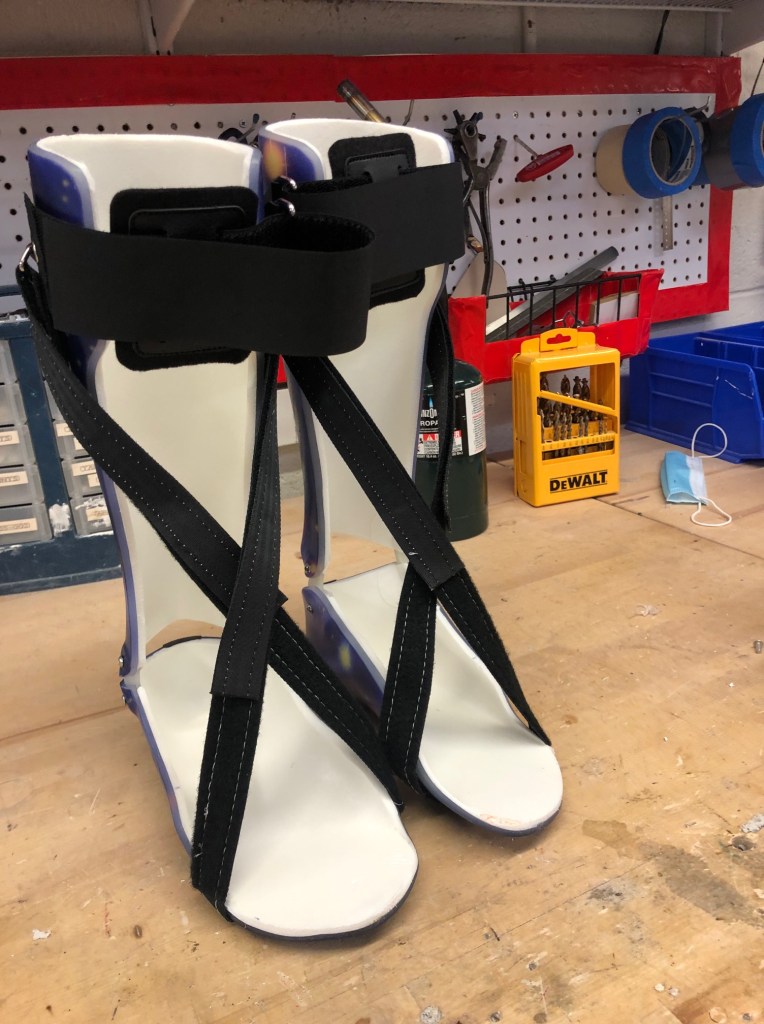
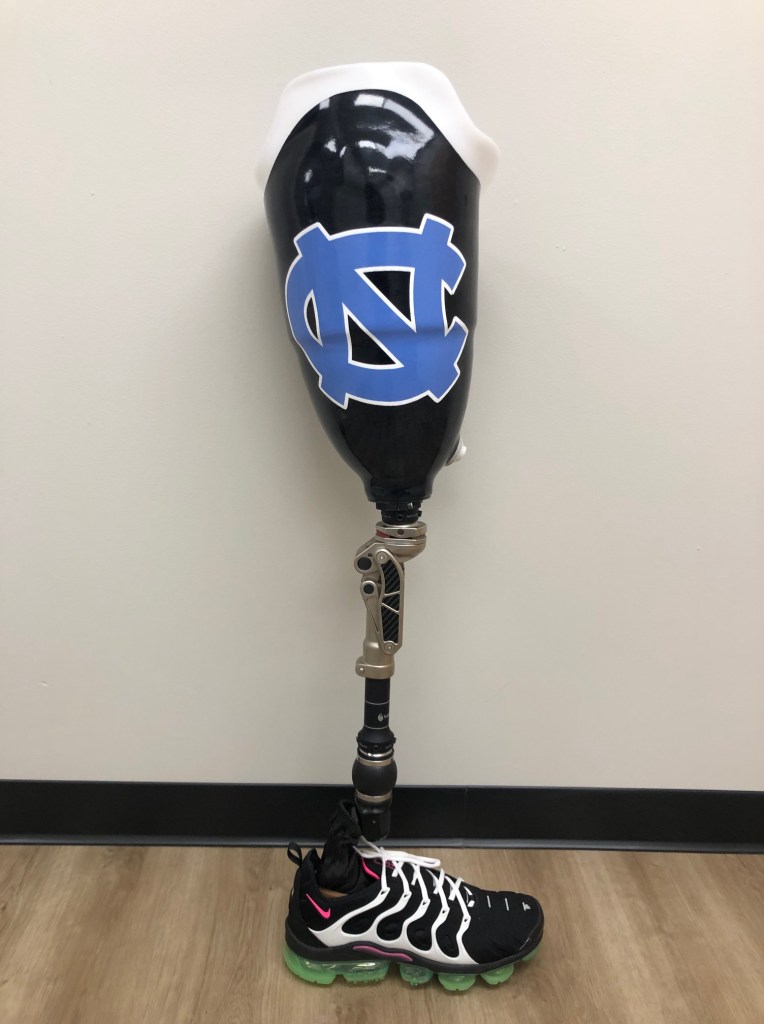
My daily schedule is ever-changing, which makes work exciting. My first task of the day is to check the patient schedules.  Patient encounters are usually initial evaluations or device fittings.  In an initial evaluation, I will assess the patient’s range of motion, muscle strength, diagnosis and device prescription.  Often, I can fit the patient with an off-the-shelf device if the product meets all of their clinical needs. Otherwise, additional measurements will be taken for the fabrication of a custom device.

Approximately three days of fabrication are needed to make a custom orthosis or prosthesis, most of which is completed during breaks between patient appointments. The fabrication process from start to finish of most devices typically includes: a cast of the affected area which is used to create a positive plaster model, modifying the positive model by sanding or carving the plaster to acquire the desired shape, then draping hot plastic or pouring resin over the positive model.  The cooled plastic or resin lamination will then be cut and smoothed into a finished product. At a custom device fitting, alignment angles can be adjusted or plastic can be trimmed or heat molded to provide a more optimal fit.

A career in prosthetics and orthotics fulfills my innate need to create, but also my desire to enhance the lives of others.  I enjoy my time in the workshop, but seeing a patient stand up and walk for the first time after following them through their entire clinical journey is truly a heartfelt experience and the best part of my job – pure magic every time!

For more information on prosthetics and orthotics:

https://ncope.org/

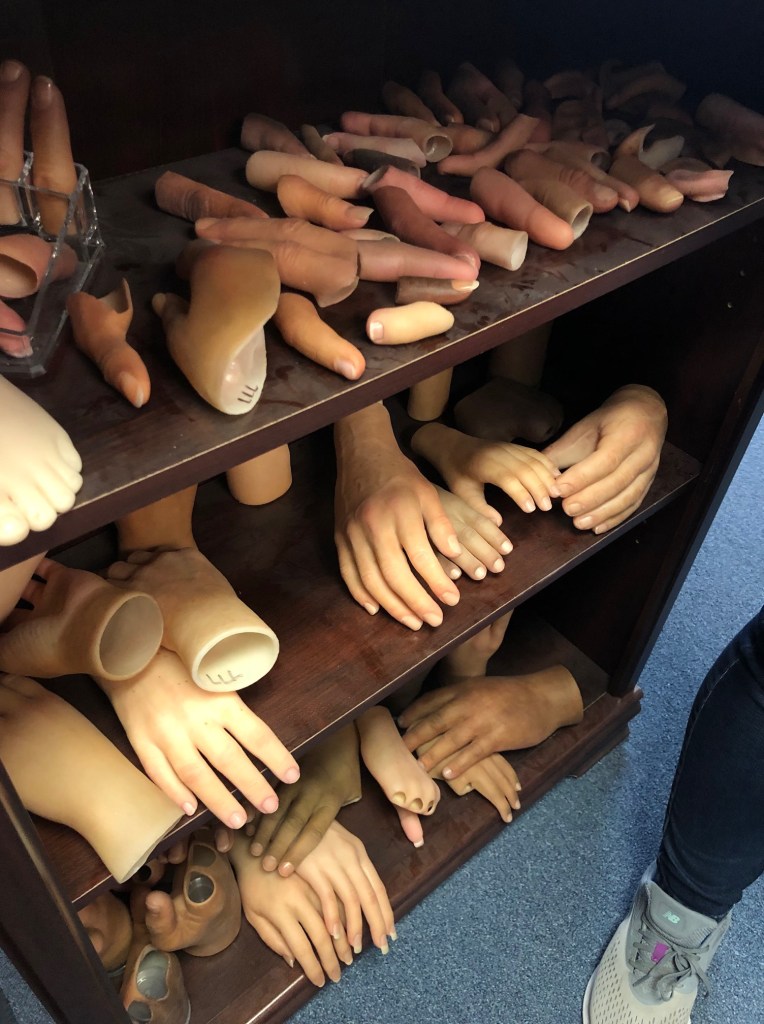
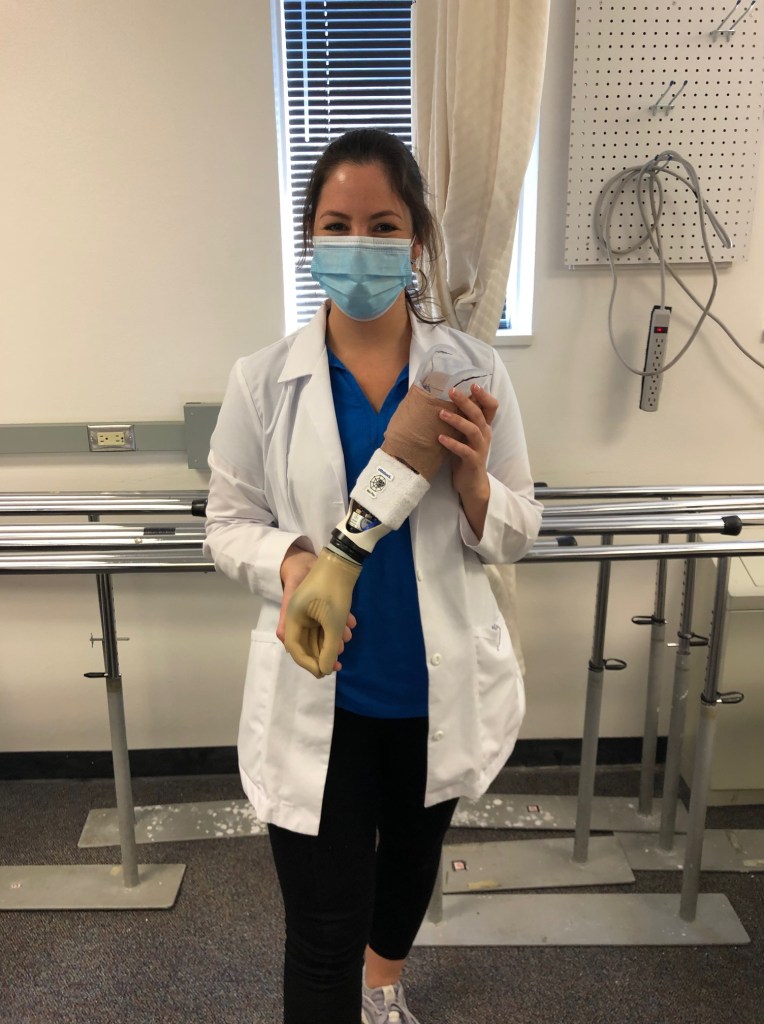
Prosthetist: healthcare professional who makes and fits artificial limbs (prostheses) for people with disabilities. This includes artificial legs and arms for people who have had amputations due to conditions such as cancer, diabetes, or injury.

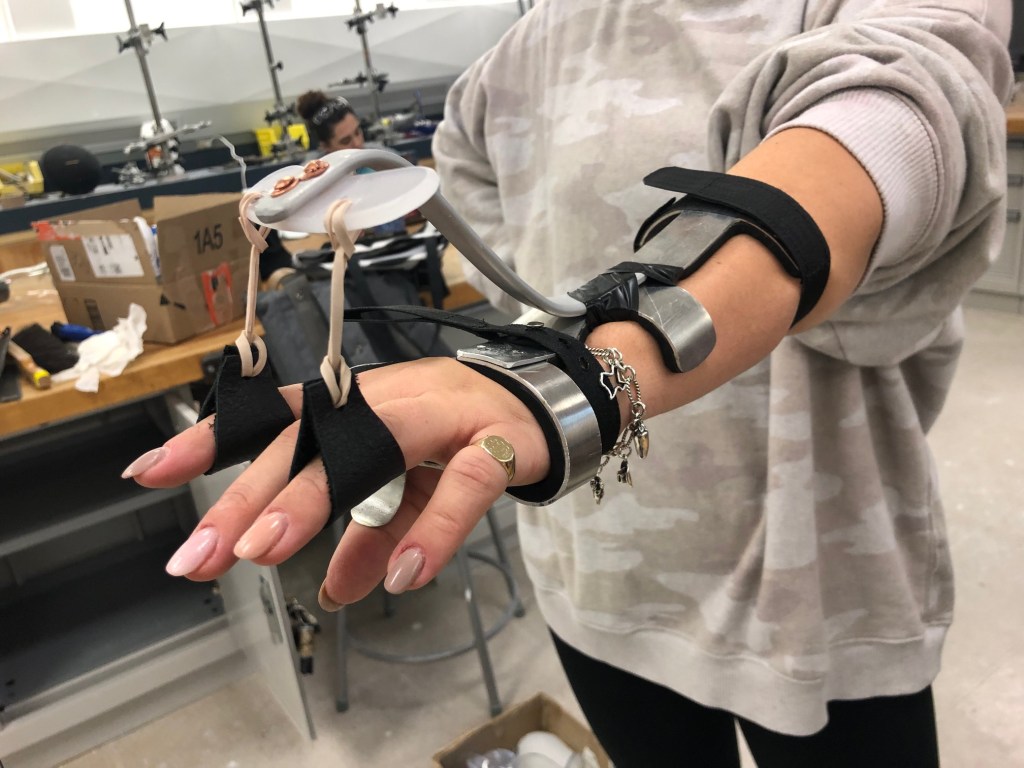
Orthotist: healthcare professional who makes and fits braces and splints (orthoses) for people who need added support for body parts that have been weakened by injury, disease, or disorders of the nerves, muscles, or bones.

(In medical practice, these specialties are often paired)
https://www.hopkinsmedicine.org/health/treatment-tests-and-therapies/orthotist-and-prosthetist

Getting to Know Your Kinesiology Family – Faculty Spotlights

Vishesh Singh, BS, BPT, MS
Director of Human Performance Labs


Where did you grow up and what activities were you involved in?
Hometown: Lucknow, India.
Main Activities: Playing Cricket
What did you want to be when you grew up?
Physical Therapist
What was your first job?
Physical Therapist (India)
Where did you attend undergrad and what was your major?
Bachelor of Sciences, University of Lucknow (India) and Bachelor of Physical Therapy (DAVV University, Indore, India)
Where did you attend graduate school and your activities during that time?
M.S. Sport Performance at Louisiana Tech University
What brought you to Louisiana Tech?
I came to Tech to pursue my masters.
What classes do you teach at Louisiana Tech?
KINE 292: Preventive Health and Wellness
KINE 326: Functional Anatomy
What are your research interests?
Sport performance
Analysis human Movement
Tell us about your family.
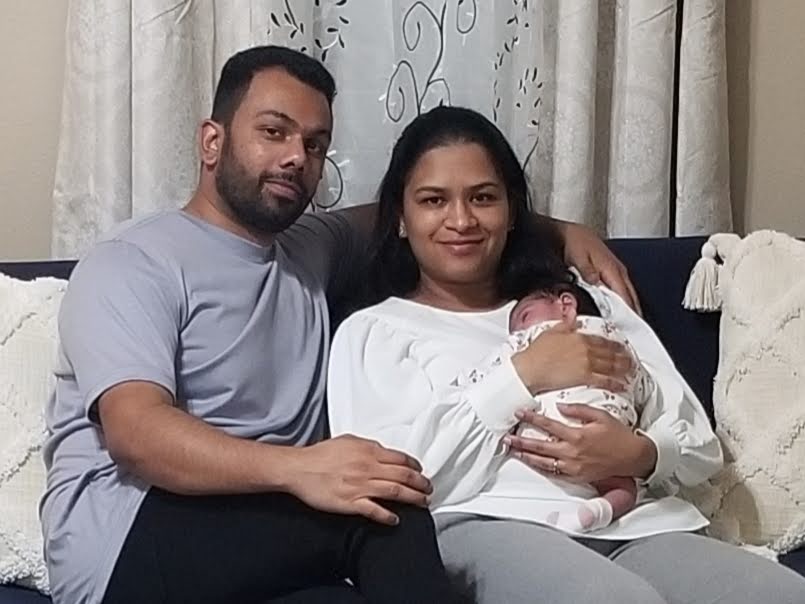
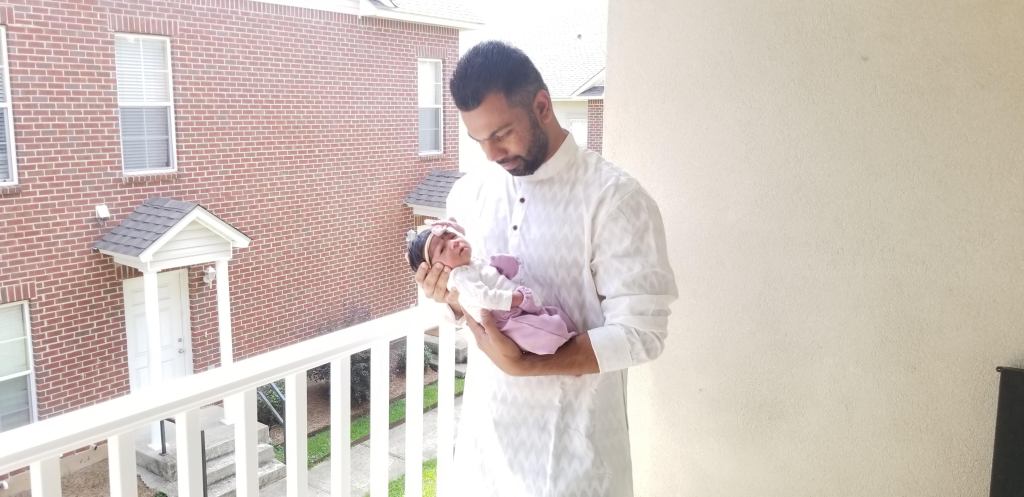
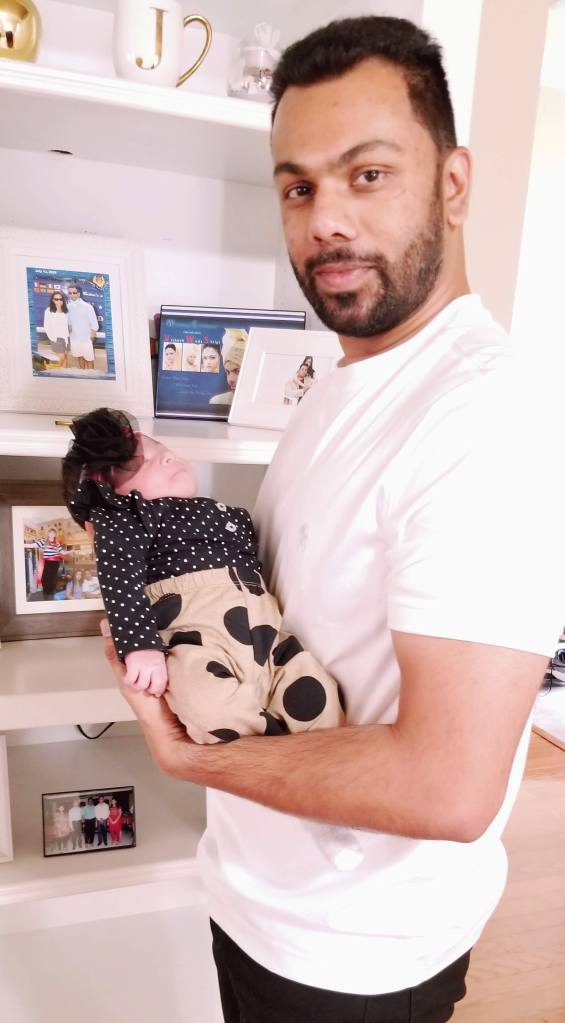
My parents live in India.  My wife, Shilpi, is a physical therapist, and we were blessed with a little girl Vianshi on Aug 12th, 2021.
What do you like to do in your spare time to unwind?
Exercise, spend time with family, watch Netflix, and talk to family and friends in India
What is your favorite quote?
One of many is “We can never obtain peace in the outer world until we make peace with ourselves”.