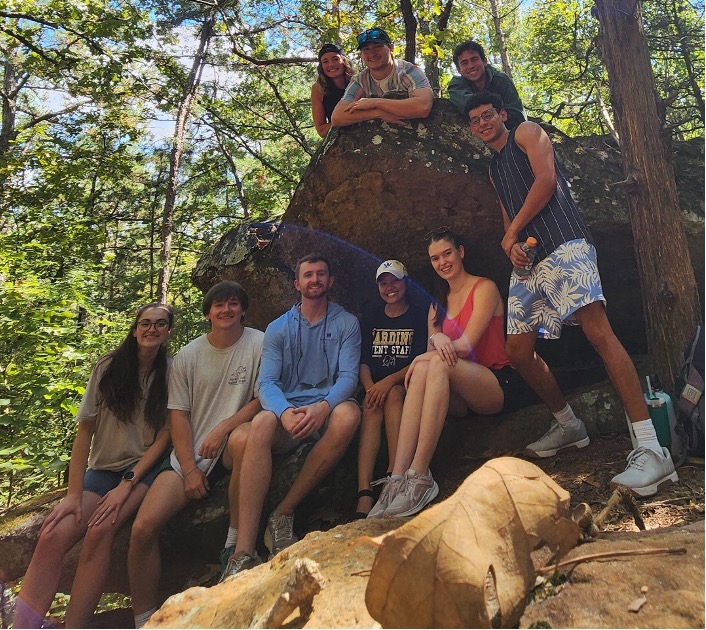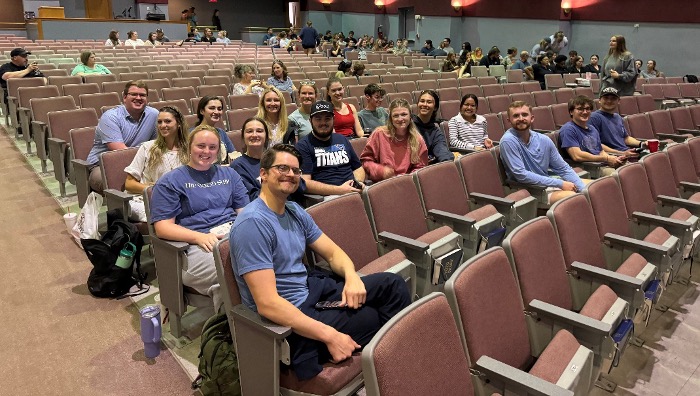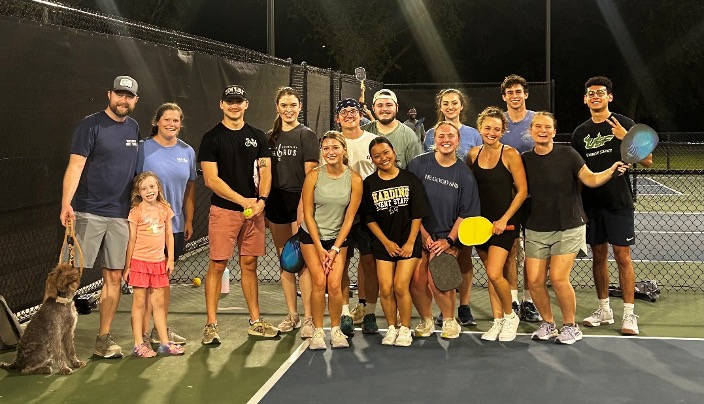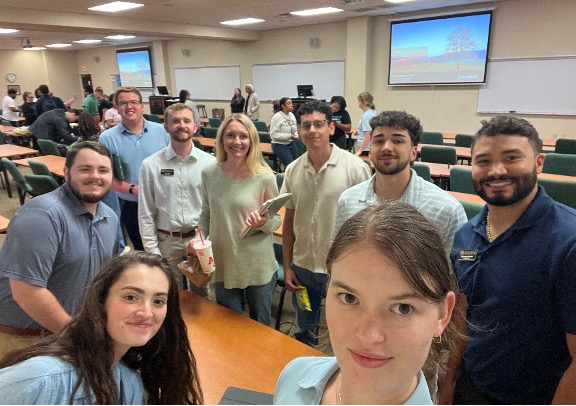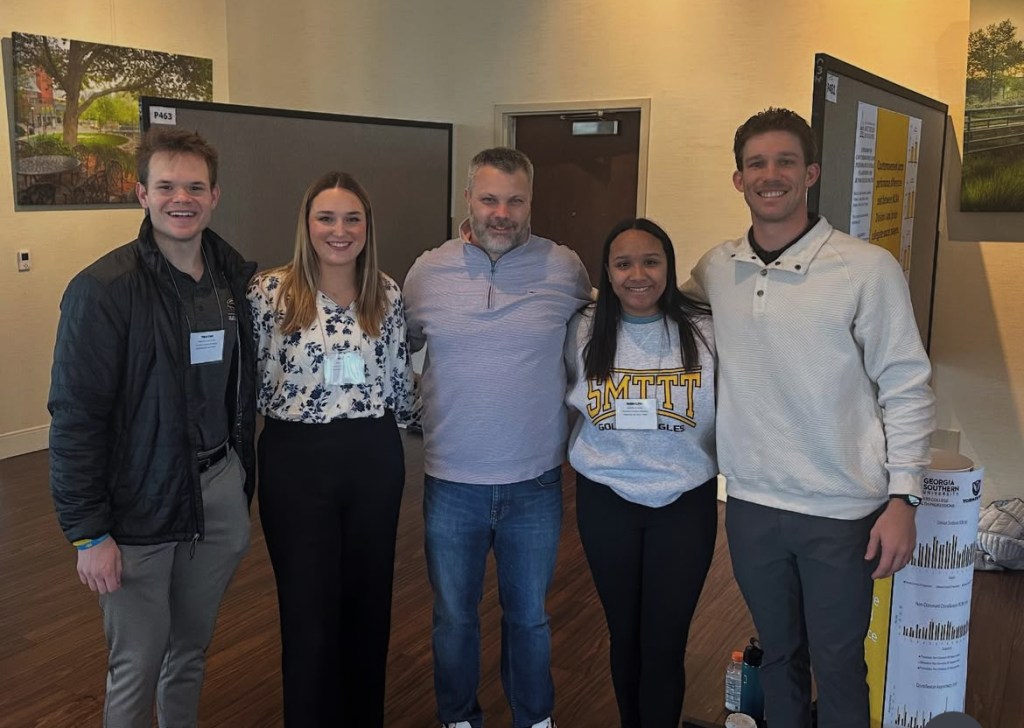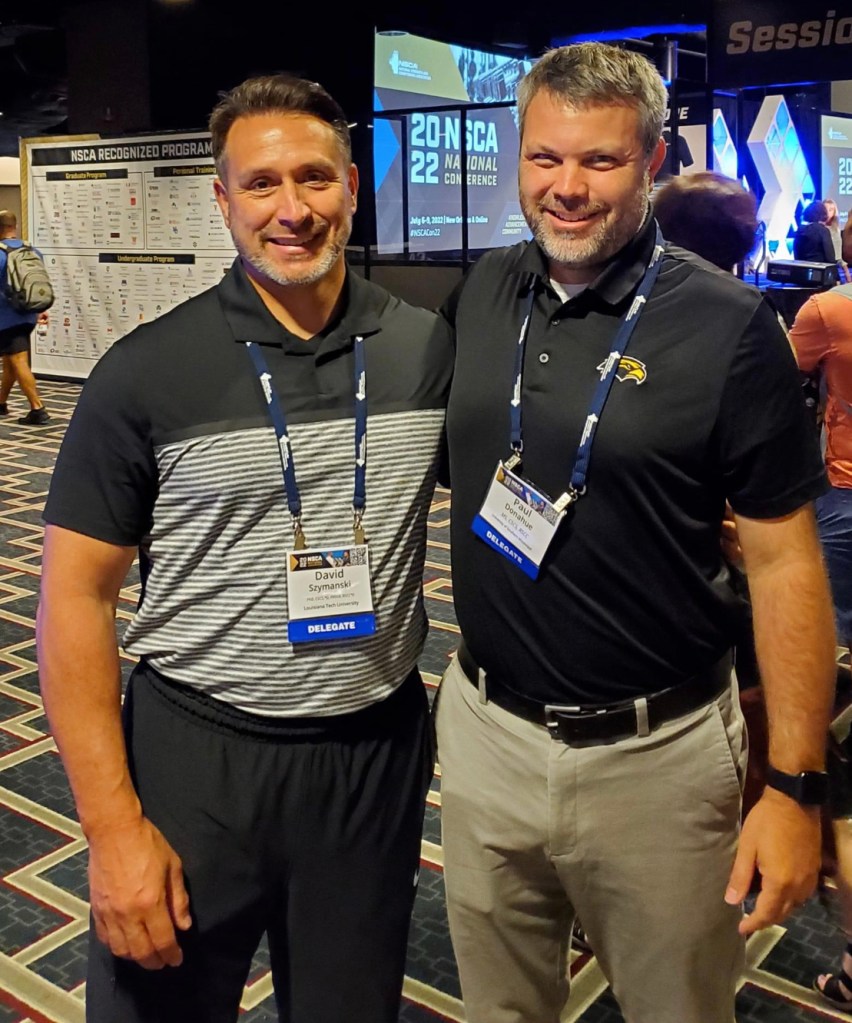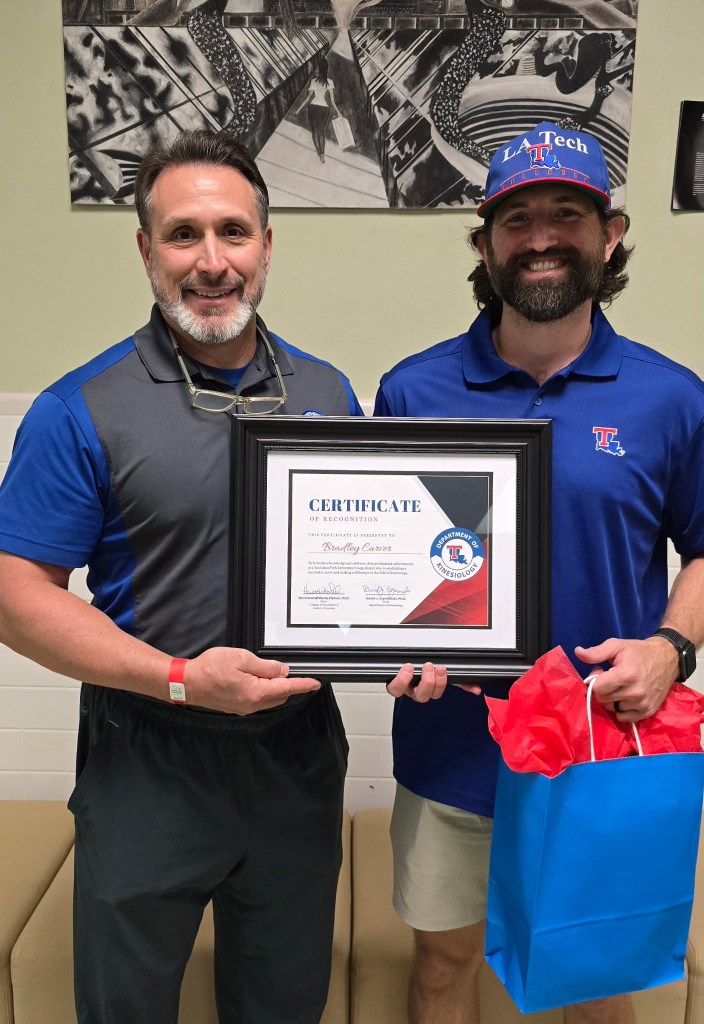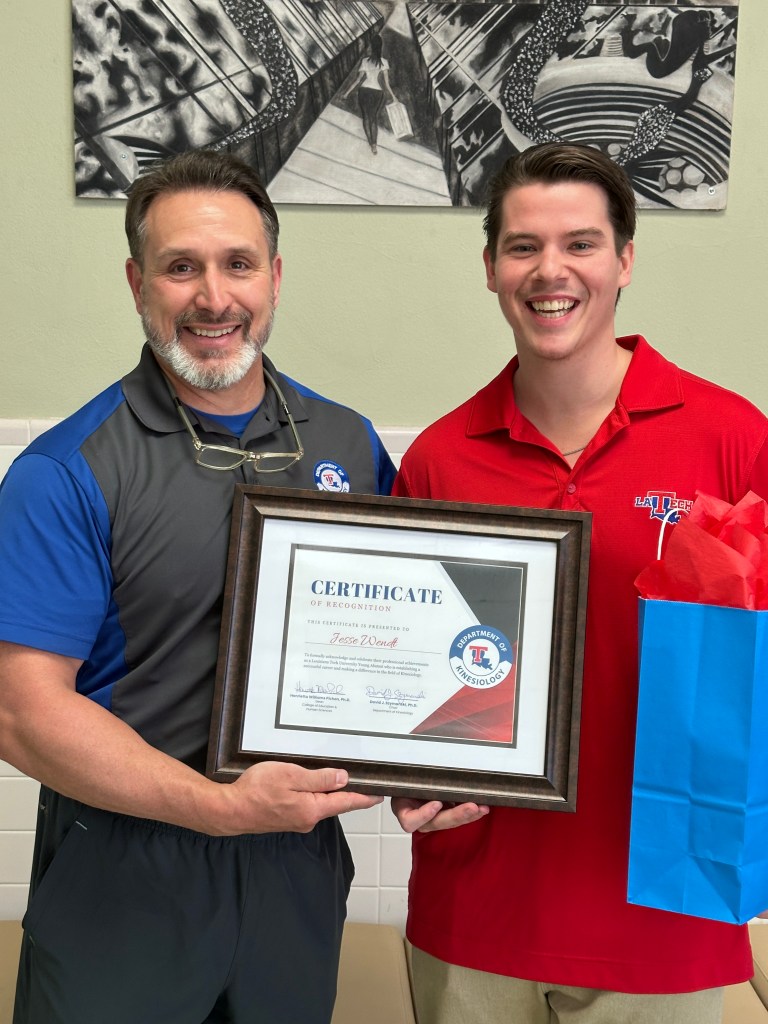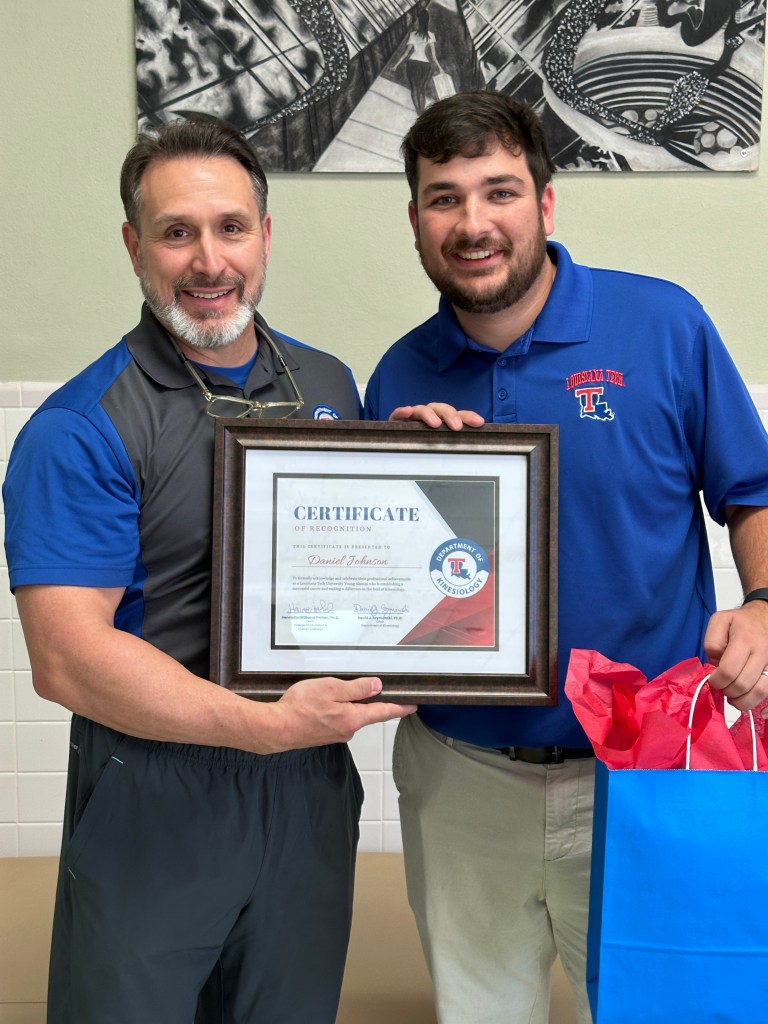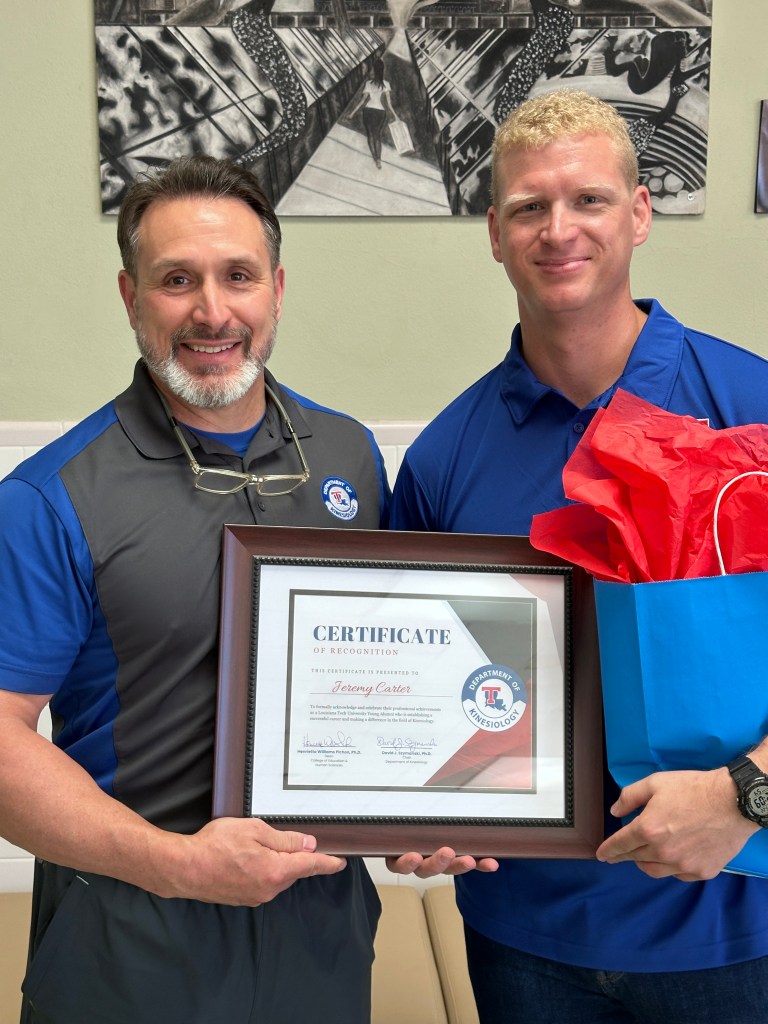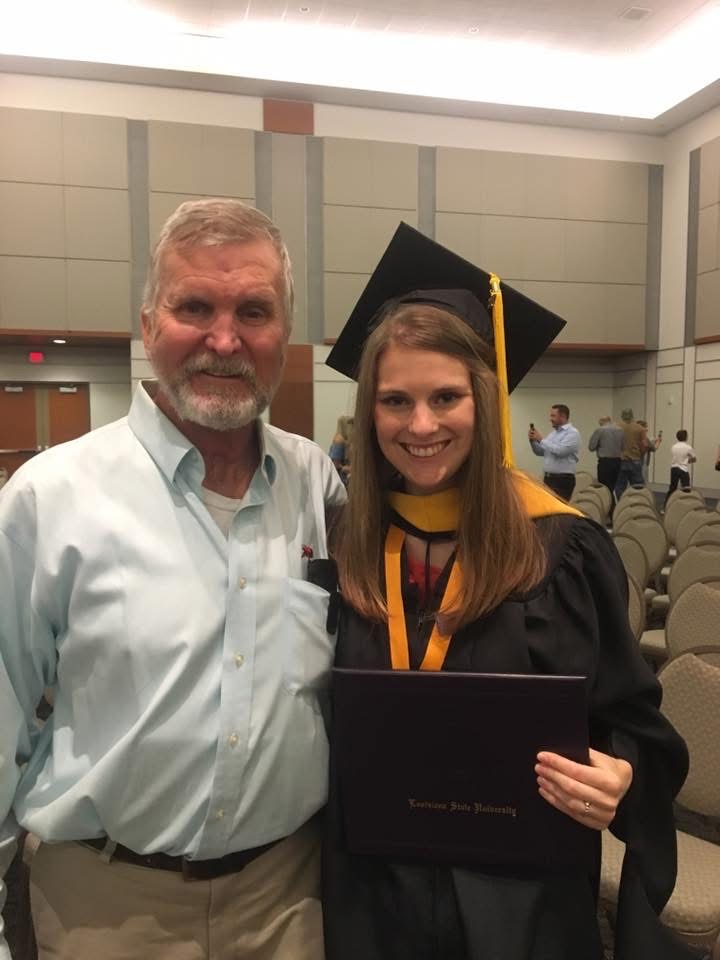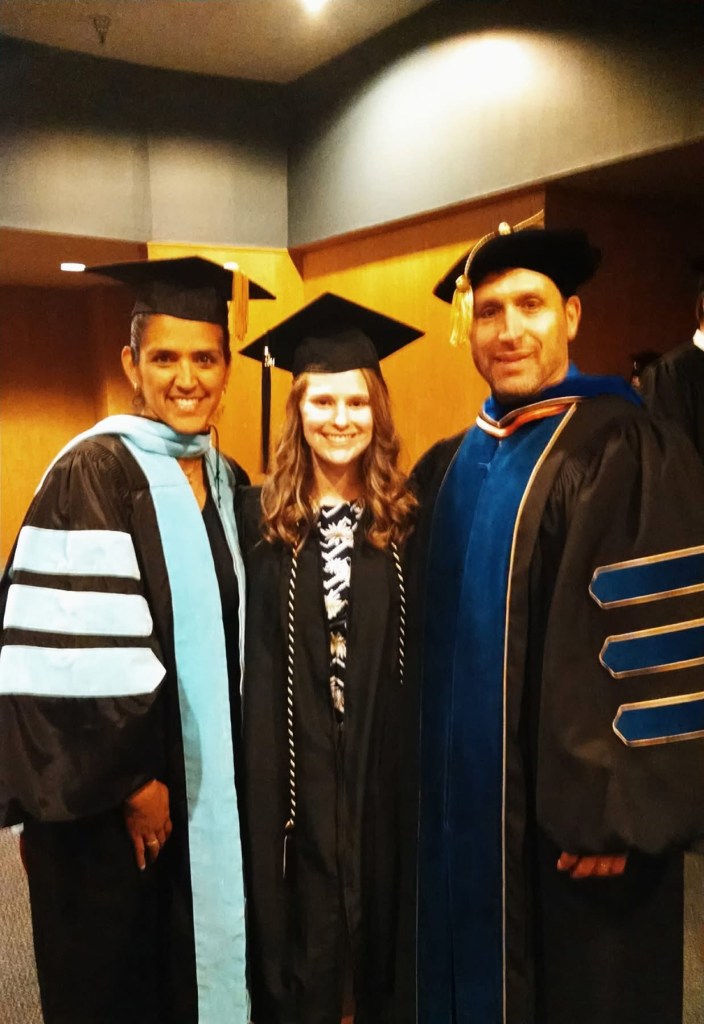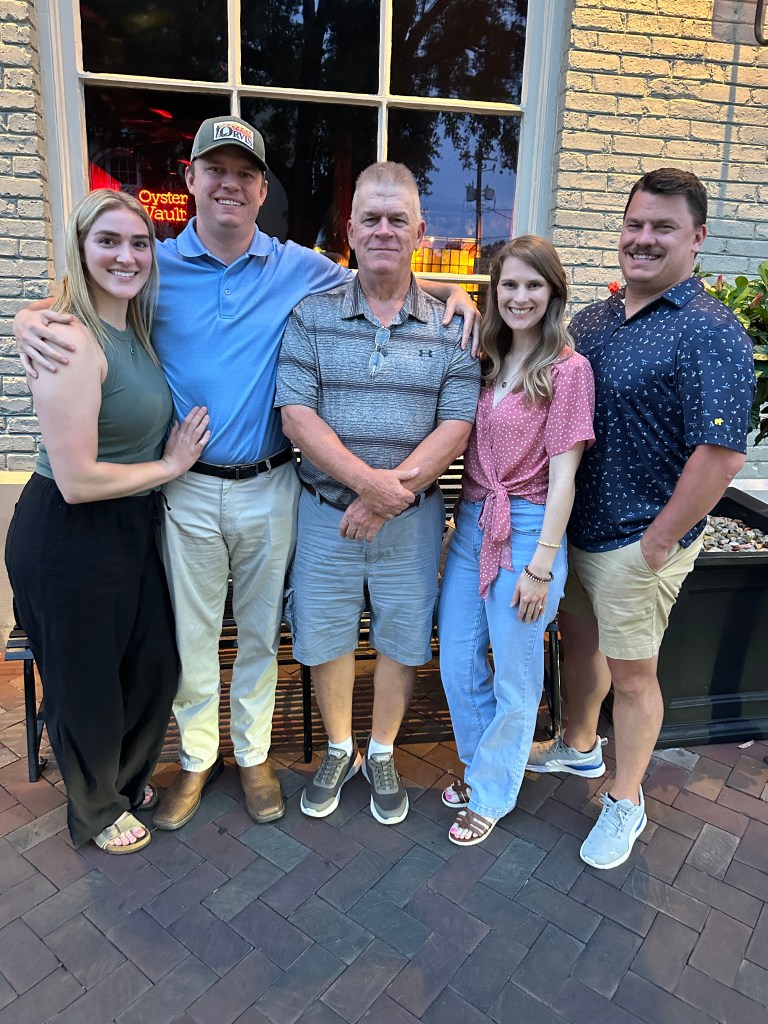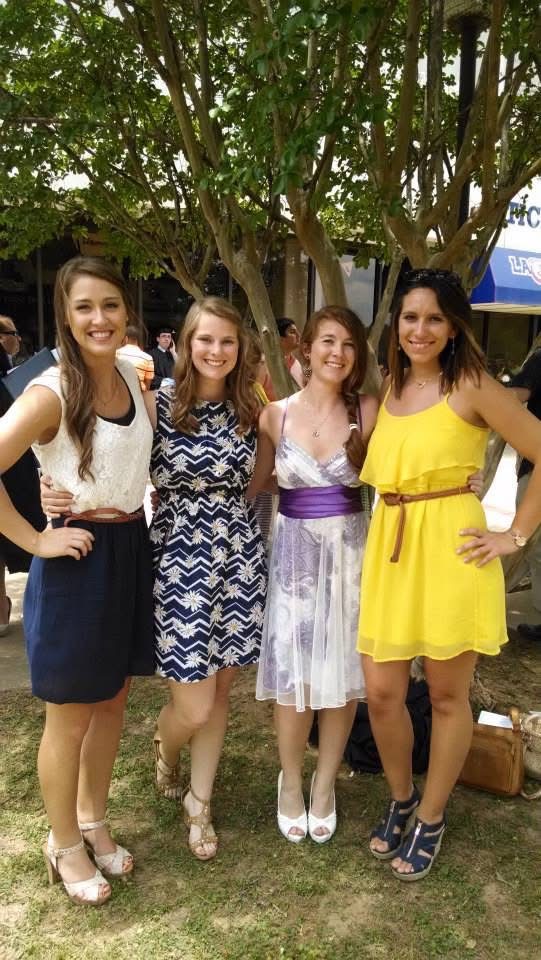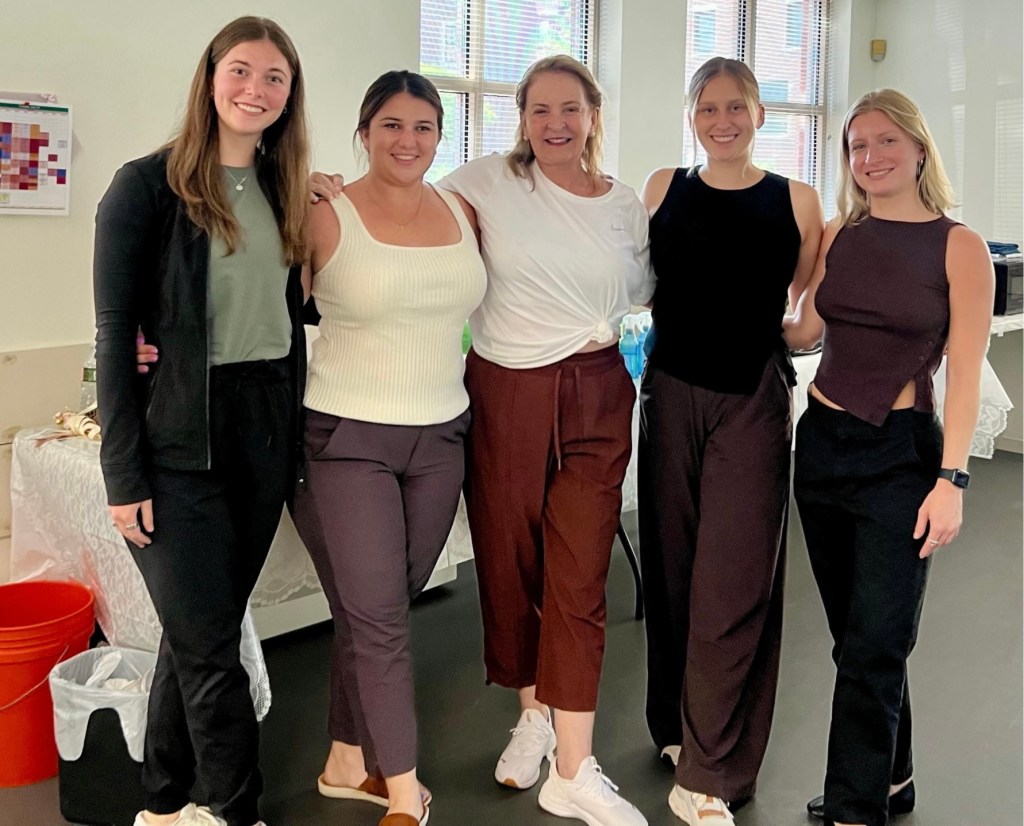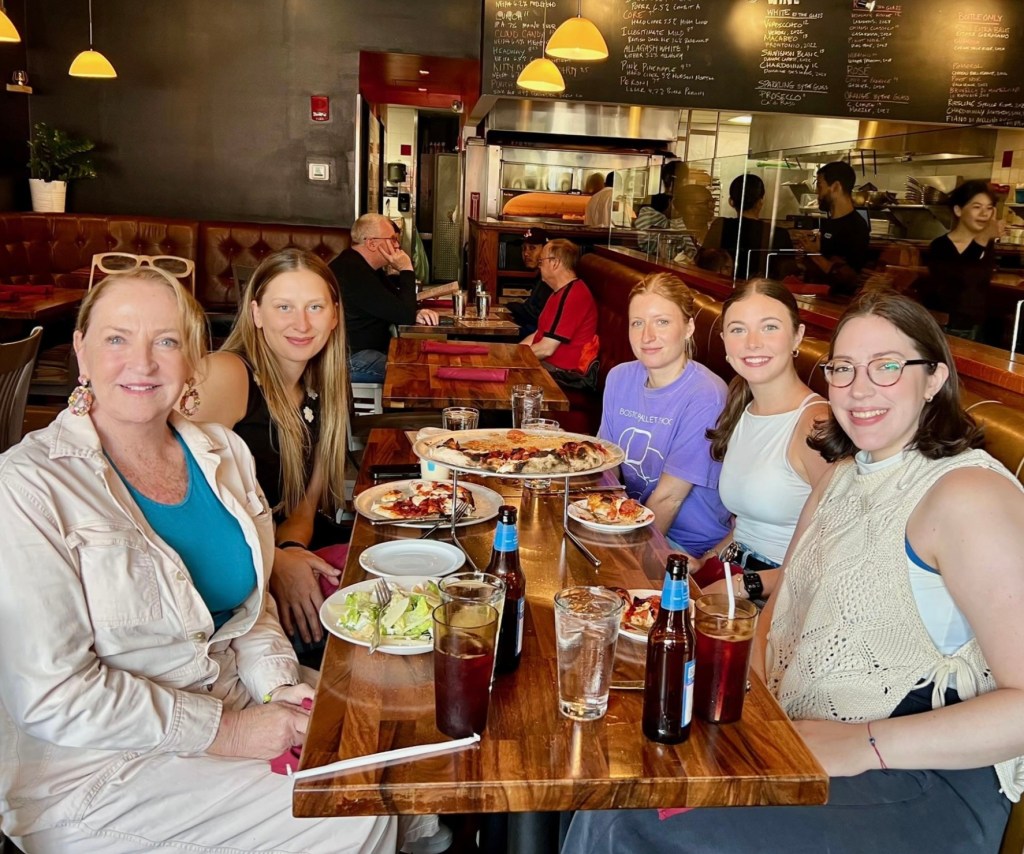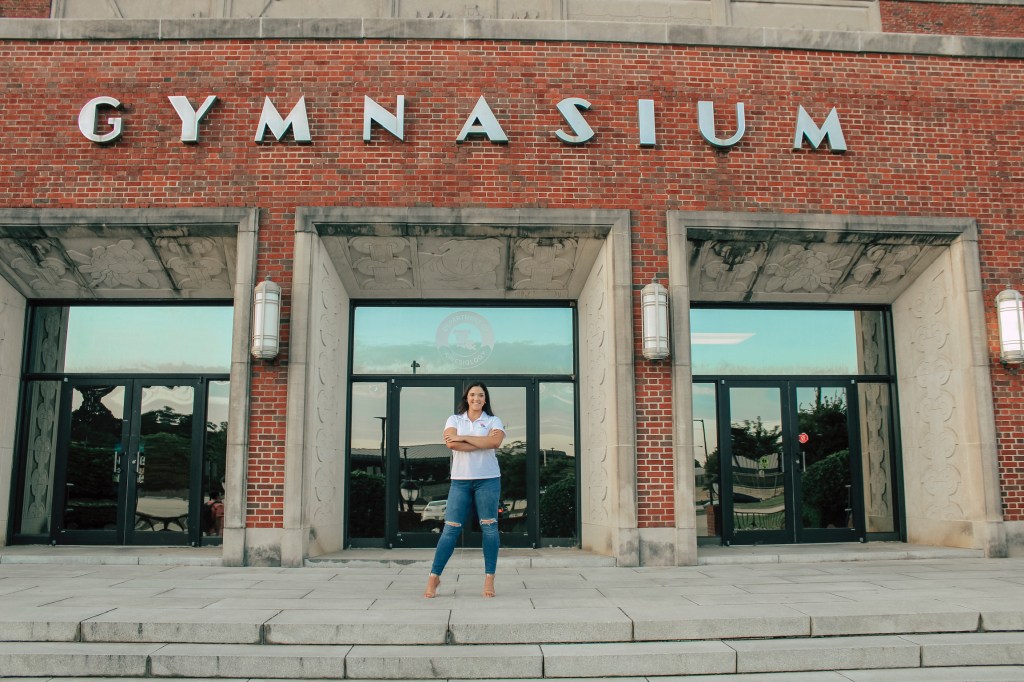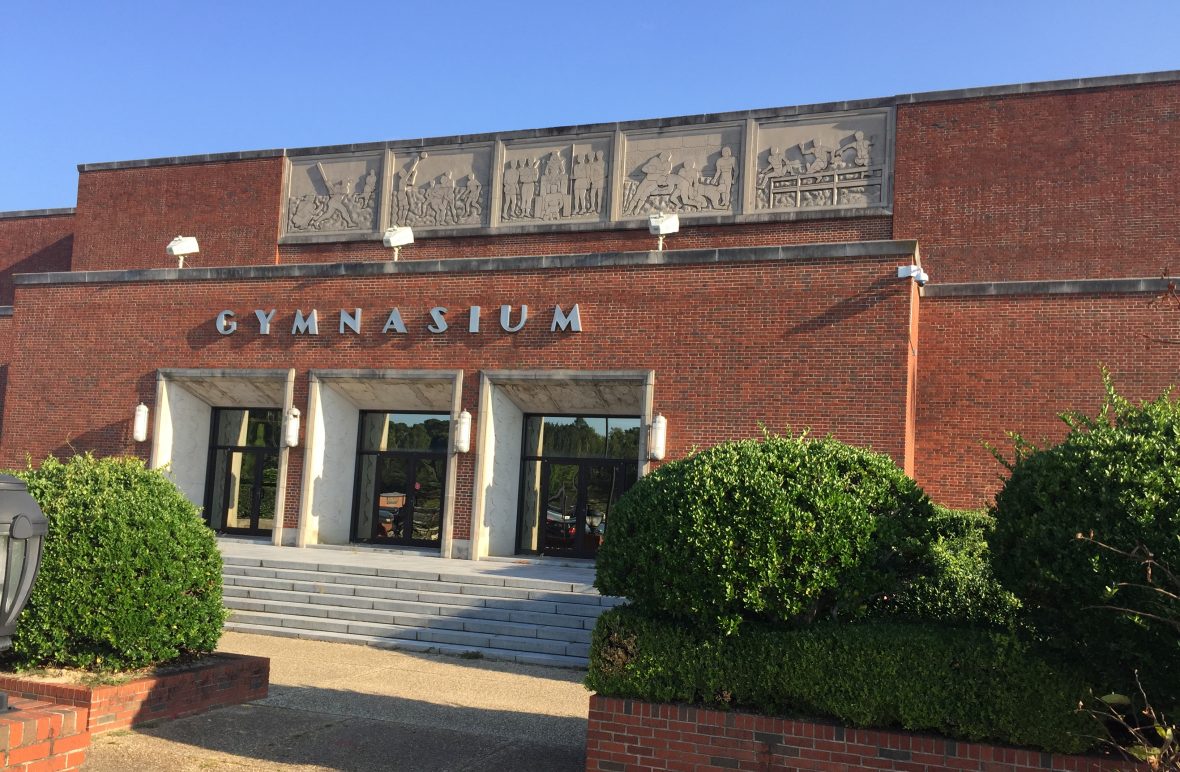
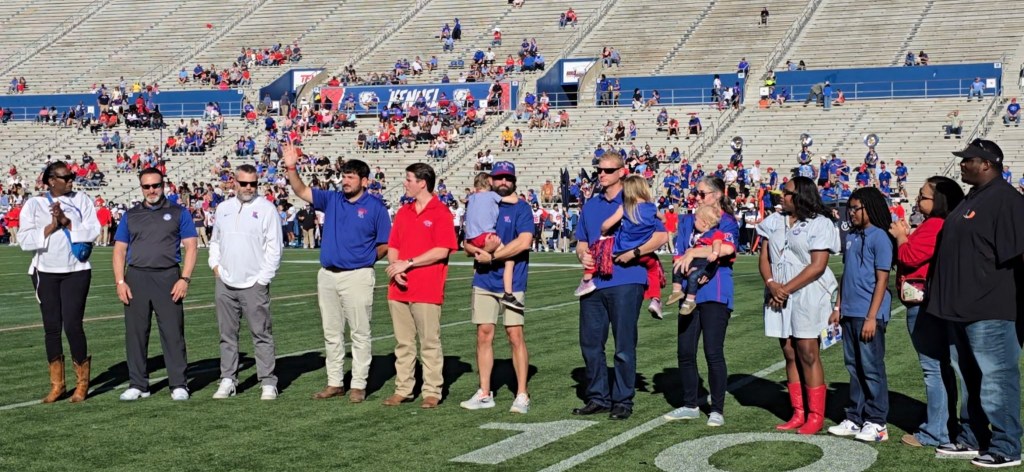
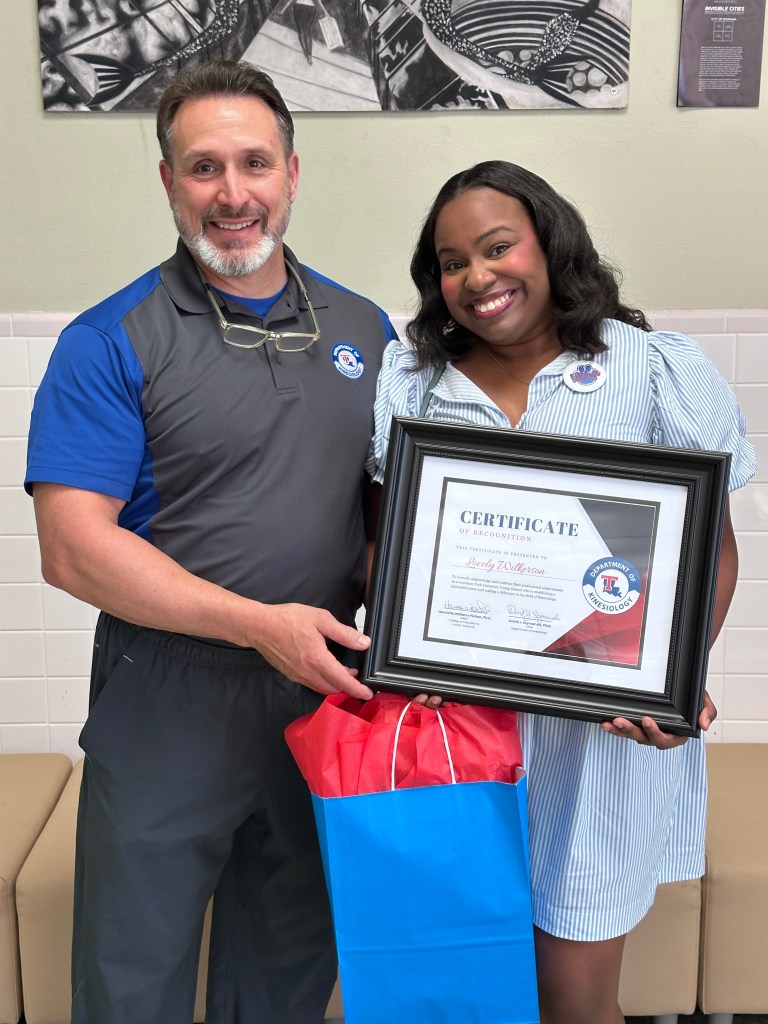
On November 22nd, six young Kinesiology alumni were recognized at the Louisiana Tech football game vs. Liberty University. That morning Dr. David Szymanski (Kinesiology Department Chair) and several Kinesiology faculty members greeted the alumni and their families in the lobby of Scotty Robertson Memorial Gym. After introductions and remarks, all enjoyed a tour of the classrooms and labs to see updates to the facility since their graduation. Each alum was presented with a certificate of recognition and gift bag.
Dr. Henrietta Pichon (Dean of the College of Education and Human Sciences) joined in the festivities at the CEHS Tailgate Tent and then hosted the alumni and their families at the Davison Athletics Complex for the pre-game meal and the football game. The alums, along with Dr. Pichon and Dr. Szymanski, were recognized on field during the game. It was great inaugural event.
The alumni recognized were…
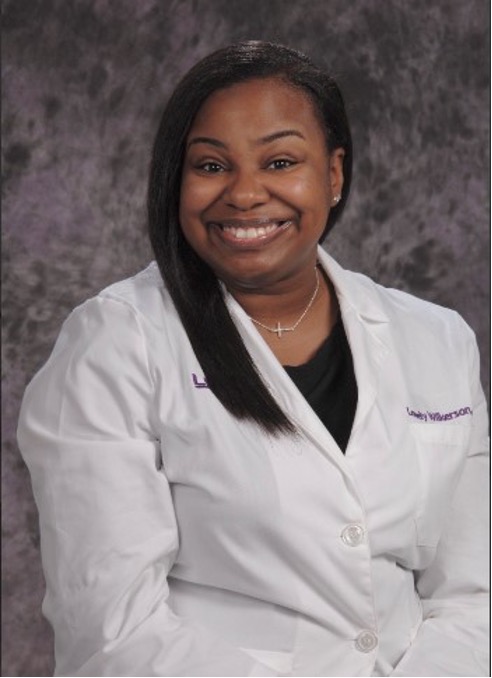
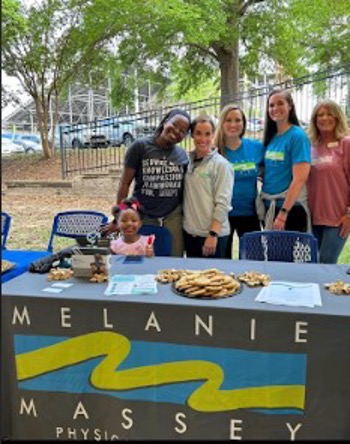
Physical Therapist – Dr. Lovely Wilkerson: Graduated LaTech with BS in Kinesiology and Health Sciences in 2019. Works at Melanie Massey Physical Therapy in Ruston, LA.
Prosthetics /Orthotist and Clinical Manager – Bradley Carver: Graduated LaTech with BS in Kinesiology and Health Science in 2013. Works at Methodist Orthotics & Prosthetics in Monroe, LA.
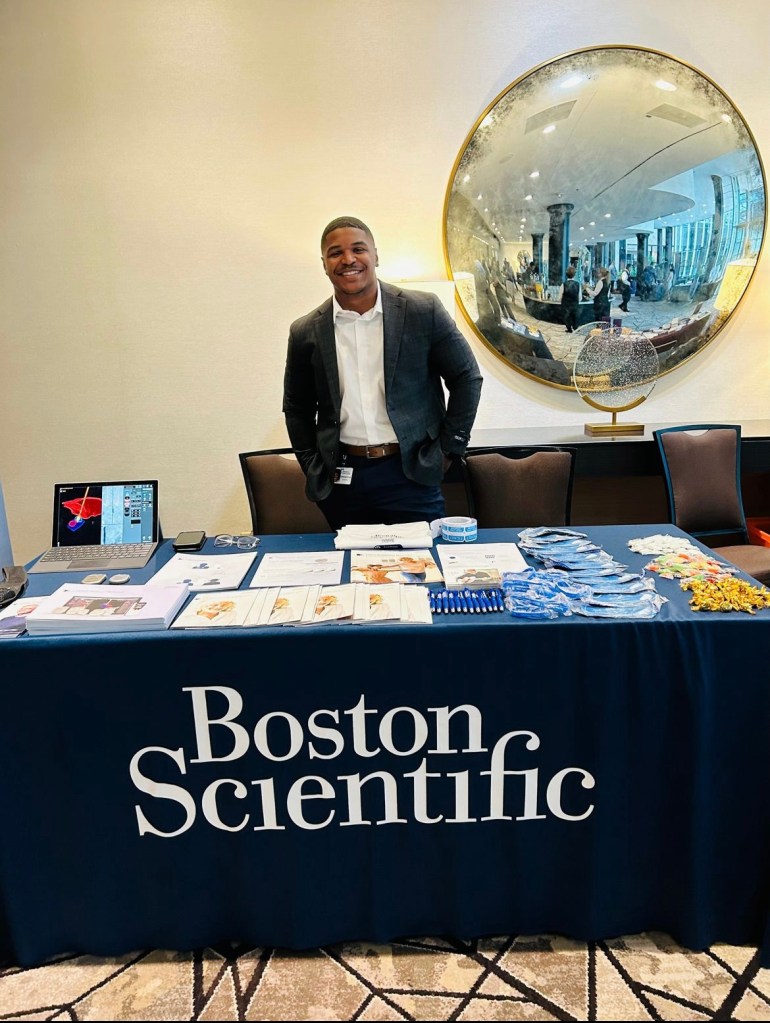
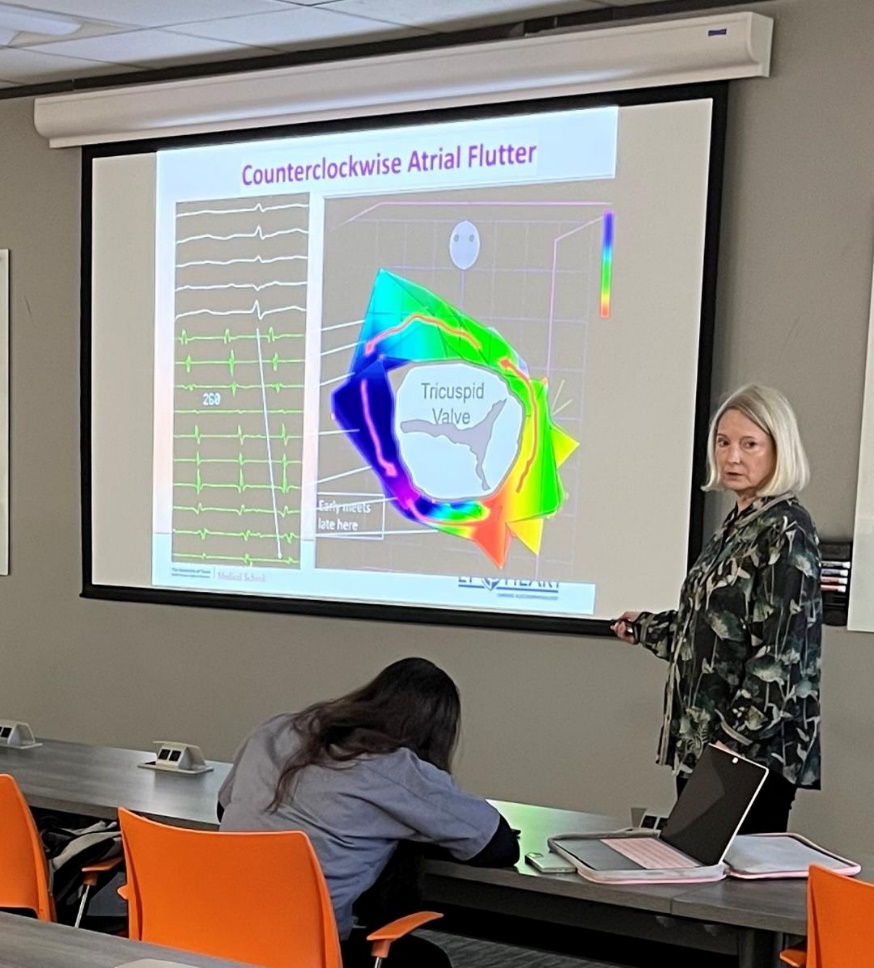
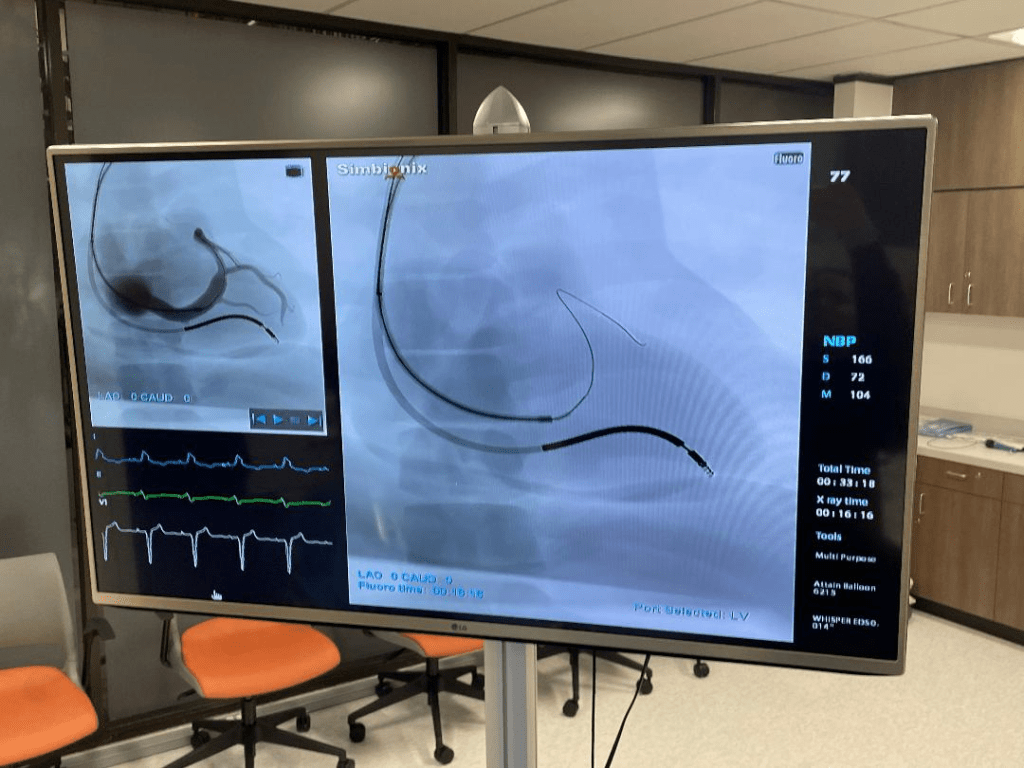
Field Clinical Specialist at Biotronik (Cardiac Rhythm Management Industry) – Jesse Wendt: Graduated with BS in Kinesiology and Health Sciences in 2021. Works at Biotronik in Lafayette, LA.
Lead Cognitive Performance Specialist – Daniel Johnson: Graduated LaTech with BA in Psychology in 2022 and MS in Kinesiology: Sport & Exercise Psychology concentration in 2024. Works at H2F Holistic Health and Fitness (Fort Polk) in Leesville, LA.
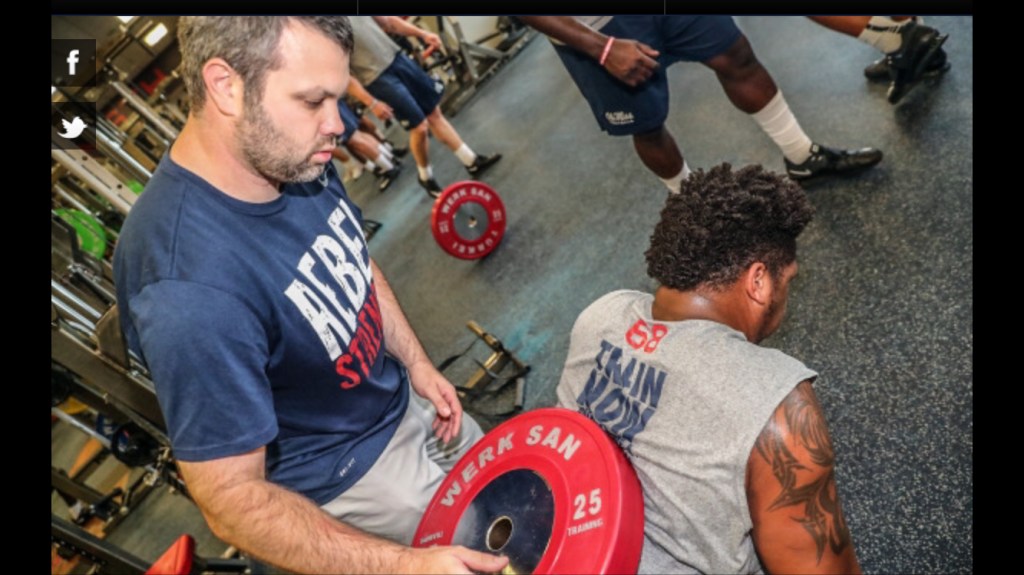
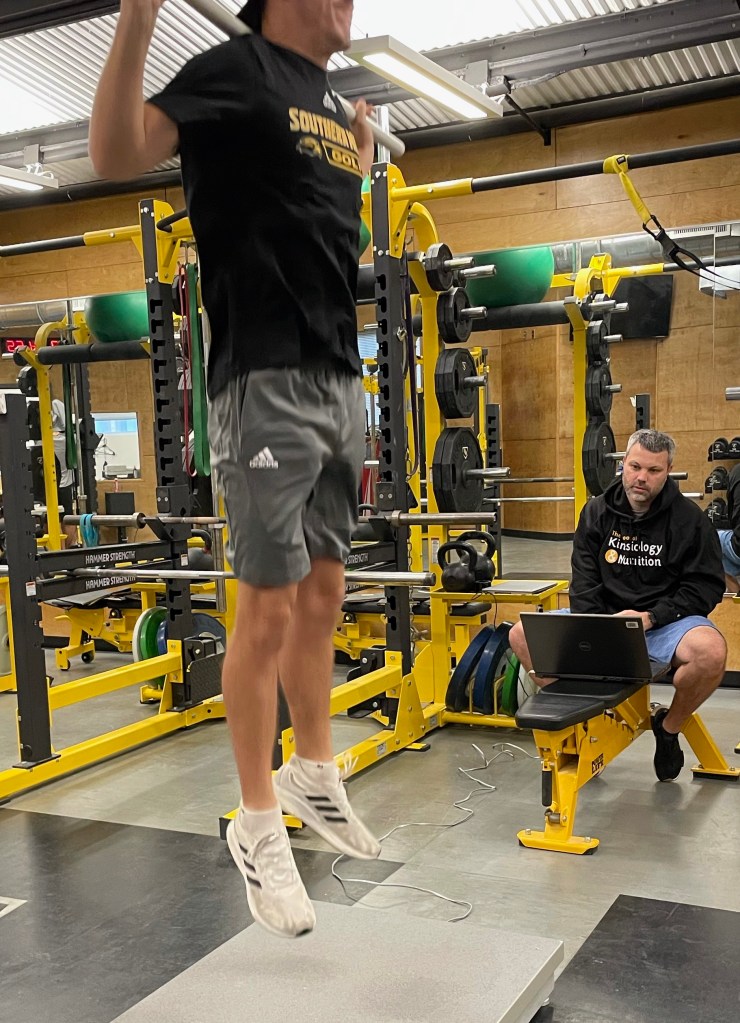
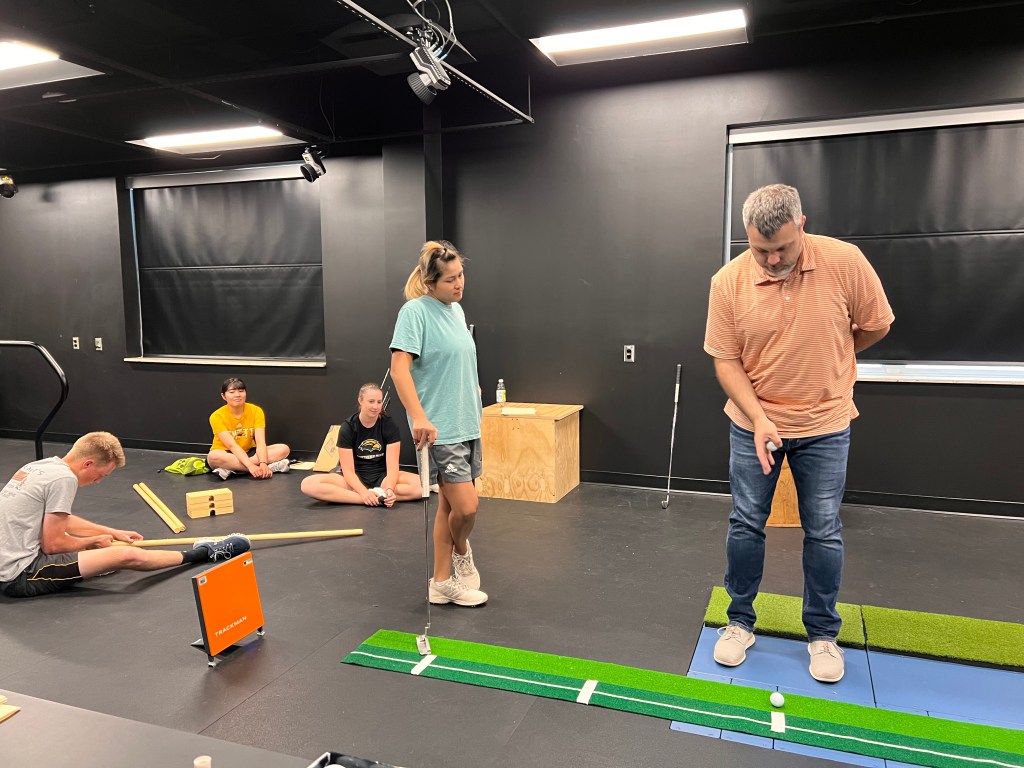
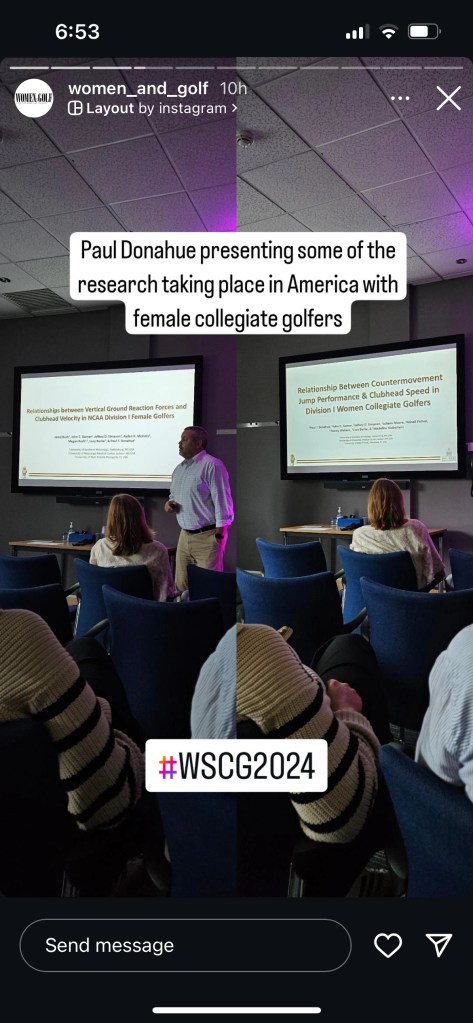
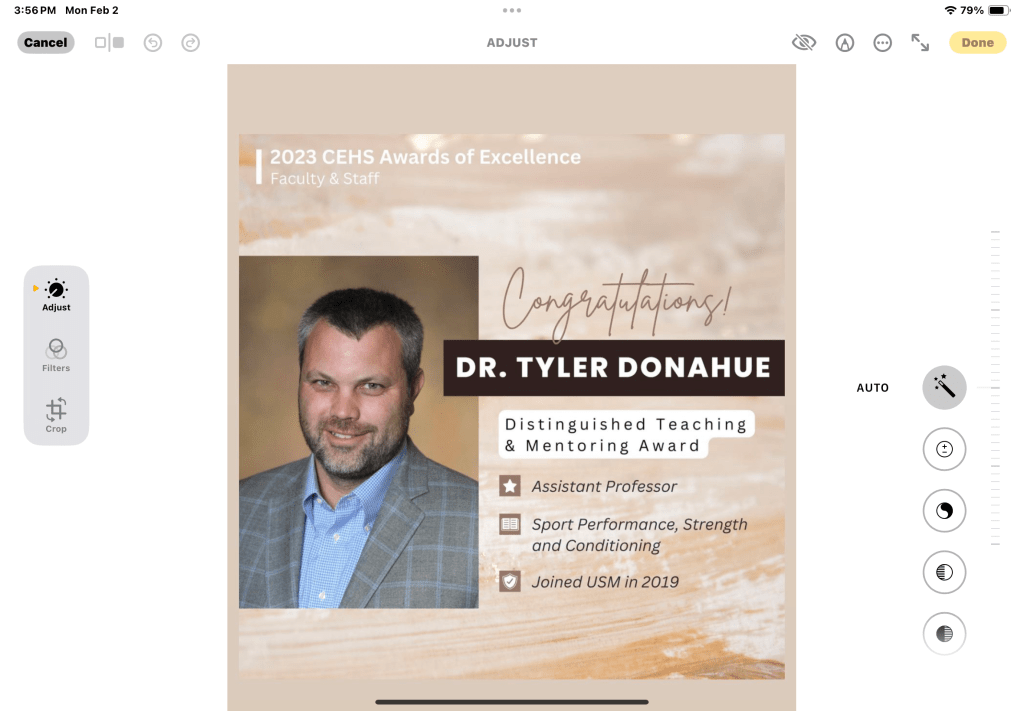
Associate Professor – Dr. Tyler Donahue: Graduated LaTech with MS in Kinesiology: Sports Performance concentration in 2013. Earned PhD from University of Mississippi in 2019. Works at the University of Southern Mississippi in Hattiesburg, MS.
US Marine Corps Special Operations Command Liaison Officer to Special Operations Command (Central) – Major Jeremy Carter: Graduate LaTech with BS in KINE with dual concentrations in clinical & health promotion in 2011 and MS in Kinesiology: Exercise Science concentration in 2012. Major Carter serves at MacDill Air Force Base in Tampa, FL.
Our next six blogs will feature each alum as they have each agreed to write an article sharing their professional adventures.
Jesse Boswell Cozine Louisiana Tech University – KIHS – Clinical Concentration 2014 LSUS School of Allied Health 2017
My name is Jessie Cozine, and I live in Shreveport, Louisiana, where my husband and I enjoy spending time with our family and friends. From 2010-2014, I attended Louisiana Tech and was on the health promotion concentration in my kinesiology major. Later I changed to the clinical concentration to pursue physical therapy.
By my sophomore year I was questioning if I even wanted to do PT and wasn’t sure what other options I had. During a seminar hosted by our Kinesiology department in the fall of 2011, I was given the opportunity to hear from three professionals from an allied health school. They discussed careers in physical therapy, occupational therapy, and as a physical assistant. Everything the OT spoke about I fell in love with. It was exactly what I needed to hear to put me on the right track to pursue a career as an occupational therapist. Thankfully my advisor and other professors helped guide me in how to accomplish this goal and make my dream a reality.
There are many wonderful things the Kinesiology department gave me both professionally and personally. They encouraged me to join several of the department’s organizations including ESPE (now KINE) and PEK. I am grateful for their guidance because I learned so much through these organizations. Getting out of my comfort zone challenged me to grow as a leader, and I enjoyed serving in several roles in these organizations: secretary, vice president and president. This gave me the opportunity to collaborate with other students as we learned how to network and organize fundraising events. Each of these valuable experiences shaped me into the person and professional I am today.
Another incredible asset the Kinesiology department provided me was the adult practicum class as well as setting up an internship with an OT at an LTAC (Long-Term Acute Care) facility. This gave me hands on experience with people in the community, and I shadowed both inpatient and outpatient occupational therapy settings. These opportunities were unique to our department and gave me valuable training. The occupational therapists I met during that internship wrote my recommendation letters which helped open the door for me into OT school.
Fast forward to my senior year. I had finished my internship that summer and was applying to OT schools before graduating in spring of 2014. During the winter quarter my father was in an accident and suffered a traumatic brain injury. Our family’s life was turned upside down. My dad did rehab in several places in Shreveport and then in New Orleans at Touro, a brain injury specialty hospital. My professors and close friends from the Kines department helped carry me through this difficult time in my life. When they say “Kines Family” they mean it. I could not have made it without them during those extremely stressful times. By God’s grace and mercy my dad returned home and was even able to attend my graduation in Spring of 2014.
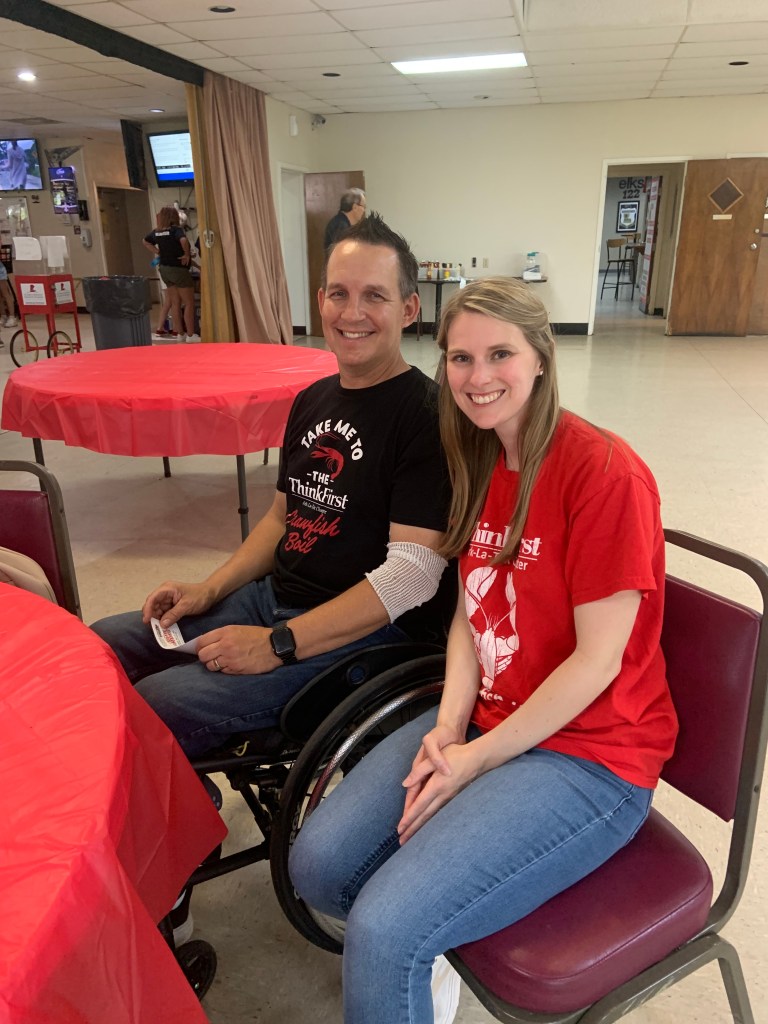
Prior to graduation, I found out that I was placed on the waitlist for OT school in Shreveport. This was not the news I wanted but considering what my family was going through at the time, it was really for the best. While waiting to reapply to OT school for that following year, I was given the opportunity work for a nonprofit organization called ThinkFirst. This is an injury prevention organization that educates the community on how to prevent brain and spinal cord injuries as well as providing support and resources to survivors and their families. Initially I worked there as an intern and then became their program coordinator. ThinkFirst helped my family so much while in the thick of my dad’s injury and it continues to support us in our brain injury journey.
The experience I gained from the Kines organizations helped prepare me for my role as program coordinator in setting up fundraising events for this nonprofit and networking with other organizations. It also opened my eyes and heart to a community of survivors/caregivers of both brain and spinal cord injuries that I may have never met. I believe this has made me a better clinician and person. God works in amazing ways even if we don’t see it that way, or when things don’t happen in our timeframe. After OT school I decided to join the board of ThinkFirst to stay connected and give back to such a wonderful organization and community. This summer I became president of the board at ThinkFirst.
So where am I now? I graduated from LSU School of Allied Health in Shreveport in 2017 and have been practicing as an occupational therapist for almost eight years. I’ve had the opportunity to work in a several settings including acute and inpatient rehab, and outpatient ortho, neuro and pediatrics. I currently work full time at Christus Outpatient orthopedic hand clinic. In this setting I work with a variety of age groups and upper extremity diagnoses. I continue to learn and grow in this field in order to give my patients the best care and further my knowledge as an OT. My future goal is to obtain my CHT (certified hand therapist). I’m reminded never to underestimate God and how He works in the details. I’ve learned not to limit myself and embrace what can be possible in life—both professionally and personally.
Delaney Ferris Department of Kinesiology Senior majoring in Kinesiology and Health Sciences
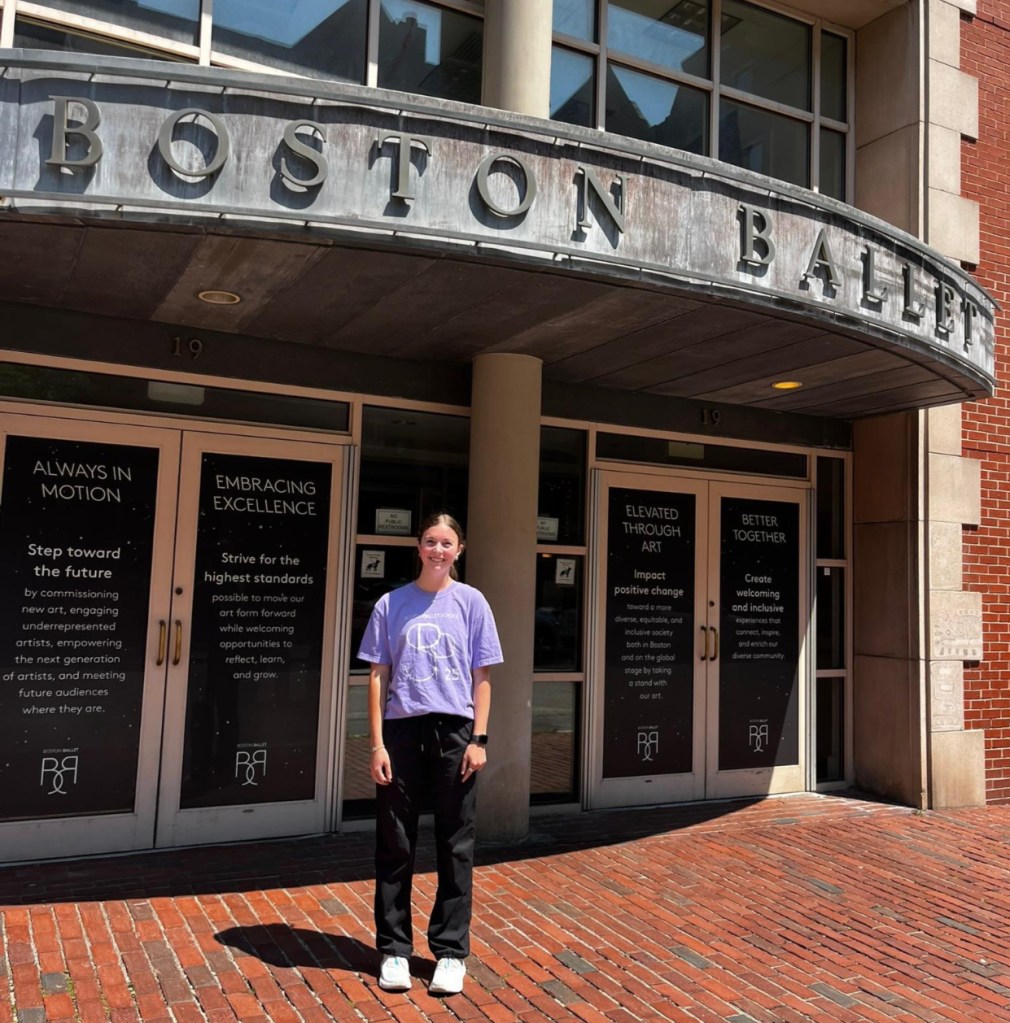
Hey everyone! My name is Delaney Ferris, and I’m from Watson, Louisiana. I am a senior at Louisiana Tech University majoring in Kinesiology and Health Sciences with plans to become a physical therapist. This summer I had the opportunity to do my internship with Susan Kinney, PT, in Boston, Massachusetts, at the Boston Ballet Summer Dance Program!
I met Susan thanks to an assignment in Mrs. Deal’s Foundations of Kinesiology course. We were assigned to interview a role model or mentor in our desired future profession. I have always been interested in becoming a physical therapist for dancers, so I asked my friend Kaylie Wood, who attended Boston Conservatory, if she could put me in contact with their physical therapist, whom she raved about. She gave me Susan’s number, and I reached out to her. Susan was thrilled to do an interview, and it went even better than I could have imagined. We planned to Facetime for one hour, but we ended up talking for almost two hours! We stayed in touch after, and she even sent pictures home with Kaylie to show me.
Then, on a whim in January, I asked Susan if I could do an internship with her in the summer. She had previously mentioned that she would love to have me do a clinical rotation with her once I was in PT school, so I thought that there was no harm in asking if I could do my undergrad internship first. She immediately said yes, gave me the dates, asked about living arrangements, and asked what contract she needed to sign. I was in shock by her response. I hadn’t expected her to say yes so quickly, but I knew I was going to do it. We got everything prepared, and several months later, I was off to live in the city.
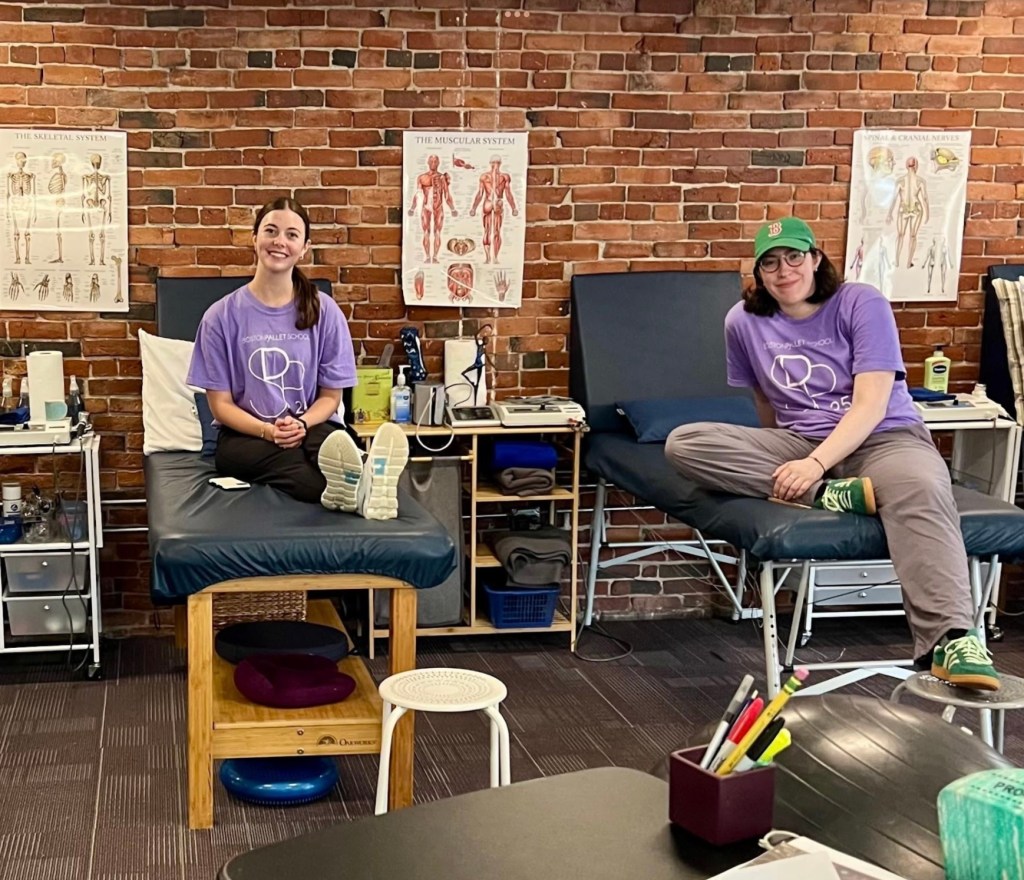
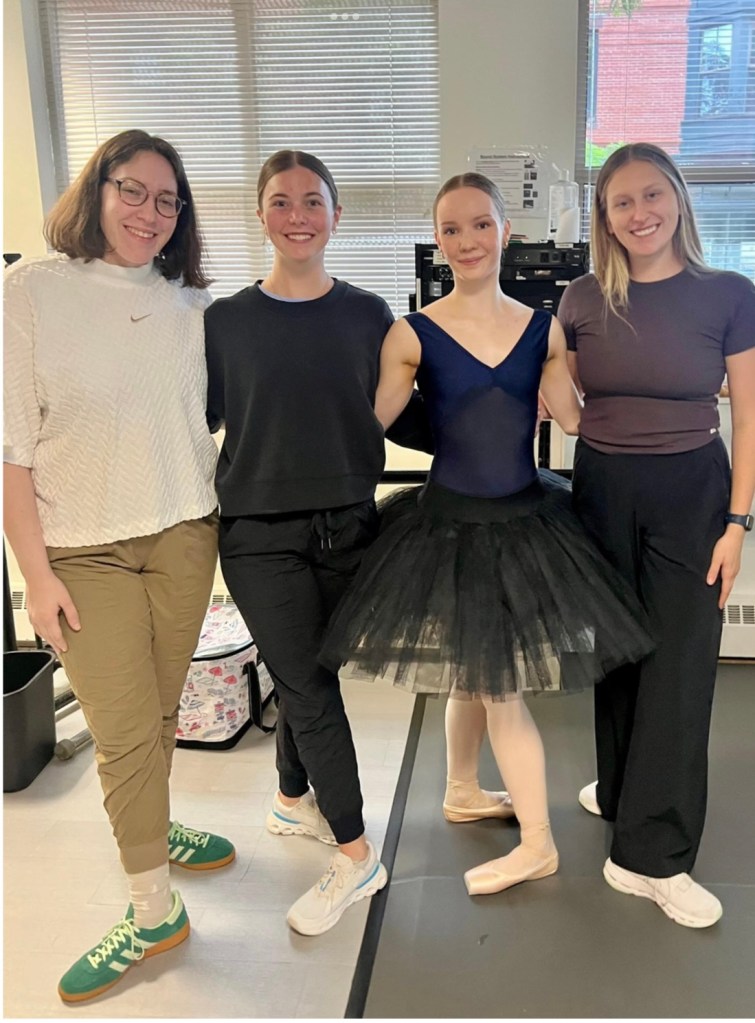
In Boston, I met with Susan and the other physical therapist, Libby Taylor, to set up the temporary clinic at Boston Ballet. Susan’s company is Artist Rehabilitation Therapy Services, LLC. She is currently contracted to provide on-site physical therapy clinics at the Boston Conservatory at Berklee, Boston Arts Academy, and the Boston Ballet School Summer Dance Program. Her permanent clinic resides at Boston Conservatory, and she sets up a temporary clinic for the summer at Boston Ballet. The first week of the internship consisted of giving lectures to the students at Boston Conservatory’s Musical Theater Dance Intensive and Boston Ballet Summer Dance Program. We taught them about different signs of injuries to look for and how to care for their bodies during these long, intense programs. I got to demonstrate all the exercises and stretches so I enjoyed assisting with the lectures.
For the rest of the internship, we treated the students at Boston Ballet. We were treating dancers from all over the US and the country, including the UK, Ireland, Denmark, Finland, Germany, Japan, etc., which was incredible. The clinic was very fast-paced. Each PT had one patient every 30 minutes, so they had to evaluate, diagnose, and treat within that time while working around their dance schedule. While the PTs worked hands-on with the patient, I kept the flow of the clinic, set patients up on heat, and plugged others into ice buckets. I also observed a majority of the time and acted as the scribe for Mrs. Sue during evaluations. This helped me learn all about the ways to treat different acute and overuse injuries that are specific to dancers and ways to document them.
In addition to regular appointments, we also handled walk-ins and emergencies. There were several times when a teacher carried a student in, or we had to run to a studio to respond to an injury. It was hectic at times, but so enjoyable. The work environment was always professional, but we always had fun, laughed, or chatted with patients and each other. I also got to work with and learn from athletic trainers Mikaela Shelby and Amanda Donahue. Mikaela filled in for Mrs. Sue or Libby on multiple occasions, and I traveled to the Newton studio a few times to learn from Amanda. It was amazing to learn how different people treated dancers.
Outside of the internship, I lived with Kaylie and explored the city. I watched many Red Sox games, strolled endless summer markets, and visited many historic sites. I may have gotten Mrs. Sue’s car towed and left with a permanent scar, but I made lifelong friends and memories. This summer was the best experience I could have had, and I hope that other students will get to experience this.
Alexandra Crovetto, B.S. Kinesiology and Health Science Louisiana Tech University- 2022
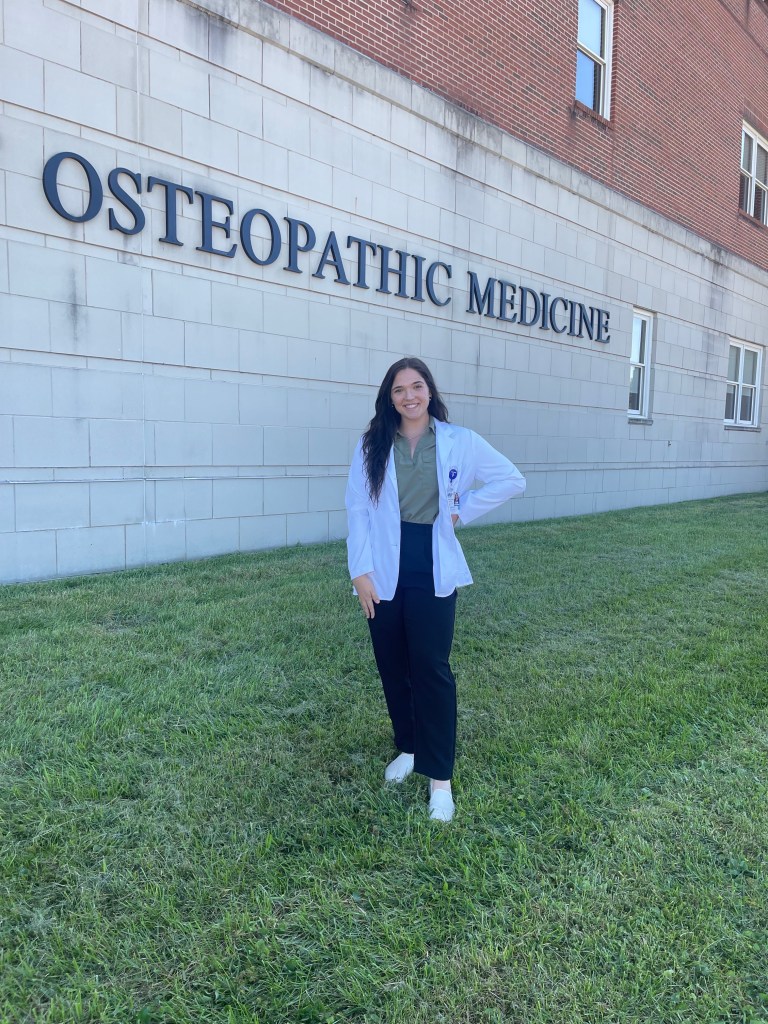
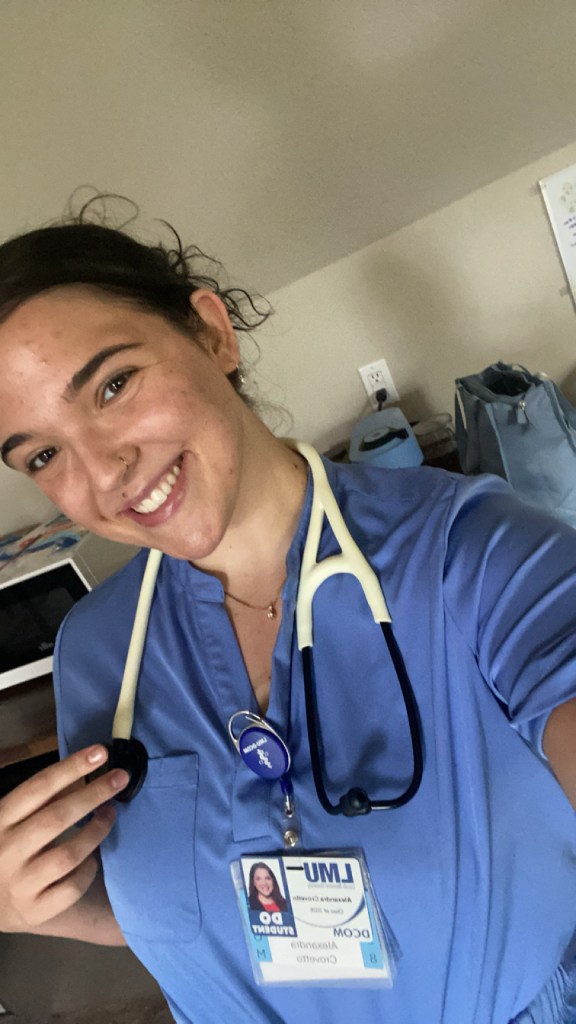
My name is Alexandra Crovetto, and I am a second-year medical student at Lincoln Memorial University Debusk College of Osteopathic Medicine (LMU-DCOM). I am originally from Ponchatoula, LA, and I graduated from Louisiana Tech in November of 2022. During my senior year at Tech, I applied to osteopathic and allopathic medical schools but was not offered a seat. So, I took a gap year after graduation to work on improving my MCAT score and to get more patient-care experience in a hospital setting to enhance my resume. I was accepted to DCOM in the fall of 2023 and started my first classes in July of 2024.
My Louisiana Tech journey began in the Kinesiology department with the interest of becoming a physical therapist. At the time, I had been in Mrs. Deal’s class, and she encouraged us to go into the community to shadow different clinics to see if we were interested in the field. Johnson Physical Therapy welcomed me, and the therapists educated me through assessment and technique demonstrations. While I enjoyed learning this information, I discovered PT was not something I wanted as a career. However, I still did have interest in some physical therapy techniques and wanted to dive deeper into the blending of physical therapy with the practice of medicine. I am grateful to have been in a department that provided information, resources and opportunities for career choices. I attended various seminars to seek topics that peaked my interest. I became interested in becoming a physician assistant, so I took additional courses in biology to obtain the prerequisites for PA applications.
However, I still was not certain about becoming a PA because I was still drawn to PT techniques and treatments. This led to my discovery of the benefits of osteopathic medicine. Osteopathic medical schools offered me the perfect blend of medicine with physical manipulation and therapy. As Kinesiology students, we are always taught that the body is a functional unit and many entities go into the overall health of our future patients, so when I discovered that osteopathic medical schools were founded on the idea that the body is a unit in mind, body, and spirit, I was thrilled to learn more. I had my doubts about getting into medical school, mainly because my family primarily consisted of educators not medical professionals. Also, I was a kinesiology major, and most pre-meds are biology majors. Fortunately, when doubts crept in, one of my best friends, Zadren Alexander, a kinesiology major now in his final year of PT school, along with my professors: Ms. Boyd, Mrs. Reeves, Mrs. Szymanski, and Mrs.Deal, really helped to keep me motivated. They offered constant encouragement and guidance that set me up to believe in myself and in the education that Louisiana Tech provided. The summer before I graduated, I completed extra course work to meet the prerequisites for medical school. From the course loads, research projects, and community involvement to the hands-on experiences and encouragement from the faculty, including University President Guice, I will forever be grateful for the preparation I was given.
I was excited to receive a number of offers, but I decided to attend DCOM for medical school because I have always loved the mountains of Tennessee, and I wanted to experience the beauty and fresh mountain air. I also thoroughly enjoyed the “interest days,” as I was able to speak with students, prospective students and faculty over Zoom, so I was more than ready to get started.
One of my favorite classes is Osteopathic Manipulative Medicine or OMM, which is a wonderful physical medicine. As a kinesiology graduate, I have a passion for hands-on manipulations that can provide relief and healing to patients almost instantly. Having the volume of knowledge from undergrad about the anatomy of the human body has helped me in learning these techniques. I also enjoy OMM because we are able to provide a resource and relief to those who may not be able to afford medications, treatments, and procedures, or for those patients who have tried every avenue and need a last resort. Aside from OMM, our curriculum also presents osteopathic values within our courses, and we are taught to view the body as a self-healing machine, as well as looking at our patients differently. We are not to chase the problems our patients bring to us; instead, we are to look at our patients as a whole: mind, body, and spirit, and truly evaluate each of those aspects when listening, diagnosing and treating.
Osteopathic Medical schools are set up the same as allopathic medical schools in that we have two years of didactics (classroom) and then two years of clinical rotations. Year one is similar to prerequisite courses in undergraduate. Classes include pharmacology, neuroanatomy, anatomy, biochemistry, microbiology, and from the beginning, we learn Osteopathic Principles and Practices with standardized patients. That is something that drew me to my school because I wanted exposure working with real people and getting comfortable with talking to patients and writing notes on those encounters. In the second year, we transition to system-based clinical courses where we spend a couple of weeks on three different body systems and dive into learning diseases, disorders, diagnostics and treatments. During this year, we are expected to start diagnosing and treating our standardized patients in order to prepare for clinical rotations. These treatments also include performing OMM. Toward the end of the second year, we rank our favorite rotation sites, get put into a lottery and placed. Third year rotations have required specialities that must be completed along with elective rotations. We can choose our preferred specialty to work with, or some choose to work with family members who are physicians. During fourth year there are required rotations; however, most of the rotations are open for students to decide. Much of this time is used for “audition” rotations. This is when we rotate at residency spots in which we are most interested. During these rotations, students get acclimated to the preceptors and other workers and are given an opportunity to show residencies their best. After these are complete, we apply to residencies of our choice, graduate, and are sent off to begin residency wherever placed.
During my first year of undergrad sitting in Ms. Boyd’s FYE class, I would have never believed that I would enroll in medical school. Medical school always seemed so far out of my reach because my family consists of four generations of educators. It was definitely extra work getting into medical school, but I am so grateful for the well-rounded and comprehensive education I received from the Louisiana Tech Kinesiology Department. I had no desire to leave the relationships and courses that the kinesiology department provided me. I wanted to enjoy undergrad, especially since I knew medical school could be daunting and stressful. I love functional physical medicine, and I enjoyed getting to learn more than just the biology of the body but an all-encompassing view. Classes like Mrs. Deal’s adapted physical activity course, Mrs. Reeves’ water aerobics classes, Ms. Boyd’s sex, drugs and rock-n-roll class otherwise known as Personal and Community Health, Mr. Singh’s functional anatomy, Mrs. Szymanski’s strength and conditioning work, and Doc’s exercise physiology all contributed to my being a well-rounded applicant for medical school.
A Doctor of Osteopathic Medicine (D.O) student completes the same coursework and clinical requirements that students at M.D. schools complete. The only difference is that osteopathic students take around two-hundred additional hours of OPP classes in addition to traditional medicine coursework. In regards to board exams, we take a test called COMLEX and M.D. students take USMLE. COMLEX has the same content as USMLE with the additional OPP questions added in. All D.O. students are required to take the COMLEX exam, and it is optional to also take the USMLE exam. Students interested in more competitive specialties opt to also take the USMLE exam to “level the playing field,” since the stigma surrounding osteopathic medical schools is still prevalent today. However, there are no differences in the abilities of an MD and DO, and they can apply to and work within the same specialties. There are also more D.O. specific specialties that incorporate a lot of OMM into their practice for those students with interest in using OMM more often. OMM can be used in any specialty-some more than others; however, every student is trained to efficiently complete OMM, and it is up to the student post-graduate to continue education and practice in the field in order to provide OMT to their future patients.
I truly love being in osteopathic medical school, and I am thankful to be able to provide information on my journey to help guide future “dogs”. The field of Kinesiology is expansive, and there are many different avenues to explore. Never hold yourself back and always believe you can achieve your biggest dreams and goals!
Brandon Jackson B.S. Kinesiology and Health Sciences, Louisiana Tech University, 2024
Greetings to all! My name is Brandon Jackson, a proud graduate of Louisiana Tech University. This university was my dream college since I was in elementary school, and it still holds its prestigious legacy. I graduated in the Fall of 2024 with a Bachelor’s in Kinesiology & Health Sciences with a Certificate in Health Coaching. I am now a Board-Certified Health & Wellness Coach with the National Board of Health & Wellness Coaching (NBHWC)!
During my junior year, I found myself at a crossroads. I knew that I wanted to go further with my degree, but I didn’t know in what direction, so I prayed and waited on God to reveal His next steps for me. Then, one day, as I was in class, the professor brought up that Dr. Reichter would be hosting a seminar about health coaching. At the time, I had no true knowledge about this profession, but I was intrigued, so I went to the seminar. While at the seminar, Dr. Reichter passionately poured so much out to us, and I felt in my spirit that I had found a profession for me.
What is health coaching? Health Coaching is a partnership between a coach and a client, and in some cases, multiple clients in a group setting. The purpose of this profession is to partner with a client as an ally, so that they can achieve a potential goal. Some examples of possible goals are as follows: dieting, stress management, self-improvement, and the list goes on. Our main goal as coaches is to work with clients so that they can use the tools they discovered in health coaching in other areas of their lives independently.
Leaving that seminar, I knew that this was something I wanted to do. Since health coaching was kinesiology-based, I only needed to add a few extra classes to my degree plan to obtain the certificate; the other required classes I had already taken or was on pace to take. Classes like Advanced Health Coaching and the Internship were immensely beneficial in preparing me for the next level in health coaching. After finishing up all the requirements to receive the certificate, I chose to go after the NBHWC board exam. I made this decision because I saw how impactful health coaching could be. I saw an advancement in how we normally treat clients/patients in the health field. Health coaching is not just about conquering goals, but it’s about improving lifestyles. Studying for the exam was somewhat daunting because I didn’t know what to expect. A few things that helped me better prepare for the exam were relying heavily on a mentor, mine was Dr. Reichter, studying materials learned in the classroom, utilizing tips and help from the NBHWC online page, and most importantly, prayer, in Jesus’ name!
My advice for anyone interested in health coaching with an associate’s degree or higher, regardless of their major, is to go after the certificate; it’s readily accessible, plus the program at Louisiana Tech was exceptional. Even if a student doesn’t want to be a health coach, the communication skills and overall knowledge learned from the courses were beneficial. This certificate would be extremely beneficial for any student seeking a kinesiology degree in both Health Sciences & Health Promotion. Louisiana Tech, alongside Dr. Reichter, allowed for a one-of-a-kind experience for me and others with this Health Coaching program. It allows students like me another route to take outside of the traditional ones that might seem like the only way.
Carly Pogson, OTR/L, CPAM Louisiana Tech University, Bachelor of Science, Kinesiology 2015 Augusta University, Masters of Health Science, Occupational Therapy, 2019
My name is Carly Pogson, and I am an Occupational Therapist specializing in burn rehabilitation and complex wound management, a field I have been dedicated to since the start of my career over five years ago.
My path to occupational therapy began unexpectedly—in a kinesiology class taught by Mrs. Rhonda Boyd, where I first started to consider how I wanted to shape my future in healthcare. I knew I wanted to work with the body holistically, going beyond traditional Western medicine alone. My own experiences and beliefs affirmed the value of Eastern practices, and I envisioned a career that would integrate both perspectives into meaningful patient care.
Occupational therapy stood out to me because of its breadth. It does not only address disabilities from a biomechanical perspective but also considers the neurological, cognitive-behavioral, emotional, social, developmental, and spiritual aspects of a person’s health. It is a profession rooted in the belief that true healing is individualistic and multifaceted.
To explore this vision, I completed an undergraduate student internship with practitioners of Traditional Chinese Medicine where I was introduced to acupuncture, medical Qigong, Chinese Herbal medicine, and other alternative medicine practices including Chakra balancing and detoxification. I studied the body’s Qi, “life force energy,” and its role in overall health. The two mentors I met during this time, remain guides in my professional and personal growth. My second student internship was with a nurse practitioner specializing in functional medicine, where I saw firsthand the profound impact of nutrition on physical recovery and resilience.
Following graduation, I took a gap year in Georgia, working as a personal trainer while preparing for graduate studies. I took it one step further, challenging my own physical and emotional resilience by competing in my first (and only) International Natural Bodybuilding Federation (INBF) physique competition, where I took first place in the Bikini (tall) event. These experiences solidified my love for individualized exercise programming and reinforced my passion for helping others optimize their health. In 2019, I earned my Master’s of Health Sciences in Occupational Therapy from Augusta University (AU) with the determination to merge all these skills into my practice. While completing my Master’s program, I enrolled in two introductory courses in Traditional Chinese Medicine from Shanghai University of Traditional Chinese Medicine, who partnered with AU to form the Confucius Institute. This deepened my appreciation for Eastern health philosophy and strengthened my belief in the value of diverse healing practices.
I never expected to work in burns. Yet when the opportunity came to work at a hospital that specialized in burn care, I embraced it—and quickly discovered how deeply rewarding this work is. Burn care is unlike any other specialty: the healing journey lasts years, and I have the privilege of supporting patients from their initial hospital admission through scar management, long-term recovery, and reconstruction. This continuity allows me to build relationships that extend far beyond a typical episode of care, often months extending to even years.
Over the last five and a half years, I have grown into a leadership role as the Burn and Reconstruction Charge Therapist, where I provide care across acute, outpatient, and perioperative settings. My work includes facilitating interdisciplinary collaboration with surgeons, nurses, and rehabilitation specialists, as well as helping to build the first-ever formal Burn Reconstruction therapy program under the guidance of Rajiv Sood, M.D., FACS and Deborah Knight, MOT, OTR/L, BT-C. Within this program, we address functional and cosmetic challenges related to scar contractures, hypertrophic scarring, and burn deformities through surgical and therapeutic interventions.
My contributions include co-developing our hospital’s laser therapy program, participating on the pediatric burn team, and serving on splint call for urgent cases. My passion for advancing burn care has also taken me abroad—I have joined two medical mission trips to Eldoret, Kenya with Dr. Sood, partnering with Moi Teaching Hospital providers to deliver specialized burn treatment and education for both their adult and pediatric units.
Beyond clinical practice, I am committed to advancing occupational therapy through scholarship and education. I have authored two unique OT interventions currently under review for publication in the Book of Innovations by the National Society of Burns. I have attended the American Burn Association (ABA) 2024, and presented at the Georgia Occupational Therapy Association Conference (GOTA) 2024 with colleagues on topics including “Burn scar management 101: An introduction to outpatient occupational therapy for the burn survivor” for the Outpatient Therapist” and “Developing collaborative relationships between the OTR and COTA on the interdisciplinary burn care team,” in addition to presenting guest lectures for industry groups (Avita, Smith & Nephew) and my alma mater’s OT program.
At the heart of my career is a belief in the resilience of the human spirit. Burns may devastate the body, but therapy rebuilds more than function—it restores confidence, identity, and quality of life. Every patient I work with reinforces my drive to keep pushing the field forward, to advocate for integrative, evidence-based care, and to mentor the next generation of therapists.
Outside of the clinic, I recharge by hiking, camping, backpacking, playing volleyball (+20 years), traveling, and pursuing my own physical wellness—because living the values I teach my patients matters just as much as delivering them.
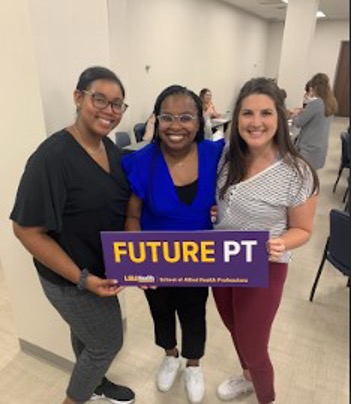
Hello! My name is Lovely Wilkerson, and for the last two years, I have been practicing as a Physical Therapist in Northeast Louisiana. Every day, I get the opportunity to treat patients, which I’ll expand on later. To get to know each other a little better, here are some fun facts about me: I was born in Lansing, Michigan, but my mother immediately moved down south to be closer to family once I was born. I spent my first 10 years of life in a small town in Central Louisiana called Jonesville (bonus points if you know where it is), then I moved to Ruston when I was in the 5th grade, and Ruston has been home ever since. During my time in Jonesville, I lived with my grandmother. She was my best friend (and still is one of the most important people in my life)! We would do everything together. We went shopping, picked fresh vegetables at her friend’s garden, went fishing along the local pond, you name it. I can vividly remember riding in her gold Ford sedan with the windows down, singing at the top of our lungs when she picked me up from school. And if she wasn’t with me, she was working hard, charming her customers with her million dollar smile. Regardless of how busy she was, she never made me feel like I was a burden. I don’t remember exactly when, but I began to notice that she would have a little less pep in her step as the days went on. After some testing, she was diagnosed with Sarcoidosis. It is a chronic inflammatory disease of unknown cause that primarily affects the lungs. It is characterized by the formation of small, non-cancerous clumps of cells called granulomas in various organs, most commonly the lungs, lymph nodes, and skin. Watching her slowly regress from being an active, social butterfly, to begging to stay indoors due to pain and fatigue was devastating for me, especially as a child, because I felt powerless. The only thing I could do was use my little hands and hug her and rub her back to let her know how much I loved her. She began asking me if I would rub her joints and how it made all the difference. Of course, looking back, she was probably just telling me how good it felt to stroke my child-like ego. However, from that point, I knew that I wanted to join a career that would help people.
When I was in high school, I had reminded myself of my childhood passion, and decided that I was going to become a massage therapist. I was going to go to college to get a background in science, then get my certification to start seeing clients. I had it all planned out. Well, I hate to spoil the plot, but that did not last long. During my junior year, we had a career fair with colleges from all over the state, promoting themselves, as they should. One booth that caught my attention: Louisiana Tech Kinesiology. The faculty were so kind and welcoming. I remember getting asked about what I wanted to do for a career, and I replied that I wanted to make people feel better with my hands. I was asked if I had ever heard of physical therapy. I hadn’t. My introduction to the field is what you would call… unorthodox. I’ve never broken a bone, or torn a ligament, or even knew anyone who had. Ruston had plenty of PT clinics, but the nearest one in Jonesville was 30 minutes away. Little did I know that a PT could address way more than musculoskeletal issues. Physical therapists are trained to treat orthopedic, neurological, oncological, and cardiovascular conditions through education, exercises, aquatics, modalities for pain relief, and most importantly, encouragement. I had no idea what I was signing myself up for, but that day, I changed my mind and decided that I was going to study to become a physical therapist. I made the decision that if I ever had a patient who started off like my grandmother, I would work my hardest to adapt to a change in lifestyle that would overall improve his or her quality of life. During my time in college, I collected observation hours from clinics around town and worked at the Boys and Girls Club, fueling my passion towards pediatrics and improving their tiny quality of lives, too. The Kinesiology department sponsored graduate programs to speak at seminars to give students a closer look and solidified my choice. 4 years later, I graduated from Louisiana Tech University with my Bachelor’s in Kinesiology and Health Promotion in Winter 2019.
I decided to take a gap year to improve my GRE score and work as a physical therapy technician at an outpatient orthopedic clinic. With that extra time, I was able to learn more about the daily life of a PT, including understanding insurance, documentation, and progressing patients. I began physical therapy school at LSU Health Sciences Center in Shreveport in May 2020. Yep, during COVID year. Social distancing, virtual learning, spending way too much money on Doordash, and always worrying about the uncertain, on top of trying to keep up with our studies, definitely kept my classmates and I busy. Thankfully, our professors worked their hardest to still provide my class with lab simulations, group discussions, and clinical experiences with willing clinics at the time to enhance our education. In physical therapy school, your curriculum encompasses thorough courses of anatomy, physiology, the foundations of orthopedics, neurology, wound care, cardiovascular systems, pelvic floor, other systems (integumentary, nephrology, lymphatic), geriatrics, pediatrics, braces & adaptive equipment, relationships with other healthcare professionals, ethics, and research. In total, we spent about 2.5 years in the classroom with sprinkles of spending time in the clinic to observe the real deal. During our third and final year, we spent one more semester finishing up in the classroom, and our remaining time was spent on long-term clinical rotations, or internships, that allowed us to learn under licensed therapists and treat patients under their supervision. During these long-term rotations, my class was scattered across many cities (and even states) in different settings, such as outpatient (the most common that you might have heard of, like where an athlete would go), acute care (within the hospital), or inpatient rehab (still within the hospital, but admitted for a prolonged period of time to ensure safety before being discharged home). Also during our final year, we had group research projects where we collected real data from real patients, which we presented before graduation.
I graduated with my Doctorate of Physical Therapy in May 2023. I also got my first job at Melanie Massey Physical Therapy that same month, and I have been there since. As much as I love pediatrics, I wanted to also grow with treating adults since so much of my education was catered to treating them. At MMPT, I have been blessed with a caseload of varying complexity of babies, school-aged children, adolescents, and adults. I have also been blessed with mentorship, friendships, and leadership development that has molded me into the clinician I am today. I get to celebrate when a 15-month-old baby takes his first steps ever in life and when my 85-year-old woman takes her first steps with a cane for the first time in 3 months. Life can come at you fast and can knock you off your feet in a moment’s time. Being a physical therapist has allowed me to meet my patients and their caregivers when they are at their lowest and hope appears to be lost. I have the privilege to work with them to create a new sense of normal, with minimal fear, realistic expectations, and functional goal setting. And I believe forming that bond is the part that makes me love this field as much as I do.
With earning your degree and license, it is important to understand what is under your scope of practice as a PT, but also when it is appropriate to consult other disciplines and/or refer the patient back to their physician/physician’s assistant/nurse practitioner to determine the root of an issue. At the end of the day, the ultimate goal is for the patient to improve objectively and subjectively. As I mentioned earlier, not every physical therapist treats the same thing in the same setting every day for the rest of their lives. PTs can work in outpatient, acute care, long-term acute care, inpatient rehab, specialized hospitals (like Children’s), school-based, skilled nursing facilities or nursing homes, daycares, home health, the choices are endless! Even better, as a PT, you have the freedom to work in any setting of your choosing. Our field is an evidence-based practice. We are required to take continuing education courses and keep up with the newest research. If you love science, love learning, and love people, then PT might be the field for you! I hope this was a good read for you. If there is any way I can help, don’t be afraid to reach out! Good luck!
My name is Hannah Huynh, and I’m from Bossier City, Louisiana! I’m 23 years old, and I graduated from Louisiana Tech in 2024 with a B.S. in Kinesiology and Health Sciences. I just finished my first full year in the Doctor of Chiropractic program at Parker University.
When I walked into Parker for the first time, I thought I had a pretty good idea of what to expect: long hours, demanding classes, and a deeper dive into human anatomy and physiology. But nothing could have fully prepared me for just how much I would grow—not only academically, but mentally, emotionally, and personally.
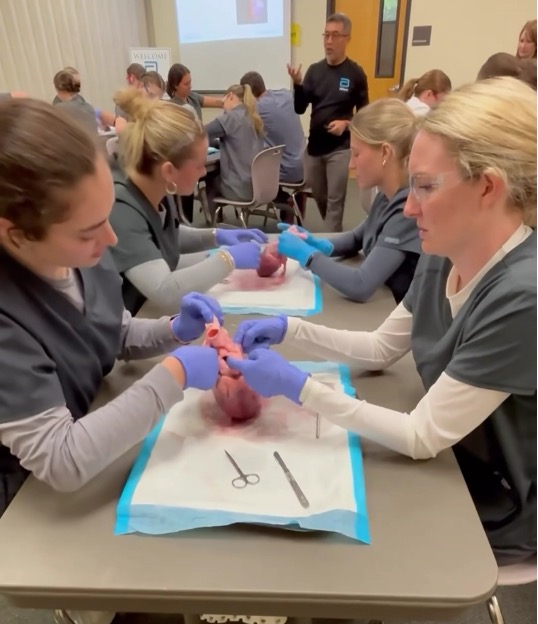
This first year has been one of the most intense yet rewarding chapters of my life. I’ve experienced moments of doubt and burnout, but also breakthroughs that reminded me why I chose this path in the first place. From dissecting cadavers in anatomy lab to learning how the nervous system influences every function in the body, I’ve gained a whole new appreciation for the complexity of human health and the responsibility that comes with becoming a Doctor of Chiropractic.
In this reflection, I want to share the journey so far: the challenges I faced, the skills I developed, and how this first year has shaped the way I think about healthcare and my role in it. Whether you’re considering chiropractic school or are just curious about what the first year really feels like, I hope my experience offers some insight and maybe even a little encouragement.
Why Chiropractic?
When I first started undergrad, I was working toward a degree in Biology, hoping to go to medical school to become an anesthesiologist. After my first two years, I started to shift my focus from traditional medicine to an allied health profession. This change came with a lot of contemplation and hesitation. Once I realized my heart wasn’t in medicine, I changed my major to Kinesiology.
There are so many different professions within kinesiology, and when I made the switch, I had no idea I would fall into chiropractic. I researched different careers and their requirements, spent hours shadowing at various clinics, and consulted with my professors. I hadn’t fully made up my mind until I shadowed Dr. Gary Higginbotham at Higginbotham Chiropractic. Seeing his daily flow, his interaction with patients, and the improvements in their quality of life set my heart on becoming a chiropractor.
I didn’t realize how broad the scope of chiropractic could be until I started school at Parker! There are so many people with different backgrounds who have introduced me to the many ways chiropractic care can be practiced. Most people in my cohort are college athletes who want to go into rehab and sports medicine, but there are plenty of other specialties—like neuroscience, family practice, prenatal care, pediatric care, geriatric care, and so much more.
The Reality of First-Year Coursework, Personal Growth, and Mindset Shifts
My first trimester was a bit of a culture shock. Going from Tech’s 10-week quarters with 12 credit hours to Parker’s 15-week trimesters with 27 credit hours felt like I was drowning. After a few weeks, the transition became easier, and I eventually fell into a natural rhythm.
By the time Trimester 2 rolled around, I thought I had a good grasp of what I needed to do to stay on top of my workload, but I still struggled to keep my head above water. Classes like Microbiology and Gross Anatomy were tough, but I especially struggled with the lab portions. It forced me to reassess my study habits. Instead of just paying attention in class and grasping concepts like I was used to, I had to dedicate hours after class to deeply understand just one topic.
Although it was hard, I pushed through and finished my first year strong. Louisiana Tech’s Kinesiology program helped prepare me for a more rigorous academic environment. My background in anatomy, physiology, and exercise science gave me a bit of a boost, allowing me to build on those subjects in more depth. This also helped me manage the workload so I could focus more on classes that needed additional time and effort.
Hands-on classes that focused on setups and palpation were the most fun for me and kept me motivated. It’s easy to lose motivation when you’re stuck in lectures and study sessions for hours, so these labs were refreshing! Learning how to feel for the spine and understand the biomechanics of the body made the academic load more bearable and even exciting.
Even when things were going well academically, there were still plenty of emotional ups and downs. Moving to a different state and feeling alone was scary, but I was fortunate to find a solid group of reliable friends along the way. Feelings of burnout and mental exhaustion are bound to happen in a program this demanding, but having people who were going through the same thing helped me feel less isolated and more supported.
One of the biggest mindset shifts I’m still learning is transitioning from thinking like a student to thinking like a doctor. Memorizing material and doing well on lab practicals is important, but I constantly have to remind myself that passing a class isn’t the end goal. The goal is to become an excellent chiropractor and a strong advocate for my patients’ overall health. That perspective motivates me to work harder and continually strive to improve.
Looking Ahead
As I move into my second year, the focus will shift from basic sciences to more clinical courses. I’ll have more adjusting classes and more opportunities for hands-on experience! I plan to shadow more chiropractors and explore different areas within the field.
There are so many specialties to consider: neuroscience, sports medicine, family practice, and more. Right now, I’m most interested in family practice with a focus on prenatal care. With a little over two years left, there’s still plenty of time to explore and discover what truly resonates with me.
Closing Thoughts
As you prepare to begin your journey into chiropractic college, or consider whether it’s the right path for you, know this: it will challenge you in ways you can’t fully anticipate. The coursework is rigorous, the pace relentless, and the expectations high. But it’s within that pressure that transformation begins.
My advice to incoming students is simple: stay open. Open to learning, open to being wrong, open to changing your mind, and open to growth. Don’t let imposter syndrome steal your confidence, and don’t expect to feel ready for every step. Growth rarely happens when you’re comfortable. In fact, some of your most defining moments will come when you feel stretched thin or unsure of your place. Lean into those moments, because they are shaping you into the kind of chiropractor who makes a difference.
Looking back, I’m grateful for every challenge that pushed me beyond what I thought I could handle. If I could offer one reminder, it would be this: the version of you who walks across the graduation stage will be stronger, wiser, and more capable than the one who first walked in. Trust the process, and trust yourself
Where did you grow up and what activities were you involved in?
I grew up on a dairy farm in northwest Iowa. In high school, I was involved in cross country, track, FFA, 4-H, drama, band, marching band, jazz band, choir, show choir, jazz choir, and art. I play trombone, and I served as our marching band’s drum major for two years. I was a district officer in FFA. In high school drama, I played Nathan Detroit in Guys and Dolls, Cowardly Lion in Wizard of Oz, and Masked Desperado in Twin Desparados: Or When Bullets Kiss.
What did you want to be when you grew up?
In kindergarten, I wanted to be a police man or a clown. Later on, I thought I might be a physician. Now I’m glad to say I teach and research kinesiology and stage combat.
Where did you attend undergrad and what did you major in?
I attended Iowa State University for chemistry for a year, then Iowa Lakes Community College for EMT training. I returned to ISU and finished a degree in performing arts with emphasis in acting/directing.
Where did you attend graduate school and your activities during that time?
I attended Iowa State University for a Master of Science degree in kinesiology from 2019 to 2021. I provided fight direction for theatre shows at ISU, other colleges and universities, high schools, and professional companies.
I continued graduate studies at ISU for a PhD in kinesiology. I took a position as adjunct faculty at Des Moines Area Community College in Ankeny, Iowa, where I taught DRA 127: Stage Combat. At ISU, I served as a research assistant on the Study of Parkinson’s and Exercise phase 3 clinical trial (SPARX3), I served as a teaching assistant in KIN 372: Motor Control and Learning across the Lifespan, and I mentored undergraduate students in the Alternative Medicine and Music for Parkinson’s Disease (AMMPD) Lab.
What brought you to Louisiana Tech?
LaTech has a long history of excellent stage combat teaching in the theatre department, and exciting work is being done in the kinesiology department. I hope to contribute to the research and teaching in kinesiology by collaborating with the theatre department to study stage combat and its associated motor skills.
What classes will you teach at Tech?
KINE 333: Motor Learning
KINE 520: Motor Development and Learning
other courses to be determined
What are your research interests?
I am interested in the neuromotor and cognitive processes that support motor learning, particularly in the context of stage combat. I have worked on spatial processing, working memory, target interception, and social-emotional imagination, which includes theory of mind, empathy, and emotion regulation.
What organizations are you affiliated with?
Society of American Fight Directors Society for Neuroscience American Congress of Rehabilitation Medicine International Society of Motor Control American Psychological Association: Division 10 Psychology of Aesthetics, Creativity, and the Arts
Tell us about your family.
I met my wife, Samantha performing a play at Iowa State University. We have two children, Charlotte (age 9) and Oliver (age 7). My father went to school for agriculture education and is now the CEO/manager of the Clay County Fair in Spencer, Iowa. My mother went to school for art education and now teaches grade 9 art in Johnston, Iowa. I have three younger brothers who all have their own children and careers. Charlotte and Oliver are very happy to have lots of cousins!
What do you like to do in your spare time to unwind?
I like to read science fiction, philosophy, and epic poetry. I also enjoy playing video games (especially with my kids) and outdoor activities like hiking, swimming, and sitting around a campfire.
What is your favorite quote?
Our doubts are traitors And make us lose the good we oft might win By fearing to attempt. – William Shakespeare
Louisiana Tech University, Bachelor of Science, Kinesiology, 2009
LSU Health Sciences Center, Doctor of Physical Therapy, 2012
University of Louisiana Monroe, Doctor of Education, expected 2026
Welcome to my career story. As an educator in physical therapy, I’ve traveled a path filled with challenges, insights, and unexpected turns. This blog is my chance to reflect on where I’ve been, how I got here, and where I’m headed next. Whether you’re a student, a professional, or just curious, I hope you’ll find inspiration, advice, and maybe even a bit of humor in the experiences I’ve gathered along the way.
I still remember the loud popping nose when my knee gave way during cheerleader tryouts. I had just turned 14 years old and was in the 8th grade. Within 2 weeks, an MRI confirmed a complete tear of my Anterior Cruciate Ligament (ACL). I was told I couldn’t play sports for at least 6 months, perhaps a year. Up until then, I was a multi-sport student athlete. I danced competitively, cheered (gymnastics/stunting), played catcher in softball, and played sweeper in soccer. Of course, as a young adolescent, this news was devastating. I had my ACL reconstructed and remember crying in the hospital when the physical therapist (PT) came to teach me how to use crutches. However, as I began outpatient physical therapy and noticed my own progress, my outlook changed. My PT was so passionate about his job, had such confidence in my ability to recover, and offered so much fun during the process, that I started enjoying my PT visits 3 times a week early in the morning before the school day started. I realize now, in hindsight, that moment was when the seed was planted. I wanted to make others feel like he made me feel – that I could succeed; that I would overcome this bump in the road; and I would not let my injury define me.
I graduated from West Monroe High School in 2005 with offers from many Louisiana and out of state schools. I really did not know where I wanted to go, but I had two friends going to Louisiana Tech. I decided to give it a go, and we attended Honors Day orientation together. After being on campus, I could tell this was a closeknit community, and I wanted to be a part of it. Still uncertain of my exact career choice other than helping people, I majored in Biology, knowing that I could attend medical school or physical therapy school with those respective degrees. I spent 2 semesters majoring in biology before switching solely to kinesiology. I knew that I wanted to be a physical therapist. What a great choice that was! I spent the rest of my undergraduate experience in kinesiology. I was very involved on campus, holding various positions in my sorority, Kappa Delta, including President. I was also a member of the Student Advancement Team. I became an officer in the Exercise Science and Physical Education (ESPE) association. I am really dating myself here… when I first enrolled in the College of Education on the pre-physical therapy track, the courses were named ESPE (pronounced ess-pee) and only later changed in my junior year to Kinesiology (KINE). I still credit Dr. David Szymanski for my ability to “breeze through” my exercise physiology course in PT school. I also attended the American Alliance for Health, Physical Education, Recreation and Dance (AAHPERD) conference with Mrs. Rhonda Boyd and Mrs. Smiley Reeves my senior year, which was an enlightening experience and prepared me for national conferences that I would attend in the future.
I graduated from Louisiana Tech in May 2009 with a Bachelor of Science in Kinesiology. Earlier that same week, I had already begun coursework at LSU Health Sciences Shreveport. I had a wonderful 3-year experience there. As a third-year student we were able to return to the gross cadaver lab as Teaching Assistants (TA). We were assigned to a row of tanks (3) and were responsible for providing supplemental instruction to the medical school professors. As I would help students assigned to my row, I began to notice other students flocking to our area in the lab. I did not think anything of it as I was just trying to help first year students learn their anatomy. I quickly realized I enjoyed teaching very much. As course evaluations were completed at the end of the semester, I had multiple comments from students that included “natural born teacher” and “should consider a career in academia one day”. I knew I was returning to my hometown of West Monroe with my betrothed (also from the area), and I just never thought there would be an opportunity for me to teach here. I decided to just squash that spark. I knew that being a PT meant I would constantly be educating my patients and family members, and that was enough for me.
I began my career as a PT at St. Francis Medical Center in Monroe, LA. I was assigned to part of the Physical Rehabilitation Team in acute care. Acute care in physical therapy refers to the specialized delivery of physical therapy services in a hospital or inpatient setting where patients are receiving treatment for acute medical conditions. These conditions typically require short-term, intensive care due to sudden or severe health issues, such as surgery, trauma, illness, or exacerbation of chronic diseases. I never thought there is where I would work, but it was an excellent first job as a PT. I was able to gain insight for patient’s progress, where they began, and how far they had come when they were ready to be discharged home or to another rehabilitation facility.
I loved my 3 years at SFMC, but I began to desire more. I wanted to pay off my student loans; I wanted patients to remember the help I had provided to them; and I wanted to build longer lasting relationships with my patients. I began seeing patients with St. Francis Home Health on the weekends or after work as a PRN (as needed) job. It was a great experience seeing this different side of physical therapy. I also began a PRN job at the Orthopaedic Clinic of North Louisiana. After 2 months of working PRN for them, they offered me a job. I accepted in 2015 and worked there for over 7 years, learning and cultivating my skills in assessment and manual therapy. In 2017, I became certified in Functional Dry Needling. Other certifications I gained during that time include a Kinesiotape practitioner, Instrument Assisted Soft Tissue Mobilization, and Blood Flow Restriction Therapy.
At some point around 2019, I had heard a rumor that the University of Louisiana Monroe was going to start a physical therapy program. I was a bit skeptical, because, well… how ‘bout them dawgs?! But I began to wonder… could my “dream job” actually exist here, in the area where I live? I knew if I wanted to be considered as a faculty member, I needed to step up my game.
In 2021, I studied and sat for the American Board of Physical Therapy Specialties exam in Orthopaedics and passed!
I expressed interest to the ULM Program Director in assisting with curriculum building through an email survey. I was offered to become “Community Faculty”. As a member, I helped build out courses within the curriculum to assist in applying for accreditation. Even though this was an unpaid position, I was exposed to the academic world. The experience confirmed I wanted to be there. I was hired at ULM as Assistant Professor in July 2022. We received provisional accreditation status in November 2022, and I officially began working on campus in January 2023. I became Assistant Director of Clinical Education in July 2023. The inaugural cohort began coursework in August 2023.
My teaching responsibilities include Assessment & Management of Musculoskeletal Systems; Integrated Clinical Experiences, where students are exposed to clinical environments and simulation experiences that assist integrating knowledge from didactic learning across all courses each semester; Professional Education, where students embark on long-term clinical rotations; and Assessment & Management of Patients across the Lifespan, encompassing treating adults and the aging population, as well as orthotics and prosthetics.
This is a collaborative simulation lab with the nursing program. Students were exposed to managing ICU lines while assisting patients out of bed, maintaining precautions.
In the Clinical Skills Development course, I created an “Olympic ceremony” where first place was given the gold glove award, second place received the silver wheelchair, and third place was awarded the bronze crutches.
As a professor, I also help with recruitment and interest in pursuing a career in physical therapy. I frequently visit middle schools, high schools, and college campuses to inform potential students about the opportunity to become a physical therapist at ULM.
Area Health Education Center (AHEC) visits provide the same opportunities for me to inform others about health care careers in physical therapy and providing a PT activity for them, such as performing deep tendon reflex testing.
I am also involved in professional organizations including the American Physical Therapy Association and the Louisiana Physical Therapy Board.
Our inaugural cohort’s class president accompanied me to an American Physical Therapy Association – Louisiana meeting.
I am involved in research that pertains to physical therapy on a state and national level. I am on the Research Committee for the American Physical Therapy Association of Louisiana, representing the Monroe district. I help to provide peer review to research intended to be presented at state conferences.
A colleague presents a poster presentation of his dissertation at the American Physical Therapy Association of Louisiana.
I pursued a voluntary position with the American of Physical Therapy Geriatrics section on implementing an annual mobility screen for geriatric patients and was selected to join the Task Force.
My contributions with the task force are featured in the April 2024 issue of GeriNotes (Vol. 31, No. 2), a publication of APTA Geriatrics. GeriNotes_April_2024_page_19
I also have my own research agendas underway. My interests include clinical readiness of student physical therapists, interprofessional education, and prevention in the geriatric population.
My colleagues at ULM conducted a project for interprofessional education between OT and PT students while conducting an awareness event for disabilities. We were voted “Outstanding Poster Presentation” at Spring Symposium 2024. We are currently pursuing publications following including OTA and SLP disciplines this Fall 2024, while interpreting participants’ feedback of the experience.
I continue research for balance in the geriatric population using the Bertec Balance Advantage System at ULM.
Being a part of a brand new DPT program has been so amazing! Our first white coating ceremony just occurred in Fall of 2024. Students could choose their mentor-coaches, instructors, family, or friends to don their white coats for the very first time.
I was given the privilege to don 4 white coats (3 of which were La Tech graduates) before they embarked on their very first clinical education experience.
I never thought this is where I would be – teaching physical therapy – and… at ULM! But we are truly doing something amazing here. Our program has a focus on rural health and the medically underserved. There are populations who deserve treatment, no matter where they live or their other circumstances. If you are interested in our program, do not hesitate to reach out to me at hamby@ulm.edu. I am happy to answer any questions and direct you to the appropriate person.
Don’t worry… I still bleed blue. 💙 I will ever loyal be to thee, my Alma Mater.