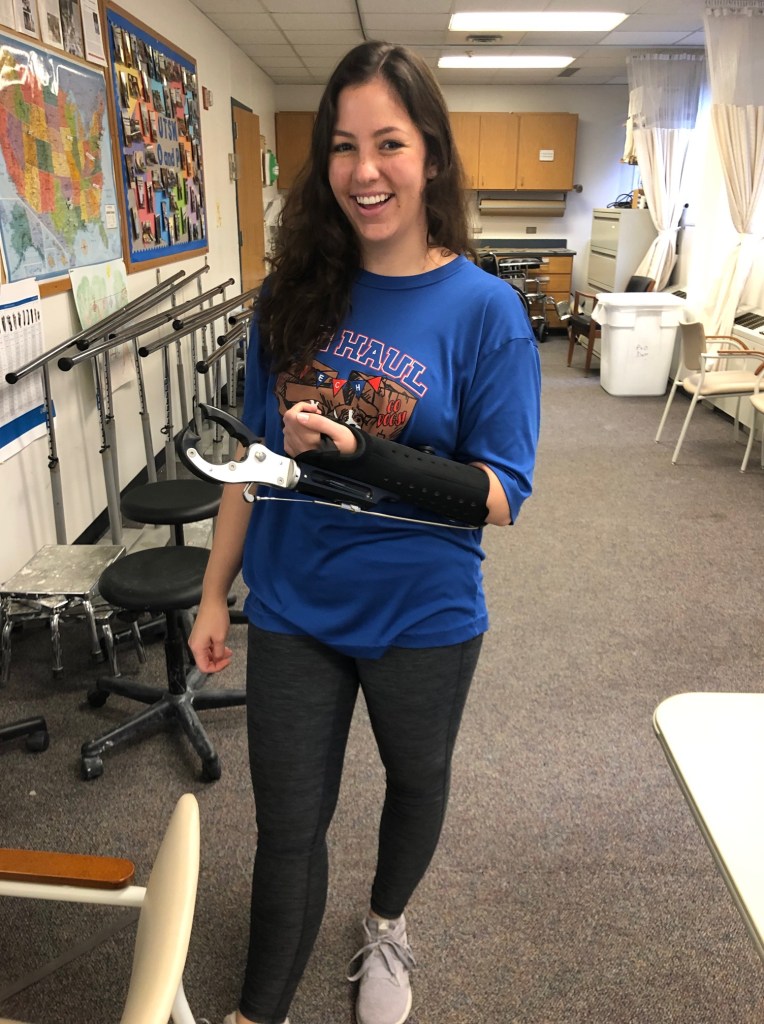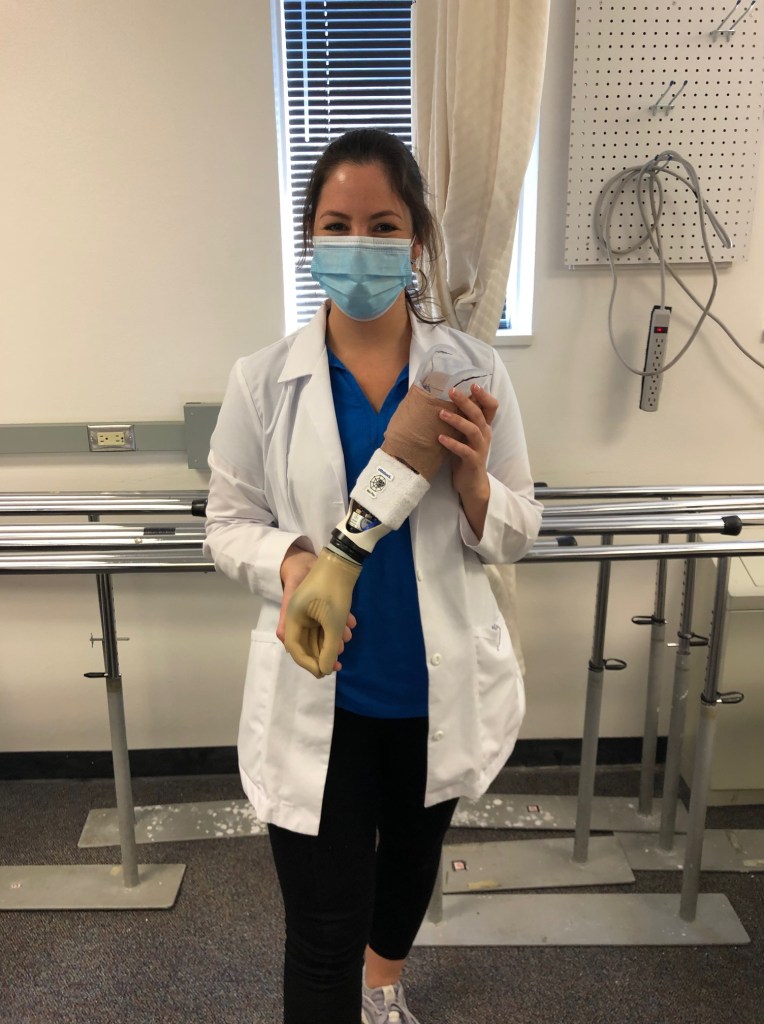
Kinesiology Paths: Certified Prosthetist/Orthotist

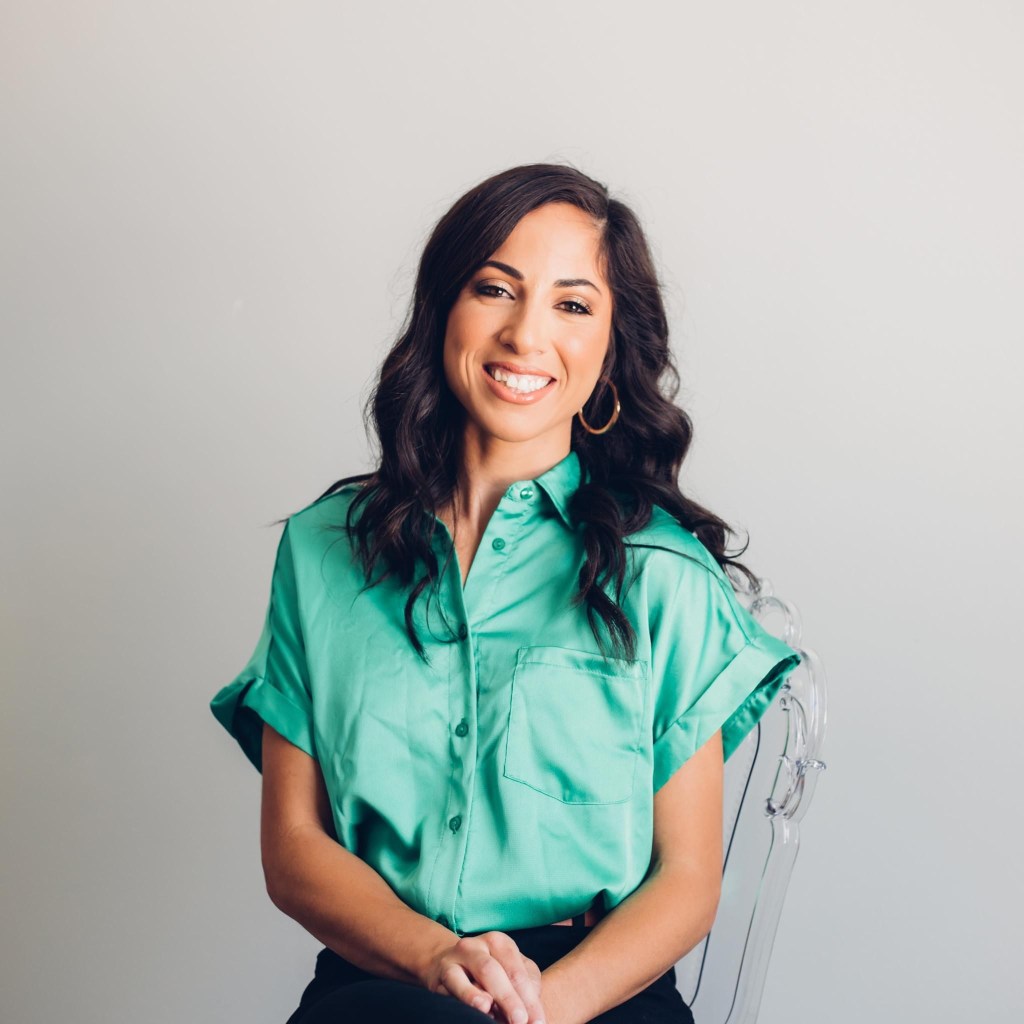
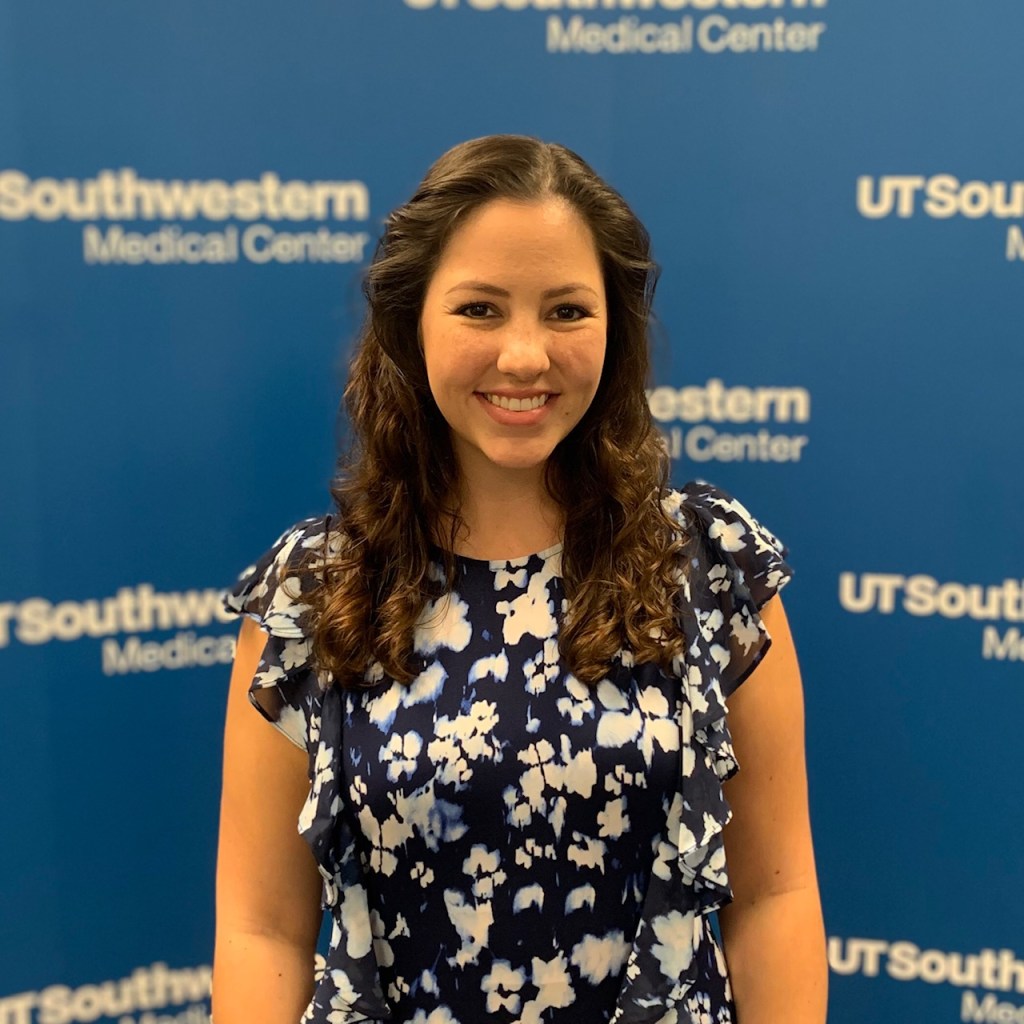
Annie Crain Johnson, CPO, MPO
Louisiana Tech University – B.S. Kinesiology and Health Sciences – Class of 2020
Education/Background: 

The Kinesiology Department taught me to be diligent, resourceful, detail-oriented and empathetic towards others; qualities I attribute to my present-day success.  I chose LA Tech and its Kinesiology program to prepare me for my future career in prosthetics and orthotics. I carefully selected my curriculum to ensure qualification when applying for graduate school. 

I am very grateful for all opportunities presented by the Kinesiology Department, especially the fourth-quarter internship. This internship allows students real workforce experience in perspective careers. My internship at Adaptive Prosthetics and Orthotics clinic in Houma, LA, allowed me to actively pursue a profession I found intriguing and gain firsthand experience in the day-to-day operations of the P&O field. This experience deepened my understanding of the responsibilities of a Prosthetist/Orthotist and solidified my passion for the field.  

In December 2022, I received my Masters of Prosthetics and Orthotics from the University of Texas Southwestern Medical Center. This 18-month program centered on a specialized curriculum, encompassing hands-on experience in device fabrication, patient models, clinical rotations, and a clinical internship. Despite the program being out of state, I qualified for in-state tuition through the Academic Common Market (ACM) created by The Southern Regional Education Board. Participating states and universities within the ACM allow students to pursue out-of-state education if their desired degree is not offered locally. After obtaining my master’s degree, I had to complete an additional two-year prosthetic/orthotic residency and pass five exams to achieve board certification. 

In January 2024, I concluded my residency at Atlantic Prosthetics and Orthotics in Chapel Hill, NC. This experience equipped me with the skills for clinical decision making, product fabrication, and effective patient communication. I also had the privilege of learning from a multi-disciplinary team of seasoned clinicians. 

Currently: 

I work full-time at Atlantic P&O and have two more board exams to complete before achieving full certification. I absolutely love my job and couldn’t envision another career path for myself. My daily schedule is ever-changing, which adds excitement to my work. Additionally, new technology is continually being introduced into everyday prosthetic and orthotic practices. 

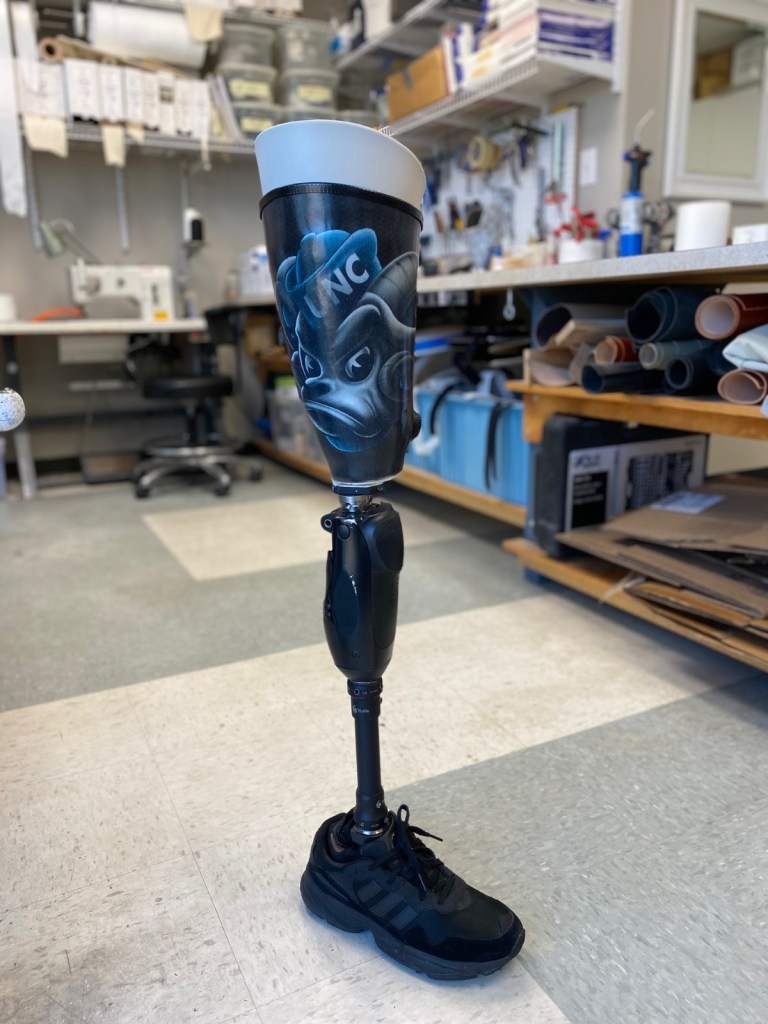
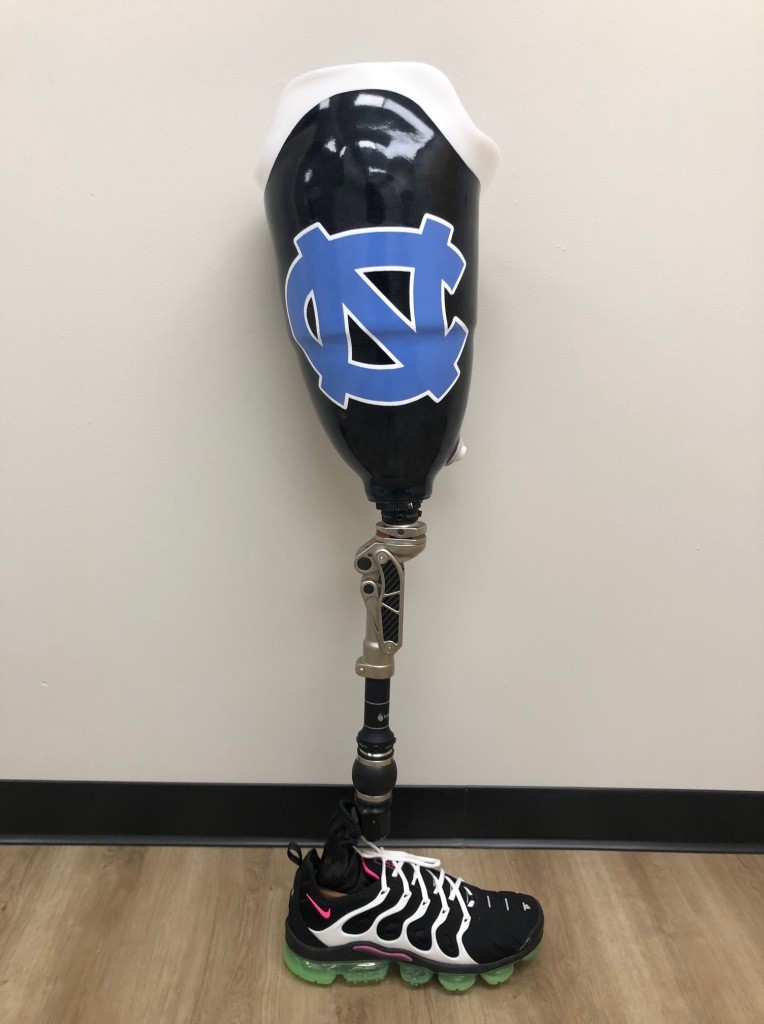
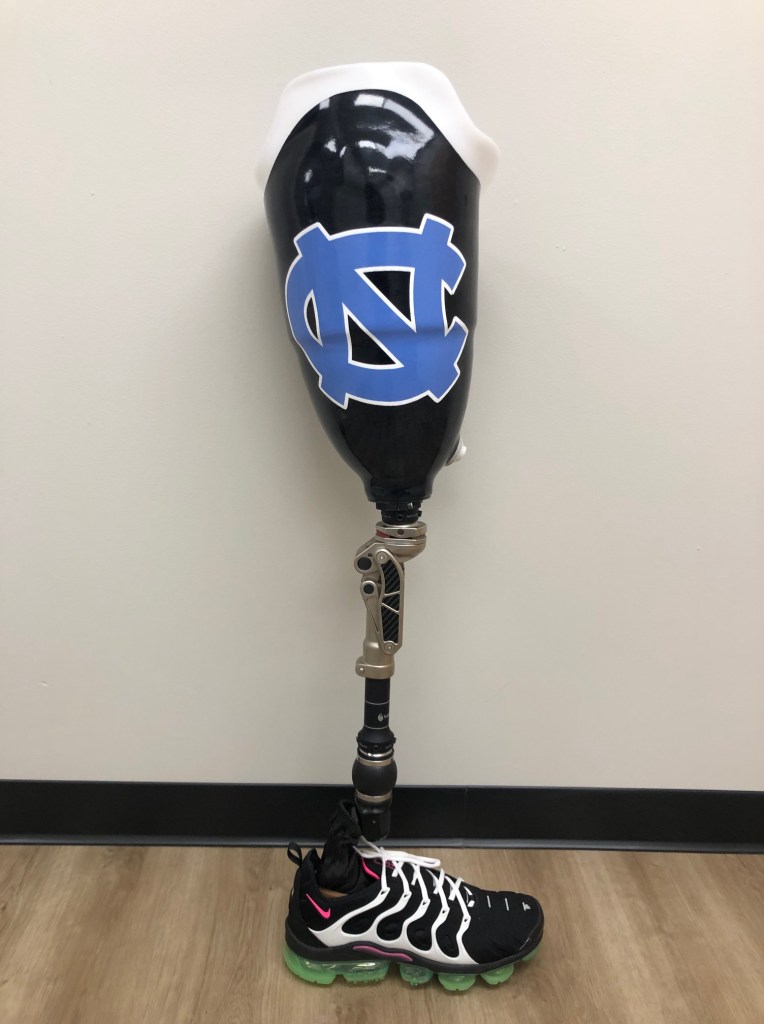
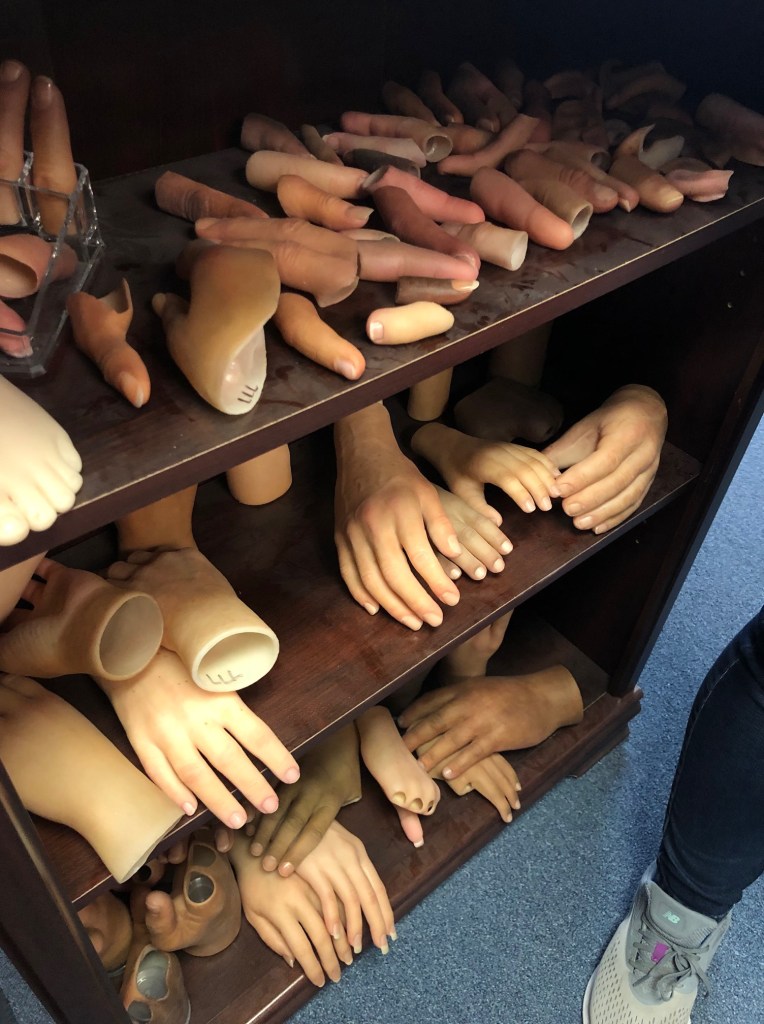
One notable advancement in prosthetic socket fabrication is the Direct Socket method. Direct Socket serves as a socket solution for amputees of all activity levels. By utilizing fiberglass or basalt weave and injectable acrylic resin, the prosthetic socket can be directly fabricated on the patient’s residual limb. A key tool for achieving a well-fitting Direct Socket is the bladder and pump: a single-chamber pressure-casting system designed to optimally distribute pressure and shape soft tissue during casting. This method enables a patient to receive their prosthetic socket that accurately reflects their current limb shape and volume in just one appointment. 

We cater to a diverse patient population, attending to individuals from various backgrounds and walks of life. My experience encompasses the application of helmet therapy for infants with deformational plagiocephaly to providing support for senior amputees who engage in activities such as knitting in our waiting room. I have discovered a particular affinity for working with children. Their boundless energy and optimistic outlook on the future make each interaction fulfilling. Witnessing the resilience of children, I have implemented numerous adaptations in their prostheses to facilitate a wide range of activities.  

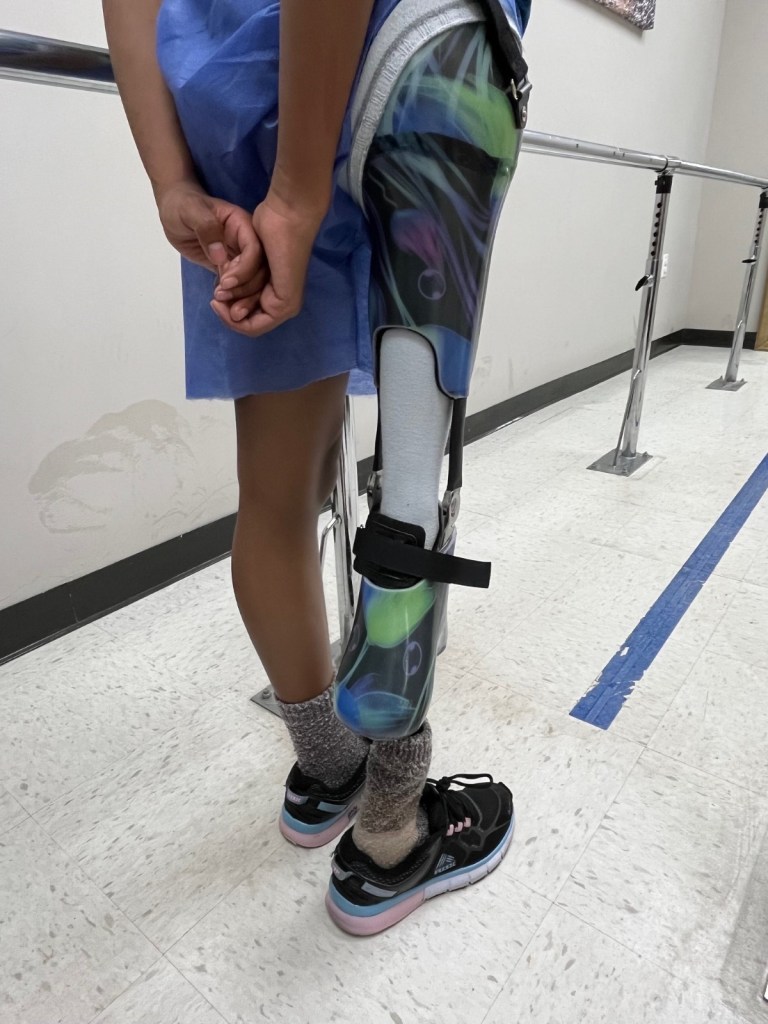
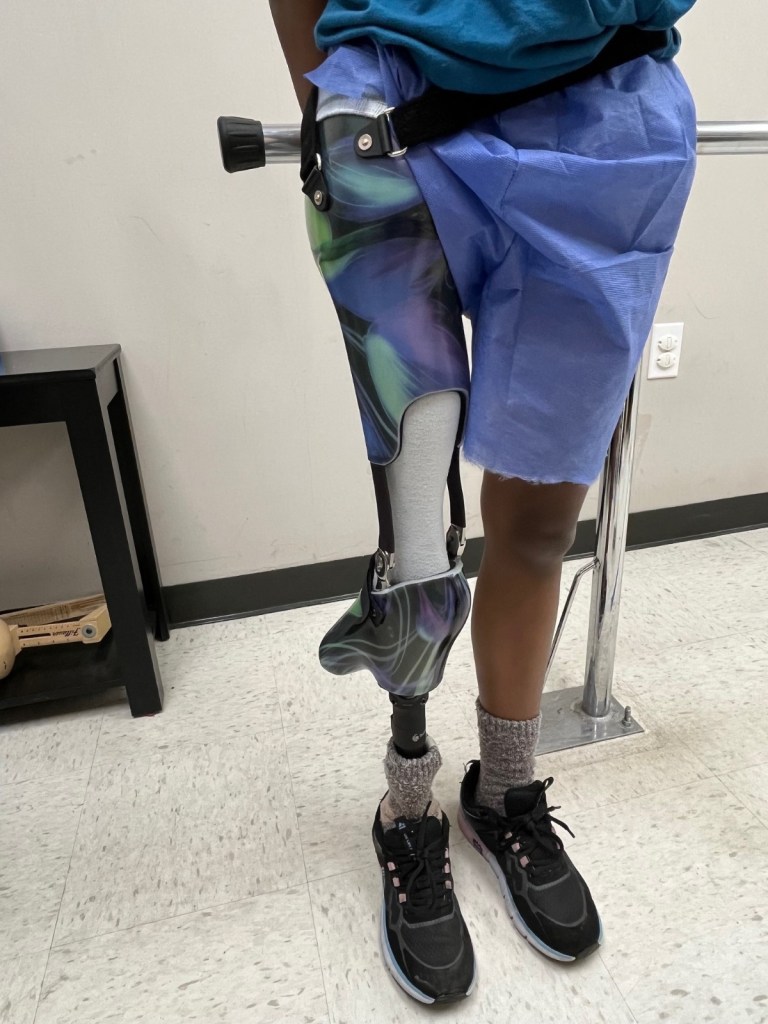
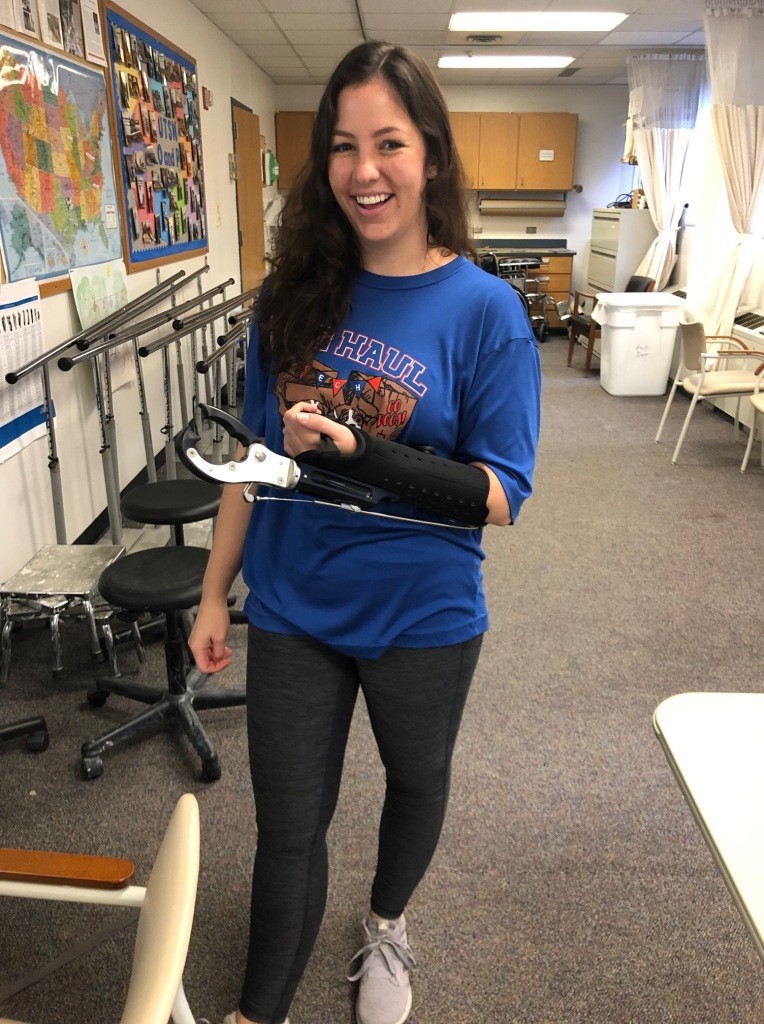
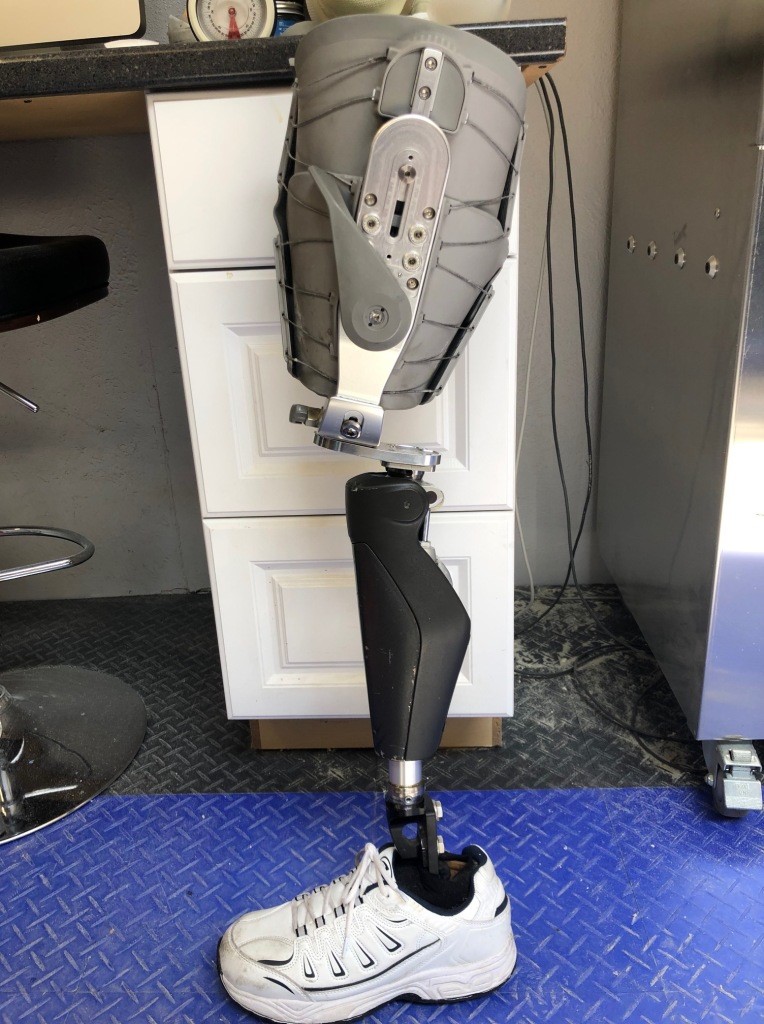
I recently collaborated with a young girl who underwent rotationplasty surgery due to Proximal Femoral Focal Deficiency (PFFD). In response to the intricacies of her surgery, a prosthesis featuring a thigh cuff, lateral knee hinges, and a foot-shaped socket was meticulously developed. Our ongoing commitment involves continuous adaptation of fabrication and design to accommodate advancements in surgery/amputation techniques and cater to the evolving activities and needs of our patients. 

A profession in prosthetics and orthotics not only fulfills my innate need to create but also aligns with my aspiration to enhance the lives of others. While I enjoy my time in the workshop, witnessing a patient rise and take their first steps after accompanying them through their entire clinical journey is a deeply gratifying and emotionally resonant experience — undeniably the most rewarding aspect of my job. 

Thank you: 

To this day, I often think of the invaluable experiences I had in Memorial Gym with my Kinesiology professors. They not only imparted professional skills but also instilled essential life skills, fostering qualities such as passion, goal-driven determination, and kindness towards others. The Department’s conducive environment has the potential to guide any individual toward success. I will always consider myself fortunate to be a member of the Louisiana Tech Kinesiology Family. 

I extend my gratitude to my Kinesiology professors, the distinguished faculty at UTSW in prosthetics and orthotics, and the dedicated team at Atlantic Prosthetics and Orthotics. It is through your unwavering support and guidance that I find myself living the dream! 

Kinesiology Paths: Medical Device Sales- Stryker Trauma and Extremities Division

Tyler Griggers, Louisiana Tech Kinesiology – B.S. Kinesiology & Health SciencesClass of 2019

I’m a former Track and Field athlete who competed in the men’s javelin throw. I originally started out in Engineering for a year before switching majors. During my first year with the engineering department, I didn’t feel like I fit in with the crowd, never got to know any of the professors, and honestly just didn’t enjoy that field of study. I made the switch my sophomore year into a field that I naturally was curious about. Kinesiology, to sum it up, is the study of how the body moves. Being an athlete, I wanted to be the best I could be. As I got further into my studies and my relationships with the faculty grew, I was able to perform independent tests on applied forces that would correlate directly into my javelin throw. I also learned about nutrition, and nutrient timing which fueled my body to preform instead of cramp as I recall one quarter having terrible body cramps. After taking everything I was learning and applying it to my training, I eventually qualified for the Division 1 NCAA’s regionals and competed against the best in the country. Now that you know about my past, let’s talk about the present.

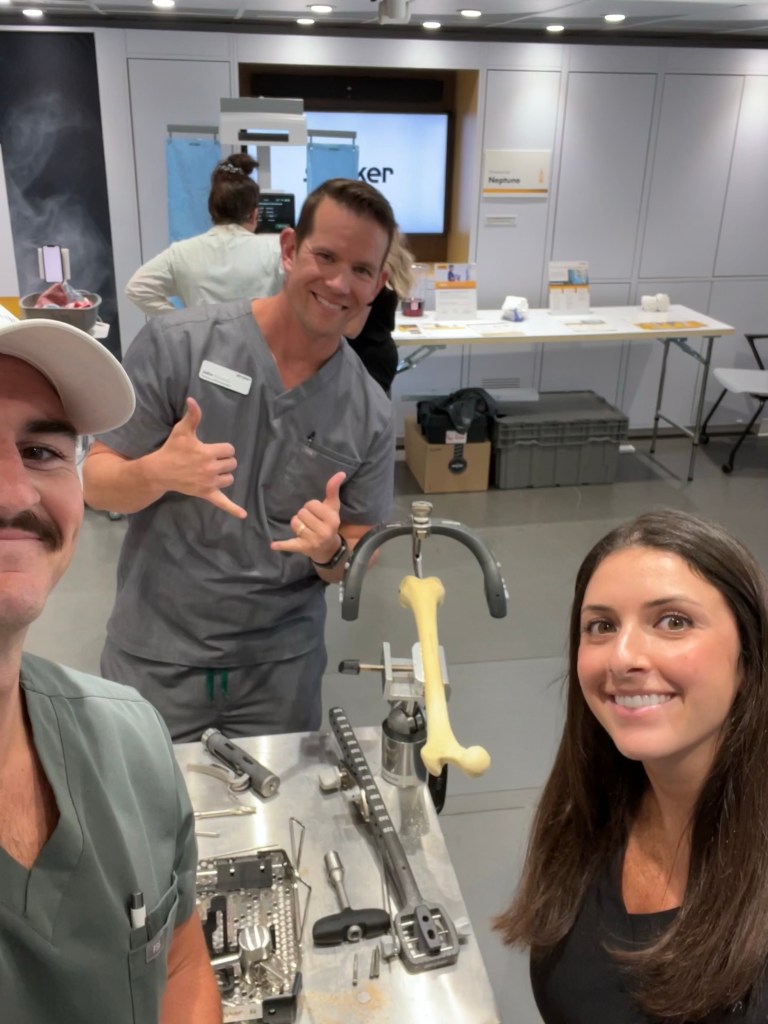
At the time I’m writing this, it’s the end of year 2023 and I reside in Jacksonville, Florida with my beautiful fiancé and two dogs. I work full time for a medical device company called Stryker and have been with them for four years now. More specifically, I am a part of the Trauma and Extremities division. Basically, my job is to provide orthopedic surgeons with the hardware they need to correct broken bones. My job includes standing in on surgeries daily and assisting on fracture reduction, while being an expert on the product that is being used to provide any useful tips or answer questions. I’m able to use my degree daily due to my knowledge of anatomy and how these different forces (muscles) will pull on the bone at their attachment points thus misaligning the fracture. I’ve done it all, from the broken finger, to the 2 am poly trauma who got in a car wreck and broke everything they could. There is a wide variety of the day-to-day surgeries, so no day is ever the same redundant process.

Stryker is also such a large company that they have 18 divisions, across over 75 countries, employing over 51 thousand employees. Something we started doing in the recent years are summer internships. If you are a junior going into your final year, you are eligible to apply for this 3 month long paid internship with us, and you might end up in a cool place like Florida with me.

Kinesiology Paths: Business Development/Therapy Awareness Manager- Boston Scientific Deep Brain Stimulation

Dee Fleming, B.S. Louisiana Tech University Kinesiology and Health Sciences

Throughout my time at Louisiana Tech and the Kinesiology Department, I was always supported by my instructors and felt at home. The courses provided in Kinesiology prepared me for so much more than I could ever imagine. During my time in college, I had the opportunity to volunteer and participate in the Rock Steady Boxing classes provided for patients with Parkinson’s Disease. Fast forward to today, and partnering with Rock Steady Boxing and Parkinson’ssupport groups is one of my favorite roles of my current career.

I am currently a Business Development/Therapy Awareness Manager for Boston Scientific Deep Brain Stimulation. Deep Brain Stimulation (DBS) is an amazing therapy provided to improve the motor symptoms caused by Parkinson’s Disease and Essential Tremor. This is achieved by performing a minimally invasive surgical procedure in the brain, where the patient is awake, so we can monitor symptoms and brain activity during the operation. During this procedure, the patient will be implanted with leads and a battery to power the electrical stimulation that will be providing the therapy. The ultimate goal is to help those diagnosed with Parkinson’s Disease and Essential Tremor, receive their quality of life back.

There are a few components involved in the process of DBS. The first step of DBS is the Stage 1 procedure, which involves the neurosurgeon placing leads into the specific structures in the brain that can provide the best therapy and decrease of symptoms for the patient. With these structures being so small and there being several other structures in the brain we want to avoid, the procedure is done in millimeter increments. As mentioned before, this step involves testing during the procedure, by one of us connecting our clinical programmer (Microsoft tablet), to the microelectrodes or leads and increasing amplitude of electrical stimulation. During this process, the patient is awake while we monitor tremor, rigidity (stiffness), and bradykinesia (slow movements). Every testing method may be different as we ask them to perform several movements or actions, such as drawing spirals on a piece of paper before and after we turn on stimulation. There are several videos available on the internet that show musicians being given an instrument to play during the procedure, such as a violin, which was very difficult to do after being diagnosed with Parkinson’s or Essential Tremor. While decreasing motor symptoms are our goal, we also focus on not applying stimulation to structures that may cause unwanted side effects; this is where our Image Guided Programming software is very helpful and accurate. Once the leads are where they need to be and therapy has great results, the incisions are closed, and the patient is given time to recover in the facility before returning home. This gives the patient and brain an opportunity to rest and heal before the next procedure.

In the next step, this is a procedure that consists of surgically placing the battery into a small pocket inside of the chest and connecting it to the leads and its extensions. While there are several differences, the placement is similar to a pacemaker. One difference I always like to point out, are our batteries are MRI conditional, which means the patient still has the ability to get MRI scans and imaging. Once everything is connected, we test the battery and leads to make sure that there are no connectivity issues or impendences before we conclude the procedure. The patient is normally sent home the same day to rest and heal. The next time we see them, will be at their neurologist’s clinic for the initial programming, where we turn the system and stimulation on.

My very first initial programming humbled me. There are a lot of things that we take for granted, whether it’s being able to pick up a fork and eat, pour and drink our coffee, scroll through our phones, play with loved ones, and etc. Working in this field has made me so much more appreciative, but also so happy for those who decided to follow through with DBS. The initial programming can be very emotional sometimes as patients are able to do things, they weren’t able to do for some time. During my first initial programming I saw, the patient was given a cup and asked to imagine water was in it, and to raise to her mouth for a drink. It was honestly heartbreaking to see that she couldn’t raise the cup to her mouth or drink without a significant amount of tremor. She also stated that often, most of the drink ends up on her clothes. We turned on stimulation, monitoring her as we increased amplitude. We gave her the cup again and asked her to imagine she was taking a drink. At this exact moment, I remember getting chill bumps and seeing her husband beside her in disbelief, as she was able to drink with no tremor or issues at all. Seeing the tears flow, seeing the rejoice, makes me love my job and what I do. Coming from an emergency medicine and law enforcement background prior to medical device, purpose was always something I wanted to seek in my next career. I’ve found just that. I get to work with a phenomenal company and team. I get to partner with motivated neurologists and neurosurgeons who are looking to improve the care available for patients. I get to serve some amazing people.

So thank you Louisiana Tech Kinesiology for preparing me for these moments and giving me the knowledge and experience needed. Thank you for always motivating and believing in me.

Kinesiology? What Is It and What Can I Do With It?

A Health and Physical Education, Health and Human Performance, Health and Exercise Science – terms you are probably familiar with.  But Kinesiology? When giving an explanation of what it is, the usual response is, “Oh, PE?”  Yes, physical education is part of Kinesiology, but there are many more areas that are included in this academic discipline. Over the last 15 years many universities have changed their program name to Kinesiology, which is an all-encompassing umbrella term for the many disciplines within this field.

The American Kinesiology Association defines it as, “is an academic discipline which involves the study of physical activity and its impact on health, society, and quality of life. It includes, but is not limited to, such areas of study as exercise science, sports management, athletic training and sports medicine, socio-cultural analyses of sports, sport and exercise psychology, fitness leadership, physical education-teacher education, and pre-professional training for physical therapy, occupational therapy, medicine and other health related fields.”

Still many people don’t understand the depth and breadth of the discipline and all the many career possibilities a Kinesiology graduate can pursue.  It’s true, the majority of majors in Kinesiology programs, or at least here at Louisiana Tech, are hoping to become physical therapists, occupational therapists, and physician assistants.  But not everyone who applies to these allied health field programs will be accepted for various reasons. Many students do not wish to pursue a career in allied health but are unaware of what other careers are available. Hopefully this blog will enlighten the reader as to the many careers and paths a Kinesiology graduate can take.

The following is a list of possible career avenues compiled from the American Kinesiology Association and the recent seminar (you can click on many of them to find out more information about each):

Adapted Physical Activity

Aquatics Director

Athletic Administration in School or College
National High School Coaches Association
NCAA

Athletic Trainer

Biomechanist
American Society of Biomechanics
International Society of Biomechanics

Cardiovascular and Pulmonary Rehabilitation Specialist

Chiropractic Physician

Coaching at School or College
National High School Coaches Association
NCAA

Corporate Wellness Programs

Director of Youth Camps/Sports Programs
Boys and Girls Club of America
YMCA
YWCA

Electrophysiology

Epidemiologist – Physical Activity
CDC

Physical Activity and Nutrition
Behavioral Risk Factor Surveillance System
Youth Risk Behavior Surveillance System

Exercise Physiologist
American College of Sports Medicine
American Society of Exercise Physiologists

Continue reading “Kinesiology? What Is It and What Can I Do With It?”

A Day in the Life of

Annie Crain
Resident Prothetist/Orthotist


“Choose a job you love, and you’ll never have to work a day in your life.” -Confucius

It has always been a goal of mine to never work a day in my life, so it was crucial to choose a career I loved. The Louisiana Tech Kinesiology Department was the initial spark that fueled me to become the Resident Prosthetist/Orthotist I am today. 

After driving from my hometown of Houma, LA to tour every single university in the state, I arrived at LA Tech University. I chose LA Tech and its Kinesiology program to prepare me for my future career in prosthetics and orthotics. I carefully selected my curriculum so I would be qualified when applying for graduate school. The Kinesiology Department taught me to be diligent, resourceful, detail-oriented and empathetic towards others; qualities I attribute to my present day success.

I received my Master’s of Prosthetics and Orthotics from the University of Texas Southwestern Medical Center in December of 2022. This 18-month program is centered on a specialized curriculum including hands-on experience with device fabrication, patient models, clinical rotations, and a clinical internship. After receiving my master’s degree, I was required to complete an additional 2-year prosthetic/orthotic residency to become board certified in order to see patients on my own.

Currently, I am a completing my first year of residency in orthotics followed by a year of prosthetics at Atlantic Prosthetics and Orthotics in Chapel Hill, NC. My residency at Atlantic P&O has provided me with the ability to become skilled in device selection, fabrication, and patient communication. I have the opportunity to learn from a multi-disciplinary team of experienced clinicians. I absolutely love my job, and couldn’t imagine another career path for myself.

My daily schedule is ever-changing, which makes work exciting. My first task of the day is to check the patient schedules.  Patient encounters are usually initial evaluations or device fittings.  In an initial evaluation, I will assess the patient’s range of motion, muscle strength, diagnosis and device prescription.  Often, I can fit the patient with an off-the-shelf device if the product meets all of their clinical needs. Otherwise, additional measurements will be taken for the fabrication of a custom device.

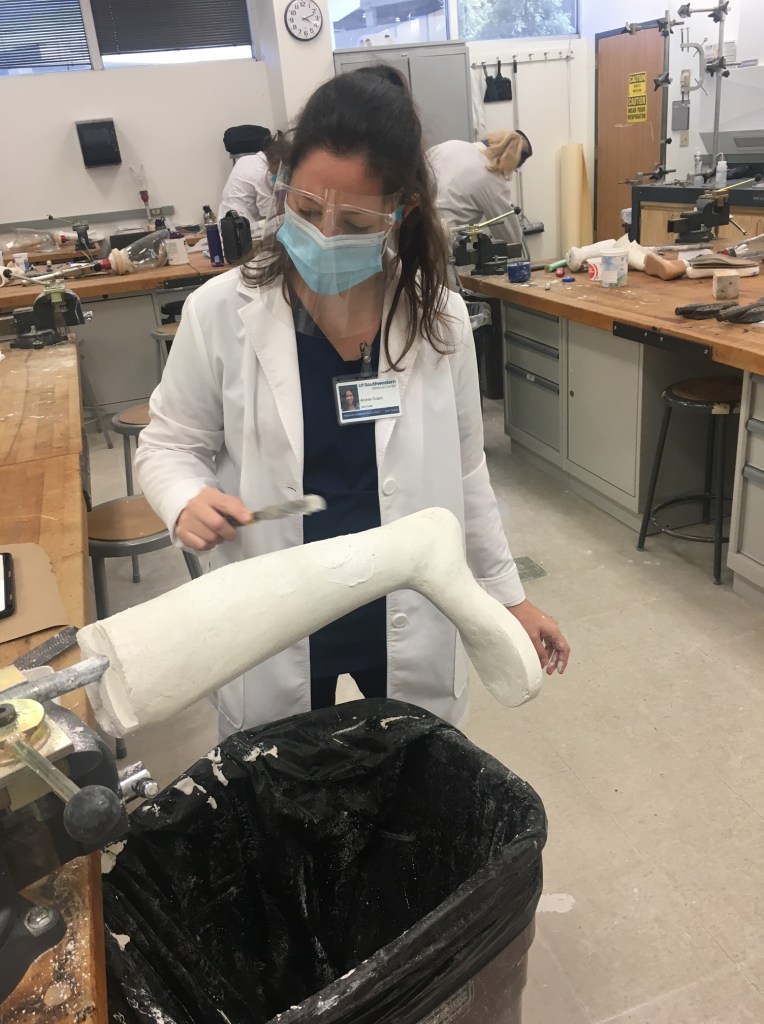
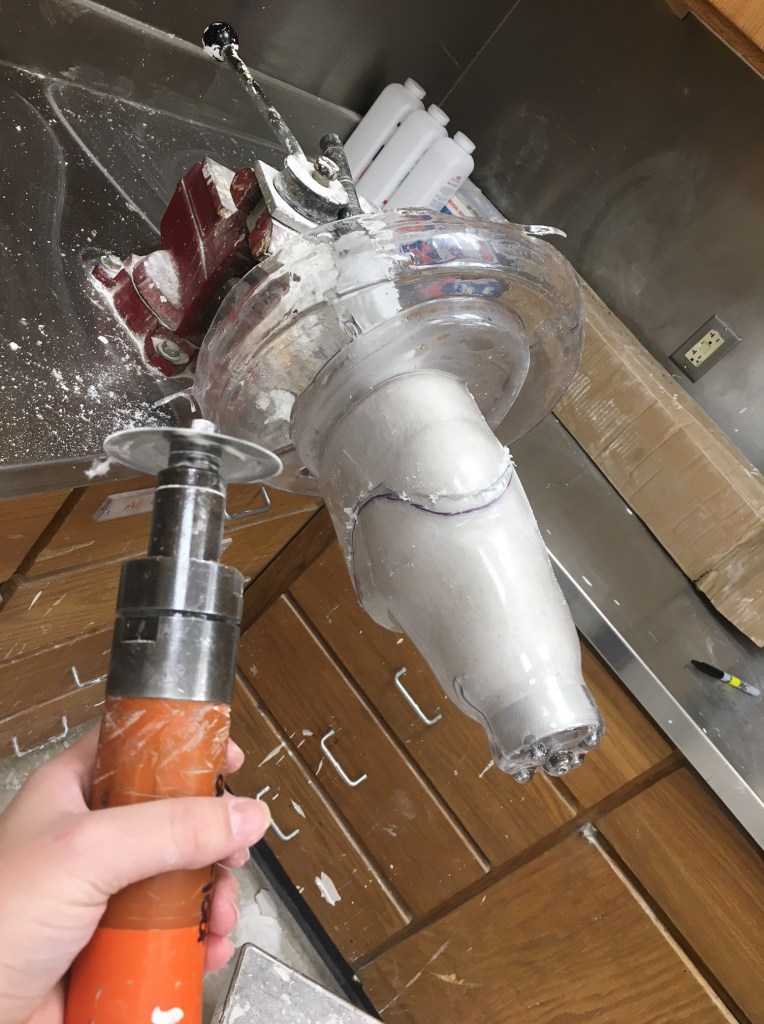
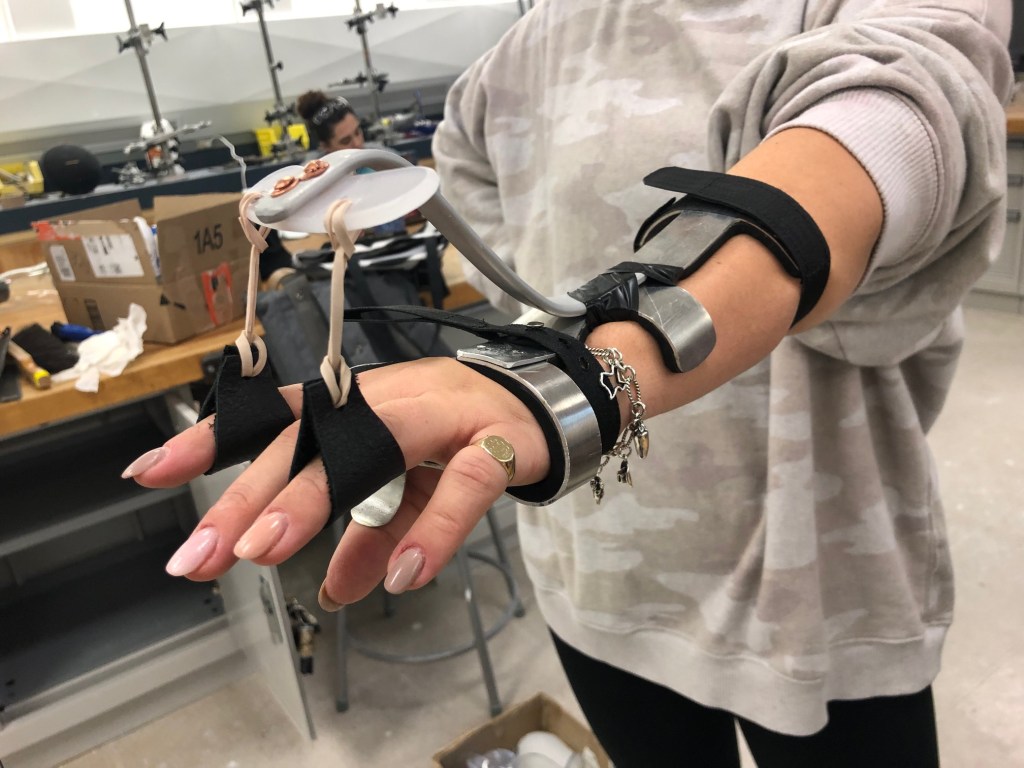
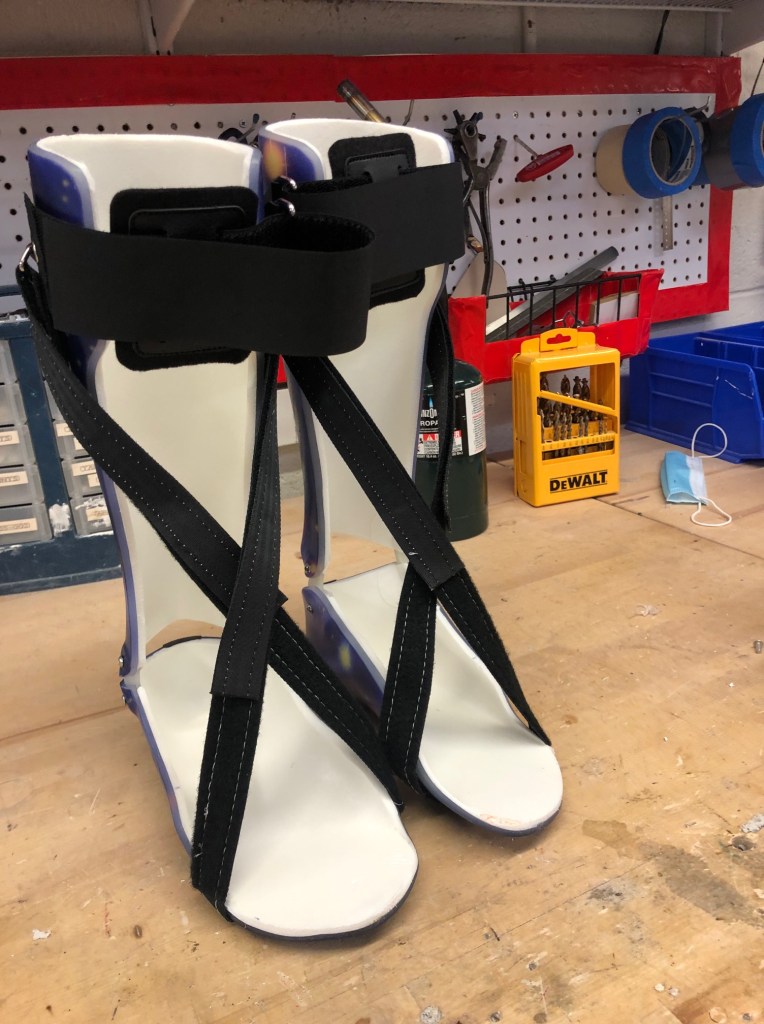
Approximately three days of fabrication are needed to make a custom orthosis or prosthesis, most of which is completed during breaks between patient appointments. The fabrication process from start to finish of most devices typically includes: a cast of the affected area which is used to create a positive plaster model, modifying the positive model by sanding or carving the plaster to acquire the desired shape, then draping hot plastic or pouring resin over the positive model.  The cooled plastic or resin lamination will then be cut and smoothed into a finished product. At a custom device fitting, alignment angles can be adjusted or plastic can be trimmed or heat molded to provide a more optimal fit.

A career in prosthetics and orthotics fulfills my innate need to create, but also my desire to enhance the lives of others.  I enjoy my time in the workshop, but seeing a patient stand up and walk for the first time after following them through their entire clinical journey is truly a heartfelt experience and the best part of my job – pure magic every time!

For more information on prosthetics and orthotics:

https://ncope.org/

Prosthetist: healthcare professional who makes and fits artificial limbs (prostheses) for people with disabilities. This includes artificial legs and arms for people who have had amputations due to conditions such as cancer, diabetes, or injury.

Orthotist: healthcare professional who makes and fits braces and splints (orthoses) for people who need added support for body parts that have been weakened by injury, disease, or disorders of the nerves, muscles, or bones.

(In medical practice, these specialties are often paired)
https://www.hopkinsmedicine.org/health/treatment-tests-and-therapies/orthotist-and-prosthetist

Getting to Know Your Kinesiology Family – Faculty Spotlights

Vishesh Singh, BS, BPT, MS
Director of Human Performance Labs


Where did you grow up and what activities were you involved in?
Hometown: Lucknow, India.
Main Activities: Playing Cricket
What did you want to be when you grew up?
Physical Therapist
What was your first job?
Physical Therapist (India)
Where did you attend undergrad and what was your major?
Bachelor of Sciences, University of Lucknow (India) and Bachelor of Physical Therapy (DAVV University, Indore, India)
Where did you attend graduate school and your activities during that time?
M.S. Sport Performance at Louisiana Tech University
What brought you to Louisiana Tech?
I came to Tech to pursue my masters.
What classes do you teach at Louisiana Tech?
KINE 292: Preventive Health and Wellness
KINE 326: Functional Anatomy
What are your research interests?
Sport performance
Analysis human Movement
Tell us about your family.
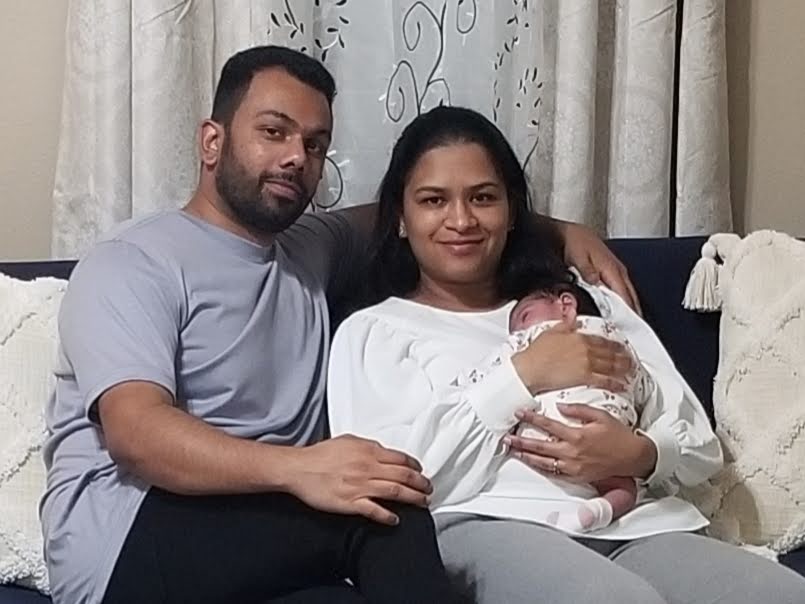
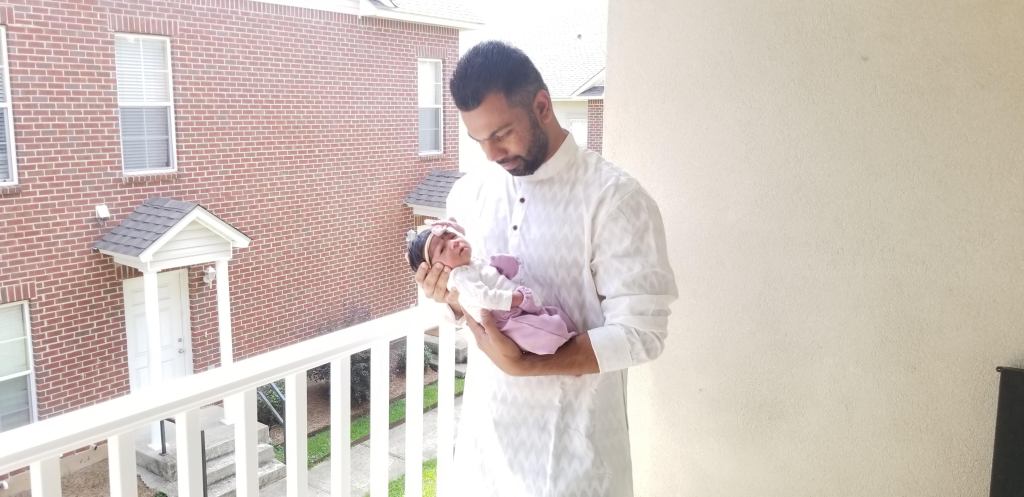
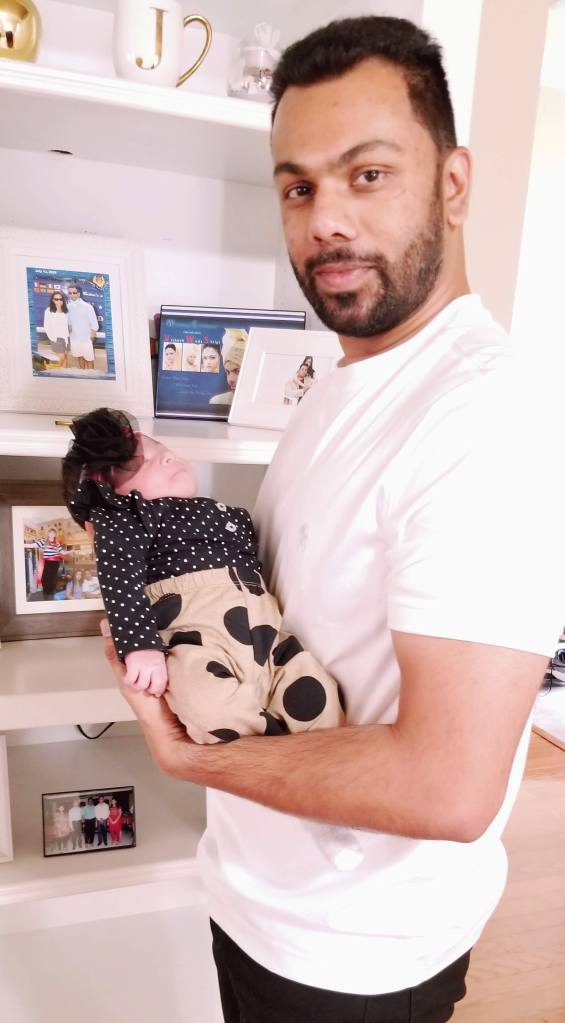
My parents live in India.  My wife, Shilpi, is a physical therapist, and we were blessed with a little girl Vianshi on Aug 12th, 2021.
What do you like to do in your spare time to unwind?
Exercise, spend time with family, watch Netflix, and talk to family and friends in India
What is your favorite quote?
One of many is “We can never obtain peace in the outer world until we make peace with ourselves”.