Raised in Toronto, Canada I have always had a passion for baseball and hockey. While earning my BSc in Biology and playing baseball at St. Lawrence University, I also worked with the men’s and women’s hockey teams on the strength and conditioning staff. Shortly after finishing my undergrad I became a Certified Strength and Conditioning Specialist (CSCS). Working with many great strength coaches has allowed me to gain ample knowledge and led to getting to work with very talented athletes, some being in the NHL, NBA and the Olympics. When speaking with a mentor of mine, Dr. Ryan Crotin, I learned about the Kinesiology Department at Louisiana Tech and the baseball research that Dr. David Szymanski completes. The program piqued my interest and made it an easy decision to come to Tech.
At Tech, I have kept busy pursuing my graduate degree in Kinesiology Sports Performance Concentration and as a graduate teaching assistant. I work directly with the baseball team as the director of video and analytics and am also a strength and conditioning coach intern. I have created a student group in baseball analytics to further assist the team and teach analytics.
For my thesis I will combine my interests of baseball, strength and conditioning and biomechanics. I will conduct research to determine if forearm strength and mobility impacts pitchers’ performance in their pitch movement as well as their risk of injury. After graduating in the spring of 2024, my goal is to use my knowledge from my studies and experiences to start a career in baseball in the areas of player development and strength and conditioning.
My passion for baseball while having a growth mindset has made for an easy transition and sense of fulfillment in coaching. I feel extremely fortunate to have chosen Louisiana Tech for countless unique opportunities, the breadth of knowledge I have acquired, new experiences and the great people I have encountered.
Mrs. Jessica Szymanski, Graduate students Elise Bordlee, Chris Watson, Austin Reedy and Dr. David Szymanski
information about our Graduate Programs: Master of Science in Kinesiology Sport and Exercise Psychology Concentration and Sports Performance Concentration
Katherine “Katie” Alexander Location: Logan, Utah Louisiana Tech Degree and Graduation Date: BS in Kinesiology & Health Sciences and BA in Psychology, November 2020 Other Degrees: PhD in Human Development & Family Studies, in progress at Utah State University since 2021-2022 academic year with current estimated graduation of Spring 2026
I’m currently a PhD student and am planning to become a college professor. I decided to become a college professor because I love learning, researching, teaching, and mentoring students. I have always been interested in sport psychology but wasn’t sure how I wanted to get there. Sport psychologists are a diverse group, and most pathways are either more applied or more research based. More applied sport psychologists often work on performance consulting and/or become a licensed counselor, social worker, psychologist, or psychiatrist. More research-based sport psychologists predominantly work as professors but may also take jobs as data scientists at sports-based companies. During my undergrad at Tech, I participated in research with Dr. Jordan Blazo, Dr. Andrew Parks, and others to gain research experience and also worked at the Children’s Methodist Home in order to gain clinical experiences. I did not enjoy my clinical experience and loved participating in research, so this led me to ultimately decide to become a professor.
What was I looking for in a graduate program? I applied to graduate programs that would help me gain the necessary knowledge around sport psychology, teaching, and researching. In general, each graduate program is unique, and students that are applying should look into applicant requirements (often including GRE scores, GPA requirements, prior experiences, required course prerequisites, and whether/not a master’s is required for a PhD program), along with broad philosophies, objectives, and outcomes associated with the department/program and any funding and/or scholarship opportunities. Most PhD programs that are geared towards research also require a dissertation, and it is VITAL that you connect with a good academic advisor that can positively mentor you throughout the program. Academic advisors help mentor and guide you through graduation requirements, general research, teaching, and just life. Students should email potential academic advisors to inquire about their research and how you might fit with this research trajectory, to determine whether or not spots are available to work with them, to better understand their advising/mentoring philosophies, and to find out about funding and scholarship opportunities.
When I was looking at various graduate programs, I wanted to ensure that there was a good and positive culture in the department, that I was able to occasionally do my own research projects (instead of simply following what my advisor said to do), that I had supports in Utah, and that there was funding available to me. I was willing to explore broader programs, including kinesiology, psychology, and human development programs, because I wanted a wider breadth of knowledge around social science (rather than focusing on just kinesiology or psychology). I was especially interested in the Human Development & Family Studies program at Utah State University because it could allow for exploration of biological, psychological, and social factors as they relate to development and relationships over time. My potential advisor at this university also seemed very supportive and kind. I chose to attend Utah State University because the program most closely matched my criteria, and attending the program also allowed me to skip my master’s degree, which saved me money and allowed me to start on my own independent research earlier than if I would have attended a master’s program.
What is needed to become a college professor? Requirements depend on position and university/college type. Instructors, those that serve in more applied departments (such as business or nutrition & dietetics), and those that teach at community colleges might only need a master’s degree and relevant teaching and/or applied experience. A master’s degree is not really needed in order to become a professor at 4-year colleges and universities, but a PhD is needed. Students that are interested in becoming a professor should progress through school and should look to gain experience in teaching, research, and service to the community throughout their graduate school experiences in order to be a competitive job candidate. The job market for going into academia is highly competitive, and some people choose to also participate in a post-doc after graduating with their PhD in order to gain even more relevant research experiences. The process of becoming a professor looks differently, too, depending on whether or not the position is tenured (full-time position with full job security) or non-tenured (including all other positions). Those professors that are on a tenured track complete regular reviews of progress towards aspects of teaching, research, and community/other service and must often move from assistant to associate to full professors over the span of years.
As a PhD student- What is a typical day like for you? My typical day varies a lot across the week because I have less set hours and more freedom in how I choose to set up my schedule. I am responsible for coordinating and completing various research projects, serving as an instructor for one course in my department, and managing my course load of about 3 to 4 courses a semester. My research lab is called the Families in Sport Lab, so most of my research relates to sport involvement. I am currently working on projects related to youth sport participation in Western states; athlete trauma, abuse, and mental health symptoms; peer bullying and hazing in sport; and examining biological, psychological, and social factors that relate to youth substance abuse. In my role as an instructor, I teach one undergrad introductory course on couple and family relationships and am responsible for creating course materials, lecturing, communicating with students, upholding university policies, and grading. I also serve as an academic mentor for student-athletes at the university and enjoy powerlifting, so I stay very busy! Additional information: I went to a research conference for NASPSPA (North American Society for the Psychology of Sport and Physical Activity) in 2022 in Hawaii with other members of my lab. While there, I was able to give a verbal presentation about experiences of emotional abuse in intercollegiate sport and was also able to present a poster on a research project that was initiated at Tech with Dr. Blazo and Dr. Parks. I am grateful for this wonderful experience and the fact that the conference was in Hawaii!
Kinesiology is the study of human movement through the understanding of mechanics, anatomy and physiology. Exercise Physiology is concerned with analysis, improvement, and maintenance of the physiological mechanisms underlying health and fitness.
The American College of Sports Medicine provides the following description of a certified Clinical Exercise Physiologist. Clinical Exercise Physiologists (CEP’s) use prescribed exercise and basic health behavior interventions, as well as promote physical activity for individuals with chronic diseases or conditions; examples include, but are not limited to, individuals with cardiovascular, pulmonary, metabolic, orthopedic, musculoskeletal, neuromuscular, neoplastic, immunologic and hematologic diseases. CEPs provide primary and secondary prevention strategies designed to improve, maintain or attenuate declines in fitness and health in populations ranging from children to older adults. Chronic disease includes, but are not limited to, cardiovascular, pulmonary, metabolic, orthopedic/musculoskeletal, neuromuscular, neoplastic, immunologic and hematologic disorders.
How is Exercise Physiology and Physical Therapy different? Exercise Physiologists work with individuals who have chronic diseases, with a focus on improving cardiovascular health and body composition. Physical Therapists focus on rehabilitation from injury and preventive care in addition to those with chronic illness. So, in addition to testing and exercise prescription, clinical exercise physiologists focus on the improvement of physical capabilities for the purpose of Chronic disease management, reduction of health risks for early development of recurring chronic diseases, promote lifestyle and behavior changes that enhance health. CEP’s work in a variety of settings such as hospitals, outpatient clinics, wellness centers, physician offices, cardiac and pulmonary rehabilitation, occupational health and safety, stress testing departments or health education settings.
Some states require licensure with the State Board of Medical Examiners. Louisiana passed that law in 1994 and if a professional works in a clinical setting, they are required to be licensed by the Louisiana State Board of Medical Examiners (LaSBME). The best way to stay connected with the requirements in Clinical Exercise Physiology is through ACSM’s Clinical Exercise Physiology Association (CEPA). This organization provides continuing education, research insights, and certification opportunities. It is a national association dedicated to the professional integrity and growth of Clinical Exercise Physiology.
In my career I have worked in the fitness industry, hospital based wellness and cardiopulmonary rehabilitation in both inpatient and outpatient settings. Corporate wellness has been popular because Employers want to help their employees maintain health and fitness due to the cost of rising health care costs. Some employers have used risk rating for employee health insurance. In other words, the healthier the employee is, their health insurance premiums are lower than the employee who has high health risks and utilization of healthcare services. Higher education has been a rewarding part of my career path in the last 20 years. It has allowed me to use the experiences in different fields I’ve worked in and bring it to the classroom for future professional development. I feel blessed to be able to work with young professionals at Louisiana Tech. They have many options available to them in today’s career markets. Not only the allied health career options such as physical and occupational therapy, but in medical equipment sales representatives, corporate and community based wellness programs, athletic training, health and wellness coaching, athletic coaching, personal trainers, and so many more. Students should use the internship experience to get more specialized hands on training they wish to work in the future. These experiences only make the student a more marketable candidate for jobs. It is an exciting time to enter the workforce in this field. Many opportunities await young professional as they enter the job market after graduation. Be open, flexible, and work hard. You will find the path meant for you in your career and life.
A Health and Physical Education, Health and Human Performance, Health and Exercise Science – terms you are probably familiar with. But Kinesiology? When giving an explanation of what it is, the usual response is, “Oh, PE?” Yes, physical education is part of Kinesiology, but there are many more areas that are included in this academic discipline. Over the last 15 years many universities have changed their program name to Kinesiology, which is an all-encompassing umbrella term for the many disciplines within this field.
The American Kinesiology Association defines it as, “is an academic discipline which involves the study of physical activity and its impact on health, society, and quality of life. It includes, but is not limited to, such areas of study as exercise science, sports management, athletic training and sports medicine, socio-cultural analyses of sports, sport and exercise psychology, fitness leadership, physical education-teacher education, and pre-professional training for physical therapy, occupational therapy, medicine and other health related fields.”
Still many people don’t understand the depth and breadth of the discipline and all the many career possibilities a Kinesiology graduate can pursue. It’s true, the majority of majors in Kinesiology programs, or at least here at Louisiana Tech, are hoping to become physical therapists, occupational therapists, and physician assistants. But not everyone who applies to these allied health field programs will be accepted for various reasons. Many students do not wish to pursue a career in allied health but are unaware of what other careers are available. Hopefully this blog will enlighten the reader as to the many careers and paths a Kinesiology graduate can take.
The following is a list of possible career avenues compiled from the American Kinesiology Association and the recent seminar (you can click on many of them to find out more information about each):
“Choose a job you love, and you’ll never have to work a day in your life.” -Confucius
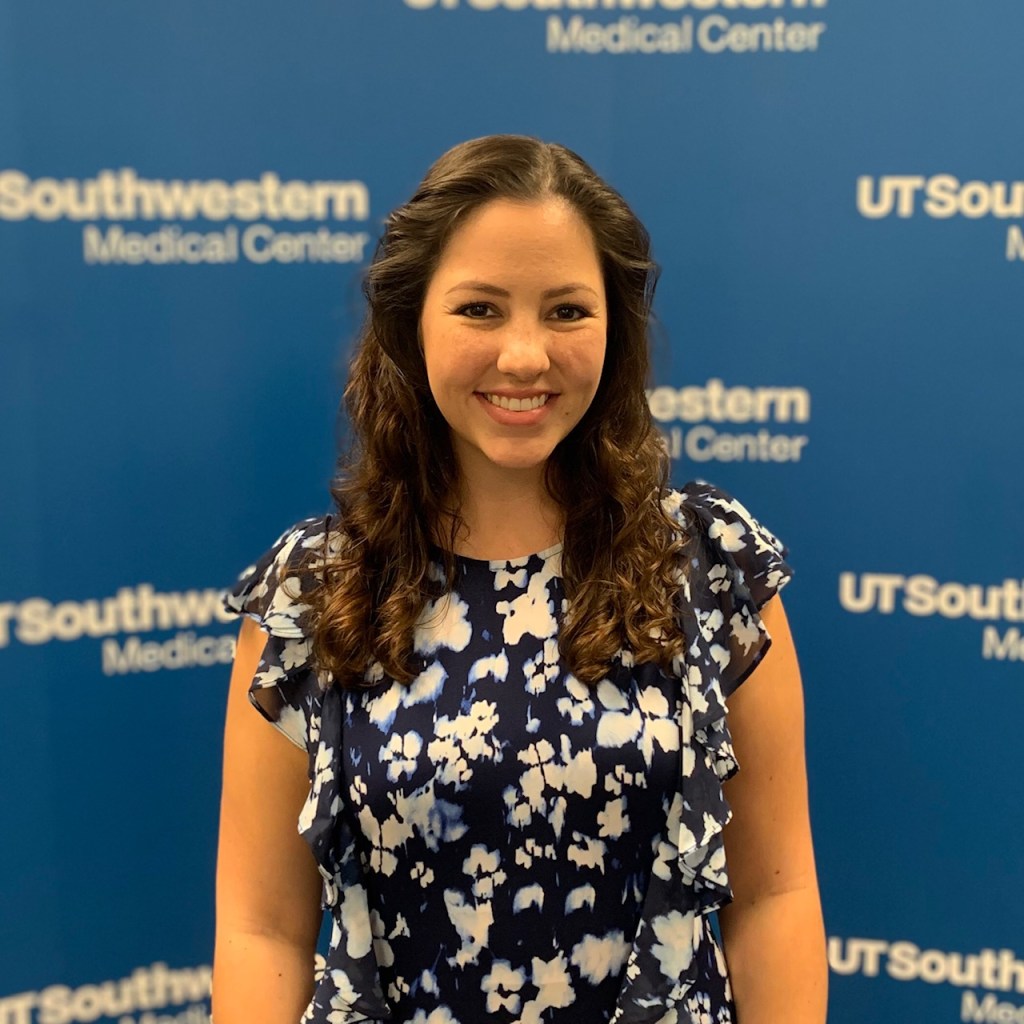
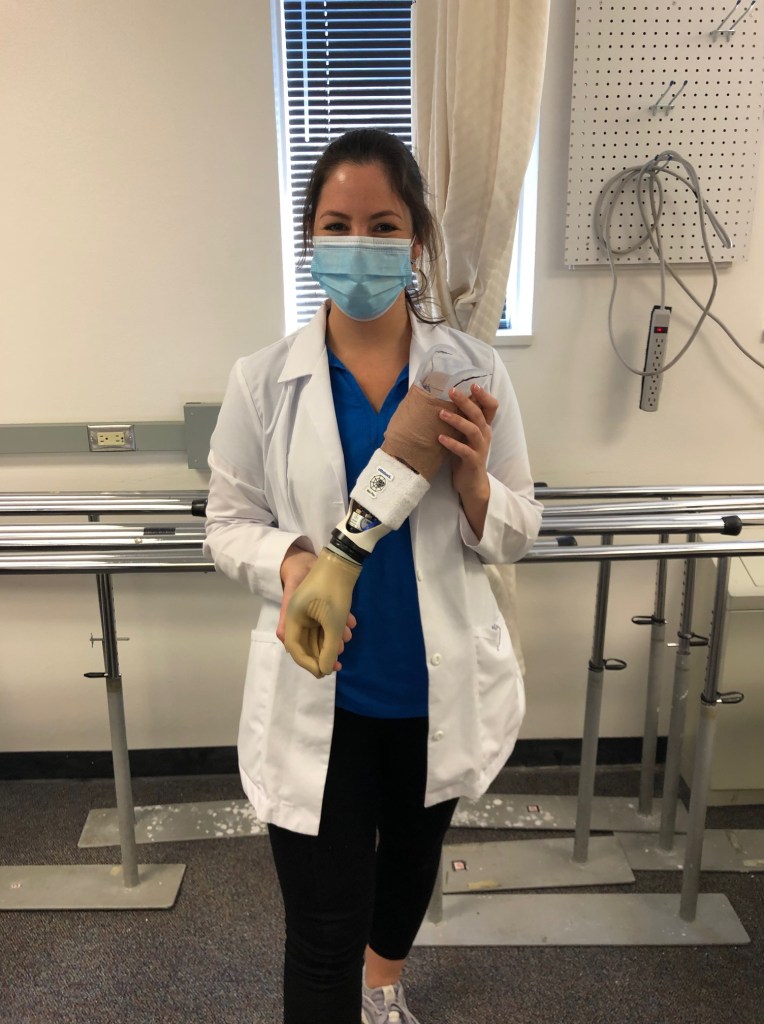
It has always been a goal of mine to never work a day in my life, so it was crucial to choose a career I loved. The Louisiana Tech Kinesiology Department was the initial spark that fueled me to become the Resident Prosthetist/Orthotist I am today.
After driving from my hometown of Houma, LA to tour every single university in the state, I arrived at LA Tech University. I chose LA Tech and its Kinesiology program to prepare me for my future career in prosthetics and orthotics. I carefully selected my curriculum so I would be qualified when applying for graduate school. The Kinesiology Department taught me to be diligent, resourceful, detail-oriented and empathetic towards others; qualities I attribute to my present day success.
I received my Master’s of Prosthetics and Orthotics from the University of Texas Southwestern Medical Center in December of 2022. This 18-month program is centered on a specialized curriculum including hands-on experience with device fabrication, patient models, clinical rotations, and a clinical internship. After receiving my master’s degree, I was required to complete an additional 2-year prosthetic/orthotic residency to become board certified in order to see patients on my own.
Currently, I am a completing my first year of residency in orthotics followed by a year of prosthetics at Atlantic Prosthetics and Orthotics in Chapel Hill, NC. My residency at Atlantic P&O has provided me with the ability to become skilled in device selection, fabrication, and patient communication. I have the opportunity to learn from a multi-disciplinary team of experienced clinicians. I absolutely love my job, and couldn’t imagine another career path for myself.
My daily schedule is ever-changing, which makes work exciting. My first task of the day is to check the patient schedules. Patient encounters are usually initial evaluations or device fittings. In an initial evaluation, I will assess the patient’s range of motion, muscle strength, diagnosis and device prescription. Often, I can fit the patient with an off-the-shelf device if the product meets all of their clinical needs. Otherwise, additional measurements will be taken for the fabrication of a custom device.
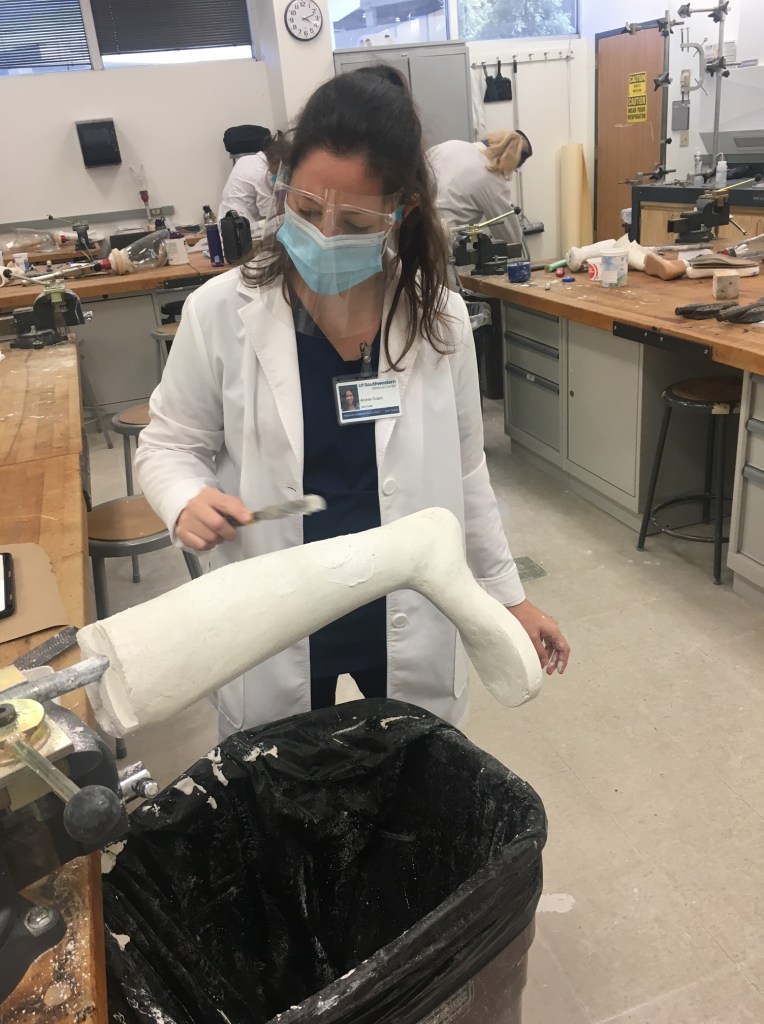
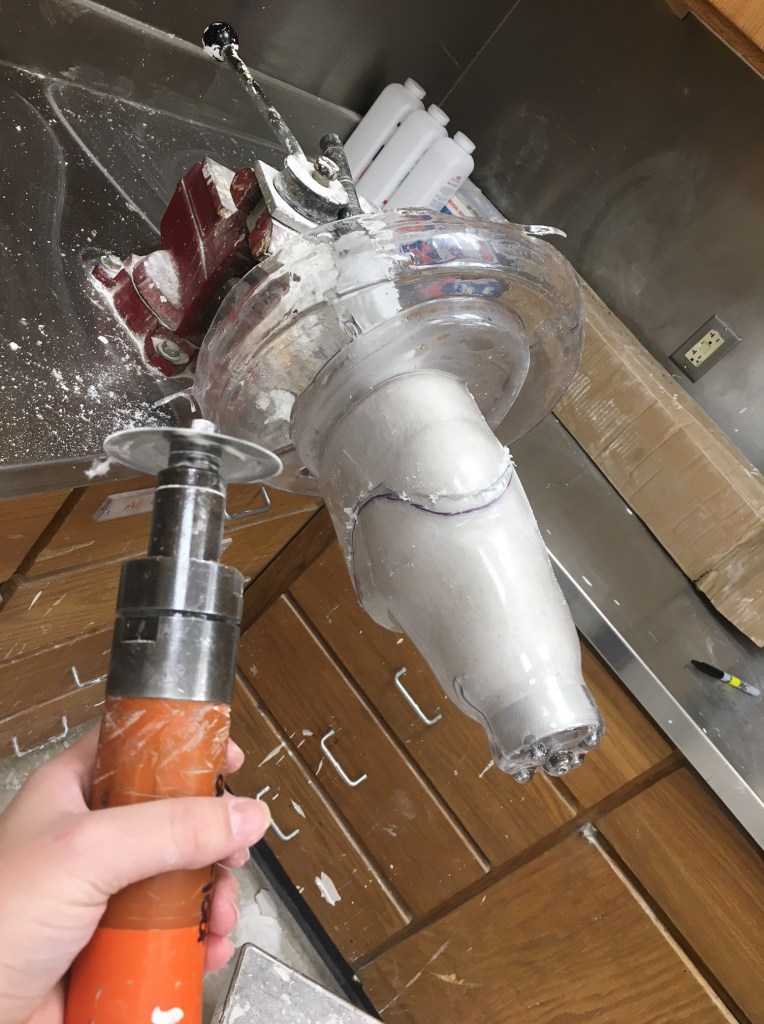
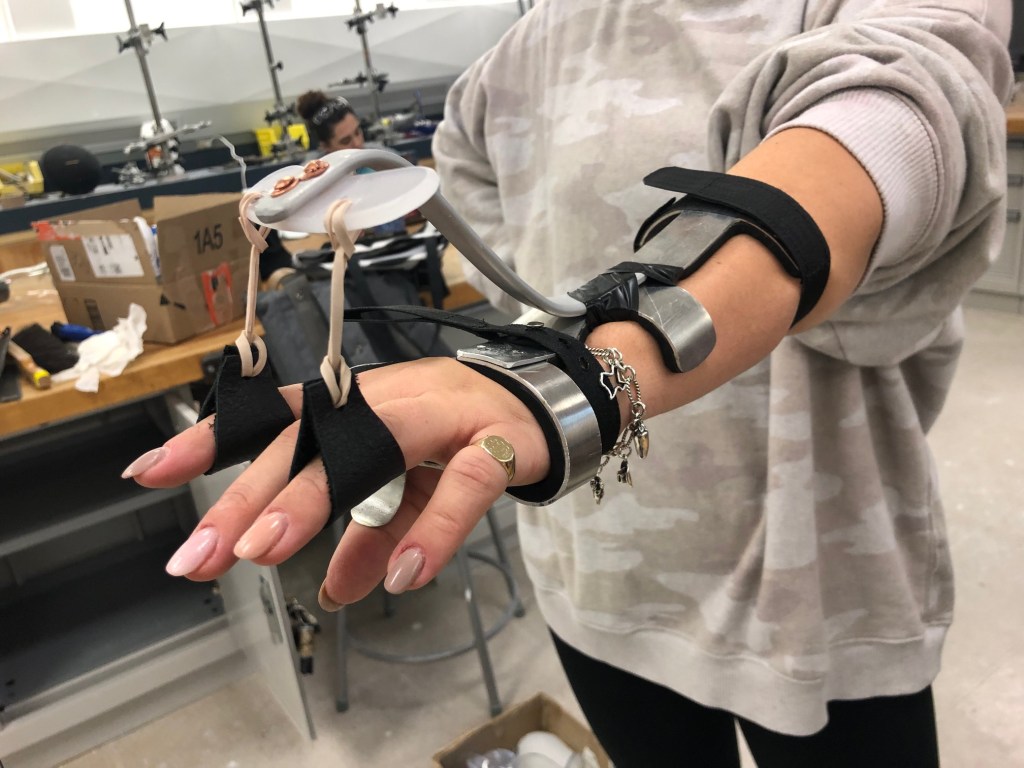
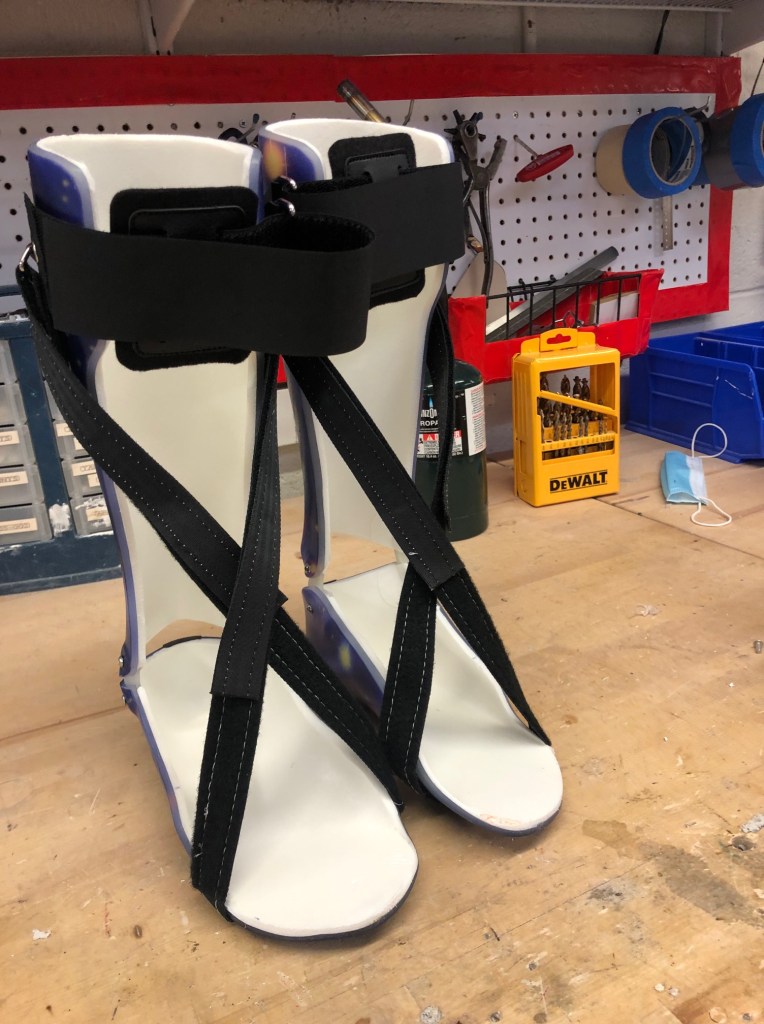
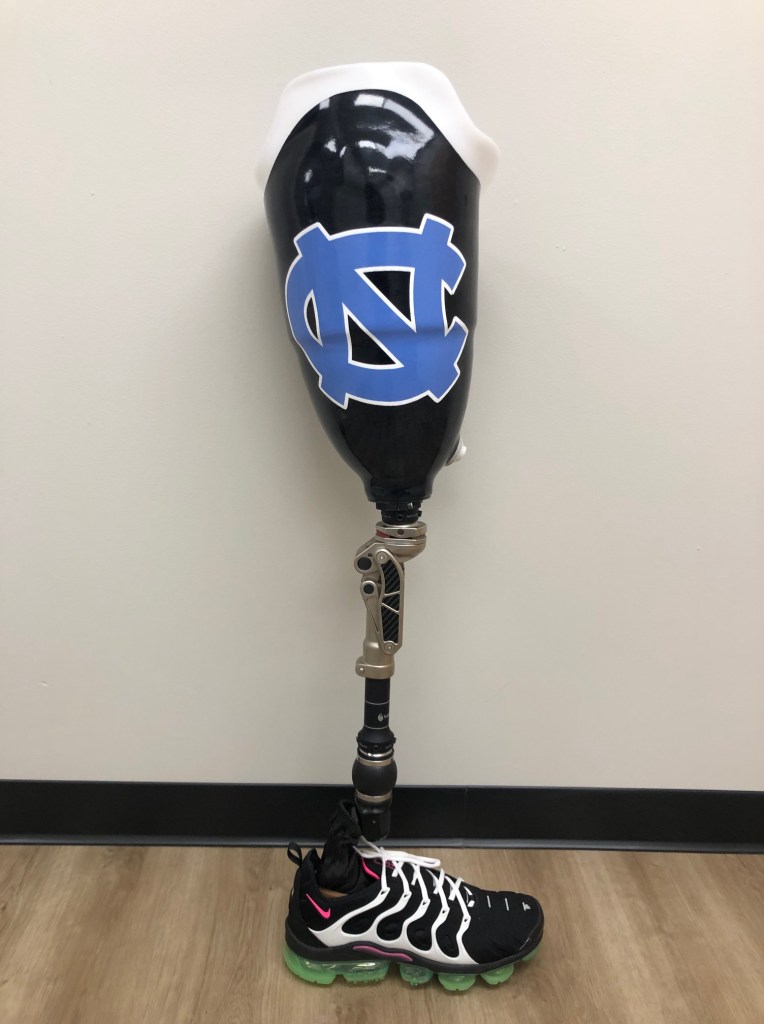
Approximately three days of fabrication are needed to make a custom orthosis or prosthesis, most of which is completed during breaks between patient appointments. The fabrication process from start to finish of most devices typically includes: a cast of the affected area which is used to create a positive plaster model, modifying the positive model by sanding or carving the plaster to acquire the desired shape, then draping hot plastic or pouring resin over the positive model. The cooled plastic or resin lamination will then be cut and smoothed into a finished product. At a custom device fitting, alignment angles can be adjusted or plastic can be trimmed or heat molded to provide a more optimal fit.
A career in prosthetics and orthotics fulfills my innate need to create, but also my desire to enhance the lives of others. I enjoy my time in the workshop, but seeing a patient stand up and walk for the first time after following them through their entire clinical journey is truly a heartfelt experience and the best part of my job – pure magic every time!
For more information on prosthetics and orthotics:
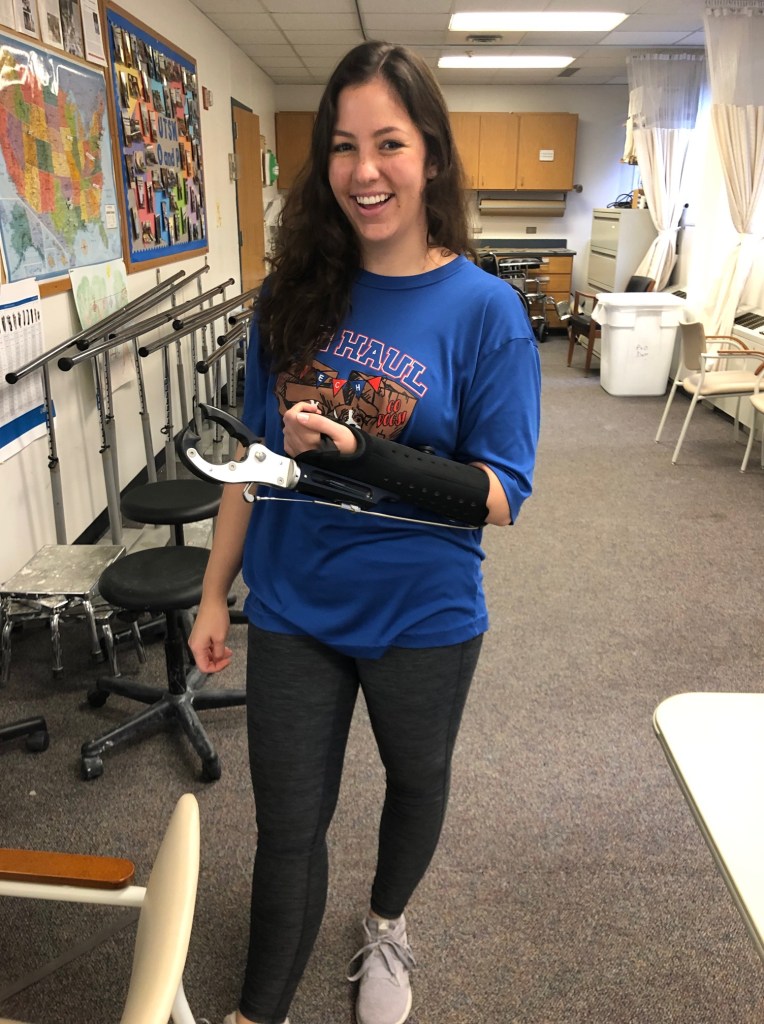
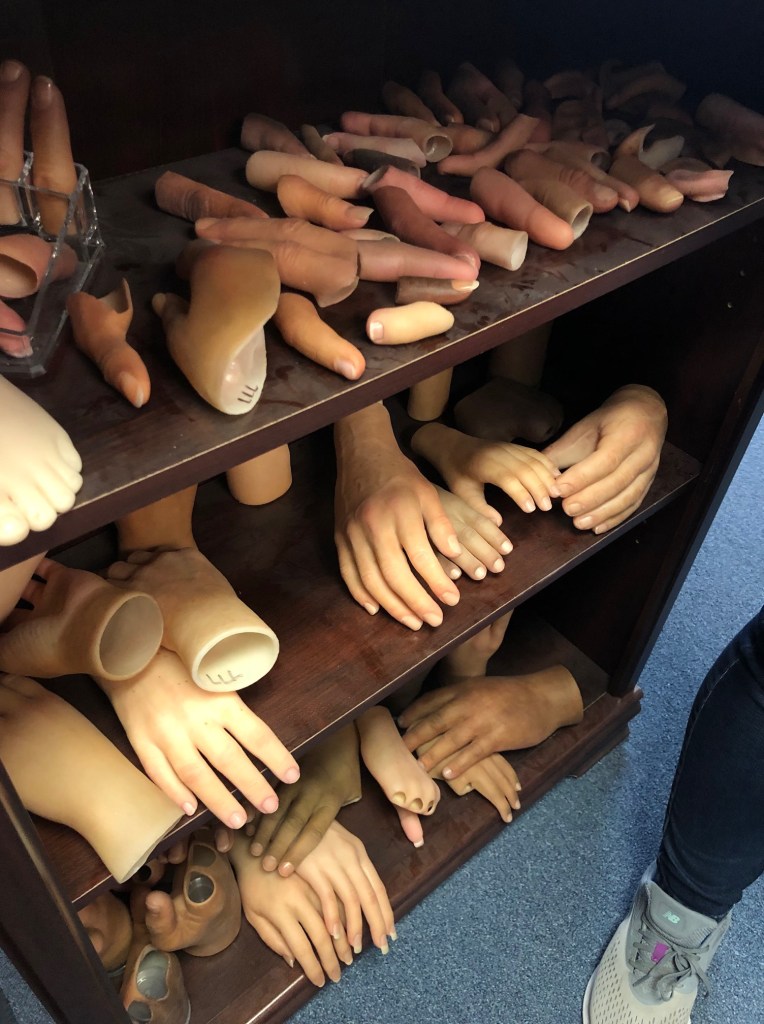
Prosthetist: healthcare professional who makes and fits artificial limbs (prostheses) for people with disabilities. This includes artificial legs and arms for people who have had amputations due to conditions such as cancer, diabetes, or injury.
Orthotist: healthcare professional who makes and fits braces and splints (orthoses) for people who need added support for body parts that have been weakened by injury, disease, or disorders of the nerves, muscles, or bones.
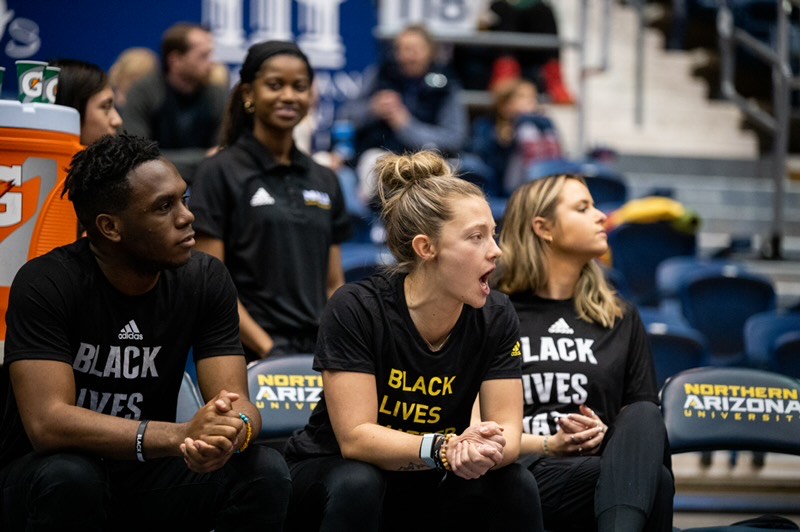
Name: Stine Emrick Location: Northern Arizona University in Flagstaff, Arizona Degree and Graduation Date: BS – Kinesiology and Health Promotion (2020) Louisiana Tech University
Other Education: * Master of Educational Leadership – Community College/Higher Education from Northern Arizona University
Career Position and Where: * Associate Head Strength and Conditioning Coach at Northern Arizona University
What a typical day looks like: * Organizing the operations of football lifts, helping the head strength and conditioning coach with aspects of programming for football, traveling with the football team to away games, heading up the internship program, being responsible for all aspects of training for the women’s soccer program and women’s basketball program. All of the other things: * Living in Flagstaff has given me the opportunity to spend off time hiking in the surrounding areas.
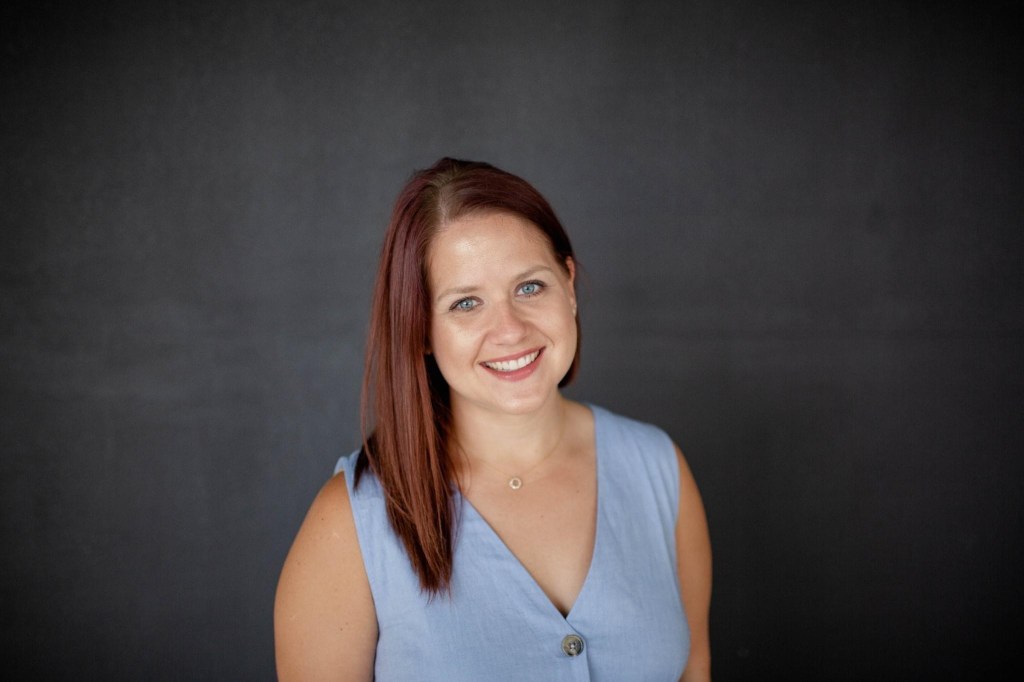
Name: Emily Mire Location: Fort Worth, TX Degree and Graduation Date: BS – Kinesiology and Health Promotion (2008) Other Education: * BS – Biology – Louisiana Tech University (2008) * MPH – University of North Texas Health Science Center (2010) * MEd in Counseling – Texas Christian University (2013) * PhD in Health Studies with a concentration in Higher Education – Texas Woman’s University (2016)
Career Position and Where: * Executive Director for Student and Academic Success at the University of North Texas Health Science Center in the Division of Student and Academic Affairs (Fort Worth, TX) * Adjunct Faculty, MPH@Baylor, Baylor University (online) * Adjunct Faculty, School of Public Health, University of North Texas Health Science Center (Fort Worth, TX)
What a typical day looks like: * Every day is different, and that’s my favorite part! I could go from writing a student policy, to hearing a student conduct appeal, to a 1-1 meeting with a team member, to leading a faculty training, and to chiming in on what squat rack we should buy for the Fitness Center all in one day. In my primary job, I oversee the Office of Care and Civility (student crisis, student conduct, wellbeing and prevention programs), the Career Readiness Center, the Center for Academic Performance, Testing and Evaluation Services, and the Student Assistance Resource Center (food pantry, clothing closet, wellness coaching, restorative pathways, and the Fitness Center). The offices that I lead have a direct impact on student success and well being, and we get to work with students at all stages of their academic journey. I also write and maintain all student related policies and oversee the institutional response to the Clery Act.
In the past few years, I’ve started taking interns from schools across the country for in person and virtual internships (if you ever need an internship, reach out!), so I try to build in a regular cadence to check in on them and their projects. I could have the most perfectly planned out day, but given that two of my offices oversee student crisis and emergency response, my day can take a turn quickly! As I’ve progressed in my career, I have really enjoyed the supervision and leadership elements, and being able to coach team members and watching their offices do incredible work.
Once my work day wraps up, I run home to spend time with my family. Evenings with two kiddos at two very different ages can be a little chaotic, shuffling between homework, soccer practice, and bedtime routines. A few nights each week, I teach for the online MPH program at Baylor and the MPH program at UNTHSC. I absolutely love teaching and the point that I start working with students in both MPH programs, they are starting to figure out their own career trajectory, and there’s a mentorship element that is really neat. One thing I love about my relationship with the Kinesiology faculty at Louisiana Tech is how they held (and still hold!) space for me, and my hope is that I’m able to do the same for my students.
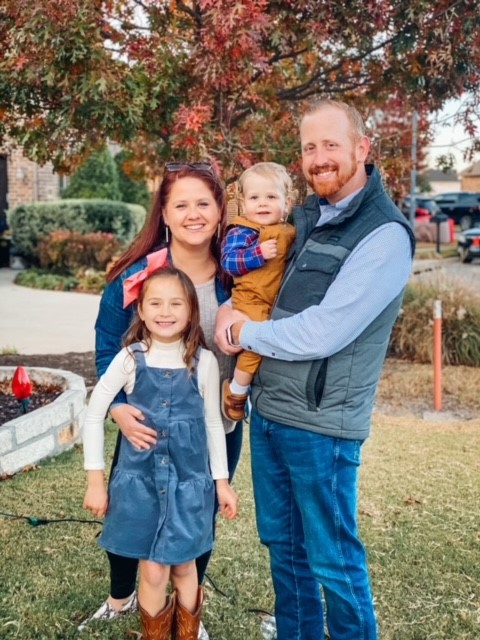
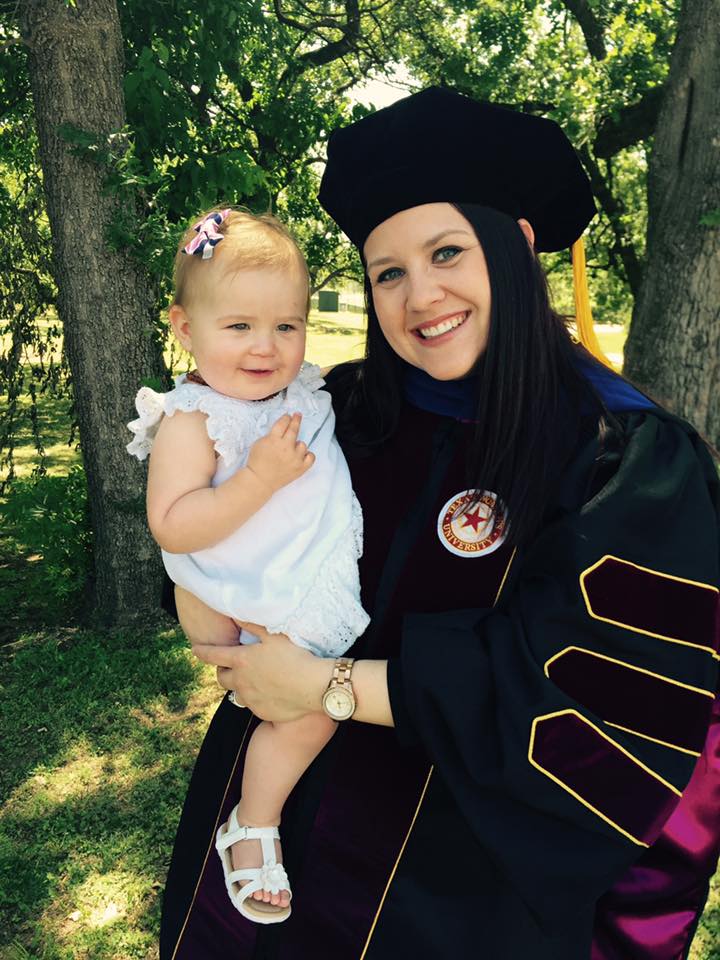
All of the other things: * I never meant to stay in Fort Worth. We moved here for me to get my MPH and accidentally stayed! Keep an open mind – you never know where your career may take you. * My husband is an alum from Louisiana Tech as well (BS, Biology – 2007 and MS, Exercise Science – 2008). He is my best friend and the BEST dad. He has supported my dreams without question. Once I graduated with my PhD, he did tell me that if I wanted to learn anything else, I could get a library card. I’m still not sure if he was joking or being serious. 😊 * We have two kiddos, Landry Kate (7, soon to be 8) and Anderson (2 in September). Having a picture with Landry Kate in my cap and gown from my PhD graduation is one of my favorites. Finishing my PhD with a toddler is one of the hardest things I’ve ever done, but my hope is that this picture will always serve as a reminder that we can do hard things. * I try to prioritize exercise. You think overseeing a Fitness Center would make it easy, but sometimes it makes it even harder! I have a gym in my garage at home and try to spend time under a barbell and punching a boxing bag a few times per week. * I am forever thankful for the people who served as mentors for me in college. In fact, I never would have looked into a MPH if Dr. Lanie Dornier wouldn’t have suggested it. I will always prioritize the moments where I can return the favor.
The Mire Family 2021Emily and Kent as undergraduates at Louisiana Tech Landry KateAnderson
Director of Title IX Compliance for Louisiana Tech University
This year marks the 50th anniversary of Title IX. Title IX of the Education Amendments was signed into law by President Nixon on June 23, 1972. Title IX of the Education Amendments of 1972 prohibits sex-based discrimination in any school or education program that receives funding from the federal government. The 37-word original statue reads:
“No person in the United States shall, on the basis of sex, be excluded from participation in, be denied the benefits of, or be subjected to discrimination under any education program or activity receiving Federal financial assistance.”
Title IX was initially written to create opportunities for women in education with its’ biggest impact being in athletics. It is one of the most important laws passed for females by Congress since women obtained the right to vote in 1920. With the inception of Title IX, the doors opened for women in all aspects of education and changed the course of women’s athletics forever. Before Title IX, women were not offered athletic scholarships and there were no women’s championships through the National Collegiate Athletic Association (NCAA). It was not until the late 1970’s that the NCAA offered women’s championships. Women athletics struggled with funding facilities and equipment, and overall experiences were far less than their male counterparts. Women did not make up much of collegiate athletics due to the lack of resources. Today, there are more than 200,000 women athletes in college which accounts for 44% of all college athletes.
Louisiana Tech University’s trailblazer in women’s sports is Mary Kay Hungate. Mary Kay serves as the Deputy Athletics Director and Senior Woman Administrator for the University. She has been an integral part of Louisiana Tech University for over 30 years and has proven to be vital in the emergence of the University’s programs on the playing field and the classroom. Mary Kay joined the Louisiana Tech staff in 1985 as an assistant women’s basketball coach. In 1990, Mary Kay created the Louisiana Tech Athletic Academic Center program. Her professional career began as Women’s Sports Coordinator and Head Coach in volleyball, basketball, and softball at Illinois’ Carl Sandburg Junior College where she guided the basketball team to a mark of 80-22 and included an 11th place finish in the 1976 NJCAA national tournament. In 1985 she was named USA Today National Coach of the Year. Mary Kay attributes these opportunities to hard work and the impact of Title IX.
With Title IX’s immediate effects to open educational opportunities to women, we observe visible benefits in classrooms – women are studying in areas where they were once all but shut out such as medical, dental, and law schools; boardrooms where men and women work together in management and other areas to solve problems, as well as fields of science and engineering, creating innovations throughout labs – curriculum – all aspects rarely seen on a daily basis.
Society has evolved over the last 50 years. Title IX, too, has made changes, to broaden the scope, in order to meet current needs. The federal law has been legally interpreted over the years to include protections for not only men but all genders; expanding to include sexual harassment and sexual misconduct as well as many elements of the LGBTQ+ communities in their struggle for equity. Ultimately, Title IX provides protection and support for everyone in our society.
In this 50th year of Title IX, let us celebrate by committing to continued assurance that the University remains in compliance with those federal mandates. We want to continue to create a more equitable future for all in education. Every single aspect of education is included in Title IX. It is more than just Sports. It is equality in Education.
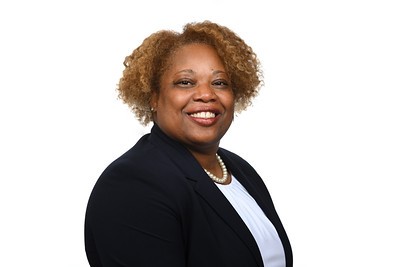
Mortissa Harvey serves as the Director of Title IX Compliance for Louisiana Tech University. Harvey comes to Louisiana Tech University from Atlanta Technical College, where she served as chair of Student Disciplinary Committee Hearings and program chair for Criminal Justice. She was the Title IX Decision Maker for the college while helping teach Atlanta’s next generation of law enforcement professionals. Prior to her transition to education, Harvey worked 11 years in the criminal justice system and has been a Certified Georgia Peace Officer for over 20 years.
Harvey is a native of Bonita, LA and is a 1995 graduate of Louisiana Tech University with a degree in Interdisciplinary Studies. She earned her Master’s degree in Criminal Justice from Clark Atlanta University and is pursuing her doctorate in Higher Education Administration.
“Happiness is not ready-made. It comes from your own actions.” (14th Dalai Lama b.1935-)
Recently, I’ve noticed increasing conversations around the topic of Happiness. While this is only an observation, these observations prompted the short journey through various ideas about Happiness described below.
The journey begins with an assumption that each of us is familiar with the “happiness clause” of the Declaration of Independence – “We hold these truths to be self-evident, that all men are created equal, that their Creator endows them with certain unalienable Rights, that among these are Life, Liberty and the pursuit of Happiness.”
So, if the pursuit of Happiness is a declared unalienable right, it might be purposeful to understand what it means to pursue Happiness. Therefore, here begins a journey, albeit brief, in search of Happiness. But, where does a search like this begin? Whom do you ask? Do you venture to Katmandu, search the Marvel multiverse to query Dr. Strange, comb the depths of ancient libraries to read the works of Aristotle, sages of antiquity, or perhaps the wisdom literature of the Bible. Well, I guess you could, but instead, I asked some modern oracles – Siri, Alexa, and Google.
Hey Siri, “who is an expert on happiness?” Response – Sean Anchor. Well. If Siri says he’s an expert, Sean Anchor must know something about Happiness. Sure enough, he even has a definition for it – “Happiness is the joy you feel moving toward your potential.” Anyone who spends most of his time studying Happiness and speaking and writing books about it must know much about it. In one of Anchor’s books, he discusses the Happiness Advantage. Apparently, it is advantageous to be happy – who knew? In Before Happiness, his follow-up to the Happiness Advantage, he informs us that one of the 5 hidden keys to success is to spread Happiness. Then, in How to Make a Shark Smile, a book for children, we learn that a positive mindset is needed to spread Happiness. So, what have we learned about Happiness on our first stop? First, there is an advantage to being happy. Second, the key to success is to spread it (Happiness) once you get it, and a positive mindset is required to spread it effectively. With this knowledge, the search continued.
Next stop – Imagine my surprise in learning there is a man named Hector who has already pursued Happiness – there’s a movie about it, Hector and the Search for Happiness. IMBD describes it as, “A psychiatrist searches the globe to find the secret of Happiness…the disillusioned psychiatrist, Hector, confesses to his girlfriend that he feels like a fraud for dispensing recommendations to patients who never seemed to improve or get happier. He considers breaking out of his lackluster routine. Summoning up some courage, Hector embarks on an international quest to find the right formula to bring him joy and vitality.” Sidenote – Simon Pegg plays Hector.
After his journey, Hector reviews his journal and summarizes his search results with 15 observations. I’ve included the Top 10. At least, these are the ones I thought were the top 10.
Making comparisons can spoil your Happiness.
Many people see Happiness only in their future.
Sometimes Happiness is not knowing the whole story.
Avoiding unhappiness is not the road to Happiness.
Happiness is answering your calling.
Happiness is being loved for who you are.
Fear is an impediment to Happiness.
Happiness is feeling completely alive.
Happiness is knowing how to celebrate.
Nostalgia is not what it used to be.
*Lagniappe – Sweet Potato Stew! (Watch the movie, then you’ll understand.)
Next stop in search of Happiness – Psychology Today
A search of Psychology Today produced the wonderfully happy (tongue firmly in cheek) post – The Search for Happiness: A brief look at destination addiction. Considering Hector’s globe trotting and then this post, my thought – traveling must have something to do with Happiness. However, on further reading, in fact, the next paragraph included a warning, “Beware of Destination Addiction – a preoccupation with the idea that Happiness is in the next place, the next job, and with the next partner. Until you give up the idea that Happiness is somewhere else, it will never be where you are.”
By the way, while not mentioned earlier, this was also Hector’s conclusion, that Happiness was not out there somewhere, at the next destination, dependent upon something external.
Next stop on the Ask Siri, Ask Alexa, Ask Google search – The 2022 World Happiness Report, the 10th-anniversary edition. If you are not aware of the World happiness Report (WHR), you may want to check it out as it contains an abundance of fascinating and valuable data and information. Meanwhile, the bits below provide small samples from the 158 page 2022 report.
From the “bet you don’t know this category, “- much of the growing international interest in Happiness, exists thanks to Bhutan. They sponsored Resolution 65/309, “Happiness: Towards a holistic approach to development,” adopted by the General Assembly of the United Nations on 19 July 2011, inviting national governments to “give more importance to Happiness and well-being in determining how to achieve and measure social and economic development.” (p. 3)
World Happiness Report 2022 Ranking of Happiness by Country 2019-2021
1. Finland 2. Denmark 3. Iceland 4. Switzerland 5. Netherlands 6. Luxembourg 7. Sweden 8. Norway 9. Israel 10. New Zealand 11. Austria 12. Australia 13. Ireland 14. Germany 15. Canada 16. U.S. 17. UK 18. Czechia 19. Belgium 20. France
Note that Finland holds the top spot (5 consecutive years), one of five Nordic countries in the top ten. From this, are we to assume that there is an association between Happiness and living somewhere that is very cold? If that is accurate, I may never be happy, at least not top spot happy.
Some good news – WHR researchers looked at positive and negative effects associated with sustained emotions. They found that the most striking feature is the extent to which the results continue to buttress a finding in psychology that positive emotions matter much more than the absence of negative ones when predicting either longevity or resistance to the common cold. For example, smiling or laughing a lot is the most common of all the components of either positive or negative affect. Also, when considering positive emotions as a whole, they remained more than twice as frequent as negative ones. (page 23.)
Considering negative emotions, although overall anger presented at low global levels, the regional differences are striking with anger being far more prevalent and at a constant level in the Middle East and North Africa (MENA) than in the rest of the world. Moreover, evidence of stress is greater now than ten years ago in every global region. (page 32)
Returning to a review of positive emotions and measures of prosocial behavior, three measures —donations, volunteering, and helping strangers—all showed increases in 2021 in every global region, often at remarkable rates not seen for any of the variables tracked before and during the pandemic. In fact, as measured by these prosocial behaviors, Global Benevolence increased dramatically in 2021, nearly 25%. If this is pandemic benevolence, let’s hope the trend continues after the globe returns to “normal”. (page 45)
For more information on topics like -Causes of differences in Happiness between people – Why are some people happier than others, even if they live in the same country under more or less similar circumstances? – Using social media data to capture emotions before and during COVID-19 – Exploring the biological basis for Happiness – and Insights about balance and harmony – download the 2022 World Happiness Report at https://worldhappiness.report/ed/2022/.
As we near the end of our travels in search of Happiness, I’ll leave you with a list – because it is required that every blog post include a list. Below is a list of actions you can take to increase your happiness quotient.
1. Do More Physical Exercise
2. Get More Quality Sleep
3. Put down your cellphone – I think this means, do NOT use it!
4. Take More Social Time – spend more time with your friends and family.
5. Spend More Time Outdoors
6. Help others for two hours per week
7. Meditate
8. Practice Gratitude
9. Spend money on experience, not things
10. Practice Your Spirituality Or Faith
Source: Happiness Hack: 10 Ways To Be Happier, Backed By Science
While not all-encompassing (obviously), this very brief journey in search of happiness found –
There is little or no need to travel worldwide to find it. Most likely, it is as close as where you are. The next thing, the next destination, the next job, the next whatever, is probably not the source of happiness. There is a growing interest globally in factors influencing happiness. Positive actions like smiling and laughing have a significant impact on happiness. Prosocial behavior, which contributes to happiness, is rising (dramatically) globally. Apparently, Finland and other Nordic countries are very happy places; there might be a connection between happiness and living somewhere very cold 😊 Most likely, other factors currently being studied contribute to the Nordic effect.
*Lagniappe(2) – not mentioned previously – An extensive study conducted by researchers at Harvard University could be summarized by the title of a 1967 Beatles tune, All You Need is Love. Positive well-being is closely related to the duration and the positivity of our relationships with people. So perhaps our first investment should be in humans. Try to laugh and smile as much as possible – for your sake and for your neighbor. Be active in prosocial behavior – volunteering, donating in some form, and helping strangers. With that, may all your days be joyful and happy.
Post Script – paraphrasing a verse from the Book of James – To all my brothers and sisters, find joy in ALL things, even the trials of life.

















 The Exponential Factor