Kinesiology Paths: Tech Consultant

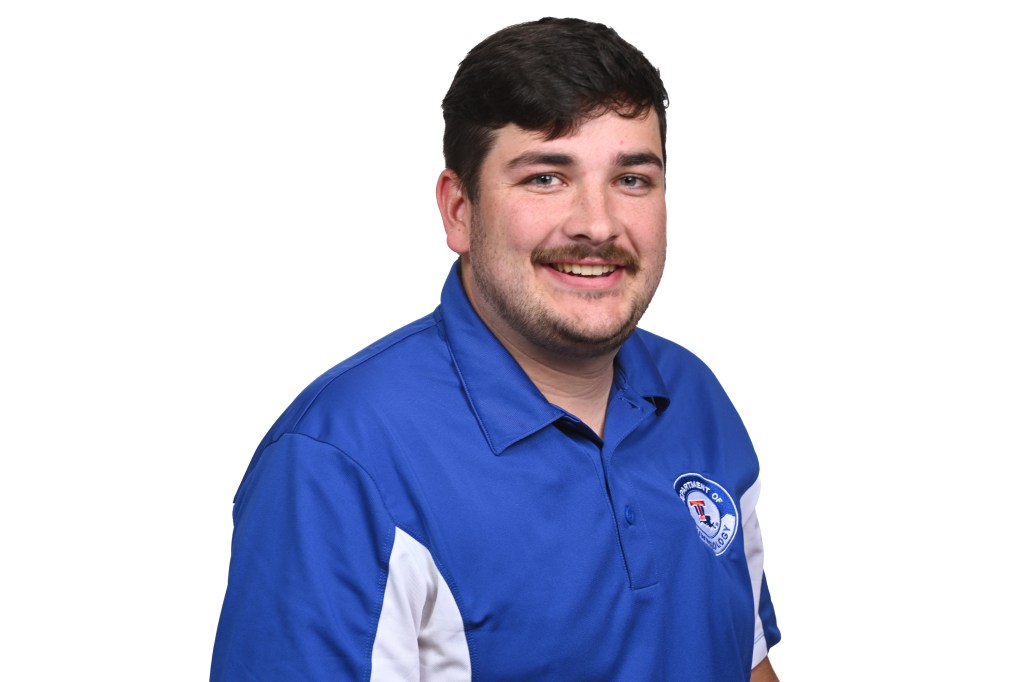
Thaddeus J Light, Ph.D., CSCS, USAW-2

Education:

  • West Virginia University – B.A., History (2010)
  • Louisiana Tech University – M.S., Kinesiology, Sports Performance (2015)
  • East Tennessee State University – Ph.D., Sport Physiology & Performance (2019)

Relevant Experience:

  • Research Scientist – Florida Institute for Human & Machine Cognition (2019-2021)
  • Athletic Performance Assistant/Head G League Strength & Conditioning Coach – San Antonio Spurs/Austin Spurs (2021-2022)
  • Head of Strength & Conditioning and Sport Science – Indiana Fever (2022)
  • Head of Weightlifting and Strength & Conditioning – LiftLab Co. (2022-2023)
  • Senior Consultant – Teamworks (2023-Present)

The path that I’ve traveled, both in my education as well as my professional life, has been atypical. I’m currently working as a Senior Consultant with Teamworks, where I assist tactical (military, police, fire) groups with their handling of complex performance datasets. I could not have foreseen myself in this role – I hardly even knew this kind of position existed – but it’s an excellent fit for my skills and experience, and has been great for myself and my family. 

The Journey (so far):

I came to Tech for my Masters in Kinesiology – Sport Performance in 2013. My goal was to become a professional-level Strength and Conditioning Coach, and the first step in the plan that I had formulated was to attend graduate school. My undergraduate education was in History, and I was heading toward law school when I realized that I needed to make a change. I needed to get back into sport. I began coaching High School sports, then earned my Certified Strength and Conditioning Specialist and started training athletes on a very small scale. I needed to deepen my knowledge base, get as much experience as possible, and meet as many high-level coaches as I could. Tech fit the bill. Dr. David Szymanski agreed to take a chance on me, allowing me to work with him coaching the baseball team, assisting with research, and serving as a Graduate Teaching Assistant in the Dept. of Kinesiology. 

In addition to helping Doc and performing my departmental duties, I did things that would come to greatly influence my education and career path. I interned at National Strength & Conditioning Association headquarters as a coach in their performance center, kick starting my relationship with the NSCA. I also began traveling over to LSU Shreveport to train for weightlifting with Dr. Kyle Pierce, recent inductee to the International Weightlifting Federation Hall of Fame. These steps put me in contact with excellent coaches and gave me irreplaceable experience. 


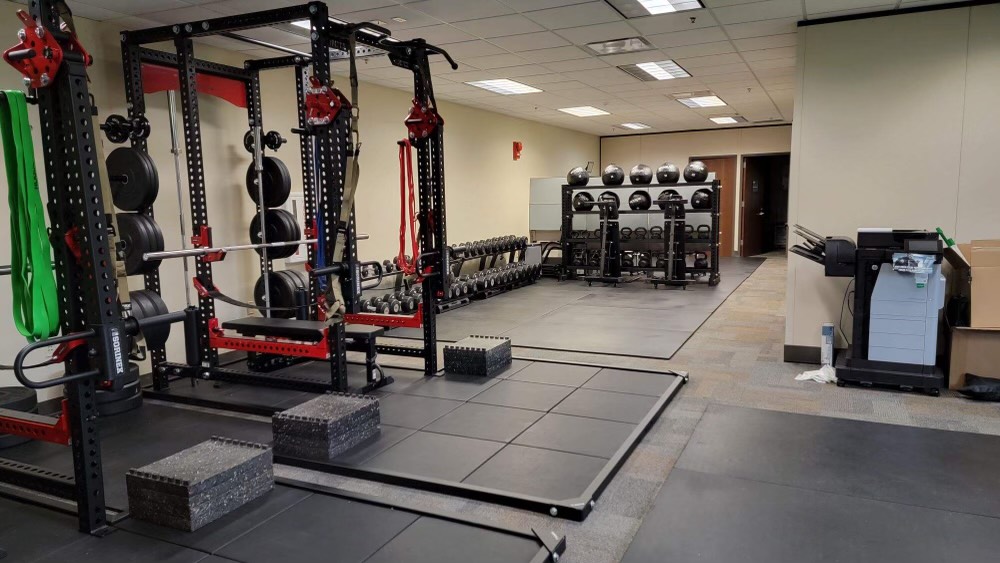
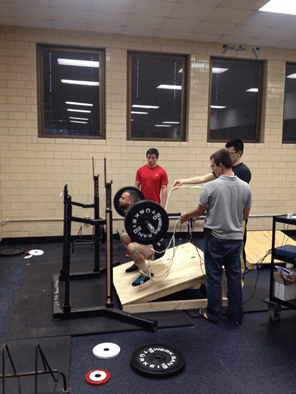
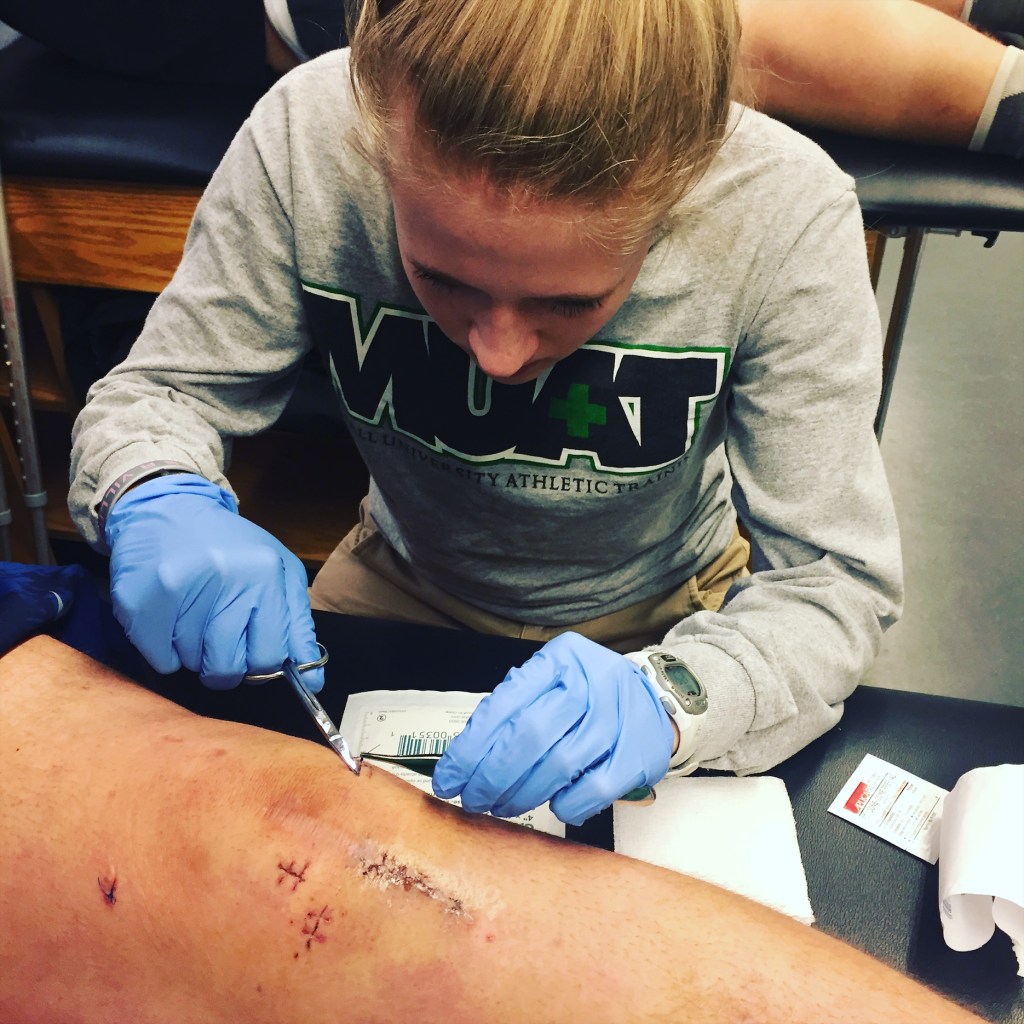
Some pictures – the lab before it was the lab featuring me squatting for research, and a crew of us KINES grad students lining up for graduation.

After graduating from Tech, I decided to pursue a Ph.D. at East Tennessee State University. My research experience at Tech and my desire to better understand the underlying physiology involved in training made the decision easy for me. A Ph.D. isn’t necessarily a requirement for coaching at the professional level, but it provides options, which is what I wanted. While there, I coached weightlifting at the Olympic Training Site and was head Sport Scientist for the weightlifting team. Being in the program at ETSU allowed me to gain immense amounts of practical experience in both coaching and sport science data collection. It was during this time that I interned for the Indiana Pacers, which would later influence my career.

After I completed my Ph.D., I moved to Florida to work as a Research Scientist with the Florida Institute for Human and Machine Cognition. I had never envisioned myself working specifically in research, but it was a great opportunity and I knew I would be working with brilliant people. There I helped to design and implement research protocols focused on human performance in extreme environments (microgravity, hypoxic conditions, cold water exposure, etc.), mainly in military populations. I was privileged to work there for 2.5 years. 

Another opportunity came, and I left my position as Research Scientist to go work with the San Antonio Spurs. I worked in the Spurs organization as the Head Strength and Conditioning Coach for their G League team, the Austin Spurs, as well as an assistant for the San Antonio Spurs. This experience was a huge leap for me. I learned so much – not only about coaching and sport science, but about how quality organizations are run. I also learned about life in the NBA G League. If you love basketball, you will love the G League. Please support the G League, the athletes deserve it.

After a single season with the Spurs, I was given the opportunity to become the Head Strength and Conditioning Coach for the Indiana Fever in the WNBA. A major factor in my recruitment for the position was the relationships I made during my time as an intern with the Pacers. I took the opportunity and ran with it. Working in the WNBA with the Fever was a joy for me and my family. Professionally, had an excellent year as a Performance and Medical Department, seeing a 70% reduction in the numbers of games missed due to injury. However, the organization was in the midst of a rebuild and my contract was not renewed or extended. That’s the business of sport, and it was an outcome we always knew was possible.

To any Tech students are reading this who want to work in high-level collegiate or professional sport: you need to know the hard truths about that path and what happens when you actually achieve that goal. You will have to move wherever the job is, and then you will have to eventually move again. You likely will get paid much less than you deserve for the time you put in. Your actual job performance may have nothing to do with your ability to stay employed in your position. Your performance may even be judged by people with no training knowledge and no concept of what you actually do on a day-to-day basis. You must commit to the job 7 days a week, nearly 365 days a year, and if it’s in-season you may be living your life an hour at a time, unable to plan anything outside your required duties to the athletes you serve. If you have a family, you will need to be okay with sometimes being away for extended periods if the job demands it. You have to get comfortable with the idea that you’ll be in a job until you get fired (or not renewed) and then have to find something somewhere else or make it work in whatever location you’re in.

Not all of those things listened above may be true at once, but it’s highly likely that a few will be. This is the reality of being a strength coach at the highest level, and one that you will come to know as you speak to coaches in that world or you live in it yourself. You have to navigate the chaos of it, and deeply love the process of the sport that you’re working in. Even with all of that, I can’t imagine a job that’s more fun on a daily basis.

If you want to work at the top of any profession, you need to be honest with yourself about the steps it will take to get you there.  At the very least, that will often mean that you have to move, in addition to the huge amounts of time and effort that will go into meeting that goal in other ways. My wife and I met when we were grad students together at Tech, and I’ve been dragging her (and now our kids) across the country ever since. This is the real story, the one that gets no awards or recognition – intense discussions, hardships both expected and unforeseen, and disappointments that can destabilize your family. And you go through it all anyway, keeping faith that it will eventually work out, because it has to work out.

After my time with the Fever, I was able to get a job in a private training facility coaching weightlifting as well as individualized strength coaching and personal training (athletes vs. general population). This was my first time working in “the fitness industry” and I really enjoyed helping the folks I worked with to meet their goals. Though I still prefer the atmosphere of working within a sports organization, there’s a big difference between training someone who is paying to be there as opposed to someone who is being paid to be there. It’s much easier to get compliance in a private facility.

I failed this 50kg chin-up attempt, but 45 kg was good. The Tech pinny helped.

However, the experience of working in a private training facility, or maybe just this specific facility, wasn’t right for me. I was working long hours with relatively little pay and those hours were not conducive to me having quality time for myself and my family. I worked there for almost a year, and during that time I pursued other employment options. I had numerous interviews with NBA and WNBA organizations but no luck on securing a job. I cast a larger net and began applying for jobs in research and at colleges and private high schools as well. I had many more interviews but no luck there either. At one point I was told I didn’t have enough high school coaching experience and that it would be too much of a learning curve for me.

Still, I kept on trying to find a steady position. Eventually, as luck would have it, a friend of mine reached out asking if I would be interested in a position that he knew would be coming available. Again, to Tech students reading this (if you’re out there): you must network effectively and maintain those connections – they will be essential to your professional success. The open position that was brought to my attention is the one that I now hold. Of course, I still had to earn that position on the merits of my education, experience, and fit within the organization, but it helped to have a friend let me know the opportunity was there.

As I stated at the beginning, I now work as a Senior Consultant with Teamworks, dealing in sports technology and data management. It’s a great fit for me; I understand the physiology and testing methods for the data I’m working with, I have the research background that allows me to arrange the data in the most efficient ways, and I can speak the same language as the coaches and departments that I help. I mainly work with tactical groups – military, government agencies, police, and fire departments. It feels good to know that I’m giving back to those groups in a way that is direct and helpful. I work remotely now, so it also feels good that I’m able to be present in the day-to-day lives of my wife and children and know that I’m putting us in a more stable position from which we can build our future. I’m excited to see where the journey takes us next. 

Post Script:

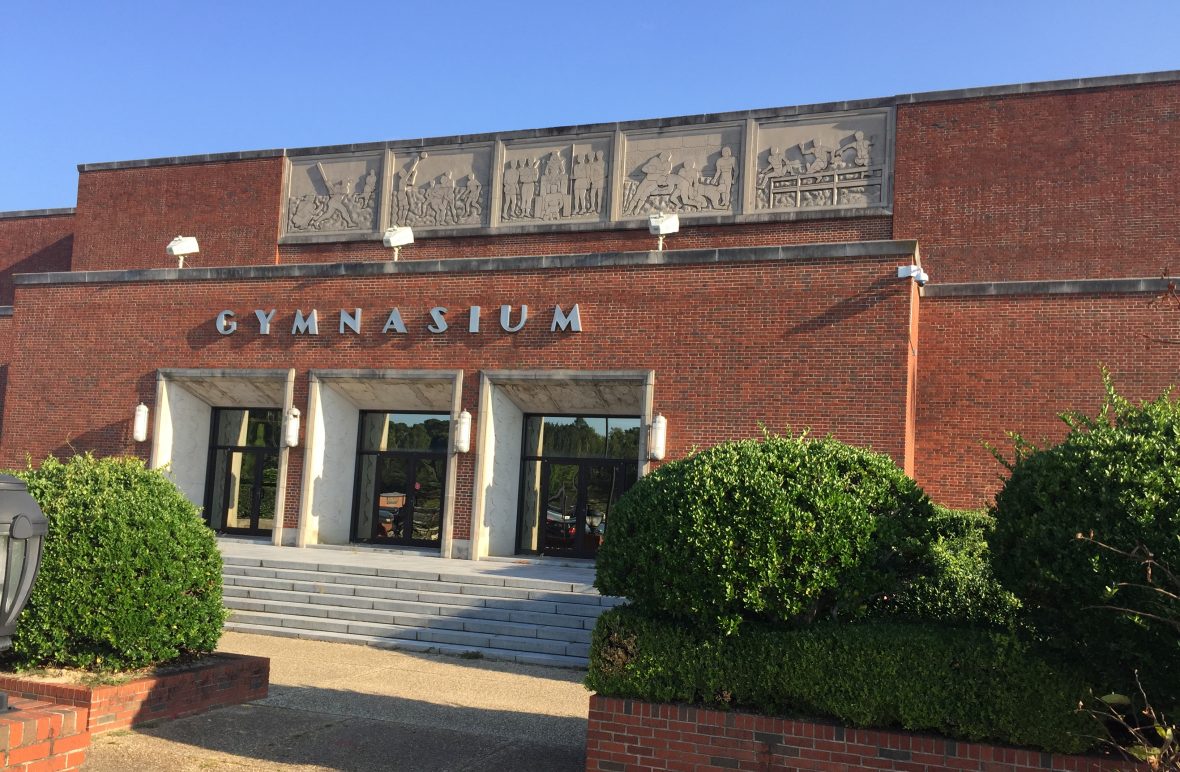
When I made the decision to go to Tech, I knew that it was going to alter the course of my life, but never could I have imagined the magnitude of that decision’s impact. I met my wife and some of my closest friends in Memorial Gym, and was given the chance to develop my skills as a coach, teacher, and researcher. Last but not least, I very much want to use this opportunity to thank the Szymanski family for their help at Tech and beyond. They’ve been a great resource for me, personally and professionally, for years.

Kinesiology Paths: From Insight to Impact: MiML’s Trailblazing Research Adventure

Jordan Blazo, Ph.D. Assistant Professor

The Minds in Motion Lab (MiML) is a dynamic research hub dedicated to understanding how sport and physical activity can enhance experiences through innovative research, high-quality teaching, and engaging community outreach. Founded in 2020, the MiML has rapidly become a beacon of sport and exercise psychology in the region. With a team of diverse experts spanning cognitive kinesiology, youth sport and exercise psychology, and community focused health and wellness coaching, the lab thrives in collaboration and interdisciplinary pursuits. Under the direction of Drs. Jordan Blazo, Drew Parks, and Alison Reichter, students are given opportunities to engage in a wide range of research projects, professional development, and community outreach.

One arm of the research efforts in the MiML has looked to better understand the current landscape of youth sport in North America. Partnering with The Aspen Institute and Utah State University, this work has been used as a launchpad to guide policymakers’ and community organizations’ efforts to best inform positive youth development through sport. Additionally, work completed by students in the MiML has recently cataloged the overarching body of sport and exercise psychology research literature. This expansive work required the hard work of numerous students to complete and has provided significant insight to the scope of work in the field. 

Delving into the mind-body connection, recently graduate students have completed impactful thesis projects, further preparing them for advanced degrees. One thesis project partnered with Rock Steady Boxing to better understand the physical activity, quality of life, and cognition in adults with Parkinson’s Disease. Another project has explored the influence of guided meditation on attentional components of college students. These projects provided students with in-depth mentoring experiences to hone their research skills. 

Lastly, the MiML is preparing exciting new research programming centered on student-led interventions dealing with health-coaching programming. Instrumental to this work has been crafting programmatic opportunities in the Department of Kinesiology that will enable students to pursue Health Coaching Certification. This certification not only provides students with an advantageous credential but also an opportunity it lead impactful research programs with our university students and community members.

These projects are just a small snapshot of the work the MiML has been engaged in, with each project relying on innovative techniques, immersive student experiences, and community engagement. With new endeavors on the horizon and students developing their own projects, the MiML has become a thriving collaborative space to best understand how movement and the mind blend together.  

Kinesiology Paths: Sport and Exercise Psychology

Andrew Parks, Ph.D. Assistant Professor

In 2021-2022, the Department of Kinesiology at Louisiana Tech launched two new academic programs focused on Sport & Exercise Psychology. For the undergraduate students at Louisiana Tech, a new minor in Sport & Exercise Psychology was added to the curriculum as an opportunity for students to further explore human behavior as it relates to sport, health, wellness, and physical activity programs. Designed to be tailored to each students academic & professional journey, this minor can provide the ability to better understand child development for those wanting to pursue pediatric fields, an introduction into counseling services and practices for those wanting to work with clients to build strategies to manage personal health & wellness challenges, or development of interpersonal skills necessary for aiding athletes & teams in their pursuits of optimal athletic performance. With human behavior serving as the lynchpin for understanding those we serve throughout many of the kinesiology disciplines, this pathway aims to make students at Louisiana Tech more versatile and competitive in a rapidly growing discipline.

Our second program is a Master’s concentration in Sport & Exercise Psychology for student’s seeking advanced educational opportunities in the field. In recent years, we have seen a growing number of athletes at all competition levels seeking support for their mental health and/or guidance to address the social and psychological aspects of their sports. Outside of sport, we have also seen a flood of new health & wellness programs developed for communities and individuals with chronic illnesses, yet understanding what drives these individuals to begin and maintain a new health journey is integral to the success of these programs. We have even seen the application of sport & exercise psychology strategies within the U.S. Armed Forces, as a tool to improve unit cohesion and resilience during periods of extreme stress. Students interested in this advanced degree program have the opportunity to: 1) Study these issues in the classroom setting with experts in the field, 2) Experience real world initiatives developed to address these issues, 3) Participate in one-of-a-kind internships with elite military personnel, collegiate athletes, corporate and community wellness programs, and individuals with special needs, and 4)Explore in the research setting new approaches to improve the quality of life for all those engaged in sport & exercise.

If you would like to know more about these programs you can do so on our website, or please feel free to contact Dr. Drew Parks at parksac@latech.edu or (318)257-2736.

Here is the link to the seminar Drs. Parks, Blazo and Reichter presented April 2023:

https://fb.watch/nN-22-Qd2n/?mibextid=3mALyM

Kinesiology Paths: Human Performance Laboratories Managing Director (all the cool stuff!)


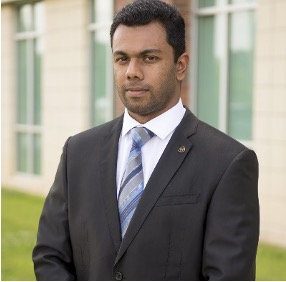
Vishesh Singh, B.P.T (India) MS (Sport Performance)

Instructor, Department of Kinesiology   
Managing Director of Human Performance Laboratories

I am a full-time instructor and Managing Director for the Human Performance Labs (since 2016) in the Department of Kinesiology. I have two Bachelor’s Degrees. One is a Bachelor of Physical Therapy (India), and the other is a Bachelor of Science (Botany, and Chemistry). I did my Masters in Kinesiology with a concentration in Sport Performance. As a part of my Master’s degree, I served as a strength and conditioning intern with the Louisiana Tech football team.

What do I do?

As an Instructor, I have two primary duties:

  1. Teaching undergraduate-level classes. I teach KINE 292- Preventive Health and Wellness (a freshman/sophomore level class) and KINE 326- Functional Anatomy (a junior level class).
  1. Work as an Advisor: I work as one of the advisors in the Department of Kinesiology for Undergraduate students. As an Advisor, I provide guidance to students to make informed decisions about their academic and career goals. This mainly includes helping students in selecting their classes for each quarter; if a student is facing challenges related to academics, personal matters, or other aspects of university life, provide guidance and connect them with appropriate resources or support services; tracking their progress; informing them about the opportunities related extracurricular activities, research, and internships.

My role as Managing Director of Human Performance Laboratories (HPL):

The Applied Physiology Laboratory (APL), the Minds in Motion laboratory (MiML), the Strength Lab & Weight Room, and the Sport & Movement Science Laboratory (SMSL) are four research and teaching laboratory spaces within the Department of Kinesiology at Louisiana Tech University. These four laboratories are collectively known as Human Performance Laboratories (HPL). 

Main duties as Managing Director:

  1. Coordinate with individual lab directors regarding lab space use or equipment use to avoid any scheduling conflict.
  2. Work as a common source of information for HPL related queries
  3. Building relationships with athletics and other groups to promote lab activities, which helps in the growth of the lab, department, and our students.
  4. Maintenance and upgrading the lab equipment.
  5. Procuring the new lab equipment. This mainly includes: comparing the equipment from different manufacturers, gathering quotes, writing grant, purchasing process, installment, and coordinate the training.
  6. Updating the HPL Webpage and YouTube channel.
  7. Help faculty and students with the data collection for their research projects.
  8. Training students and faculty for equipment use.

Main lab equipment the students learn how to use:

Biodex: Isokinetic Dynamometer which tells the amount force/torque produced during a movement. This equipment helps to find out strength discrepancies between the opposite muscle groups which is one of the main reasons for many sports injuries. For examples, one of the contributing factors for ACL injury is a markedly weaker hamstring compared to quadriceps. This equipment also helps to determine rehabilitation progress status which is important information to determine if the athlete is ready for “return to play” or not.

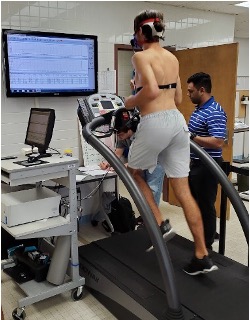
COSMED CPET: This device helps to determine an individual’s oxygen utilization capacity in the lab setting. Testing someone for oxygen utilization or maximum oxygen consumptions (VO2max) provides lot of important information. It indicates the ability of their heart and lungs to transport oxygen. It can also help to determine/understand suitable training intensities, preferred fuel (Carbs, Fat, Protein) for the activity, and recovery ability of an athlete.

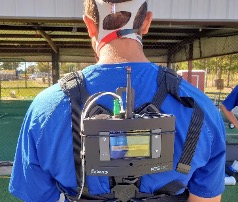
COSMED K5: This device tests the same parameter as COSMED CPET but this is a portable form with more advanced technology. With this device you don’t have to be in a lab setting. You can take the device to the subject and test them in their preferred environment like track, field, trails, or while playing tennis. It can even be used if the individual is in a wheelchair.

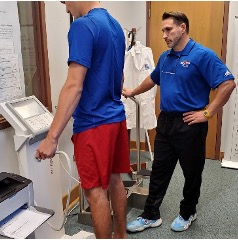
InBody: This piece of equipment is one the finest BIA devices available on the market. This device tells a person’s percent body fat which is no doubt a very important factor for health as well as sport performance perspectives. In addition to fat percentage this device also provides segmental analysis (upper limb, lower limb, trunk) for lean body mass, skeletal muscle mass and hydration level.

Why do students need to learn how to use all of this equipment?

Learning to use this equipment and the latest technologies can be crucial to a student’s professional journey. Students often believe they might not need to know how to use the equipment or technologies and that they are only for research. This is not true anymore, especially as the technology is becoming more advanced and affordable. Because of this, many non-research facilities/professionals (PT clinics, fitness centers, strength and conditioning coaches, sports coaches, and athletic trainers) are not only using them but also looking for candidates to hire who already have experience with these technologies. Learning the latest technologies and getting involved with research gives students confidence and separates them from the rest of the crowd. It also opens the doors for different non-traditional career options in sports and fitness. But the most important benefit is that it helps students understand the importance of information you get from equipment and how to use it to help others. The ability to use such information allows you to prevent injuries, boost performance, enhance the rehabilitation program, and improve the quality of life.

Kinesiology Paths: Be Who You Needed When You Were Young

Lacey White Deal, M.Ed.

Instructor

Adult Fitness Program Coordinator

Change is never easy but is usually a normal part of life that comes from an ever-changing society. Back in 2002 I finished my undergraduate degree with a Bachelor of Health and Physical Education – Fitness/Wellness. Upon graduation I joined a legacy of three generations of Tech students. I grew up hearing stories from my mother and grandmother about taking Health and Physical Education courses during their time as students. They shared stories about the teachers and the classes.

My grandmother’s experience as a student was quite different than mine. She started her college education in 1940 and later left school to become a lab technician during World War II. While raising three kids she returned to school and later joined what is now the Adult Fitness Program in 1987. I now run that program some 36 years later.

My grandmother’s Physical Education department required women to have physicals prior to attending classes. Women were still expected to wear skirts to school, and their physical activity courses were separated between men and women. By 1966 when my mother enrolled in classes to pursue her degree, classes were still separated but we had now added health to Health and Physical Education. Not until 1976 did the university see classes with no gender separation and three options of degree programs. Options that would help you pursue a degree in Health and Physical Education with a teaching certificate, one without a teaching certificate and an HPE degree focusing on recreation.

By the time I enrolled at Louisiana Tech in 1998 our program had seen the push to increase awareness of community fitness and wellness. Preparing young professionals for careers out of the school systems. We saw only two degrees offered at that time, HPE teaching and HPE Fitness/Wellness and just a few years after my graduation we had a completely new name, Health and Exercise Sciences. Not until 2009 did we officially become the Department of Kinesiology.

A lot has changed at Louisiana Tech since 1940 when a bachelor’s degree in physical education was first offered. The demands of our world have and are still changing. During our early years health care workers came directly from degrees in biology and nursing. HPE students were expected to be coaches, PE teachers, lead community recreation programs and become personal trainers. Now the demands of our health care system see students graduating with a degree in Kinesiology pursuing further education to become doctors, physical therapists, occupational therapists, physicians assistance, athletic trainers, chiropractors, medical sales representatives, professorsand many other professions directly related to providing the highest level of health care to our communities.

But these careers are not the only ones we see our students pursing. We currently offer two concentrations within our department, Kinesiology and Health Sciences and Exercise and Health Promotion. Had these two degrees been offered in 1998 when I enrolled as a student, I would have been working toward a degree in Health Promotion. I learned a lot during my time at Tech. Information I still share today with my students, but again, the world has changed a lot since my time as a student. Upon graduation I moved to Texas and worked as an aquatics professional running recreational and competitive aquatics facilities in Houston and Austin, TX. Most of what I applied to my job I learned on the job and from other people working within my profession. This is no different today, but there were many times that I felt like there was information I could have learned in college. But my degree was heavily blended with our teacher preparation program.

Since I got the chance to return to Louisiana Tech as an Instructor in 2015 my main purpose as a teacher has been to help my students prepare for their future careers. I teach several classes today that I took as a student. When planning I think about the demands of my jobs outside of academia and what I needed to know to be successful in my work. Things that would have prepared me to stress less, be more organized and serve my customers better.

This spring the Department of Kinesiology will graduate our last two remaining students with degrees in Health and Physical Education. A legacy of 85 years will be over. Becoming a PE teacher today is not an easy task. School systems are limiting physical education to the bare minimum. Making jobs in this field extremely hard to find. We as a department really had to think about what this would mean for our students. With most of our students pursuing degrees in our Health Sciences curriculum we had an opportunity to really think about what would best serve our remaining students in our Exercise & Health Promotion curriculum.

With Health and Physical Education no longer existing we had the chance to develop courses that were previously geared toward educator development to really thinking about our community recreation settings and providing a more diverse background within our Health Promotion concentration. Building out core curriculum classes that really served their specific needs and utilizing their elective courses to prepare them for the career of their choosing, whether it be a coach, teacher, personal trainer, strength and conditioning coach, medical sales representative, athletic trainer, community recreation leader or a certified health coach.

We also wanted to make it easier for students to gain additional knowledge within one or more of our minor concentrations in exercise and sport psychology, health coaching or sport performance. Adding one of these minors would provide our students with an even more diverse background, with even more knowledge to help them pursue their future career.

We know that change is always around the corner and in the Department of Kinesiology we value building strong community relationships outside of academics that can help us anticipate changes and see new trends. Serving our students is always our first priority, as it was in 1940 when my grandmother took HPE 514 – Volleyball and Mass Badminton. I always tell my KINE 202 – Foundations of Kinesiology the same thing. “My goal is to be the person that I needed when I was young.”

Lacey Deal is starting her 8th year as an instructor within the Department of Kinesiology. She teachers KINE 202: Foundations of Kinesiology, KINE 414: Introduction to Adaptive Physical Activity, KINE 254: Youth Fitness Programming, KINE 425: Practicum (Adult Fitness) and is the coordinator of the Adult Fitness Program. Fun fact…she learned to jump of the diving board at the old La Tech Natatorium while her grandmother was participating in an Adult Fitness class in 1987. She later was a practicum student under Mrs. Smiley Reeves and a graduate teaching assistant for Ms. Rhonda Boyd, both of whom she now teaches with in the program. She even convinced her mother to join the program a few years back. She is married to Brad who teaches in the School of Design’s Architecture Program. They have two boys Oli (14 years) and Finn (10 years). With two teachers in the house they spend most of their summers taking adventures to National Parks.


Kinesiology Paths: Health Coaching

Tamara Childers Canales, M.S.

In 2014, I graduated from Louisiana Tech University, earning a Bachelor of Science in Kinesiology and Health Promotion. Building on this foundation, I pursued a Master of Science in Health Education and Promotion from Northwestern State University in 2017. My career began as an exercise physiologist in various hospital settings. Subsequently, I transitioned to a pivotal role within a major health insurance company where I specialized in consulting cardiac patients. In 2019, I underwent internal health coach training at the same esteemed insurance company, facilitating my transition to a role in case management as a dedicated health coach.

Career Potential as a Health Coach

Although the importance of preventive health measures was recognized as far back as the mid-1950s, there has been a recent surge in corporate focus on this specialty. This heightened attention is driven by the excessive costs associated with chronic disease management. Research has demonstrated that the involvement of qualified health coaches results in improved health outcomes and a substantial reduction in medical expenses.

Since the establishment of the National Board for Health and Wellness Coaching (NBHWC) examination in 2016, there has been a consistent and significant increase in the demand for certified health coaches. This trend is projected to continue its upward trajectory in the coming years. I strongly advised that students take advantage of coursework available for health coach certification, as it has increasingly become an industry prerequisite. This not only enhances their post-graduation employability, but also their career prospects.

Health Coaching during the COVID-19 Pandemic

My transition to the role as a health coach was, in part, catalyzed by the global COVID-19 pandemic. During this period, my employer saw the immediate need to expand their health coach teams, given the sudden shift toward remote work and the heightened concern for overall health. As the pandemic unfolded, my caseload swelled substantially in the early months of 2020. Many people struggled to envision strategies for maintaining their health and preventing chronic diseases. In response, my team and I stepped in to offer guidance on effective lifestyle and behavior change. 

The COVID-19 pandemic not only showcased the vital role health coaches play in helping individuals navigate their health and well-being, but also highlighted the significance of health coaches in a world increasingly focused on preventive health measures. Certified health coaches are well-positioned to make a lasting impact on individuals and communities.

Kinesiology Paths: Health Coaching

Alison Reichter, Ph.D

The Department of Kinesiology will begin offering courses in Health Coaching in the Winter Quarter (2023-2024) and we are awaiting final approval of a new undergraduate certificate in health coaching by the Board of Regents. With these new opportunities, I wanted to take the opportunity to share more about health coaching as a career path and my background in the field. 

What is health coaching?

According to the National Board of Health and Wellness Coaching, “Health & wellness coaches partner with clients looking to enhance their well-being through self-directed lasting changes, aligned with their values. In the course of their work, health & wellness coaches display unconditional positive regard for their clients and a belief in their ability to change, honoring the fact that each client is an expert on their own life while ensuring that all interactions are respectful and non-judgmental.” What this means is that health coaches help support their clients to make sustainable and healthy lifestyle behavior changes.

Health coaches are trained in behavior change theories, motivational concepts, health education and health promotion, as well as the link between health behaviors and health outcomes. This skill set that combines evidence-based behavior change strategies, communication tactics, motivation tools, and health knowledge puts health coaches as a prime player to help individuals live healthier lives.

Health coaches work with clients as an equal partner to help them make desired healthy lifestyle behavior changes. Health coaches do not tell their clients what to do; instead, health coaches understand that their client is the expert of their own life. Coaches help clients develop their own realistic goals with manageable strategies to achieve their desired health outcomes. Change is difficult, and a health coach works with their client to help them through the process of developing and keeping new health-related habits.

A number of different research studies have demonstrated the effectiveness of health coaching to help individuals modify their health behaviors, improve health outcomes, and improve holistic well-being outcomes – such as improved quality of life and psychological well-being (e.g., Sforzo et al., 2019). Health coaching has been especially beneficial for individuals living with chronic diseases such as cancer, diabetes, and cardiovascular disease, as well as risk factors for chronic disease including obesity, high cholesterol, and high blood pressure(Sforzo et al., 2019).

Health coaching is a relatively new field and career path. The first program dedicated to health and wellness coach training was developed in 2000 (wellcoachesschool.com). The National Board for Health and Wellness Coaching was formed in 2012 and established the current standards of education, training, credentialing, and research for the profession. In 2016, the NBHWC worked with the National Board of Medical Examiners to establish a board certification exam to standardize and advance the profession of health and wellness coaching. Since 2016, over 9,000 individuals have become National Board Certified Health and Wellness Coaches.

What does a career in health coaching look like?

To pursue a career in health coaching, it’s recommended that students become a National Board Certified Health and Wellness Coach by passing the NBHWC Board Exam. To be eligible to sit for the board exam, students must pass an NBHWC Approved Training Program, complete 50 health coaching sessions, and have an associate’s degree or higher (or 4000 hours of work experience). For more information on the National Board of Health and Wellness Coaching, please visit nbhwc.org.

Health coaching is a growing profession, with annual growth rates expected at 6.7% per year, which is faster than many fields. Health coaches can work in a number of different settings – from healthcare settings, worksite or insurance programs, digital health, community-based programs, to self-employed. The day-to-day work of a health coach is dependent on what setting they work in, but it often involves meetings with multiple clients or groups of clients over the course of a day. 

What are the offerings related to health coaching at Louisiana Tech?

The Department of Kinesiology at Louisiana Tech University now offers two classes on health coaching. KINE 221, Health Coaching, is an introduction to the field of health coaching and students will learn the fundamental skills and theories of health coaching. KINE 321, Advanced Health Coaching, includes training in advanced skills and methods in health coaching, and provides students with a primer in ethics and professionalism as related to the field. As health coaching involves the development of many behavior change and communication skills, both classes include many demonstrations, activities, and other hands-on opportunities to learn and practice the material. 

Additionally, the Department of Kinesiology is awaiting final approval for an undergraduate certificate in health coaching. This certificate will include 24 credits of coursework, with 18 credits of required coursework, and 6 credits of elective coursework – to allow students to tailor the certificate to suit how they plan to utilize health coaching in their future career. Students will be able to add the undergraduate certificate in health coaching beginning in Spring 2024. In the coming months, we intend to apply for our undergraduate certificate program to become an NBHWC Approved Training Program, and I will be excited to share more when that happens!

What is my background in health coaching?

My academic background is in Kinesiology, and I have a Ph.D. in Kinesiology with an emphasis in sport and exercise psychology. One of my main areas of research has been motivation and social influence in physical activity, which lends itself well to health coaching. 

I completed a training program in health and wellness coaching in 2017 when I began teaching undergraduate courses in health coaching at the University of Iowa. In 2018, along with my colleagues at the University of Iowa, we developed an experiential learning program for our trained students to offer health coaching services to community members. In 2020, I became a National Board Certified Health and Wellness Coach after passing the NBHWC Board Exam. My goal in becoming a board certified health and wellness coach has always been to stay up to date with the latest knowledge and practices in the field in order to better serve the students I work with. 

As our health coaching coursework becomes integrated into our curriculum in the Department of Kinesiology and undergraduate certificate program launches, I look forward to sharing more opportunities for our students at Louisiana Tech in health coaching!

To watch the seminar Dr. Reichter presented on Health Coaching:
https://fb.watch/nQ0tjd-mUl/?mibextid=cr9u03

Kinesiology Paths: Athletic Training – A Legacy Story

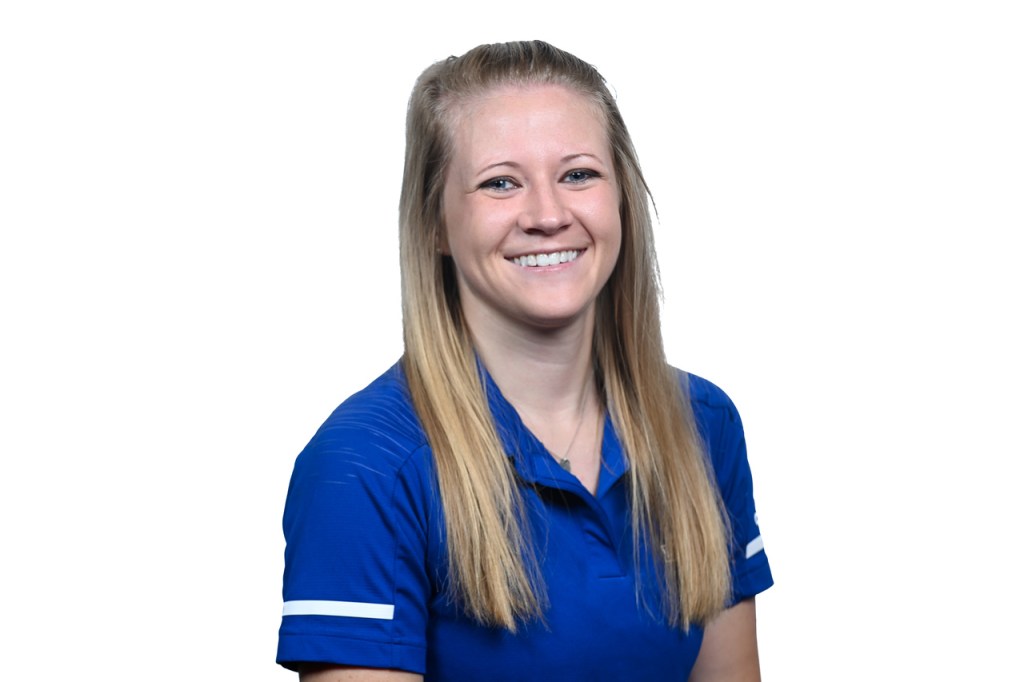
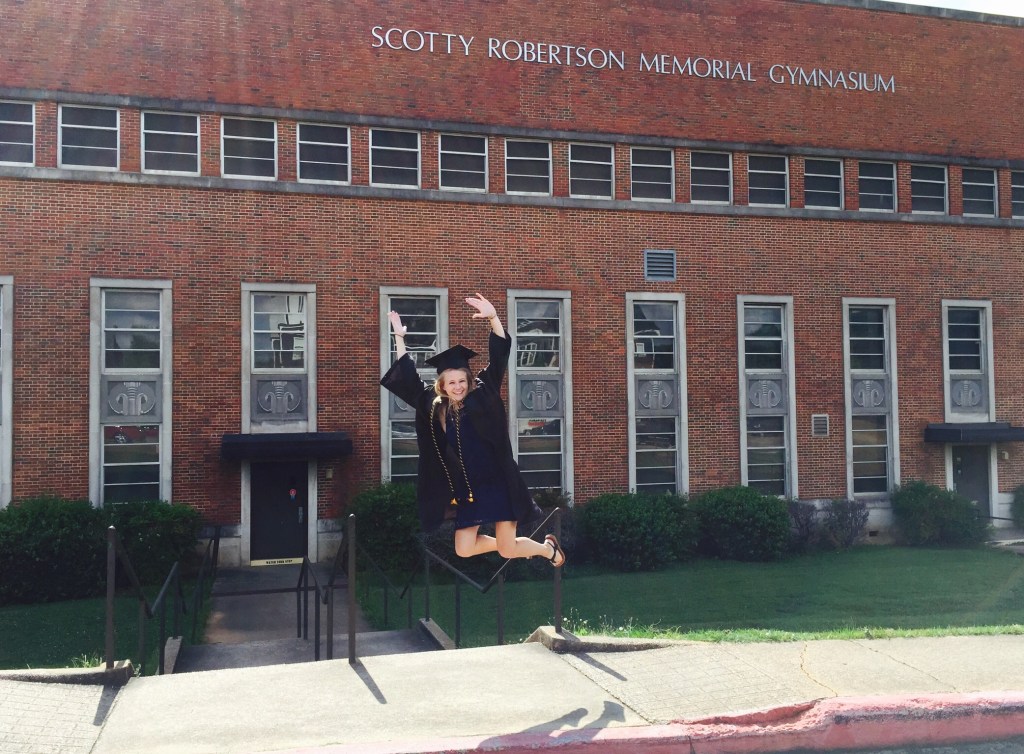
Stephanie Smart, BS Kinesiology and Health Promotion (2016), MS Athletic Training (2018)

Being back at Tech is the dream I never knew I had. Louisiana born but raised in North Carolina – my family continued to loyally support Tech. My dad graduated with his bachelors and masters from Tech. He was a manager for the Louisiana Tech Bulldogs basketball team under Coach Scotty Robertson. Coach Robertson is the reason my dad switched from engineering to teaching and coaching high school basketball. With the impact from many Louisiana Tech legendary greats such as Coach Leon Barmore, Coach Tommy Joe Eagles, Coach Robertson, and more, my dad succeeded during his times at Cedar Creek, Dubach, Quitman, East Ascension, and lastly in Highlands. Fun fact: Mrs. Boyd attended one of my dad’s summer basketball camps as a camper herself!

I always knew I would end up at Tech for college. I also always knew I would continue the family business of working in basketball. But I had no idea in what capacity it would be. Initially, I declared an undecided major because I struggled to pronounce and spell “kinesiology”. But I took a couple of KINES courses and absolutely fell in love with the faculty, the other KINES students, and the course content. I knew that it was the major I needed to be in. I became vice president of PEK (Phi Epsilon Kappa- the Kinesiology honor fraternity), active with ESPE (now KINES- professional student organization for Kinesiology), and developed relationships that would grow into great professional working relationships as well as lifelong friendships.

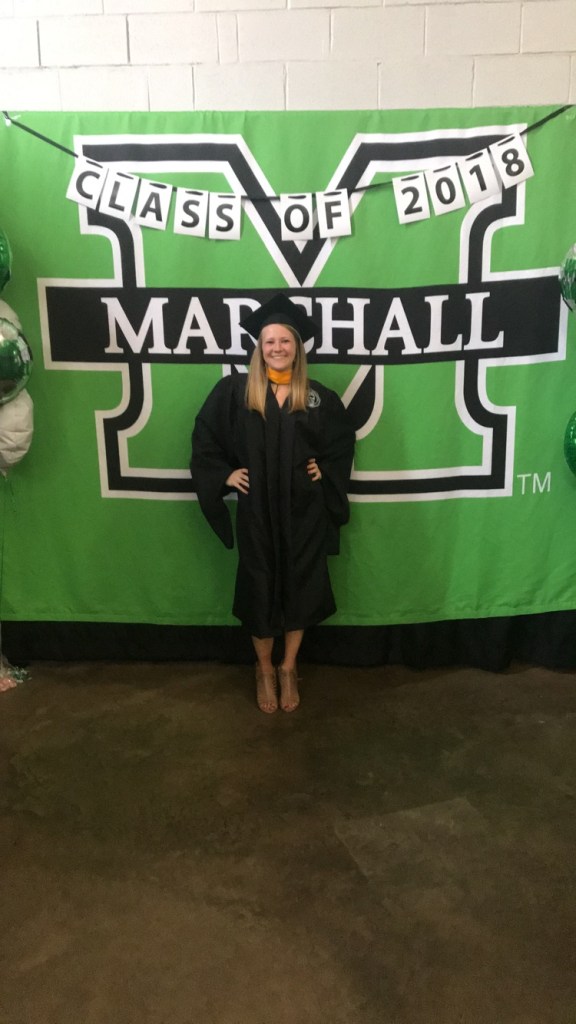
After I graduated from Tech, I earned my Masters in Athletic Training from Marshall University in West Virginia. I was part of the inaugural class of 5 students. I was the only one with a bachelors degree – the others were part of Marshall’s 3+2 program as most AT programs are now. Having the Kinesiology degree gave me a little bit of an upper hand especially in the rehab and exercise prescription areas.

I graduated in 2018, passed my athletic trainers board of certification (BOC) exam, got my AT licensure in the state of Louisiana and did a 10 month internship at Louisiana College (now Louisiana Christian University). An internship route isn’t a popular direction to take due to the full-time responsibilities and hours and extremely low pay but it was right for me. After that I was hired at Piedmont University in Georgia where I covered volleyball, women’s basketball, men and women’s golf, and men and women’s tennis. Piedmont is where I grew the most under the guidance of some phenomenal athletic trainers. I obtained certifications in blood flow restriction, grastons technique (scraping), and became an NASM corrective exercise specialist. I also taught a couple of undergraduate exercise science courses.

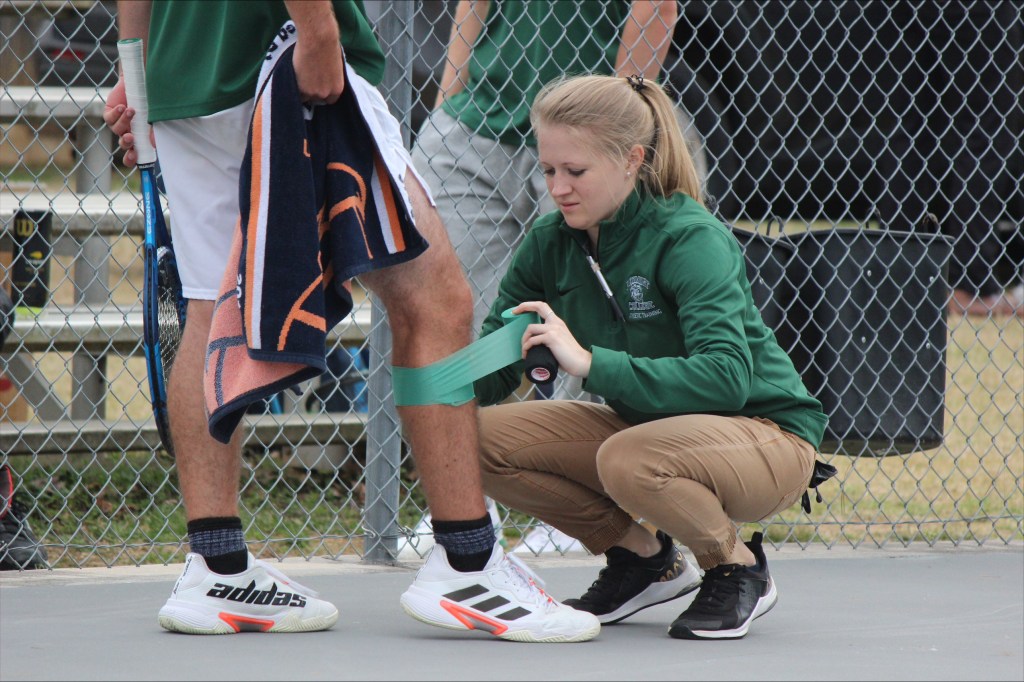
In my opinion, I believe athletic training is one of the greatest medical professions there is because of the fact that we are one of the few medical professionals to see an injury all the way through – from the moment it occurs on the court with the initial eval and diagnosis, to the acute care, treatments, and referrals necessary, to the possible lengthy rehabilitation, to the return-to-play, and last but not least the maintenance and preventative measures taken to ensure no further injury occurs. Athletic trainers aren’t just in professional, college, and secondary setting athletics. There are AT’s in performing arts, military, industrial settings, operating rooms, hospitals and clinics, PT clinics, and fitness gyms. Obviously, my passion for sports kept me in the college setting but it’s nice knowing there are so many options to choose from.

With the help from my mentor, former KINES adjunct faculty member and Lady Techsters basketball athletic trainer, Mandy Miller, I got the job here at Tech with the Lady Techsters and am temporarily covering the volleyball team. In the spring, I will be teaching KINES 405- Sports Med & First Aid. I look forward to all that is to come!

My world has truly come full circle and a lot of credit go to the amazing faculty of the kinesiology department.

Mrs. Boyd, Mrs. Smiley Reeves, Dr. Szymanski, Mrs. Szymanski, and Dr. Blazo – thank you all for being incredible educators and influencers.

Athletic Training Programs:

https://www.gradcollege.txst.edu/programs/athletic-training.html

https://education.utexas.edu/departments/kinesiology-health-education/khe-programs/athletic-training-program/

https://www.lsu.edu/chse/kinesiology/undergraduate_programs/bs_athletictraining/AT-new-pages/AT-home.php

Kinesiology Paths: Follow Your Heart and Keep Running!

Junhai Xu, Ph.D. Assistant Professor

Being a professor of Kinesiology is a dream come true. I enjoy teaching and doing research, through which I can impart my knowledge and experience to students, explore the unknown in exercise sciences, and help improve human performance, wellness and health. When I think back, the following assisted me in fulfilling my dreams. 

Find Your Interest

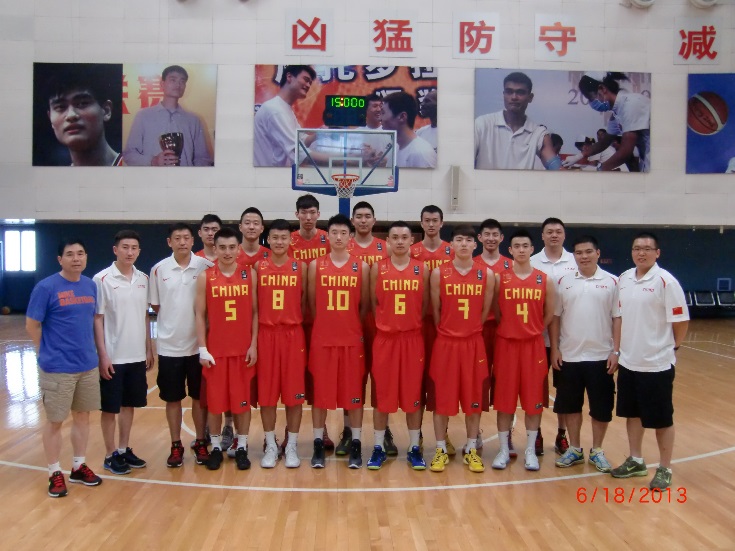
My background was physical education. I was a professor teaching physical activity classes, including basketball, volleyball, track & field, and Tai-chi at Central University of Finance & Economics (CUFE) in Beijing, China. I had developed an interest in factors affecting exercise performance after completing graduate school. However, there were no classes taught about it at that time. However, a great opportunity presented itself to me when I got a job as an interpreter for the strength and conditioning coaches for Chinese national men’s basketball team. It was my first time to see strength and conditioning training applied in professional sports. I realized that was what I wanted to do in my career! It led me all the way to the United States for a Master’s in fitness and human performance, an internship with the Houston Rockets, becoming a strength and conditioning coach for the Chinese youth national basketball teams, a strength and conditioning coach for Chinese women’s Olympic team, completing my doctoral studies at LSU and a volunteer strength and conditioning coach of LSU football. 

Sharpen Your Tools

English, especially spoken English, led me to the path of strength and conditioning. I did not realize it was necessary to improve my spoken English until I turned down a job recommendation as an interpreter for a Chinese Basketball Association (CBA) team. From then on, I developed a habit of practicing my spoken English early every morning through listening to the radio of Voice of America (VOA). I even bought a portable CD player when I got my first month’s salary, to listen to audio English articles whenever I could. My four-year practice helped me secure a job as an interpreter for Chinese men’s national basketball team, and eventually helped me get the job of strength and conditioning coach for Chinese national youth basketball teams. 

As a strength and conditioning professional, a knowledge of the exercise techniques is very important. Starting from scratch, I learned every weight lifting technique from squat, bench press to Olympic weightlifting and plyometrics. I practiced the techniques learned from class and organized a training club with my classmates to practice Olympic weightlifting every weekend. Practice is vital to the learning process as well, because it corrects the false, even wrong, techniques and creates opportunities to learn why a certain exercise works and others don’t. Most importantly, it provides the ingredients for your future training program. 

Be Committed and Work Hard

To love what you are doing, you should be committed and contribute time to it. In order to improve my spoken English, I have developed a 5-year habit, to practice for 2 hours starting from 5:30 in the morning every day. When I was doing my internship, I would normally go to the Toyota Center fifteen minutes early. Once my internship supervisor arrived, we would finish a 40-minute workout together before NBA player Yaoming came for practice. As the strength and conditioning coach of the Chinese national basketball teams, I was always the first one to get to the training room to set up all the equipment, to make sure the training session would go well. Before calling it a day I would complete a one hour training session myself. While I was a volunteer strength and conditioning coach for LSU football, I started the day by arranging training equipment and finished with cleaning and replacing the weights. All of this contributed to my success as a strength and conditioning coach for Chinese national basketball teams. 

Be Grateful and Thankful

Without help from others, a person can hardly succeed. I always appreciated the people who have supported and helped me by maintaining great friendships with them.
Mr. Xue, my internship supervisor in Chinese Basketball Association (CBA), offered me a job as an interpreter for Chinese men’s national basketball team, which gave me an opportunity to work with professional basketball teams. Anthony Falsone, the athletic performance coordinator of San Antonio Spurs, led me to the field of strength and conditioning and taught me many weight training techniques. Dr. William Amonette, my Master’s advisor at University of Houston Clear Lake, played a huge role in my academic success, and is a role model for my career. Dr. Arnold Nelson, my PhD advisor, opened another window of opportunity in exercise for health. I have a deep appreciation for these people and others, as they have been role models for helping people. I plan to carry on their virtues by helping others. My time here in the Louisiana Tech Department of Kinesiology has been wonderful! My family and I enjoy life in Ruston and the Louisiana Tech community.

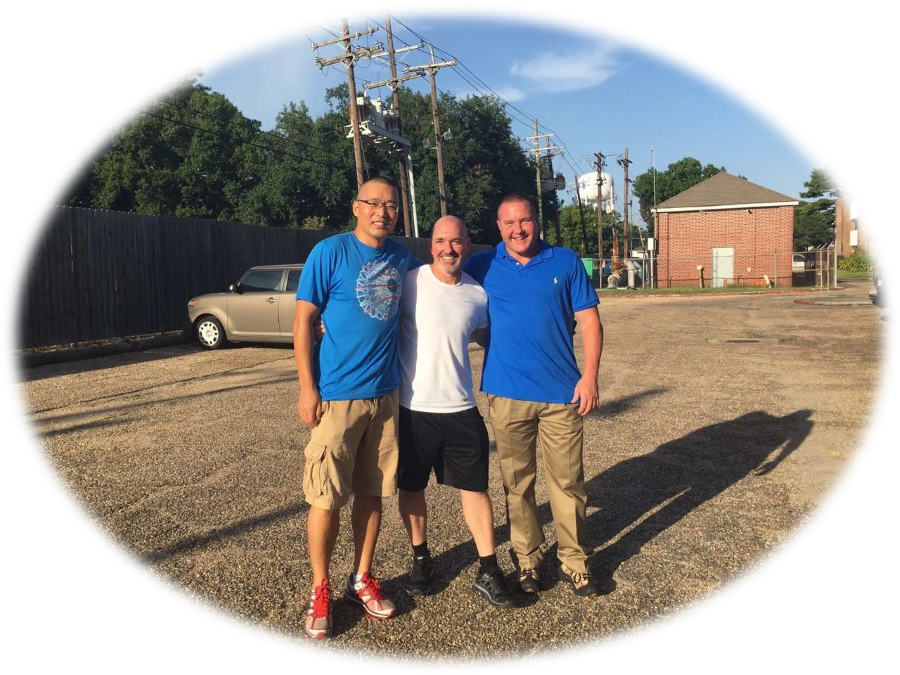
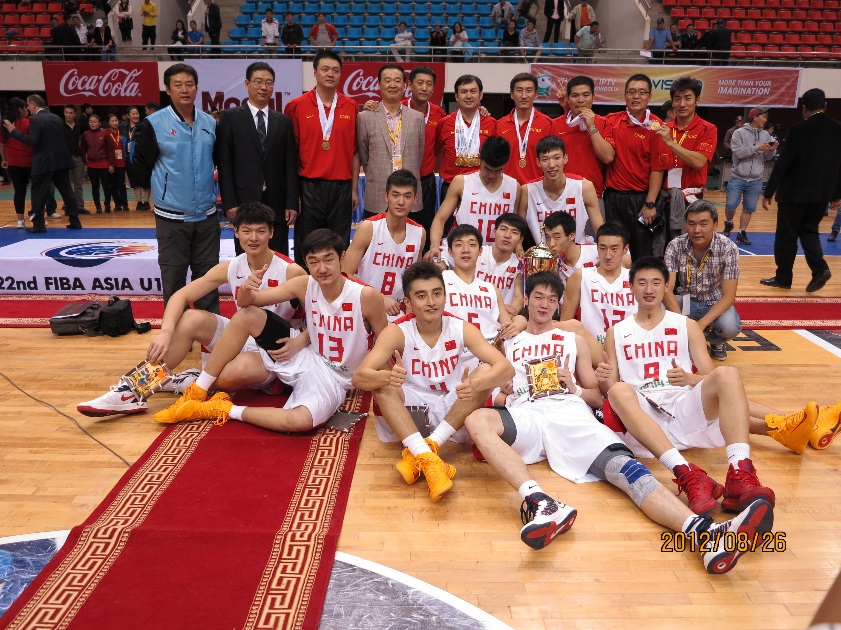
Junhai Xu, Anthony Falsone, and William Amonette

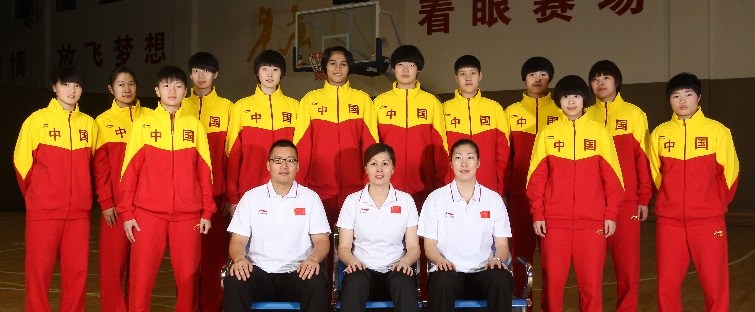
U17 Women’s National Team

U18 Men’s National Team

U18 Men’s Basketball Asian Championship

U17 Women’s Basketball Asian Championship

Kinesiology Paths: Sports Performance

Christopher Watson, Kinesiology Graduate Student

Raised in Toronto, Canada I have always had a passion for baseball and hockey. While earning my BSc in Biology and playing baseball at St. Lawrence University, I also worked with the men’s and women’s hockey teams on the strength and conditioning staff. Shortly after finishing my undergrad I became a Certified Strength and Conditioning Specialist (CSCS). Working with many great strength coaches has allowed me to gain ample knowledge and led to getting to work with very talented athletes, some being in the NHL, NBA and the Olympics. When speaking with a mentor of mine, Dr. Ryan Crotin, I learned about the Kinesiology Department at Louisiana Tech and the baseball research that Dr. David Szymanski completes. The program piqued my interest and made it an easy decision to come to Tech. 

At Tech, I have kept busy pursuing my graduate degree in Kinesiology Sports Performance Concentration and as a graduate teaching assistant. I work directly with the baseball team as the director of video and analytics and am also a strength and conditioning coach intern. I have created a student group in baseball analytics to further assist the team and teach analytics.

For my thesis I will combine my interests of baseball, strength and conditioning and biomechanics. I will conduct research to determine if forearm strength and mobility impacts pitchers’ performance in their pitch movement as well as their risk of injury. After graduating in the spring of 2024, my goal is to use my knowledge from my studies and experiences to start a career in baseball in the areas of player development and strength and conditioning.

My passion for baseball while having a growth mindset has made for an easy transition and sense of fulfillment in coaching. I feel extremely fortunate to have chosen Louisiana Tech for countless unique opportunities, the breadth of knowledge I have acquired, new experiences and the great people I have encountered. 

Mrs. Jessica Szymanski, Graduate students Elise Bordlee, Chris Watson, Austin Reedy and Dr. David Szymanski

Additional Information:

information about our two undergraduate degrees in Exercise and Health Promotion and Kinesiology and Health Sciences
information about our Graduate Programs: Master of Science in Kinesiology Sport and Exercise Psychology Concentration and Sports Performance Concentration

Sampling of Job Opportunities via LinkedIn:

Baseball

https://www.teamworkonline.com/baseball-jobs/baseballjobs/tampa-bay-rays/baseball-operations-summer-intern2054830

https://www.mlb.com/careers/opportunities?gh_jid=5372017

https://boards.greenhouse.io/clevelandguardiansbops/jobs/6817528002

Football

https://jobsinfootball.com/